Toy Fair 2026 New York: Trends der Spielwarenbranche
Die Toy Fair 2026 in New York gilt als einer der zentralen Treffpunkte für die internationale Spielwarenbranche. Hier verdichten sich in wenigen Tagen Themen, die Hersteller, Handel, Lizenzgeber und Medien das ganze Jahr begleiten: Welche Produktideen tragen im Regal wirklich? Wo verschiebt sich Nachfrage – und warum? Und wie verändert sich das Verhältnis zwischen klassischem Spiel, digitaler Ergänzung und neuen Zielgruppen?
Spieltrends und Neuheiten auf der toy fair 2026 in New York City
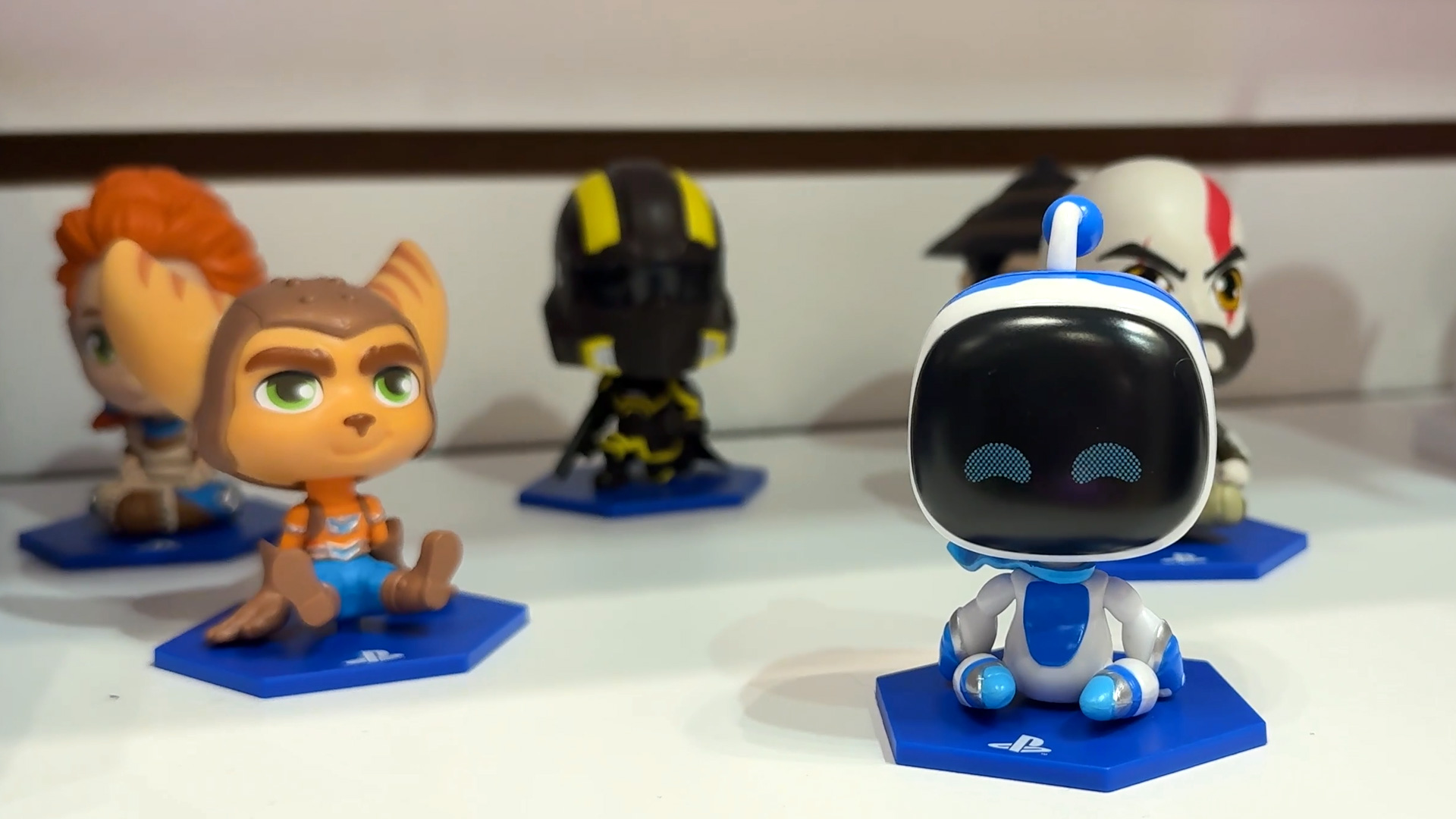
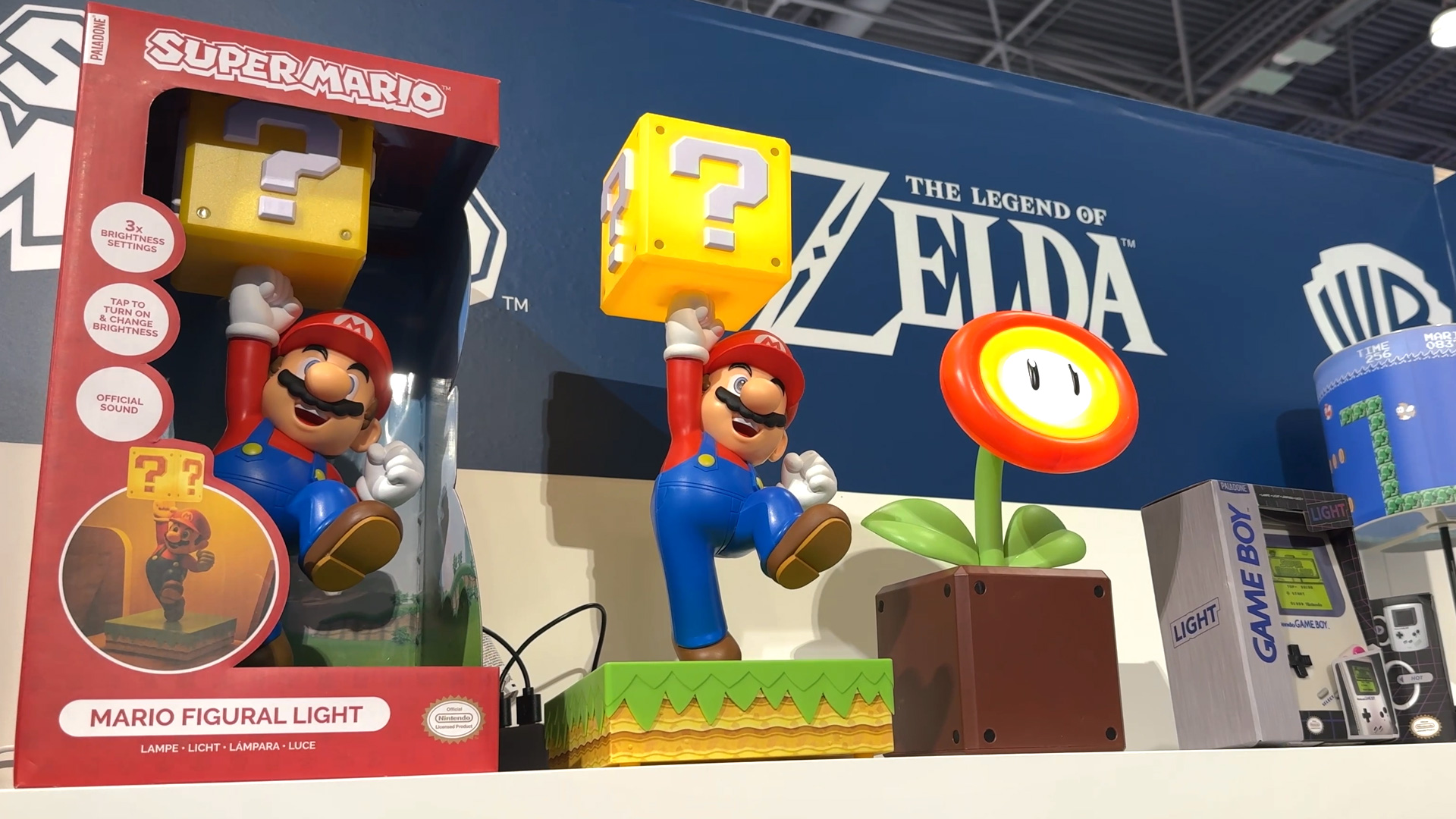
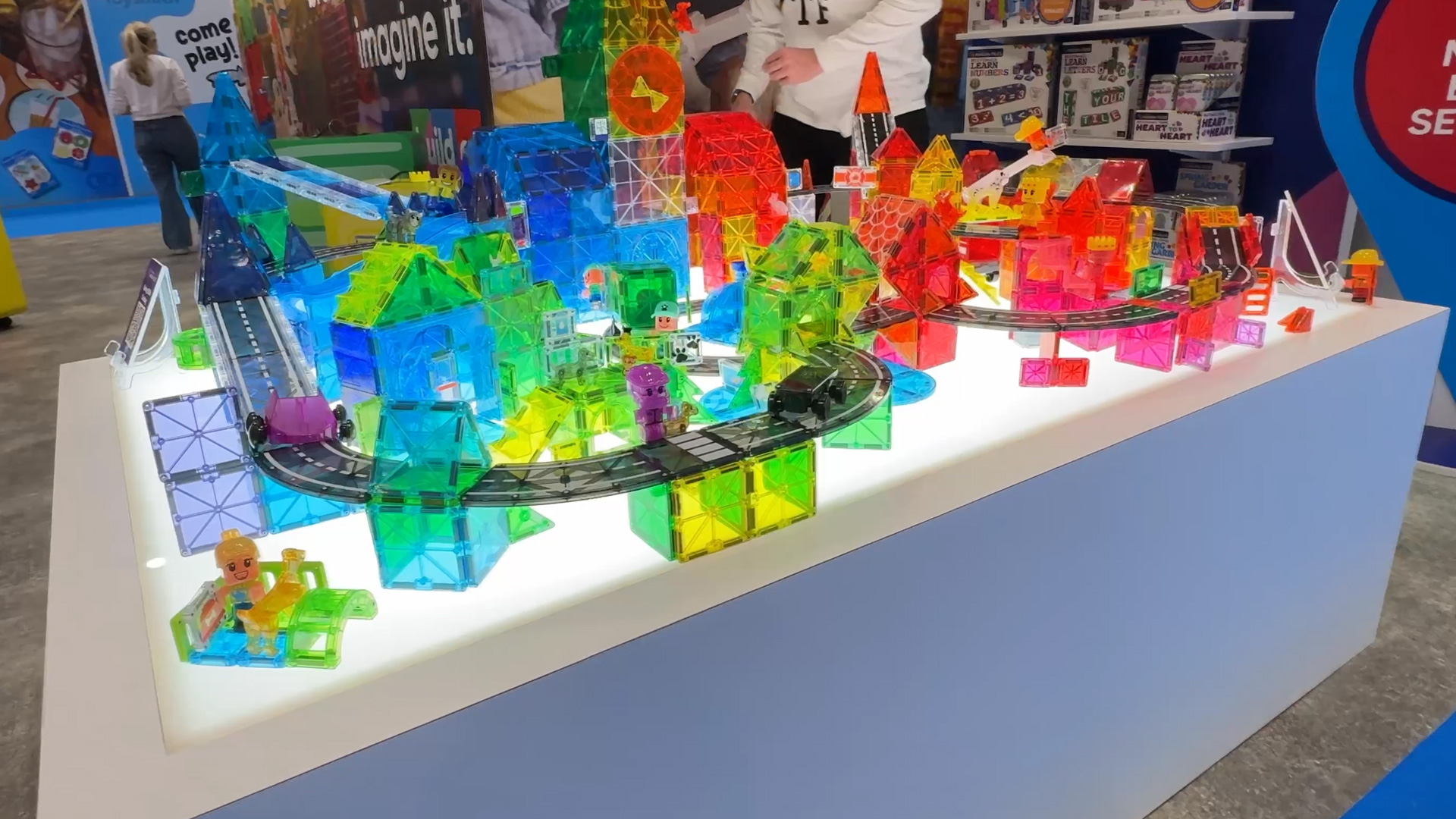
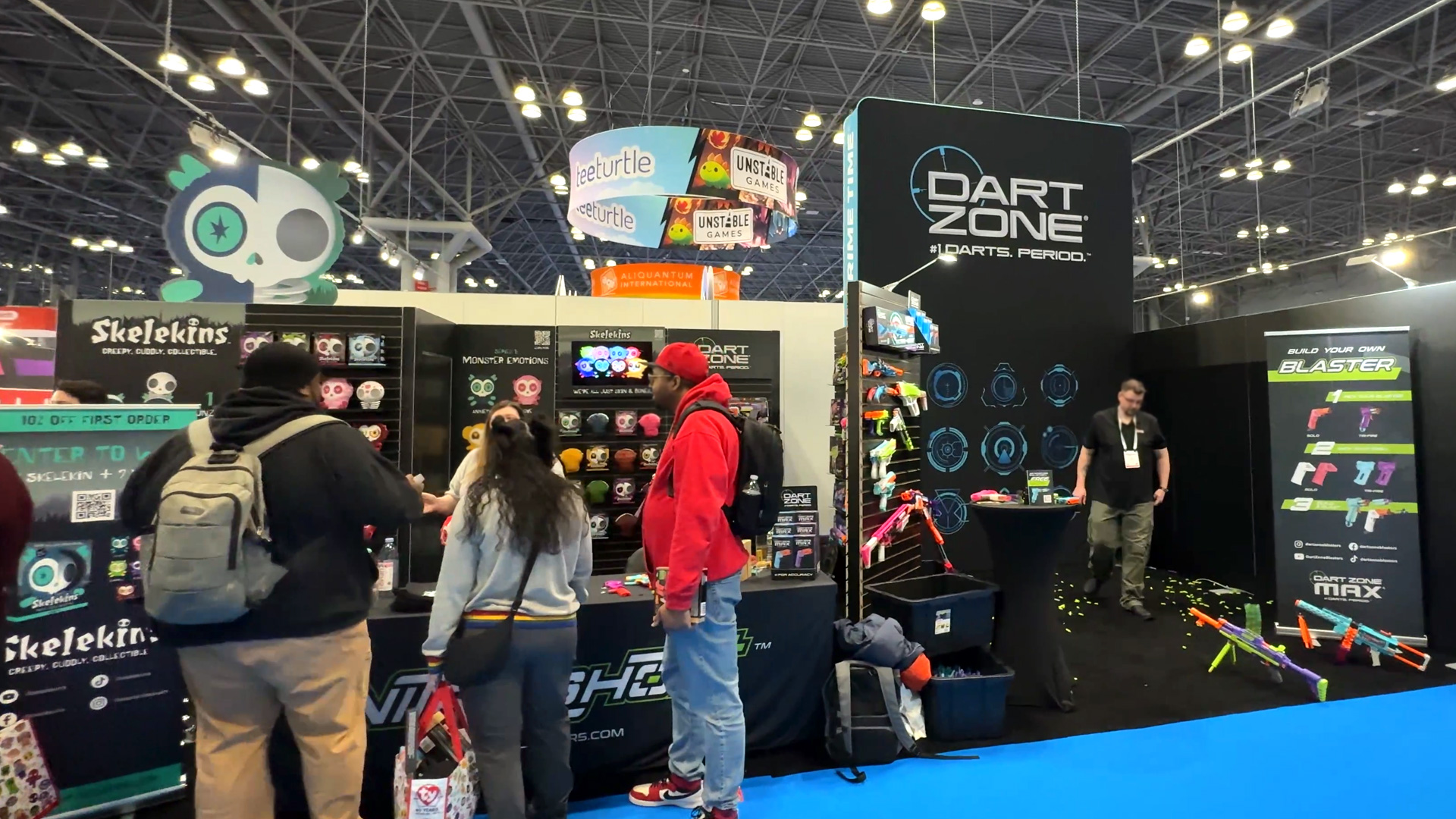
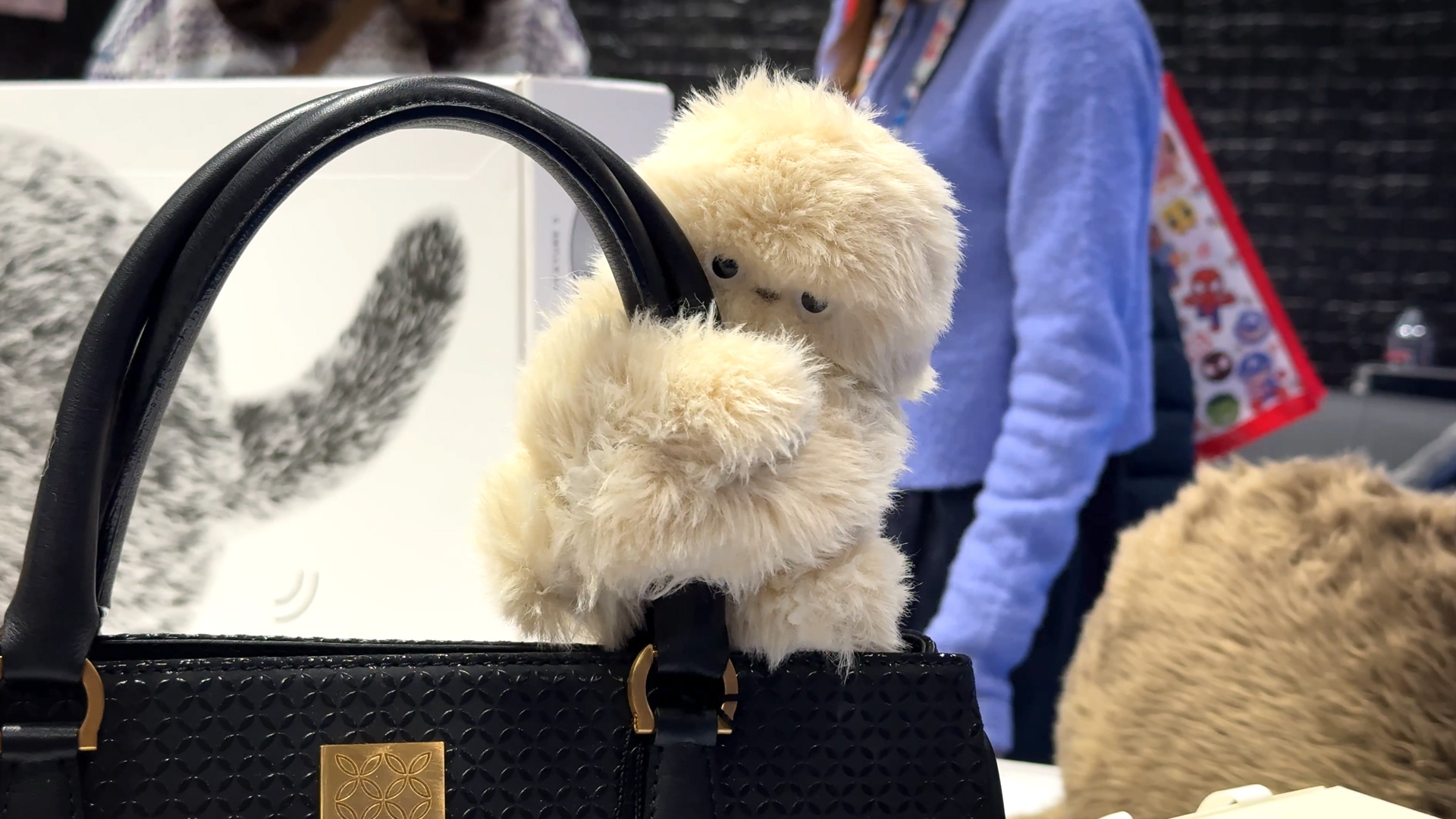
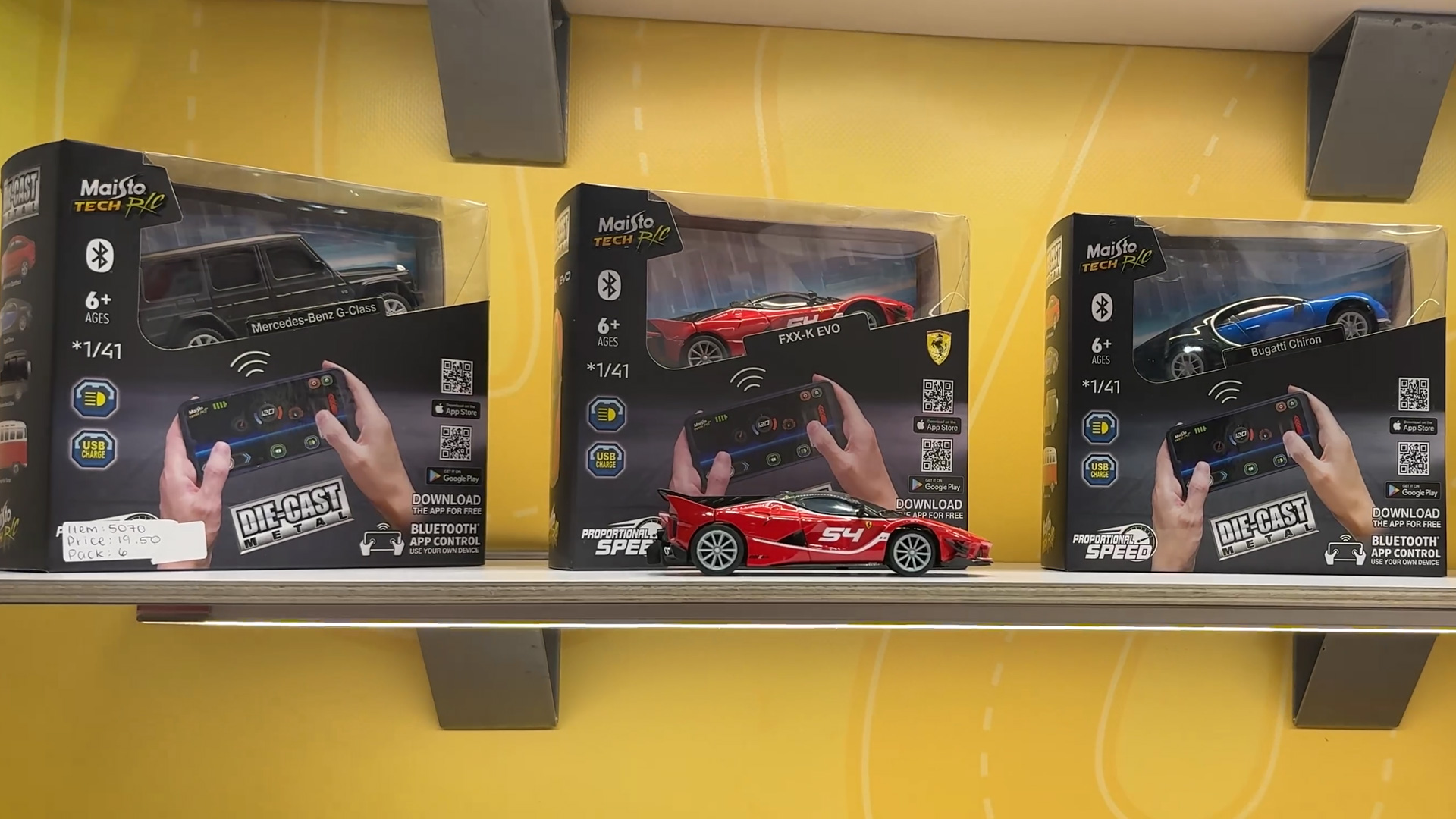
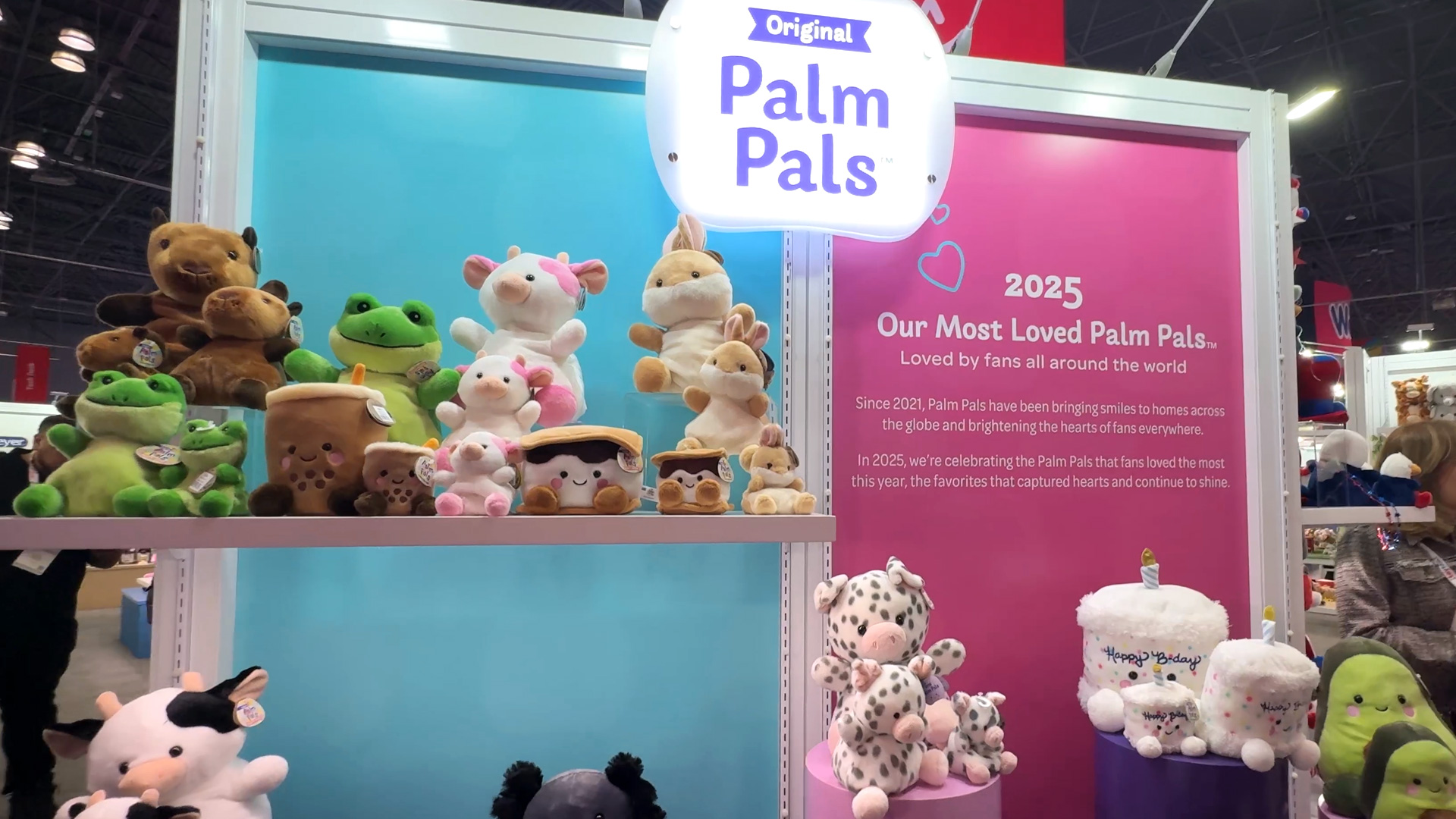
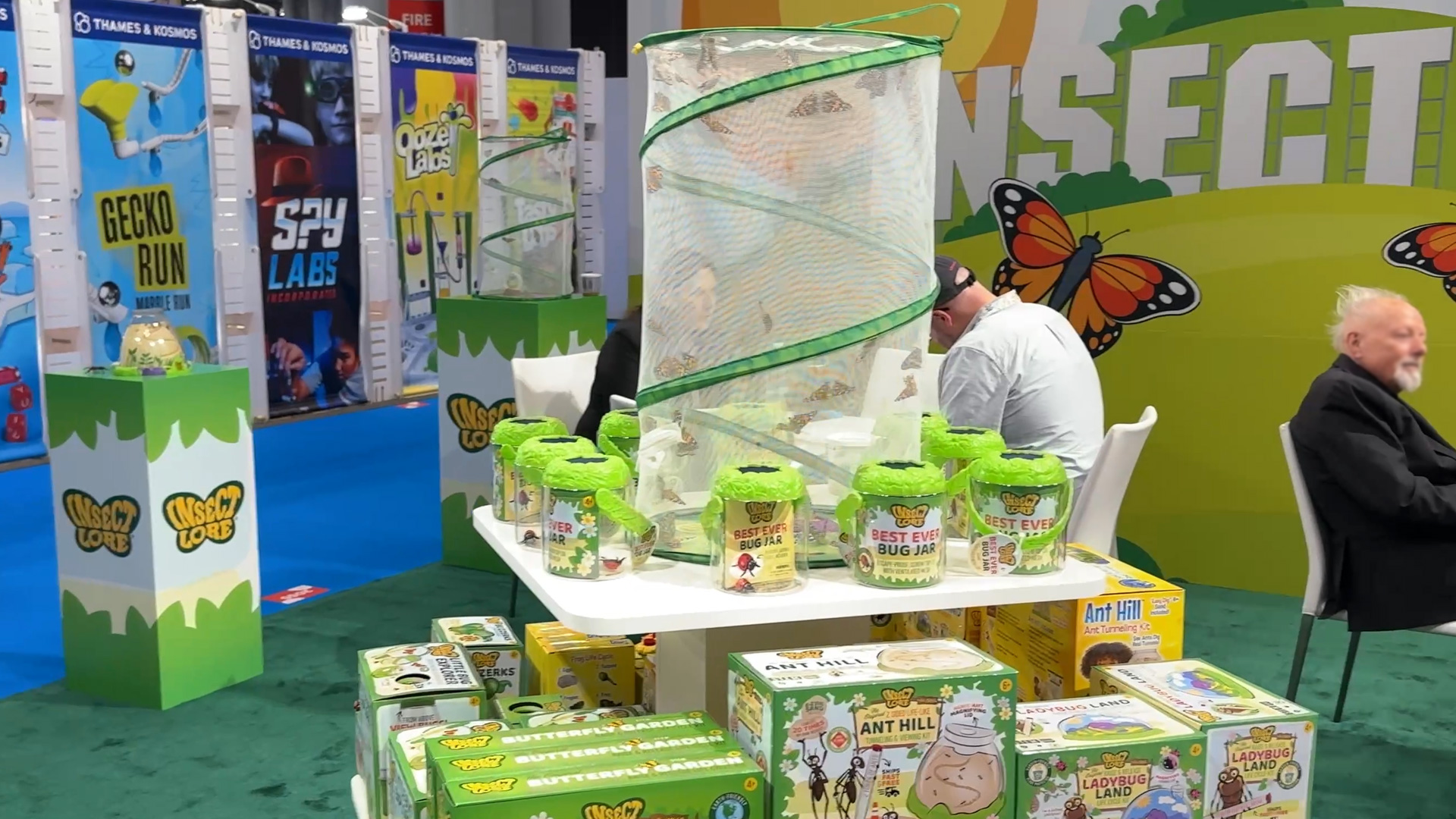
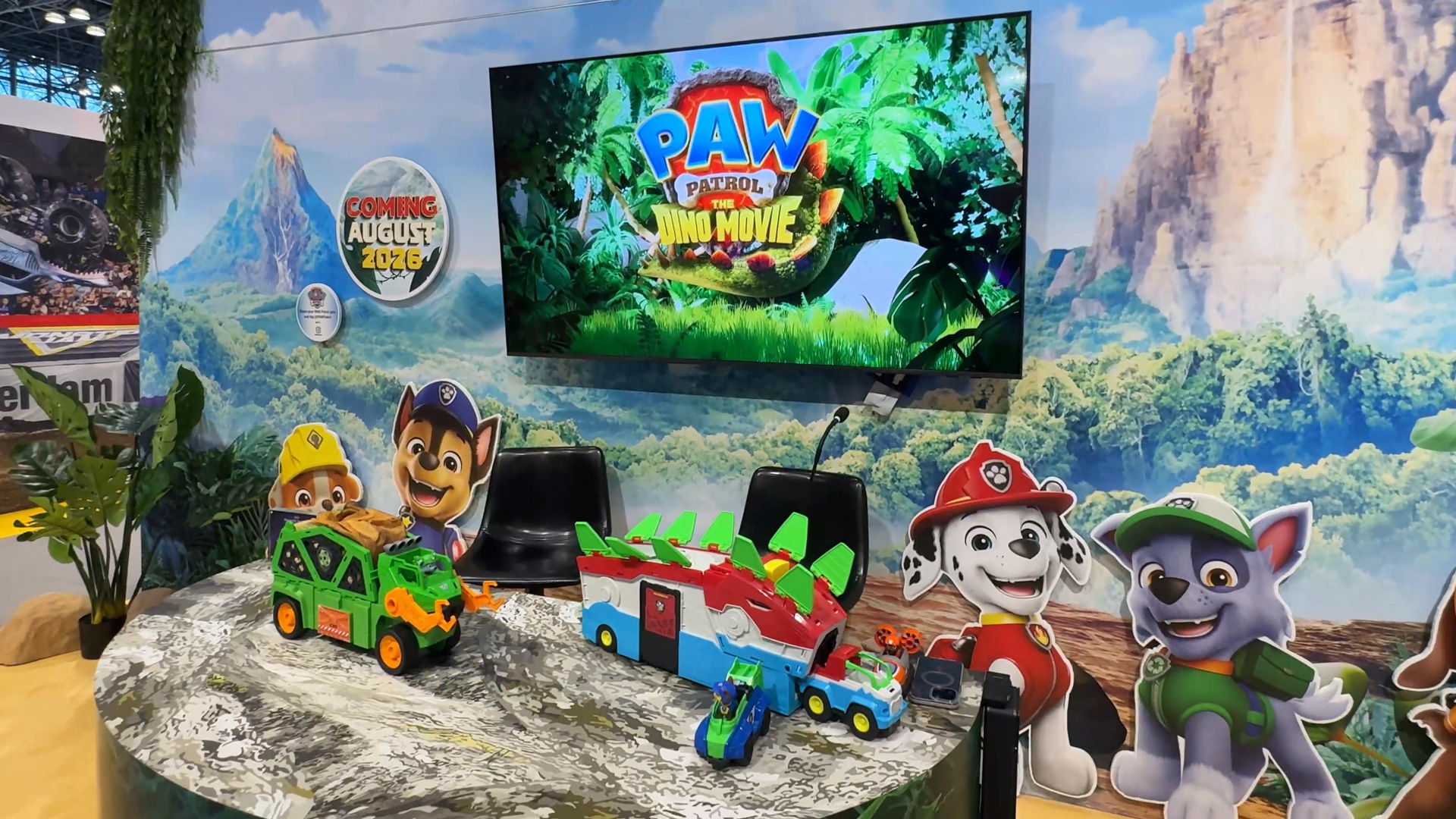
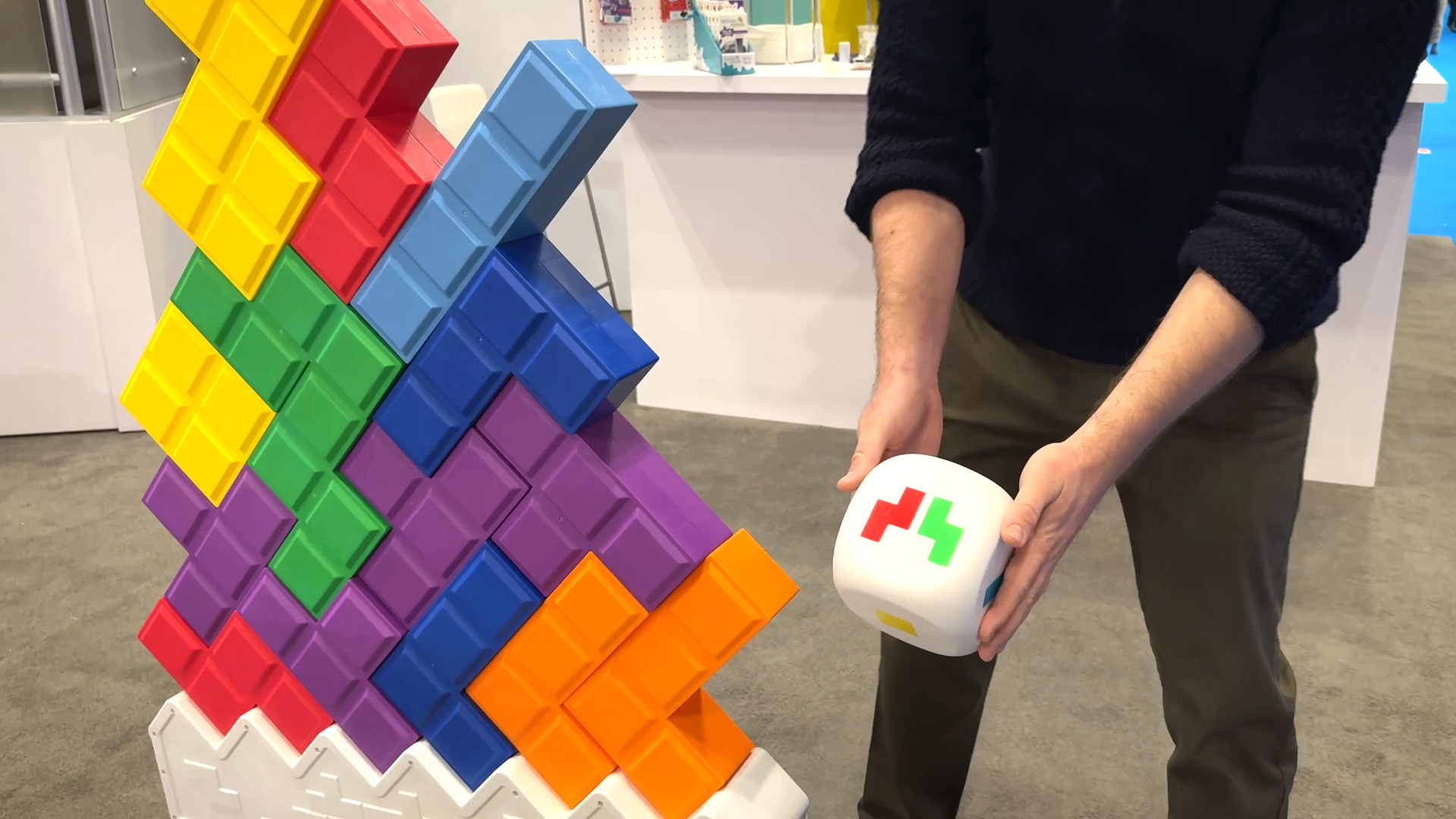
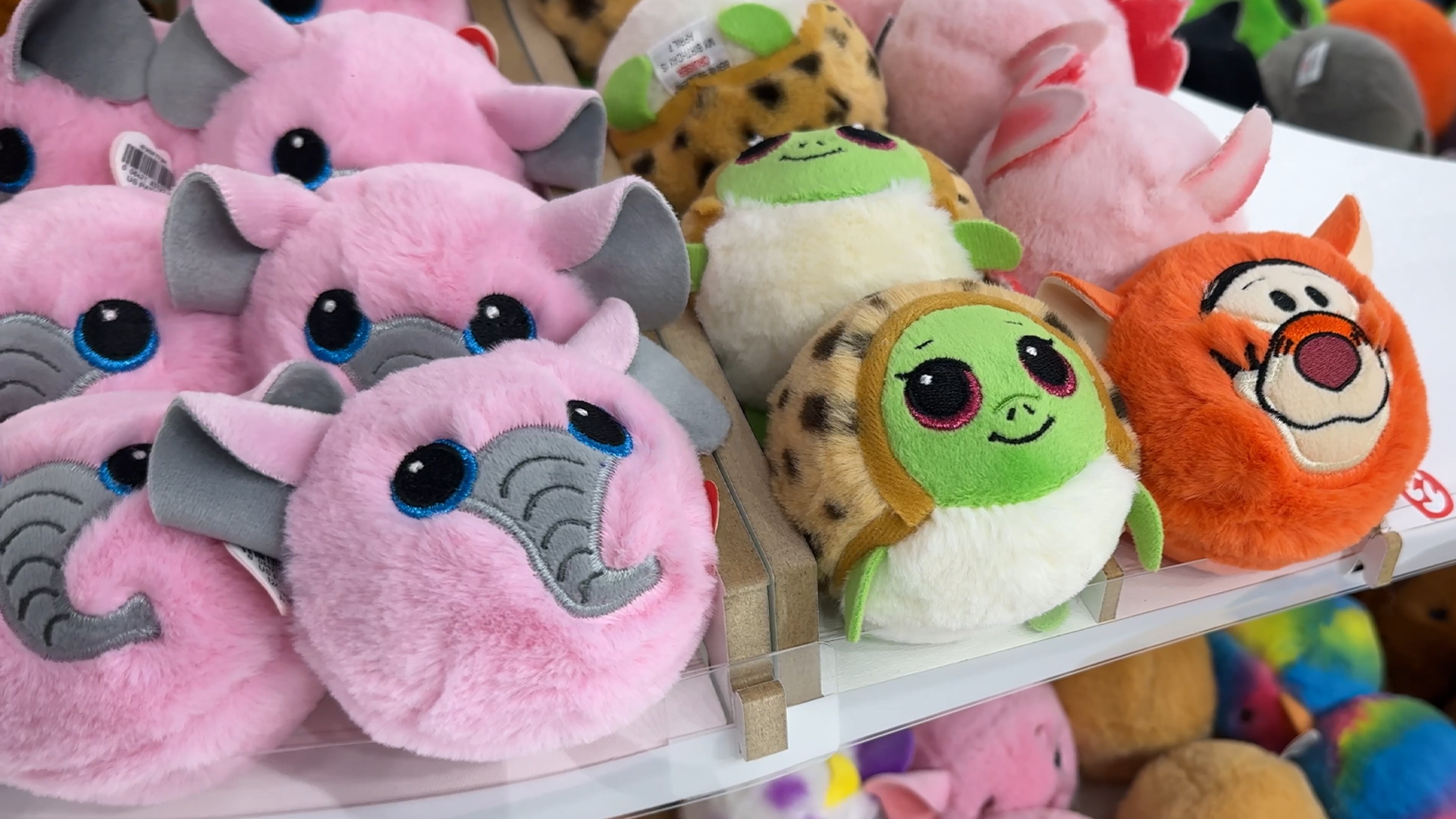
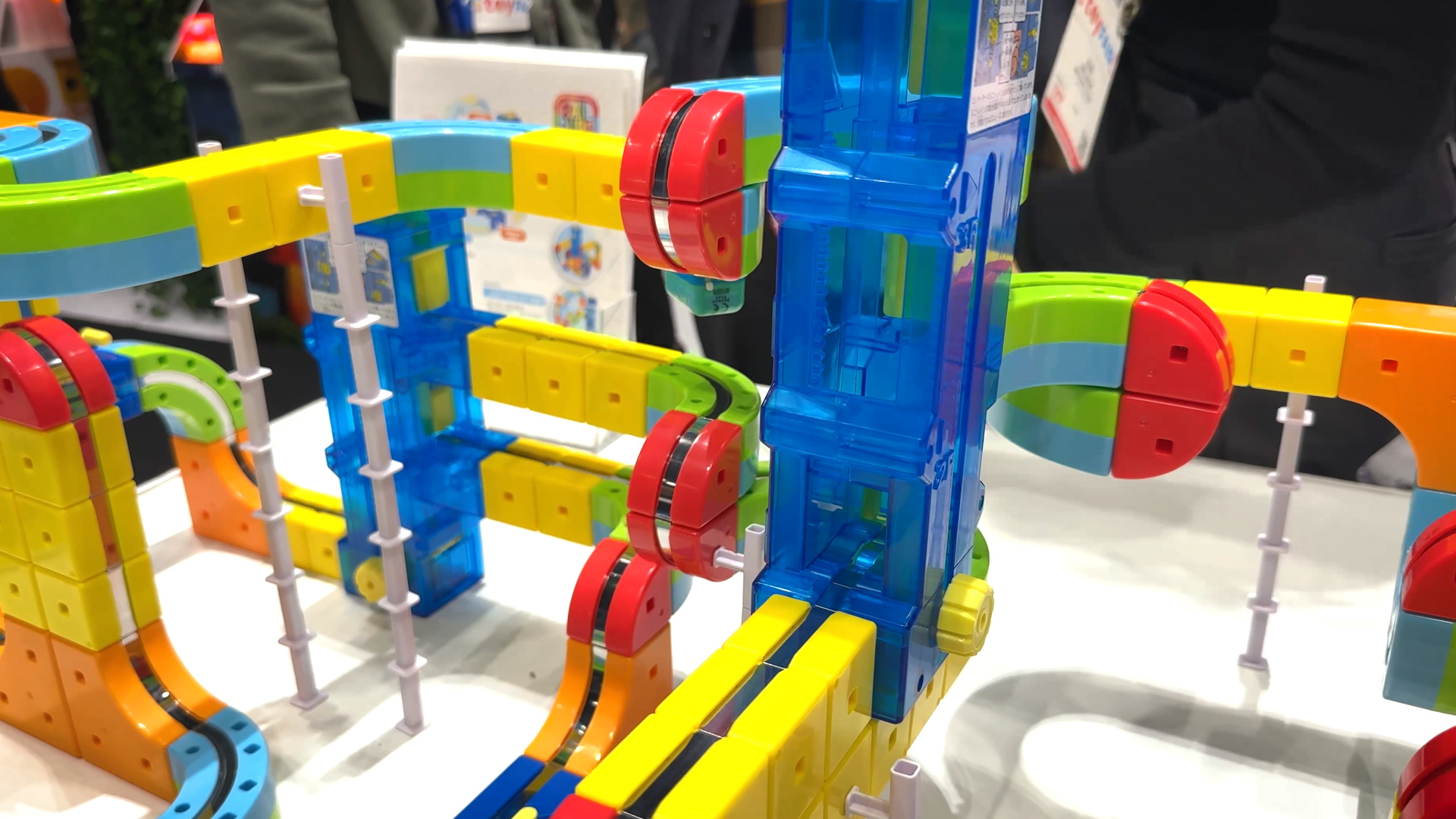
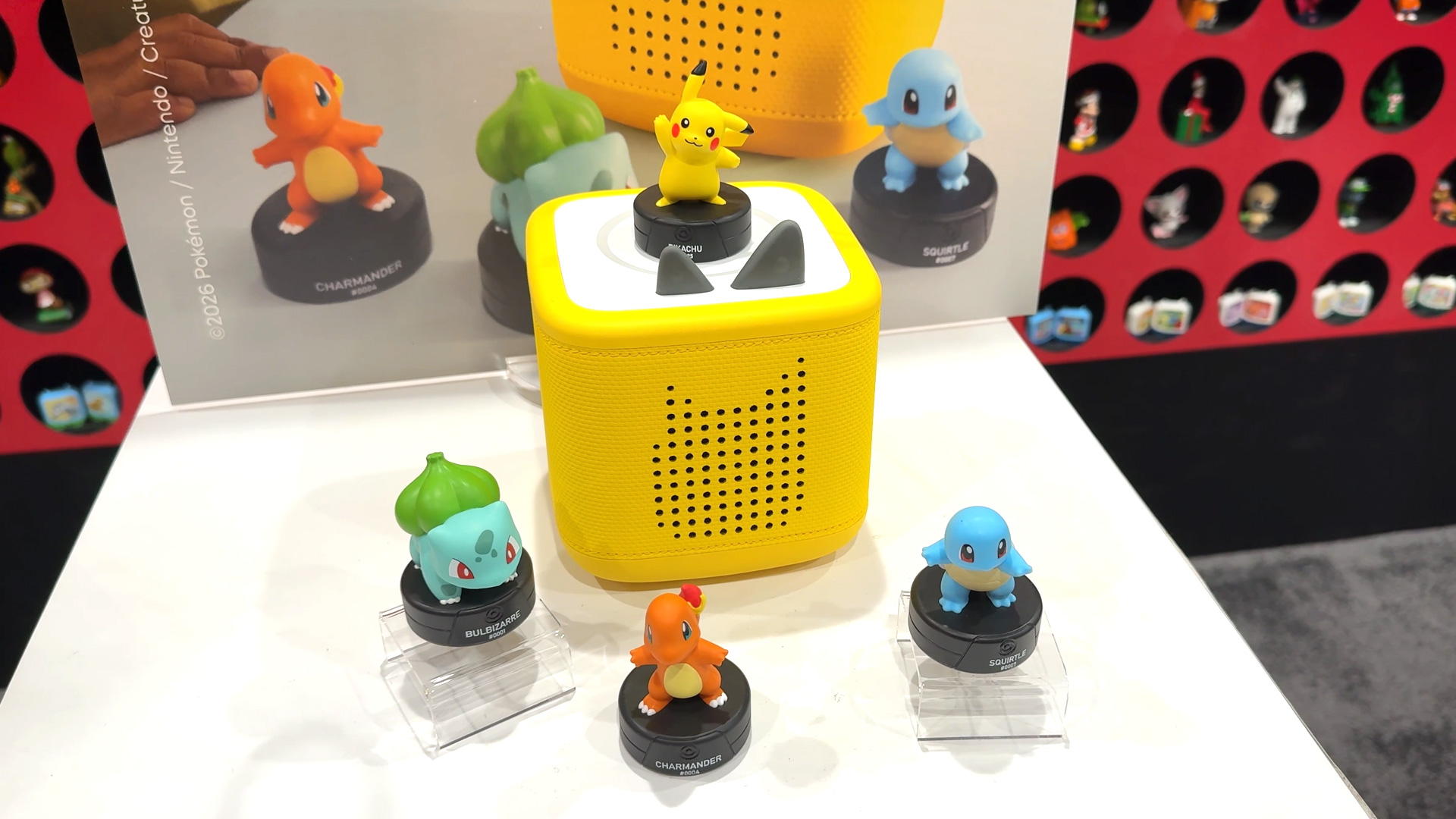
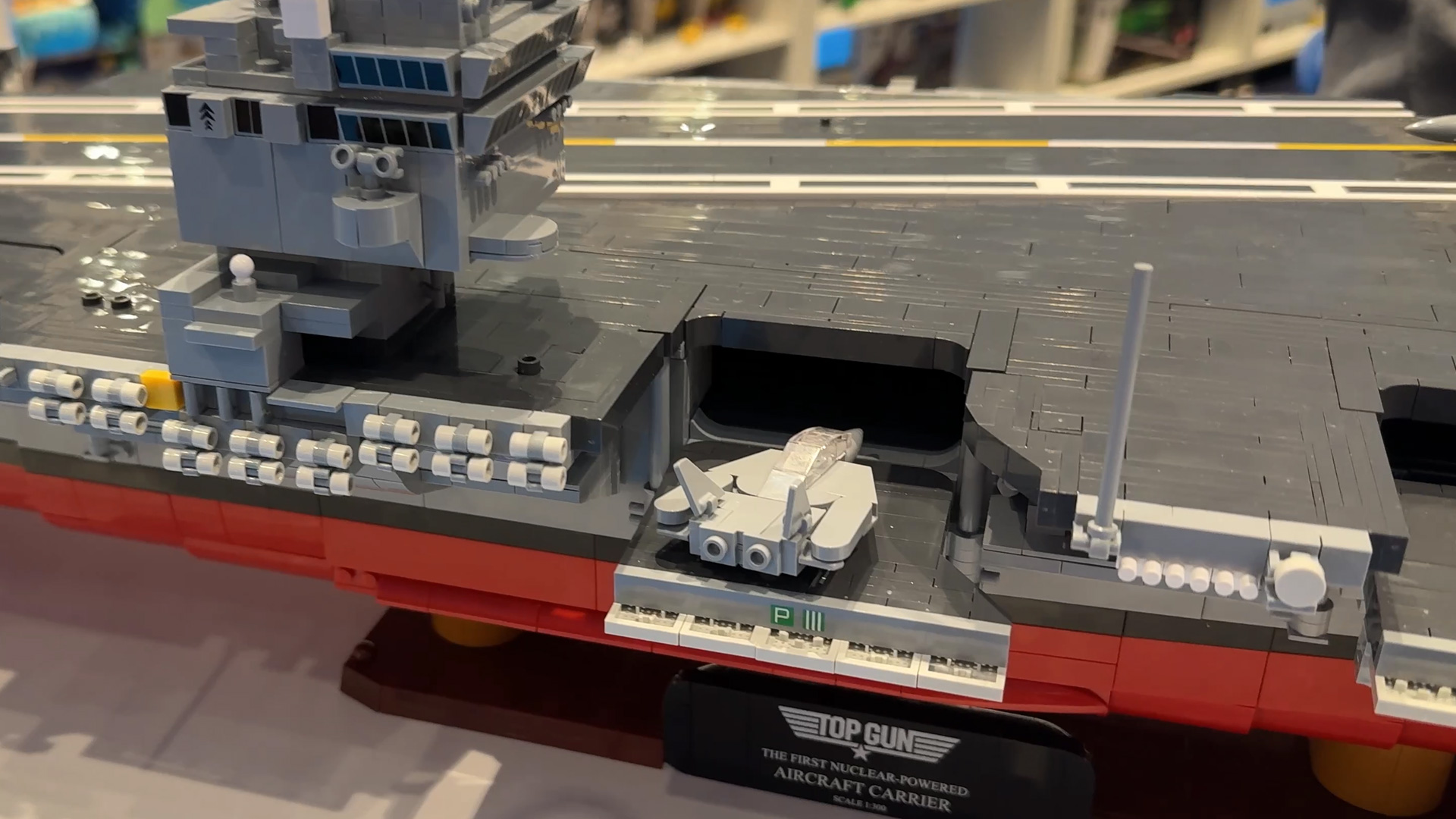
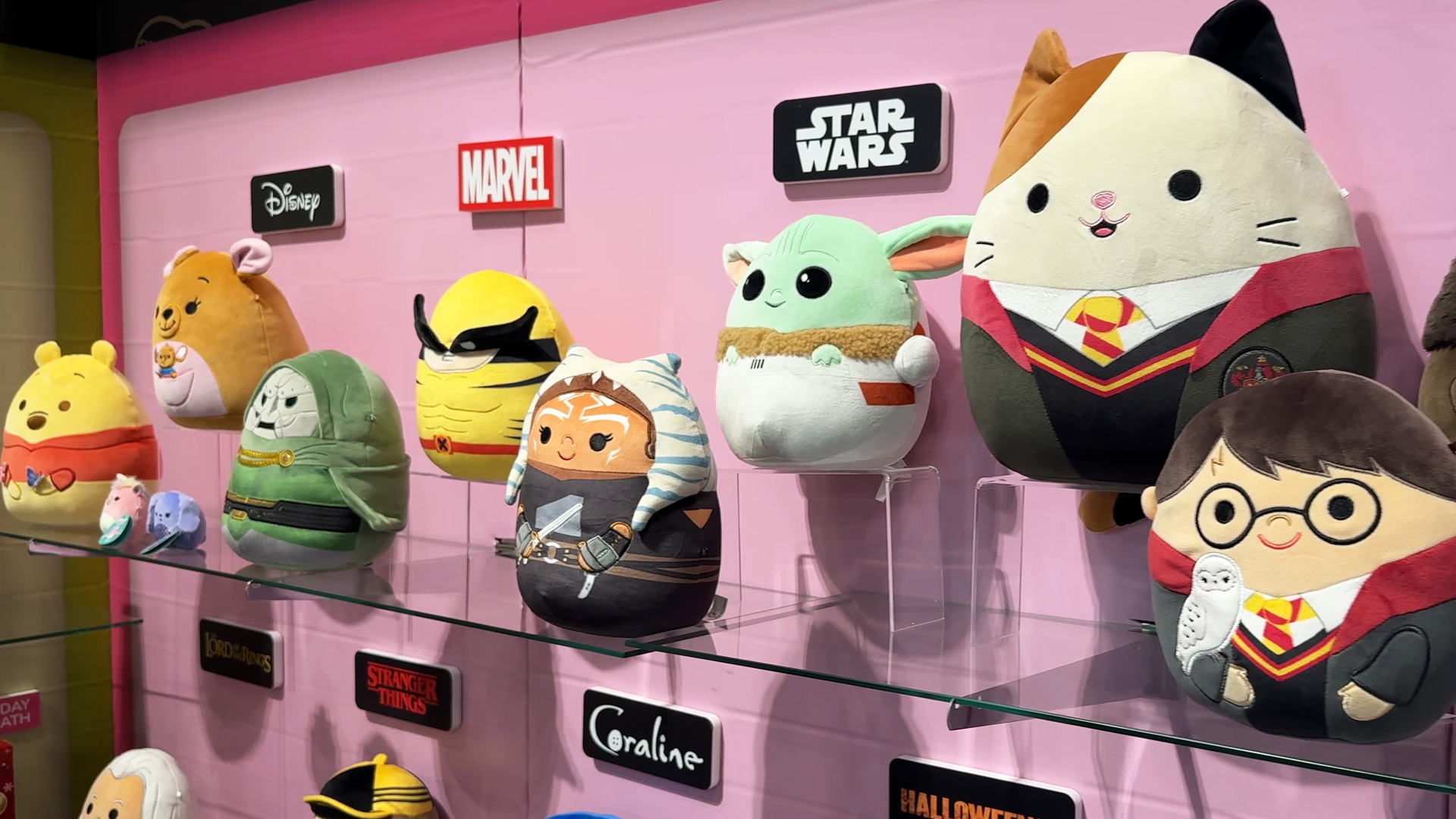
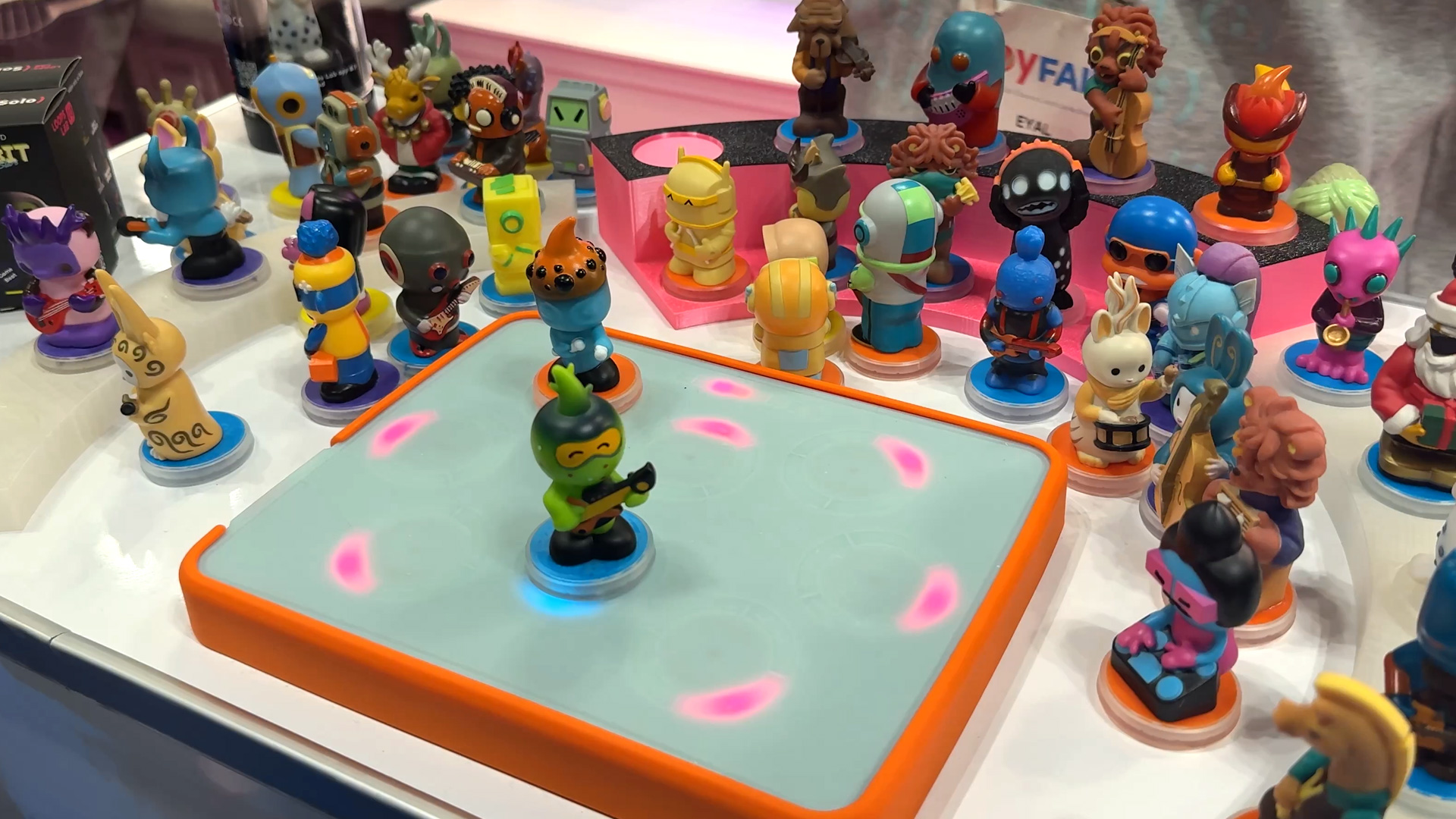
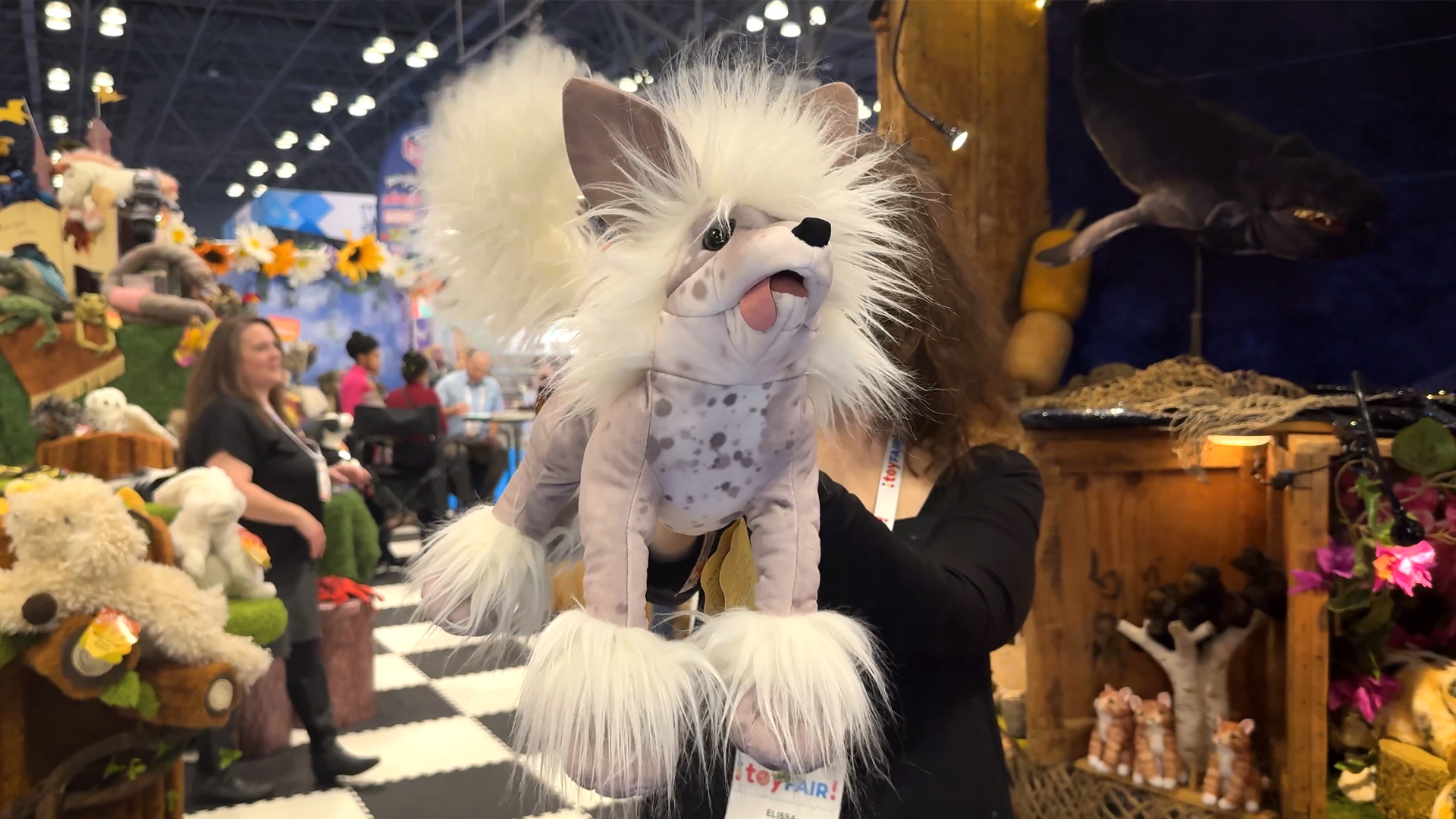
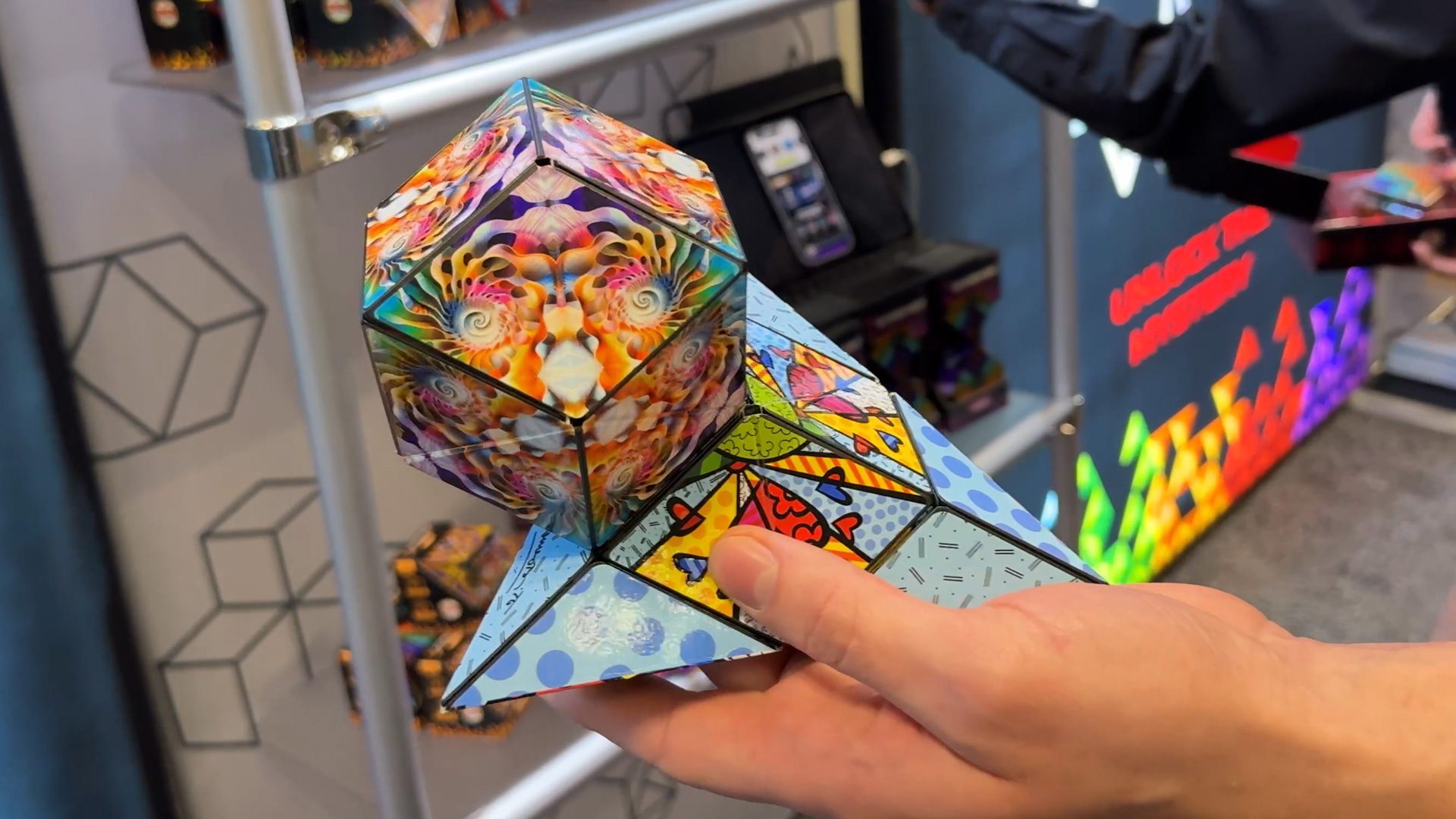
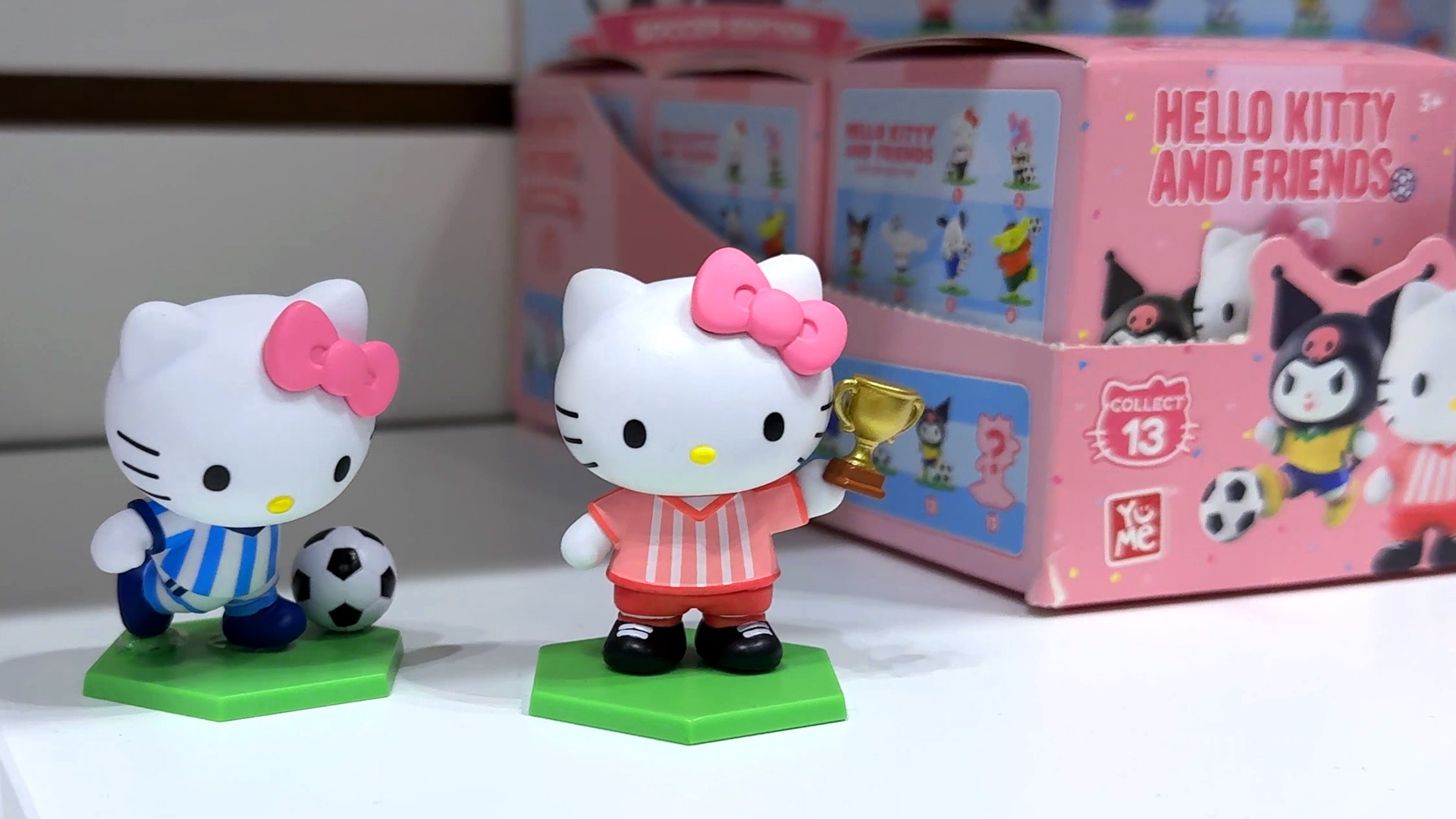
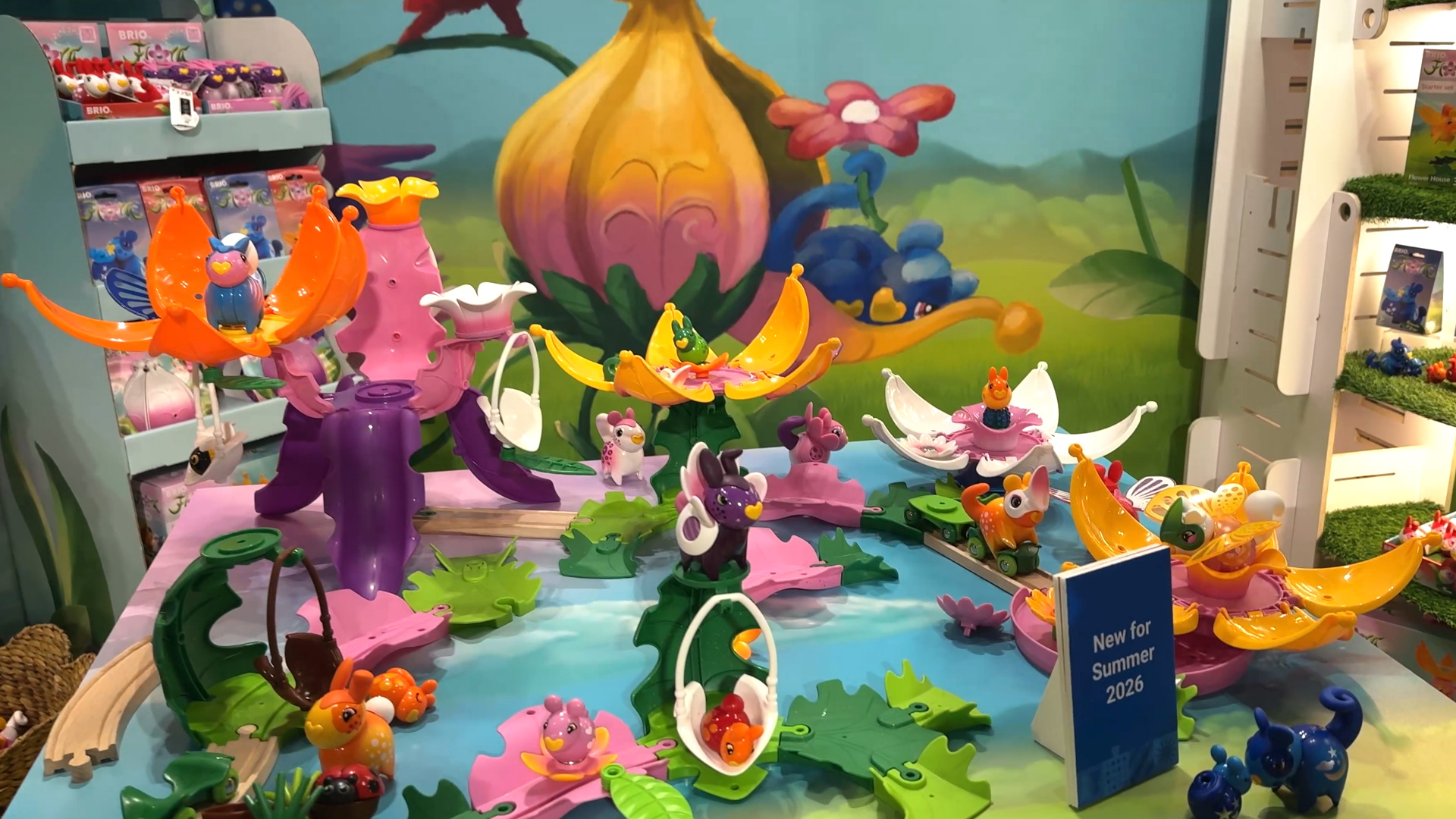
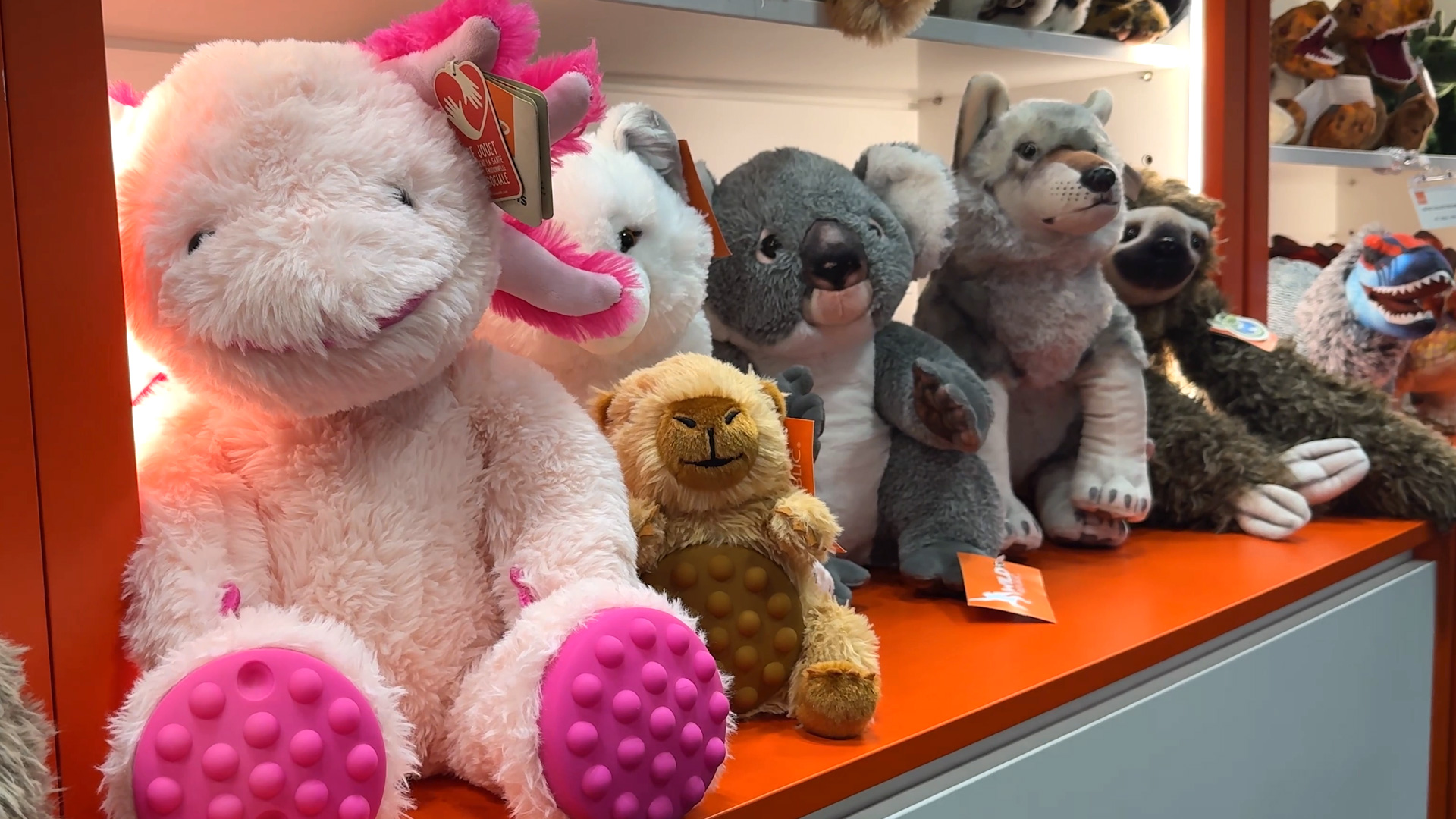
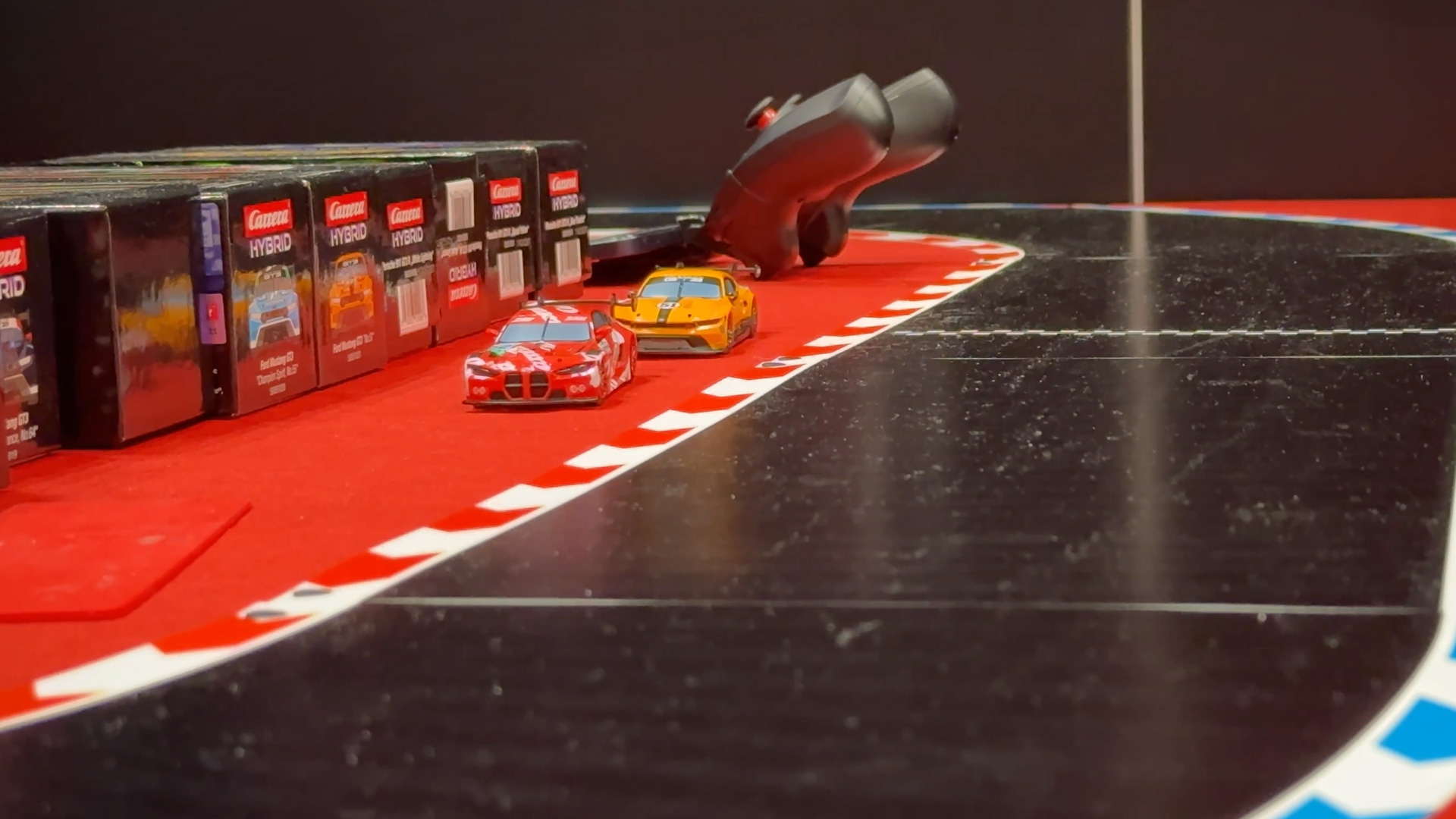
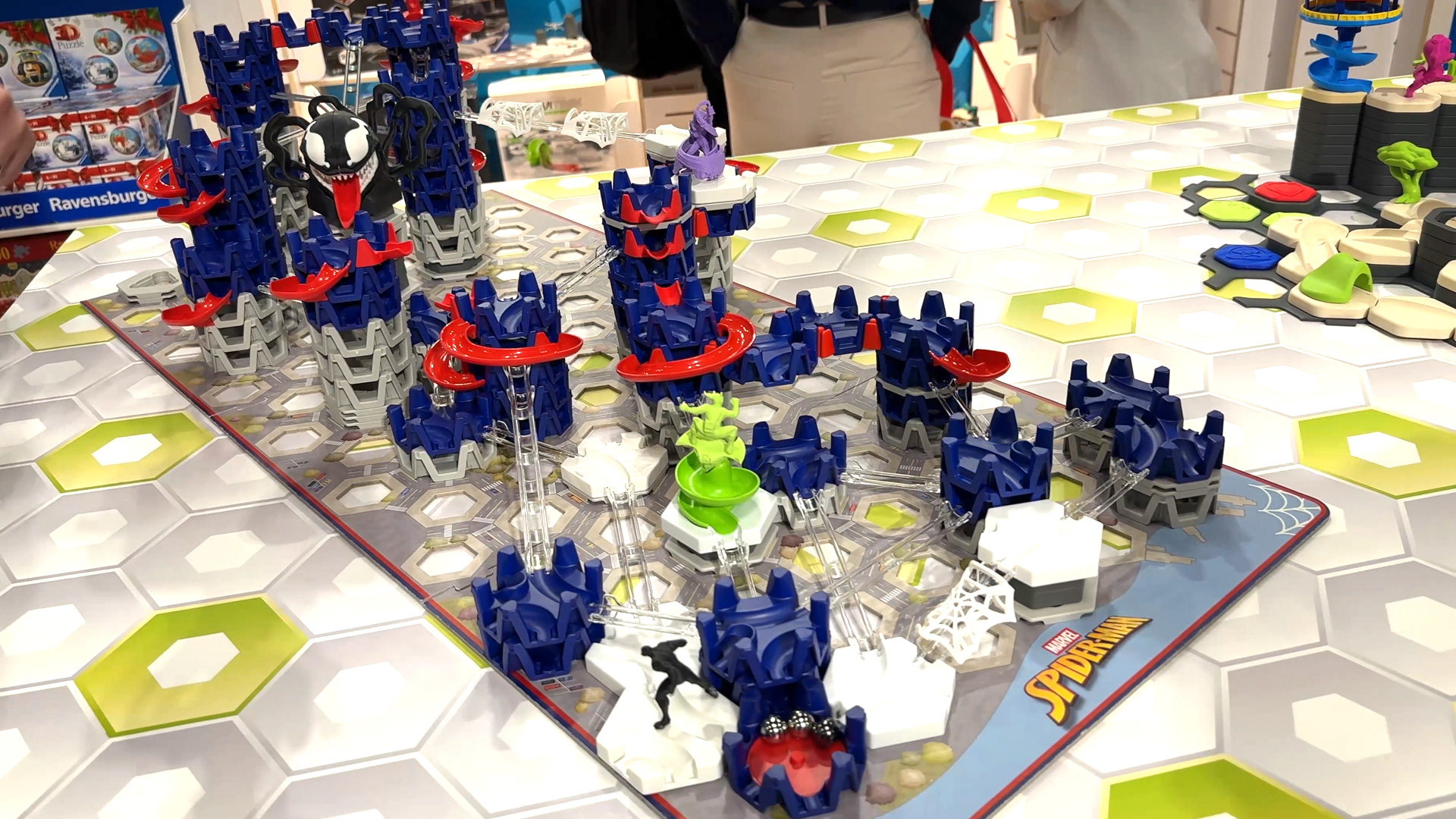

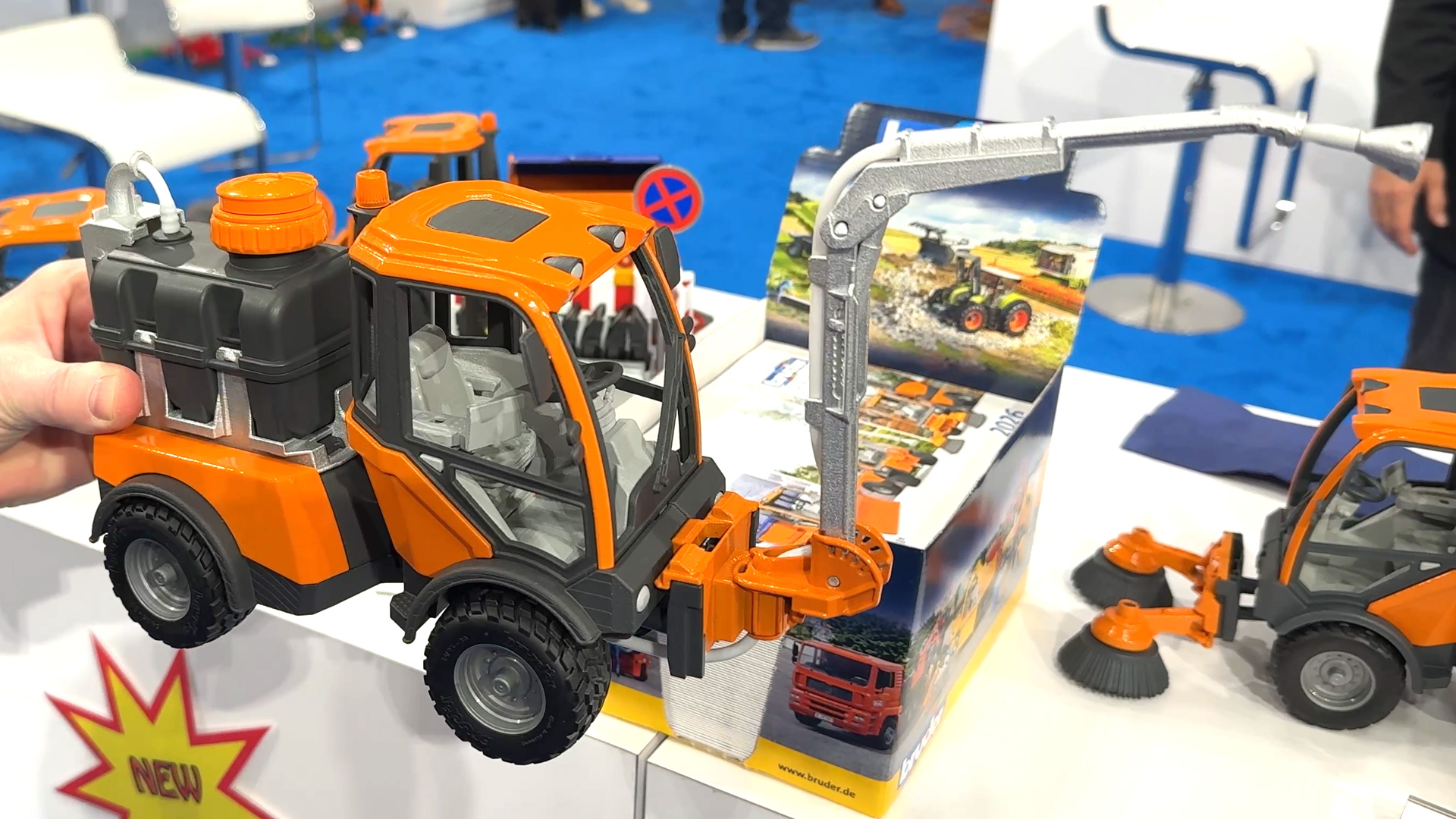
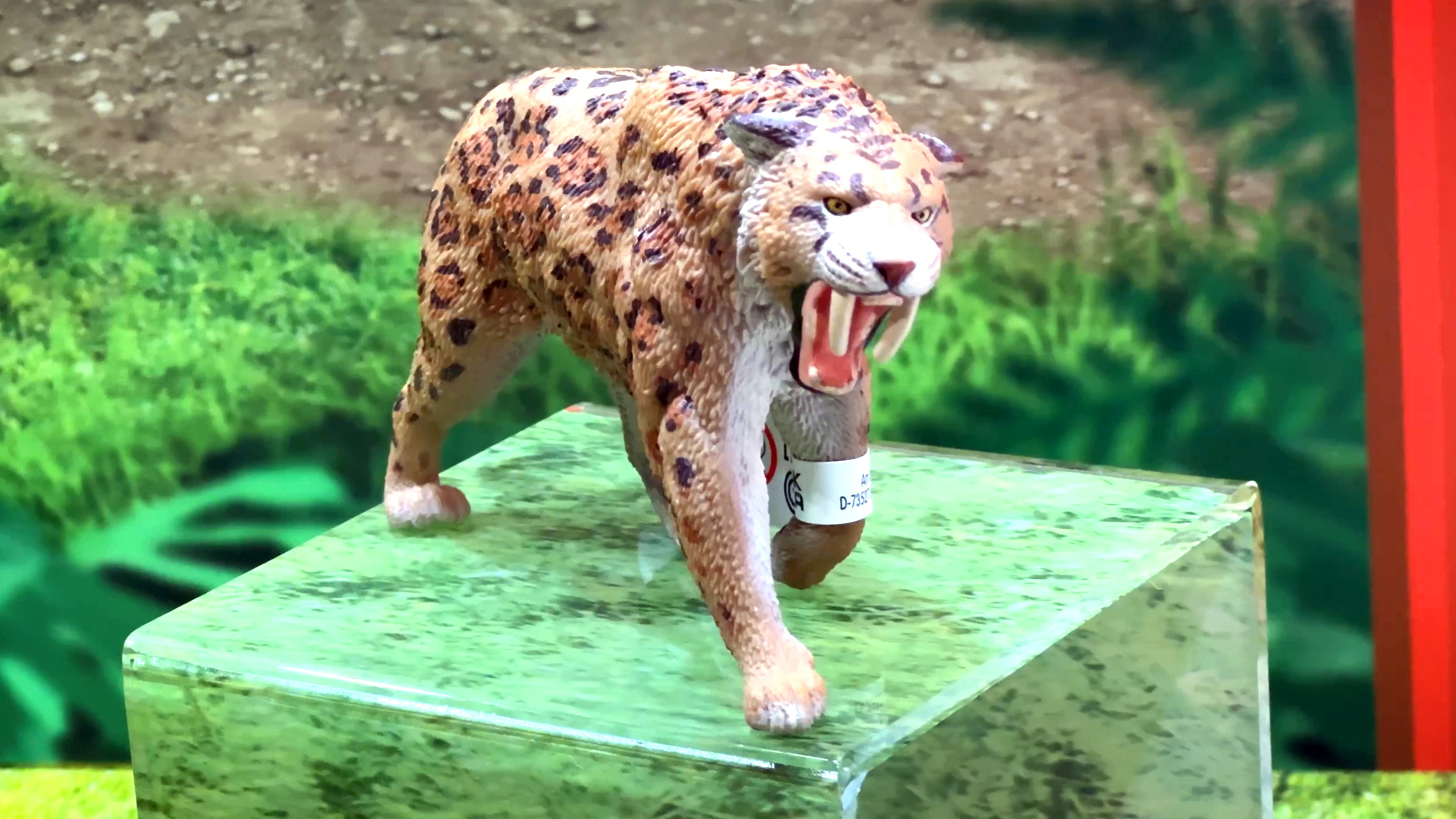
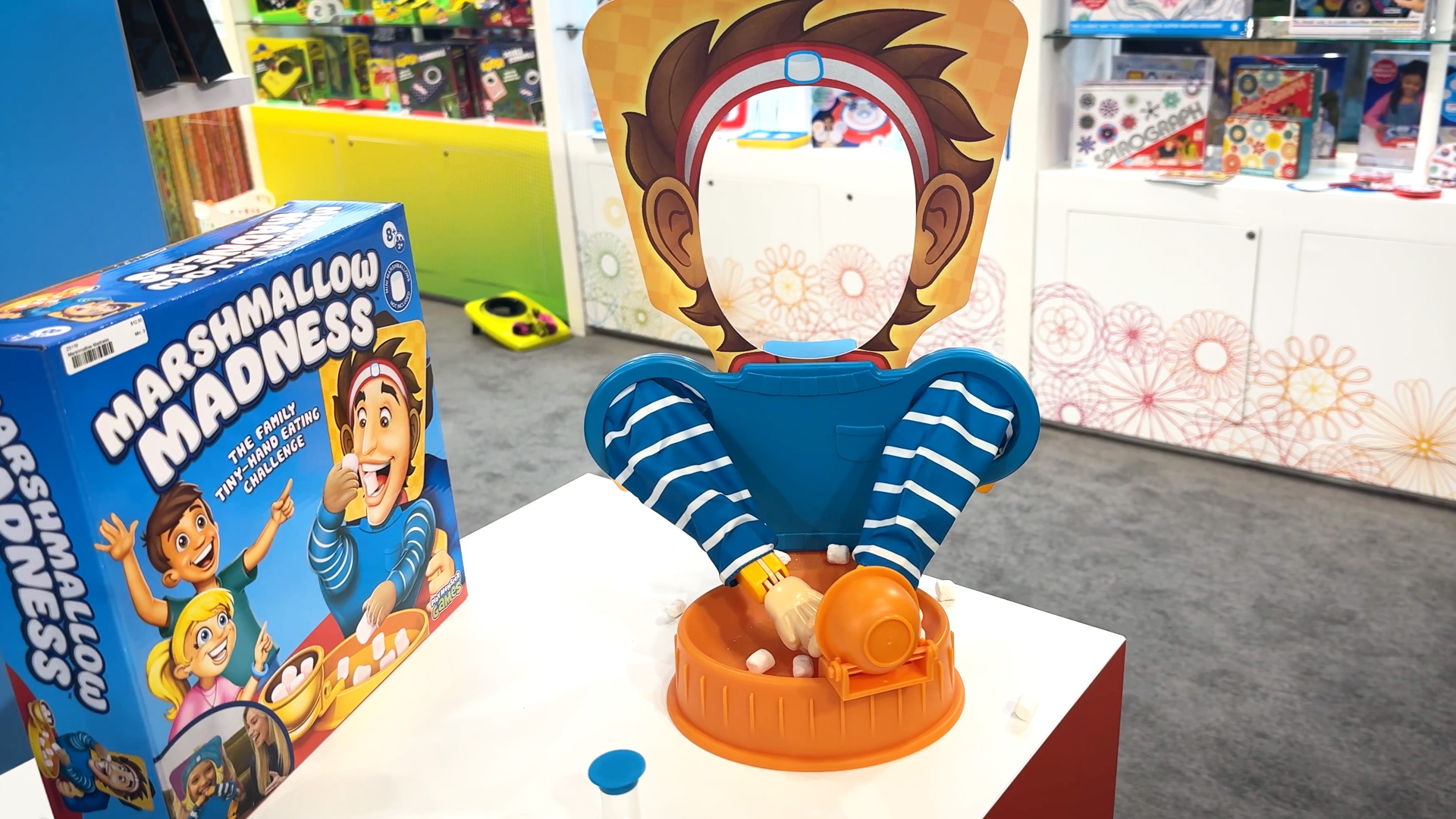
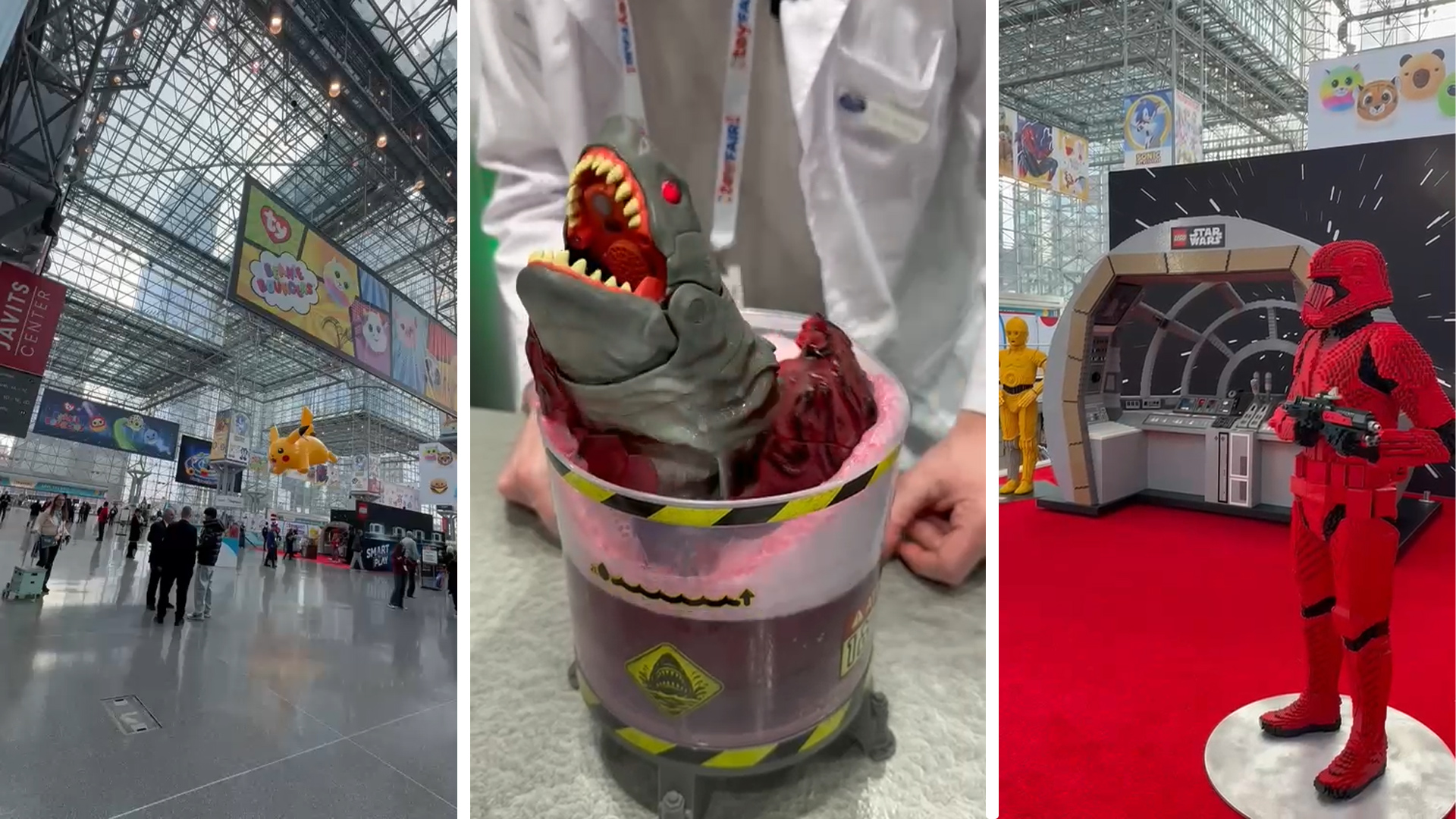
Auffällig ist, dass sich die Branche in den letzten Jahren weniger über einzelne „Wunderprodukte“ definiert als über robuste Muster: Sammler- und Popkultursegmente gewinnen an Gewicht, während Eltern beim klassischen Spiel stärker auf Alltagstauglichkeit, Preisgefühl und klare Qualitätssignale achten. Gleichzeitig wirkt der Markt internationaler – nicht nur über die Herkunft der Produkte, sondern über Markenwelten, die global funktionieren müssen. Für Messe.TV ist die Veranstaltung damit ein Ort, an dem sich die Spielwarenbranche sehr konkret beobachten lässt: nicht als Show, sondern als Arbeitsmesse mit klarer Geschäftsdynamik.
Marktverschiebungen: Erwachsene Käufer, Lizenzen und Sammelwelten
Früher ein Wandel, heute ein Trend, der sich in den letzten Saisons verfestigt hat, ist die wachsende Bedeutung erwachsener Käufer. Damit steigen Anforderungen an Wertigkeit, Design, Sammlerlogik und Wiedererkennbarkeit. Sammelkarten, Bau- und Konstruktionswelten sowie popkulturelle Themen sind in vielen Sortimenten nicht mehr Randbereiche, sondern Umsatztreiber. Dazu kommt das Lizenzgeschäft, das stärker von Content-Zyklen abhängig ist: Filme, Serien und Games liefern Impulse, die kurzfristig Nachfrage bündeln können – und damit auch den Druck erhöhen, schnell lieferfähig zu sein und Produkte sauber zu positionieren. In diesem Umfeld gewinnen Marken, die ihre Welten über mehrere Touchpoints ausspielen, einen Vorteil: Story, Figuren, Social-Formate, Retail-Aktionen, Online-Communities. Spielwaren werden so häufig weniger „neu erfunden“, sondern in immer wieder anschlussfähige Formate übersetzt: limitierte Varianten, Sammler-Editionen, Erweiterungssets, begleitende Mini-Serien. Das verändert auch die Rolle des Handels – Beratung und Präsentation werden wichtiger, weil Produkterlebnis und Markenwelt zusammengehören.
Techniktrend ohne Hype: vernetztes Spiel und „assistierte“ Inhalte
Technik wird im Spielwarenmarkt nicht automatisch zum Selbstzweck. Vieles, was als „smart“ verkauft wird, scheitert am Alltag: Bedienhürden, Setup-Aufwand, Datenschutzfragen, Batteriethemen, fehlende Langlebigkeit. Deshalb ist interessant, wo sich digitale Elemente tatsächlich durchsetzen: dort, wo sie Nutzen stiften, ohne den Spielkern zu zerstören. Das reicht von Lern- und Kreativsystemen bis hin zu Spielzeugen, die Interaktion erleichtern, aber nicht dauerhaft am Bildschirm kleben. Gleichzeitig ist zu beobachten, dass Inhalte schneller und variabler gedacht werden. Produkttexte, Anleitungen, Zusatzideen oder spielerische „Challenges“ werden stärker modularisiert, damit sie in Handel, Social und Plattformen konsistent ausspielbar sind. Wer in vielen Märkten präsent ist, braucht klare Struktur: Produktinformationen, Sicherheitshinweise, Materialangaben, Variantenlogik. Genau an dieser Stelle verbinden sich Trend- und Praxisfragen: Nicht die Technik als Schlagwort zählt, sondern die Fähigkeit, ein Produkt sauber in Prozesse und Kommunikation zu integrieren.
Nachhaltigkeit, Materialfragen und das Thema Verantwortung
Ein zweites Feld, das sich nicht mehr wegdiskutieren lässt, ist Nachhaltigkeit – weniger als moralische Debatte, stärker als Erwartung an Materialwahl, Verpackung, Reparierbarkeit und Transparenz. Eltern achten genauer auf Herkunft und Inhaltsstoffe, Händler auf Reklamationsrisiken und klare Compliance, Hersteller auf belastbare Lieferketten. Das führt zu einer Art „Prüfmentalität“: Welche Versprechen sind messbar, welche nur Marketing? Daraus ergeben sich praktische Konsequenzen, die sich auch im Produktdesign zeigen: langlebigere Systeme, austauschbare Komponenten, weniger „Einweg-Gimmicks“, stärkerer Fokus auf Spielwert pro Materialeinsatz. Nicht jede Kategorie kann das gleich schnell umsetzen – aber die Richtung ist deutlich.
- Material- und Verpackungsentscheidungen werden stärker über Transparenz und Alltagstauglichkeit bewertet.
- Langlebige Systeme und Erweiterbarkeit gewinnen gegenüber reinen Kurzzeit-Impulsen.
- Sicherheits- und Compliance-Themen rücken näher an Produktentwicklung und Vermarktung.
- Nachhaltigkeit wird häufiger als Prozess beschrieben, weniger als fertiges Label.
Handelsperspektive: Sortiment, Flächenlogik und „was wirklich dreht“
Für den Handel ist entscheidend, was sich stabil verkaufen lässt – unabhängig von kurzfristigen Social-Wellen. Das erklärt, warum Bau- und Sammelsegmente in vielen Ländern so stark sind: Sie funktionieren über Wiederkauf, Erweiterungen und Community-Effekte. Gleichzeitig bleiben klassische Familienkategorien wichtig, müssen aber überzeugender begründet werden: Spielwert, Qualität, Preis, Sicherheit, Verfügbarkeit. Das führt auf Veranstaltungen wie dieser zu sehr konkreten Gesprächen: Wie lässt sich ein Produkt am POS erklären? Was sind die Argumente jenseits eines Logos? Wie schnell ist Nachschub möglich? Welche Daten müssen für Online-Handel, Marktplätze und Filiallogik bereitstehen? Spielwaren werden damit stärker zu „handelsfähigen Systemen“ – inklusive Bildmaterial, Variantenpflege, sauberen Stammdaten und klaren Claims, die auch rechtlich halten.
- Sortimente verschieben sich in Richtung Systeme mit Erweiterbarkeit und klarer Wiederkauf-Logik.
- Stammdaten, Bildqualität und konsistente Produktinformationen werden zum Wettbewerbsfaktor.
- Lizenz- und Content-Zyklen erhöhen die Bedeutung von Lieferfähigkeit und Timing.
Warum die Toy Fair 2026 für die Branche ein Taktgeber bleibt
Die Bedeutung der Toy Fair 2026 entsteht nicht aus Superlativen, sondern aus der Verdichtung: Hersteller treffen auf Einkäufer, Lizenzen auf Produktentwicklung, Trendnarrative auf harte Retail-Praxis. Wer verstehen will, wie sich Spielwaren in Richtung „Kidults“, Sammelkultur, verantwortungsbewusster Materialwahl und alltagstauglicher Technik verschieben, findet hier ein realistisches Bild – inklusive der Reibungspunkte. Denn genau dort, wo Erwartungen und Machbarkeit kollidieren, entscheidet sich, was am Ende im Markt bleibt.
Messe-Berichterstattung bundesweit - Messewissen, Termine & Veranstaltungen


