Elektrifizierter Antriebsstrang für Kompaktlader
von Bastian Velonavy - 2024-02-13Kompaktlader gehören zu den Maschinen, bei denen Antriebstechnik besonders kompakt und gleichzeitig belastbar ausgelegt sein muss. Die Anforderungen sind klar definiert: begrenzter Bauraum, hohe Zugkraft und verlässliche Leistungswerte im täglichen Einsatz.
Vor diesem Hintergrund wurde ein elektrifizierter Antriebsstrang entwickelt, der bestehende Technik erweitert, ohne sie grundlegend zu verändern. Die Konstruktion kombiniert konventionelle und elektrische Komponenten zu einer integrierten Lösung, die sich in vorhandene Maschinenkonzepte einfügt.
ZF Friedrichshafen kombiniert Achsen mit Dreiwellengetriebe
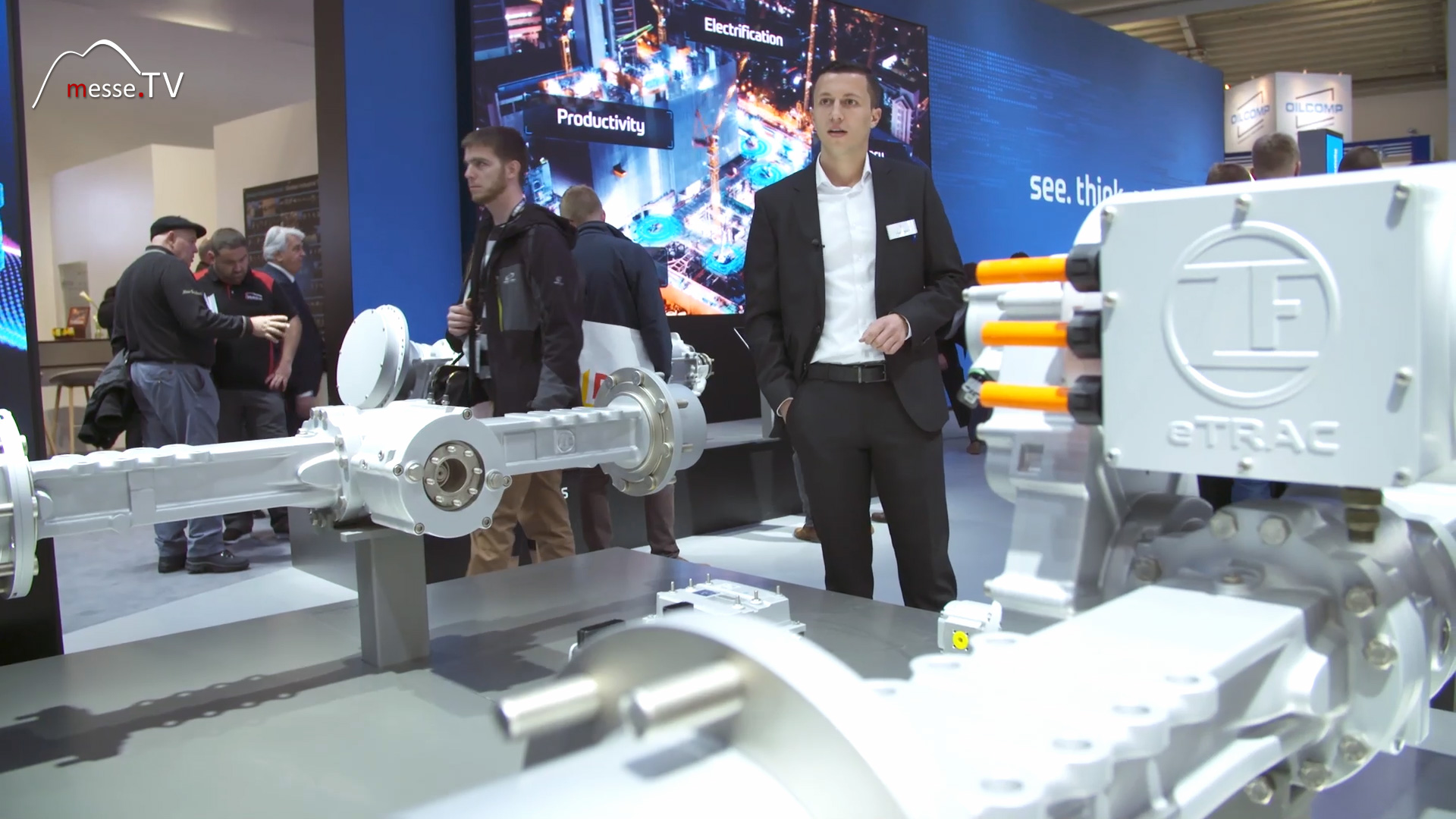
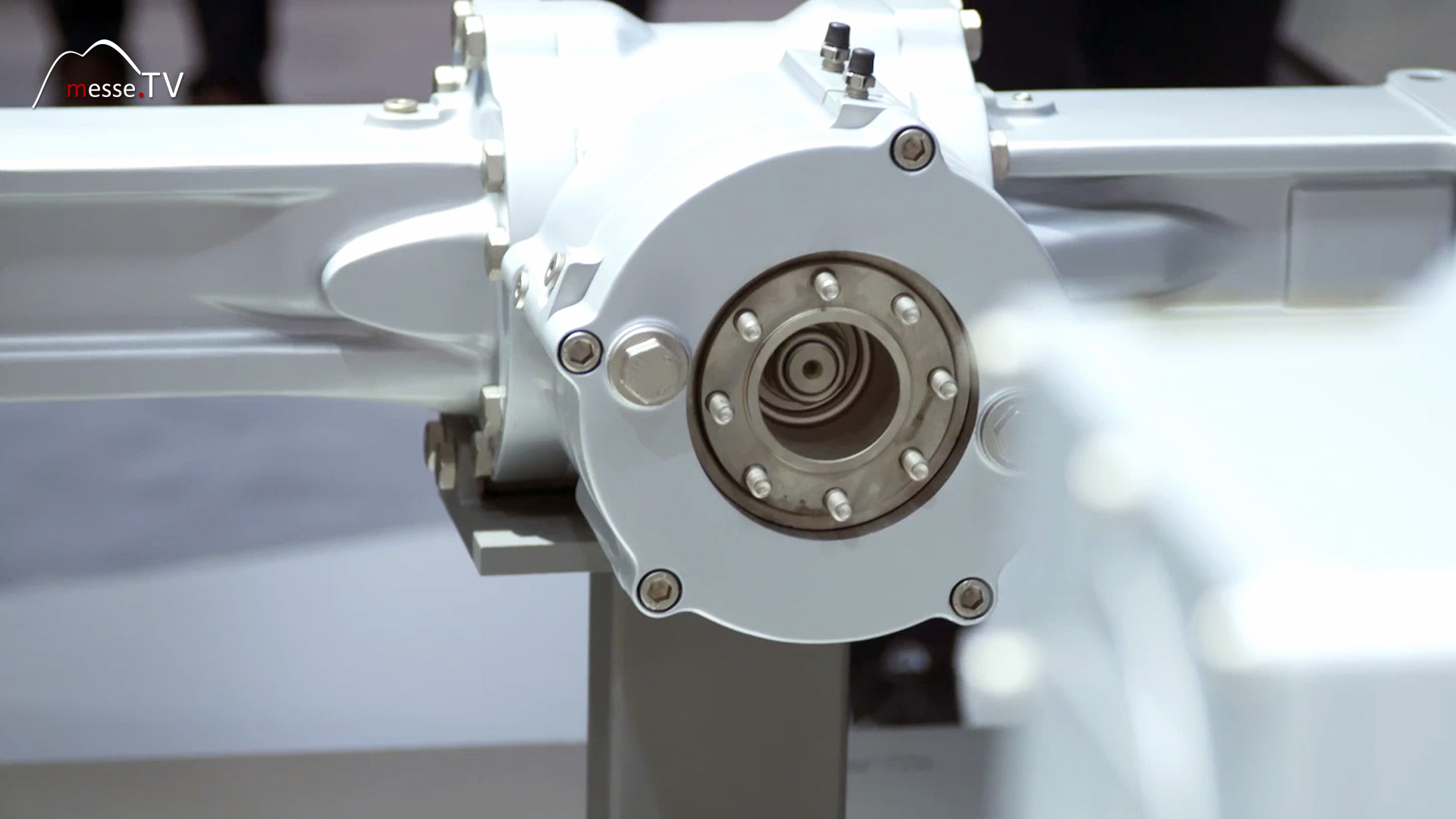
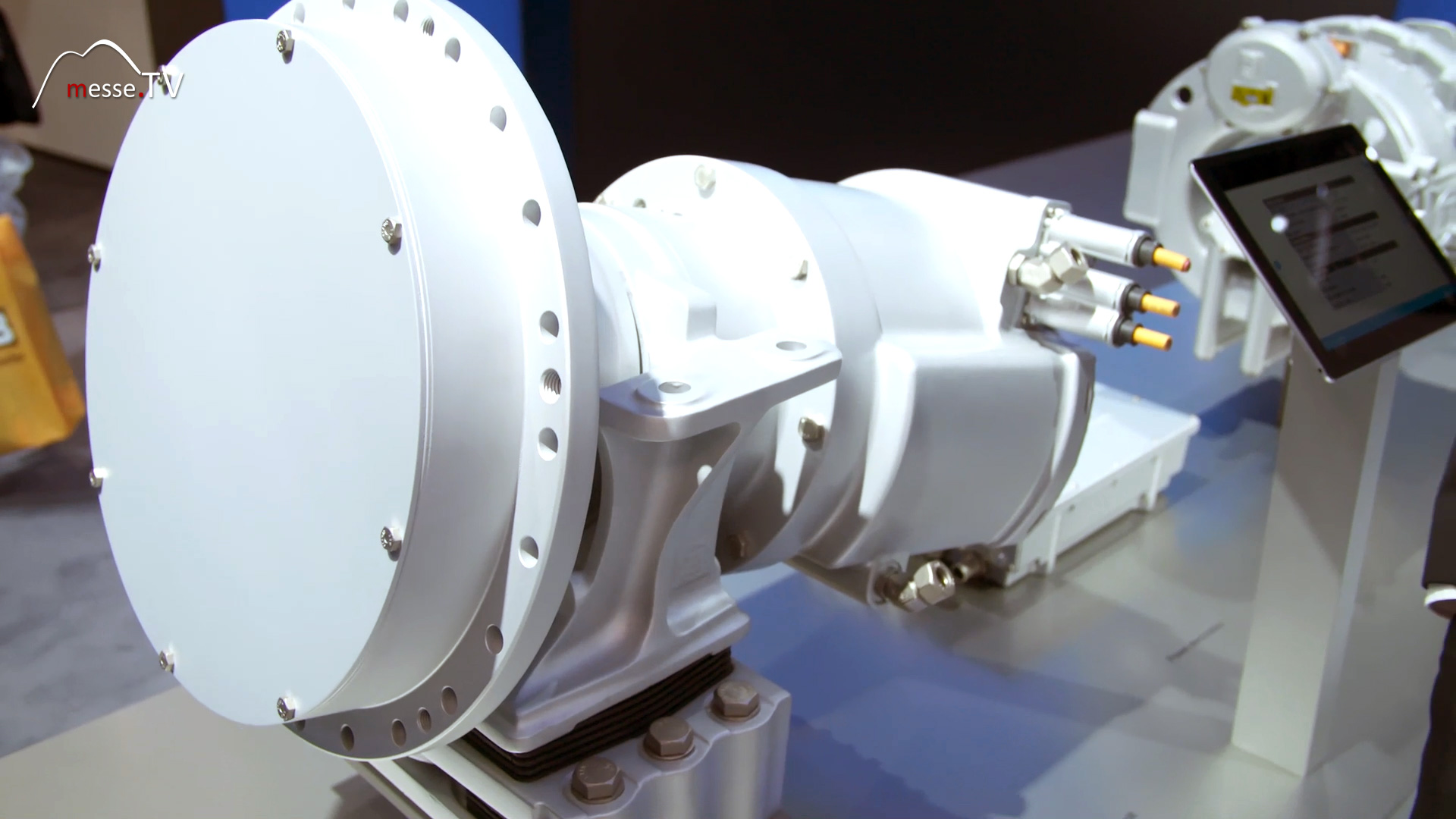
Die Basis des Systems bilden zwei konventionelle Achsen, wie sie auch in klassischen Antriebskonzepten eingesetzt werden. Ergänzt werden sie durch ein Dreiwellengetriebe, das die Kraftübertragung innerhalb des Systems strukturiert. ZF Friedrichshafen nutzt damit eine Architektur, die auf bewährten Elementen aufbaut. Der Vorteil liegt in der Kontinuität: Bestehende Komponenten bleiben erhalten und werden durch neue Elemente ergänzt. Das reduziert den Anpassungsaufwand und erleichtert die Integration. Das Dreiwellengetriebe übernimmt dabei eine zentrale Rolle. Es verbindet die einzelnen Komponenten und sorgt für eine abgestimmte Verteilung der Kräfte.
Elektromotor mit 20 kW Dauerleistung und 36 kW Spitze
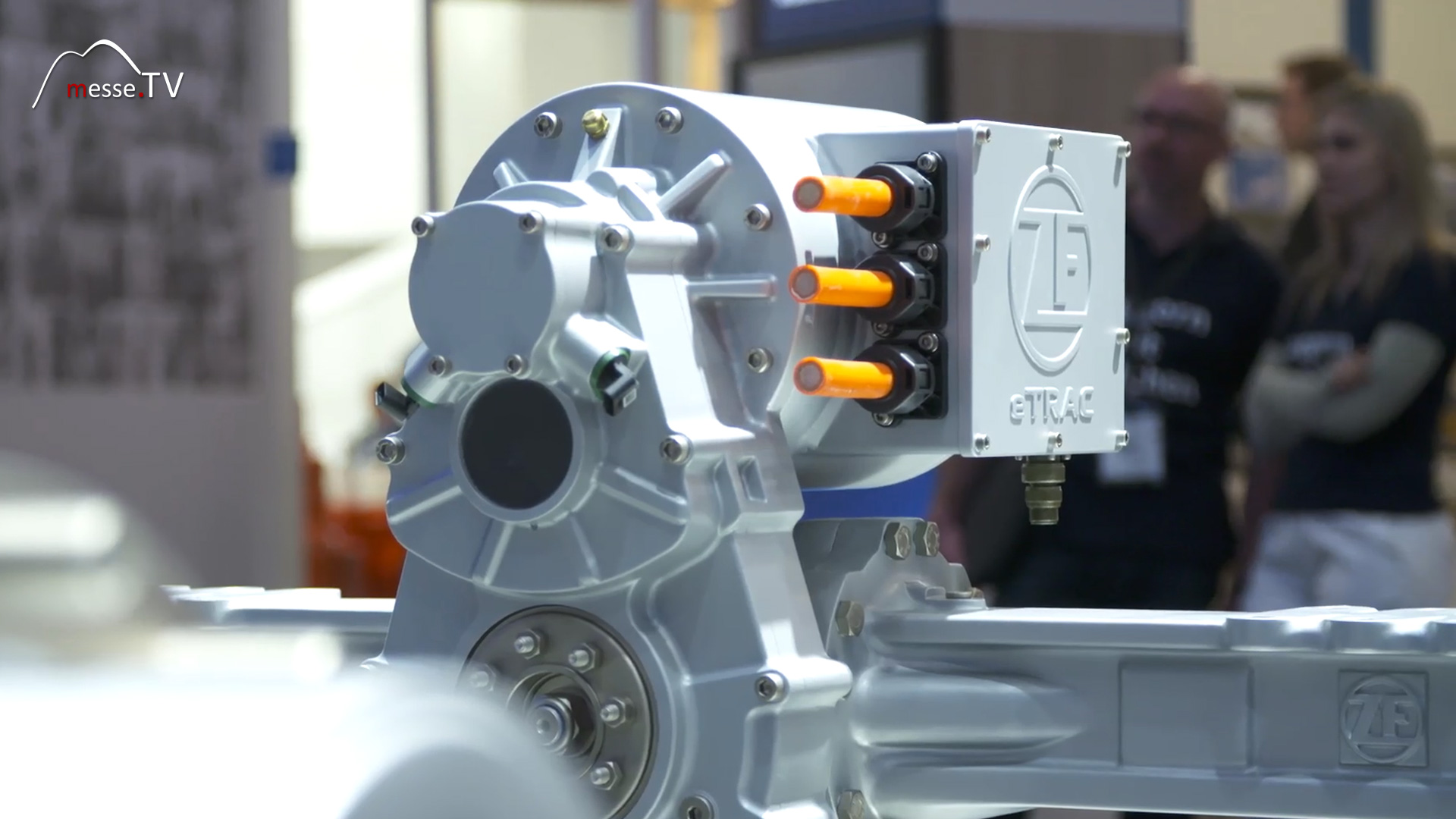
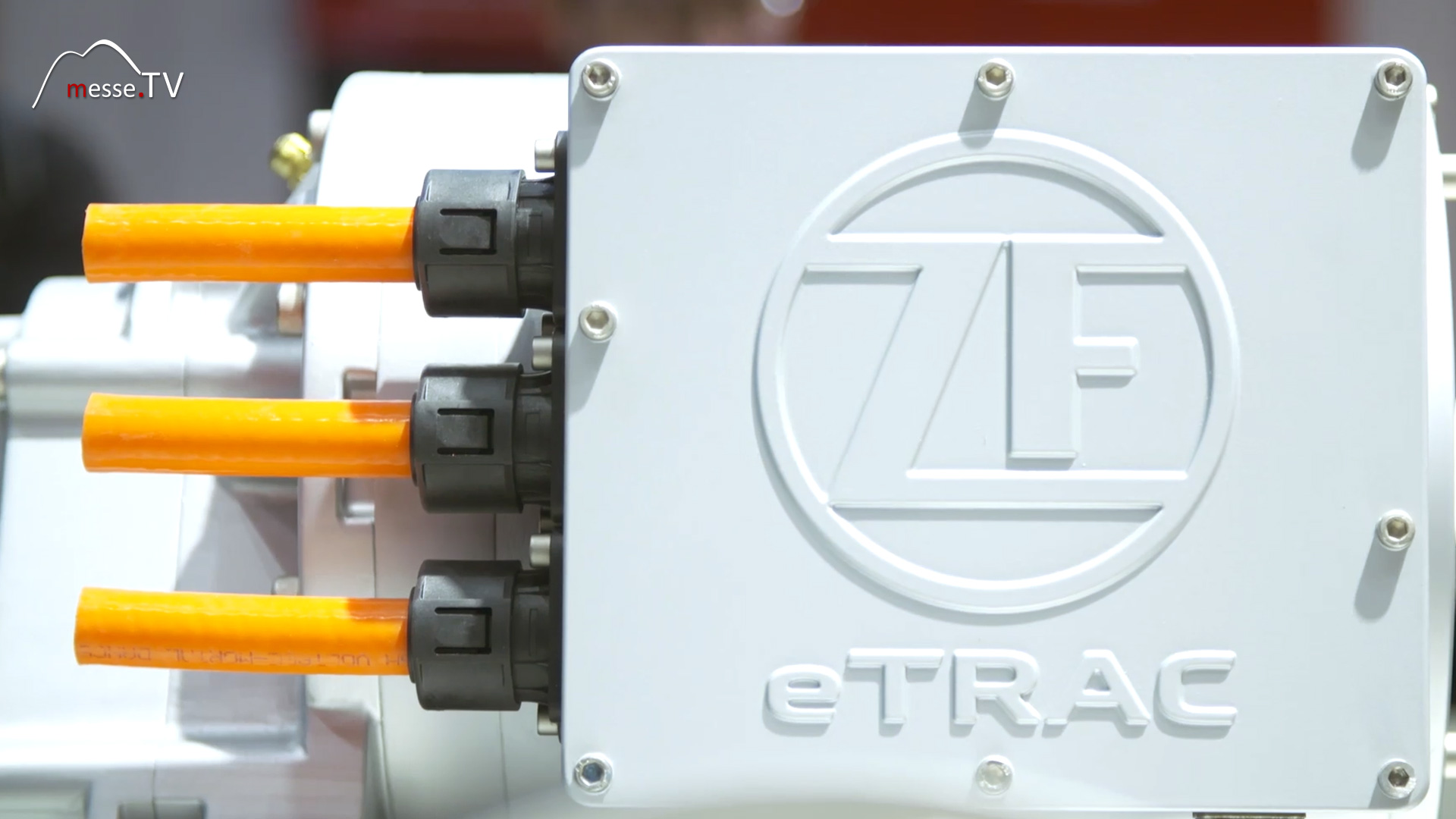
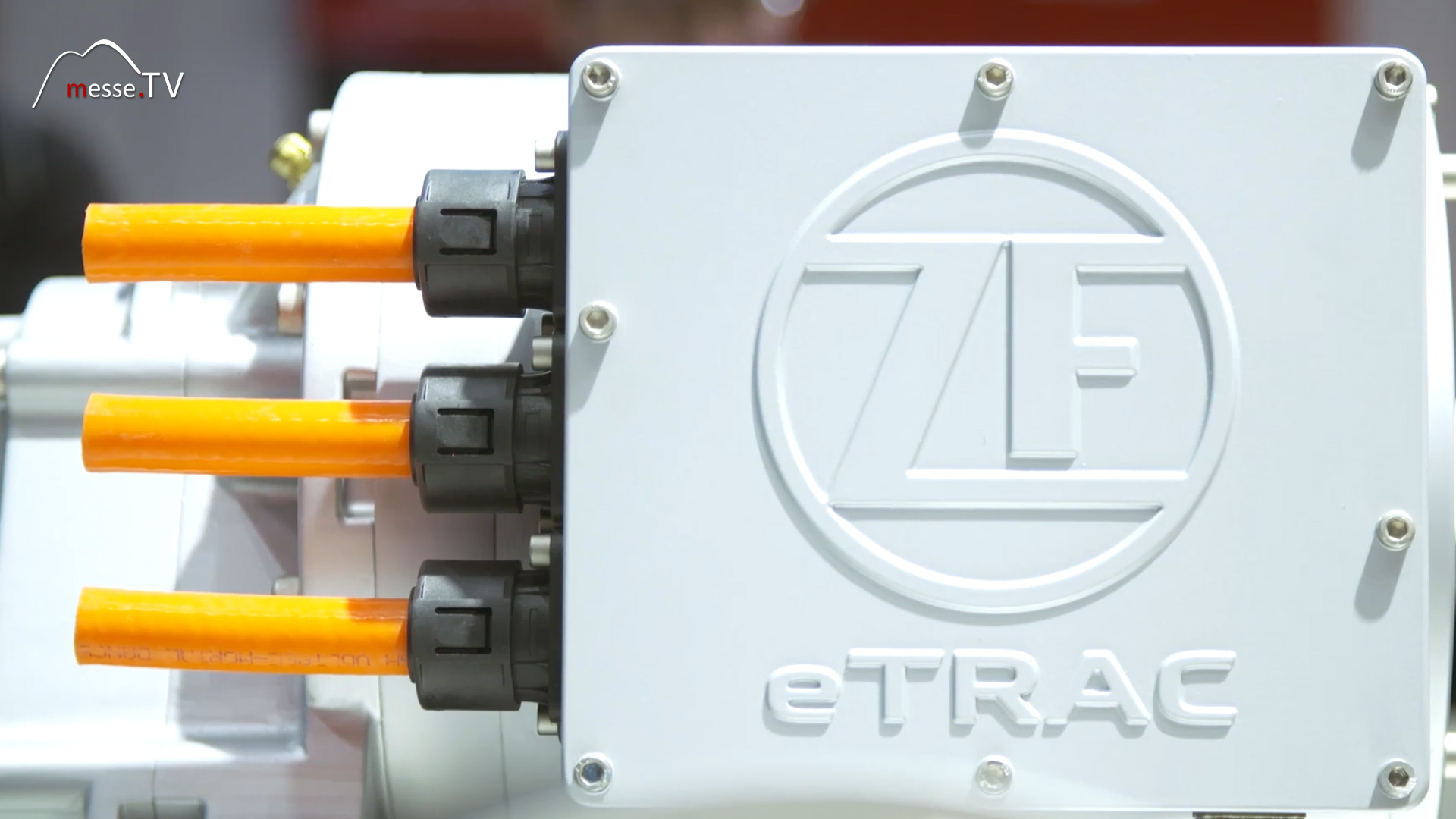
Der elektrische Anteil des Antriebs wird durch einen Elektromotor realisiert. Dieser liefert eine Dauerleistung von 20 Kilowatt und erreicht eine Spitzenleistung von 36 Kilowatt. Ausgelegt ist das System für Kompaktlader im Bereich von fünf bis fünfeinhalb Tonnen. Damit lassen sich typische Einsatzbereiche dieser Maschinenklasse abdecken. Die Leistungsdaten orientieren sich an den Anforderungen, die im täglichen Betrieb gestellt werden. Auch die erreichbaren Kennwerte entsprechen diesen Anforderungen. Eine Zugkraft von rund 80 Prozent des Maschinengewichts sowie Geschwindigkeiten von bis zu 20 Kilometern pro Stunde sind möglich. Damit bleibt die Einsatzfähigkeit im Vergleich zu konventionellen Antrieben erhalten.
Flüssigkeitskühlung ermöglicht gleichen Bauraum
Ein entscheidender Punkt bei der Integration elektrischer Komponenten ist der verfügbare Platz. Kompaktlader bieten nur begrenzten Bauraum, weshalb zusätzliche Technik nur schwer unterzubringen ist. Die Lösung nutzt eine Flüssigkeitskühlung für den Elektromotor und den Inverter. Dadurch wird die entstehende Wärme effizient abgeführt, ohne dass größere Kühlkörper oder zusätzliche Bauteile notwendig sind. Das Ergebnis ist ein Antriebsstrang, der in seiner Größe mit einem konventionellen System vergleichbar bleibt. Für Hersteller bedeutet das, dass bestehende Plattformen weiterverwendet werden können.
Zusammenspiel der Komponenten im elektrifizierten Antrieb
Die Funktion des Systems ergibt sich aus dem abgestimmten Zusammenspiel aller Komponenten. Achsen, Getriebe und Elektromotor arbeiten nicht isoliert, sondern als Einheit. ZF Friedrichshafen verfolgt dabei einen systemischen Ansatz. Die elektrische Komponente ergänzt die mechanische Struktur und übernimmt definierte Aufgaben innerhalb des Antriebsstrangs. Dadurch bleibt die Gesamtfunktion stabil und berechenbar. Die Auslegung des Elektromotors ist dabei bewusst auf den Einsatzzweck abgestimmt. Weder Überdimensionierung noch unnötige Komplexität stehen im Vordergrund.
Eigenschaften des Antriebsstrangs im Überblick
Die wesentlichen Merkmale lassen sich wie folgt zusammenfassen:
- zwei konventionelle Achsen als Basis des Systems
- Dreiwellengetriebe zur Steuerung der Kraftübertragung
- Elektromotor mit 20 kW Dauerleistung und 36 kW Spitzenleistung
- Einsatzbereich für Kompaktlader bis etwa 5,5 Tonnen
- Flüssigkeitskühlung für konstante Leistung bei kompakter Bauweise

Integration in bestehende Maschinen ohne Umbau
Der Antriebsstrang ist so ausgelegt, dass er in vorhandene Maschinen integriert werden kann. Grundlegende Änderungen an der Konstruktion sind nicht erforderlich. ZF Friedrichshafen zeigt damit eine Lösung, die sich an den realen Anforderungen der Branche orientiert. Bestehende Technik wird nicht ersetzt, sondern erweitert. Dadurch bleibt die Wirtschaftlichkeit erhalten, während gleichzeitig neue Antriebskonzepte umgesetzt werden können. Gerade im Kompaktsegment ist dieser Ansatz relevant. Die Maschinen müssen zuverlässig funktionieren, gleichzeitig aber zunehmend effizienter und flexibler werden. Der elektrifizierte Antriebsstrang stellt dafür eine technische Option dar.
Messe-Berichterstattung bundesweit - Messewissen, Termine & Veranstaltungen


