Rahmenschalung für effizienteren Betonbau
von Andreas Bergmeier - 2024-02-13Wandschalungen gehören zu den grundlegenden Systemen auf nahezu jeder größeren Baustelle. Sie bestimmen nicht nur die spätere Form des Betons, sondern beeinflussen auch Arbeitsaufwand, Baugeschwindigkeit und Sicherheit auf der Baustelle erheblich. Gleichermaßen steigt der Druck auf Bauunternehmen, Prozesse effizienter zu organisieren und Montagezeiten zu verkürzen.
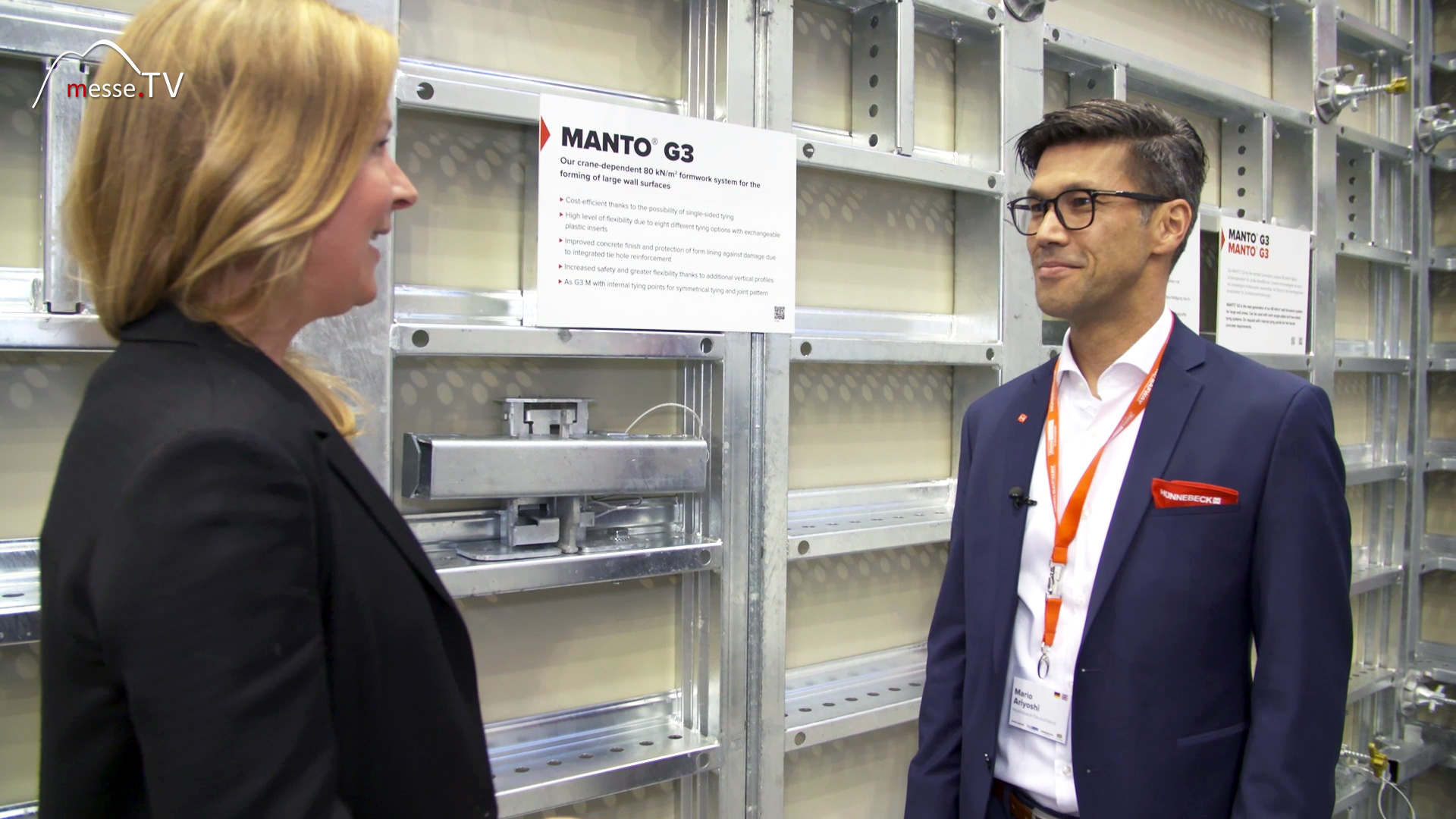
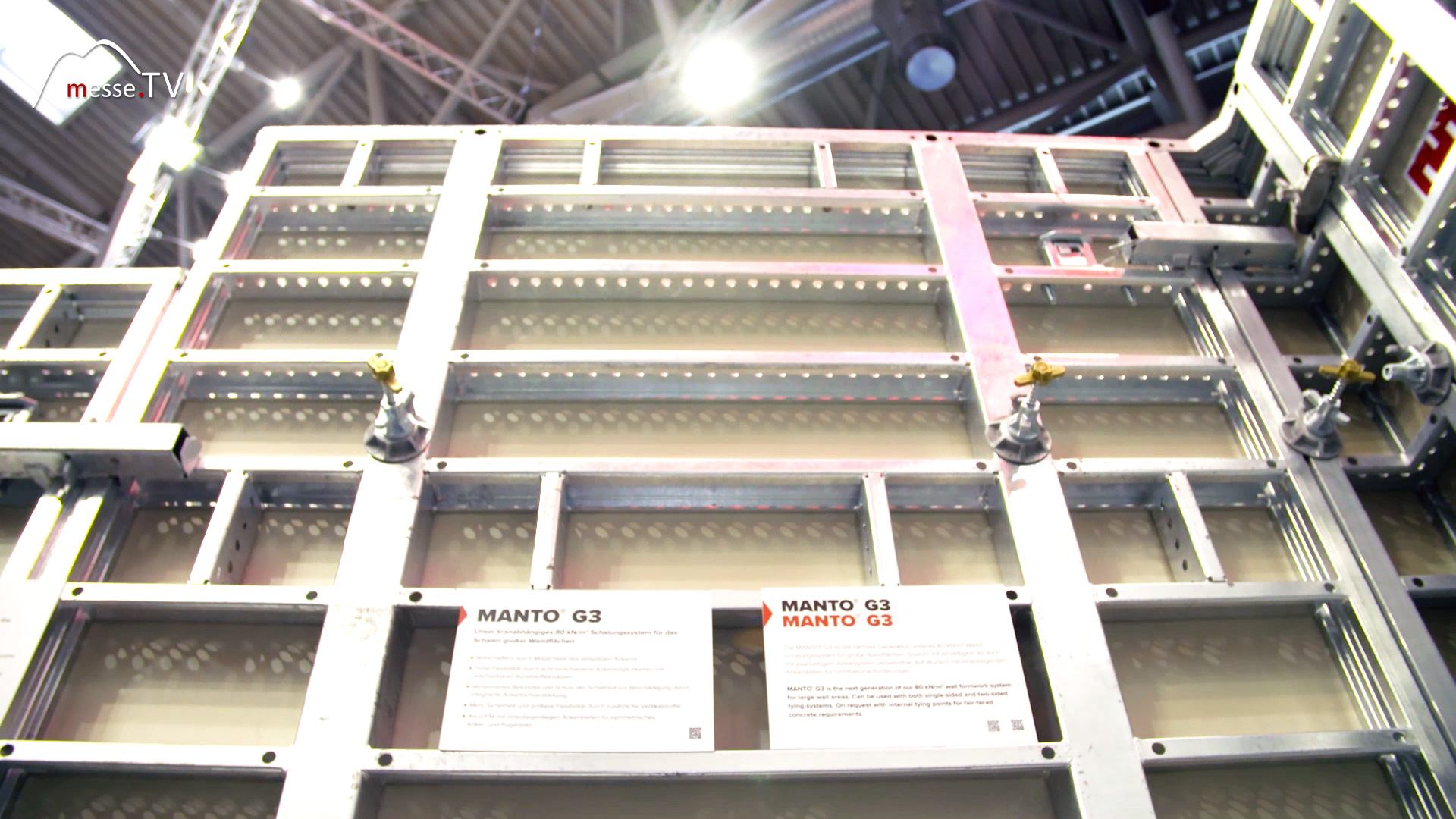
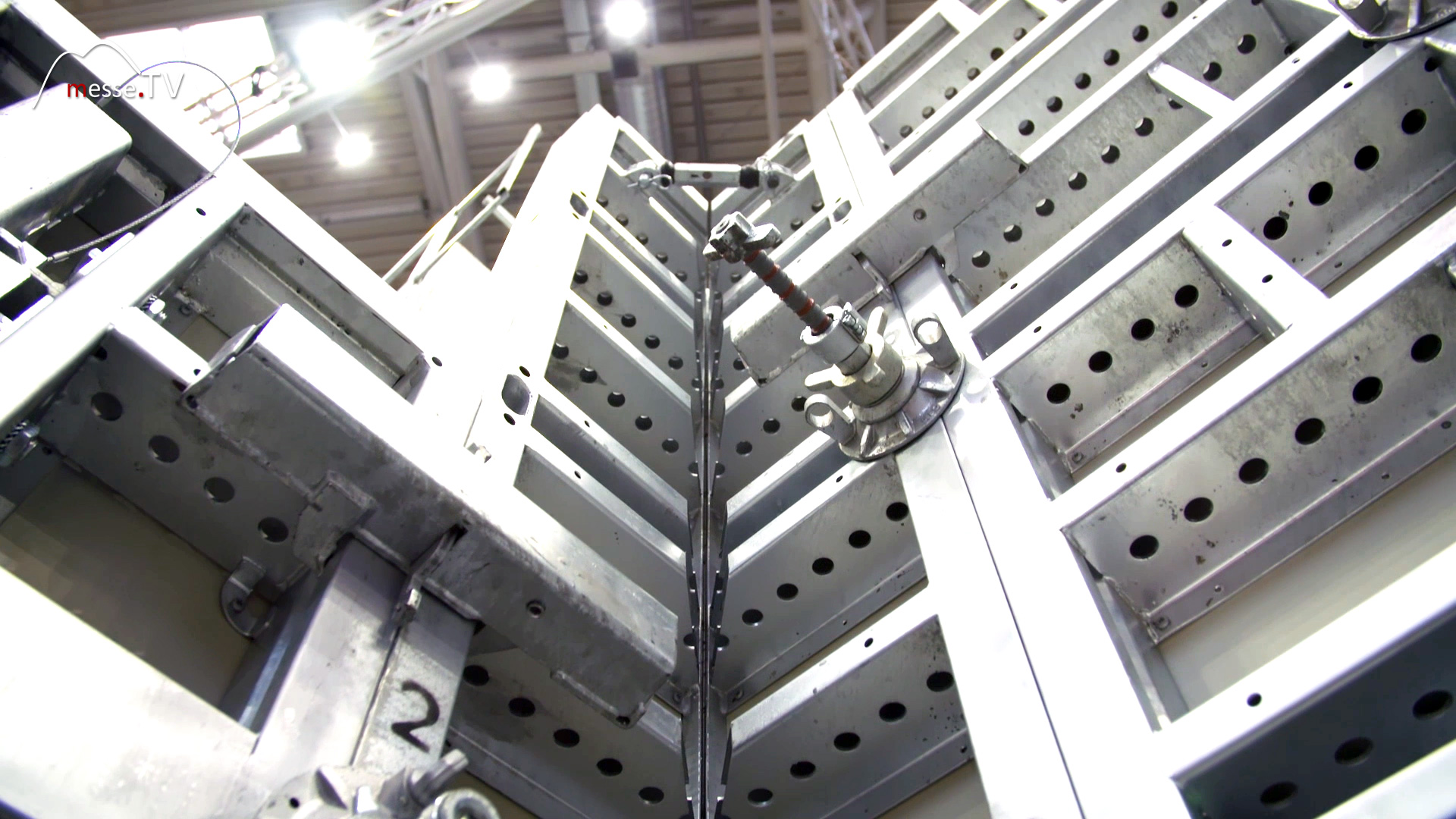
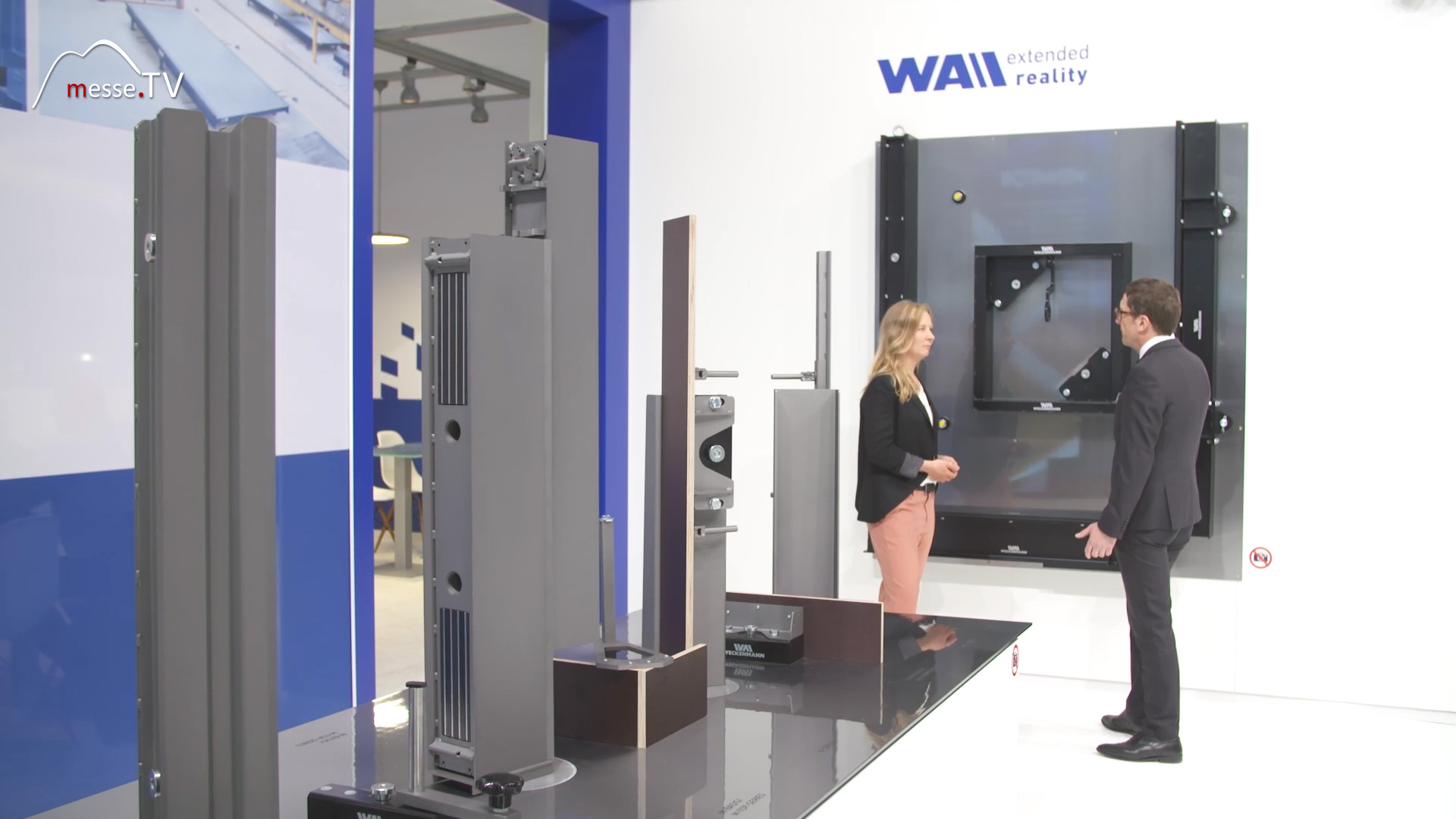
Auf der bauma in München zeigt Hünnebeck deshalb Weiterentwicklungen seiner Manto-Rahmenschalung. Im Mittelpunkt stehen dabei nicht spektakuläre Einzelinnovationen, sondern zahlreiche Detailverbesserungen, die den Aufbau und die Handhabung im Baustellenalltag vereinfachen sollen. Gerade im Schalungsbau entscheiden häufig kleine technische Anpassungen über Produktivität und Wirtschaftlichkeit. Denn Schalungssysteme werden täglich montiert, umgesetzt, angepasst und demontiert. Jede Vereinfachung einzelner Arbeitsschritte wirkt sich deshalb unmittelbar auf Zeitbedarf und Personaleinsatz aus. Die vorgestellte Rahmenschalung ist laut Hersteller für Betondrücke bis zu 80 Kilonewton ausgelegt und wird international in unterschiedlichsten Bauprojekten eingesetzt. Der Fokus der aktuellen Weiterentwicklung liegt vor allem auf reduzierten Montageaufwänden und höherer Anwendungssicherheit.
Hünnebeck optimiert die Manto-Rahmenschalung
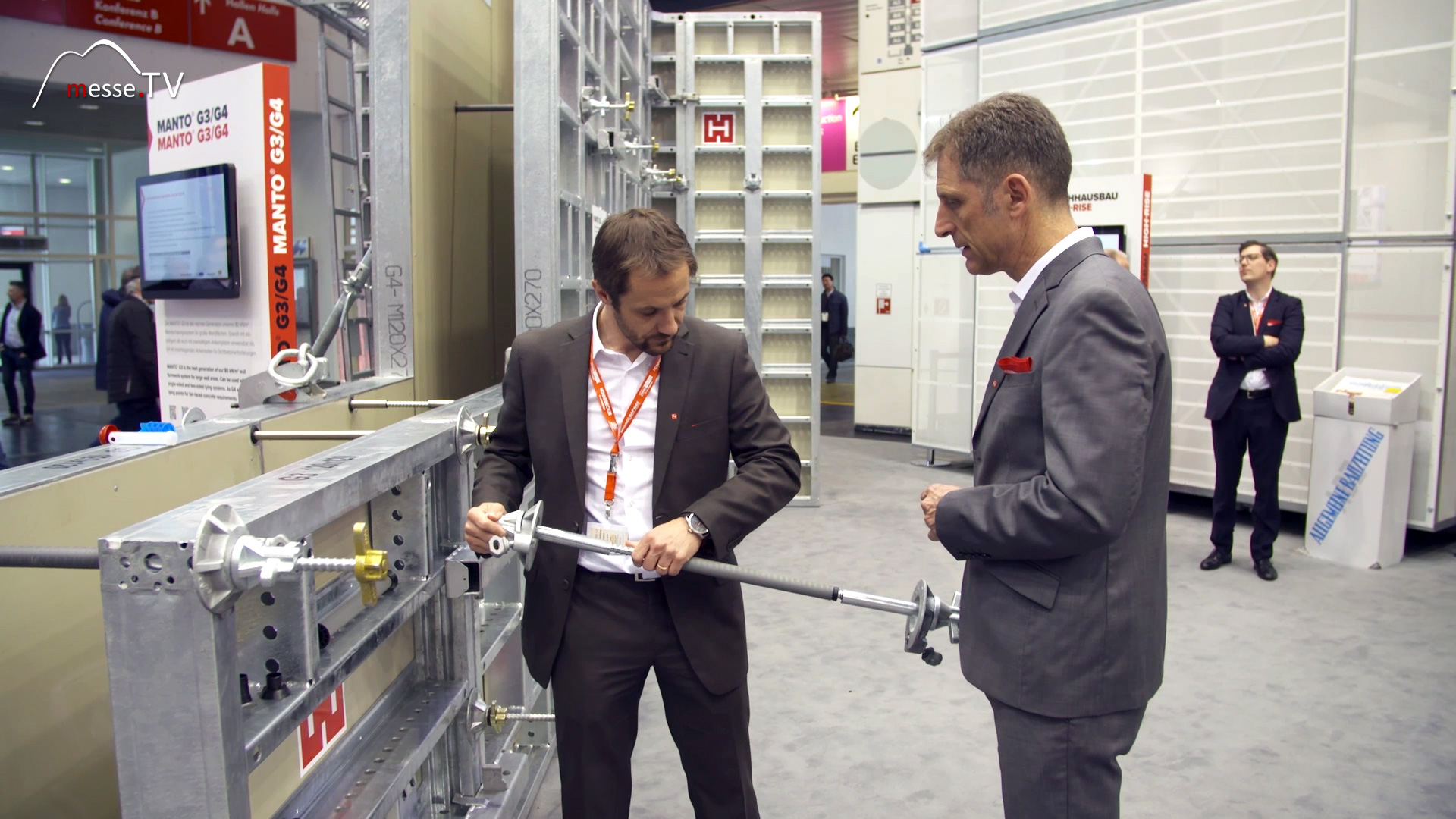
Ein Schwerpunkt der Neuerungen betrifft die sogenannte einseitige Ankertechnik. Diese wurde nach Angaben des Unternehmens neu entwickelt und soll das Montieren sowie Demontieren der Schalungsanker deutlich vereinfachen. Ankersysteme gehören zu den besonders arbeitsintensiven Bereichen im Schalungsbau. Sie verbinden die gegenüberliegenden Schalungselemente und nehmen während des Betonierens erhebliche Kräfte auf. Gleichzeitig müssen sie schnell montierbar und sicher handhabbar bleiben. Die neue Lösung zielt deshalb vor allem auf eine Reduzierung des Arbeitsaufwands. Gerade bei großen Wandflächen oder häufig wechselnden Schalungsabschnitten summieren sich kleine Zeitersparnisse erheblich. Interessant ist dabei, dass moderne Schalungssysteme zunehmend unter ergonomischen Gesichtspunkten weiterentwickelt werden. Bauunternehmen suchen nach Möglichkeiten, körperlich belastende Arbeitsschritte zu reduzieren und gleichzeitig die Effizienz auf der Baustelle zu steigern.
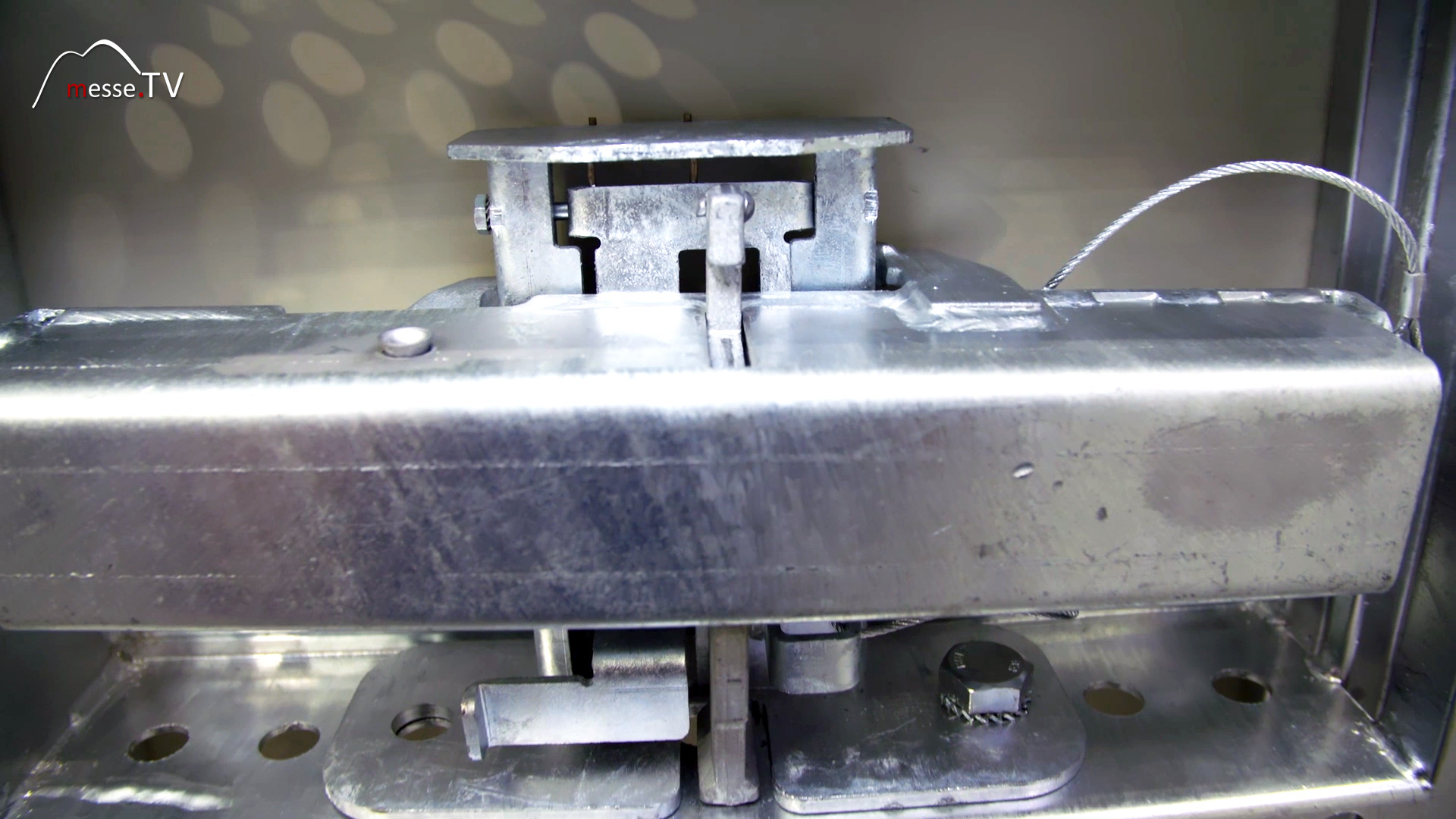
Neue Verbindungstechnik erleichtert die Montage
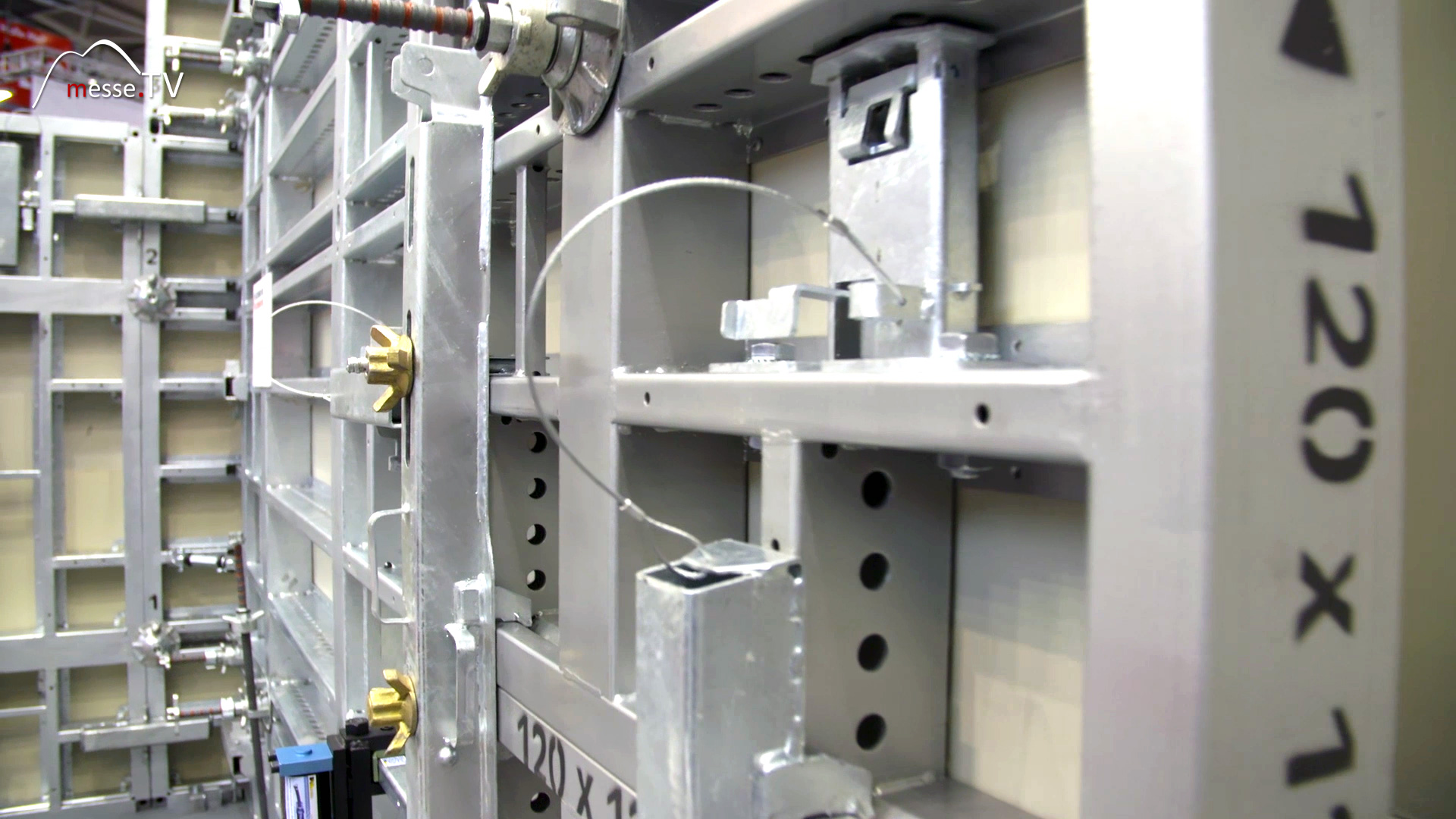
Neben der Ankertechnik präsentiert Hünnebeck auch ein neues Verbindungsmittel mit integriertem Halterungssystem. Die Verbindungselemente können direkt am Einsatzort abgelegt werden, wenn sie gerade nicht verwendet werden. Das klingt zunächst unspektakulär, betrifft jedoch einen typischen Baustellenalltag: Werkzeuge und Verbindungsteile fehlen häufig genau dort, wo sie benötigt werden. Mitarbeiter verbringen dadurch Zeit mit Suchen, Umräumen oder Nachbestücken. Durch die integrierte Ablagemöglichkeit bleiben die Verbindungsmittel direkt an der Schalung verfügbar. Gleichzeitig soll besser sichtbar werden, wie viele Verbindungselemente an einem Schalungsstoß benötigt werden.

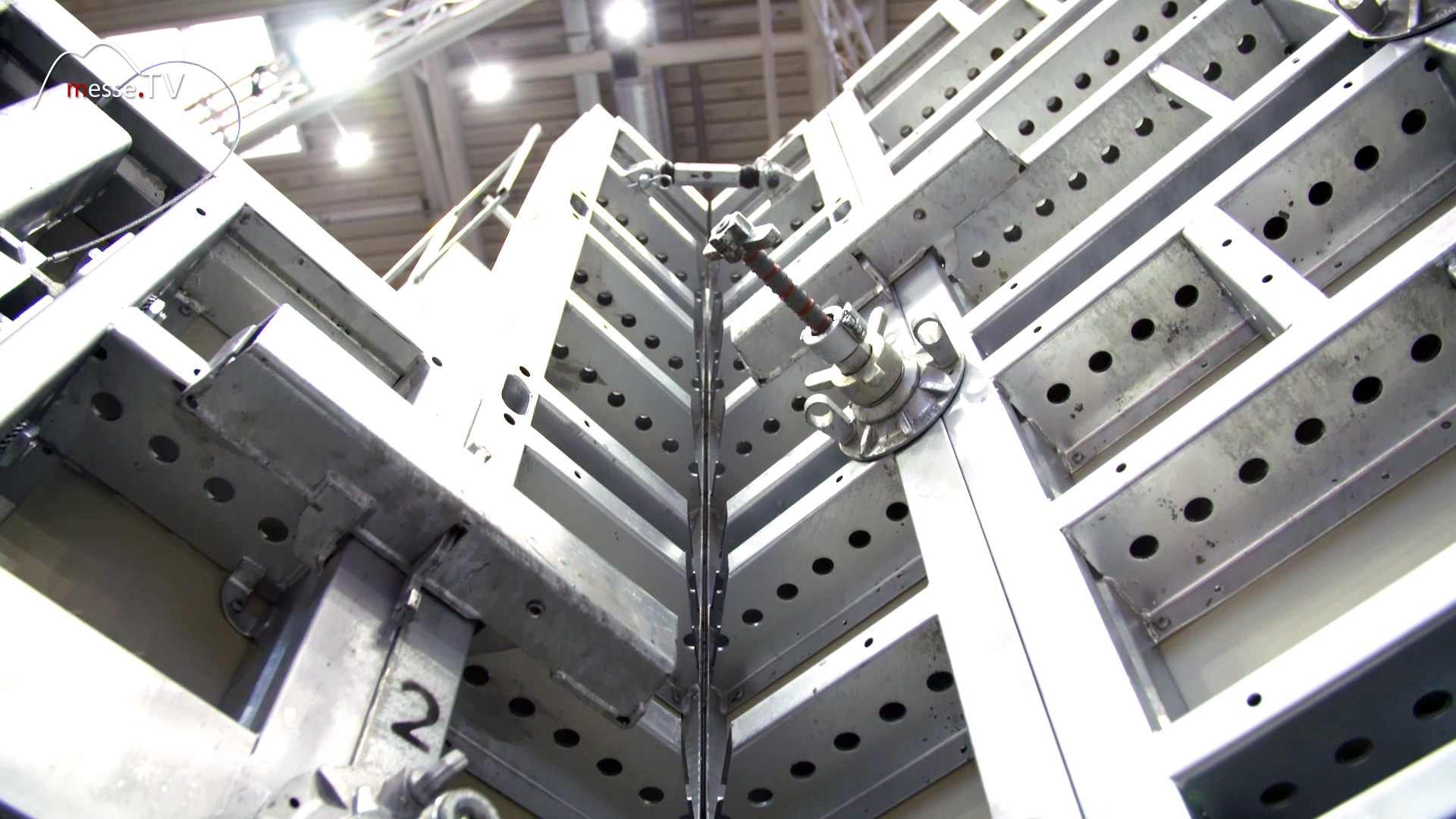
Wichtige Merkmale der Manto-Rahmenschalung:
- Rahmenschalung für Betondrücke bis 80 Kilonewton
- neue einseitige Ankertechnik
- reduzierter Aufwand bei Montage und Demontage
- Verbindungsmittel mit integriertem Halter
- kombinierbare Schalungstafeln für unterschiedliche Wandgrößen
Schalungssysteme müssen flexibel einsetzbar bleiben
Ein weiterer Schwerpunkt liegt auf der Anpassungsfähigkeit des Systems. Die Schalungstafeln stehen in unterschiedlichen Größen zur Verfügung und lassen sich miteinander kombinieren. Dadurch kann die Schalung flexibel an verschiedene Wandhöhen und Wandlängen angepasst werden. Gerade im Hochbau oder bei Infrastrukturprojekten ändern sich Anforderungen häufig innerhalb kurzer Bauabschnitte. Flexibilität gehört deshalb seit Jahren zu den zentralen Anforderungen im Schalungsbau. Unternehmen wollen Systeme einsetzen, die sich möglichst universell verwenden lassen, ohne für jede Geometrie Speziallösungen vorhalten zu müssen. Hinzu kommt die steigende Komplexität moderner Bauprojekte. Unterschiedliche Wandstärken, wechselnde Betonierabschnitte und enge Terminpläne verlangen Schalungssysteme, die sich schnell umkonfigurieren lassen.

Anwendungssicherheit wird zum zentralen Baustellenthema
Auffällig ist außerdem die starke Betonung des Themas Anwendungssicherheit. Nach Angaben des Unternehmens stehen nicht nur Geschwindigkeit und Flexibilität im Vordergrund, sondern ebenso sichere und nachvollziehbare Arbeitsabläufe. Das spiegelt eine breitere Entwicklung innerhalb der Bauindustrie wider. Baustellen stehen zunehmend unter Druck, Sicherheitsstandards einzuhalten und gleichzeitig wirtschaftlich zu arbeiten. Fehlerhafte Montage oder fehlende Verbindungselemente können dabei erhebliche Risiken verursachen. Moderne Schalungssysteme werden deshalb immer stärker so konstruiert, dass Fehlanwendungen reduziert werden. Sichtbare Abläufe, klar definierte Montagepunkte und vereinfachte Handhabung sollen die Arbeitssicherheit erhöhen. Die Weiterentwicklungen der Manto-Rahmenschalung zeigen damit, wie stark sich selbst klassische Baustellentechnik verändert. Während früher vor allem Tragfähigkeit und Materialstärke im Mittelpunkt standen, gewinnen heute Ergonomie, Prozesssicherheit und effiziente Arbeitsabläufe zunehmend an Bedeutung. Gerade im Betonbau entscheidet längst nicht mehr allein die eigentliche Bauleistung über den Projekterfolg. Ebenso wichtig werden die Geschwindigkeit und Zuverlässigkeit der vorbereitenden Prozesse – und dazu gehört die Schalungstechnik ganz wesentlich.







Messe-Berichterstattung bundesweit - Messewissen, Termine & Veranstaltungen


