Modular drive systems for zero-emission construction machinery
by A. Bergmeier - 2024-02-13For a long time, the electrification of heavy machinery was considered technically difficult and economically limited. However, the industry is now undergoing noticeable change. Stricter emission standards, new requirements in major cities and the search for more flexible drive solutions are driving this transformation.
At the bauma in Munich, Deutz is therefore showcasing a modular product range for various drive technologies – from classic diesel engines to hydrogen and electric drives. The focus is not on a single engine, but on a modular system capable of combining different energy sources and operating modes. This creates a new level of technical flexibility, particularly in the field of mobile machinery. This is because construction site vehicles operate under very different conditions and require different solutions depending on their application profile. This development also highlights the extent to which mechanical engineering is currently changing. Whilst diesel engines used to dominate almost exclusively, hybrid concepts, battery-electric systems and alternative fuels are now emerging in parallel.
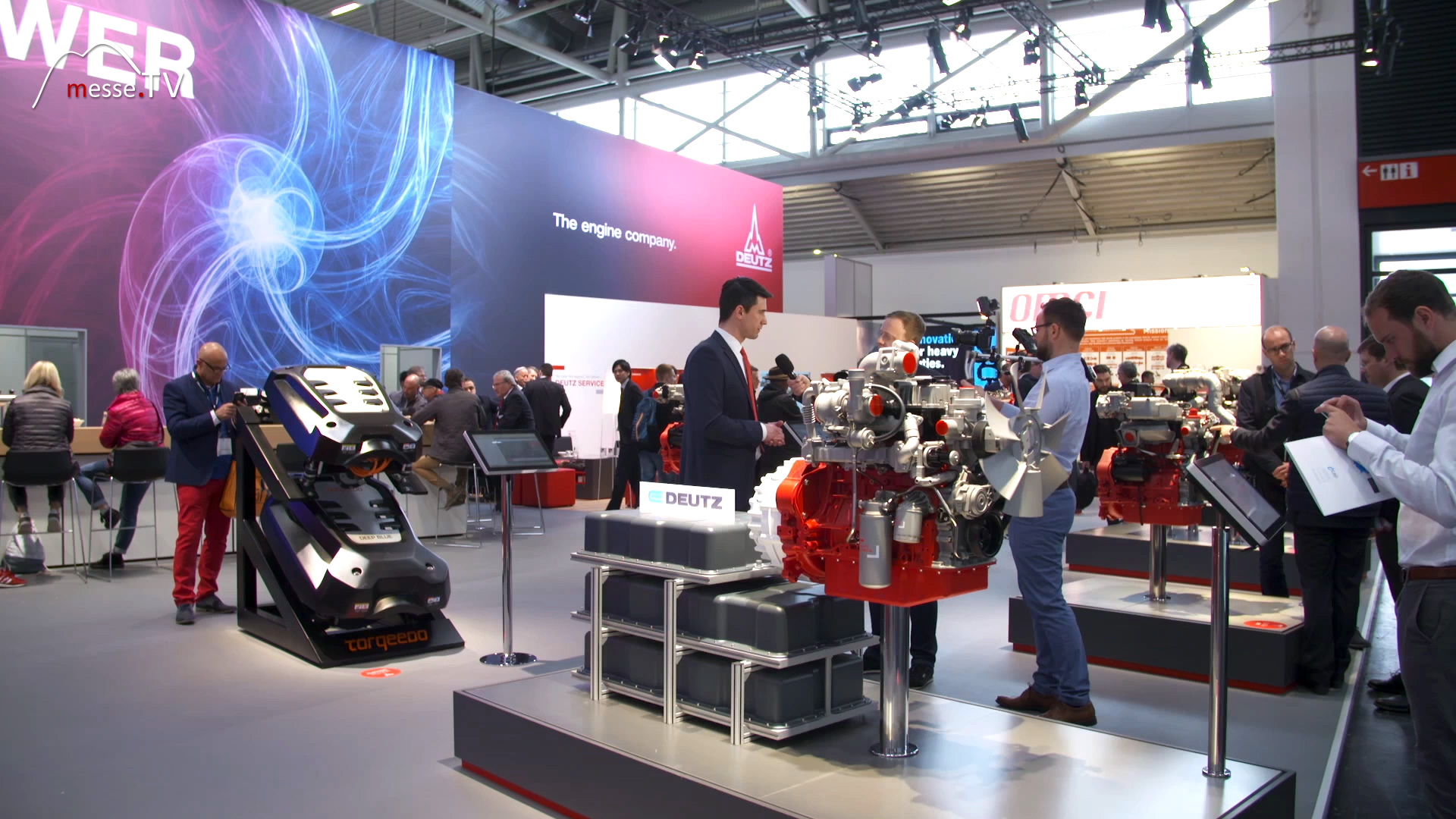
Deutz combines diesel, hybrid and hydrogen technology
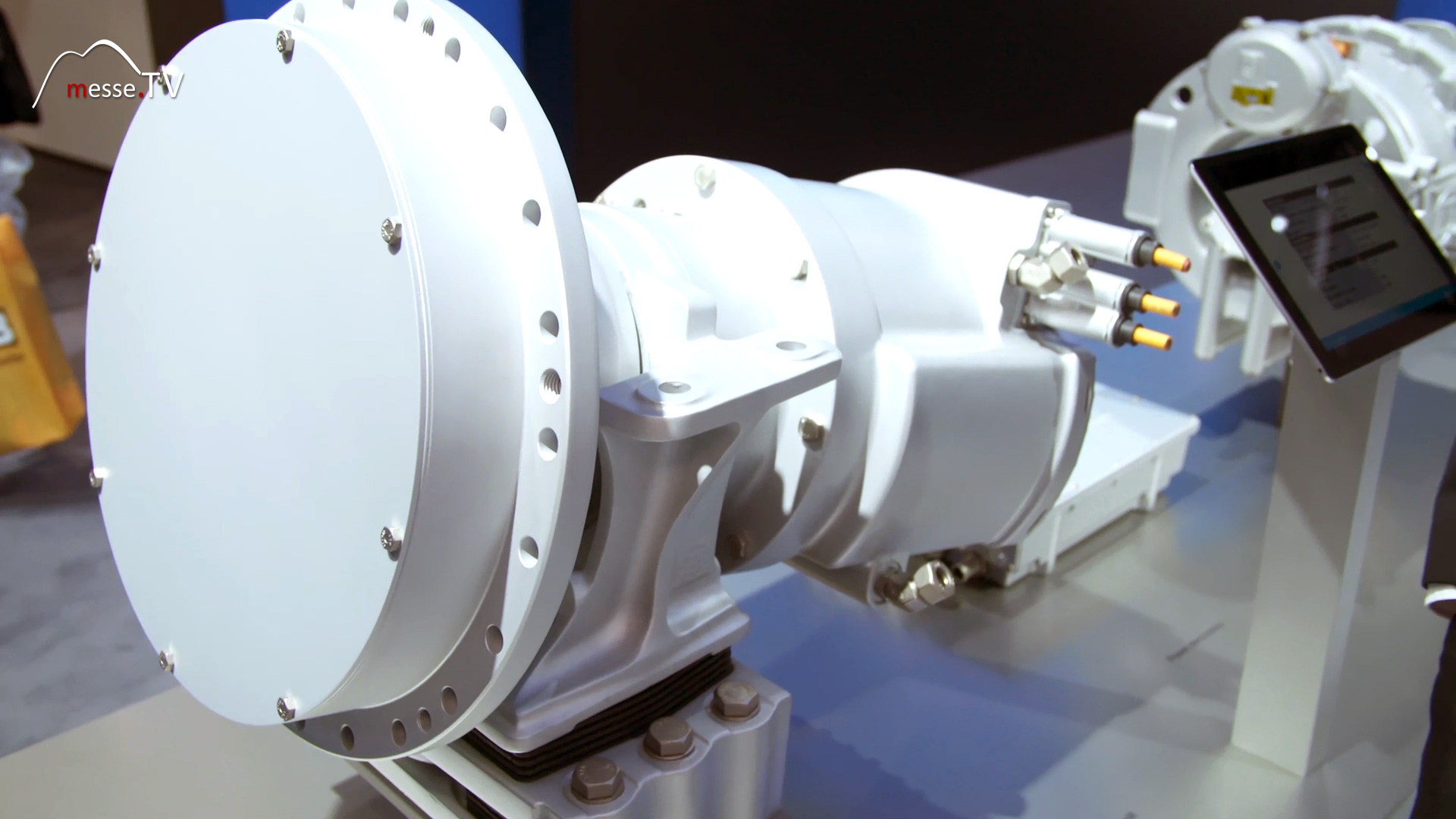
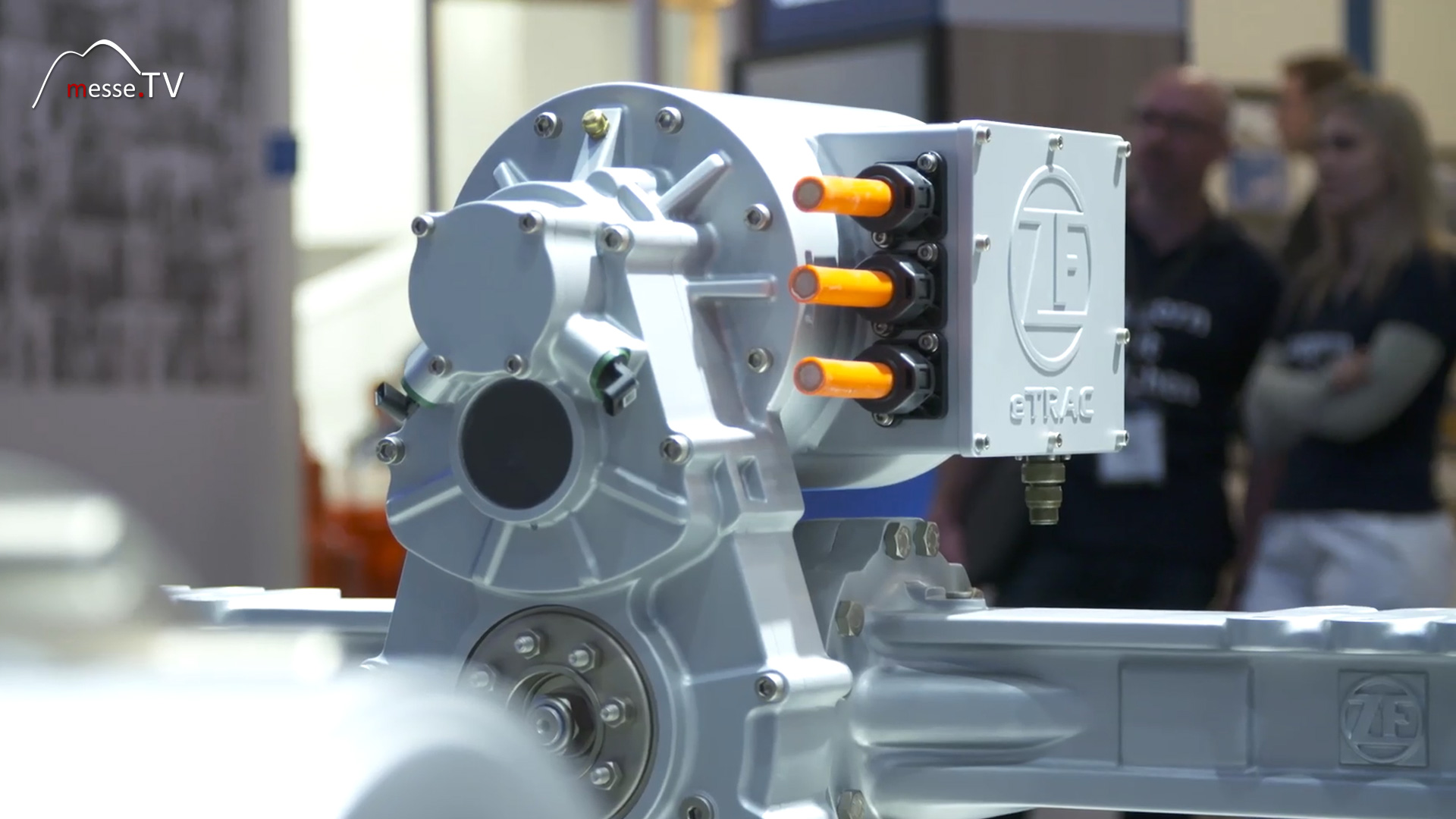
The modular product system presented encompasses different drive technologies within a common system architecture. According to the company, the range will in future extend from classic diesel drives to hydrogen solutions. Deutz positions hybrid and fully electric systems in between. Among other things, a 360-volt hybrid drive with a modular battery pack and integrated hybrid transmission is being showcased at the trade fair. The system achieves an output of around 100 kilowatts. Of particular interest is the versatility of the operating modes. The machine can run purely on electricity, operate exclusively with a diesel engine, or combine both systems. In addition, the combustion engine can be used as a generator to recharge the battery during operation. This flexibility is considered a decisive advantage, particularly in the field of mobile machinery. This is because many construction sites require different performance profiles – ranging from short-term, zero-emission use to long working shifts with high continuous loads.
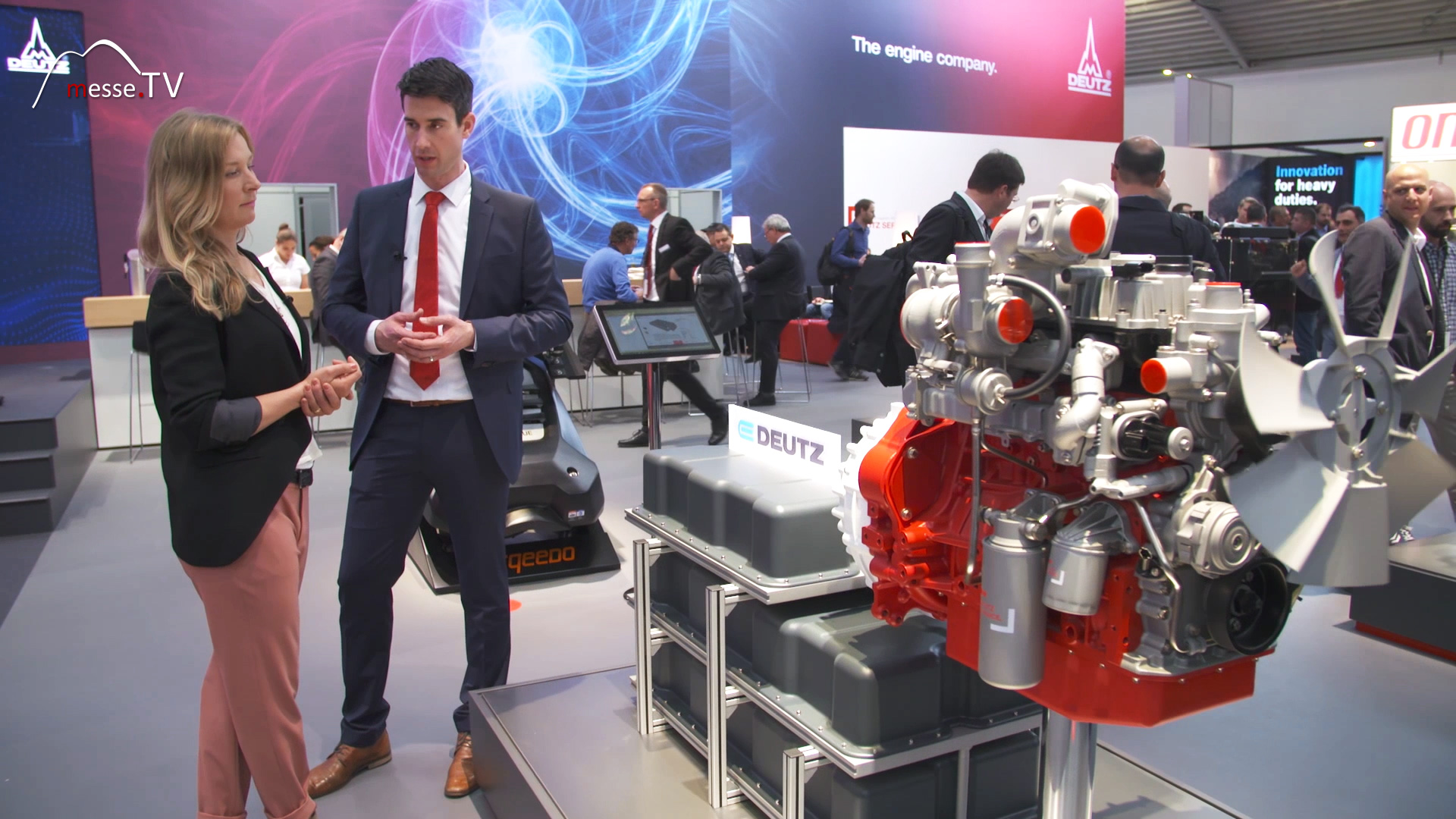
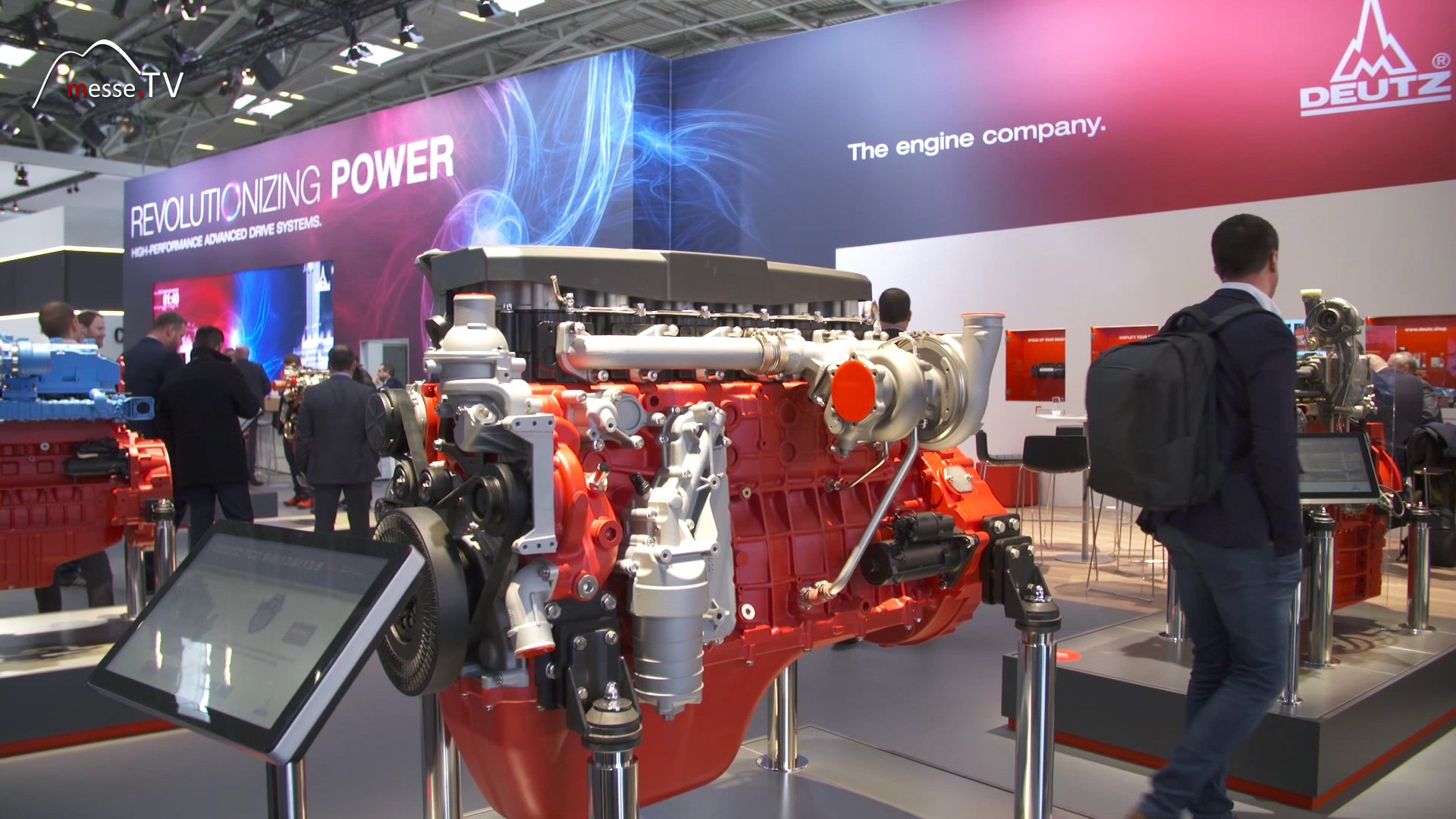
Hybrid drives are set to make construction sites more flexible
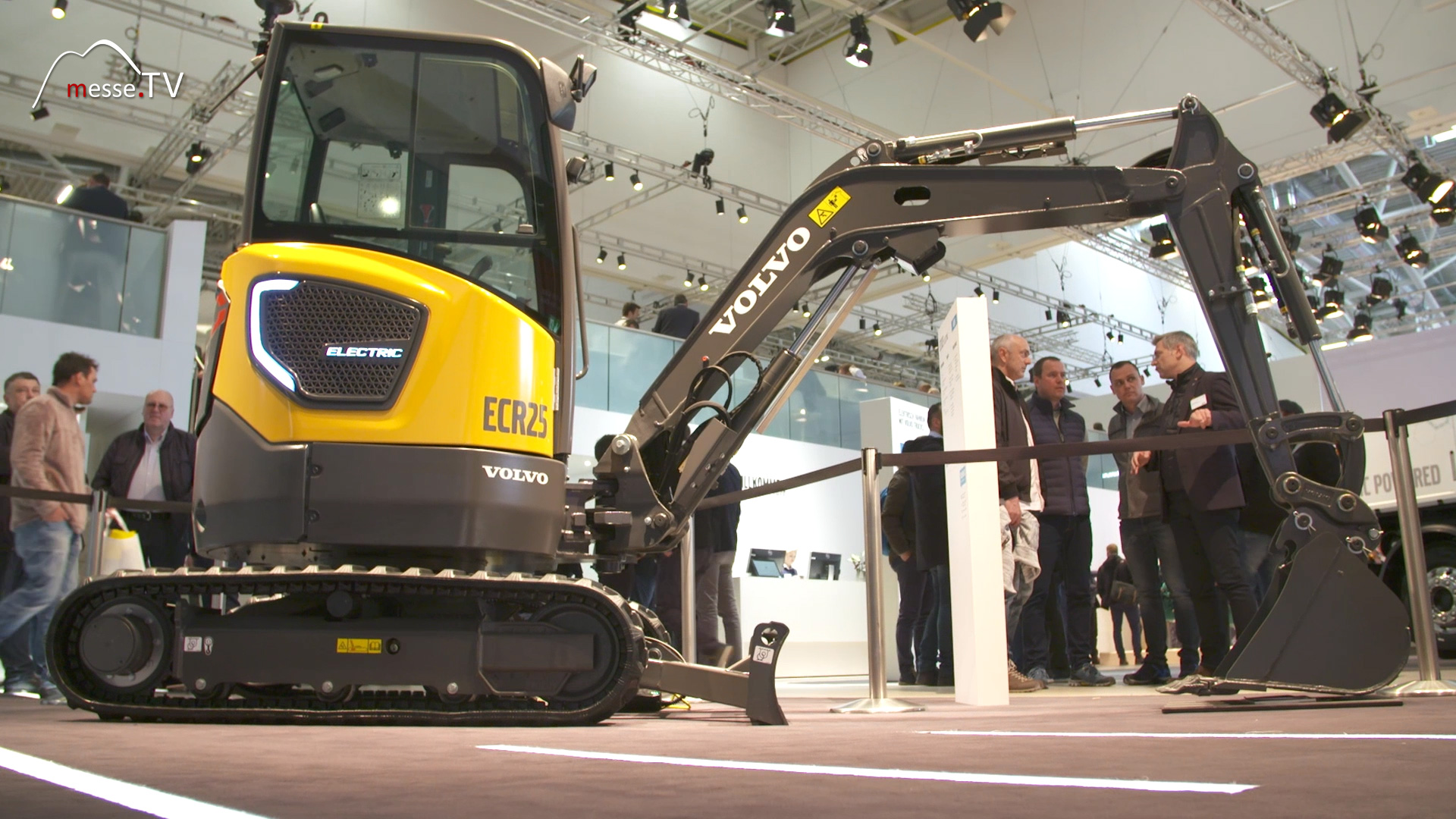
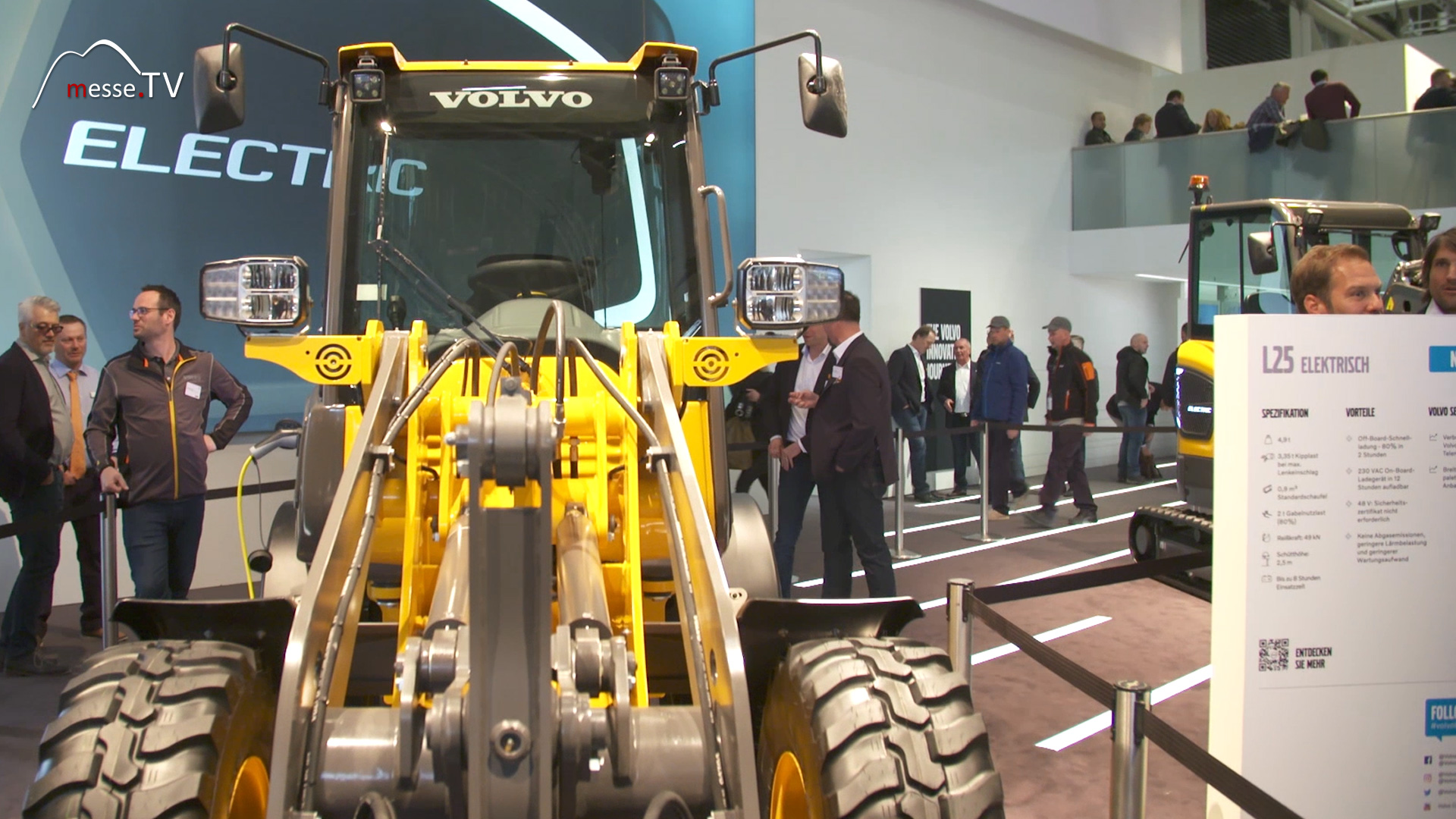
The range of possible applications is wide. According to the manufacturer, the systems are suitable for wheel loaders, telehandlers or excavators. Smaller machines in particular are currently considered particularly well-suited to hybrid or electric concepts. The background to this lies in the changing working environment of many construction sites. Cities are tightening environmental regulations, whilst at the same time political pressure to reduce local emissions is growing. Particularly in densely built-up city centres, traditional diesel vehicles are coming under increasing regulatory pressure.

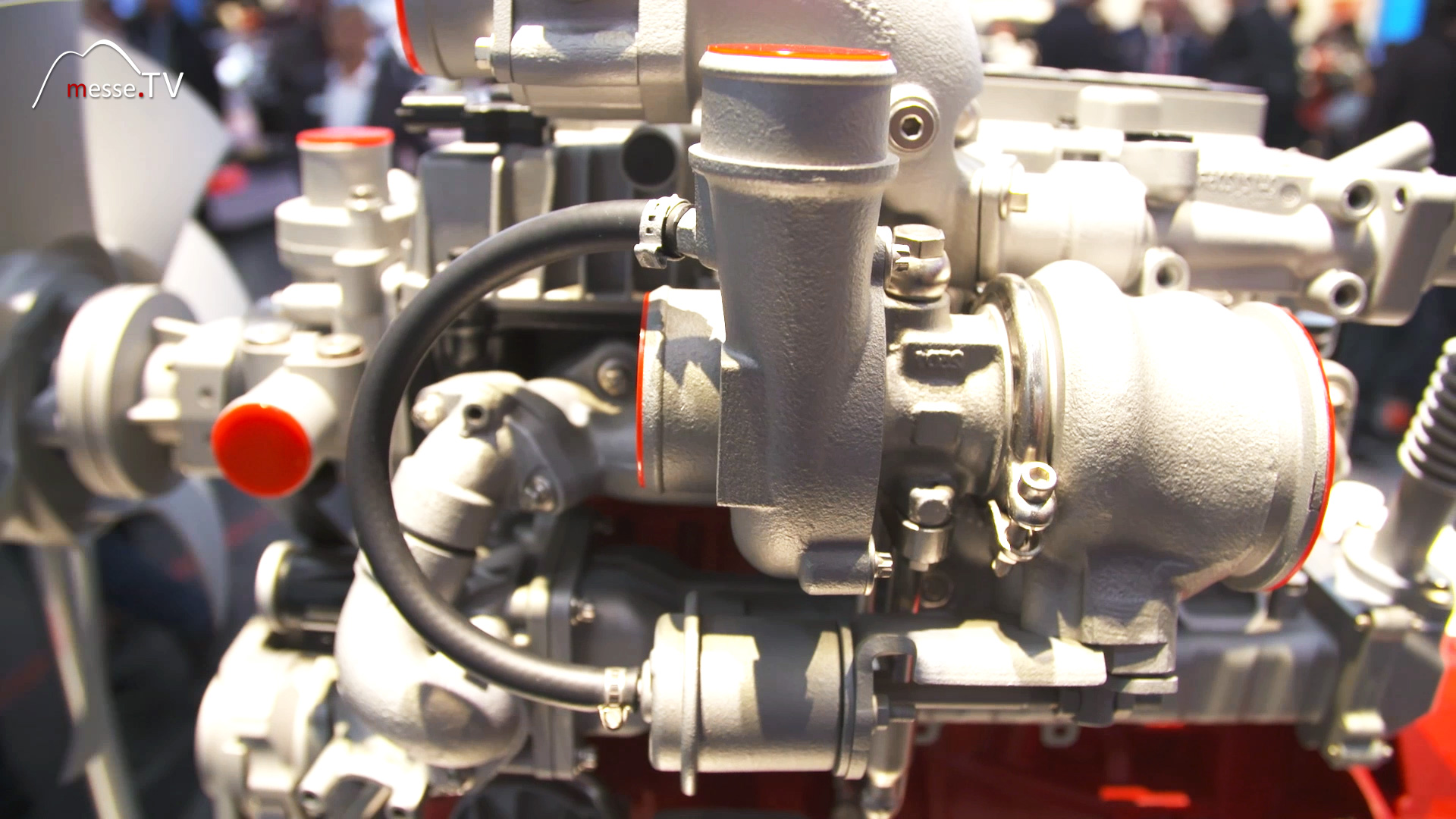
Key features of the drive system presented:
- modular product system for various drive technologies
- 360-volt hybrid drive with battery system
- electric, diesel-based or combined operation
- use of the engine as a generator for battery charging
- Use in excavators, wheel loaders and telehandlers
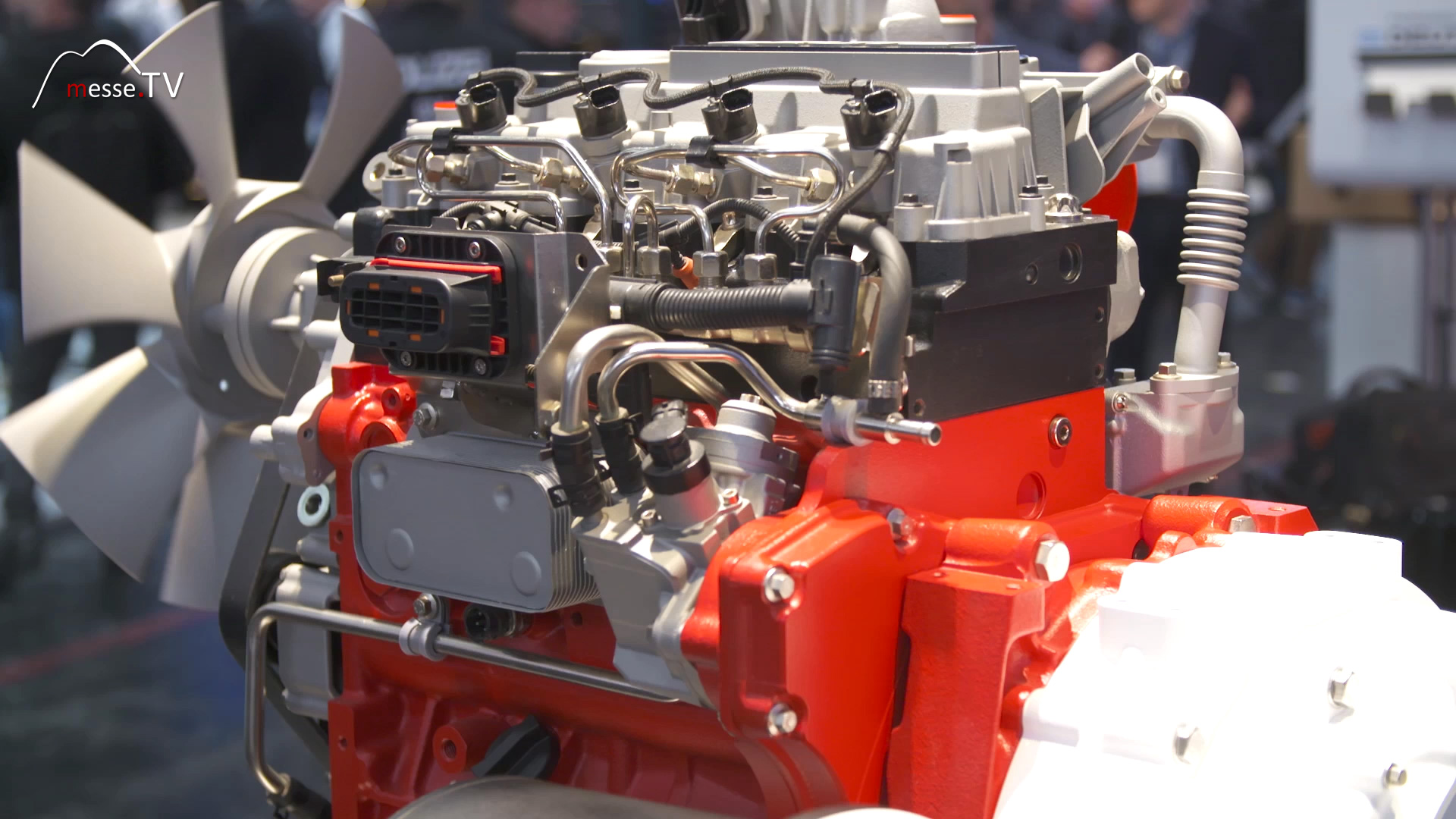
Cities are changing the requirements for construction machinery
Urban construction sites in particular are increasingly becoming a driving force behind new drive technologies. Noise, exhaust fumes and particulate matter are becoming a greater focus of public debate. At the same time, infrastructure projects are still expected to be carried out within densely populated urban areas. Electric or hybrid machines offer practical advantages in such settings. They operate more quietly, produce no local exhaust emissions and are better suited for use in sensitive areas or partially enclosed working environments. There is also an economic factor. Many construction companies must already prepare today for future tender conditions. Those able to deploy zero-emission machines gain potential competitive advantages in public projects. However, it is also becoming clear that not every application can be fully electrified. Heavy machinery in particular, with its consistently high power consumption, continues to pose challenges for battery technology. This is precisely why modular systems that can combine different technologies are gaining in importance.
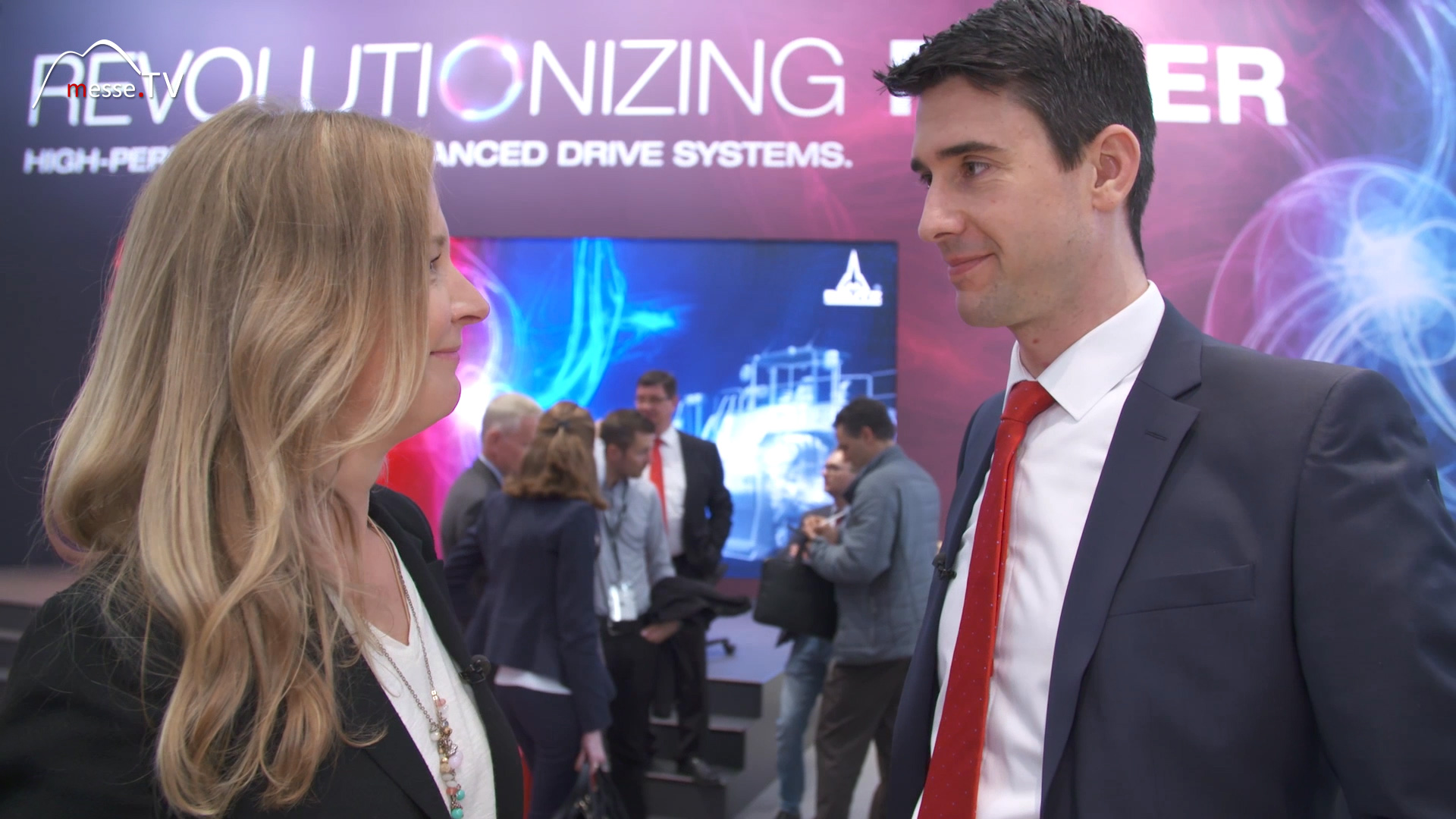
Modular platforms are transforming engine design
The presentation at bauma highlights a fundamental shift within drive technology. Manufacturers are increasingly moving away from developing individual engines and instead creating complete platforms for various energy sources and vehicle types. This is also changing the role of traditional engine manufacturers. Instead of supplying diesel engines exclusively, integrated systems comprising batteries, power electronics, transmissions and alternative fuels are emerging. Deutz is thus deliberately positioning itself broadly. The approach is not focused on a single technology, but on the ability to meet different requirements within a modular system. This openness could prove decisive, particularly in the construction machinery sector. For whilst some applications already operate entirely on electric power today, others will continue to require hybrid or alternative combustion solutions for a long time to come. The future of heavy machinery is therefore likely to be shaped less by a single technology than by a combination of different drive concepts.

Trade fair reporting Germany - Trade fair knowledge, dates & events


