AR-Brille für Betonfertigteile und Schalungsbau
von Jürgen Groh - 2024-02-13Die Digitalisierung erreicht zunehmend auch Bereiche der Bauindustrie, die lange als stark handwerklich geprägt galten. Gerade in der Fertigung von Betonbauteilen verändern digitale Modelle, automatisierte Produktionsabläufe und virtuelle Assistenzsysteme inzwischen die tägliche Arbeit.
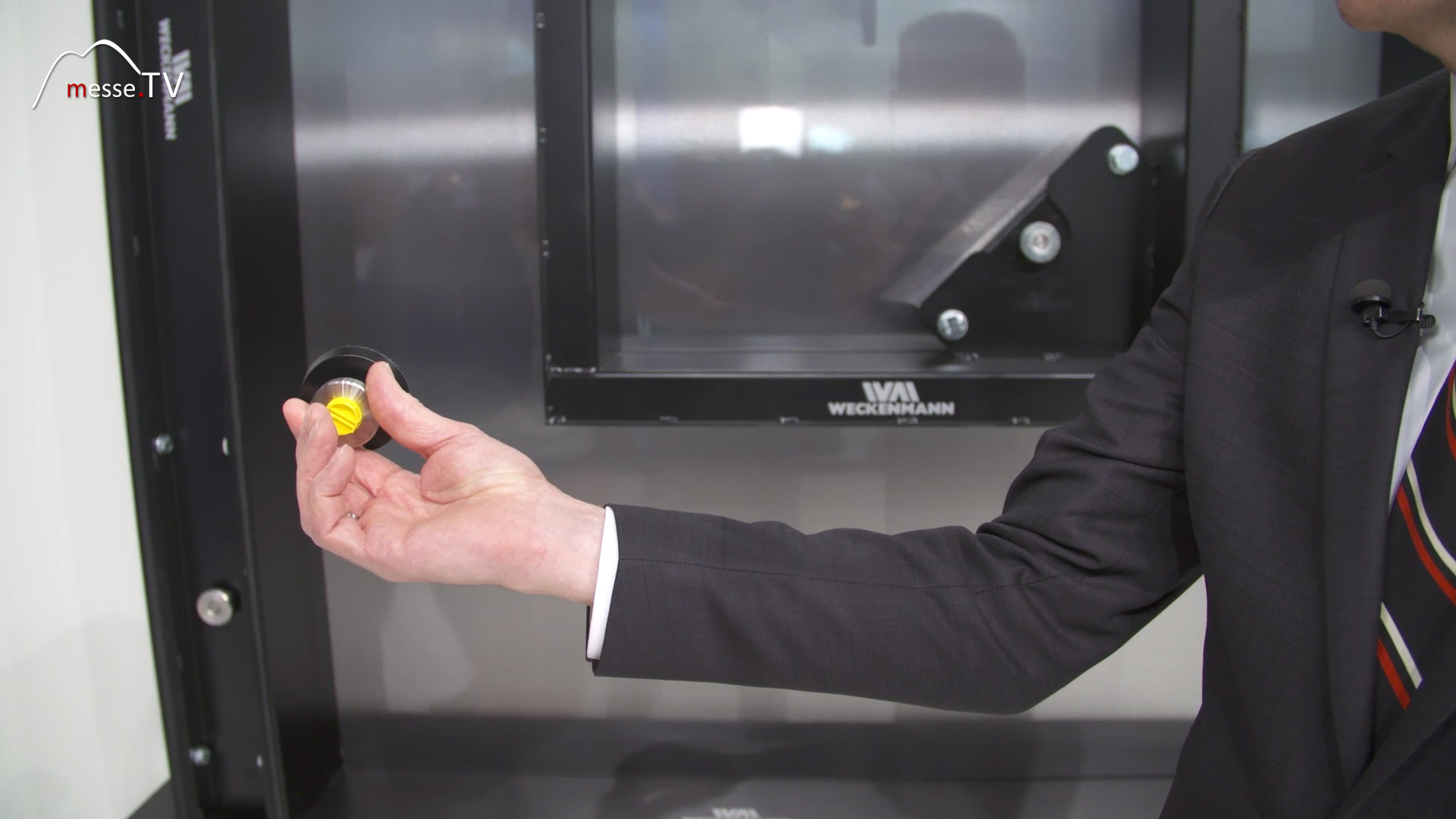
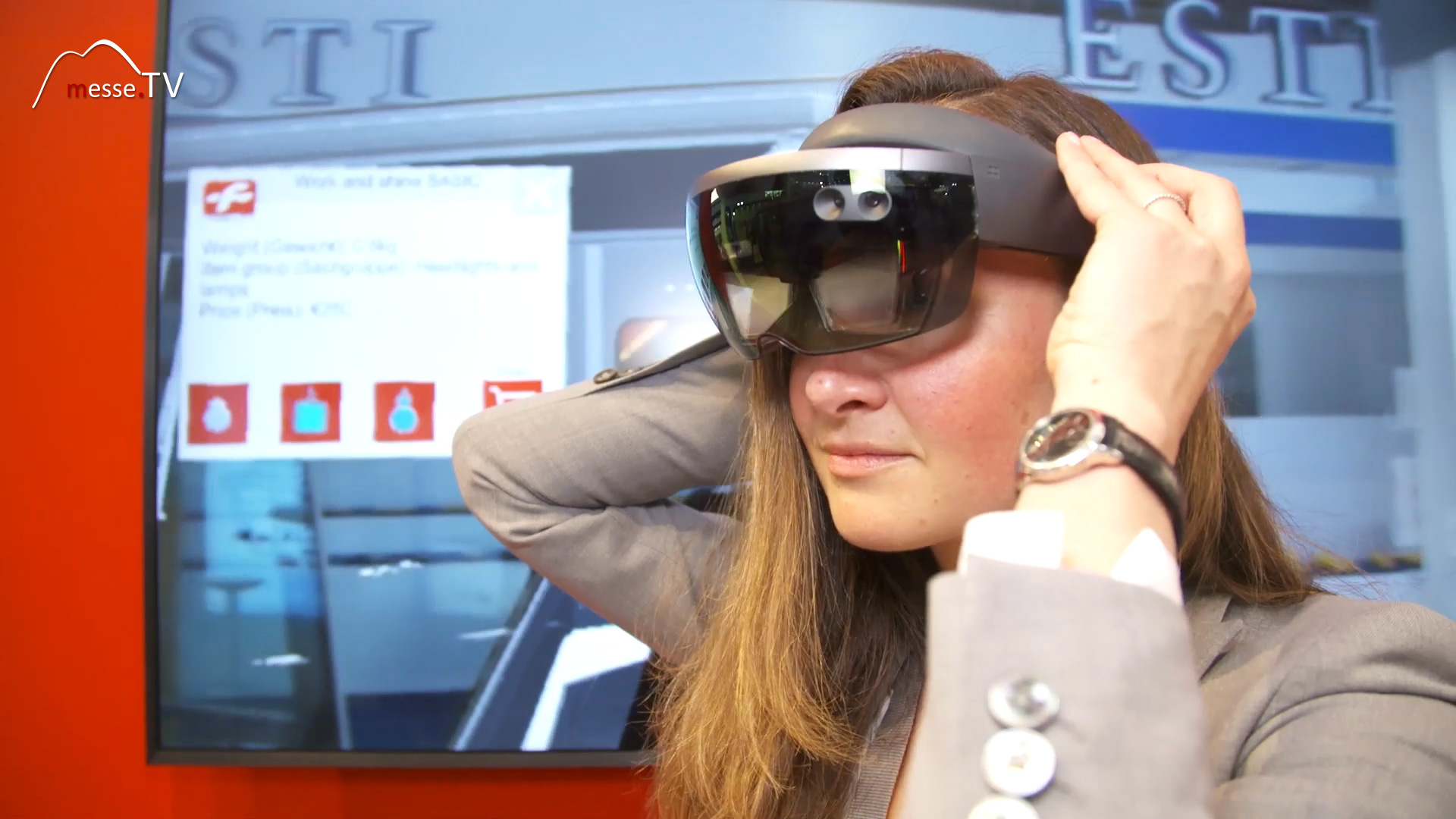
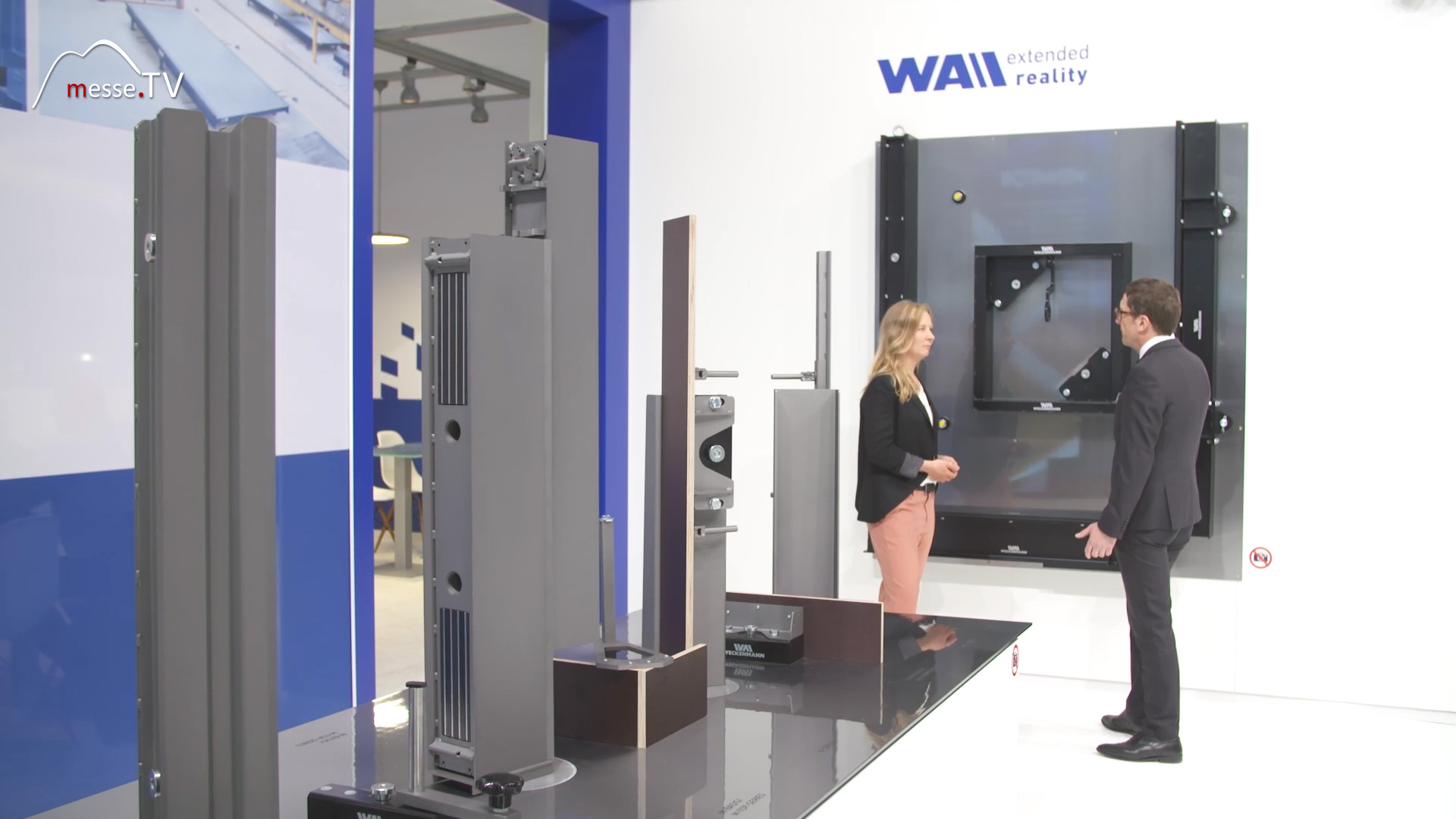
Auf der bauma in München zeigt Weckenmann deshalb eine AR-Brille, die virtuelle Planungsdaten direkt in reale Schalungen projiziert und damit Montage- und Produktionsprozesse vereinfachen soll. Im Mittelpunkt steht eine Augmented-Reality-Anwendung für die Herstellung großformatiger Betonfertigteile. Die Technik blendet digitale Informationen unmittelbar in das Sichtfeld des Mitarbeiters ein. Statt ausschließlich mit klassischen Zeichnungen oder Maßangaben zu arbeiten, lassen sich Bewehrungen und Einbauteile direkt virtuell innerhalb der Schalung darstellen. Gerade in der Betonfertigteilindustrie gewinnt diese Form der visuellen Unterstützung an Bedeutung. Denn Bauteile werden komplexer, gleichzeitig steigt der Druck auf Präzision, Geschwindigkeit und Fehlervermeidung.
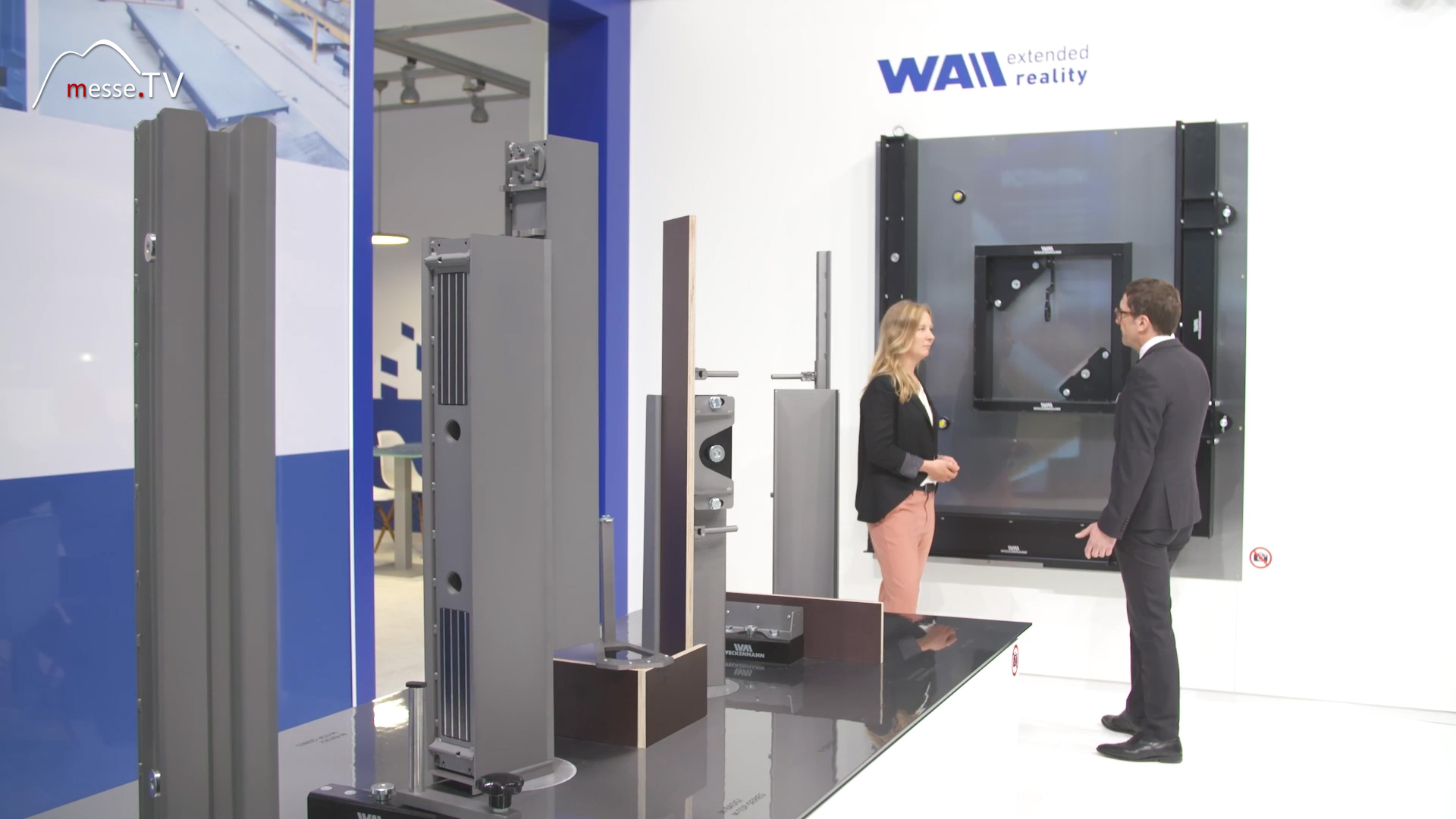
Weckenmann verbindet Schalungsbau mit Augmented Reality
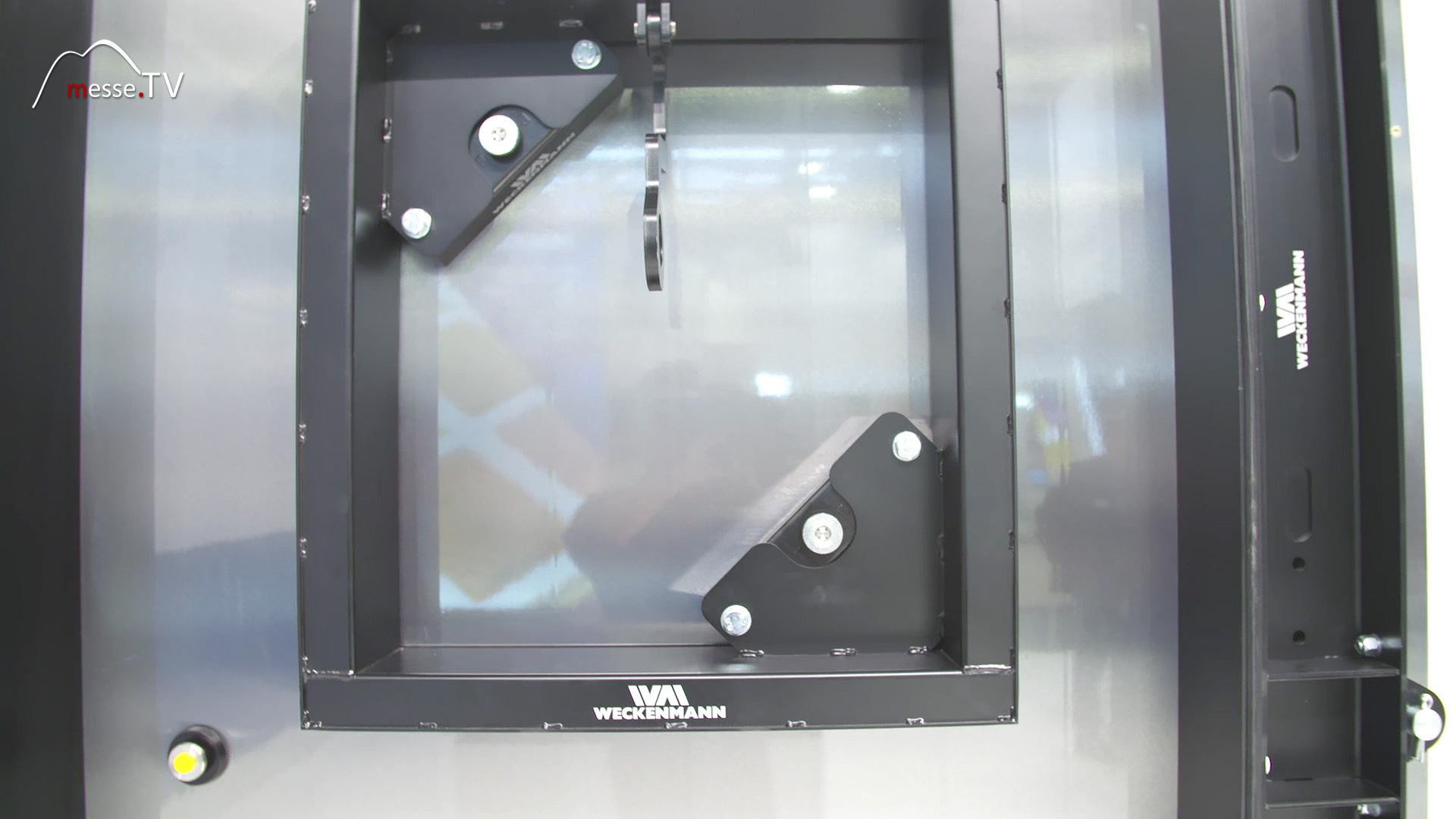
Die vorgestellte Lösung basiert auf einer AR-Brille, die virtuelle Bauteildaten mit realen Produktionsumgebungen kombiniert. Mitarbeiter sehen dadurch digitale Modelle direkt an der späteren Einbauposition innerhalb der Schalung. Dargestellt werden unter anderem Bewehrungen, Einbauteile und weitere konstruktive Elemente eines Stahlbetonbauteils. Die virtuellen Informationen dienen dabei nicht nur der Visualisierung, sondern sollen konkrete Arbeitsschritte unterstützen. Besonders interessant ist die Platzierung der Einbauteile. Das reale Bauteil wird direkt mit dem virtuellen Modell abgeglichen. Stimmen beide Positionen überein, befindet sich das Element automatisch an der vorgesehenen Stelle.
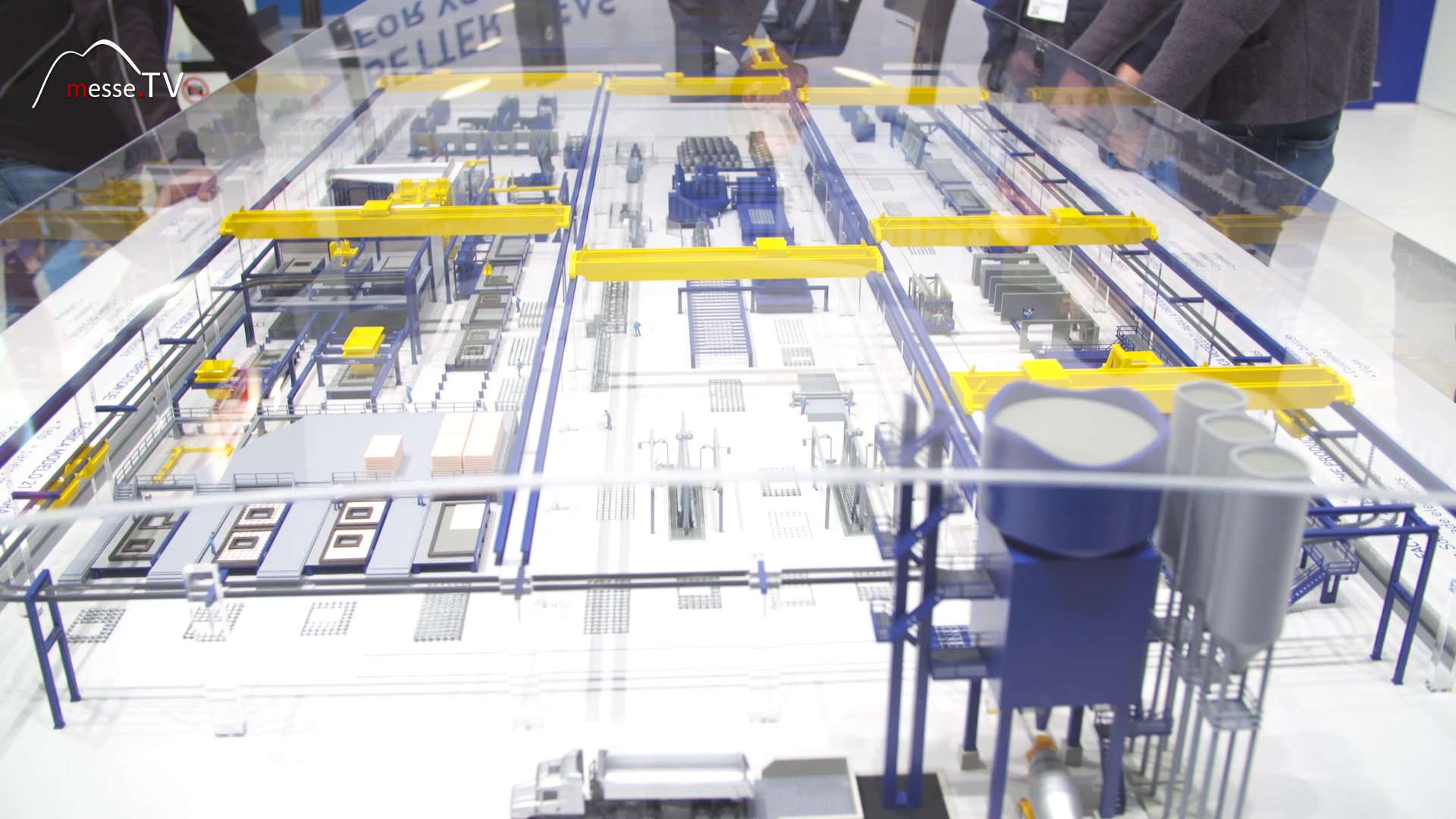
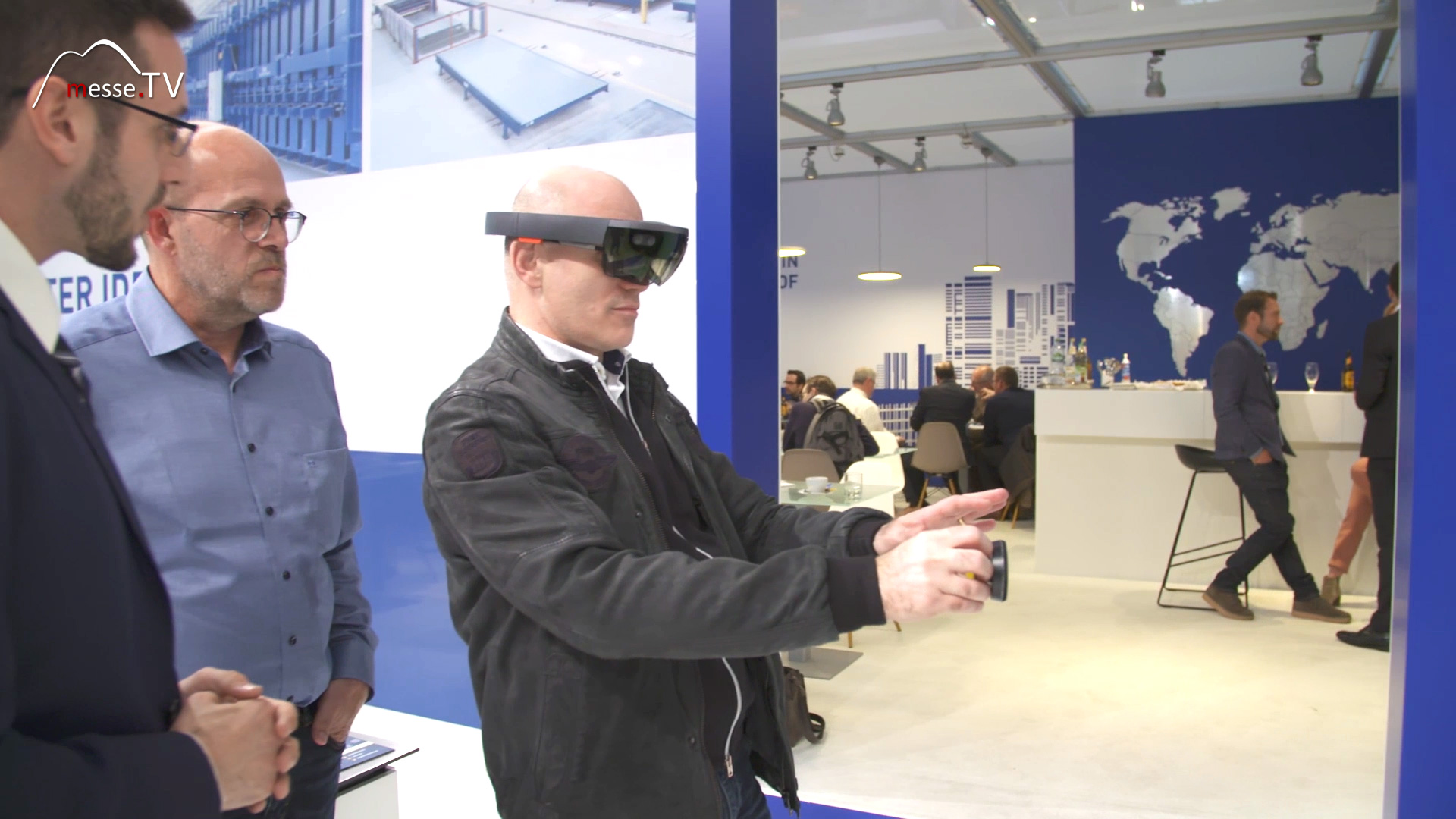
Damit verändert sich auch der Arbeitsablauf innerhalb der Fertigung. Statt Maße manuell aus Zeichnungen zu übertragen oder Positionen aufwendig einzumessen, erfolgt die Orientierung unmittelbar über das digitale Modell im Sichtfeld des Mitarbeiters. Gerade im Schalungsbau gelten solche Prozesse als fehleranfällig. Bereits kleine Abweichungen können später zu Problemen bei Passgenauigkeit, Statik oder Montage führen. Digitale Assistenzsysteme sollen deshalb helfen, Fehlerquoten zu reduzieren und die Qualitätssicherung zu verbessern.
Virtuelle Bewehrung erleichtert die Fertigung
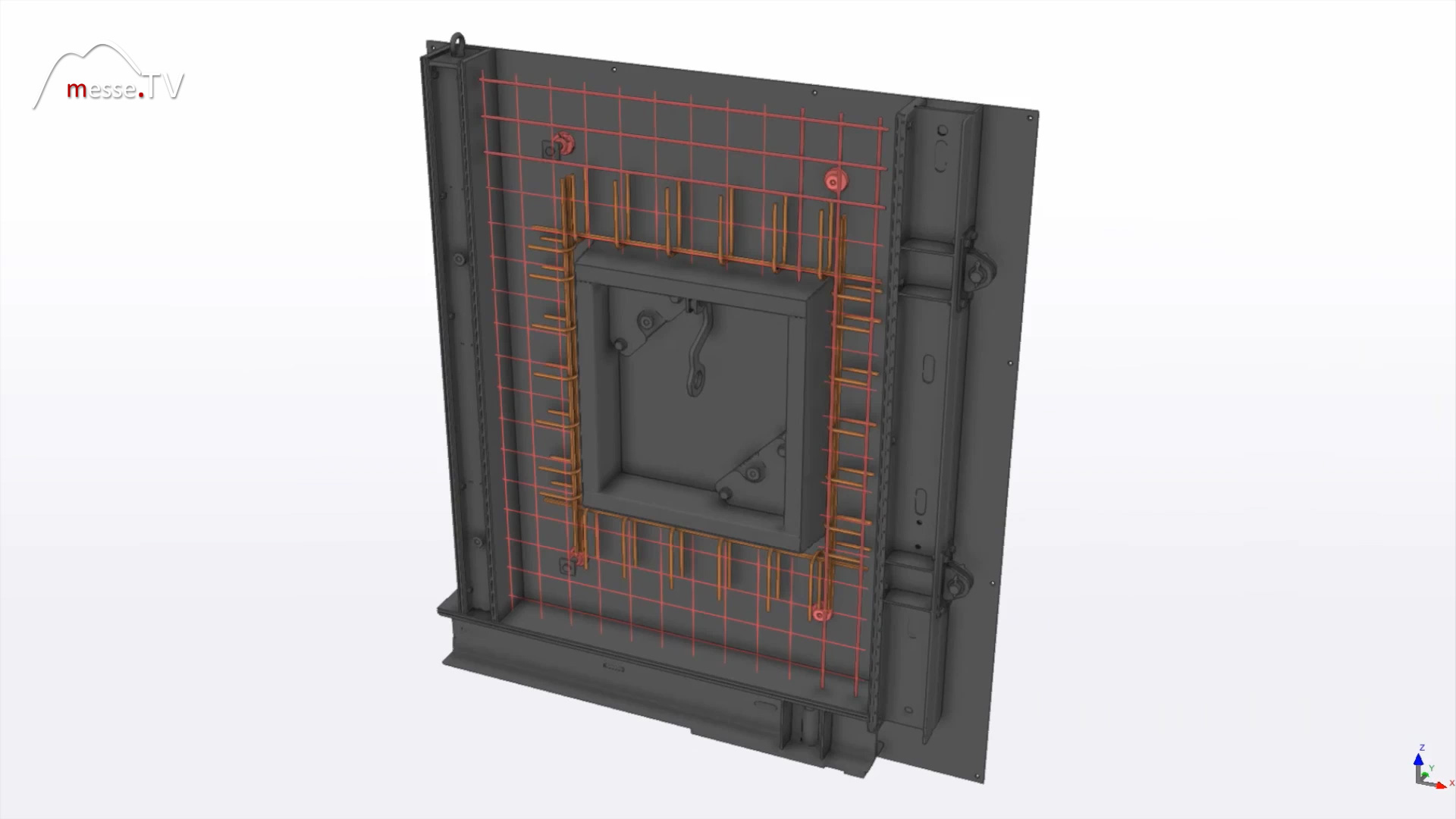
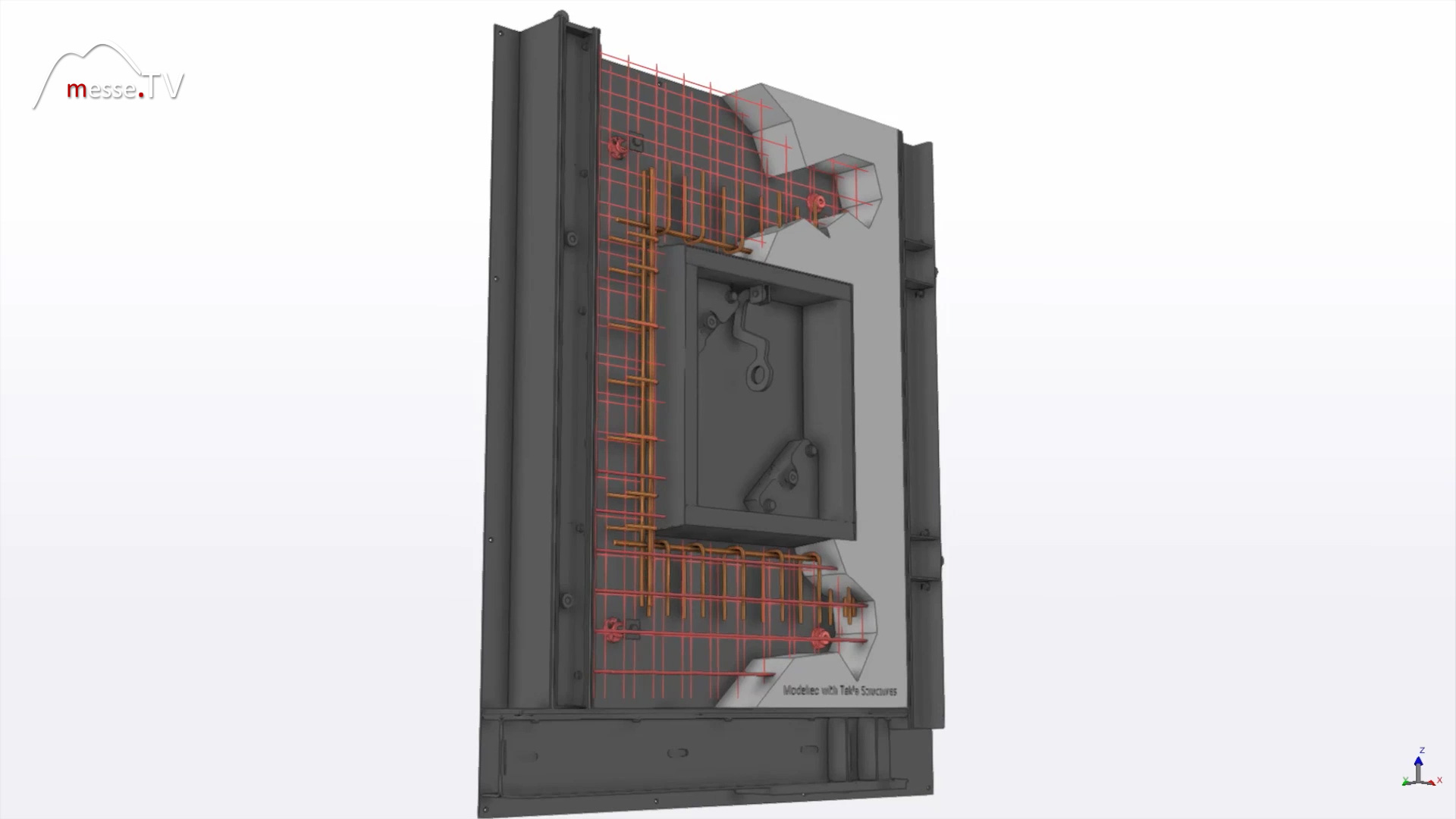
Ein Schwerpunkt der Anwendung liegt auf der Darstellung der Bewehrung innerhalb von Stahlbetonbauteilen. Die komplexen Stahlstrukturen werden virtuell sichtbar gemacht und direkt in die reale Schalung eingeblendet. Dadurch entsteht eine Art digitale Montagehilfe für die Produktion. Mitarbeiter können erkennen, wo einzelne Elemente positioniert werden müssen, ohne ständig zwischen Zeichnungen, Maßtabellen und realem Bauteil wechseln zu müssen.
Wichtige Eigenschaften des Systems:
- AR-Brille für Betonfertigteilproduktion
- virtuelle Darstellung von Bewehrung und Einbauteilen
- direkte Überlagerung digitaler Daten mit realen Schalungen
- vereinfachte Positionierung von Bauteilkomponenten
- Unterstützung für weniger erfahrene Mitarbeiter

Betonfertigteilwerke setzen stärker auf digitale Prozesse
Die Entwicklung zeigt einen größeren Wandel innerhalb der Betonfertigteilindustrie. Produktionsanlagen werden zunehmend digital vernetzt, während gleichzeitig BIM-Daten, 3D-Modelle und automatisierte Fertigungsprozesse stärker miteinander verbunden werden. Gerade großformatige Betonfertigteile erfordern eine hohe Präzision. Fehler in der Schalung oder falsch platzierte Einbauteile führen schnell zu kostspieligen Nacharbeiten oder Produktionsverlusten. Digitale Assistenzsysteme sollen deshalb die Lücke zwischen Planung und realer Fertigung schließen. Virtuelle Modelle verlassen dabei die klassische Bildschirmdarstellung und werden direkt in die Produktionsumgebung integriert. Hinzu kommt ein weiterer Vorteil: Die visuelle Darstellung komplexer Bauteile erleichtert die Kommunikation innerhalb der Fertigung. Mitarbeiter erkennen schneller, wie einzelne Komponenten zusammengehören und welche Position vorgesehen ist. Interessant ist außerdem die Nähe solcher Systeme zur Spiele- und Consumer-Technologie. Die intuitive Nutzung von AR-Anwendungen erinnert bewusst an digitale Benutzeroberflächen aus anderen Bereichen. Genau dadurch sinkt häufig die Einstiegshürde für Anwender.
Augmented Reality verändert die Bauproduktion
Die vorgestellte Lösung verdeutlicht, wie stark sich die Bauindustrie derzeit technologisch verändert. Augmented Reality entwickelt sich zunehmend von einer Demonstrationstechnologie hin zu einem konkreten Werkzeug für industrielle Produktionsprozesse. Weckenmann positioniert sich damit in einem Bereich, der für Fertigteilwerke künftig deutlich wichtiger werden dürfte. Denn je komplexer Bauteile und Produktionsabläufe werden, desto stärker wächst der Bedarf an visueller Prozessunterstützung. Gleichzeitig verändern sich die Anforderungen an Mitarbeiter in der Produktion. Neben klassischem handwerklichem Wissen gewinnen digitale Kompetenzen und der Umgang mit virtuellen Datenmodellen an Bedeutung. Die gezeigte AR-Brille macht deutlich, dass Digitalisierung im Bauwesen längst nicht mehr nur Bürosoftware oder Maschinensteuerung betrifft. Sie erreicht zunehmend direkt den Arbeitsplatz in der Fertigungshalle – dort, wo Schalungen vorbereitet, Bewehrungen eingebaut und Betonfertigteile produziert werden.

Messe-Berichterstattung bundesweit - Messewissen, Termine & Veranstaltungen


