Elektrischer Radlader für emissionsfreie Baustellen
von Andreas Bergmeier - 2024-02-13Baustellen gelten traditionell als laut, abgasintensiv und stark von Dieselmotoren geprägt. Doch genau dieses Bild beginnt sich zu verändern.
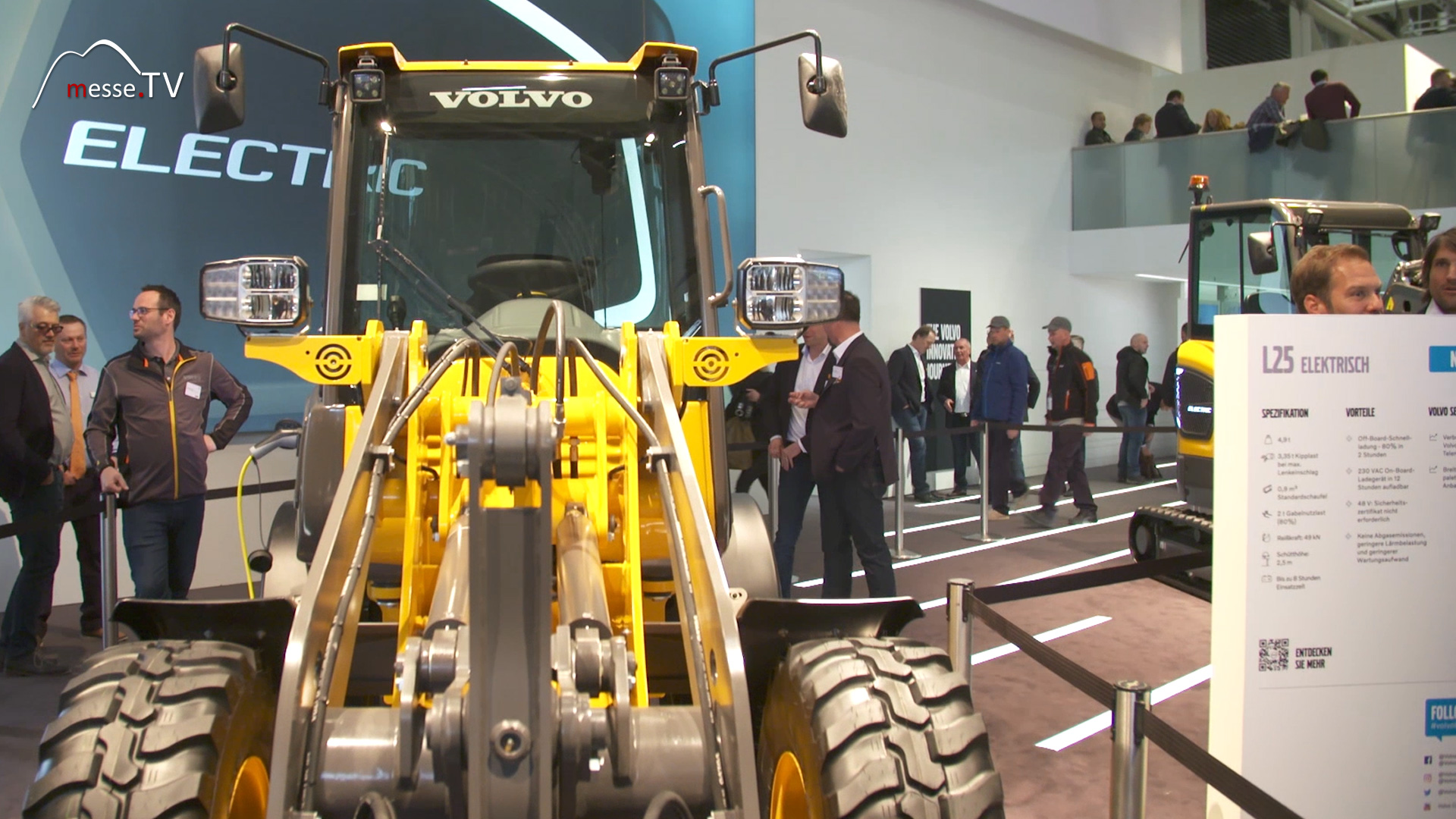
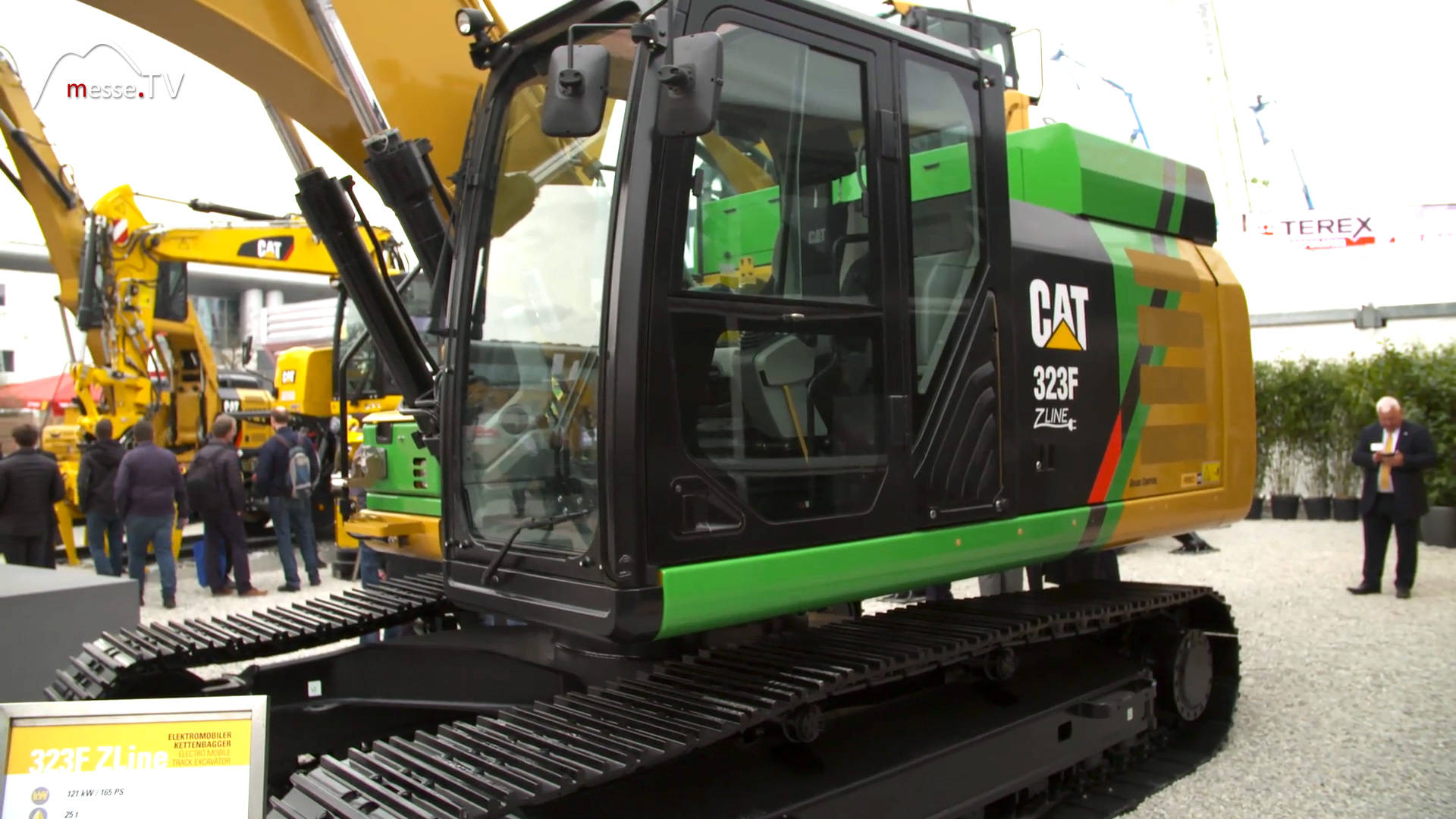
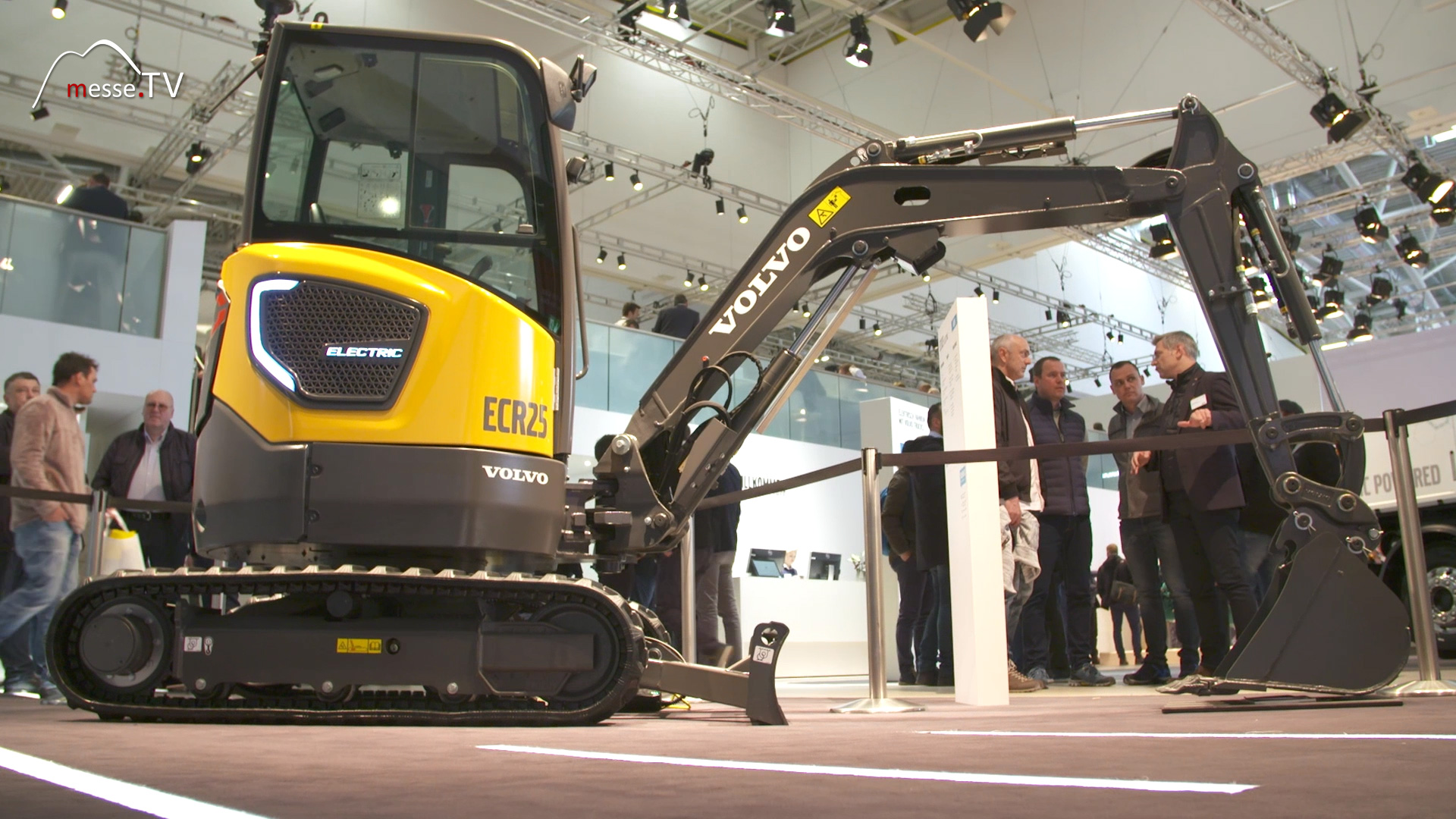
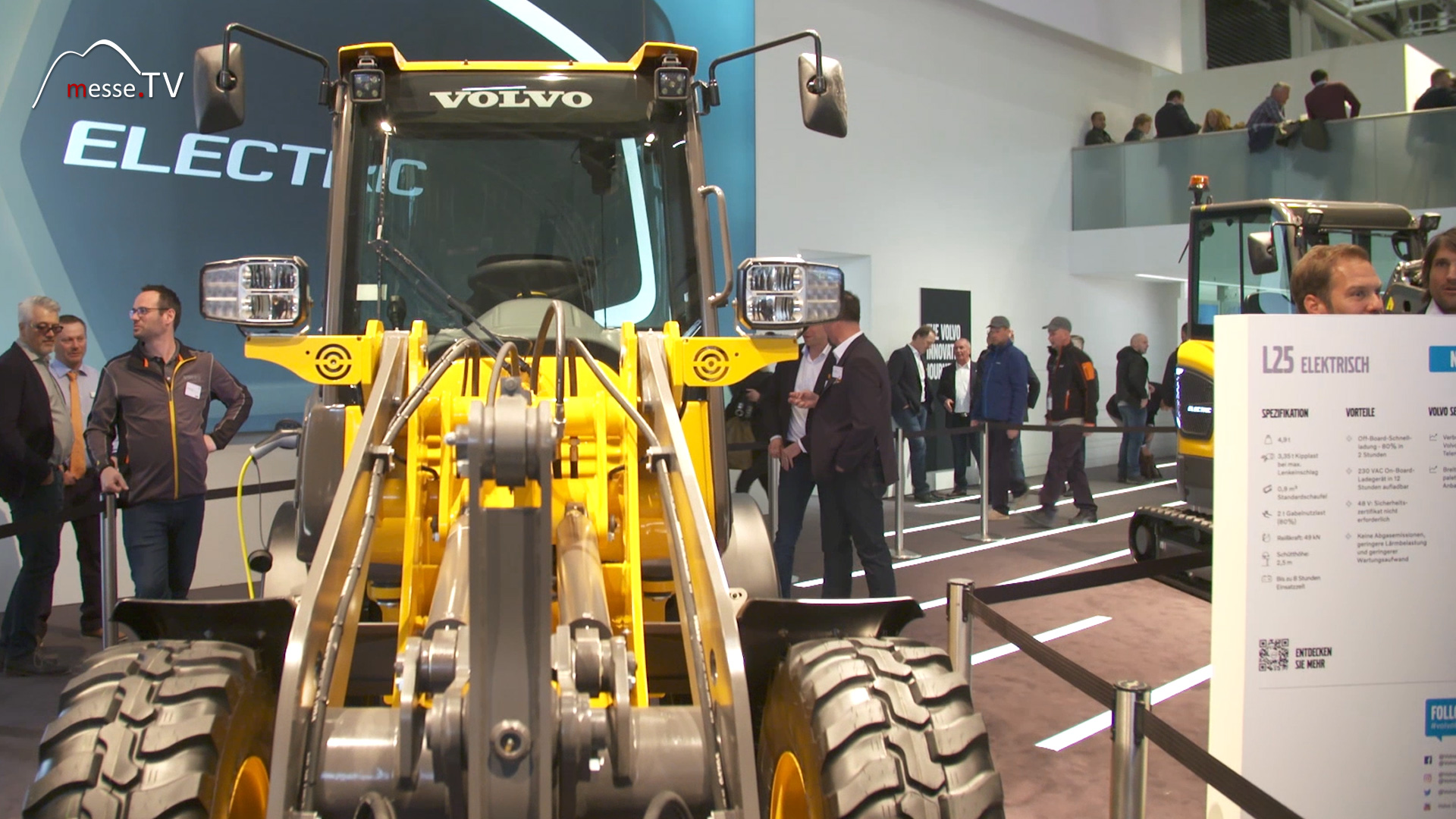
Strengere Umweltauflagen, neue Emissionszonen und steigende Anforderungen an Arbeits- und Gesundheitsschutz treiben die Elektrifizierung inzwischen auch im Bereich schwerer Arbeitsmaschinen voran. Auf der bauma in München zeigt Volvo deshalb einen vollelektrischen Radlader, der speziell für innerstädtische und sensible Einsatzbereiche entwickelt wurde. Im Mittelpunkt steht der kompakte Radlader L25 Electric. Die Maschine soll laut Hersteller einen vollständigen Arbeitstag von rund acht Stunden abdecken können und richtet sich damit klar an professionelle Baustellenanwendungen. Interessant ist dabei vor allem die Kombination aus lokal emissionsfreiem Betrieb, geringer Geräuschentwicklung und klassischer Radlader-Performance. Gerade im Baumaschinenbereich galt Elektromobilität lange Zeit als schwierig. Hohe Lasten, lange Einsatzzeiten und anspruchsvolle Arbeitszyklen stellten Batterietechnik und Ladeinfrastruktur vor erhebliche Herausforderungen. Inzwischen verschiebt sich die Entwicklung jedoch deutlich in Richtung elektrischer Arbeitsmaschinen.
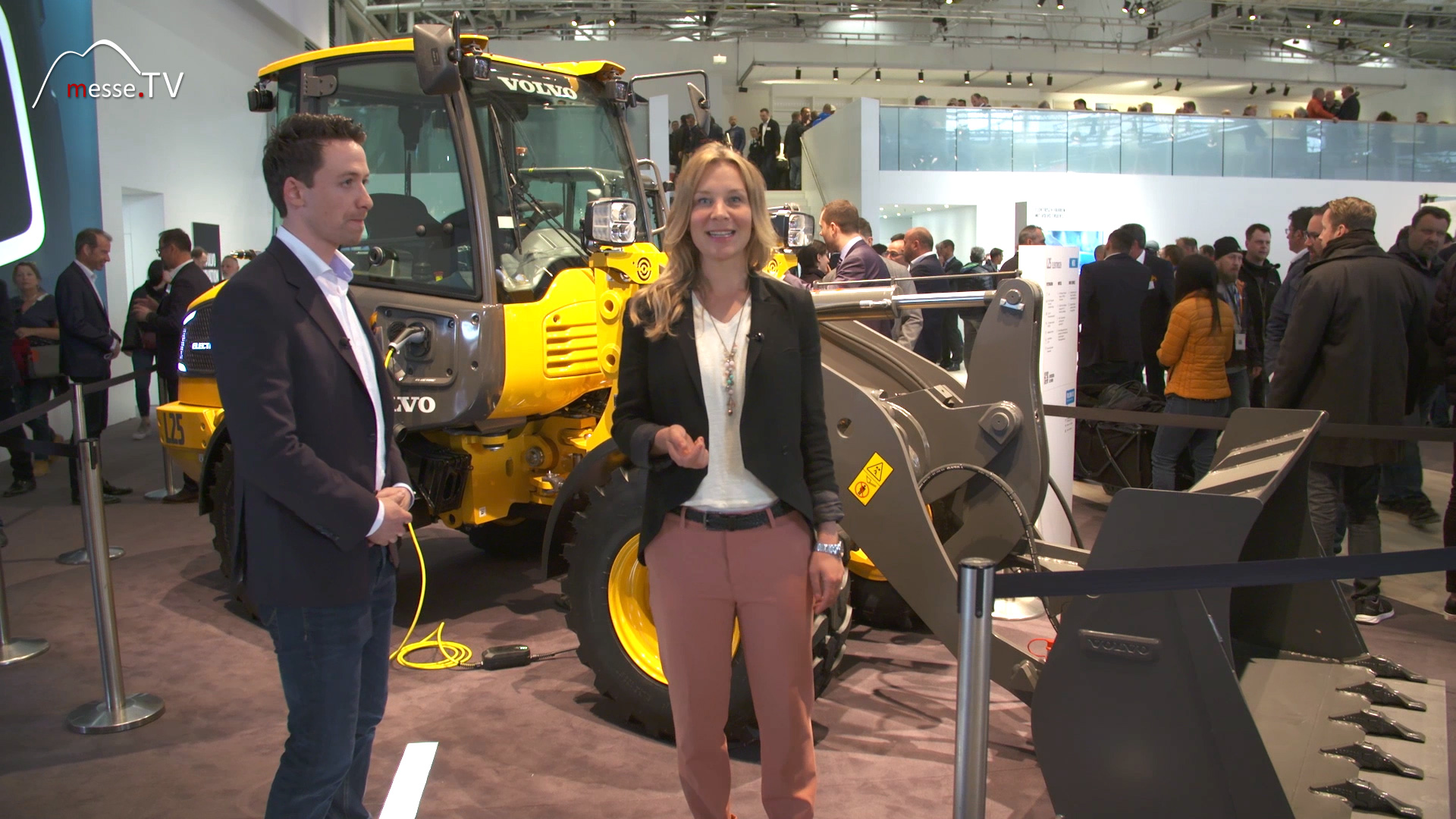

Volvo setzt beim L25 auf batterieelektrischen Antrieb
Der gezeigte Radlader arbeitet vollständig elektrisch und nutzt eine Lithium-Ionen-Batterie als Energiespeicher. Der klassische Verbrennungsmotor entfällt vollständig. Stattdessen übernehmen Elektromotoren den Antrieb der Maschine. Nach Angaben von Volvo unterscheidet sich die Leistungsfähigkeit dabei kaum von konventionellen Modellen derselben Größenklasse. Der L25 soll dieselben Aufgaben erfüllen wie vergleichbare dieselbetriebene Radlader, gleichzeitig jedoch deutlich leiser und wartungsärmer arbeiten. Gerade die reduzierte Geräuschentwicklung gilt in vielen Einsatzbereichen als wichtiger Vorteil. Baustellen in Wohngebieten, kommunale Einsätze oder Arbeiten in Gebäuden stehen zunehmend unter Druck, Lärm- und Abgasemissionen zu reduzieren. Hinzu kommt der geringere Wartungsaufwand. Ohne klassischen Verbrennungsmotor entfallen zahlreiche mechanische Komponenten, die bei Dieselfahrzeugen regelmäßig gewartet werden müssen. Ölwechsel, Abgasnachbehandlung oder komplexe Kühlsysteme spielen bei elektrischen Maschinen eine deutlich kleinere Rolle.
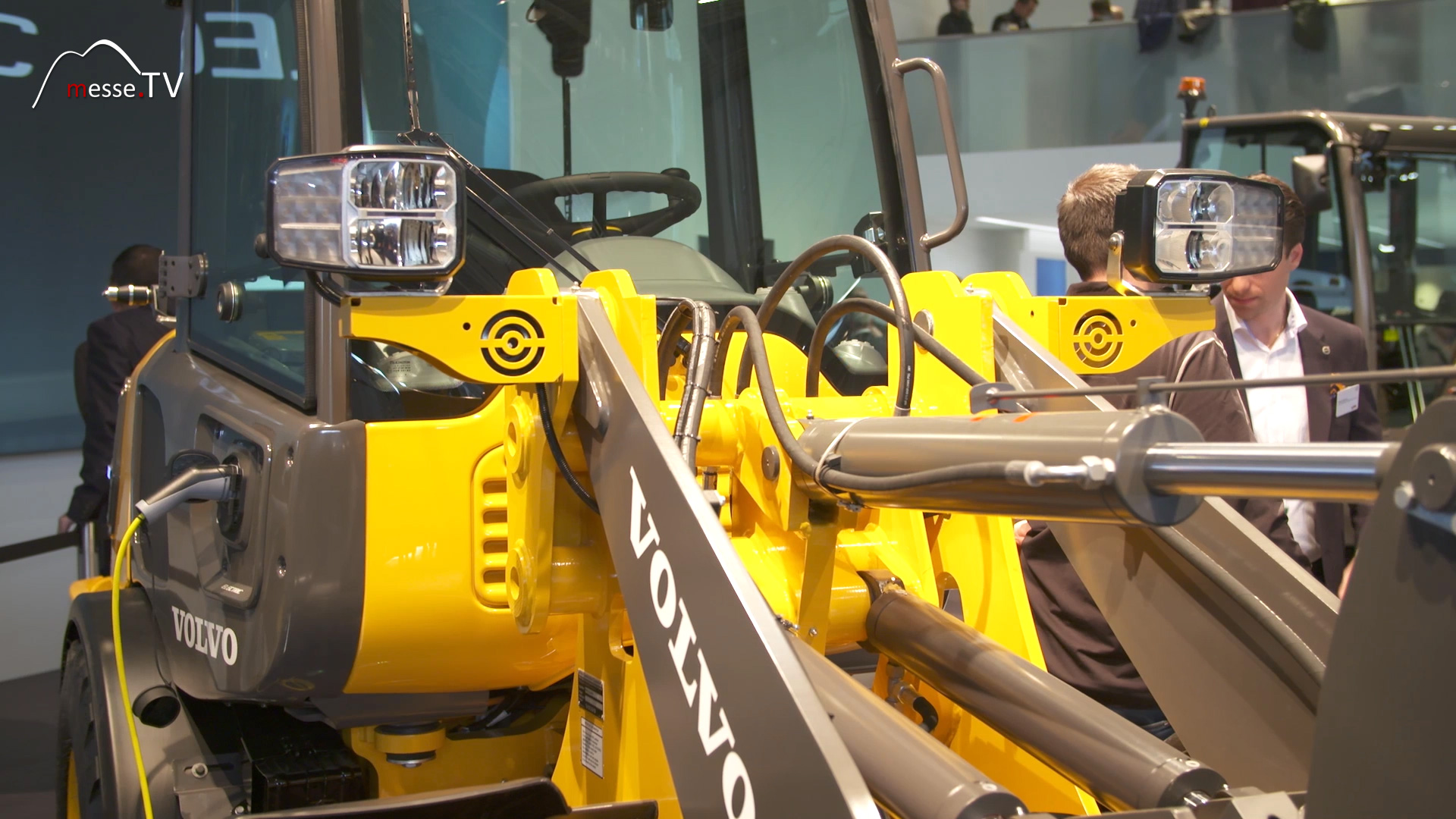
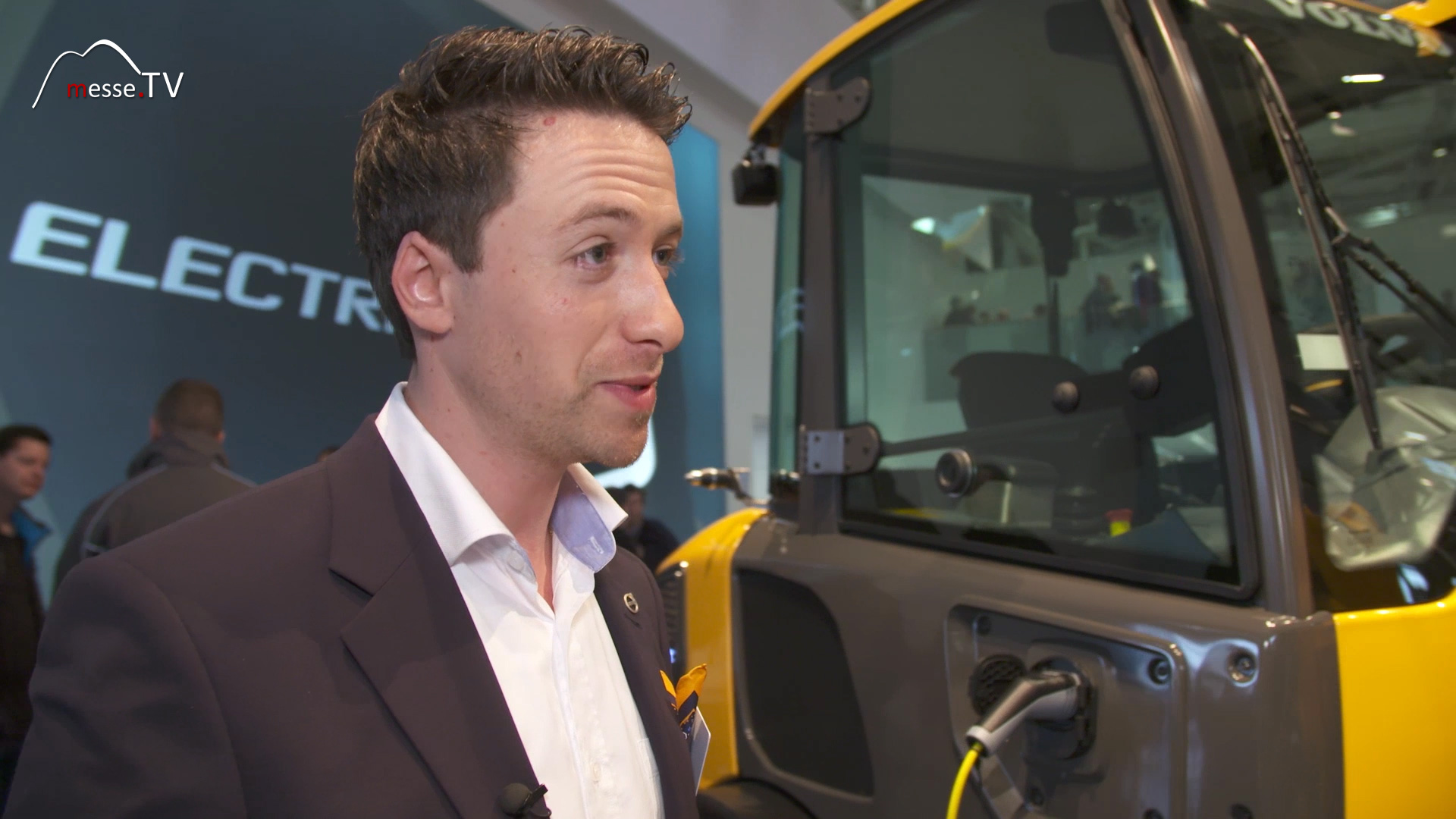
Schnellladen und Haushaltssteckdose erweitern die Einsatzmöglichkeiten
Interessant ist vor allem das Ladesystem des Radladers. Laut Hersteller kann die Maschine entweder über Nacht an einer normalen Haushaltssteckdose geladen oder per Schnellladung innerhalb von etwa zwei Stunden wieder einsatzbereit gemacht werden. Gerade diese Flexibilität wird für viele Unternehmen entscheidend sein. Baustellen verfügen nicht immer über leistungsfähige Ladeinfrastruktur. Die Möglichkeit, Maschinen auch an einfachen Stromanschlüssen aufzuladen, senkt die Einstiegshürde für kleinere Betriebe oder kommunale Anwendungen deutlich.

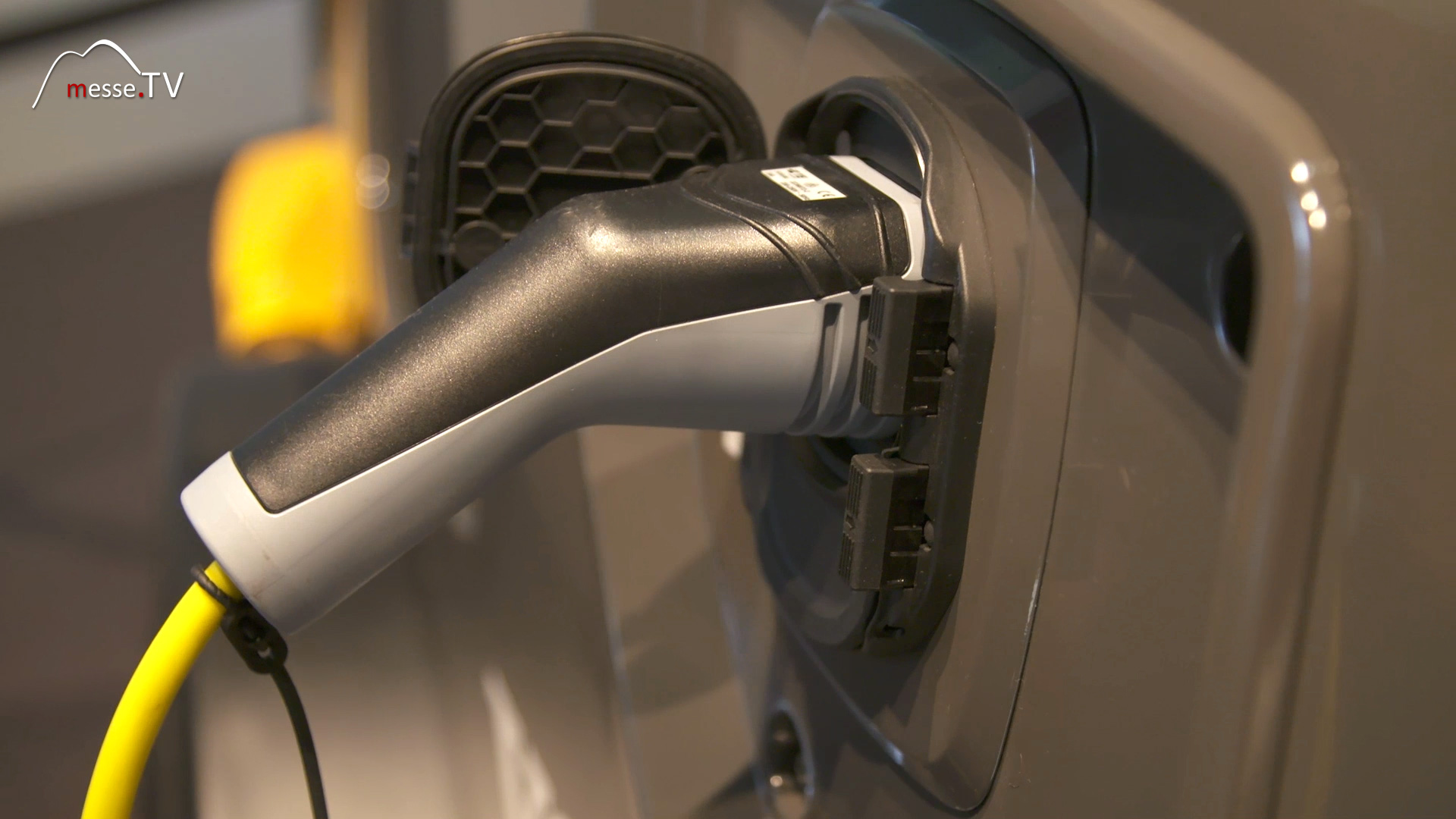
Wichtige Eigenschaften des elektrischen Radladers:
- vollelektrischer Antrieb ohne Verbrennungsmotor
- Arbeitsdauer von rund acht Stunden
- Schnellladung innerhalb von etwa zwei Stunden
- Laden über Haushaltssteckdose möglich
- geringere Geräusch- und lokale Emissionen
Elektrische Baumaschinen gewinnen in Innenräumen an Bedeutung
Besonders geeignet erscheint der elektrische Radlader für Arbeiten in geschlossenen oder sensiblen Bereichen. Als Beispiele nennt Volvo Einsätze in Hallen, auf landwirtschaftlichen Betrieben oder im Tiefgaragenbau. Gerade dort stellen Abgase ein erhebliches Problem dar. Dieselmaschinen benötigen häufig zusätzliche Belüftungssysteme oder verursachen Belastungen für Mitarbeiter und Umgebung. Elektrische Maschinen vermeiden diese lokalen Emissionen vollständig. Hinzu kommt ein wachsender regulatorischer Druck. Viele Städte erweitern ihre Umwelt- und Emissionszonen zunehmend auch auf Baustellenbereiche. Unternehmen müssen sich deshalb darauf einstellen, künftig häufiger emissionsfreie Maschinen einzusetzen. Interessant ist dabei, dass Elektromobilität im Baumaschinenbereich inzwischen nicht mehr nur als Umweltmaßnahme verstanden wird. Gesundheitsschutz, Lärmschutz und neue Ausschreibungsvorgaben entwickeln sich zunehmend zu wirtschaftlichen Faktoren.

Baustellen verändern sich durch neue Emissionsvorgaben
Die Entwicklung zeigt einen größeren Wandel innerhalb der Bauindustrie. Baustellen werden zunehmend Teil städtischer Umweltstrategien. Kommunen verlangen leisere Maschinen, emissionsärmere Arbeitsprozesse und bessere Bedingungen für Anwohner sowie Beschäftigte. Gerade kompakte Maschinen wie Radlader gelten dabei als geeigneter Einstieg in die Elektrifizierung. Sie arbeiten häufig in klar definierten Einsatzzeiten und bewegen sich meist innerhalb begrenzter Baustellenbereiche. Dadurch lassen sich Ladezyklen einfacher planen als bei großen Langstreckenfahrzeugen oder schweren Dauerlastmaschinen. Volvo positioniert den L25 deshalb in einem Marktsegment, das in den kommenden Jahren deutlich wachsen dürfte. Während schwere Großmaschinen teilweise weiterhin auf hybride oder alternative Antriebskonzepte angewiesen bleiben, könnten kompakte elektrische Baumaschinen schneller zum Standard werden. Die Entwicklung macht deutlich, dass sich die Baustelle der Zukunft nicht allein über größere Leistung oder höhere Maschinenkapazitäten definiert. Themen wie Emissionsfreiheit, Geräuschreduzierung und Energieeffizienz rücken zunehmend in den Mittelpunkt moderner Bauprozesse.



Messe-Berichterstattung bundesweit - Messewissen, Termine & Veranstaltungen


