Granitsande für Beton, Asphalt und Spezialbaustoffe
von Jürgen Groh - 2024-02-13Mineralische Rohstoffe gehören zu den unsichtbaren Grundlagen moderner Industrieproduktion. Ob Beton, Asphalt, Putze oder Bodenbeschichtungen – viele Materialien basieren auf exakt definierten Sanden und Gesteinskörnungen.
Gleichzeitig steigen die Anforderungen an Gleichmäßigkeit, Optik und technische Eigenschaften dieser Zuschlagstoffe deutlich an. Auf der bauma in München zeigt Röhrig Granit deshalb speziell aufbereitete Granitsande und Splitte, die in unterschiedlichsten Industriebereichen eingesetzt werden. Im Mittelpunkt steht dabei nicht der klassische Naturstein als massiver Baustoff, sondern die gezielte mineralische Aufbereitung von Granit für industrielle Anwendungen. Das Familienunternehmen betreibt Granitsteinbrüche im Odenwald zwischen Darmstadt und Heidelberg und beliefert nach eigenen Angaben inzwischen zahlreiche Branchen – von der Beton- und Asphaltindustrie bis hin zur Kunststoff- und Beschichtungsindustrie. Interessant ist vor allem die Spezialisierung auf mineralische Materialeigenschaften. Während viele Baustoffe durch chemische Zusätze verändert werden, setzt das Unternehmen bewusst auf natürliche Zusammensetzungen des Granits.
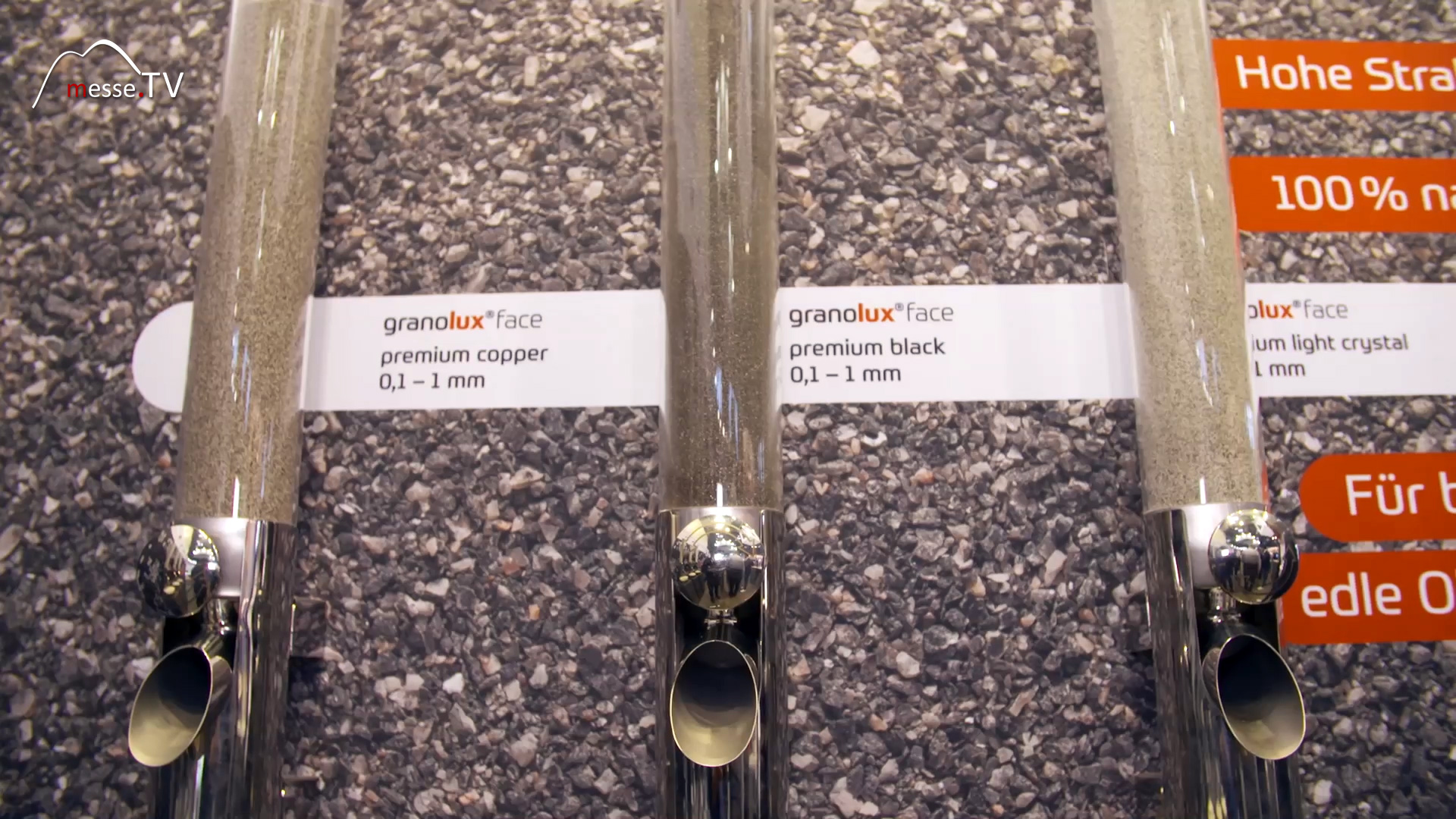

Röhrig Granit verarbeitet mineralische Rohstoffe für Spezialanwendungen
Nach Angaben des Unternehmens basiert die Materialaufbereitung auf den natürlichen Bestandteilen des Granits. Dazu gehören insbesondere Feldspat, Quarz und Glimmer. Diese mineralischen Komponenten werden gezielt so verarbeitet, dass unterschiedliche Sand- und Splittqualitäten entstehen. Gerade in der Betonindustrie spielt die Auswahl geeigneter Zuschlagstoffe eine zentrale Rolle. Korngröße, Oberflächenstruktur und mineralische Zusammensetzung beeinflussen Festigkeit, Verarbeitung und optische Eigenschaften des späteren Baustoffs erheblich.


Röhrig Granit verweist dabei auf spezielle Anwendungen in der Beton- und Putzindustrie. Dort kommen mineralische Sande nicht nur als technischer Zuschlagstoff zum Einsatz, sondern teilweise auch als gestalterisches Element. Auffällig ist insbesondere der beschriebene metallische Effekt bestimmter Materialien. Dieser entsteht laut Unternehmen ausschließlich durch die natürliche mineralische Zusammensetzung des Granits. Zusätzliche chemische Zuschläge oder künstliche Farbzusätze seien dafür nicht notwendig. Gerade im Bereich hochwertiger Sichtbetone oder dekorativer Oberflächen gewinnen solche natürlichen Materialeffekte zunehmend an Bedeutung.


Granitsande finden Einsatz in zahlreichen Industriebereichen
Die Einsatzgebiete reichen weit über klassische Baustoffanwendungen hinaus. Neben Betonwerken und Asphaltmischanlagen beliefert das Unternehmen laut eigener Aussage auch die Kunststoff-, Putz- und Bodenbeschichtungsindustrie. Damit zeigt sich, wie vielseitig mineralische Rohstoffe heute genutzt werden. Moderne Industrieprodukte benötigen häufig exakt definierte Zuschlagstoffe mit reproduzierbaren Eigenschaften. Wichtige Einsatzbereiche der aufbereiteten Granitsande:
- Betonindustrie und Vorsatzbetone
- Asphaltmischwerke
- Putzindustrie
- Bodenbeschichtungen
- Kunststoffindustrie
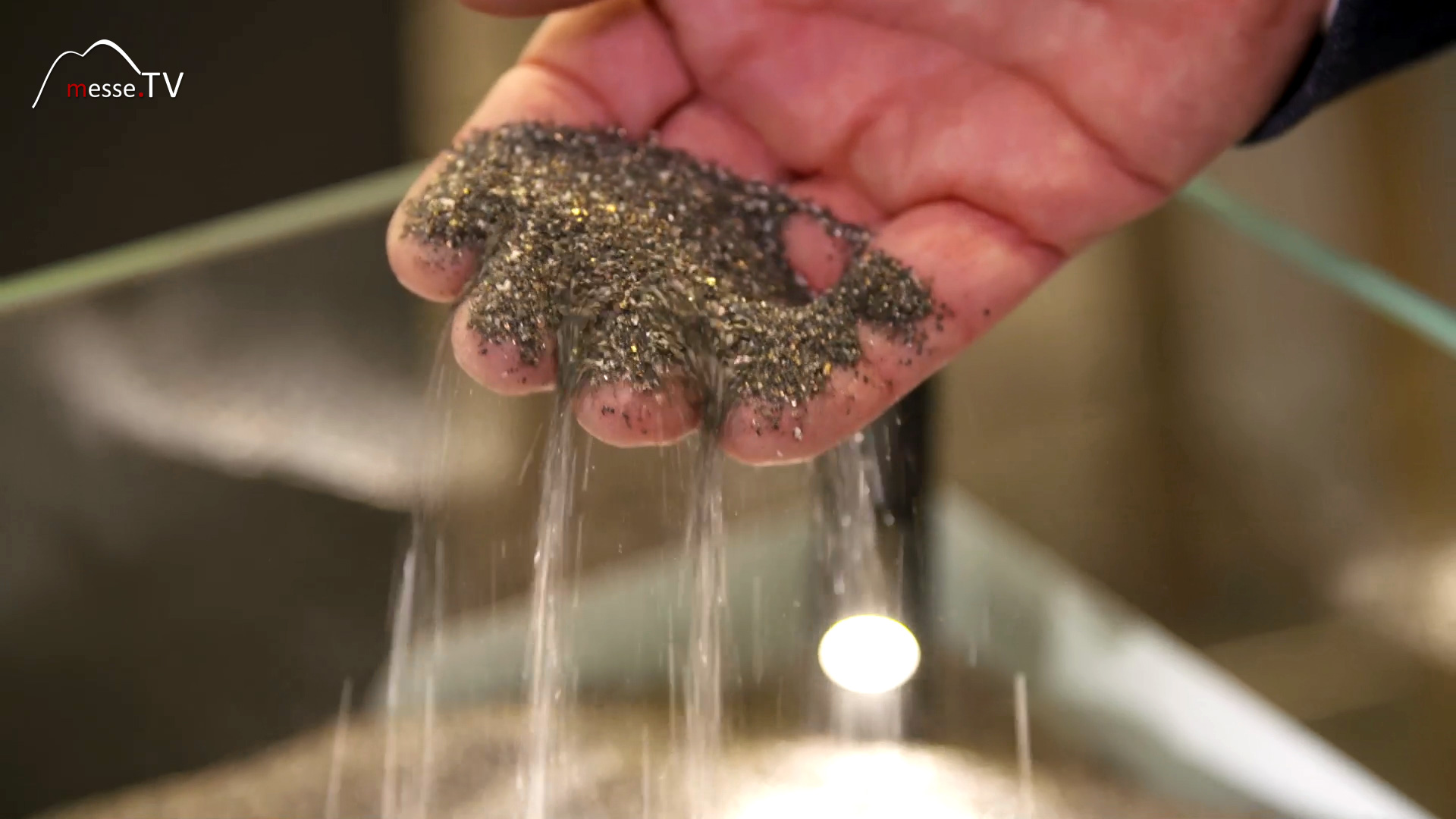
Mineralische Aufbereitung ersetzt chemische Zusätze
Die vorgestellte Materialstrategie folgt einem Trend, der in vielen Bereichen der Baustoffindustrie sichtbar wird. Natürliche Rohstoffe sollen stärker genutzt werden, um gewünschte Materialeigenschaften ohne zusätzliche chemische Modifikation zu erzeugen. Dabei geht es nicht nur um Nachhaltigkeit, sondern auch um technische Stabilität. Mineralische Eigenschaften bleiben dauerhaft erhalten und verändern sich häufig weniger stark als künstlich erzeugte Oberflächeneffekte. Gerade hochwertige Putze, Beschichtungen oder Sichtbetone profitieren von natürlichen Licht- und Strukturwirkungen mineralischer Zuschläge. Glimmeranteile können beispielsweise reflektierende Effekte erzeugen, während unterschiedliche Quarz- und Feldspatanteile Farbe und Oberflächencharakter beeinflussen. Die Aufbereitung solcher Materialien erfordert allerdings präzise Prozesskontrolle. Bereits geringe Unterschiede in der mineralischen Zusammensetzung können sichtbare Veränderungen im späteren Produkt verursachen.
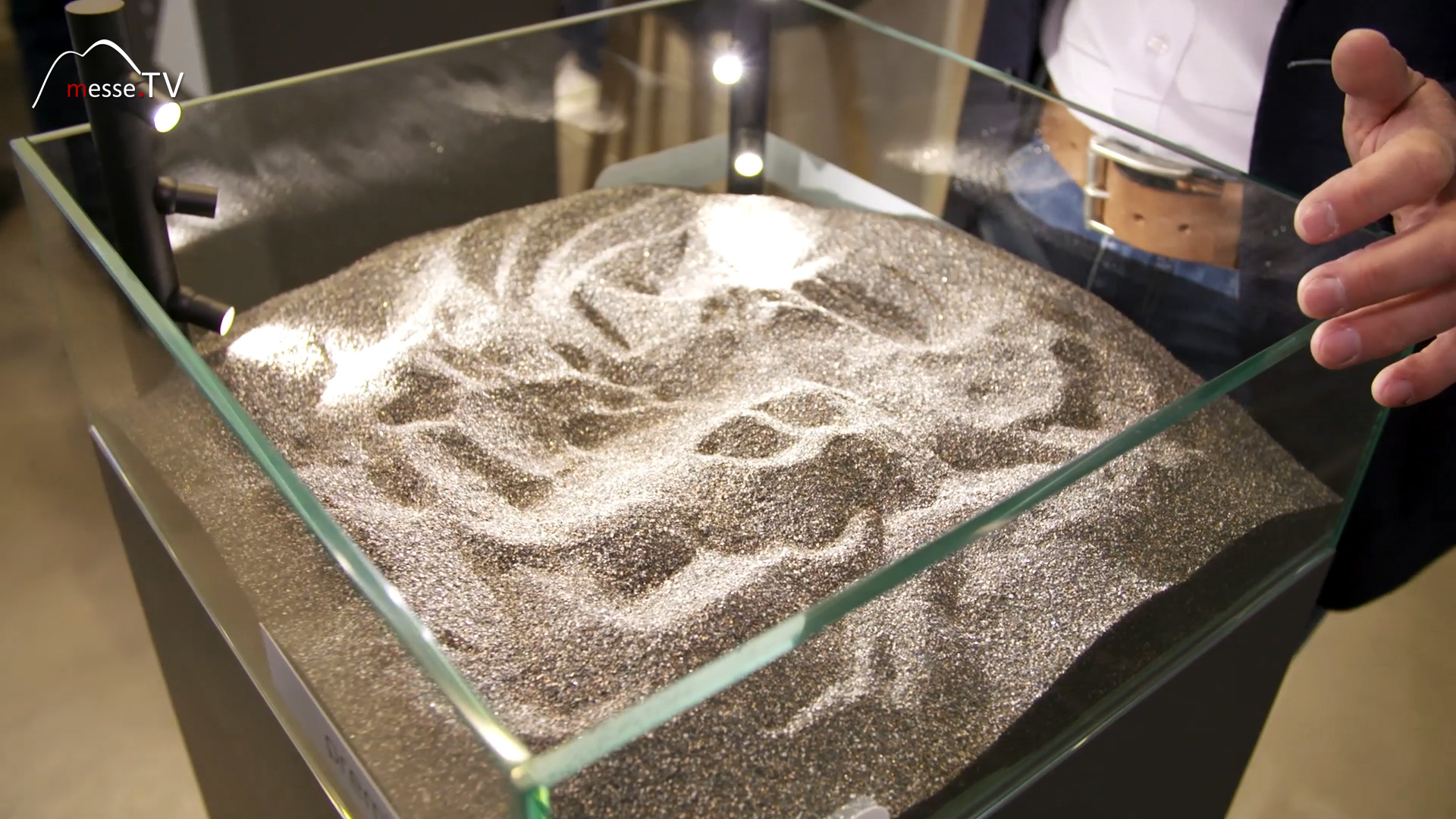

Spezialrohstoffe gewinnen für die Baustoffindustrie an Bedeutung
Die Entwicklung zeigt einen größeren Wandel innerhalb der Rohstoff- und Baustoffindustrie. Standardisierte Massenprodukte werden zunehmend durch spezialisierte Materiallösungen ergänzt. Gleichzeitig steigen die Anforderungen an technische Eigenschaften und optische Qualität. Mineralische Zuschlagstoffe entwickeln sich dadurch von einfachen Rohmaterialien hin zu gezielt abgestimmten Funktionsmaterialien. Besonders in der Betonindustrie wächst der Bedarf an hochwertigen Sanden mit definierten Eigenschaften. Röhrig Granit positioniert sich damit in einem vergleichsweise spezialisierten Marktsegment. Die Kombination aus eigener Rohstoffgewinnung und gezielter Aufbereitung ermöglicht eine stärkere Kontrolle über Materialqualität und Zusammensetzung. Gerade im Bereich hochwertiger Baustoffe dürfte diese Entwicklung weiter an Bedeutung gewinnen. Architekturbetone, Spezialputze oder industrielle Beschichtungen verlangen zunehmend individuelle Materialcharakteristika, die sich nicht allein über Standardzuschläge erreichen lassen. Die gezeigten Granitsande machen deutlich, dass moderne Baustoffe längst nicht mehr nur aus funktionalen Grundmaterialien bestehen. Optik, Oberflächenwirkung und mineralische Eigenschaften werden zunehmend Teil technischer Produktentwicklung – selbst bei scheinbar einfachen Rohstoffen wie Sand und Splitt.
Messe-Berichterstattung bundesweit - Messewissen, Termine & Veranstaltungen


