Thermal management for electric construction machinery
by J. Groh - 2024-02-13The electrification of heavy machinery is not only changing drive concepts, but also fundamentally altering the requirements for cooling and heating technology.
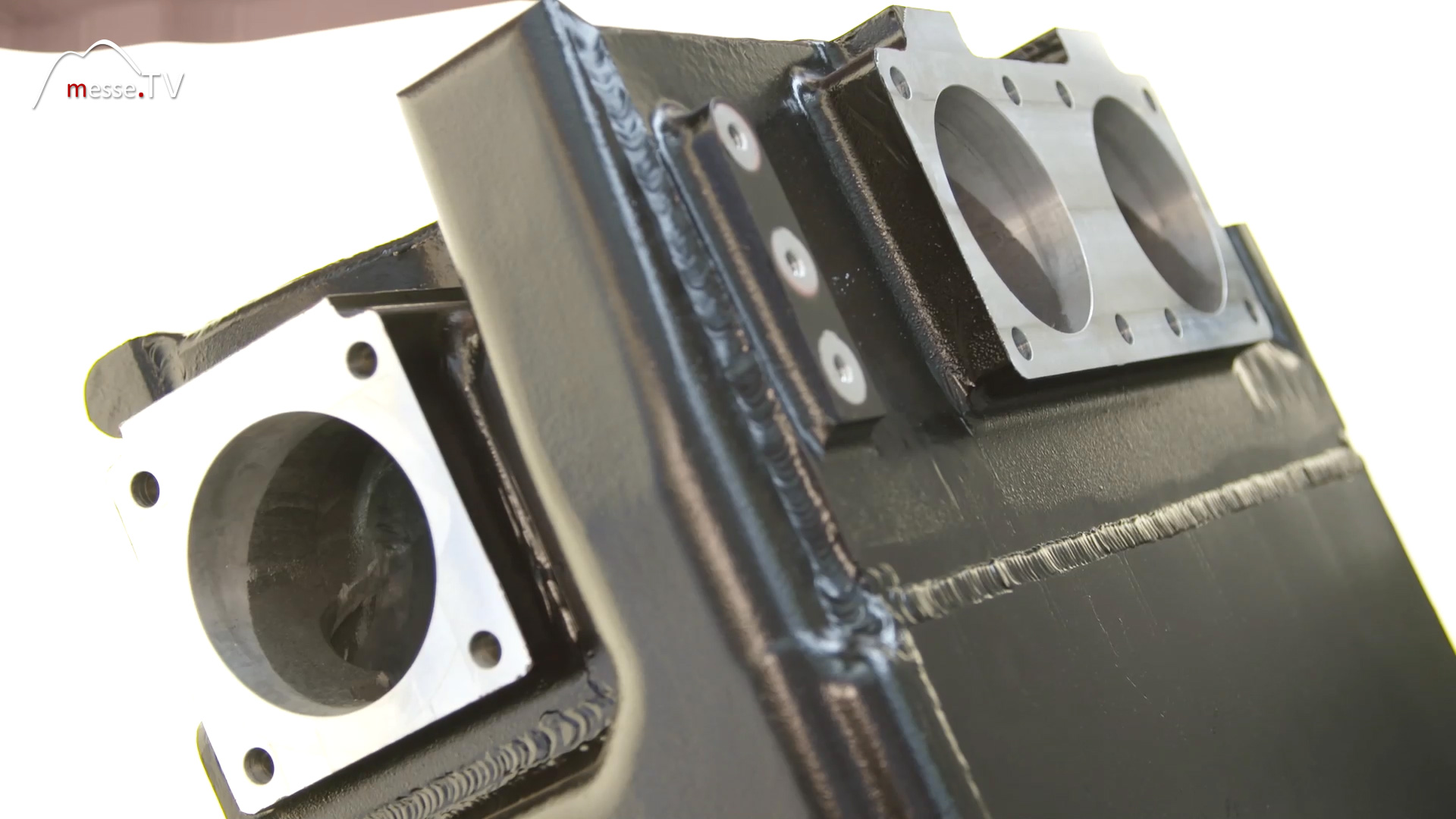
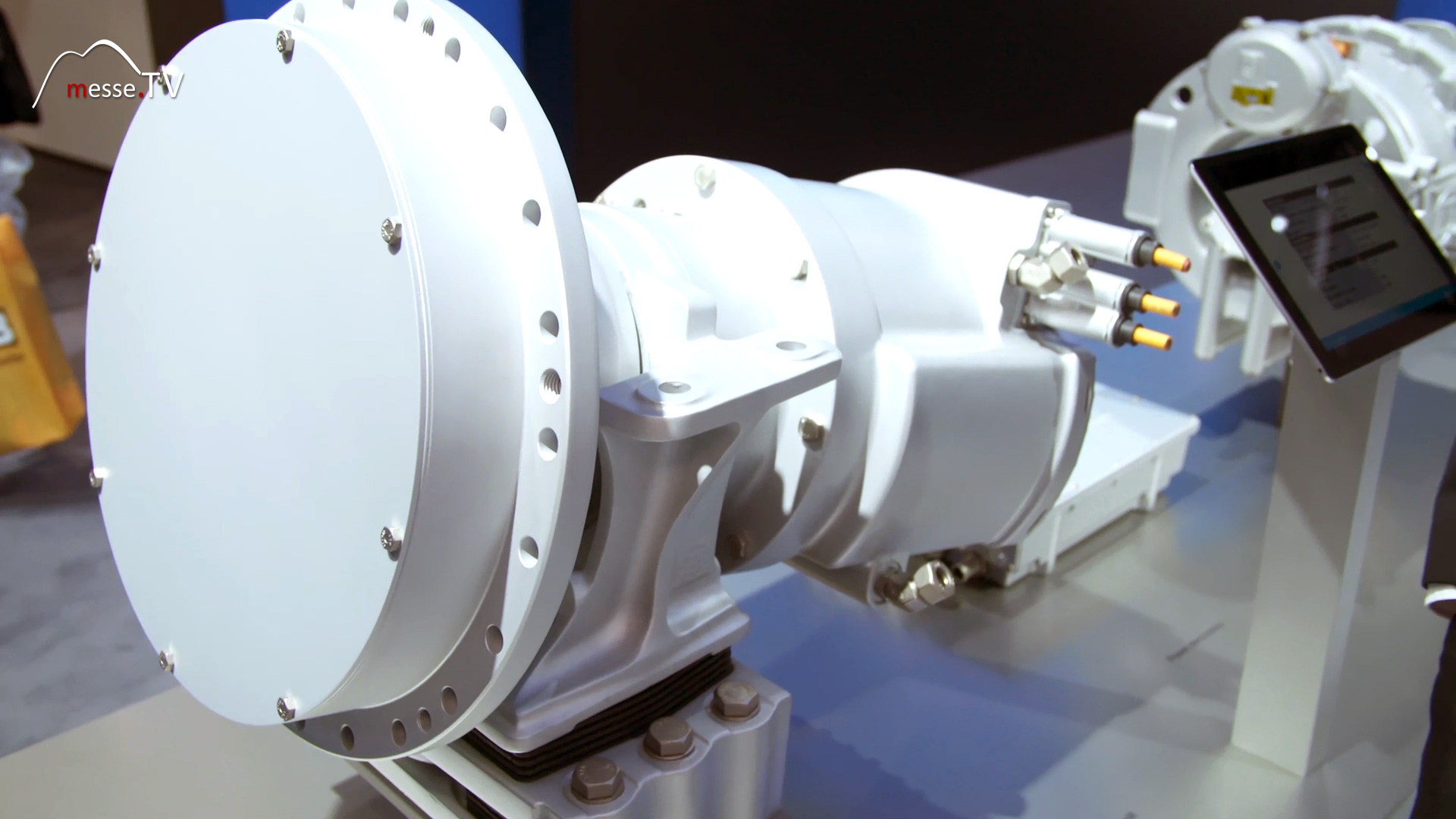
Whilst conventional diesel engines generate large amounts of waste heat, battery-electric systems operate much more efficiently – and consequently provide significantly less usable heat for heating or temperature control. At the bauma in Munich, AKG Thermotechnik is therefore showcasing new solutions for compact climate control circuits and thermal management in electric vehicles. The focus is on special coolant-refrigerant heat exchangers, known as stack gel coolers. These are designed to supply both cold and hot water simultaneously, thereby performing various functions within electric vehicles. This ranges from air conditioning the driver’s cab to temperature control of batteries and power electronics. Thermal management is increasingly becoming a key technical factor, particularly in battery-electric construction machinery. This is because range, charging capacity and service life depend heavily on how precisely batteries and electrical components are temperature-controlled.
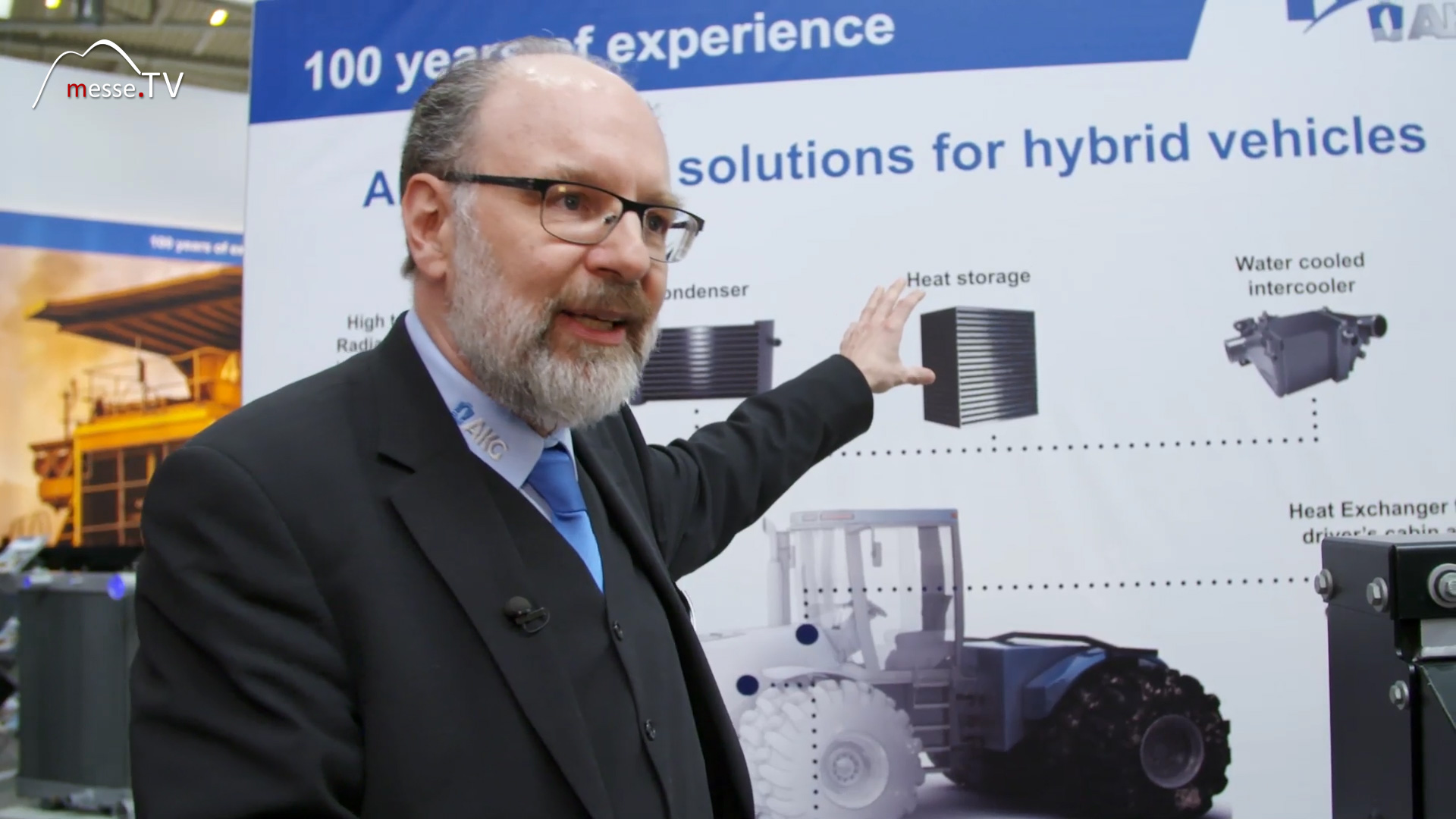

AKG Thermotechnik develops compact stack gel coolers
The systems presented are based on particularly compact heat exchangers for different temperature circuits. The aim is to combine heating and cooling functions as efficiently as possible within a single system. The company describes an approach in which hot water is used instead of conventional electric heating elements. This allows, for example, the passenger or driver’s cabin to be heated without using additional electric heating coils. At the same time, the temperature-controlled water is used to cool or preheat electrical components. Batteries, inverters and power electronics in particular are sensitive to temperature fluctuations and require stable operating conditions. This becomes particularly challenging at low outside temperatures. Whilst a diesel engine quickly produces large amounts of heat, electric drives generate significantly less waste heat. This is precisely what creates new challenges for heating technology.
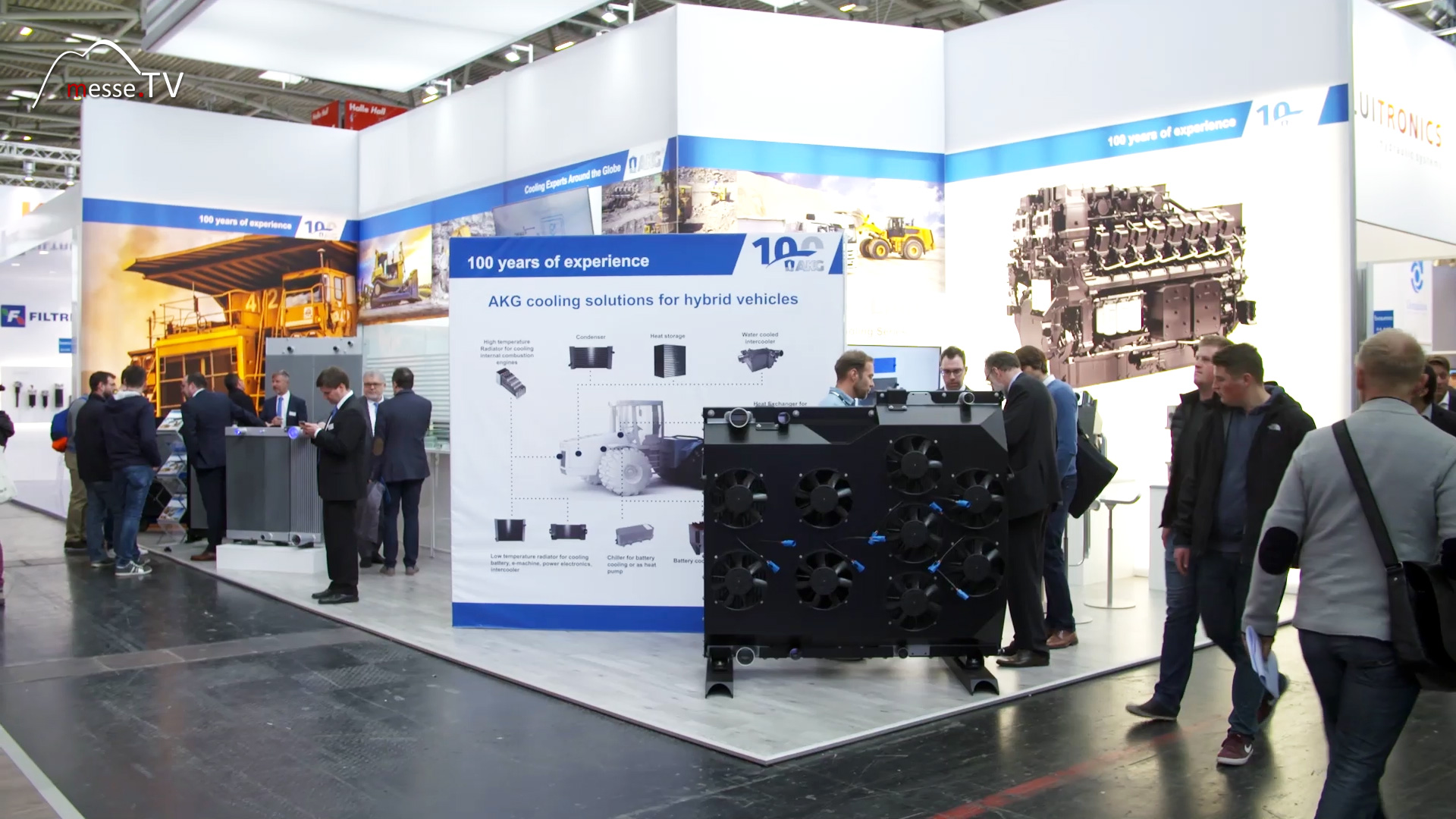
Electric vehicles require multiple cooling circuits
According to the company, modern battery-electric vehicles often operate with different temperature zones. In some cases, this results in temperature differences of 60 to 80 degrees compared to the ambient environment. As a result, simple cooling systems are no longer sufficient. Instead, several separate refrigeration circuits are used to regulate the temperature of different components individually. Key components of the system presented:
- compact coolant-refrigerant heat exchangers
- Supply of hot and cold water
- Temperature control of electrical components and batteries
- Several separate refrigeration circuits
- Lightweight and space-saving heat exchangers

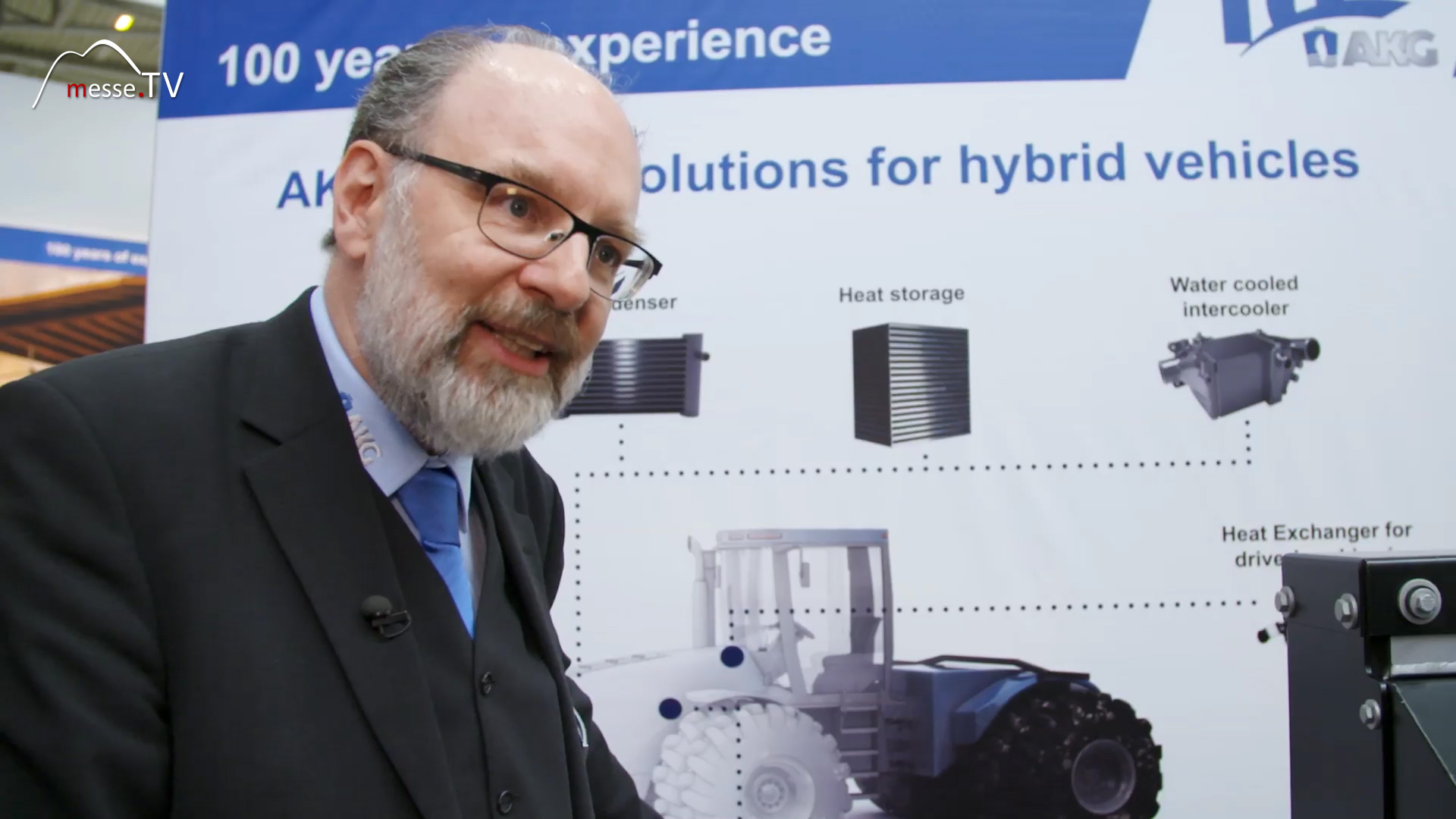
Heat storage systems aim to solve heating problems in winter
Another key focus of development concerns heat storage systems. These are designed to provide additional heat at short notice before electrical components generate sufficient heat of their own. The background to this is a typical problem with battery-electric vehicles: because electrical systems operate significantly more efficiently than internal combustion engines, very little usable waste heat is initially generated. Drivers would otherwise sometimes have to wait ten to fifteen minutes until the interior or components have reached a suitable temperature. This is precisely where the heat storage system comes in. It is designed to be able to draw on previously stored energy at short notice, thereby providing heat more quickly. This benefits not only drivers or operators, but also the battery itself. This is because battery cells only operate optimally within certain temperature ranges. Performance and charging speed drop significantly, particularly at low temperatures. Rapid preheating could therefore improve both comfort and efficiency.
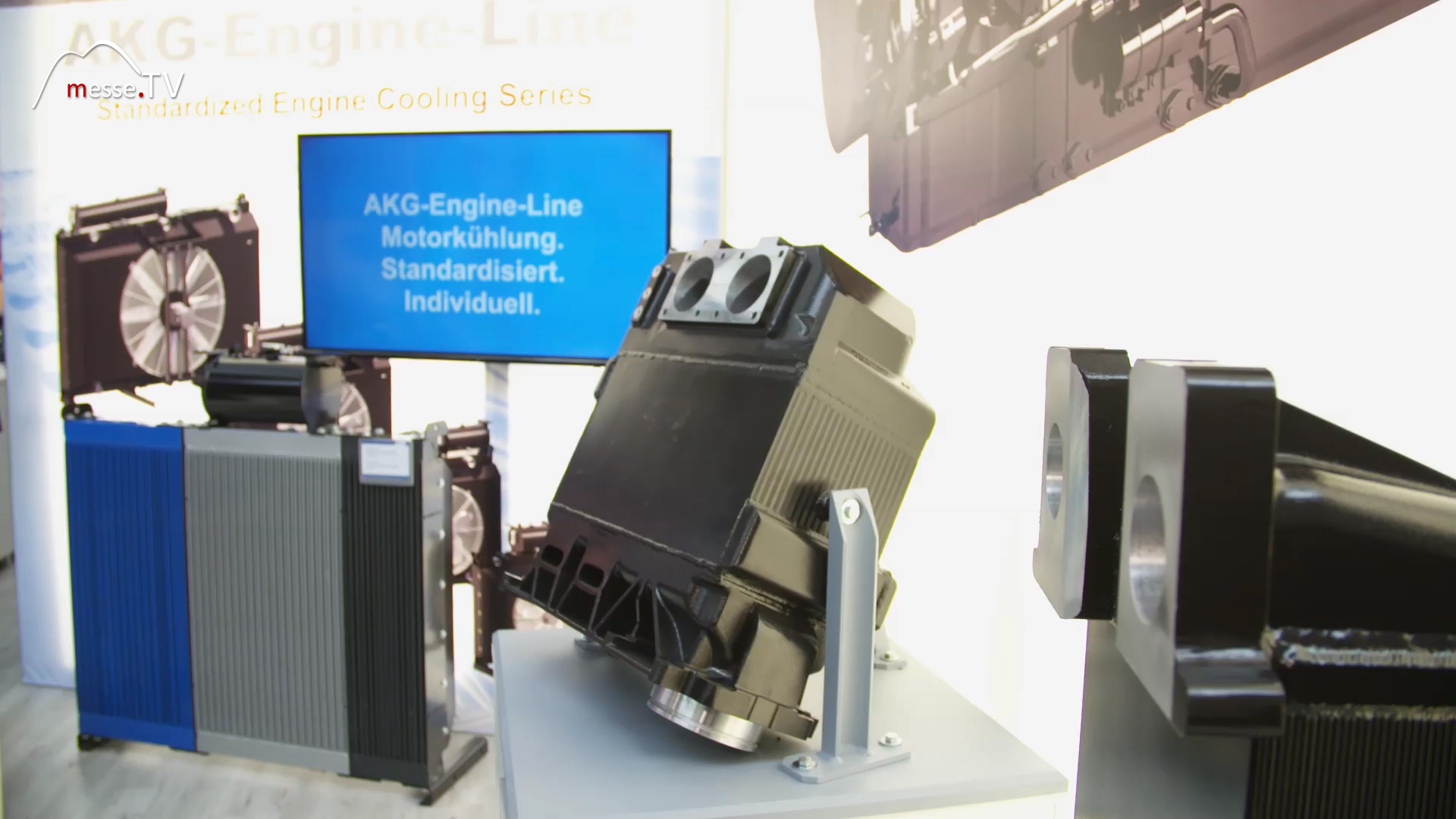
Thermal management is becoming key for electric machines
The presentation at bauma highlights a major shift within the industry. Whilst the focus used to be primarily on engine power or hydraulic systems, thermal management is now increasingly taking centre stage. Battery-electric construction machinery in particular requires highly complex temperature control systems. Excessively high temperatures can damage batteries, whilst excessively low temperatures reduce performance and range. Added to this is the growing pressure to design vehicles to be more energy-efficient. Any additional electrical heating power places a direct strain on the battery and reduces the machine’s available operating time. Manufacturers are therefore increasingly seeking to utilise existing heat as efficiently as possible and integrate it into intelligent circulation systems.
Electrification is transforming the entire vehicle architecture
This development makes it clear that electrification goes far beyond simply replacing the engine. Virtually all technical areas of modern machinery are changing – from cooling and cabin heating to battery management. In heavy machinery in particular, this is giving rise to new technical requirements that were scarcely relevant for a long time. Thermal storage, multi-stage cooling circuits and compact heat exchangers are now among the key components of electric vehicles. AKG Thermotechnik is positioning itself in a sector that is becoming increasingly crucial for the everyday usability of electric vehicles. For the more construction and commercial vehicles are electrified, the more important the question becomes of how energy, temperature and comfort can be efficiently combined.





Trade fair reporting Germany - Trade fair knowledge, dates & events


