Gittermast Raupenkran für schwere Lasten im Einsatz
von Andreas Bergmeier - 2024-02-13Großprojekte im Industrie- und Infrastrukturbau stellen besondere Anforderungen an Hebetechnik. Wenn Bauteile mit mehreren hundert Tonnen Gewicht bewegt werden müssen, kommen spezialisierte Kransysteme zum Einsatz.
Der Gittermast Raupenkran gehört zu diesen Maschinen, die auf maximale Tragfähigkeit und Flexibilität innerhalb der Baustelle ausgelegt sind. Im Gegensatz zu Mobilkranen ist dieser Krantyp nicht für den Straßenverkehr konzipiert. Der Transport erfolgt zerlegt in mehreren Einheiten, die mit Tiefladern zur Baustelle gebracht werden. Erst vor Ort wird die Maschine vollständig montiert.
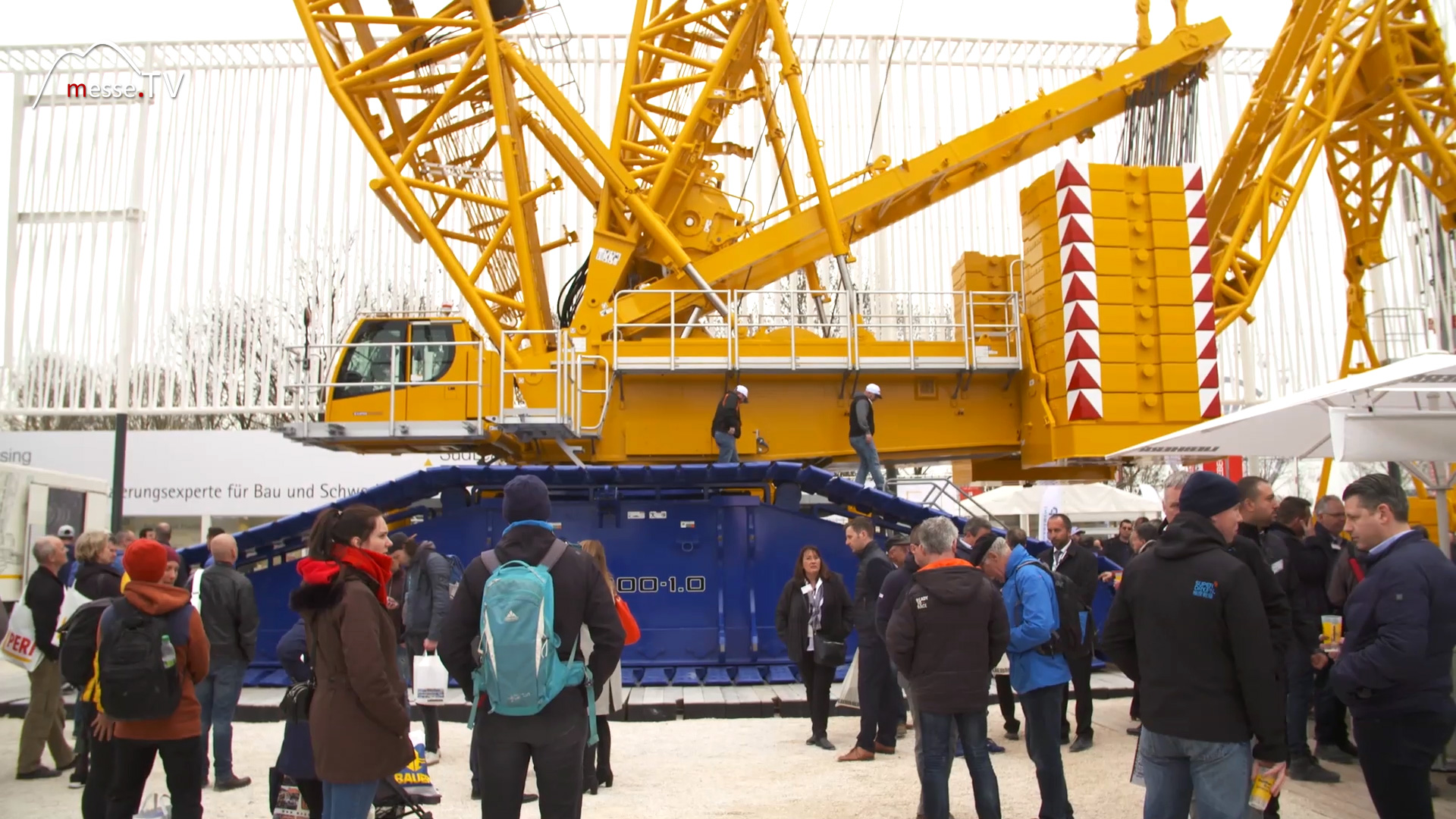

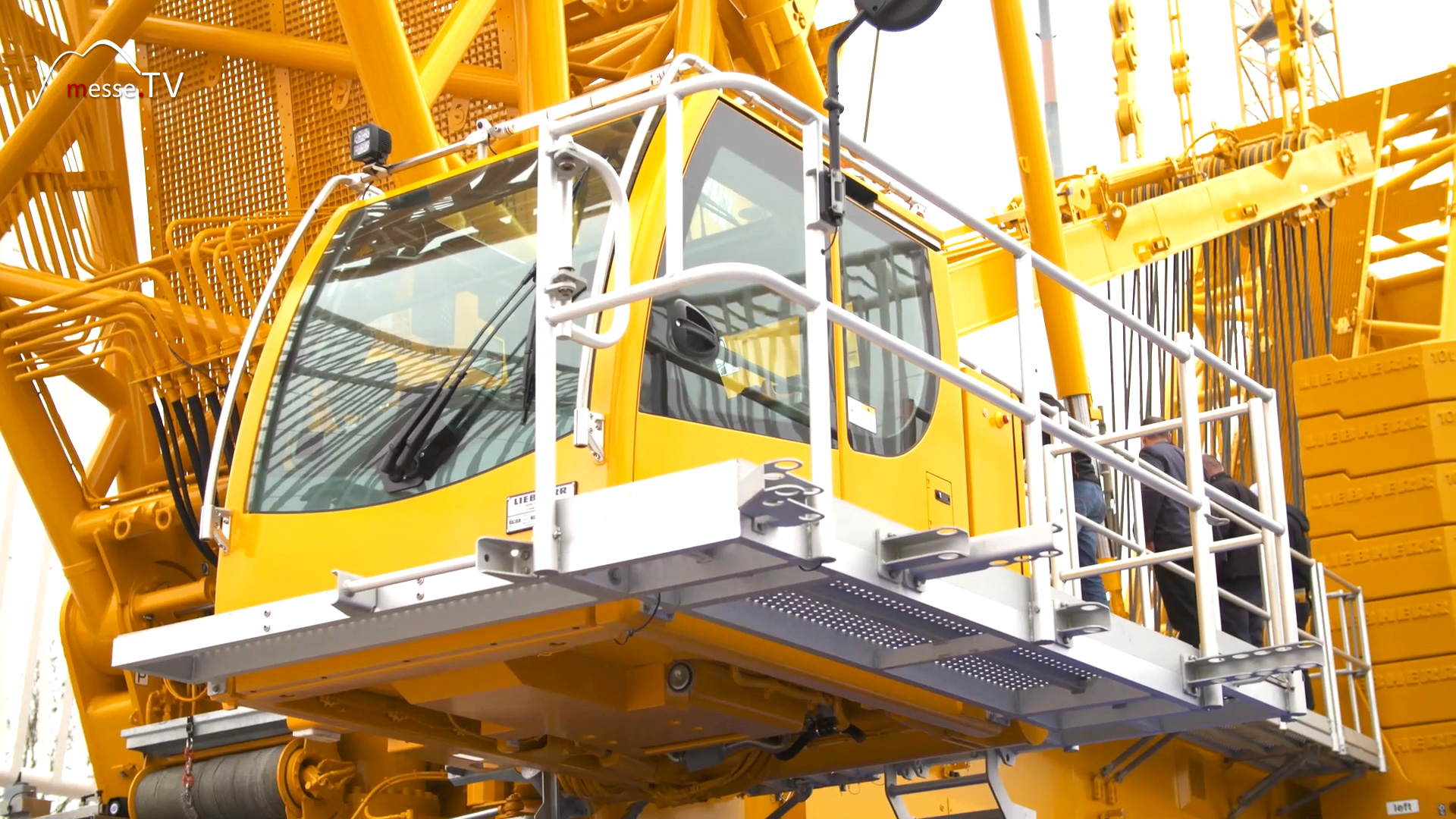
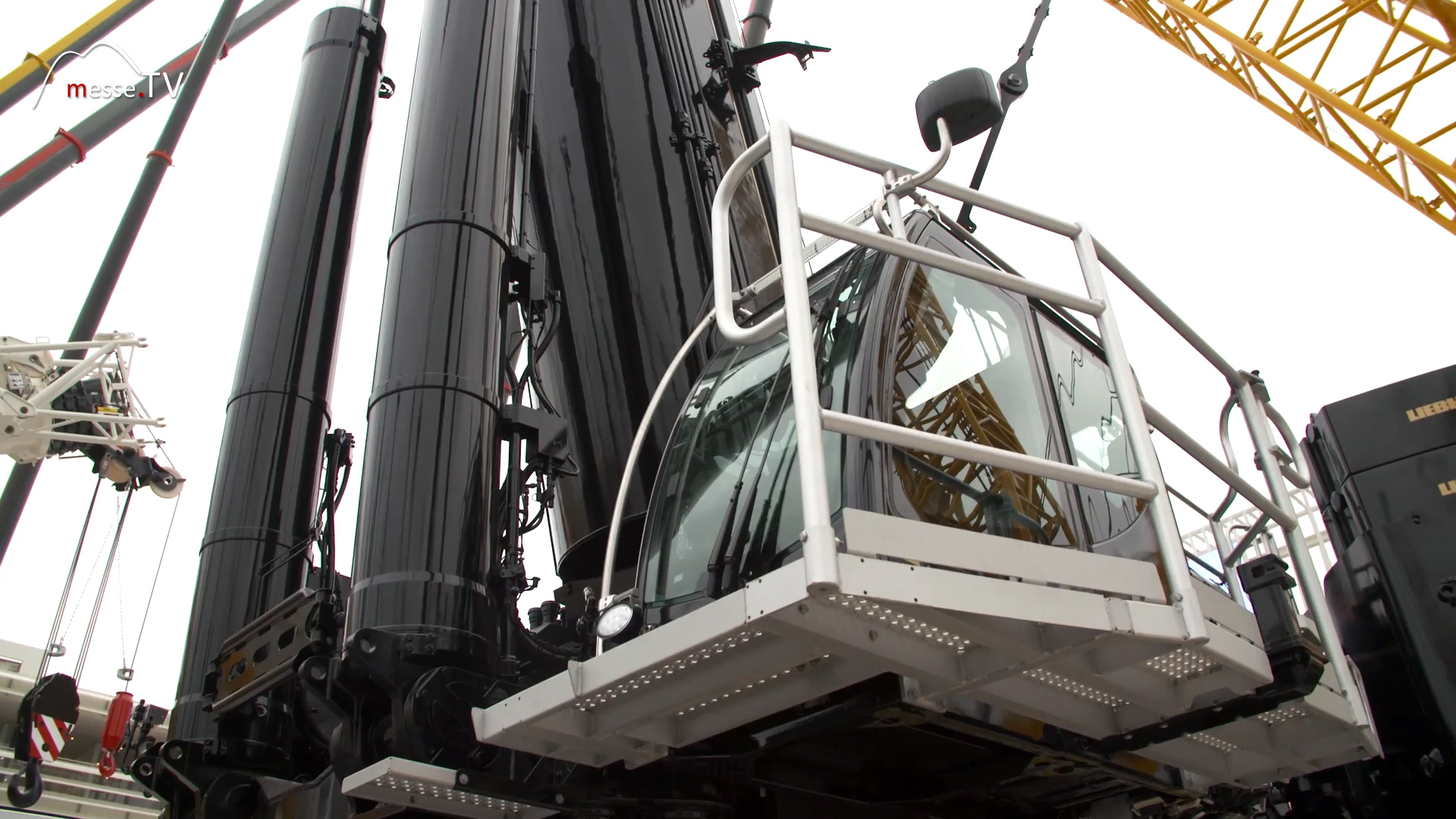
Liebherr Gittermast Raupenkran mit modularem Aufbau
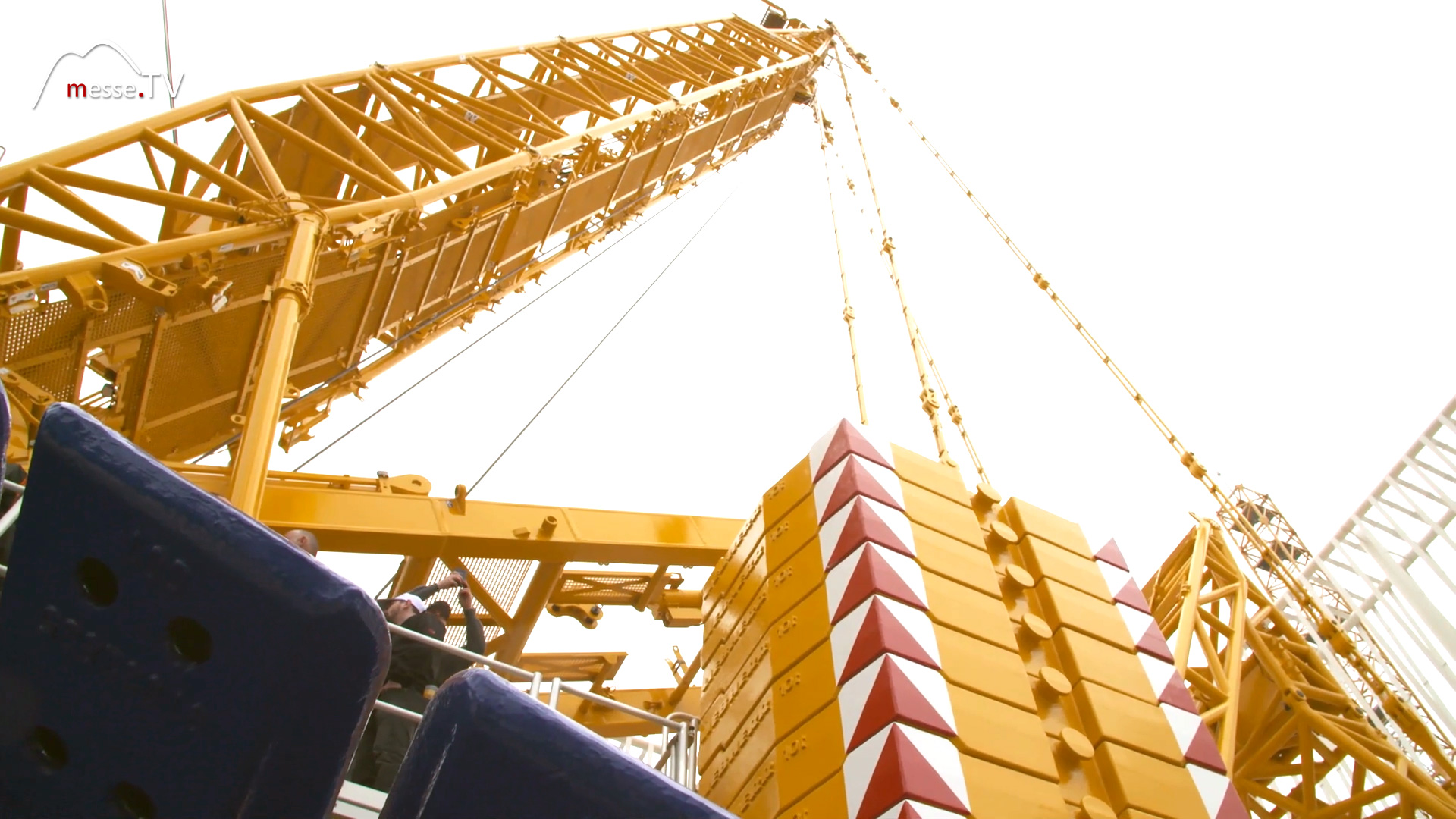
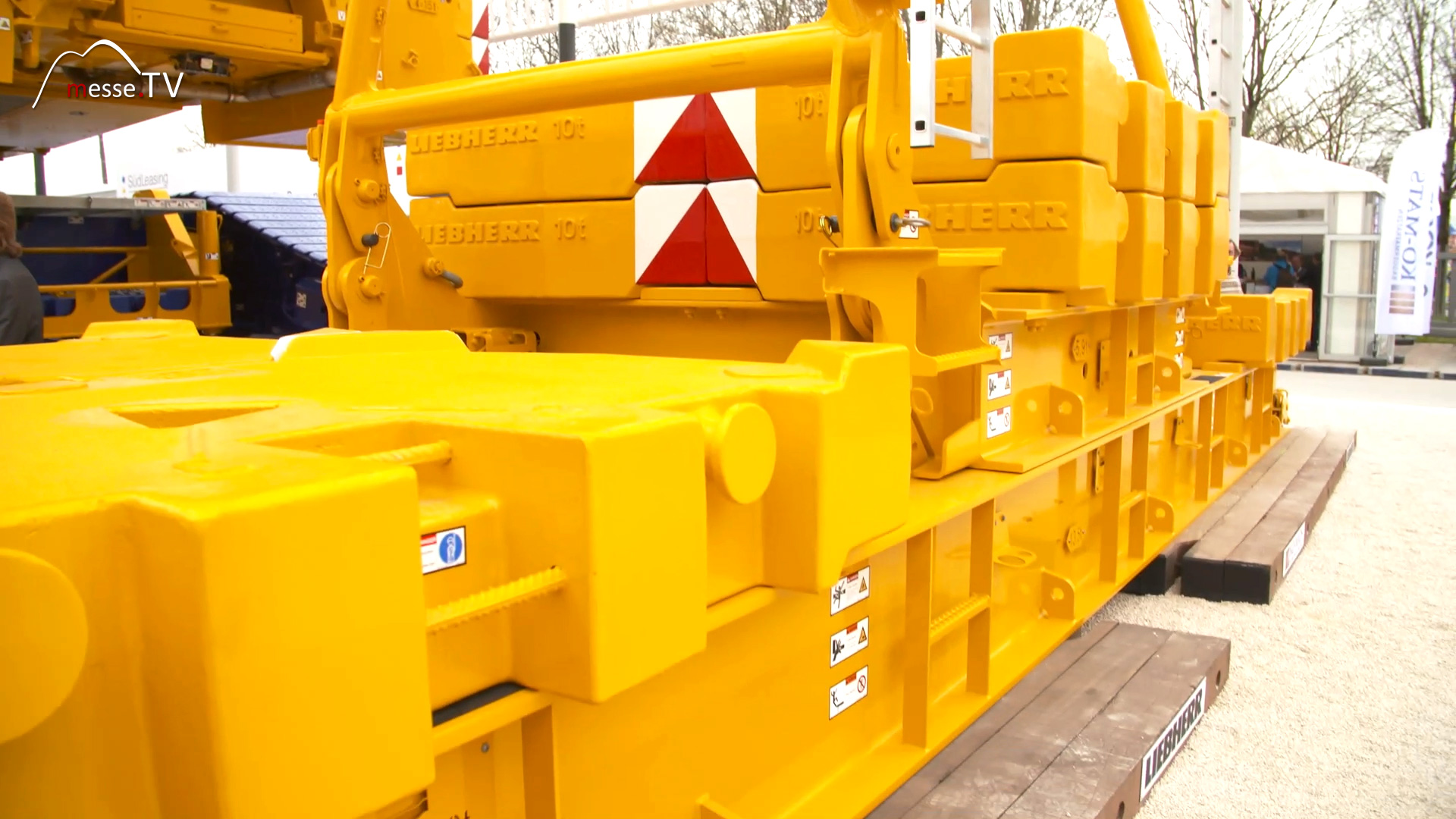
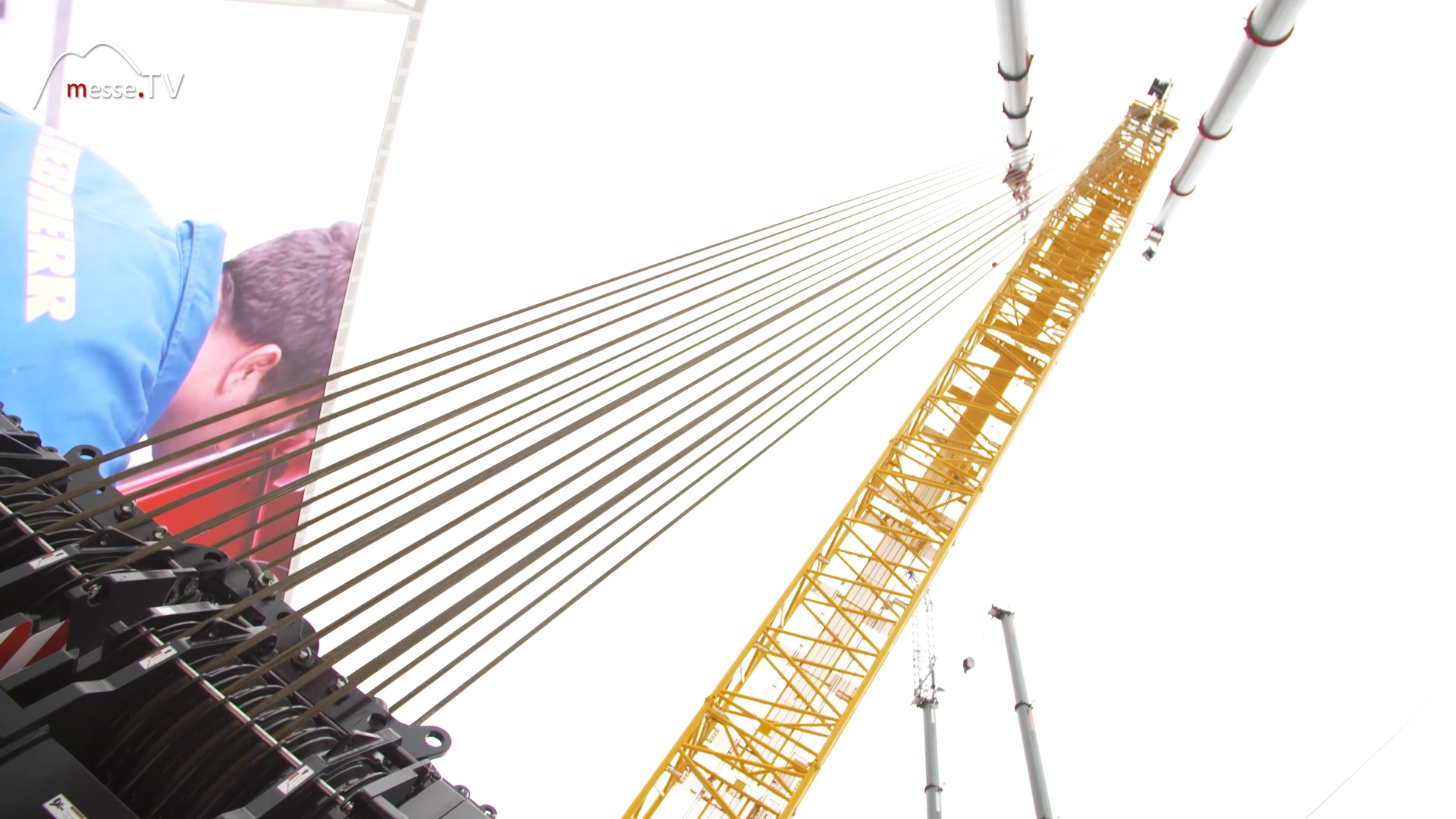
Der vorgestellte Kran basiert auf einem klassischen Gittermastkonzept. Liebherr setzt dabei auf eine modulare Struktur, die aus mehreren zentralen Komponenten besteht. Dazu gehören der Hauptausleger, ein Gegenausleger sowie verschiedene Ballastsysteme. Ein wesentliches Element ist der Drehbühnenballast, der direkt am Oberwagen angebracht ist. Ergänzt wird dieser durch den sogenannten Derrickballast, der zusätzliche Stabilität schafft. Insgesamt kommen hier Ballastmengen von mehreren hundert Tonnen zum Einsatz. Diese Kombination ermöglicht es, hohe Lasten auch bei großen Ausladungen sicher zu bewegen. Der Aufbau ist darauf ausgelegt, die Kräfte gleichmäßig zu verteilen und die Stabilität des Krans zu gewährleisten.
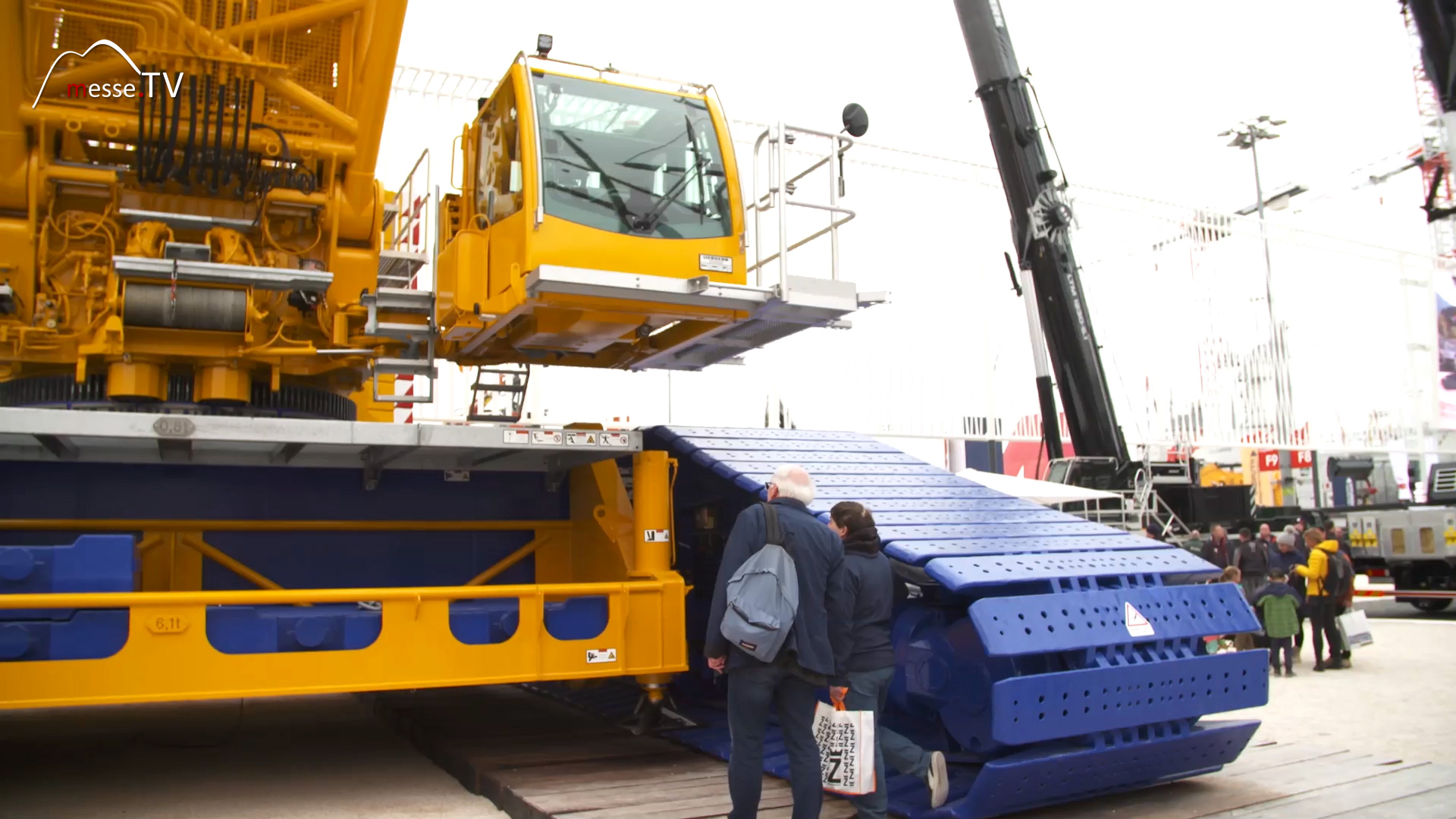
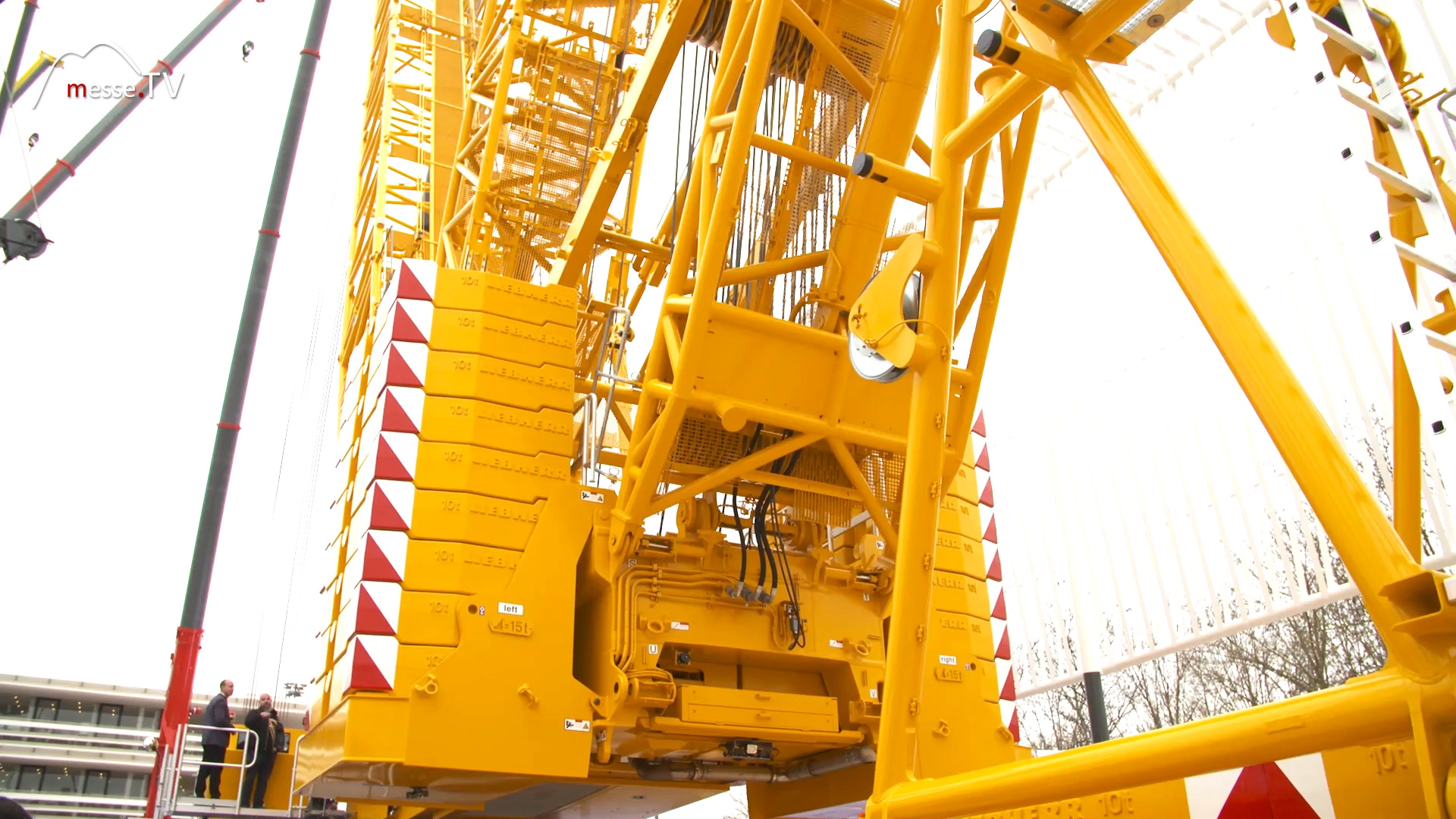
Tragfähigkeit von bis zu 800 Tonnen im Arbeitsbereich
Die Leistungsdaten des Krans zeigen, in welchem Bereich er eingesetzt wird. Bei einem Ausleger von 60 Metern Länge kann die Maschine Lasten von bis zu 800 Tonnen bewegen, und das bei einem Arbeitsradius von etwa 12 Metern. Solche Werte sind typisch für Anwendungen im Industrie- und Kraftwerksbau. Auch beim Einheben von Brückenelementen kommen Krane dieser Größenordnung zum Einsatz. Die hohe Tragfähigkeit ist dabei das Ergebnis aus Auslegerlänge, Ballastierung und konstruktiver Auslegung. Der aktuell gezeigte Aufbau umfasst ein Auslegersystem von rund 70 Metern. Gleichzeitig ist die Konstruktion so ausgelegt, dass deutlich größere Höhen erreicht werden können.

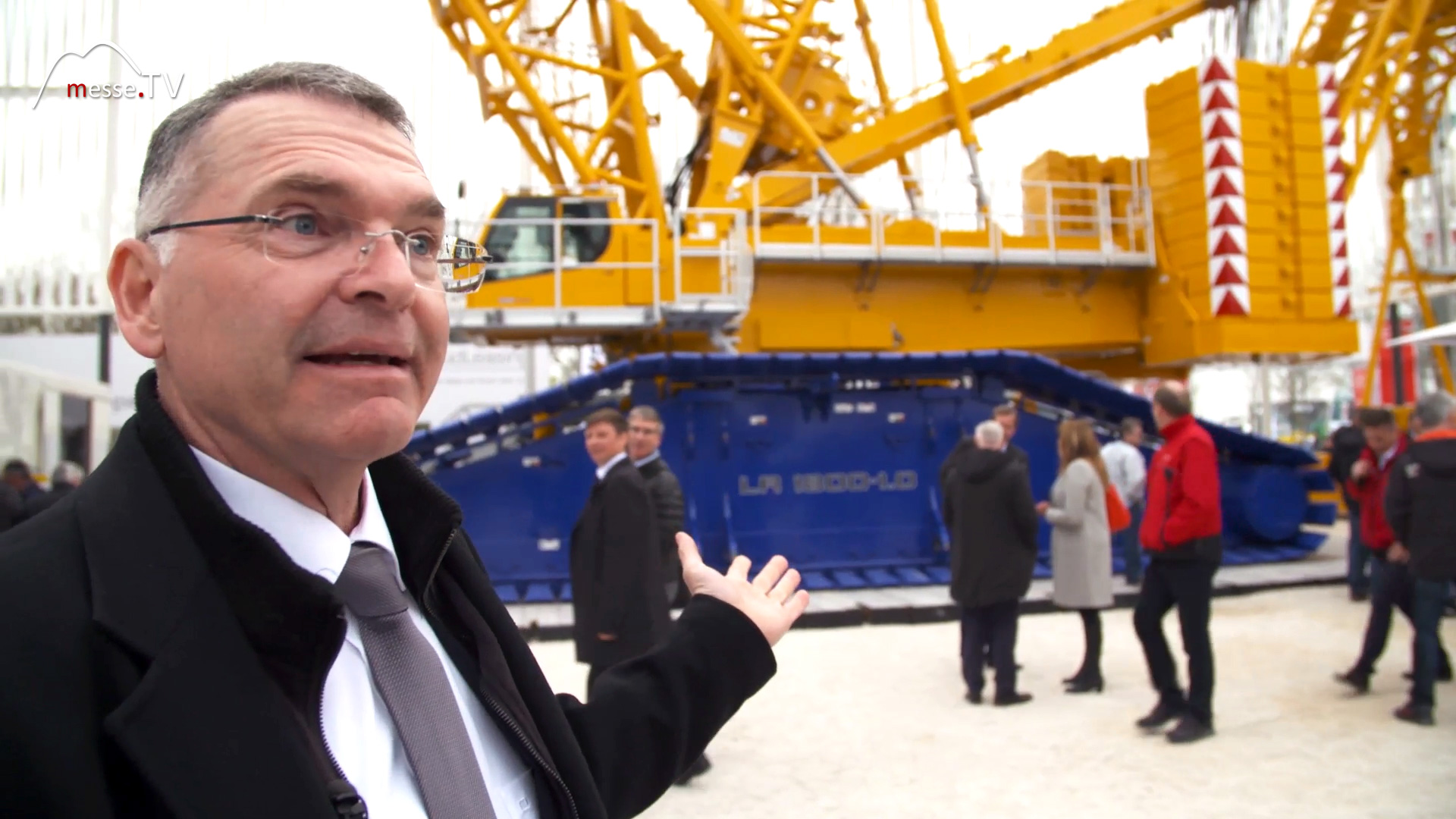
Ausleger erweiterbar bis zu 200 Meter Hakenhöhe
Ein entscheidender Vorteil liegt in der Erweiterbarkeit des Systems. Der Ausleger kann verlängert werden, sodass Hakenhöhen von bis zu 200 Metern möglich sind. Diese Flexibilität erlaubt es, den Kran an unterschiedliche Einsatzbedingungen anzupassen. Je nach Projekt können Länge und Konfiguration des Auslegers variiert werden, ohne dass eine komplett neue Maschine erforderlich ist. Damit wird der Kran zu einem universellen Werkzeug für unterschiedliche Bauvorhaben, bei denen Höhe und Tragfähigkeit variieren.
Raupenfahrwerk ermöglicht Bewegung mit Last
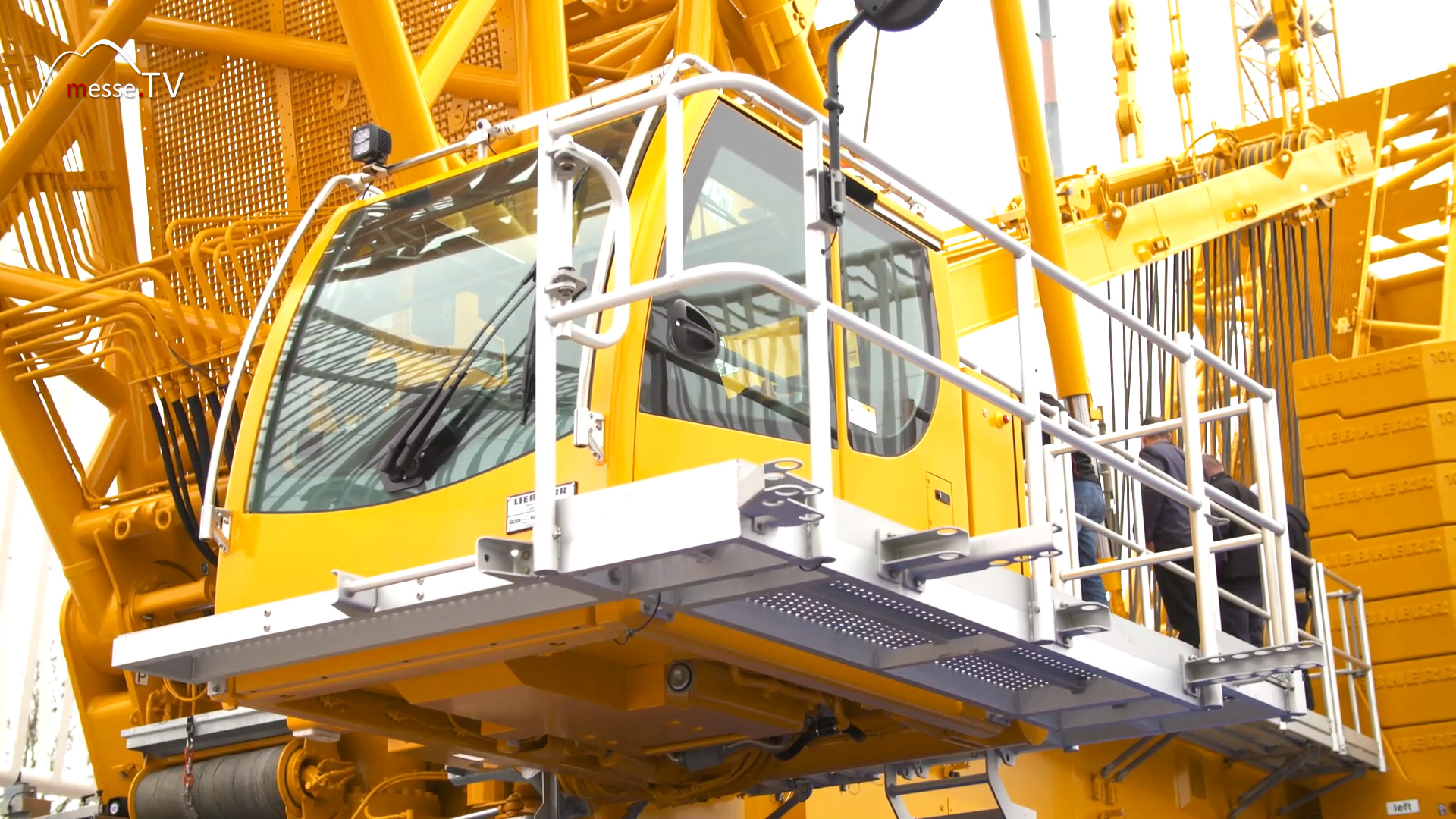
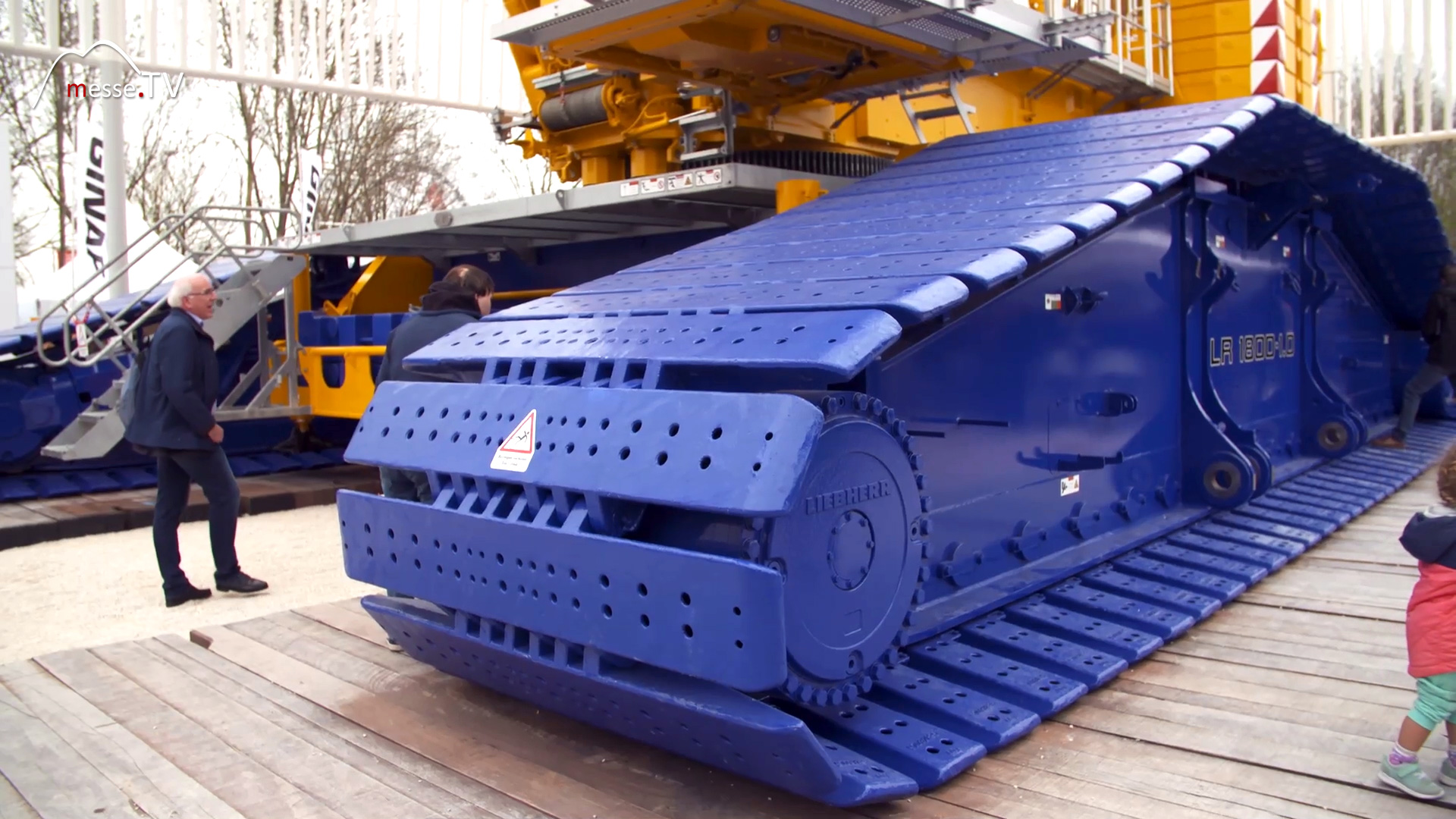
Ein zentraler Unterschied zu Teleskop-Mobilkranen liegt im Fahrwerk. Der Gittermast Raupenkran bewegt sich auf Raupenketten und kann innerhalb der Baustelle verfahren werden. Unter geeigneten Bedingungen ist es möglich, Lasten während der Fahrt zu bewegen. Voraussetzung ist ein tragfähiger und ebener Untergrund. Diese Fähigkeit erweitert den Einsatzbereich erheblich, da Lasten nicht nur gehoben, sondern auch versetzt werden können. Die langsame, kontrollierte Bewegung sorgt dabei für Stabilität. Gerade bei schweren Bauteilen ist diese Eigenschaft ein entscheidender Vorteil im Bauablauf.

Typische Einsatzbereiche im Überblick
Die Eigenschaften des Krans bestimmen auch seine Einsatzfelder:
- Industrie- und Kraftwerksbau mit schweren Komponenten
- Brückenbau und Infrastrukturprojekte
- Montage großer Anlagen in der Chemieindustrie
- Projekte mit hohen Lasten und großen Ausladungen
Einsatz nach der Bauma und wirtschaftliche Einordnung
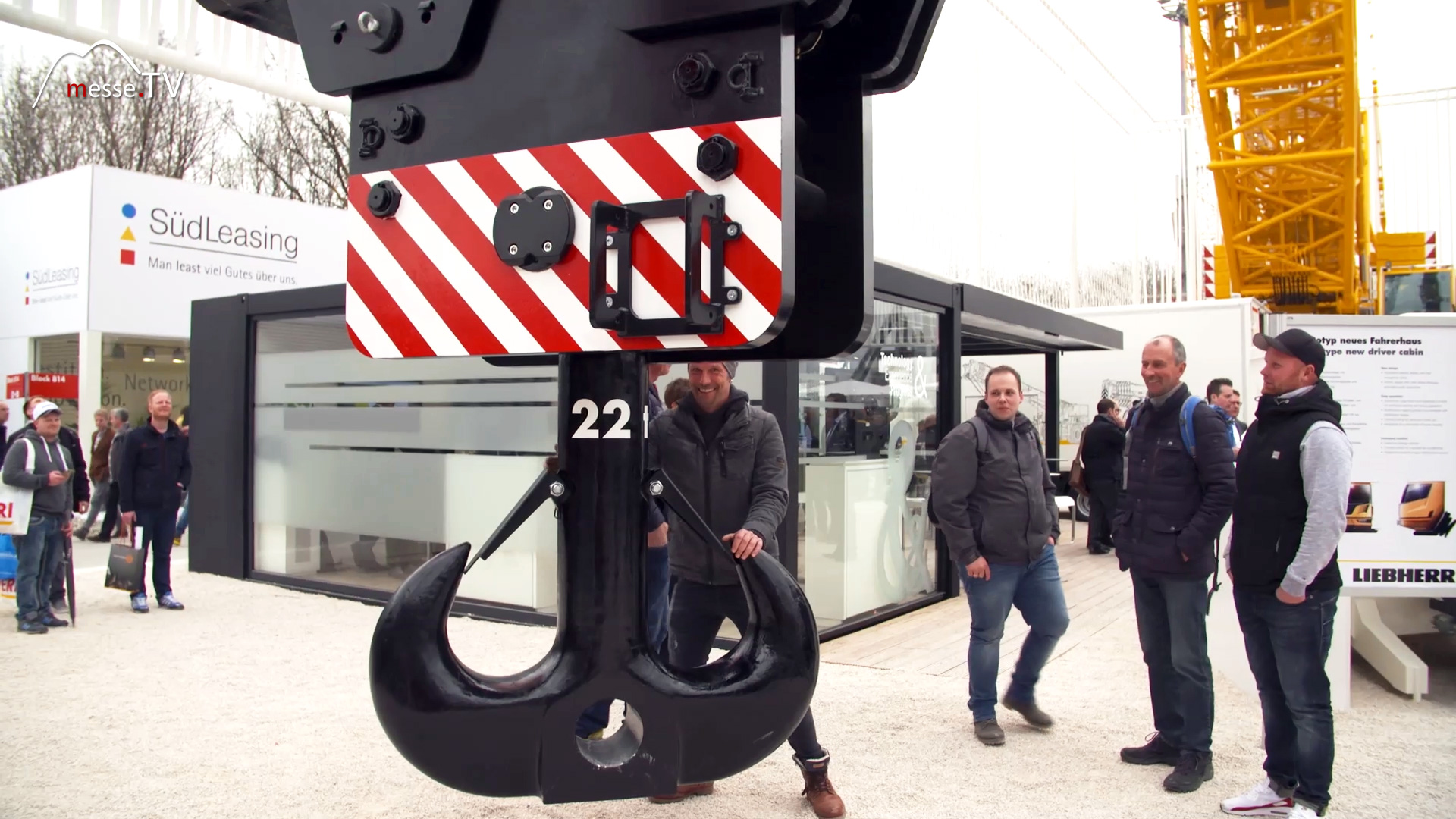
Das gezeigte Gerät ist kein Prototyp mehr, sondern bereits fertig entwickelt und getestet. Nach der Präsentation auf der Bauma wird der Kran ausgeliefert und in einem Chemiewerk in Portugal eingesetzt. Mit einem Einstiegspreis von rund 5,5 Millionen Euro bewegt sich die Maschine in einem Bereich, der für Großprojekte typisch ist. Die Investition steht dabei im Verhältnis zur Leistungsfähigkeit und den Einsatzmöglichkeiten.
Liebherr zeigt mit diesem Gittermast Raupenkran eine Lösung, die auf maximale Traglast und flexible Einsatzkonfiguration ausgelegt ist. Die Kombination aus modularem Aufbau, hoher Leistung und Beweglichkeit auf der Baustelle macht diesen Krantyp zu einem zentralen Werkzeug für anspruchsvolle Bauprojekte.







Messe-Berichterstattung bundesweit - Messewissen, Termine & Veranstaltungen


