Hydrauliksysteme mit Telemetrie für mobile Arbeitsmaschinen
von Jürgen Groh - 2024-02-13Moderne Baumaschinen bestehen längst nicht mehr nur aus Hydraulikzylindern, Pumpen und Stahlkomponenten. Elektronik, dezentrale Steuerung und digitale Überwachung entwickeln sich zunehmend zu zentralen Bestandteilen mobiler Arbeitsmaschinen.
Auf der bauma in München zeigt Hawe deshalb eine Systemlösung, die klassische Hydrauliktechnik mit Telemetrie, Maschinensteuerung und Ferndiagnose kombiniert. Im Mittelpunkt steht dabei kein einzelnes Bauteil, sondern das Zusammenspiel mehrerer Komponenten innerhalb einer Maschine. Gerade bei mobilen Arbeitsgeräten wie LKW-Ladekranen wachsen die Anforderungen an Präzision, Bedienkomfort und digitale Vernetzung kontinuierlich. Hersteller müssen heute nicht nur leistungsfähige Hydrauliksysteme liefern, sondern gleichzeitig Datenverarbeitung, Steuerung und Wartungskonzepte integrieren. Die präsentierte Lösung verdeutlicht diesen Wandel besonders anschaulich. Verschiedene Steuerblöcke übernehmen unterschiedliche Aufgabenbereiche innerhalb derselben Maschine – abgestimmt auf Bedienkomfort, Lastanforderung und Wirtschaftlichkeit.
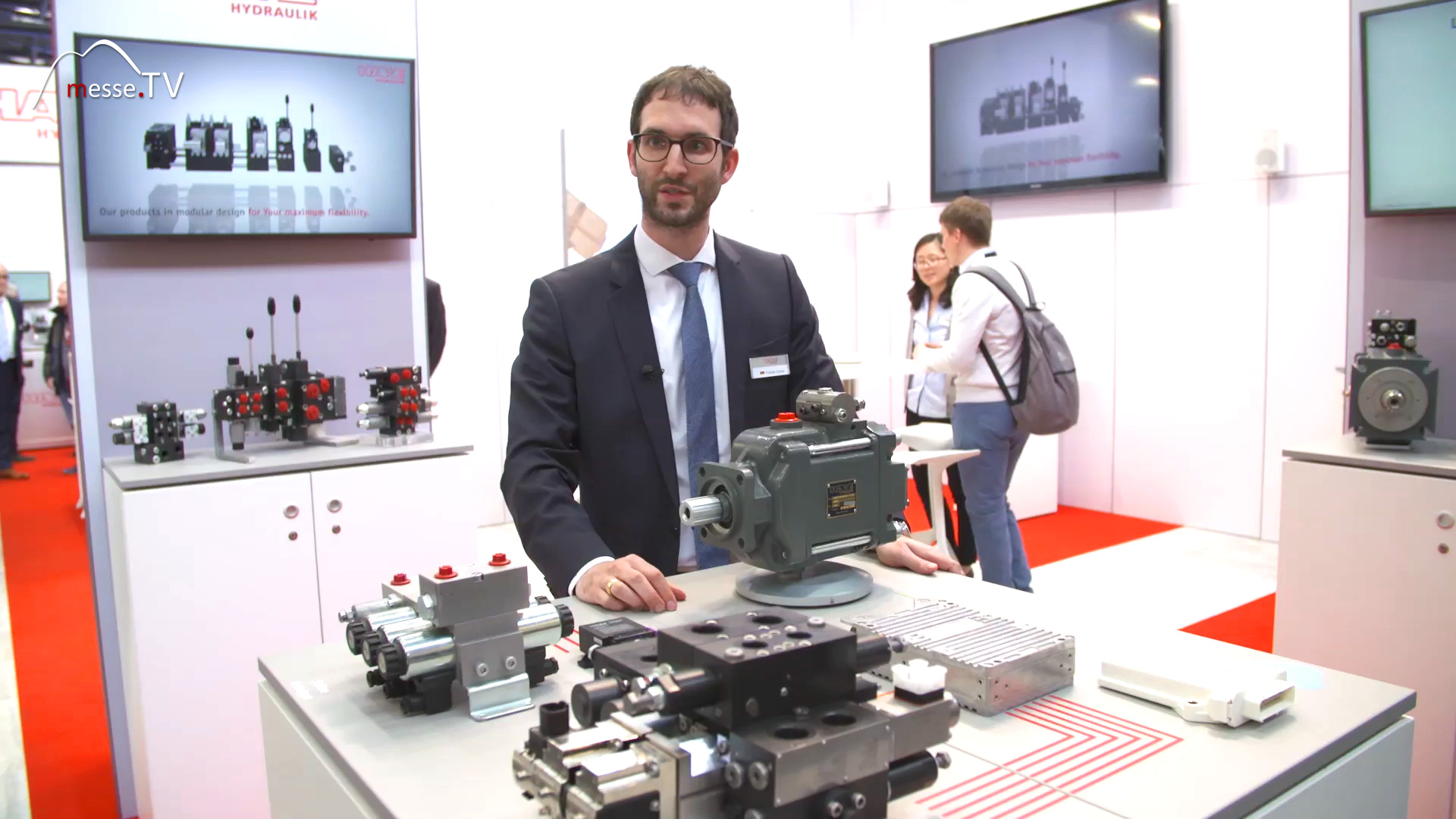
Hawe kombiniert Hydrauliksteuerung mit digitaler Maschinenkontrolle
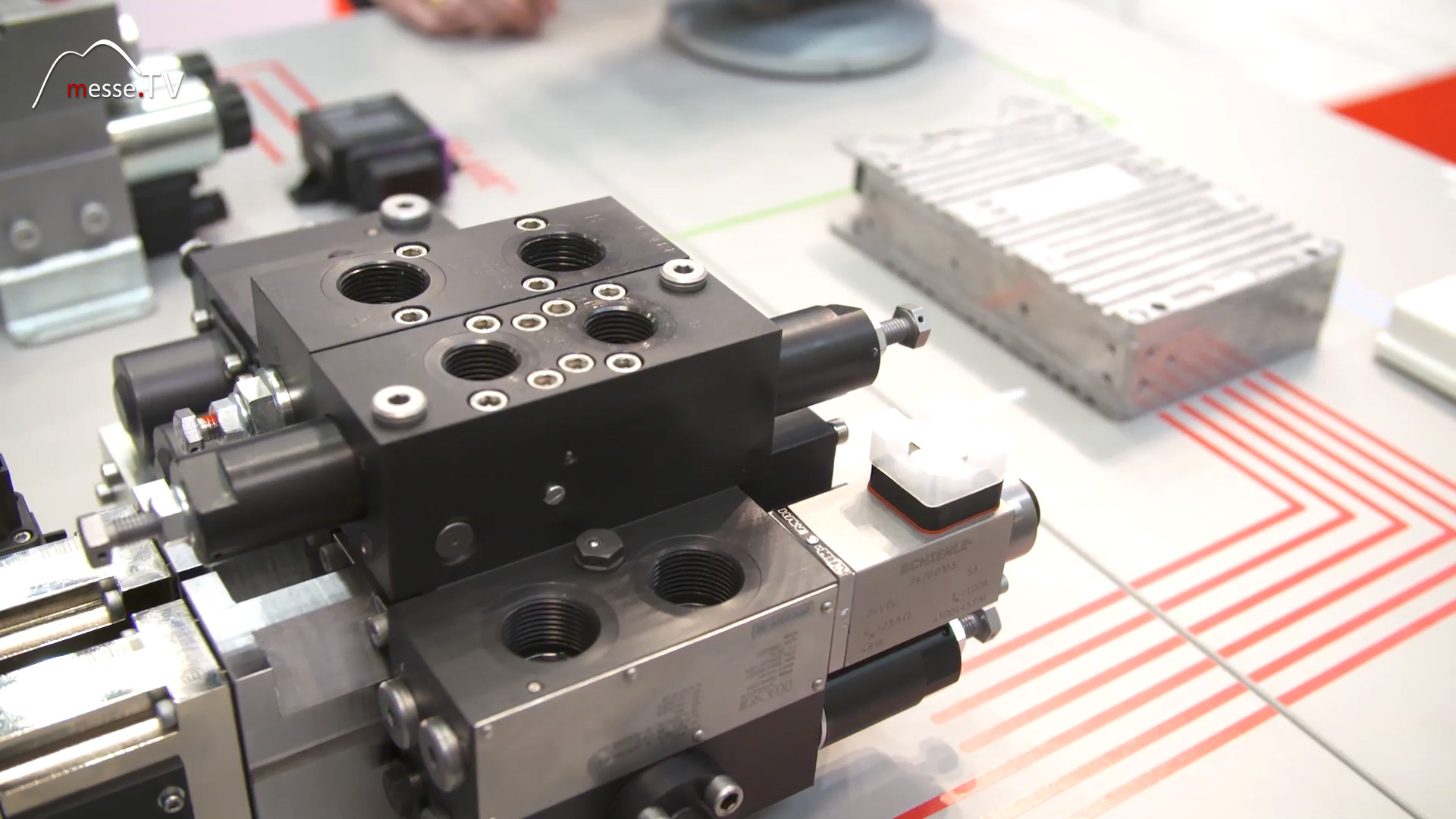
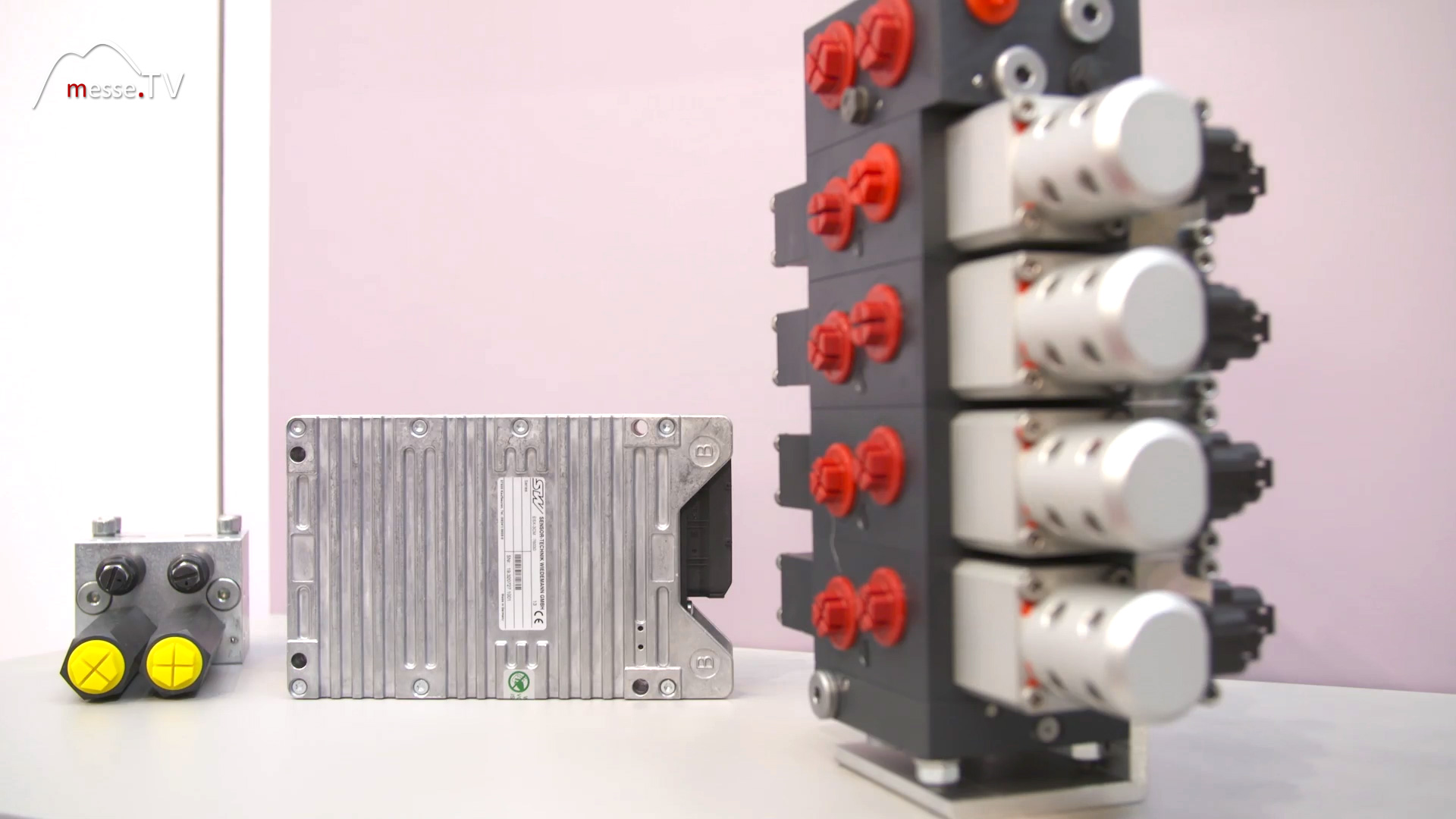
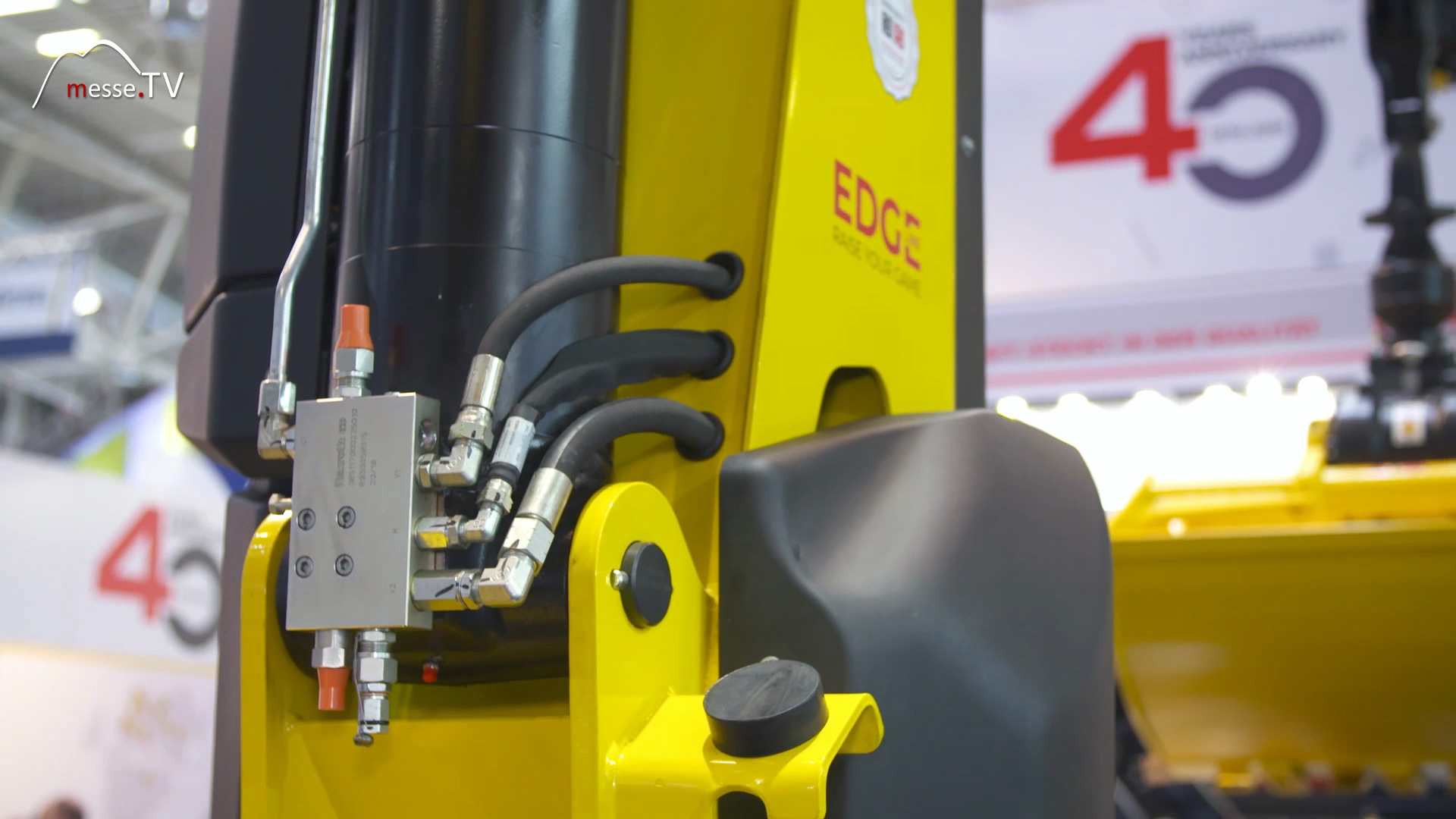
Am Beginn des Systems steht die Hydraulikpumpe. Sie versorgt die unterschiedlichen Arbeitsfunktionen mit Energie und bildet die Grundlage für sämtliche Bewegungsabläufe. Daran angeschlossen sind mehrere Steuerblöcke mit jeweils unterschiedlichen Aufgaben. Für anspruchsvolle Arbeitsbewegungen, etwa bei einem LKW-Ladekran, kommt ein zentraler Steuerblock zum Einsatz. Dort stehen laut Hawe vor allem Feinfühligkeit und lastunabhängige Bedienbarkeit im Vordergrund. Gerade bei Kranbewegungen entscheidet die Präzision der Steuerung über Sicherheit und Bedienkomfort. Lasten müssen kontrolliert bewegt werden, häufig unter schwierigen Bedingungen oder auf engem Raum. Daneben existieren einfachere Funktionsbereiche innerhalb derselben Maschine. Dazu zählen etwa die Stützen eines Krans. Dort ist die Anforderung an hochpräzise Bewegungssteuerung geringer, stattdessen rückt Kosteneffizienz stärker in den Fokus. Die Systemarchitektur trennt deshalb bewusst zwischen hochwertigen Arbeitsfunktionen und weniger komplexen Nebenfunktionen. Diese Aufteilung zeigt eine Entwicklung, die in vielen mobilen Arbeitsmaschinen sichtbar wird: Nicht jede Bewegung benötigt denselben technischen Aufwand. Moderne Systeme werden daher zunehmend modular aufgebaut.
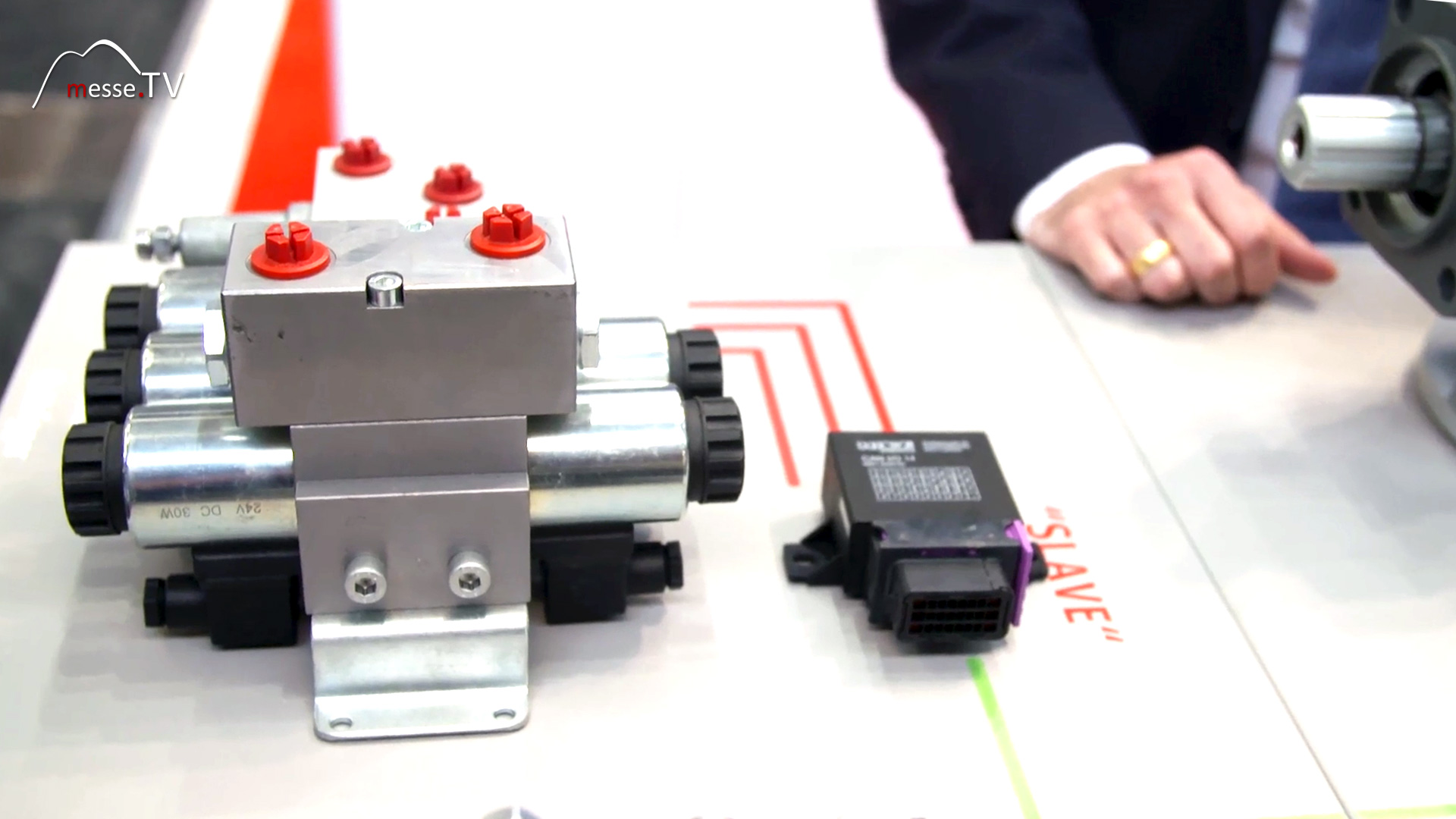
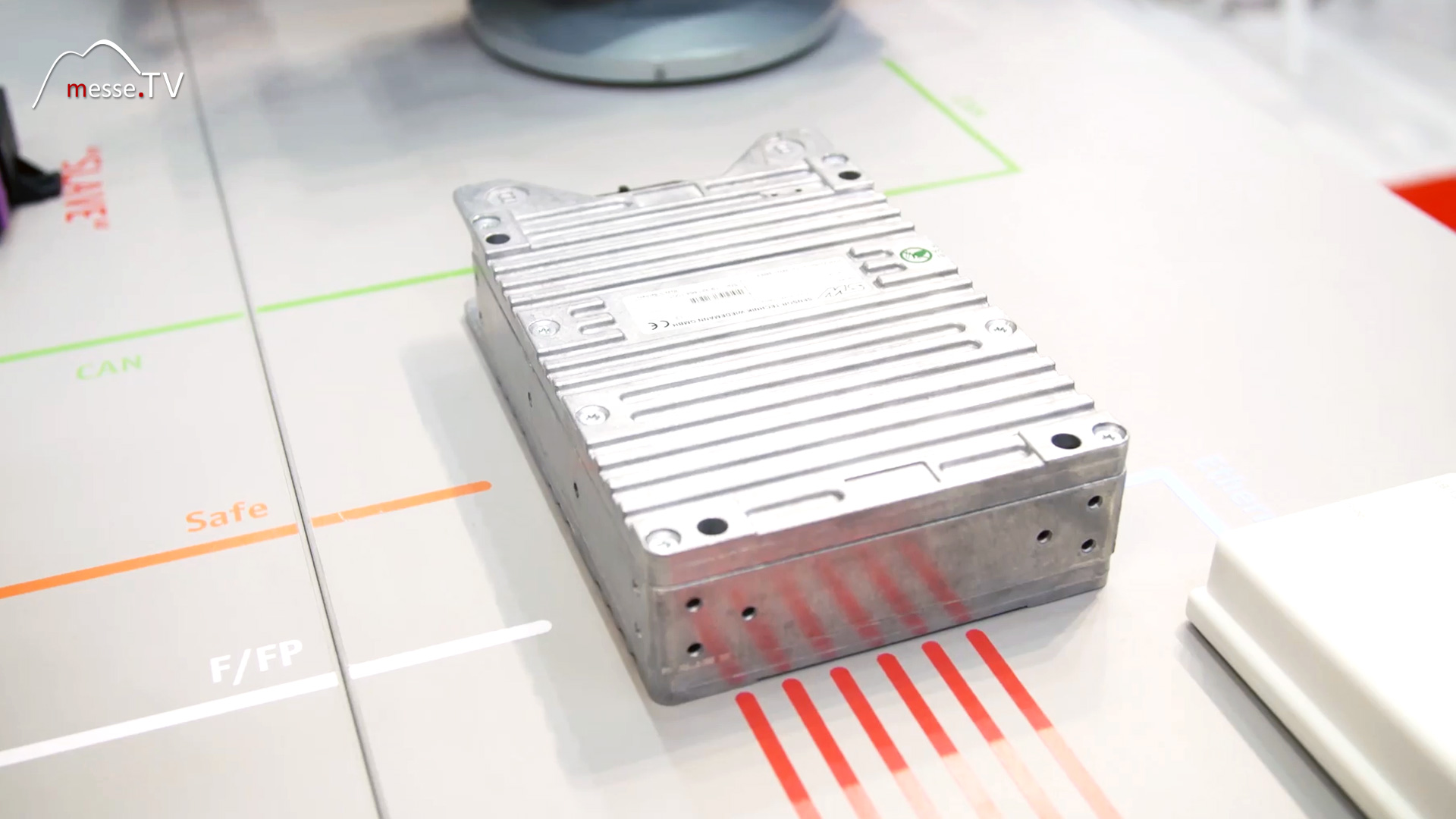
Dezentrale Module übernehmen einzelne Maschinenfunktionen
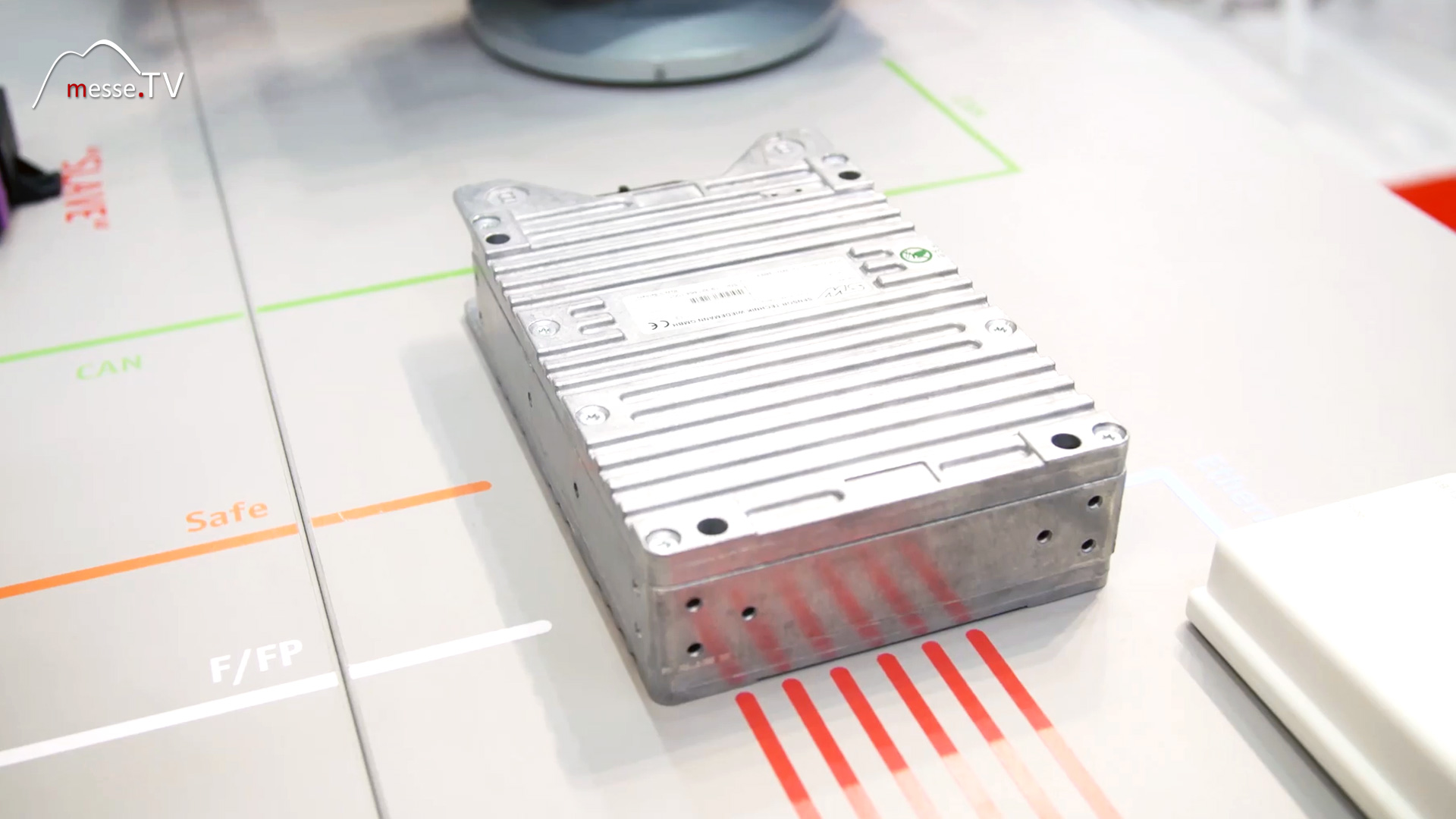
Zentraler Bestandteil der Lösung ist ein elektronisches Steuergerät, das als übergeordnete Maschinensteuerung fungiert. Es koordiniert die unterschiedlichen Komponenten und verarbeitet die relevanten Betriebsdaten. Zusätzlich kommen dezentrale Module zum Einsatz. Für die Stützenfunktionen existiert beispielsweise ein separates kleines Steuerungsmodul, das ausschließlich diesen Bereich übernimmt. Die Architektur verteilt die Aufgaben also auf mehrere spezialisierte Einheiten. Das reduziert nicht nur die Komplexität einzelner Komponenten, sondern erleichtert auch die Anpassung an unterschiedliche Maschinentypen. Hersteller können Funktionen gezielt ergänzen oder verändern, ohne komplette Systeme neu entwickeln zu müssen.
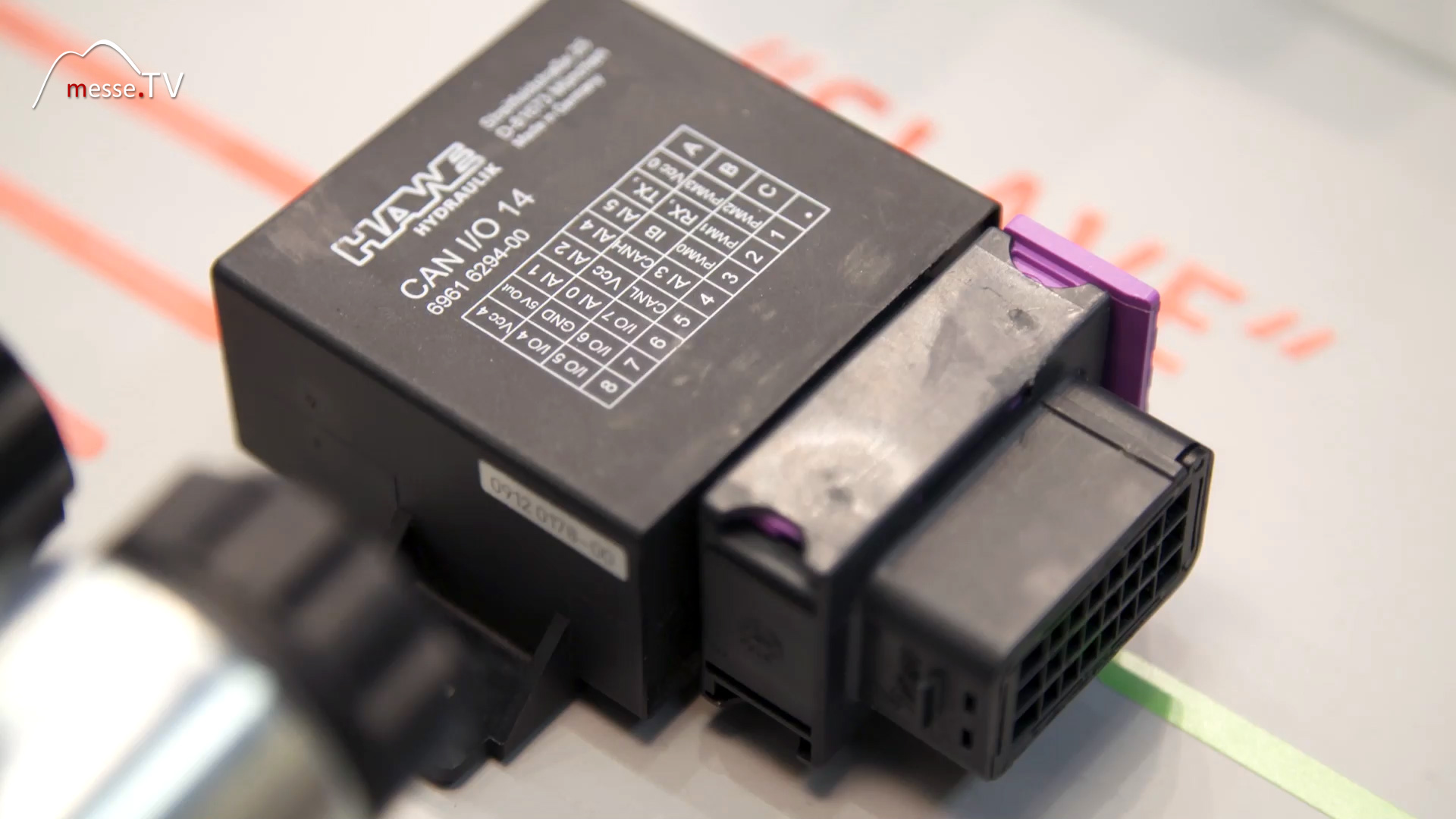
Wichtige Bestandteile der vorgestellten Systemlösung:
- Hydraulikpumpe für mobile Arbeitsmaschinen
- zentraler Steuerblock für präzise Arbeitsfunktionen
- dezentrale Module für Nebenfunktionen
- elektronische Maschinensteuerung
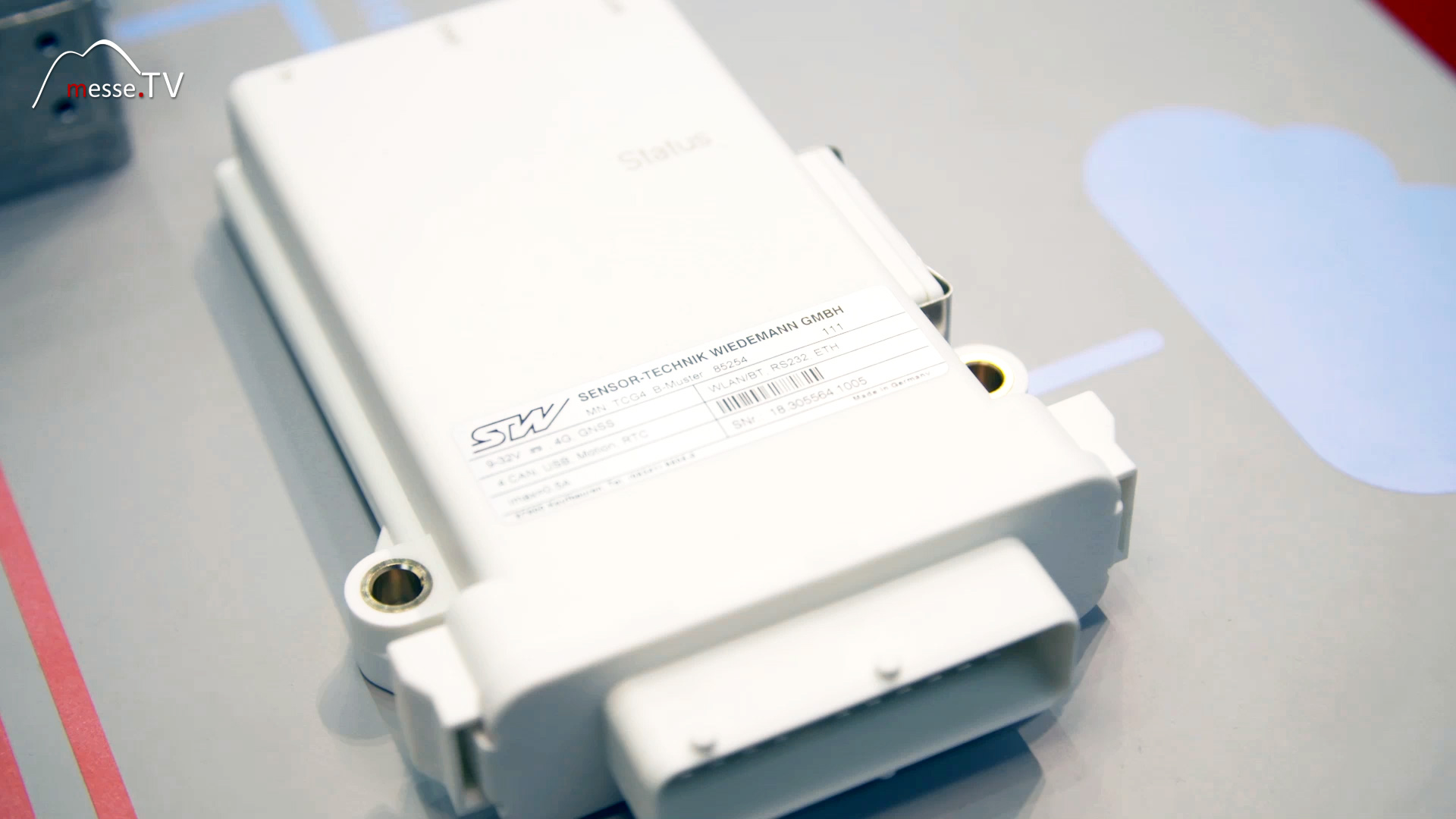
- Telemetrie-Modul für Echtzeitdaten und Fernzugriff
Telemetrie ermöglicht Fernzugriff auf Maschinen weltweit
Besonders interessant ist das integrierte Telemetrie-Modul. Darüber lassen sich Maschinendaten in Echtzeit auslesen und aus der Ferne überwachen. Nach Angaben von Hawe kann sich der Betreiber selbst aus mehreren hundert Kilometern Entfernung direkt auf die Maschine aufschalten. Dadurch entsteht ein kontinuierlicher Einblick in den aktuellen Betriebszustand. Drehzahlen, Lastzustände, Bewegungsabläufe oder Fehlermeldungen können zentral ausgewertet werden. Für Betreiber größerer Maschinenflotten eröffnet das neue Möglichkeiten im Service und in der Einsatzplanung. Ein wichtiger Anwendungsbereich ist Predictive Maintenance. Wartungen sollen nicht mehr nur in festen Intervallen erfolgen, sondern auf Basis realer Betriebsdaten. Komponenten werden überwacht, Verschleiß frühzeitig erkannt und Ausfälle möglichst verhindert, bevor sie tatsächlich auftreten. Gerade im internationalen Geschäft spielt das eine zunehmende Rolle. Hersteller oder Maschinenanbieter können Geräte weltweit betreuen, ohne überall eigene Servicestandorte aufbauen zu müssen. Kleine und mittelständische Unternehmen erhalten dadurch Zugang zu Märkten, die früher deutlich schwerer zu bedienen waren.

Digitale Hydraulik verändert mobile Arbeitsmaschinen
Die gezeigte Lösung verdeutlicht, wie stark sich klassische Hydrauliktechnik verändert. Früher standen vor allem Druck, Förderleistung und mechanische Belastbarkeit im Mittelpunkt. Heute kommen Software, Datenanalyse und Vernetzung als zusätzliche Ebenen hinzu. Diese Entwicklung betrifft nahezu alle mobilen Arbeitsmaschinen – vom Kran über kommunale Fahrzeuge bis hin zu Bau- und Spezialmaschinen. Bediener erwarten präzise Steuerung, Betreiber benötigen transparente Betriebsdaten und Hersteller suchen nach effizienteren Wartungskonzepten. Auch das Thema Fernwartung gewinnt an Bedeutung. Fehleranalysen lassen sich häufig bereits digital durchführen, bevor ein Techniker überhaupt vor Ort ist. Das reduziert Stillstandszeiten und vereinfacht Serviceprozesse erheblich. Hawe zeigt damit nicht nur einzelne Komponenten, sondern einen grundsätzlichen Wandel innerhalb der Fluidtechnik. Hydrauliksysteme entwickeln sich zunehmend zu vernetzten Gesamtsystemen, in denen Mechanik, Elektronik und Software eng zusammenarbeiten. Gerade bei mobilen Arbeitsmaschinen dürfte diese Entwicklung in den kommenden Jahren weiter an Dynamik gewinnen.
Messe-Berichterstattung bundesweit - Messewissen, Termine & Veranstaltungen


