Cranes
Cranes are used wherever loads need to be moved during construction – whether in building construction, on large construction sites, or in inner-city areas. Their versatility makes them an integral part of construction logistics.
Cranes - all articles
back to construction / construction machinery
Liebherr LTM 1150-5.4E: Hybrid mobile crane with electric drive
Liebherr presents the Liebherr LTM 1150-5.4E, a hybrid mobile construction crane with electric drive that enables flexible construction site operations in diesel and electric modes... Liebherr LTM 1150-5.4E: Hybrid mobile construction crane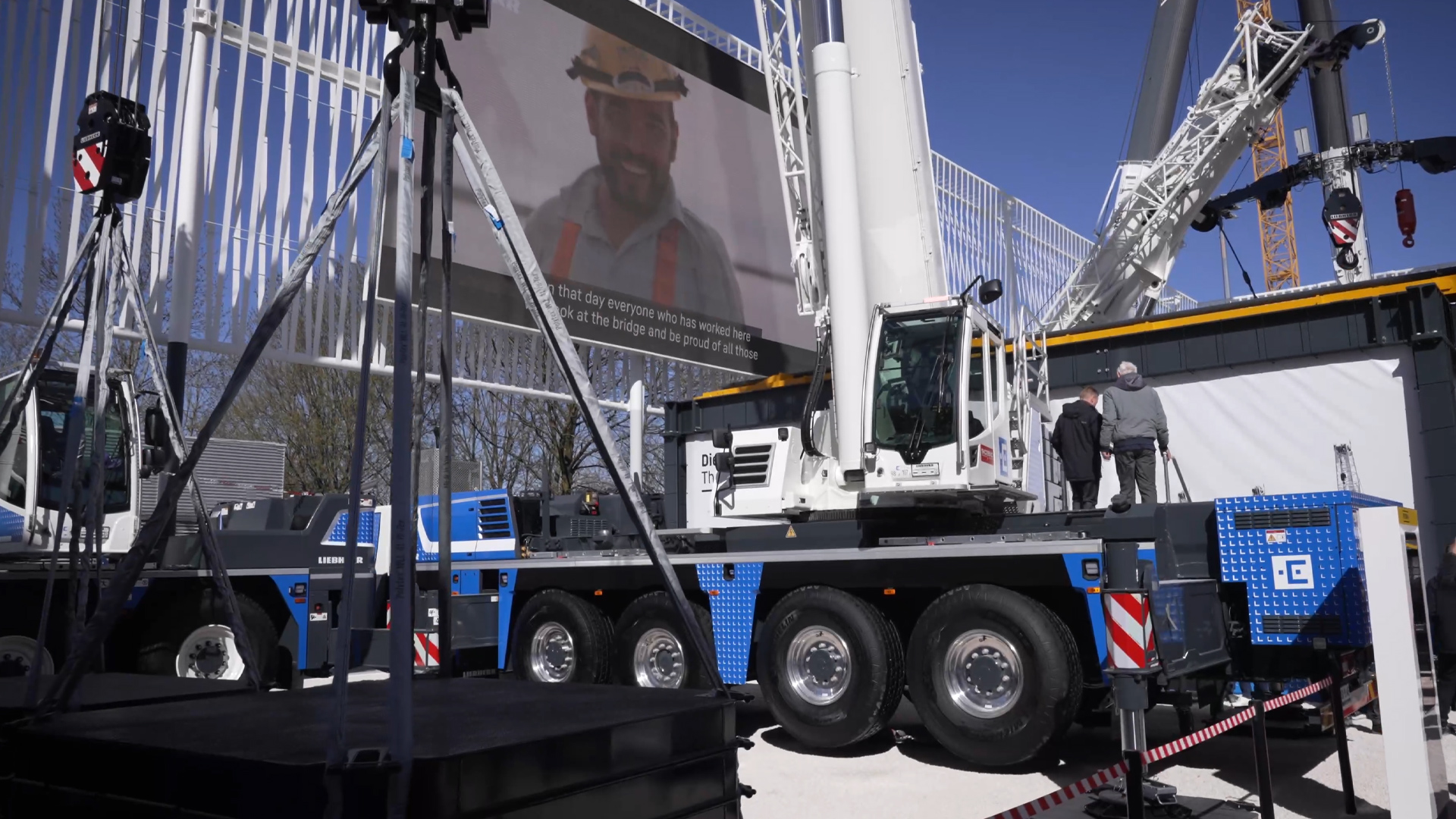
Palfinger loader crane PK 880 TEC - trade fair highlight bauma
The PK 880 TEC is one of the technical highlights at bauma. As part of Palfinger's premium TEC line, the crane combines high lifting capacity with sensitive control - designed for ... Palfinger loader crane PK 880 TEC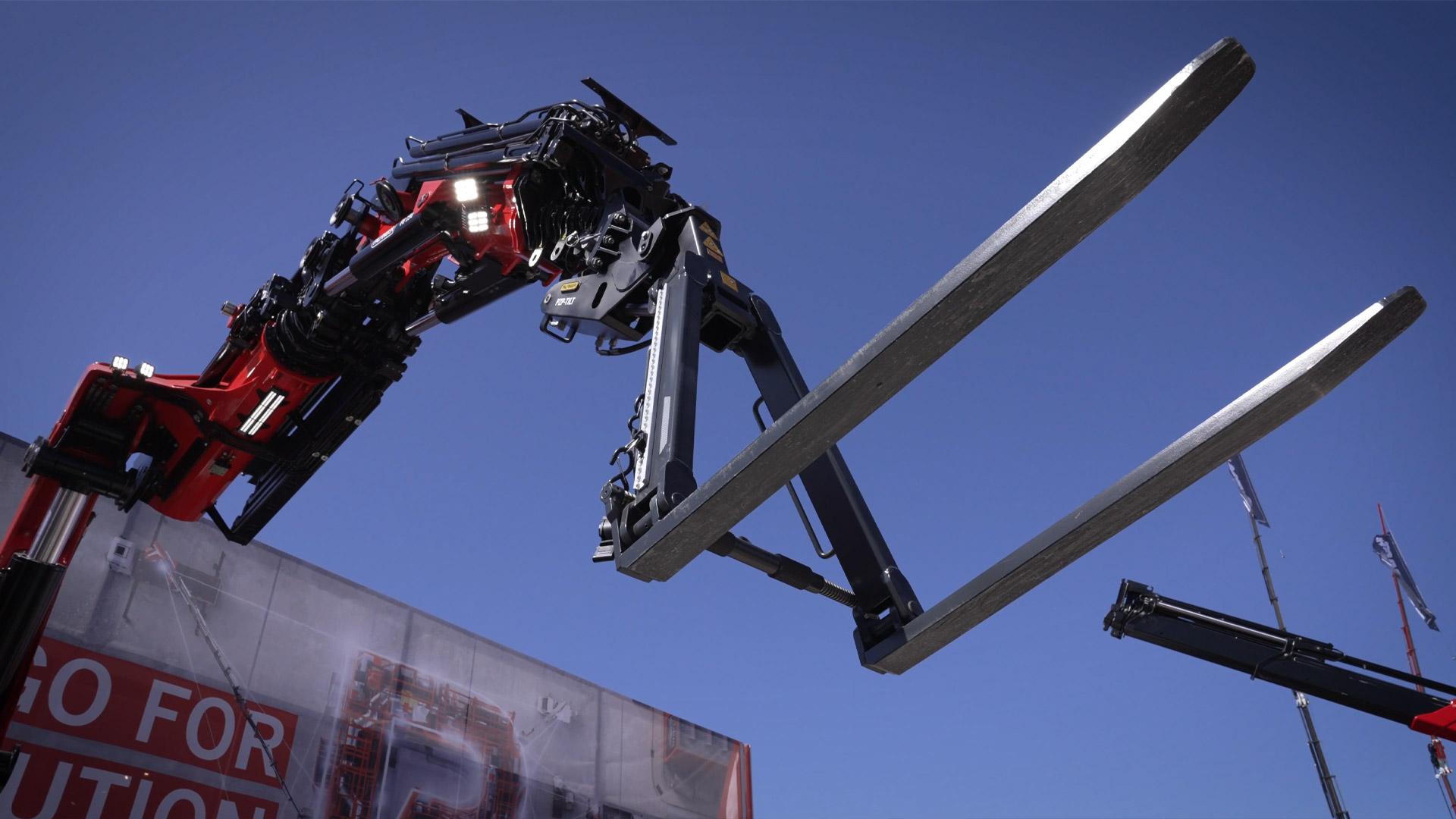
Sennebogen 885 G hybrid port material handler
The Sennebogen 885 G is one of the most impressive machines at the trade fair and impressively demonstrates the dimensions that modern material handling technology can achieve. The... Sennebogen port handling machine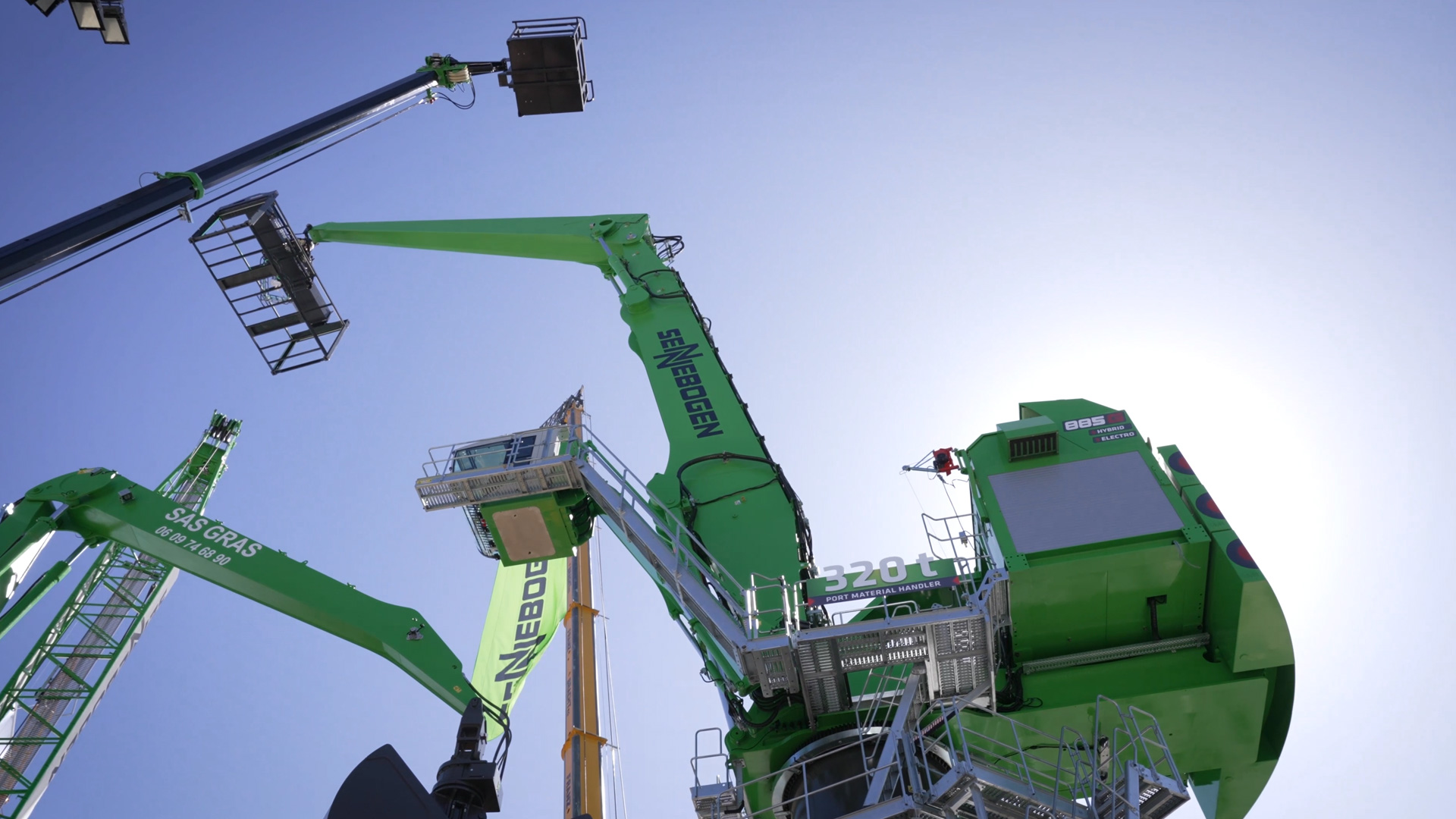
Automatic crane control for loading cranes
Loading cranes have long been part of the standard daily equipment on many construction sites. They handle material transport, move components or assist with assembly work directly... Three-year warranty on all components as standard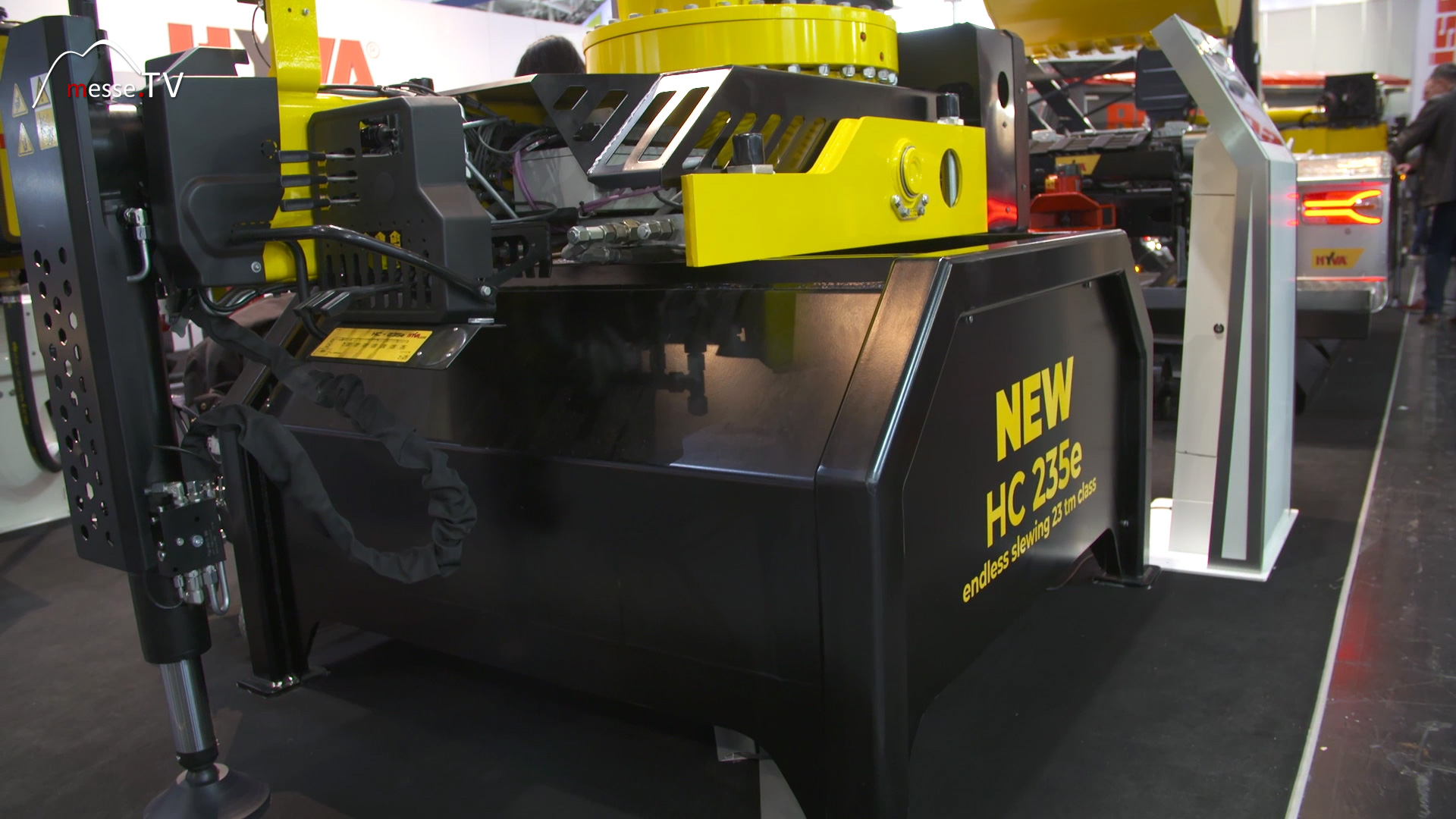
Lattice boom crawler crane for loads up to 800 tonnes
Large-scale projects in industrial and infrastructure construction place special demands on lifting technology. Specialised crane systems are used when components weighing several ... Lifting technology for special requirements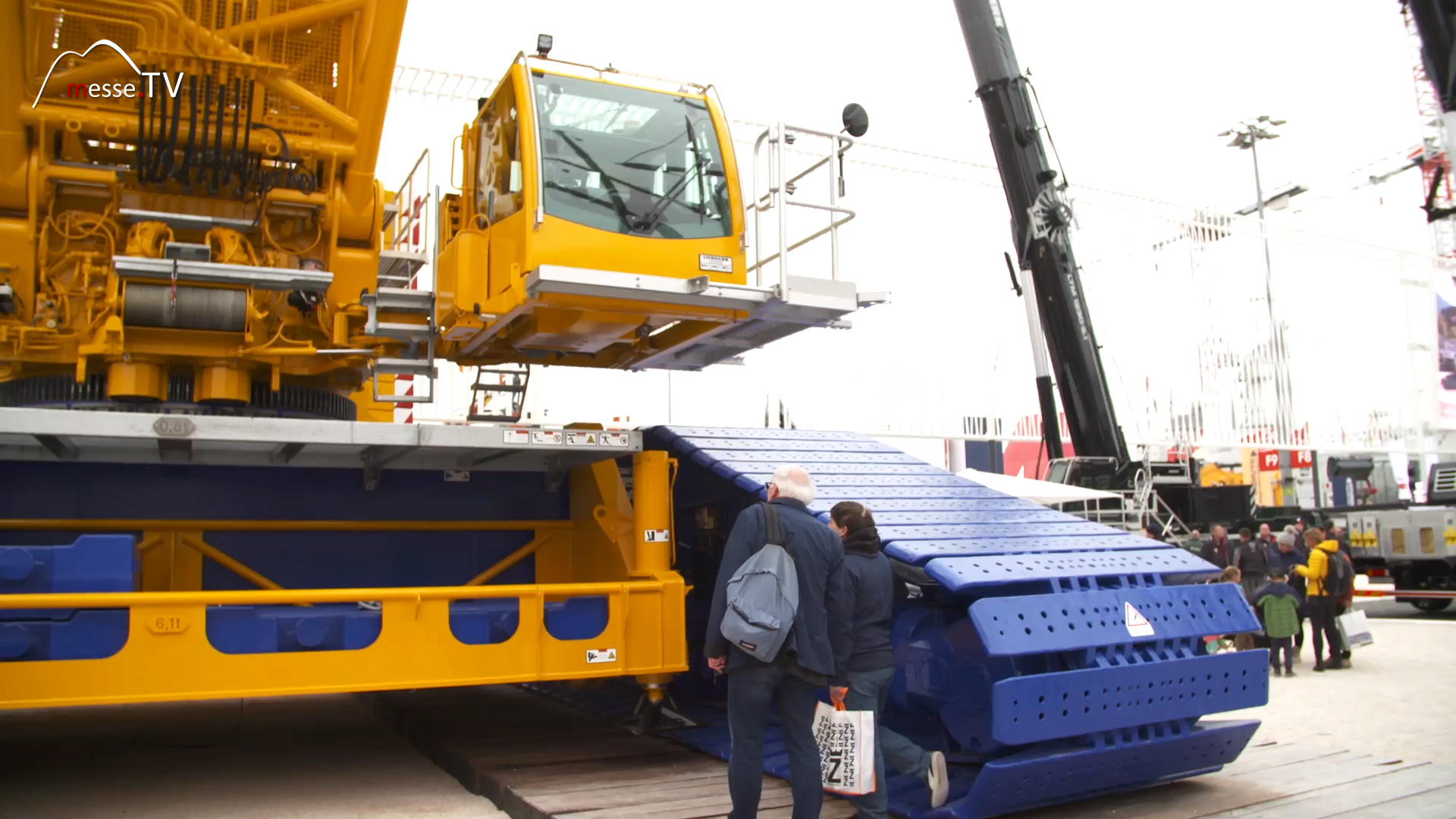
LTM 1650-8.1 mobile crane with variable lifting capacity
Heavy-duty lifting technology has developed steadily over the past few decades. While earlier generations were primarily designed for maximum lifting capacity, today flexibility an... Heavy-duty lifting technology in transition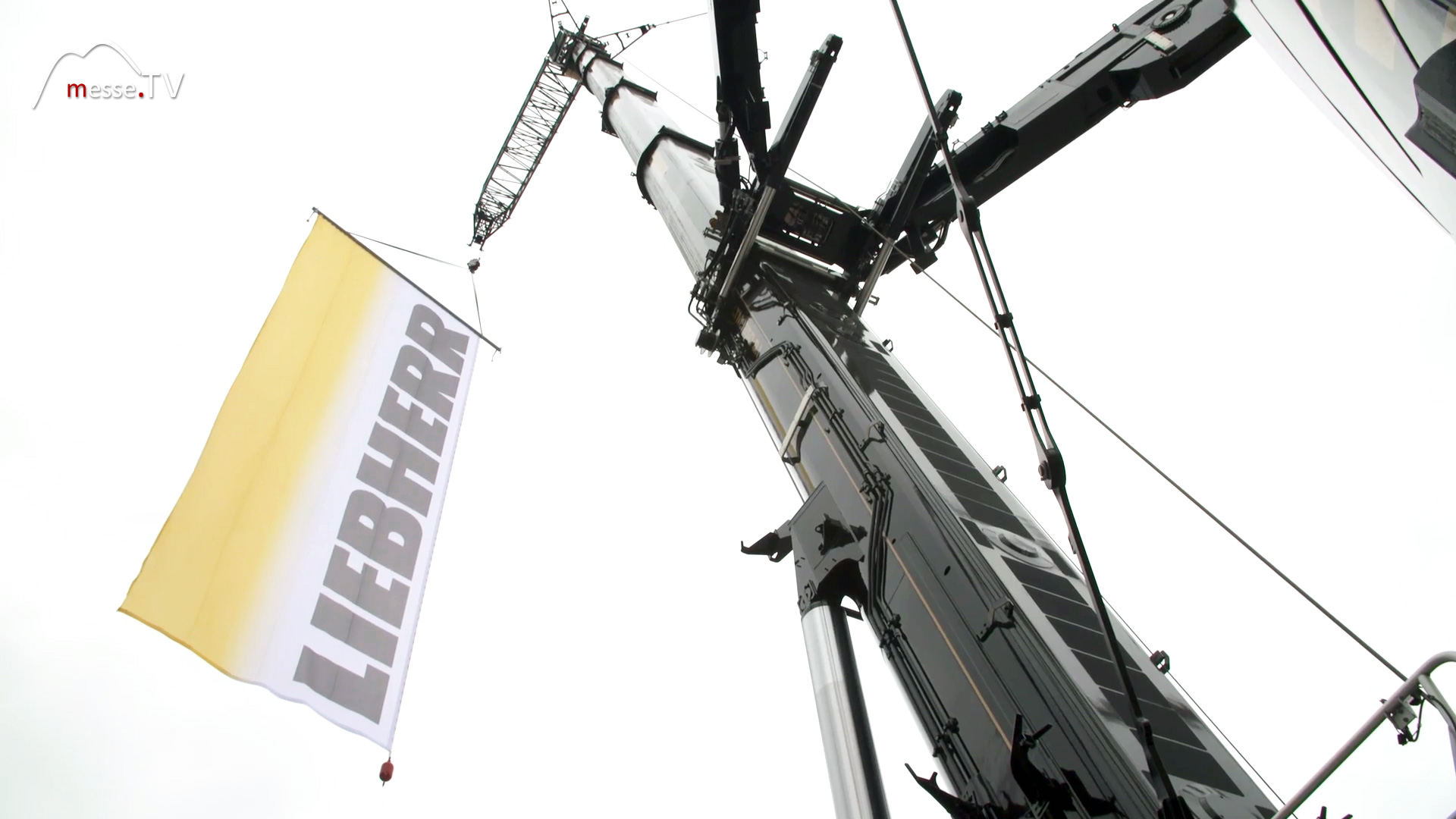
Big Foot tyres for soft ground
Soft ground, changing job sites and increasing demands on productivity and comfort characterise the daily routine of many construction machine operators. Large-volume tyres for soft ground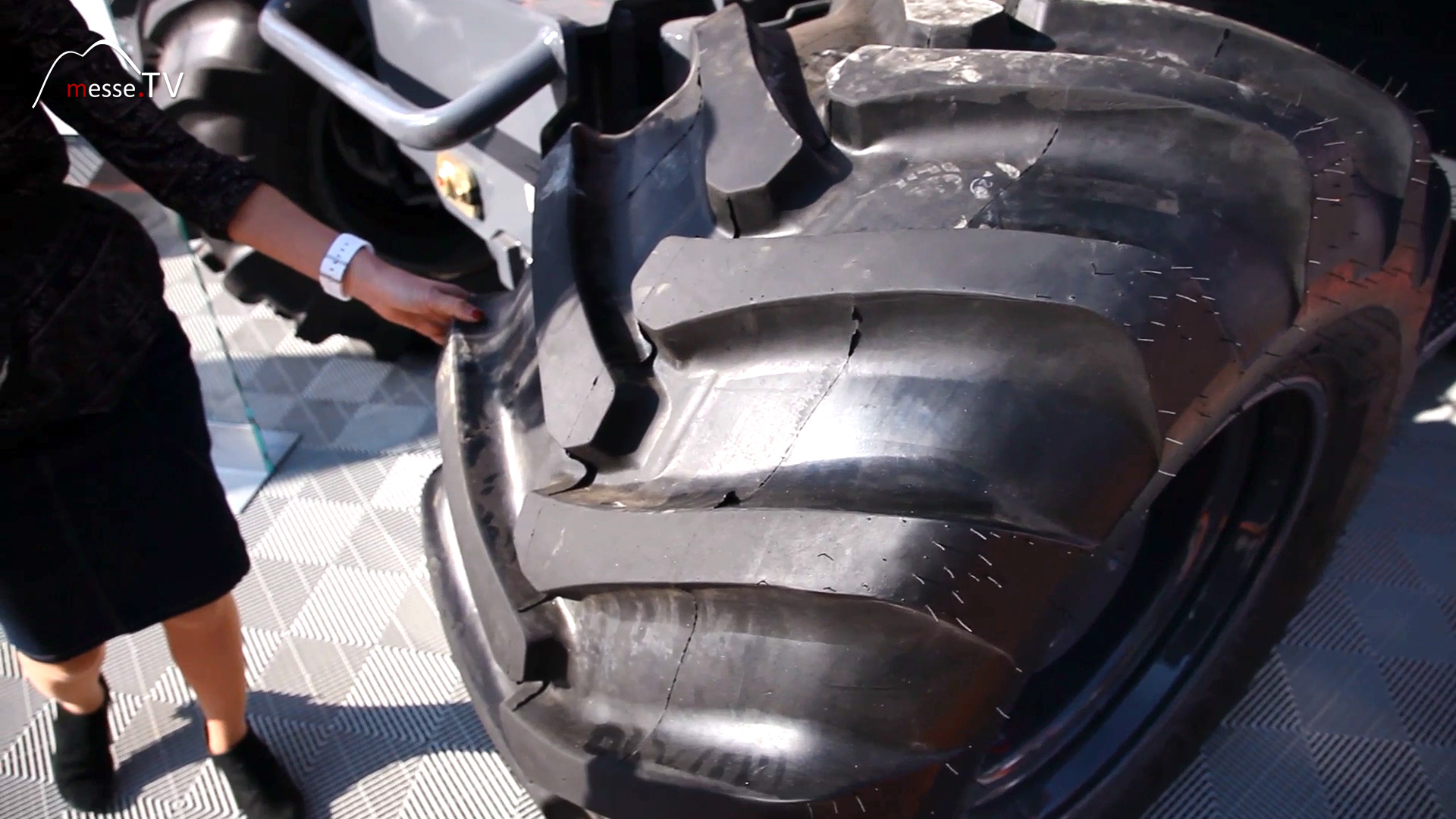
Crane technology between tradition and technical innovation
Cranes have always been one of the central machines on construction sites and large-scale projects worldwide. Whether in the construction of high-rise buildings, bridge building, or logistics, they enable heavy loads to be lifted and precise work to be carried out under demanding conditions. In today's construction industry, it is not only power that is required, but also flexibility and efficiency.
- Mobile cranes for rapid deployment on changing construction sites
- Crawler cranes for heavy lifting operations on large-scale projects
Wide range of applications for stationary and mobile cranes
Depending on the area of application, different types of cranes are used – from classic construction cranes to special equipment for inner-city areas or port handling. Especially on complex construction sites, choosing the right crane model is crucial for smooth operations.
- Mobile cranes with compact dimensions for inner-city construction sites
- Special cranes for industrial plants and logistics centers
Technological advances in crane construction
Technical progress has not stopped at crane construction. Electric drives, digital assistance systems, and new control technologies are changing the way loads are moved. In addition to ecological aspects, efficiency is also at the center of current developments.
- Digital control solutions for precise positioning of loads
- Electrified drives for reduced emissions
Trade fair reporting Germany - Trade fair knowledge, dates & events


