LTM 1650-8.1 mobile crane with 650 tonnes lifting capacity
by B. Velonavy - 2024-02-13Heavy-duty lifting technology has developed steadily over the past few decades. While earlier generations were primarily designed for maximum lifting capacity, today flexibility and adaptability are becoming more important.
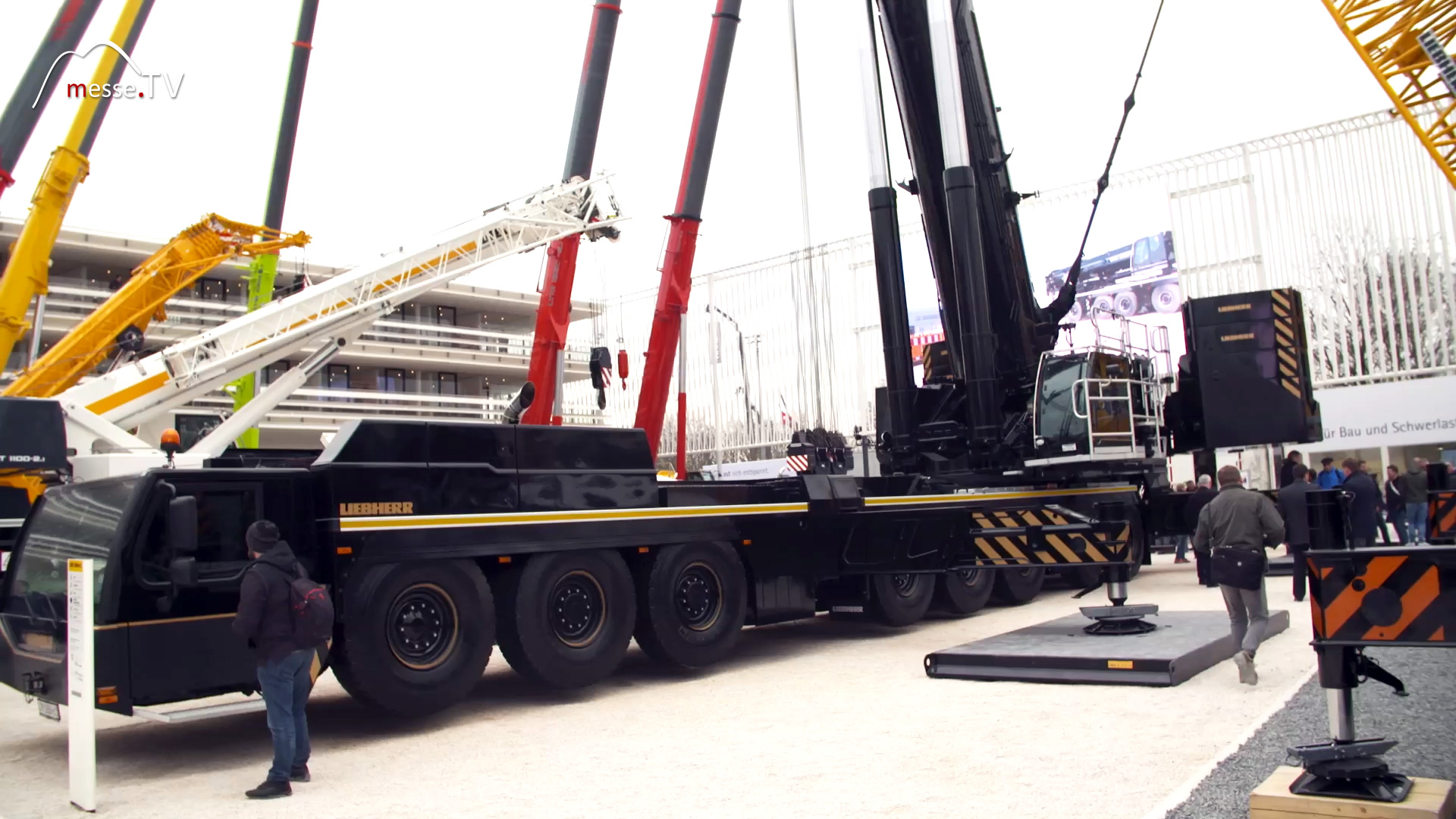
The LTM 1650-8.1 mobile crane is an example of this change and shows how performance data and application possibilities can be combined. The crane belongs to the class of eight-axle mobile cranes and is designed for use in demanding lifting scenarios. Even the basic data make it clear in which segment it operates: 650 tonnes maximum lifting capacity and a variable boom system that can cover different requirements.
Liebherr LTM 1650-8.1 as the successor to an established concept
The LTM 1650-8.1 should not be seen as a completely new development, but rather as a continuation of a proven concept. Liebherr is thus building on a predecessor that has been established on the market for over two decades and has been used in several hundred units worldwide. The new generation adopts basic design principles, but extends them in key areas. On average, the load capacity is around 20 per cent higher than that of the predecessor model. This means that a performance class has been achieved that is relevant both in the classic heavy-duty sector and in specialised applications. The presentation as a prototype shows that the model is still in the final phase of market launch at the time of presentation, but at the same time is already designed for series production.
Telescopic boom with variable length up to 155 metres hook height
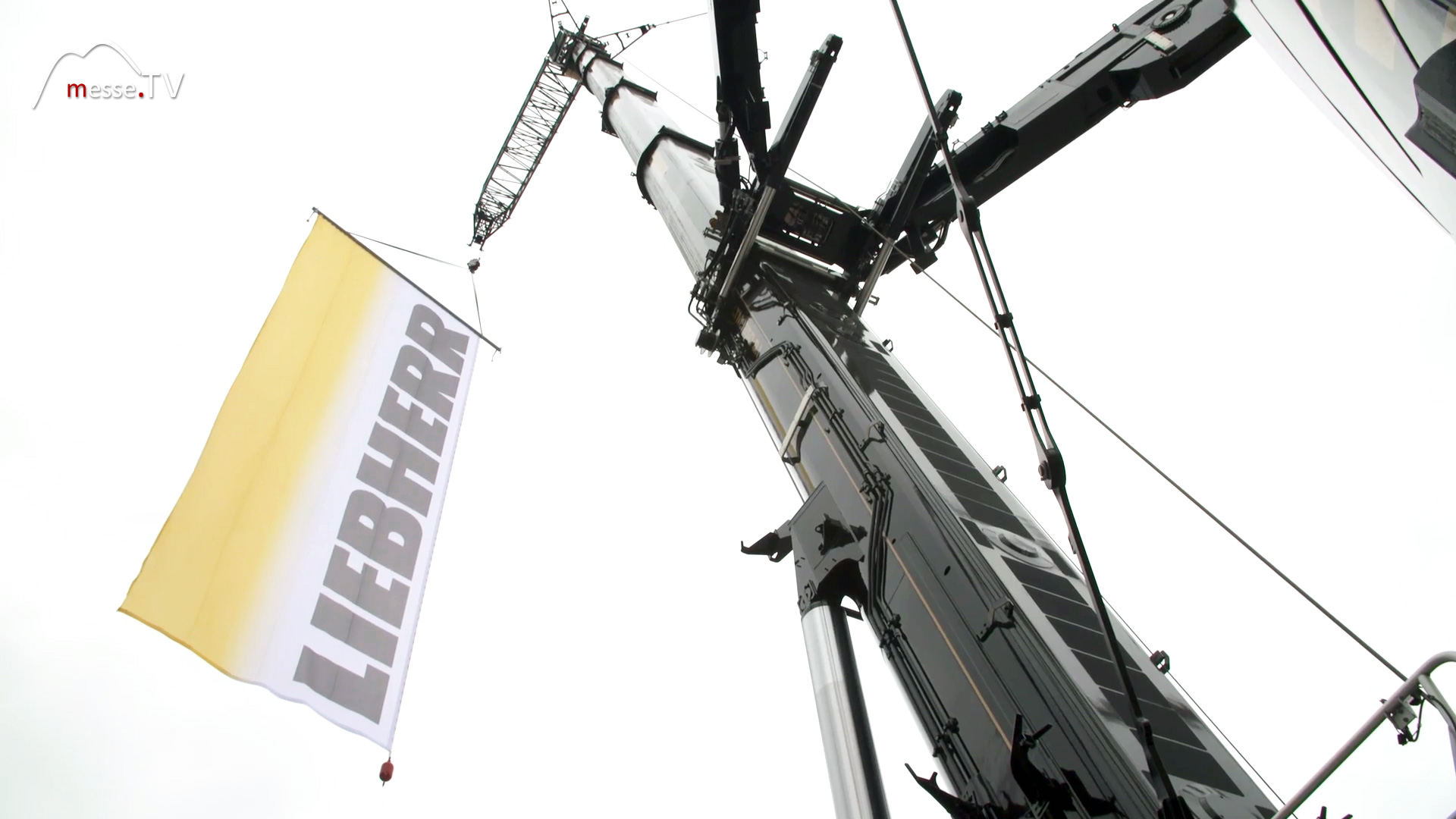
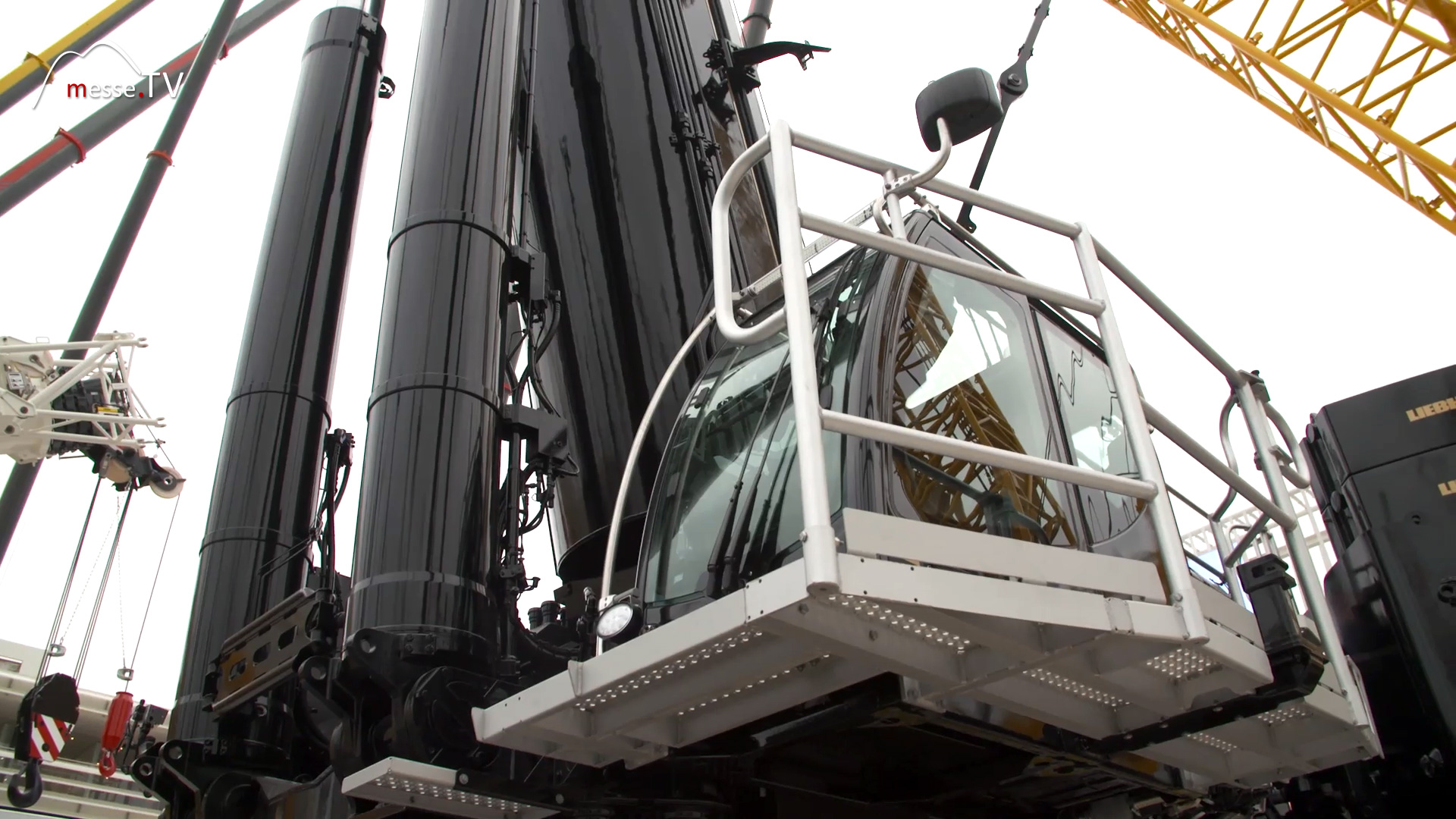
The telescopic boom is a central element of the crane. This is available in two basic versions: 54 metres and 80 metres in length. These differences alone make it possible to adapt to different application profiles. The jib can also be extended using lattice jibs. In the maximum configuration, this results in a hook height of up to 155 metres. This flexibility is crucial, as many projects have different requirements in terms of reach and height. The ability to configure the jib as required makes the crane extremely versatile. At the same time, the basic structure of the system is retained, which simplifies assembly.

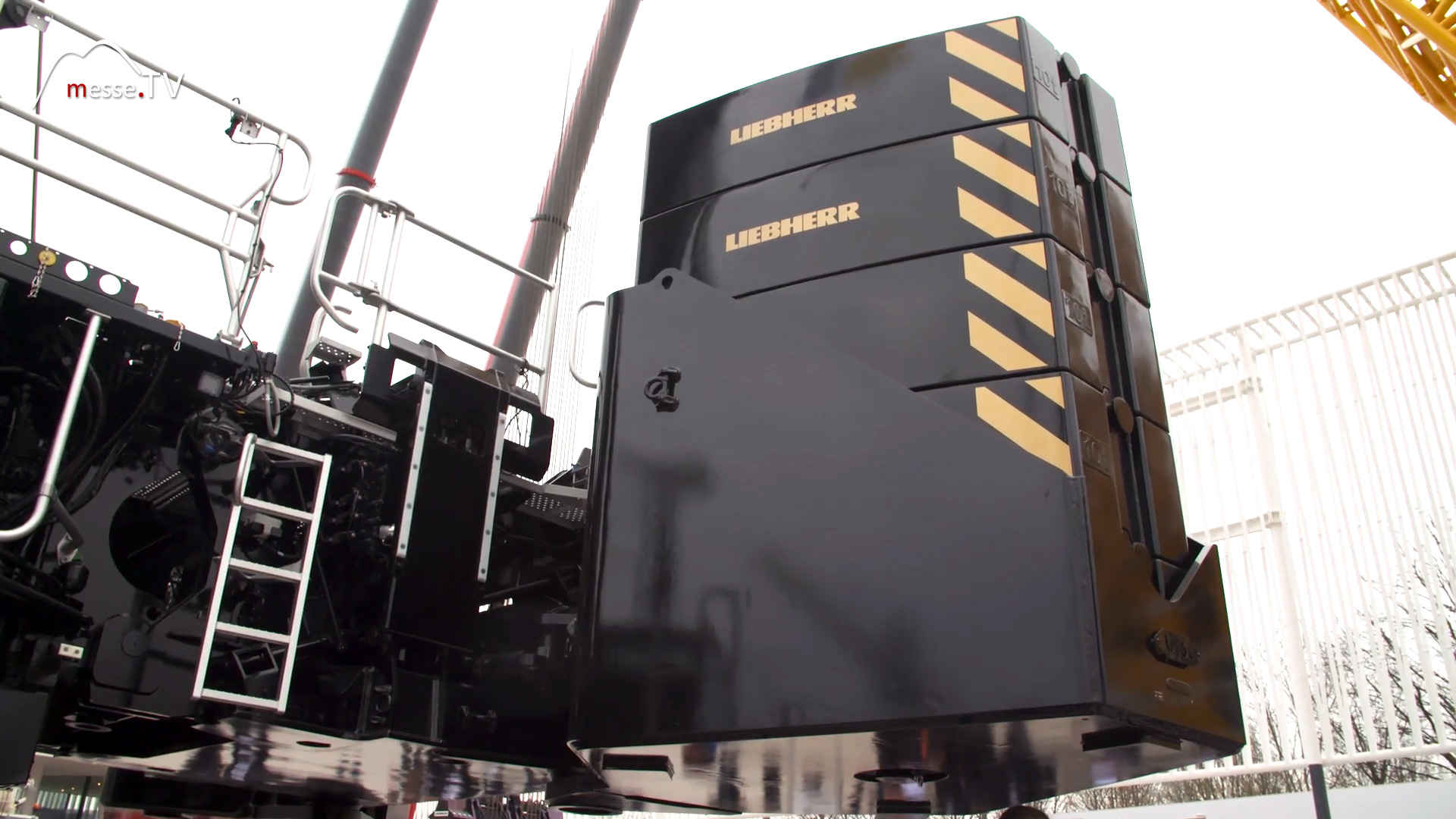
Hydraulically adjustable counterweight for flexible construction sites
One of the most striking technical innovations is the counterweight system. The crane works with a ballast of up to 150 tonnes, the radius of which can be adjusted hydraulically. This principle can be compared to a scale: If the distance of the counterweight is increased, the possible lifting capacity increases for large outreaches. If the radius is reduced, the space required by the crane is reduced. This adaptability is a decisive advantage, especially on cramped construction sites. The crane can thus be used even if the spatial conditions are not ideal. At the same time, the crane's performance is fully maintained if there is sufficient space.
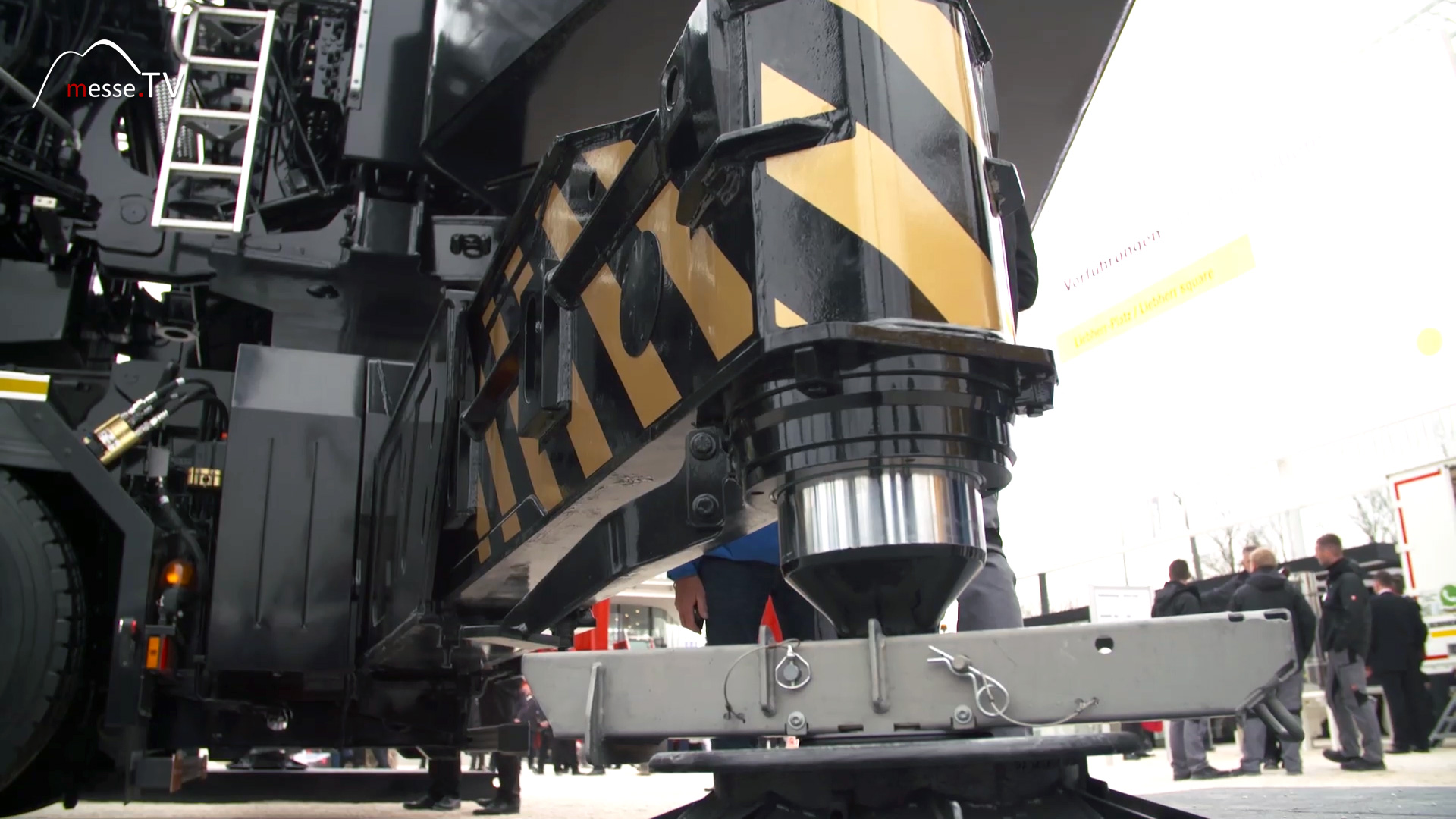
Areas of application in the heavy-duty and infrastructure sector
The crane's performance data also determines its typical areas of application. These include applications in which large loads have to be moved or precisely positioned.
- Heavy load lifting in industrial environments
- Loading work in harbours
- Maintenance and assembly of wind turbines
- Infrastructure projects with complex lifting operations
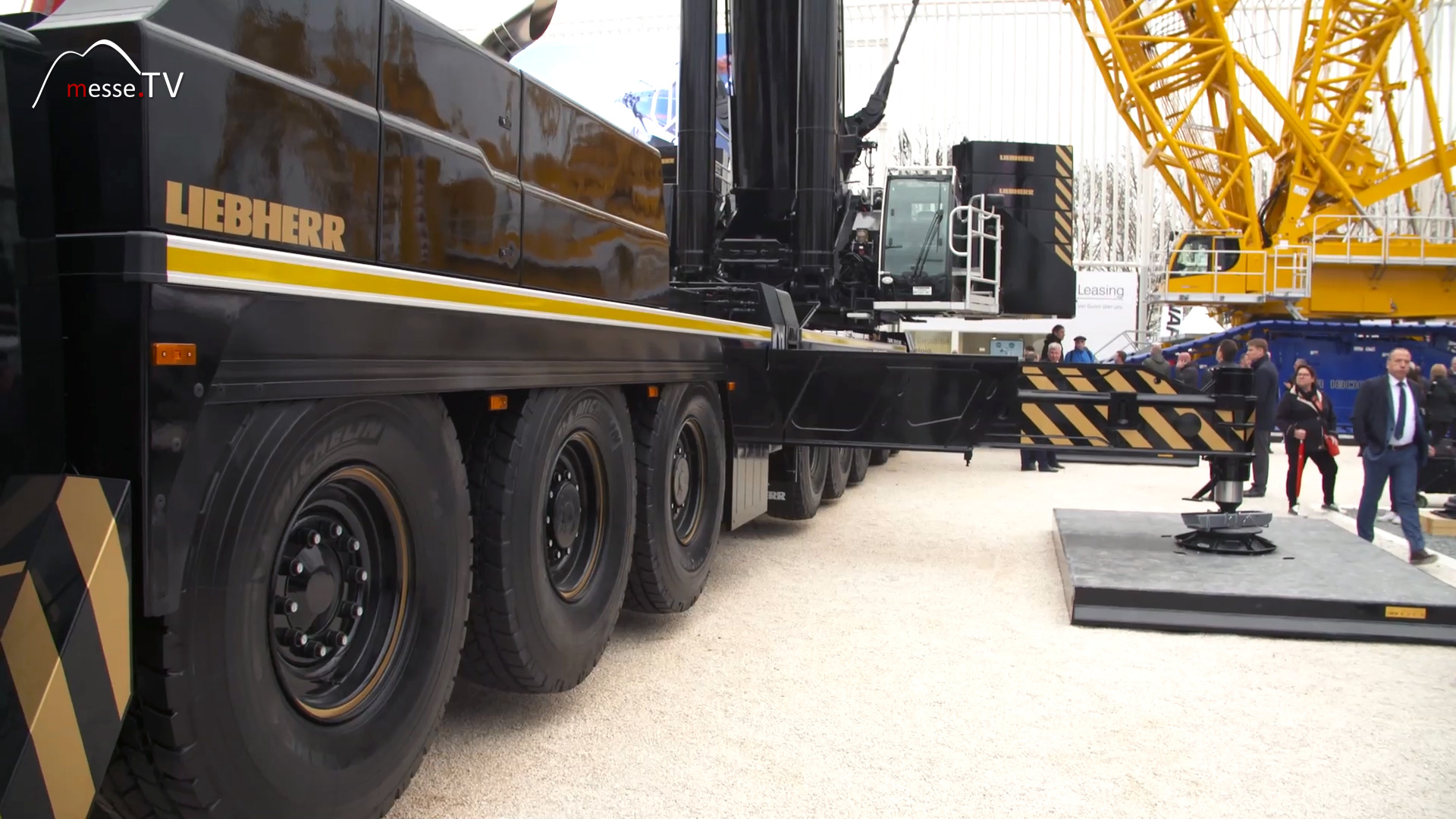
Eight-axle chassis as the basis for mobility
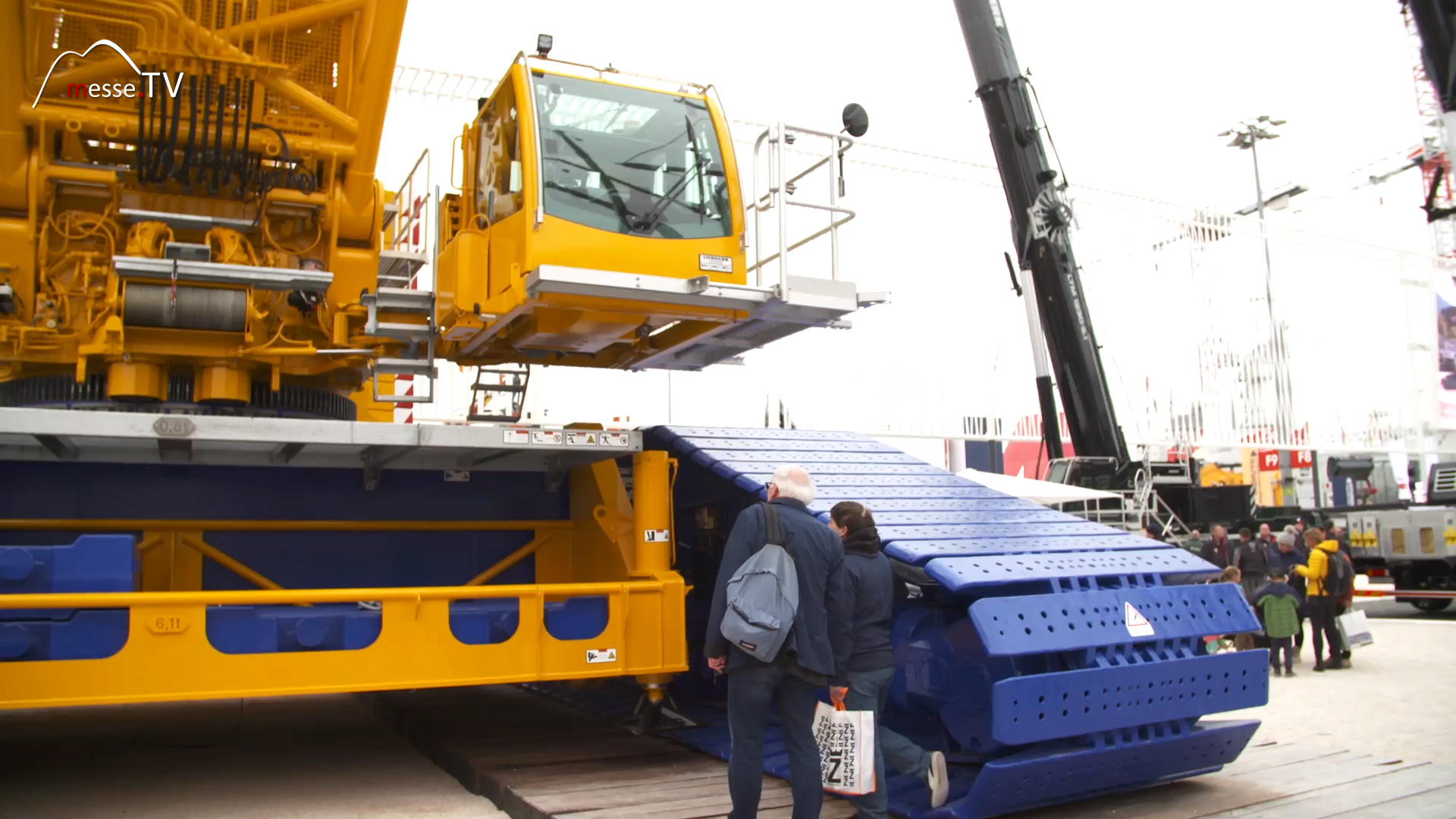
Despite its size, the crane remains mobile. The eight-axle chassis enables it to be transported on public roads, which distinguishes it from stationary crane solutions. This mobility is a major advantage, as the crane can move between different sites without having to be completely dismantled. At the same time, the number of axles ensures that loads are evenly distributed and that legal requirements are met. The crane thus combines two features that are not a matter of course in this performance class: high load capacity and transportability.
Economic classification and market position
With a price range of between around 2.5 and 3.5 million euros, the LTM 1650-8.1 is in a segment that is clearly aimed at professional users. The actual costs depend heavily on the respective equipment and configuration. Liebherr is positioning the crane as the successor to a successful model and is therefore targeting customers who are already working with comparable machines. For this target group, the combination of higher lifting capacity and improved flexibility is a decisive factor. The mobile crane shows how existing concepts can be further developed without changing their basic structure. Increased performance, variable configuration and adaptability to different construction site conditions take centre stage.






Trade fair reporting Germany - Trade fair knowledge, dates & events


