Elektrischer Minibagger für Baustelle und Innenbereiche
Elektrische Baumaschinen galten lange als Nischenlösung für Spezialanwendungen. Inzwischen verändert sich der Markt jedoch spürbar. Vor allem bei kompakten Maschinen wächst das Interesse an batterieelektrischen Konzepten, die ohne lokale Emissionen arbeiten und gleichzeitig deutlich leiser sind als konventionelle Dieselmodelle.
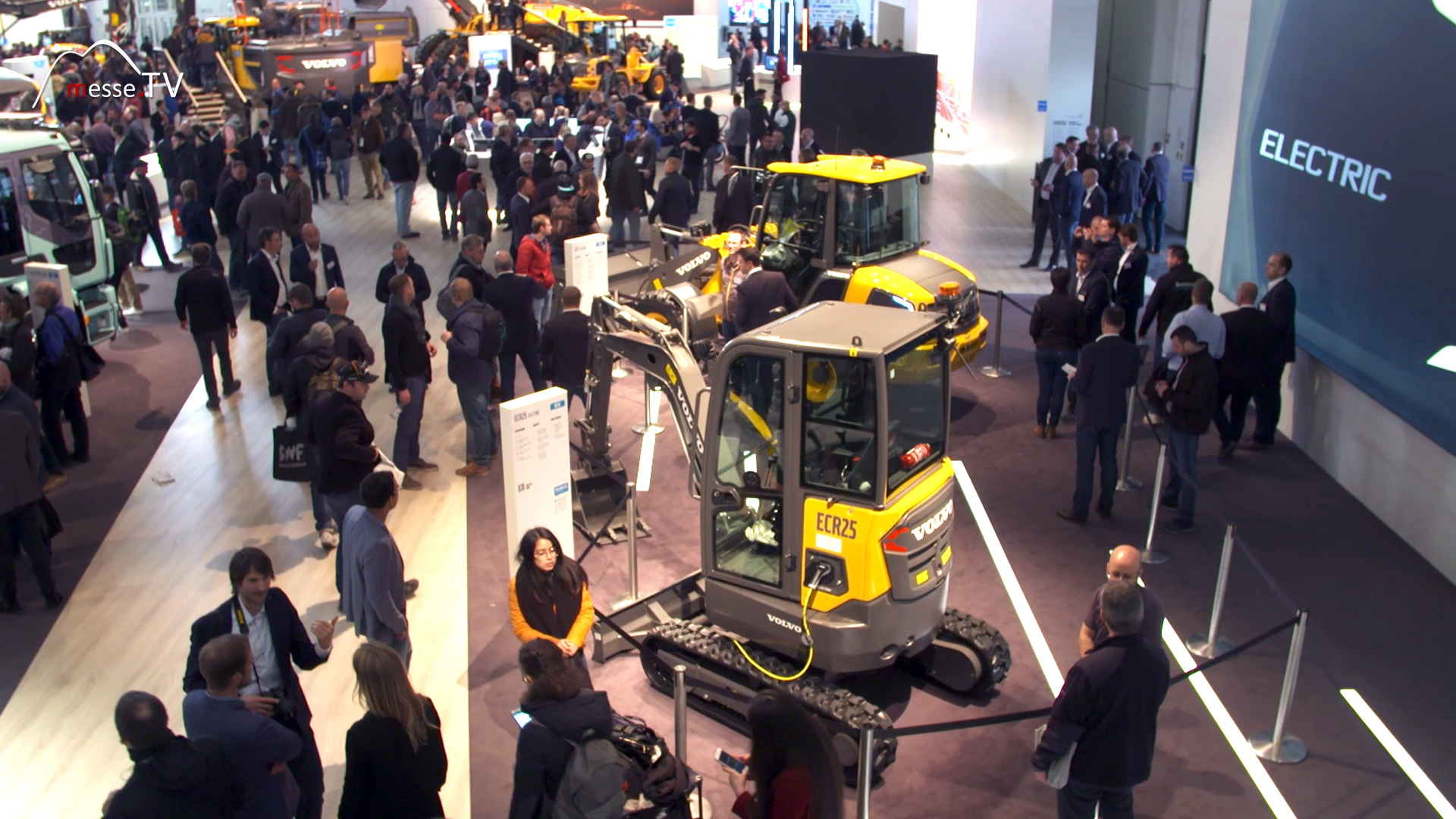
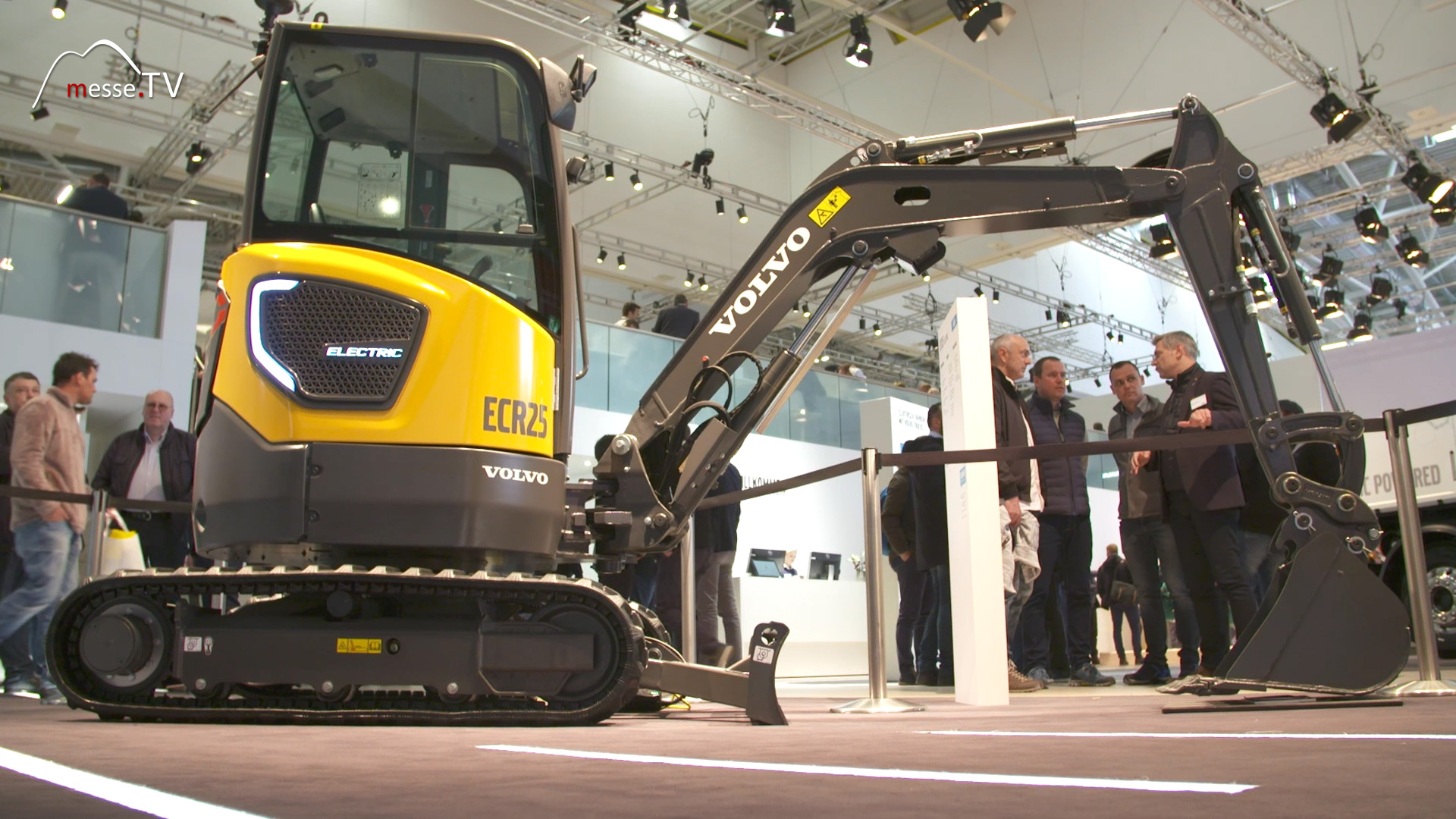
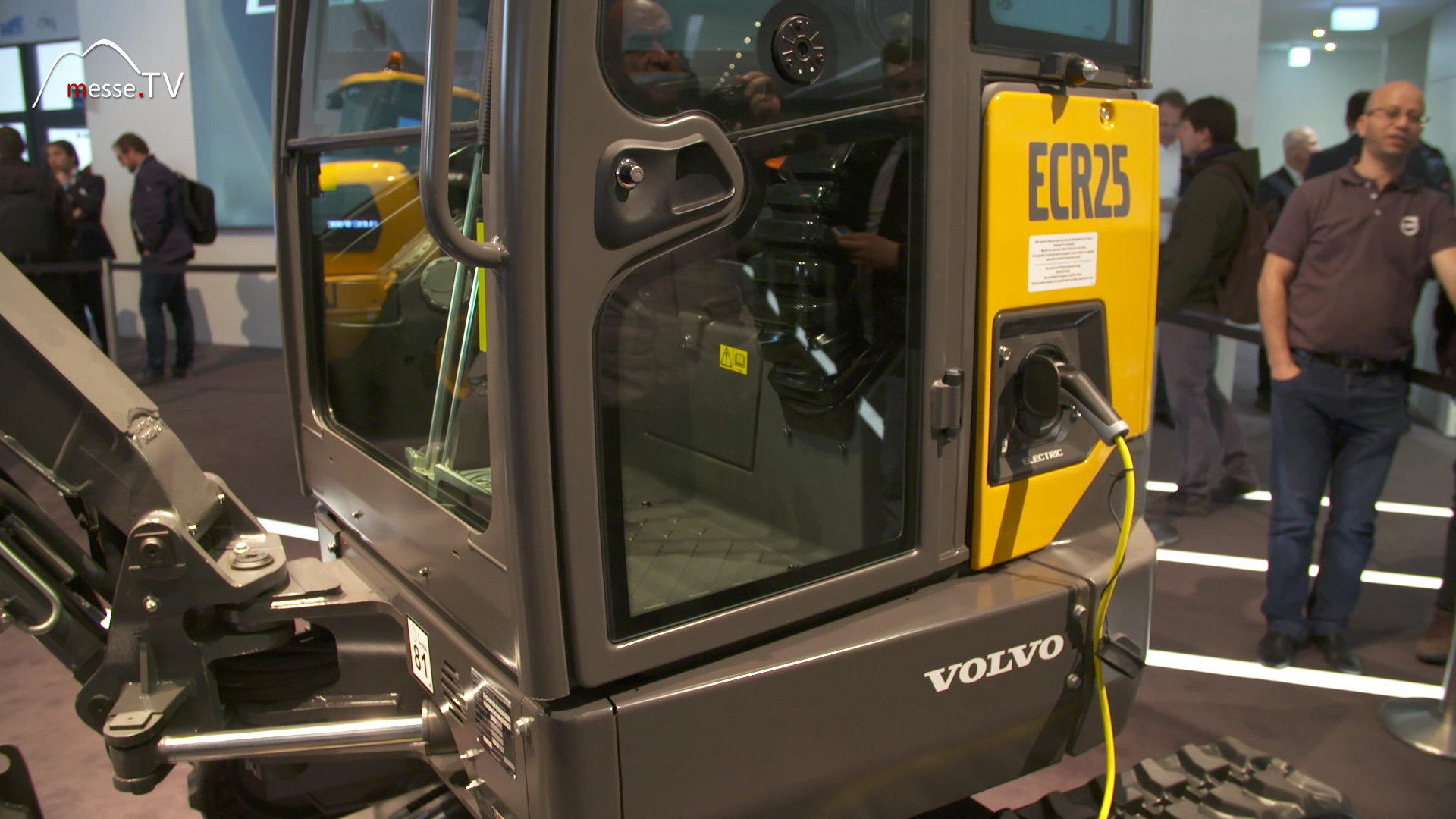
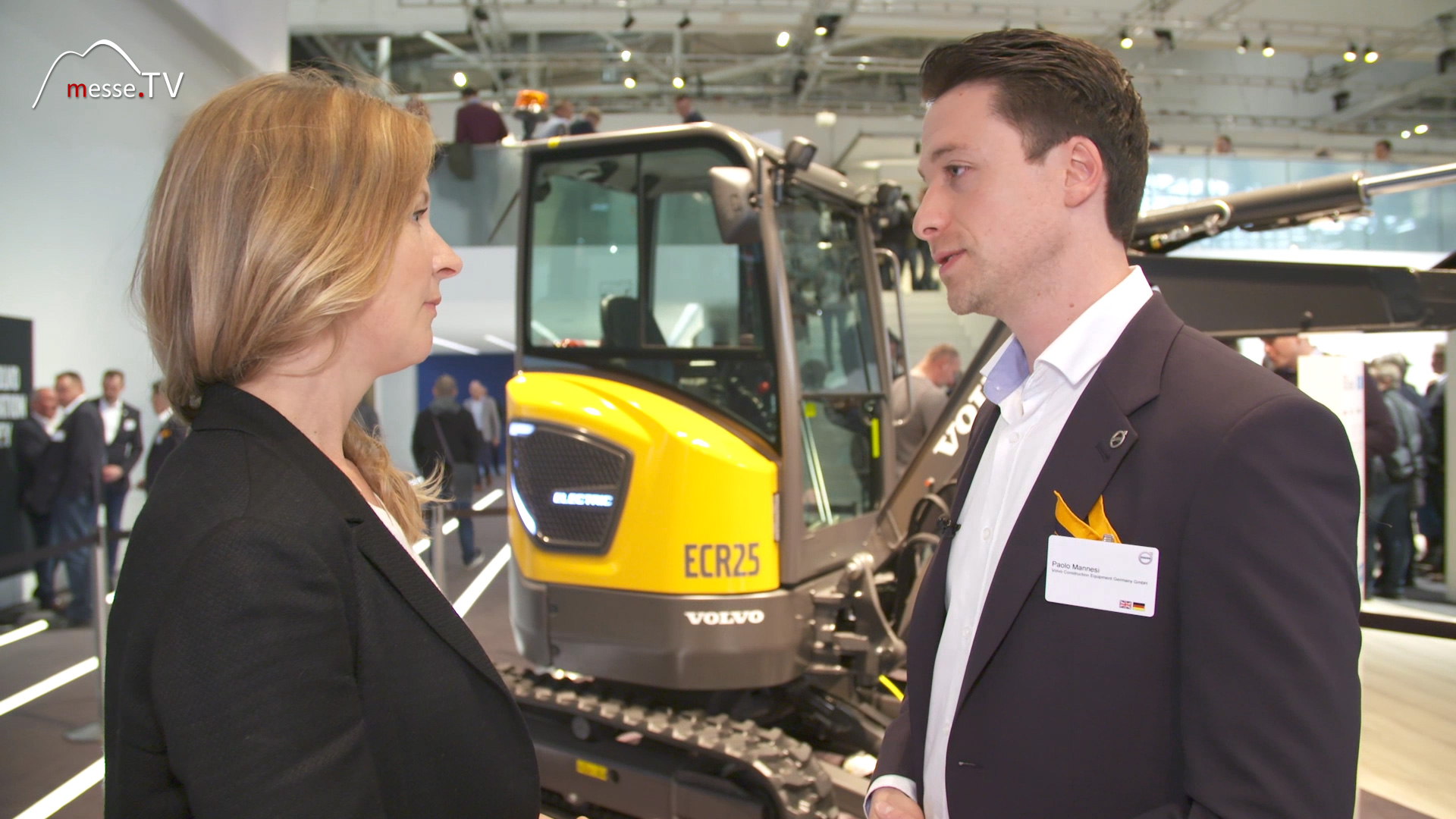
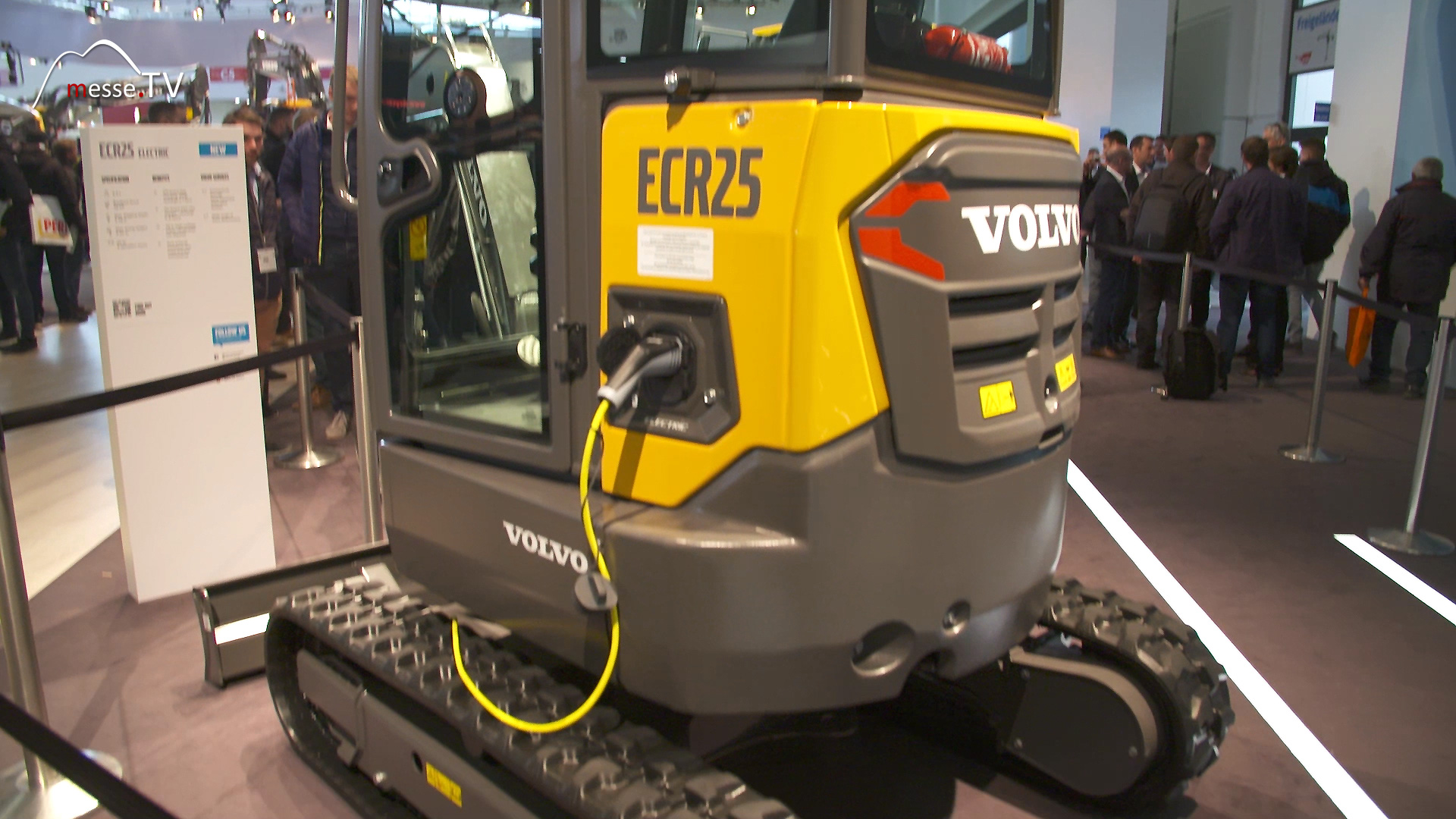
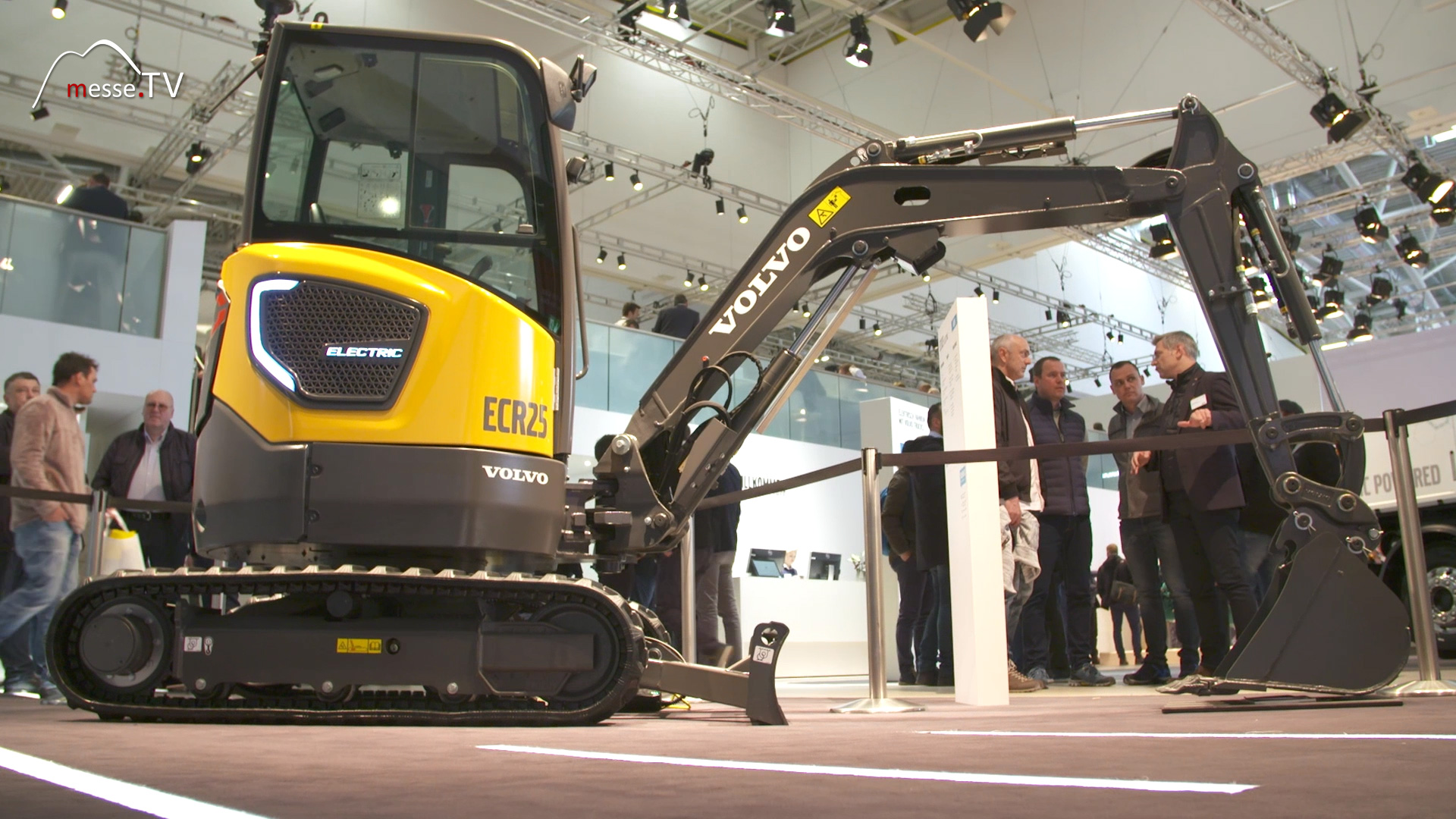
Auf der bauma in München zeigt Volvo einen elektrischen Minibagger, der genau auf diese Anforderungen zugeschnitten ist. Im Mittelpunkt steht ein kompakter Bagger mit einem Einsatzgewicht von rund zweieinhalb Tonnen. Das Fahrzeug gehört zur wachsenden Electric-Baureihe des Herstellers und richtet sich vor allem an Anwendungen im urbanen Raum, im Garten- und Landschaftsbau sowie an Einsätze innerhalb geschlossener Gebäude. Gerade dort verändern strengere Umweltauflagen, Lärmschutzvorgaben und neue Anforderungen an Baustellenorganisation derzeit den Markt deutlich. Elektrische Kompaktmaschinen gelten deshalb zunehmend als praktische Lösung für Bereiche, in denen klassische Dieselmaschinen an Grenzen stoßen.
Volvo setzt auf elektrische Kompaktmaschinen
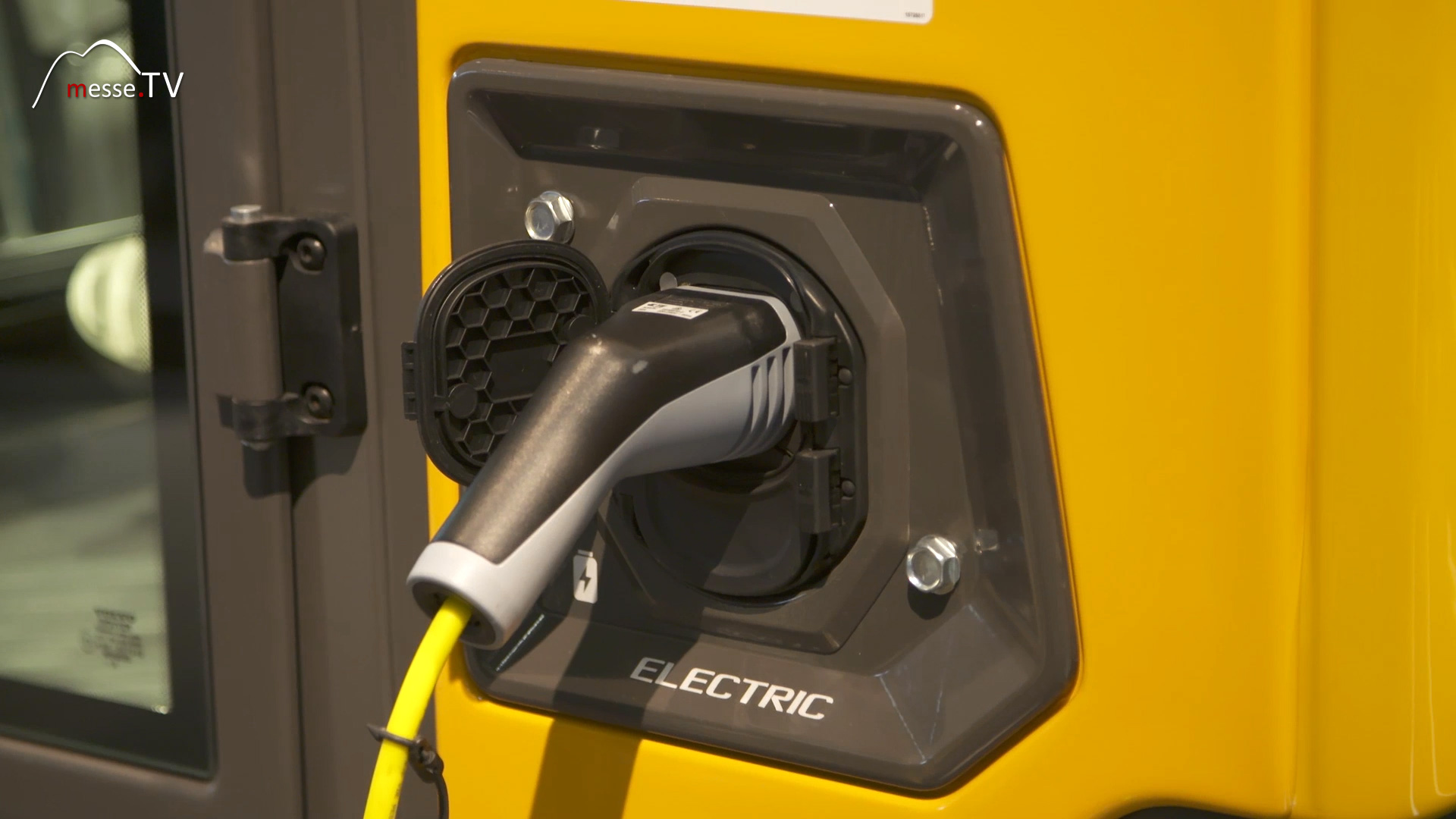
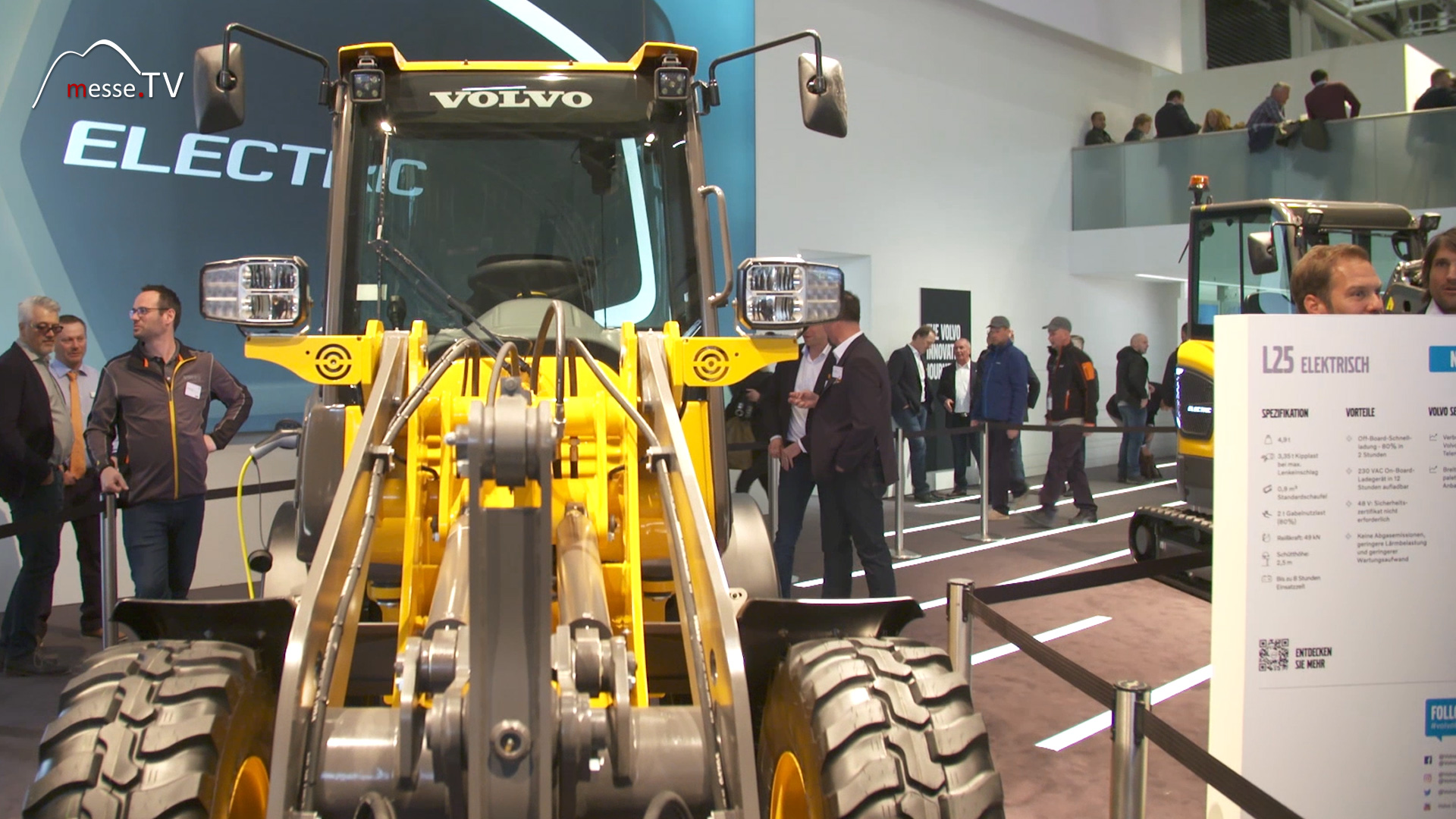
Der gezeigte Minibagger folgt derselben Strategie wie der ebenfalls vorgestellte elektrische Radlader des Herstellers. Beide Maschinen sollen typische Vorteile batterieelektrischer Antriebe in kompakte Baugeräte übertragen. Nach Angaben des Unternehmens arbeitet der Bagger vollständig ohne lokale Emissionen. Gleichzeitig reduziert sich die Geräuschentwicklung deutlich gegenüber vergleichbaren konventionellen Maschinen. Gerade auf innerstädtischen Baustellen gewinnt dieser Punkt zunehmend an Bedeutung.
Viele Kommunen verschärfen derzeit Vorgaben für lärmintensive Arbeiten. Hinzu kommen Baustellen in sensiblen Bereichen wie Wohnquartieren, Innenhöfen oder öffentlichen Einrichtungen. Dort können leisere Maschinen Arbeitszeiten flexibler gestalten und die Belastung für Anwohner reduzieren. Auch wirtschaftlich verändert die Elektrifizierung die Kalkulation vieler Betreiber. Elektroantriebe besitzen weniger wartungsintensive Komponenten als klassische Verbrennungsmotoren. Ölwechsel, komplexe Abgasnachbehandlung oder zahlreiche mechanische Verschleißteile entfallen teilweise vollständig.

Kompakte Bauweise erweitert die Einsatzmöglichkeiten
Besonders wichtig ist bei solchen Maschinen die Kombination aus kompakter Bauform und elektrischem Antrieb. Gerade kleinere Baustellen verfügen häufig über begrenzte Platzverhältnisse, enge Zufahrten oder sensible Arbeitsbereiche. Der vorgestellte Minibagger soll deshalb bewusst vielseitig einsetzbar sein. Genannt werden klassische Baustellen ebenso wie Anwendungen im Garten- und Landschaftsbau. Hinzu kommen Einsätze in Hallen oder anderen geschlossenen Bereichen. Gerade sogenannte Indoor-Applikationen gelten als wachsender Markt für elektrische Baumaschinen. In geschlossenen Räumen entstehen bei Dieselmaschinen Probleme durch Abgase, Belüftung und Lärmbelastung. Elektrische Maschinen können dort deutlich einfacher eingesetzt werden. Wichtige Eigenschaften des vorgestellten Minibaggers:
- elektrischer Antrieb ohne lokale Emissionen
- reduzierte Geräuschentwicklung im Betrieb
- kompakte Bauweise für enge Einsatzorte
- Einsatzgewicht von rund 2,5 Tonnen
- geeignet für Baustellen, Landschaftsbau und Innenbereiche
Innenstädte verändern die Anforderungen an Baumaschinen
Der Wandel betrifft längst nicht mehr nur technische Innovationen, sondern auch die Organisation moderner Baustellen. Städte wachsen dichter zusammen, Bauprojekte rücken näher an Wohngebiete und gleichzeitig steigen die Anforderungen an Emissionsschutz und Nachhaltigkeit. Elektrische Kompaktmaschinen könnten deshalb vor allem dort interessant werden, wo klassische Baugeräte an regulatorische oder praktische Grenzen stoßen. Dazu zählen Nachtbaustellen, Arbeiten in sensiblen Innenstadtbereichen oder Einsätze in Gebäuden. Hinzu kommt ein weiterer Faktor: Viele Auftraggeber berücksichtigen inzwischen Nachhaltigkeitskriterien bei Ausschreibungen. Maschinen ohne lokale Emissionen können dort zunehmend ein Wettbewerbsvorteil sein. Allerdings bleiben batterieelektrische Baumaschinen weiterhin stark vom jeweiligen Einsatzprofil abhängig. Arbeitsdauer, Ladeinfrastruktur und Energieversorgung auf Baustellen spielen eine entscheidende Rolle für die tatsächliche Praxistauglichkeit.

Elektrifizierung erreicht zunehmend kleinere Baumaschinen
Die Präsentation auf der bauma zeigt einen größeren Trend innerhalb der Branche. Während schwere Baugeräte mit hohem Energiebedarf weiterhin schwierig zu elektrifizieren sind, entwickeln sich kompakte Maschinen zunehmend zum Vorreiter der Transformation. Minibagger, kleine Radlader oder kompakte Transportfahrzeuge eignen sich vergleichsweise gut für batterieelektrische Konzepte. Die Maschinen arbeiten häufig mit kürzeren Einsatzzeiten, niedrigeren Geschwindigkeiten und planbaren Arbeitszyklen. Gerade deshalb entstehen derzeit immer mehr elektrische Lösungen in diesem Segment. Hersteller reagieren damit nicht nur auf politische Vorgaben, sondern auch auf veränderte Anforderungen vieler Baustellenbetreiber. Der vorgestellte elektrische Minibagger verdeutlicht dabei, wie stark sich die Branche derzeit verändert. Elektrische Antriebe werden zunehmend nicht mehr als Experiment betrachtet, sondern als reguläre Alternative für bestimmte Einsatzbereiche.


Messe-Berichterstattung bundesweit - Messewissen, Termine & Veranstaltungen


