Radlader WA475-10 mit effizientem Getriebe und Bedienung
von Bastian Velonavy - 2024-02-13Radlader müssen im täglichen Einsatz zwei Anforderungen gleichzeitig erfüllen: hohe Produktivität und möglichst niedrige Betriebskosten. Gerade in Bereichen wie Sand- und Kiesgewinnung, Recycling oder schwerem Erdbau entscheidet diese Kombination über die Wirtschaftlichkeit eines Projekts.
Mit dem Modell WA475-10 wird ein Ansatz verfolgt, der genau auf diese Anforderungen ausgerichtet ist. Die Entwicklung richtet sich gezielt an den europäischen Markt. Dabei stehen typische Einsatzprofile im Vordergrund, die sowohl Leistungsfähigkeit als auch Effizienz verlangen. Gleichzeitig spielt die Bedienbarkeit eine zunehmend wichtige Rolle, da qualifizierte Fahrer nicht überall in ausreichender Zahl verfügbar sind.
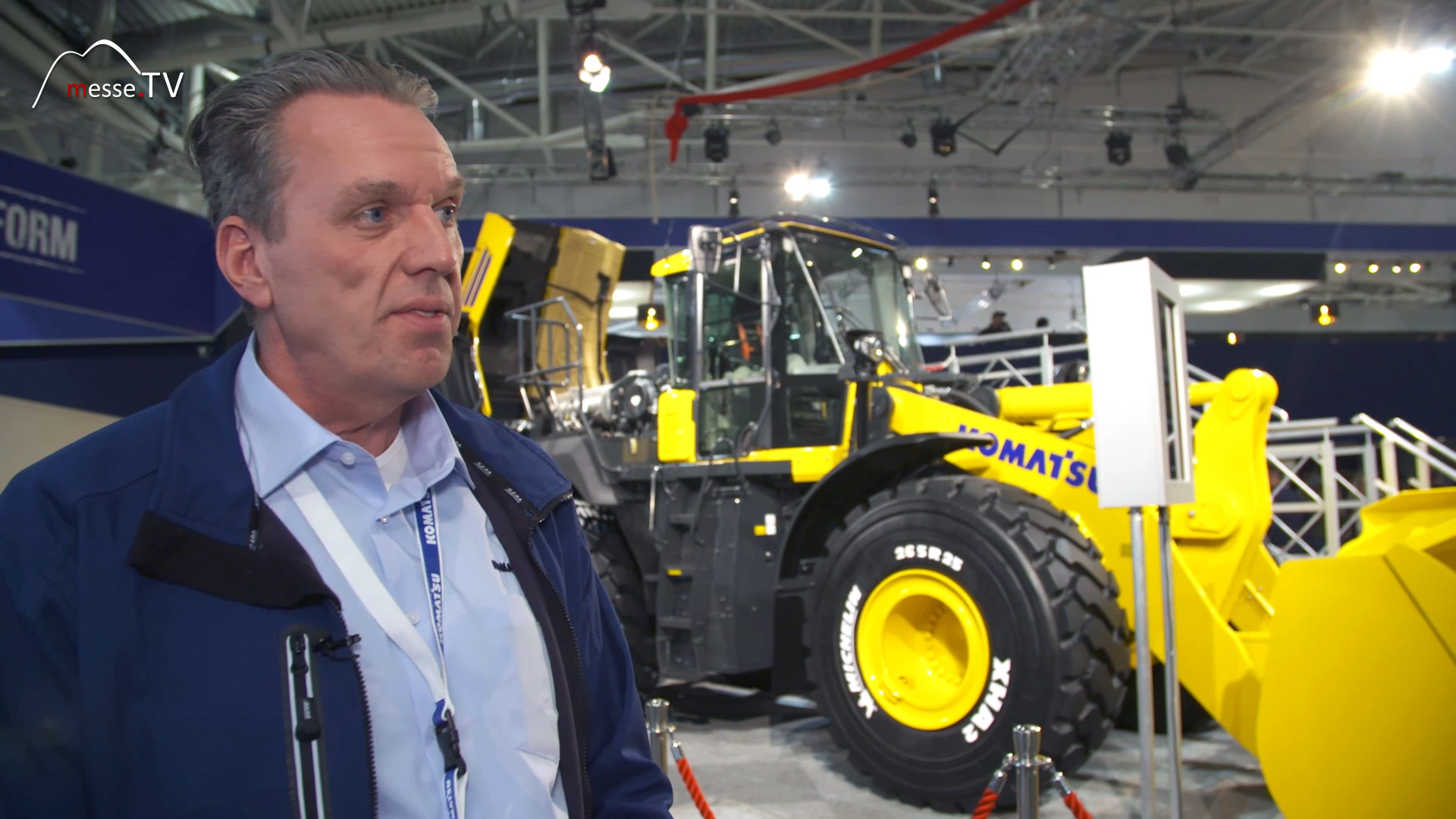
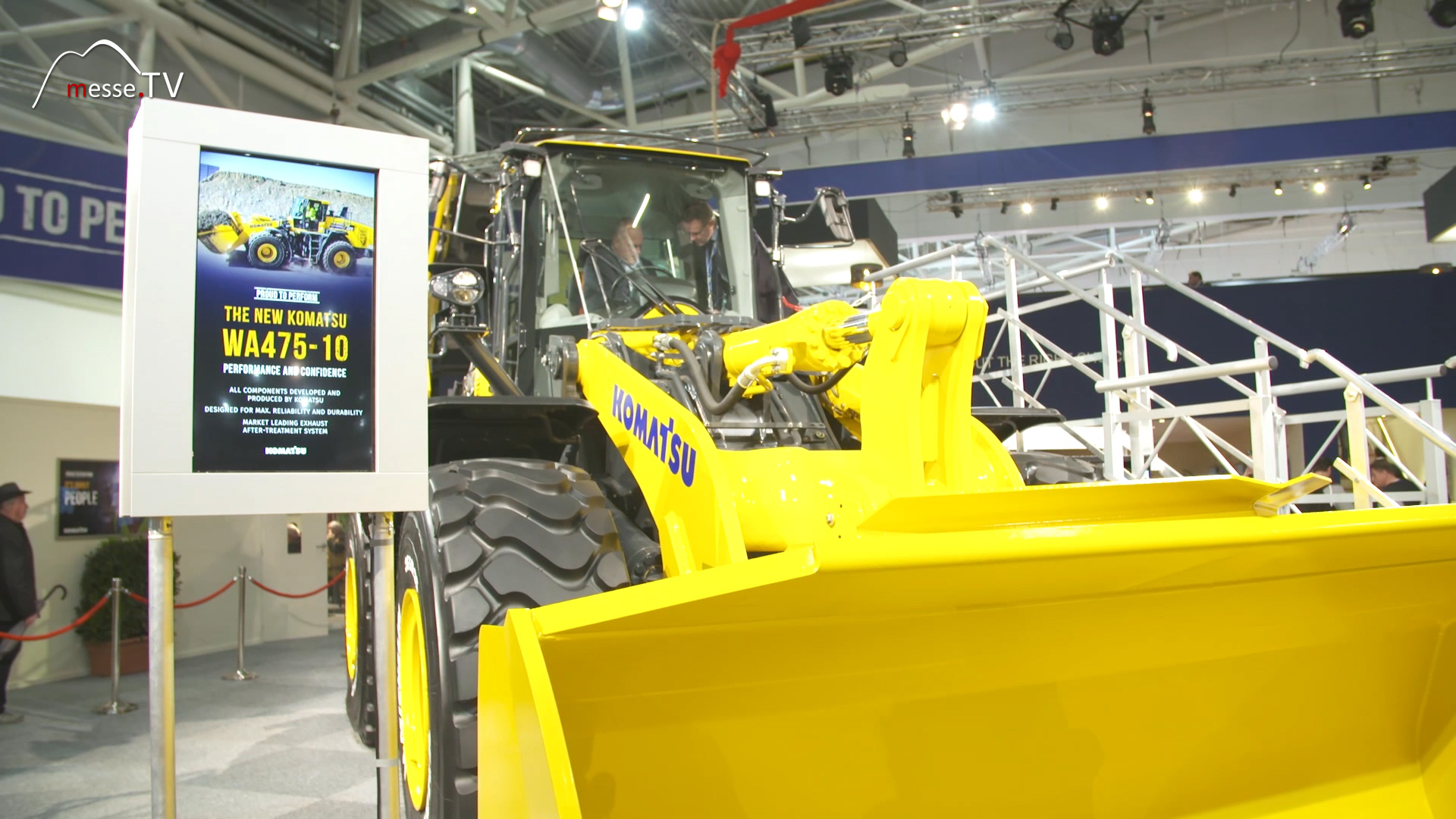
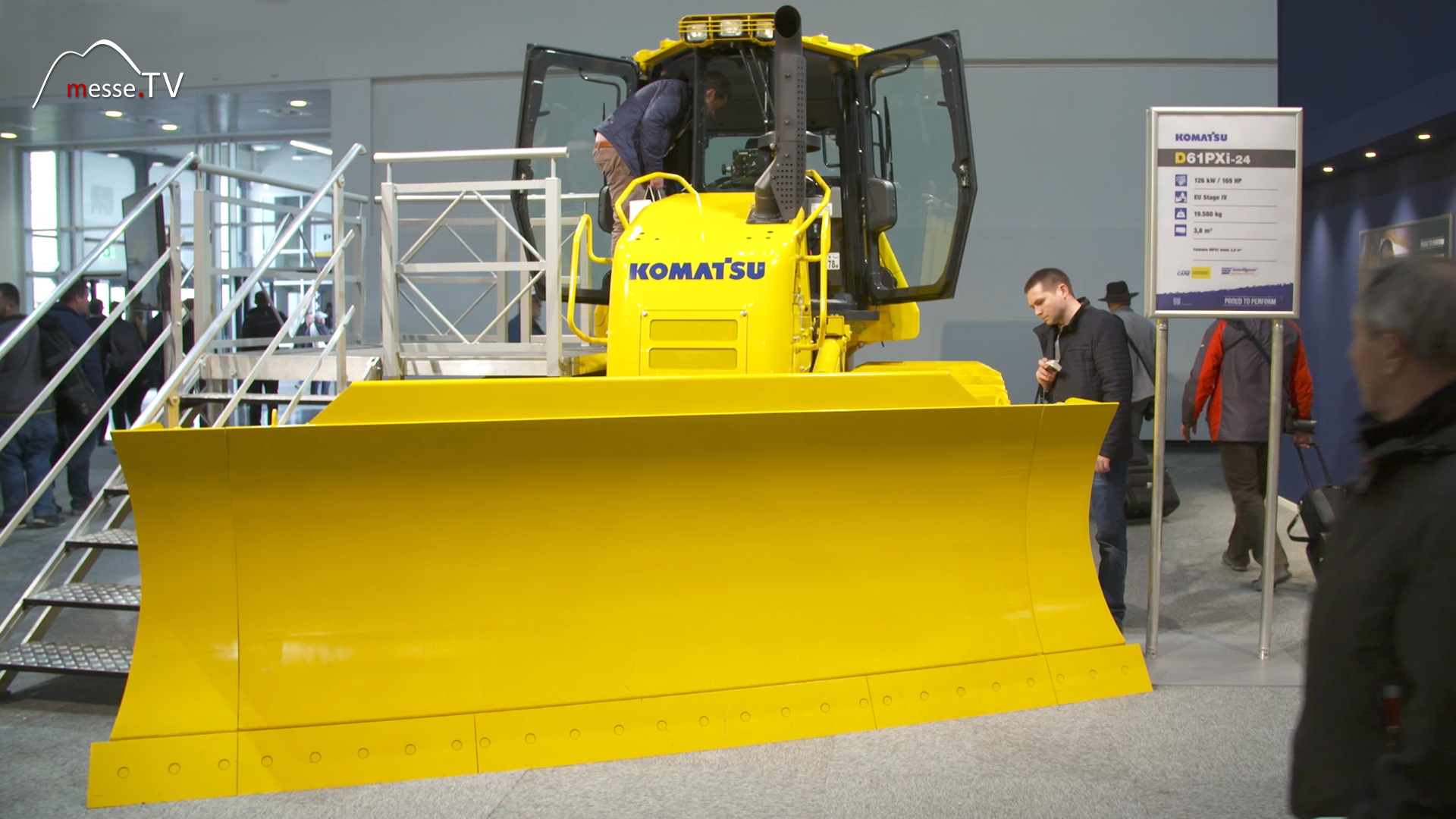
Komatsu WA475-10 Radlader für europäische Einsatzbereiche
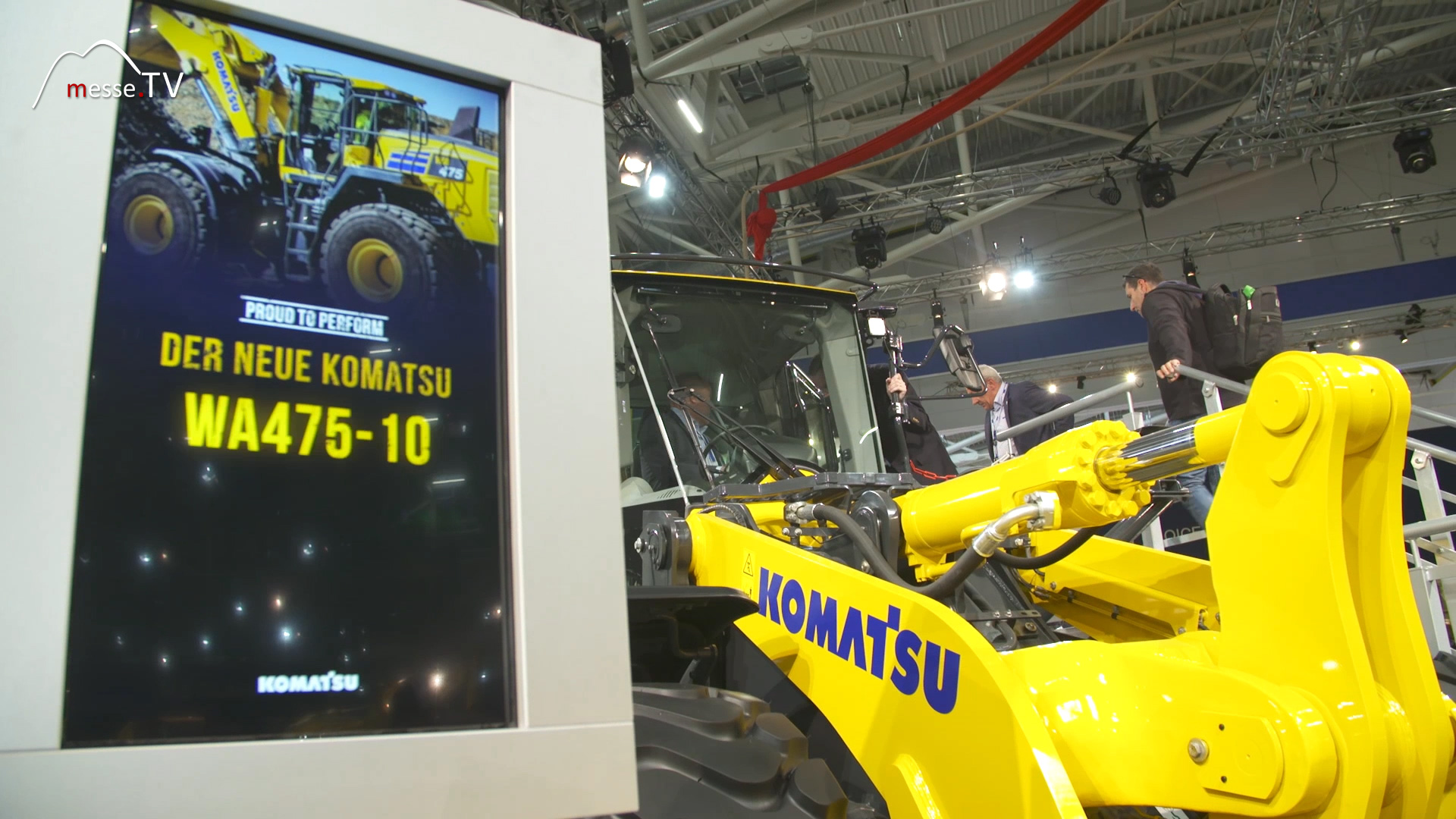
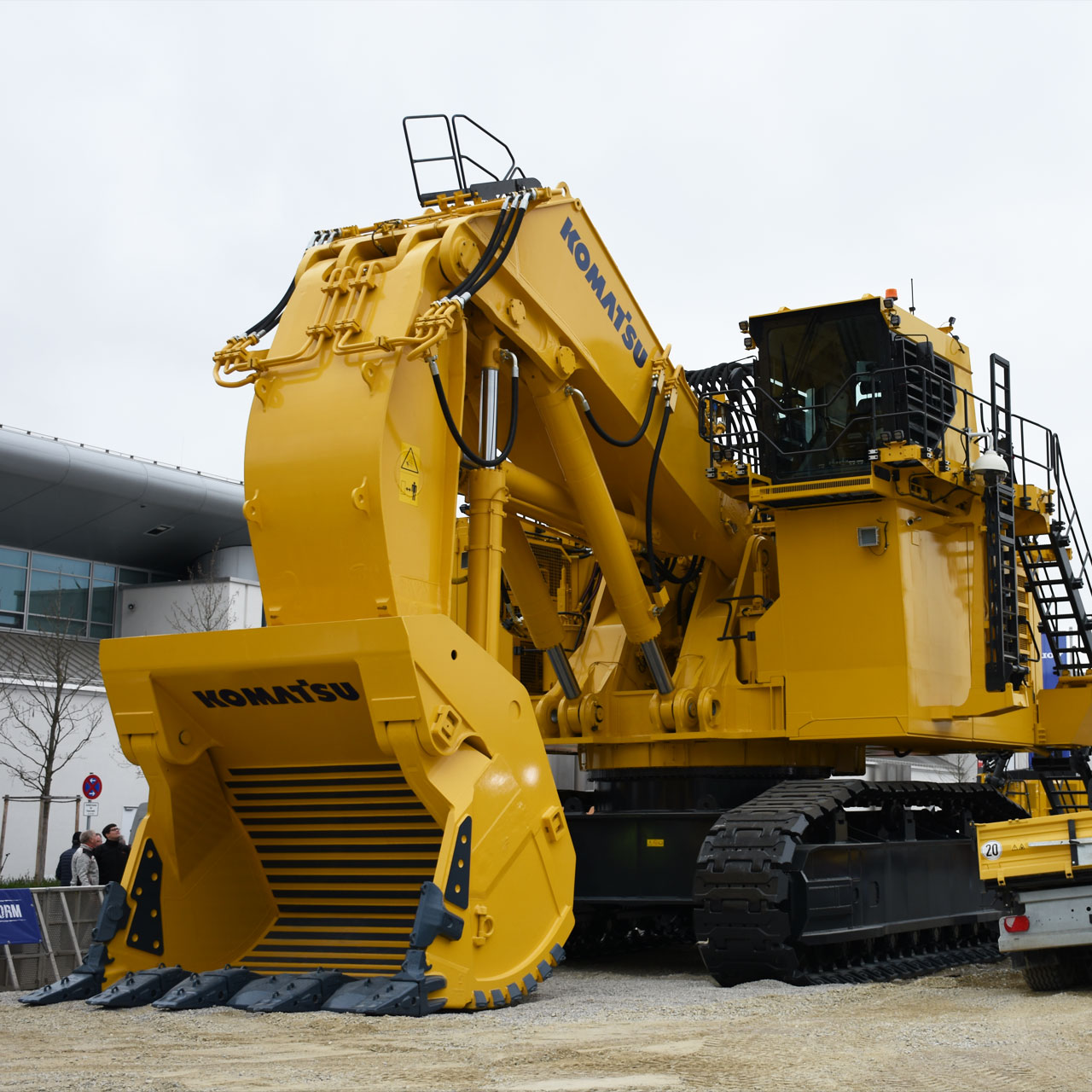
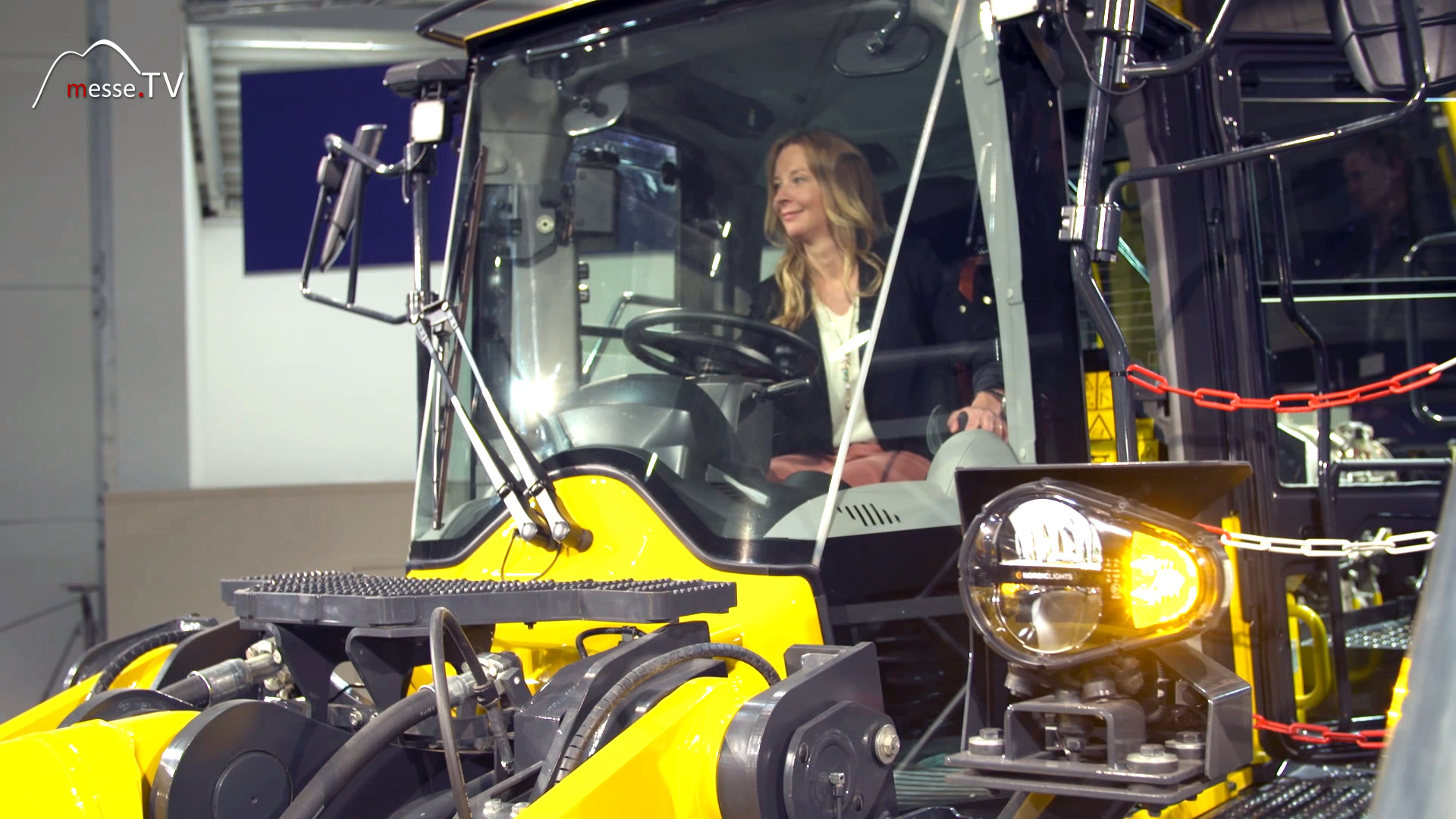
Mit dem WA475-10 präsentiert Komatsu ein Modell, das speziell auf die Anforderungen europäischer Kunden abgestimmt wurde. Der Fokus liegt auf einer ausgewogenen Kombination aus niedrigen Betriebskosten, hoher Produktivität und einfacher Bedienung. Die Maschine ist für unterschiedliche Anwendungen konzipiert. Dazu zählen klassische Bereiche wie Sand- und Kiesabbau ebenso wie Recyclingprozesse oder Materialumschlag. Auch im schweren Erdbau kommt der Radlader zum Einsatz. Diese Bandbreite zeigt, dass das Modell nicht für einen einzelnen Anwendungsfall entwickelt wurde, sondern als universelle Lösung innerhalb seiner Leistungsklasse gedacht ist.
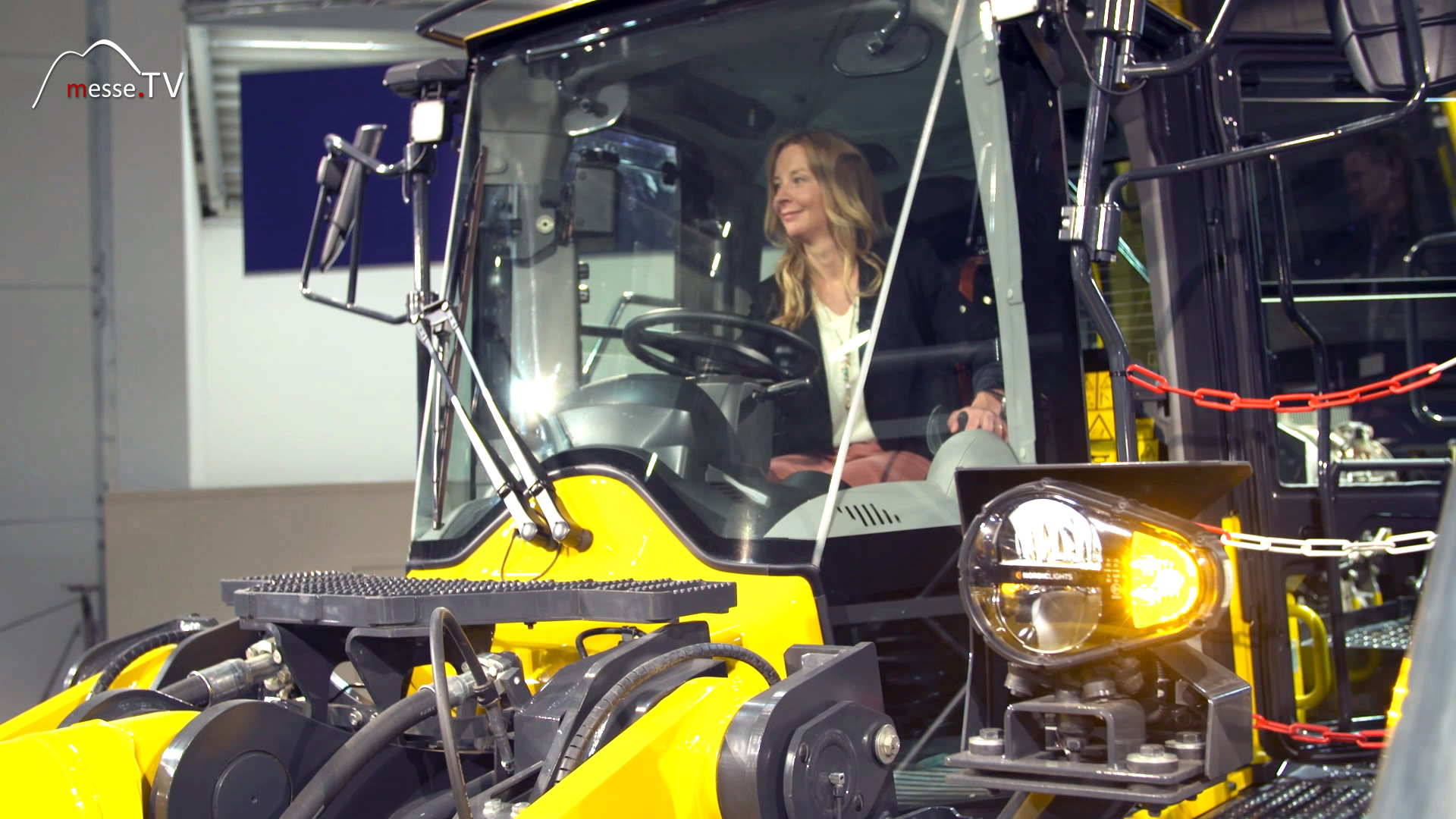
Lastverzweigtes Getriebe reduziert Motordrehzahl und Verbrauch
Ein zentrales Element der technischen Entwicklung ist ein neues, lastverzweigtes Getriebe. Es kombiniert zwei unterschiedliche Leistungspfade: einen hydrostatischen und einen direkten mechanischen Pfad. Das System wählt automatisch den jeweils passenden Antrieb, abhängig von der aktuellen Einsatzsituation. Dadurch wird die Motordrehzahl im gesamten Arbeitsbereich reduziert. Eine geringere Drehzahl wirkt sich direkt auf den Kraftstoffverbrauch aus. Der Effekt ist klar messbar: Weniger Drehzahl bedeutet geringerer Verbrauch, ohne dass die Leistungsfähigkeit der Maschine eingeschränkt wird. Das Getriebe übernimmt dabei die Aufgabe, den optimalen Betriebsmodus selbstständig zu bestimmen.

Überarbeitete Arbeitshydraulik steigert Hubkraft und Ausbrechkraft
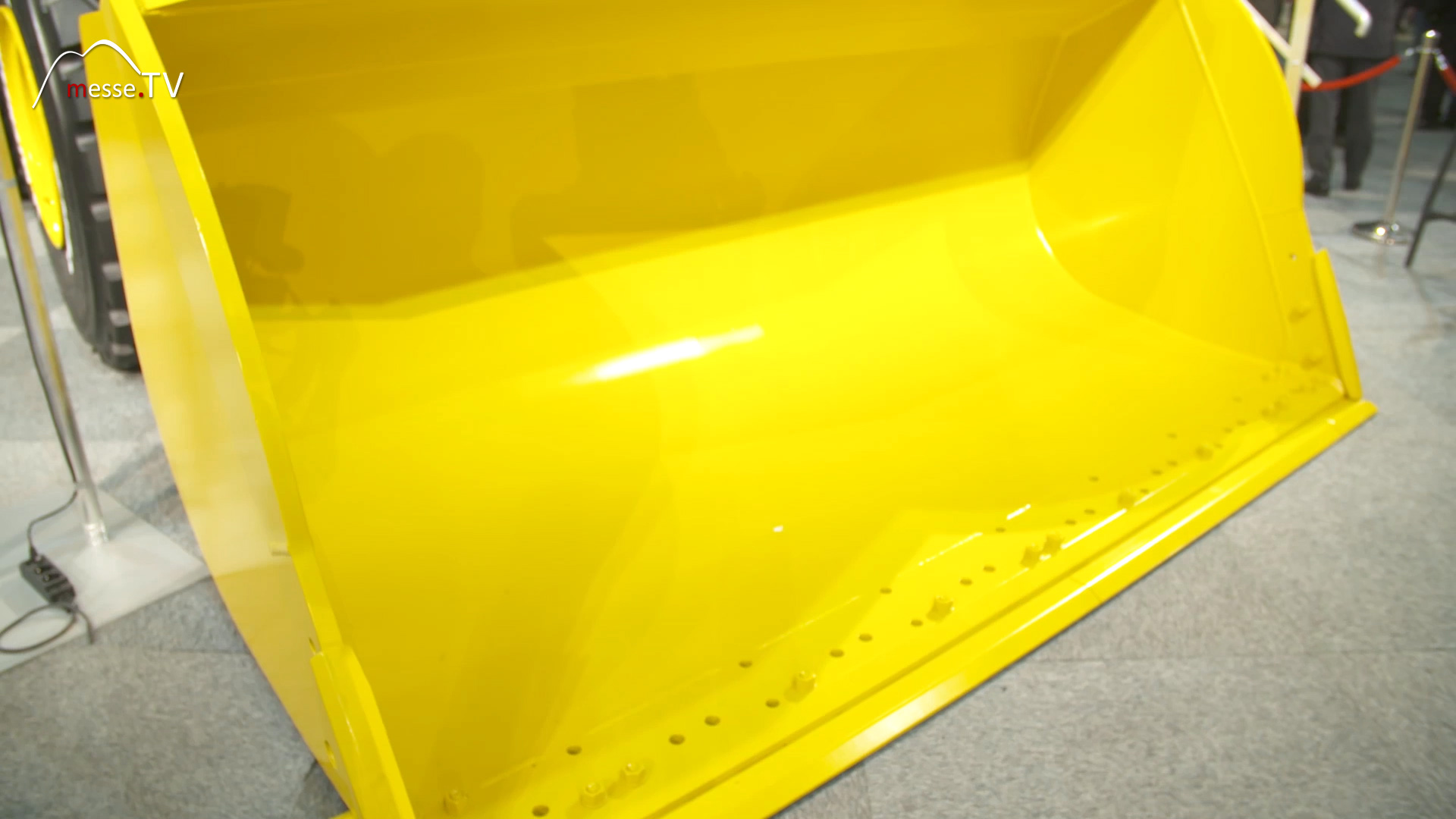
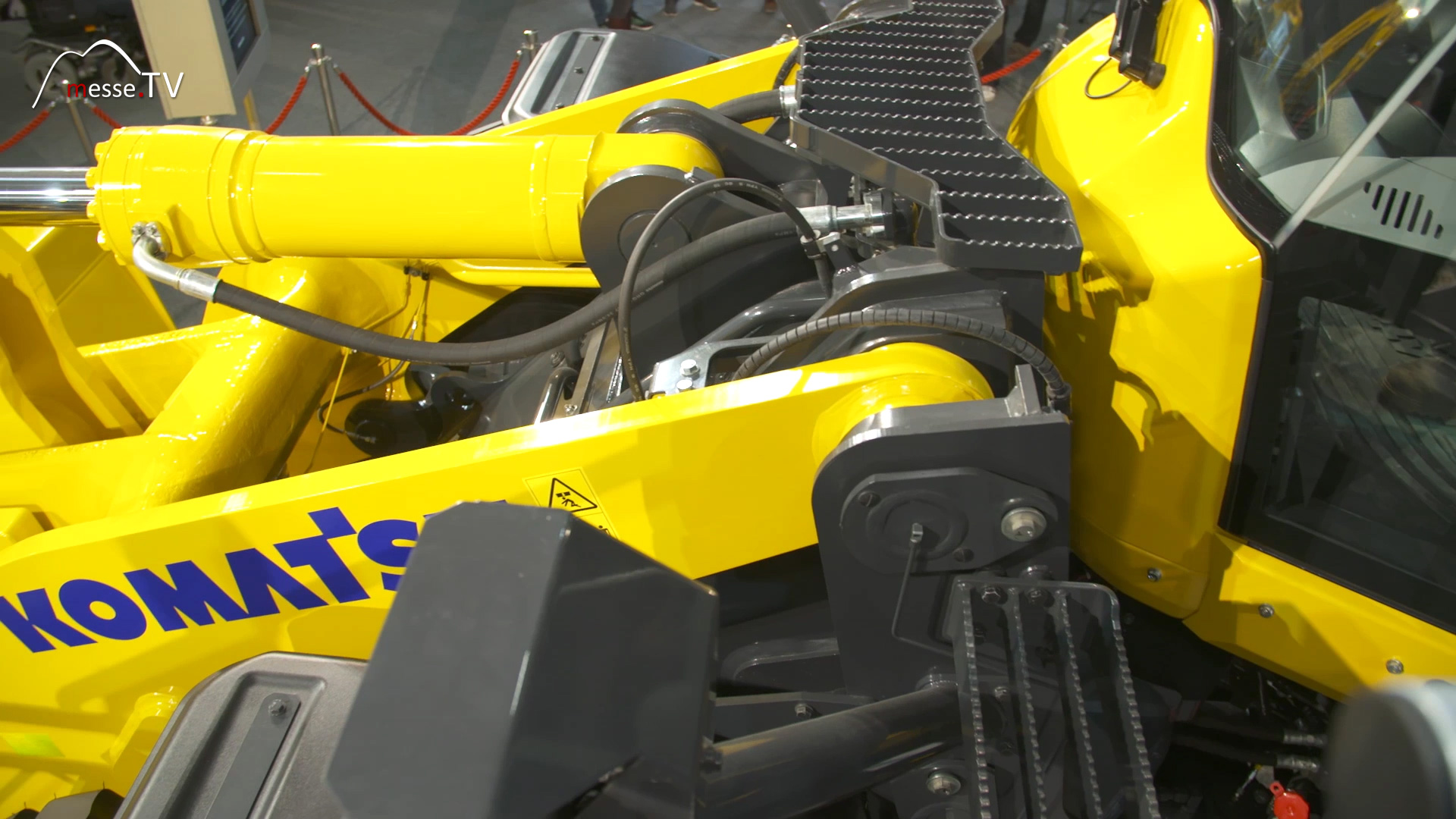
Neben dem Antrieb wurde auch die Arbeitshydraulik überarbeitet. Das betrifft insbesondere das Hubgerüst, das für die Bewegung der Schaufel verantwortlich ist. Die Anpassungen führen zu einer höheren Hubkraft sowie zu einer gesteigerten Ausbrechkraft der Schaufel. Dadurch wird das Beladen erleichtert, insbesondere bei schweren Materialien. Im praktischen Einsatz bedeutet das, dass die Schaufel schneller und effizienter gefüllt werden kann. Arbeitszyklen lassen sich verkürzen, ohne dass zusätzliche Leistung vom Fahrer eingefordert wird.
Entkoppelte Steuerung von Fahrantrieb und Hydraulik
Eine weitere Änderung betrifft die Bedienlogik der Maschine. Fahrantrieb und Arbeitshydraulik werden unabhängig voneinander gesteuert. Das stellt eine Abweichung von klassischen Konzepten dar, bei denen beide Systeme stärker miteinander gekoppelt sind. Konkret bedeutet das: Das Fahrpedal steuert ausschließlich die Geschwindigkeit des Radladers. Die Geschwindigkeit der Hydraulikbewegungen wird dagegen über den Steuerhebel bestimmt. Diese Trennung reduziert die Komplexität der Bedienung. Der Fahrer muss weniger Parameter gleichzeitig berücksichtigen, was die Steuerung übersichtlicher macht.
Vorteile der neuen Steuerungslogik im Überblick
Die Änderungen in der Steuerung wirken sich direkt auf den Arbeitsalltag aus:
- klare Trennung zwischen Fahr- und Arbeitsbewegung
- reduzierte Eingriffe während des Arbeitsprozesses
- leichtere Bedienung für weniger erfahrene Fahrer
- konstantere Abläufe bei wiederkehrenden Aufgaben

Produktivität und Bedienkomfort als gemeinsame Zielsetzung
Die Entwicklung des WA475-10 zeigt, dass Effizienz und Produktivität nicht als Gegensätze betrachtet werden müssen. Durch die Kombination aus optimiertem Antrieb, angepasster Hydraulik und vereinfachter Bedienung lassen sich beide Ziele gleichzeitig verfolgen. Komatsu setzt dabei auf eine technische Lösung, die bestehende Konzepte weiterentwickelt, ohne sie vollständig zu verändern. Der Radlader bleibt in seiner Funktion vertraut, bietet aber zusätzliche Unterstützung im Betrieb. Gerade in Einsatzbereichen mit hoher Auslastung und wechselnden Bedingungen kann dieser Ansatz Vorteile bieten. Die Maschine passt sich an unterschiedliche Anforderungen an, während der Fahrer entlastet wird und sich stärker auf den Arbeitsprozess konzentrieren kann.
Messe-Berichterstattung bundesweit - Messewissen, Termine & Veranstaltungen


