Fritzmeier: Digitalization construction site - Innovation award, bauma 2019
by J. Groh - 2024-02-13Digitalisation on construction sites is increasingly shifting from individual machines towards networked work processes. Sensors, digital planning and real-time data should no longer merely support site managers or dispatchers, but reach the very place where decisions are made under time pressure: the driver’s cab.
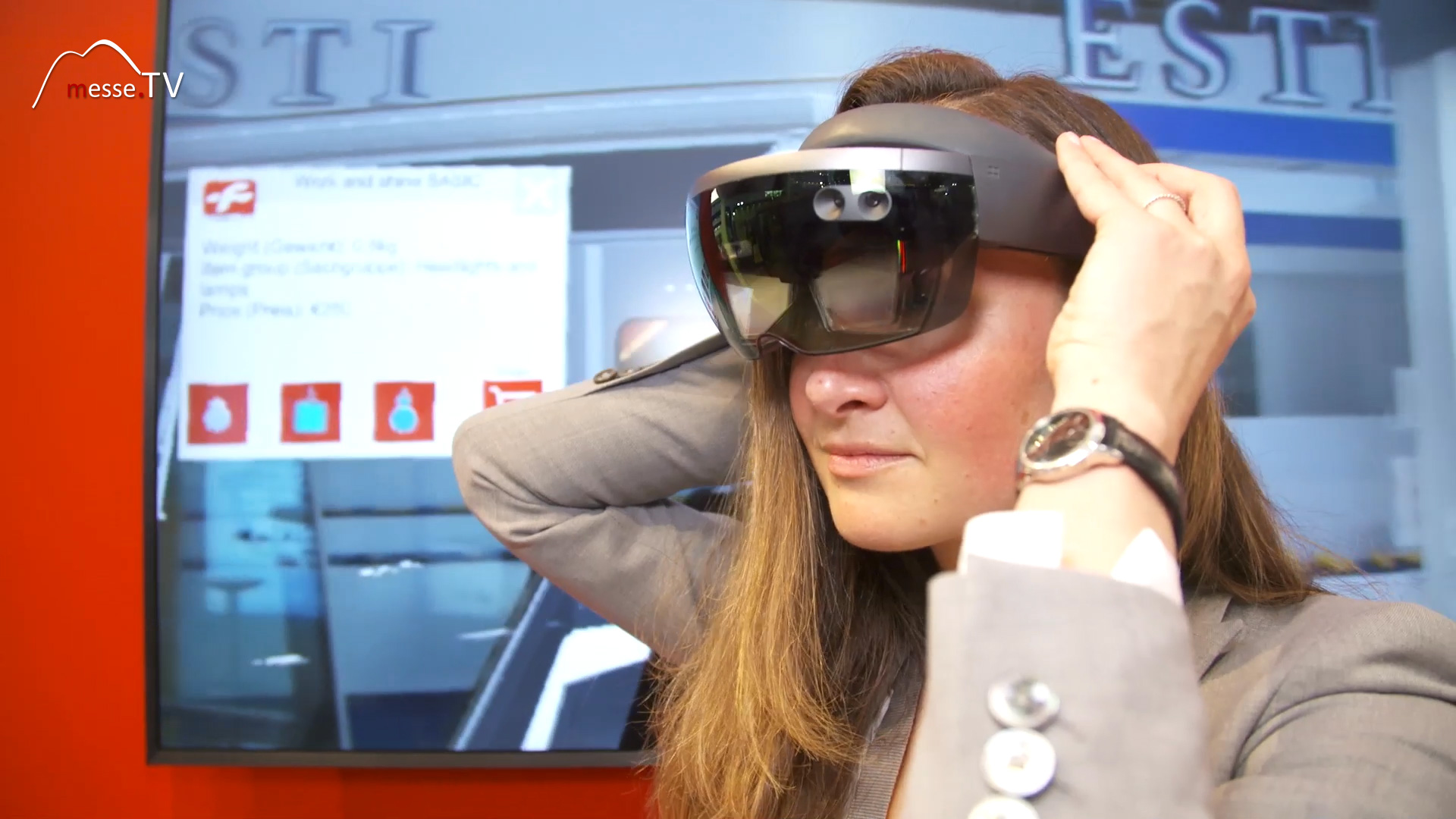
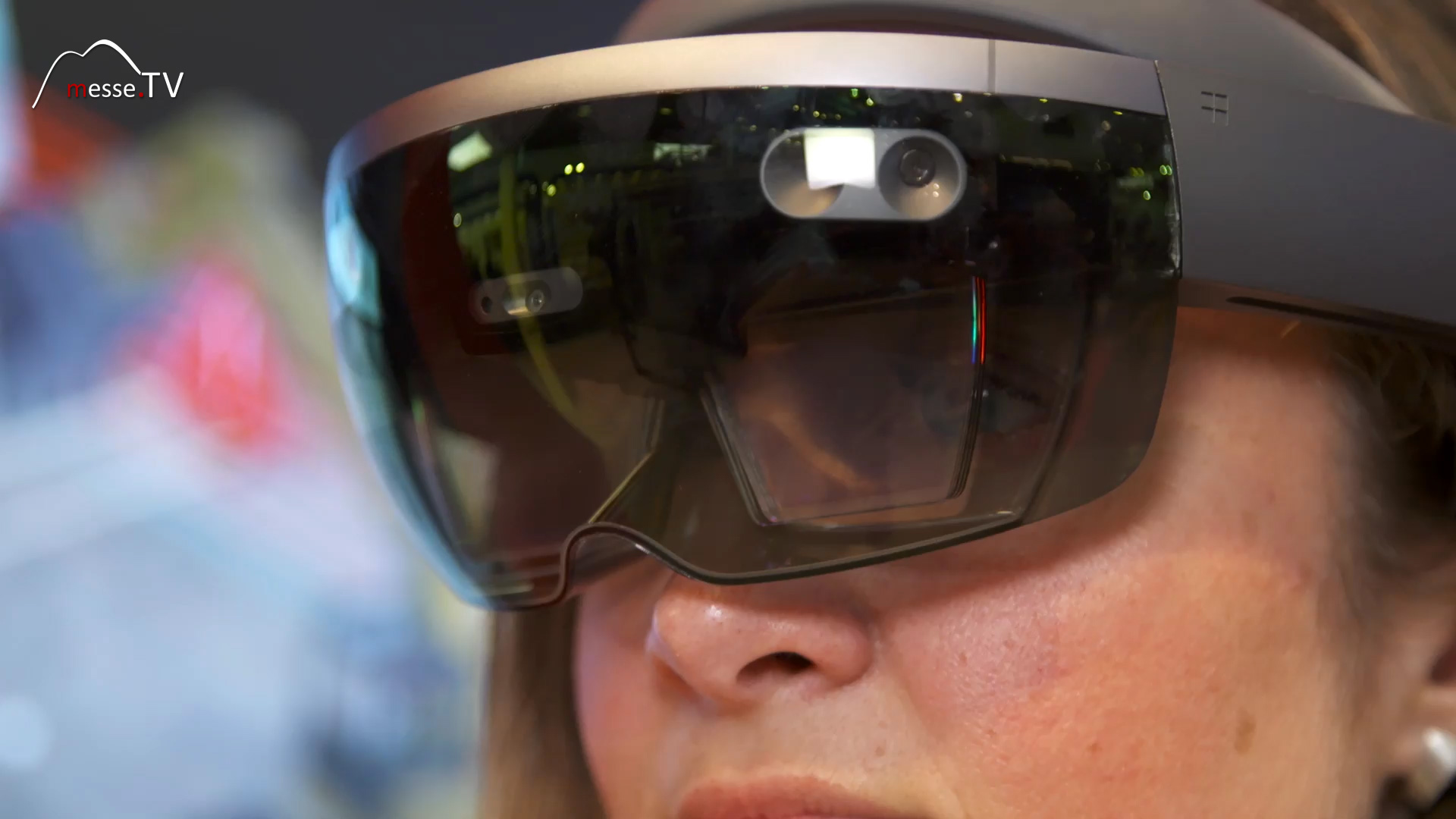
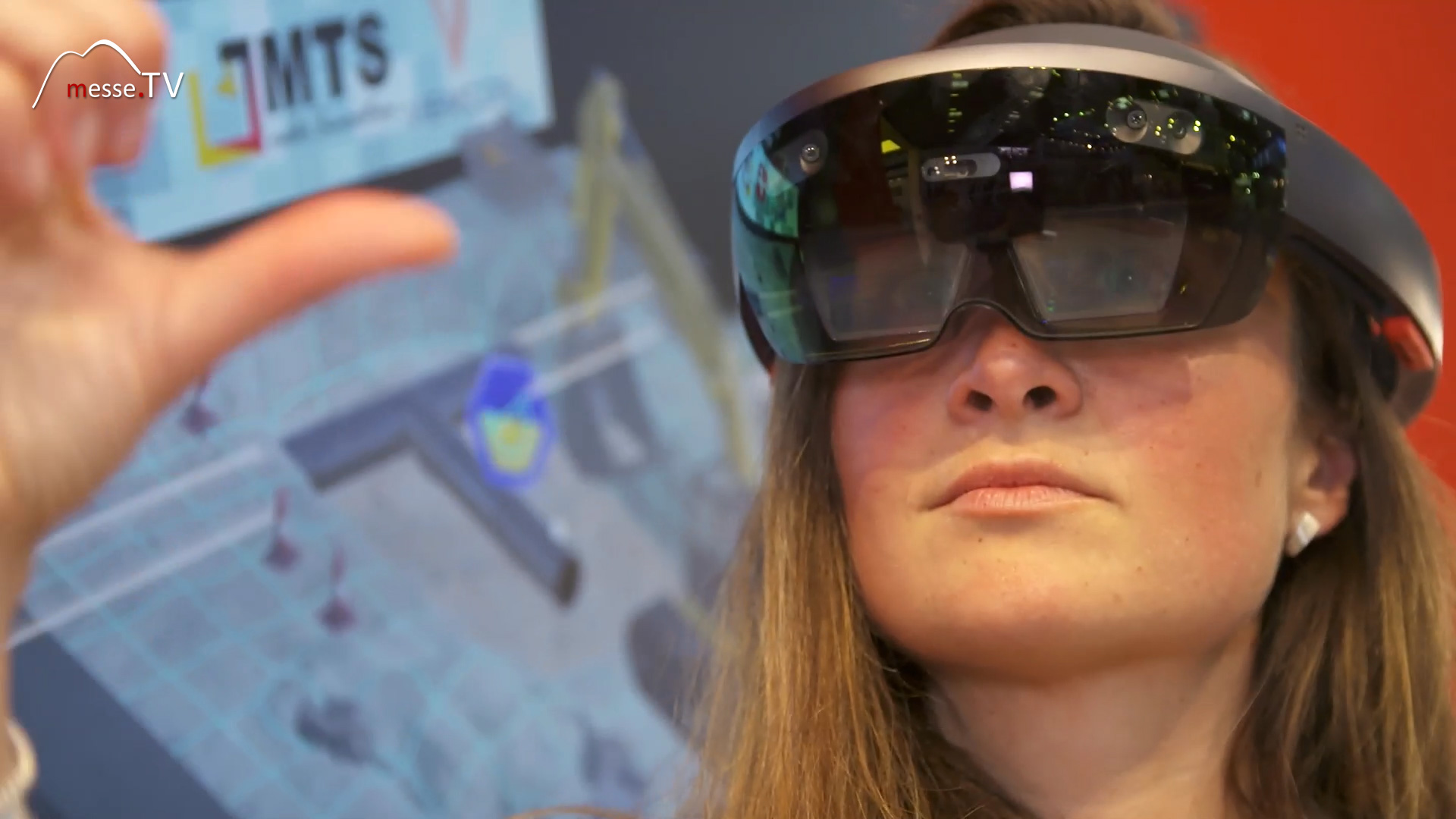
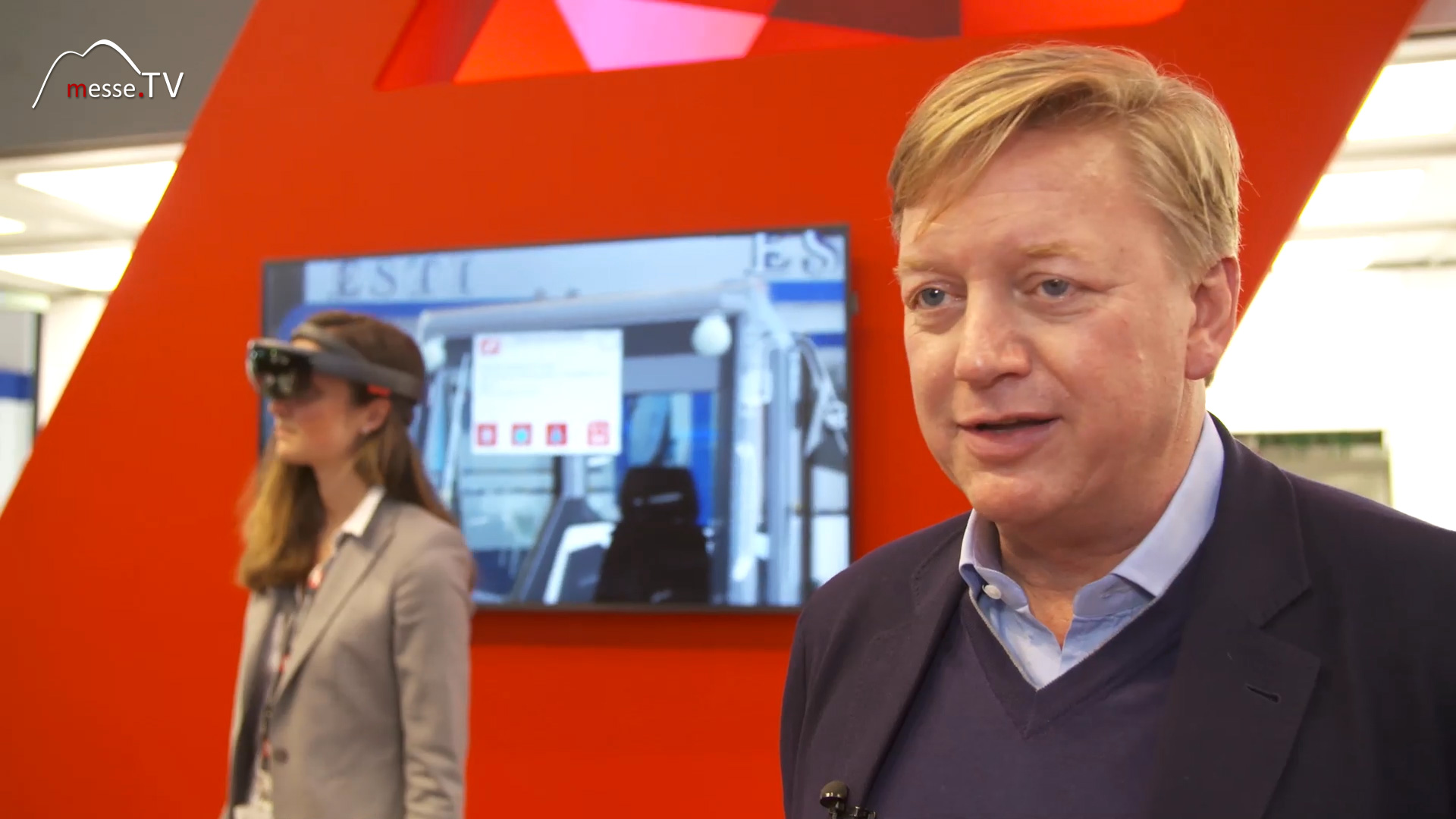
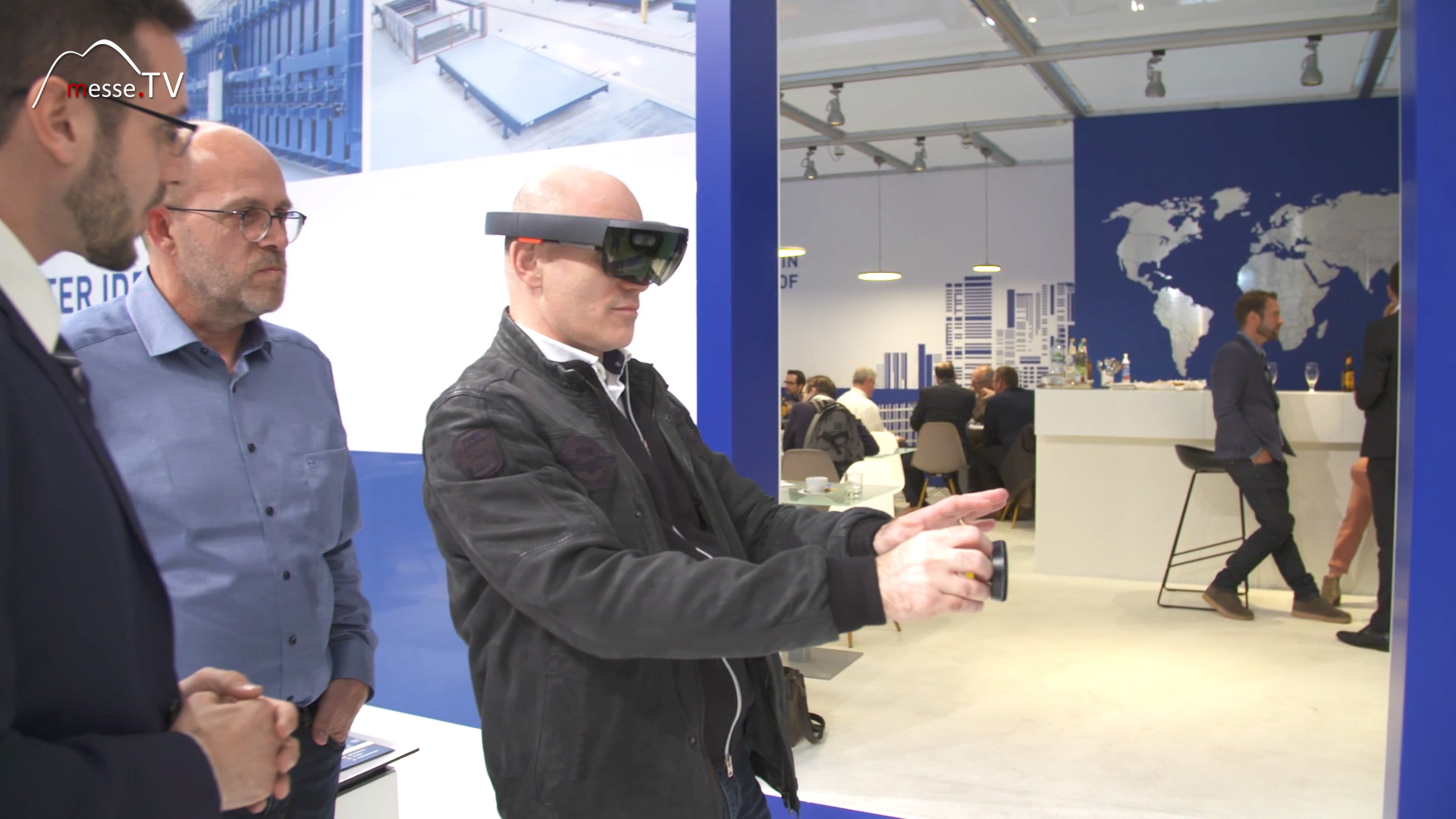
At the bauma in Munich, Fritzmeier is therefore demonstrating, together with several technology partners, a system that displays digital site information directly in the machine operator’s field of vision via HoloLens glasses. The focus is not on the glasses alone, but on the integration of various digital systems into a shared working platform. The aim is to make processes on construction sites more transparent, safer and more efficient. The solution was developed in collaboration with the University of Munich, Microsoft HoloLens and Vemcon, and has already received an award at the trade fair.
Fritzmeier consolidates construction site data into a digital platform
According to the company, the system captures the construction site entirely digitally. This includes information on work areas, danger zones, pipes, processes and machine movements. All data is consolidated into a shared digital environment and then transmitted to the operator in a context-specific manner. Particularly on complex construction sites, problems often arise due to a lack of overview. Multiple trades work in parallel, machinery moves in confined spaces, and last-minute changes must be communicated swiftly. Digital assistance systems are designed to help better structure this flood of information. The HoloLens headset displays only the relevant information at any given time. The driver continues to see their real surroundings but receives additional guidance directly within their field of vision. The system thus functions more like a transparent extension of perception than a traditional screen. Fritzmeier explicitly describes the approach as a support for the driver. The technology is not intended to distract from the working environment, but to make important information available more quickly.
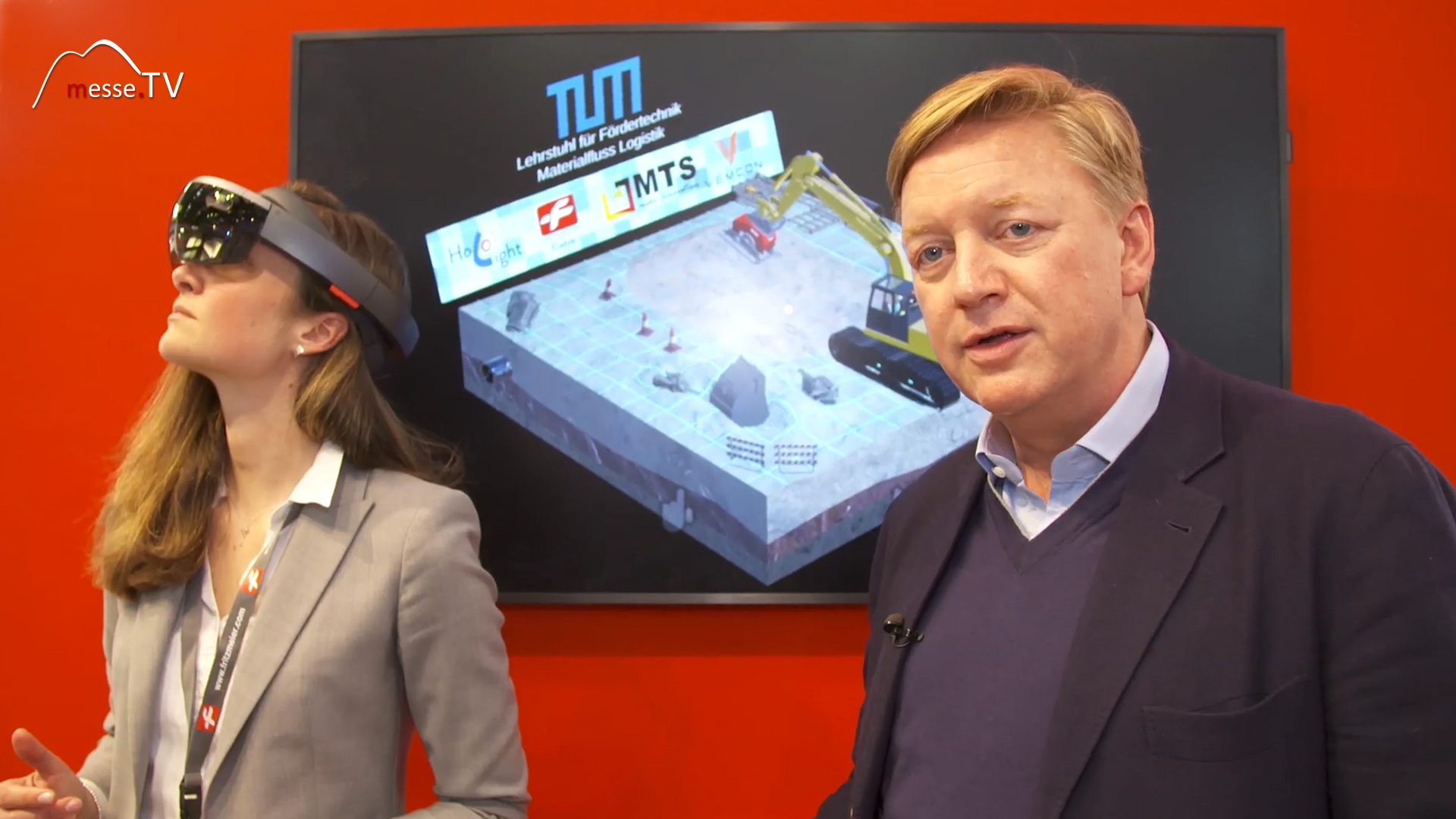
HoloLens displays danger zones and work processes directly in the driver’s field of vision
The safety aspect is particularly important here. Construction sites remain among the most accident-prone working environments in the industrial sector. Restricted visibility, changing traffic routes or spontaneous movements of materials further increase the risk. The digital representation of hazardous situations could therefore play a central role. Dangerous areas, underground pipes or designated work zones can be visualised directly, without the driver having to consult additional displays or paper plans. Key components of the system:
- real-time digital mapping of the construction site
- display of relevant information via HoloLens
- integration of processes and workflows
- support for the driver in terms of safety and orientation
- collaboration with the University of Munich and Vemcon
Digital assistance systems are transforming the role of the driver’s cab
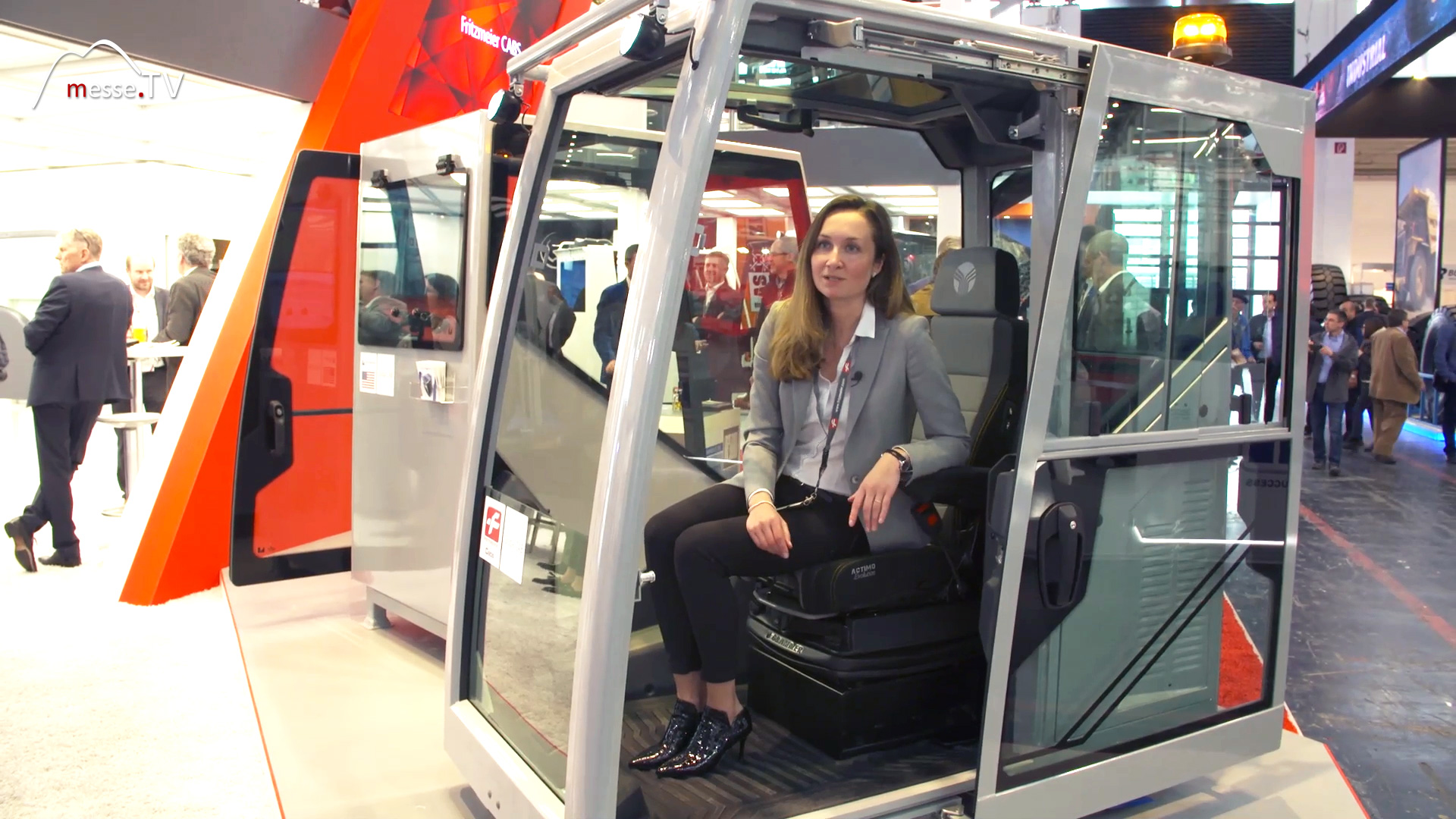
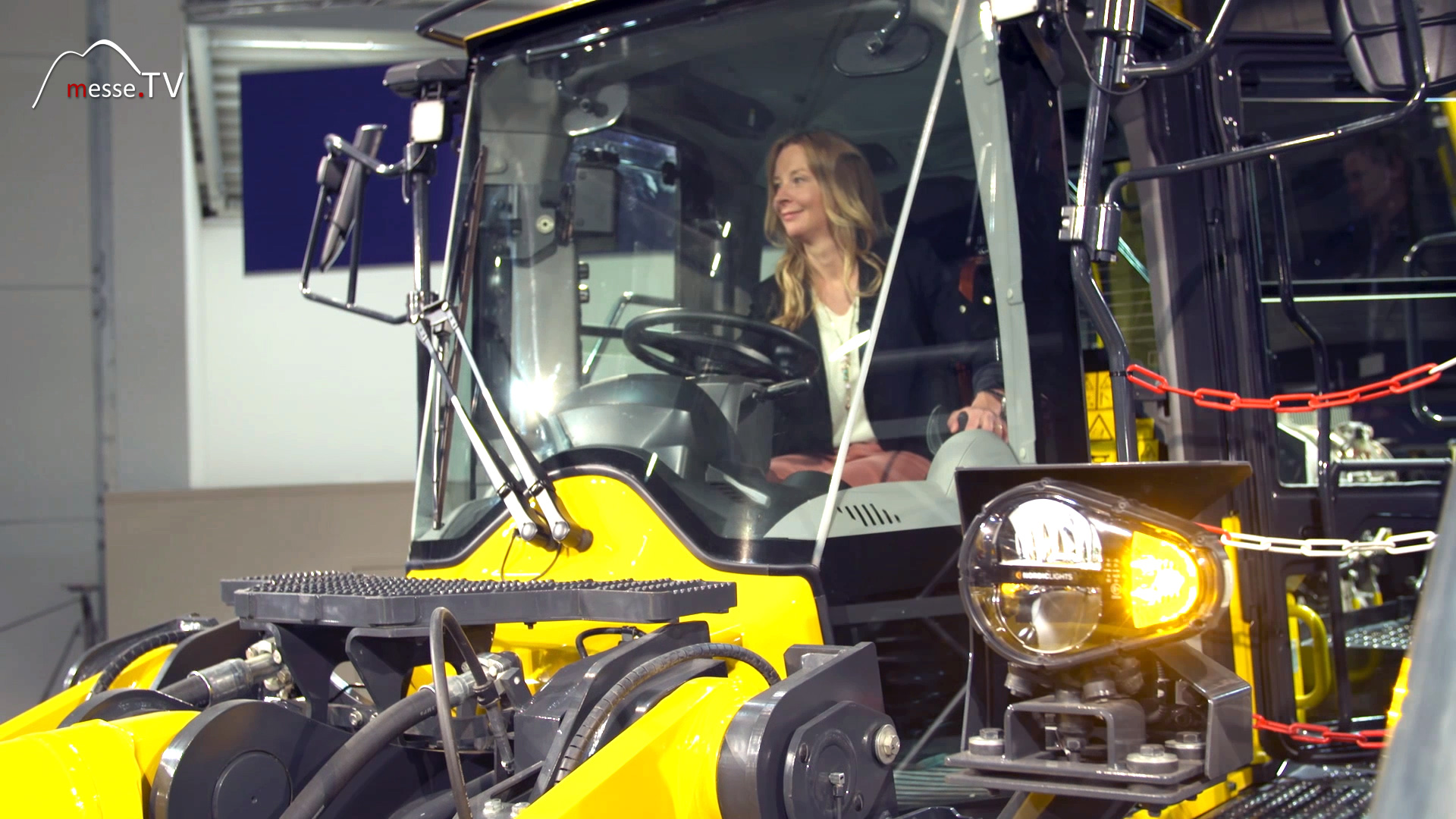
The presentation at bauma also demonstrates just how much modern driver’s cabs are changing. For a long time, the focus was primarily on ergonomics, visibility and ease of operation. Today, the cab is increasingly evolving into a digital workplace. Displays, sensors, assistance systems and networked controls are now standard features of many modern construction machines. Augmented reality systems now add another dimension: information is no longer merely displayed, but directly linked to the real environment. What is interesting here is the deliberate reduction in the display. According to Fritzmeier, only the information that is actually required is displayed. Everything else remains visible. The real environment therefore remains in the foreground. Complete screen coverage would be particularly problematic with heavy machinery. Operators must be able to immediately perceive people, vehicles and obstacles at all times. The technology therefore attempts to integrate digital information into everyday working life as unobtrusively as possible.
Construction sites are increasingly being organised in a data-driven manner
This development highlights a broader trend within the construction industry. Construction sites are increasingly being planned, monitored and documented digitally. BIM models, machine control systems and networked sensors generate large amounts of real-time data. The real challenge now lies less in generating data and more in making it usefully accessible. This is precisely where systems such as the HoloLens application presented here come into play. Information should not remain in control rooms or office software, but should reach the workplace directly. Fritzmeier is thus positioning itself in an area that is likely to become significantly more important in the future. For the more complex construction sites become, the more important the question of how operators, machines and digital planning systems communicate with one another becomes. The presentation at bauma makes it clear that digitalisation in the construction industry is increasingly evolving from a purely administrative tool into direct work support. Augmented reality could play a similar role in the future to that played today by navigation systems or machine control systems – initially as a supplement, and later possibly as an integral part of modern construction site processes.
Trade fair reporting Germany - Trade fair knowledge, dates & events


