Raupe D61PXi-24 mit intelligenter Maschinensteuerung für Bauarbeiten
von Jürgen Groh - 2024-02-13Planierraupen gehören zu den zentralen Maschinen im Erdbau. Ihre Aufgabe ist klar definiert: Material bewegen, Flächen profilieren und Gelände vorbereiten. Gleichzeitig sind sie stark von der Erfahrung des Fahrers abhängig.
Genau an diesem Punkt setzt eine neue Generation von Maschinen an, bei der Steuerung und Sensorik stärker in den Vordergrund rücken. Die Weiterentwicklung betrifft dabei nicht die Grundform der Maschine, sondern die Art, wie sie betrieben wird. Eine Raupe bleibt eine Raupe – entscheidend ist, wie präzise und effizient sie arbeitet.
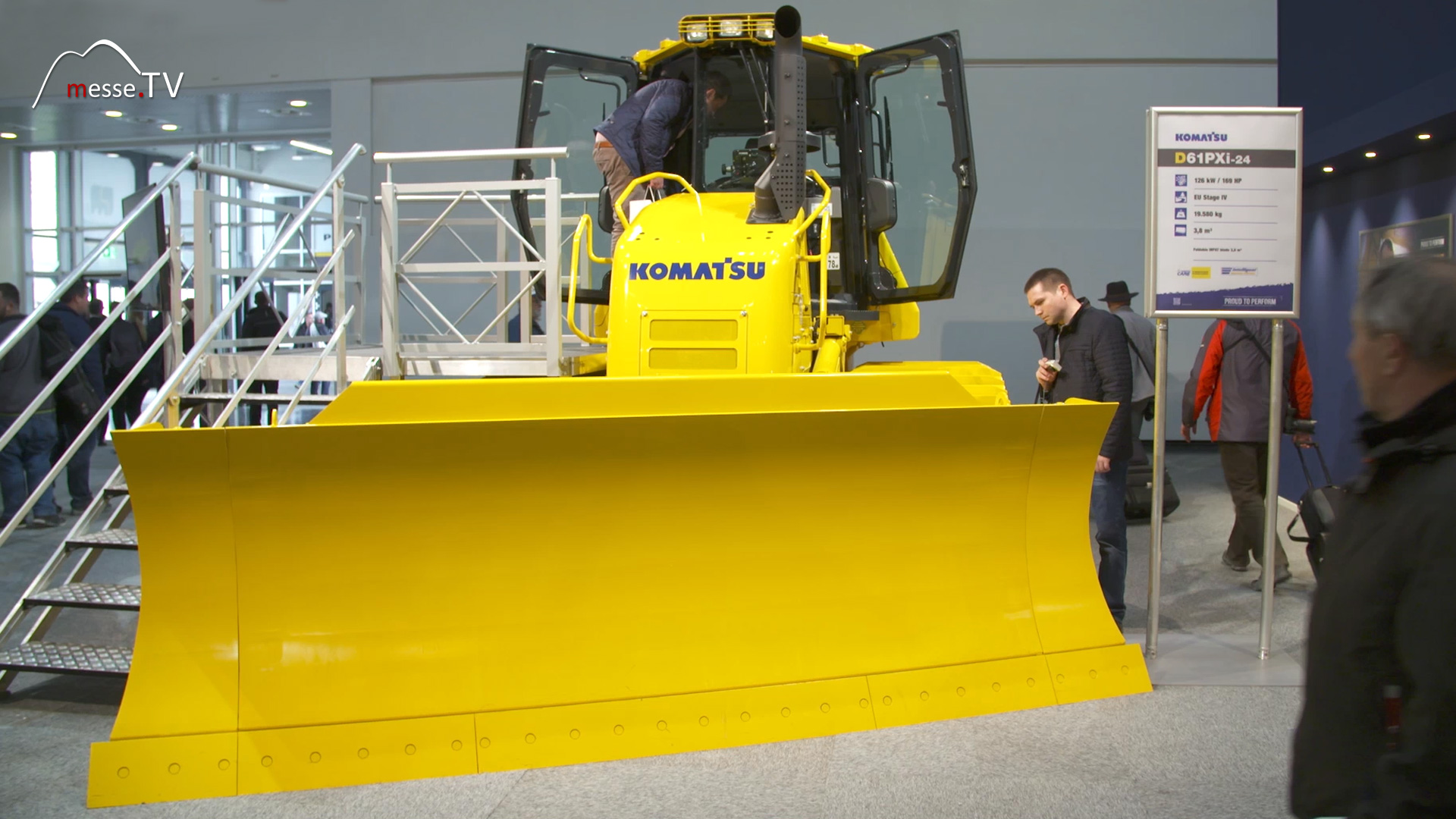
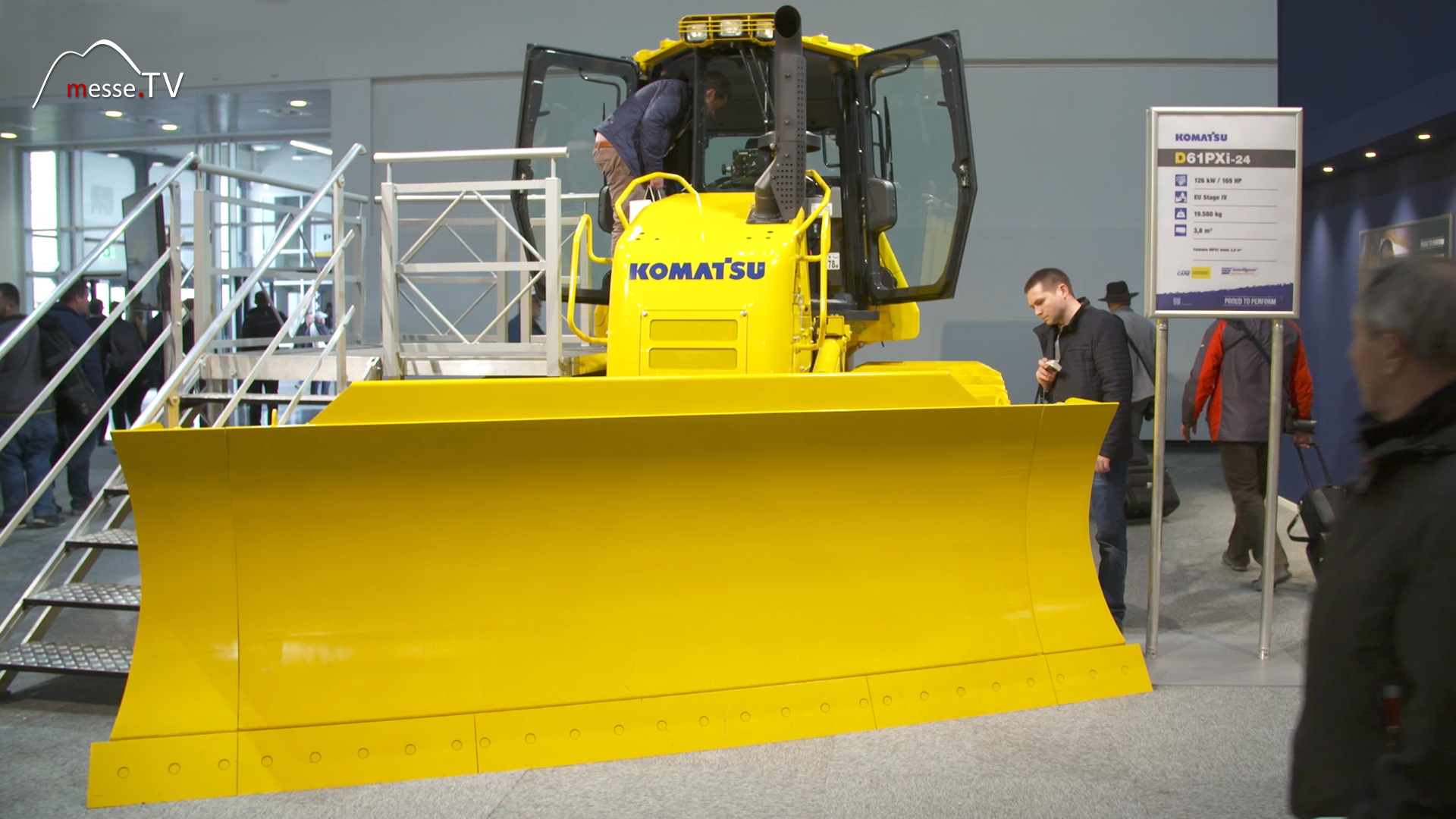
Komatsu Raupe D61PXi-24 kombiniert Schildsteuerung mit Schlupfkontrolle
Komatsu erweitert die klassische Maschinensteuerung um zusätzliche Funktionen. Neben der Steuerung von Neigung und Höhe des Schilds wird auch der Zustand der Maschine selbst aktiv überwacht. Dazu gehört insbesondere die Kontrolle des Kettenschlupfs. Die Steuerung greift ein, wenn sich die Belastung verändert. Wird das Schild zu stark beladen und droht die Maschine an Traktion zu verlieren, reagiert das System automatisch. In diesem Fall wird das Schild leicht angehoben, um die Last zu reduzieren und die Bewegung aufrechtzuerhalten. Diese Funktion verändert die Arbeitsweise grundlegend. Statt ausschließlich auf manuelle Eingriffe angewiesen zu sein, übernimmt die Maschine einen Teil der Regelung selbst.
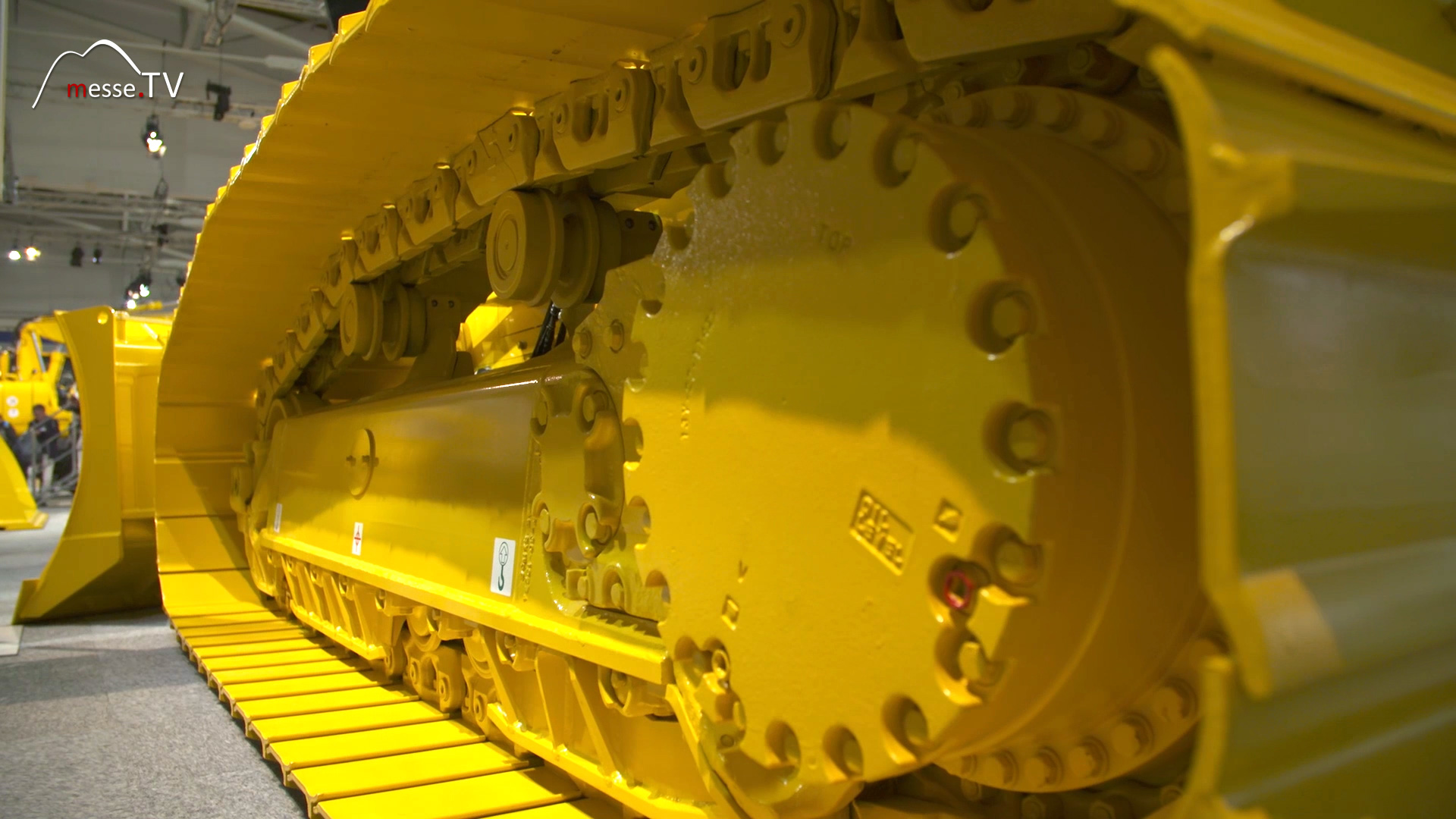
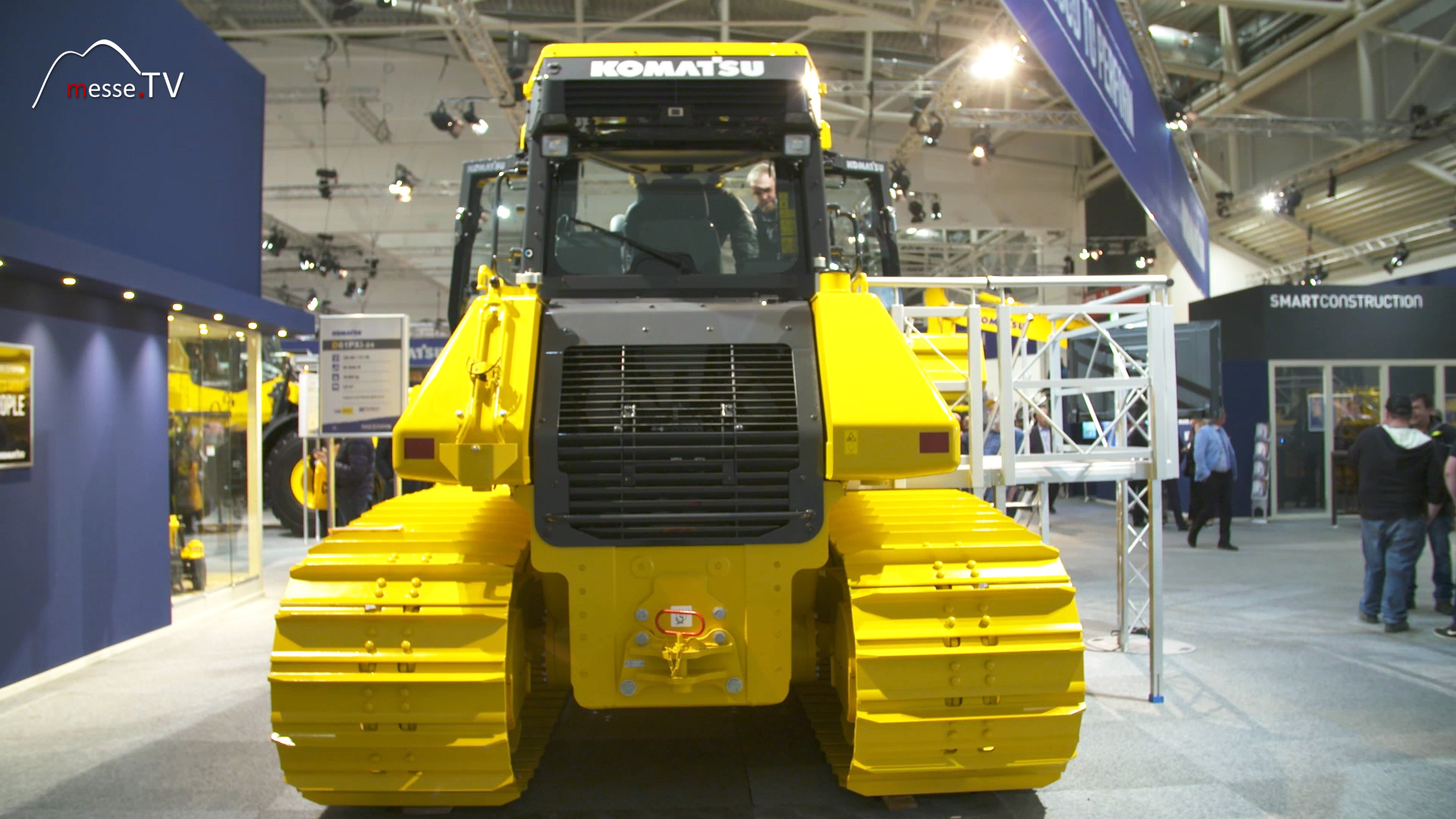
Intelligente Maschinensteuerung verarbeitet Gelände und Maschinendaten
Die Steuerung basiert auf der Verknüpfung verschiedener Datenquellen. Maschinendaten und Informationen aus dem Gelände werden kombiniert, um den aktuellen Zustand zu bewerten. Dabei geht es nicht nur um einzelne Parameter, sondern um ein Gesamtbild. Die Maschine erkennt, wie stark sie belastet ist, wie sich das Material verhält und ob die Bewegung stabil bleibt. Aus diesen Informationen ergibt sich eine kontinuierliche Anpassung der Steuerung. Diese Form der Integration hebt sich von klassischen Systemen ab, die meist nur einzelne Funktionen regeln. Hier entsteht eine umfassendere Steuerung, die mehrere Aspekte gleichzeitig berücksichtigt.
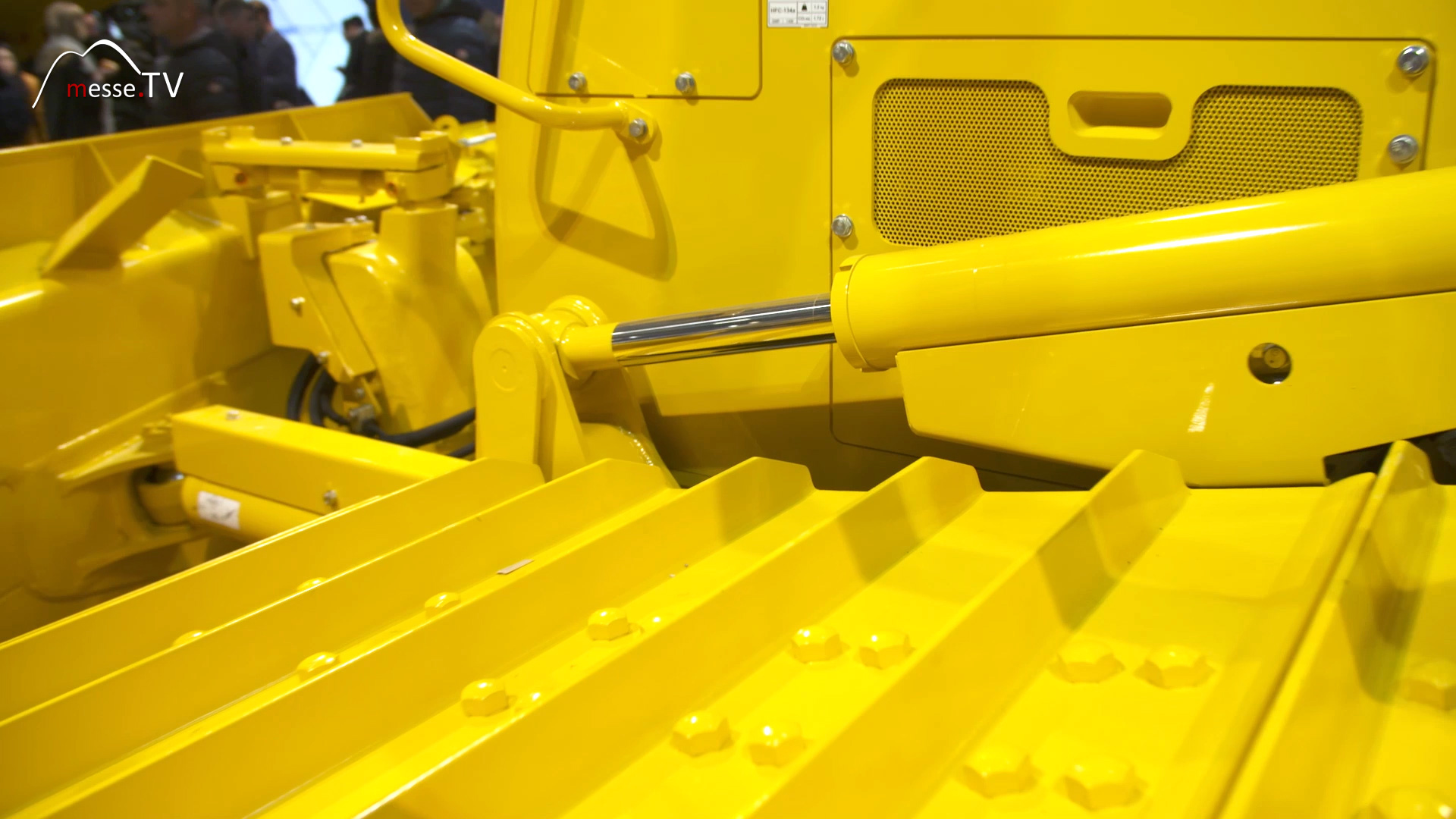
Automatische Anpassung der Schildhöhe im Betrieb
Ein konkretes Beispiel für die Funktionsweise ist die automatische Anpassung der Schildhöhe. Sobald die Last zunimmt und die Gefahr von Schlupf besteht, wird das Schild angehoben. Der Eingriff erfolgt in kleinen Schritten und ist darauf ausgelegt, den Arbeitsprozess nicht zu unterbrechen. Ziel ist es, die Maschine dauerhaft in Bewegung zu halten und Stillstände zu vermeiden. Für den Fahrer bedeutet das eine Entlastung. Entscheidungen, die bisher manuell getroffen werden mussten, werden teilweise automatisiert. Die Maschine reagiert schneller und gleichmäßiger, als es im manuellen Betrieb möglich wäre.
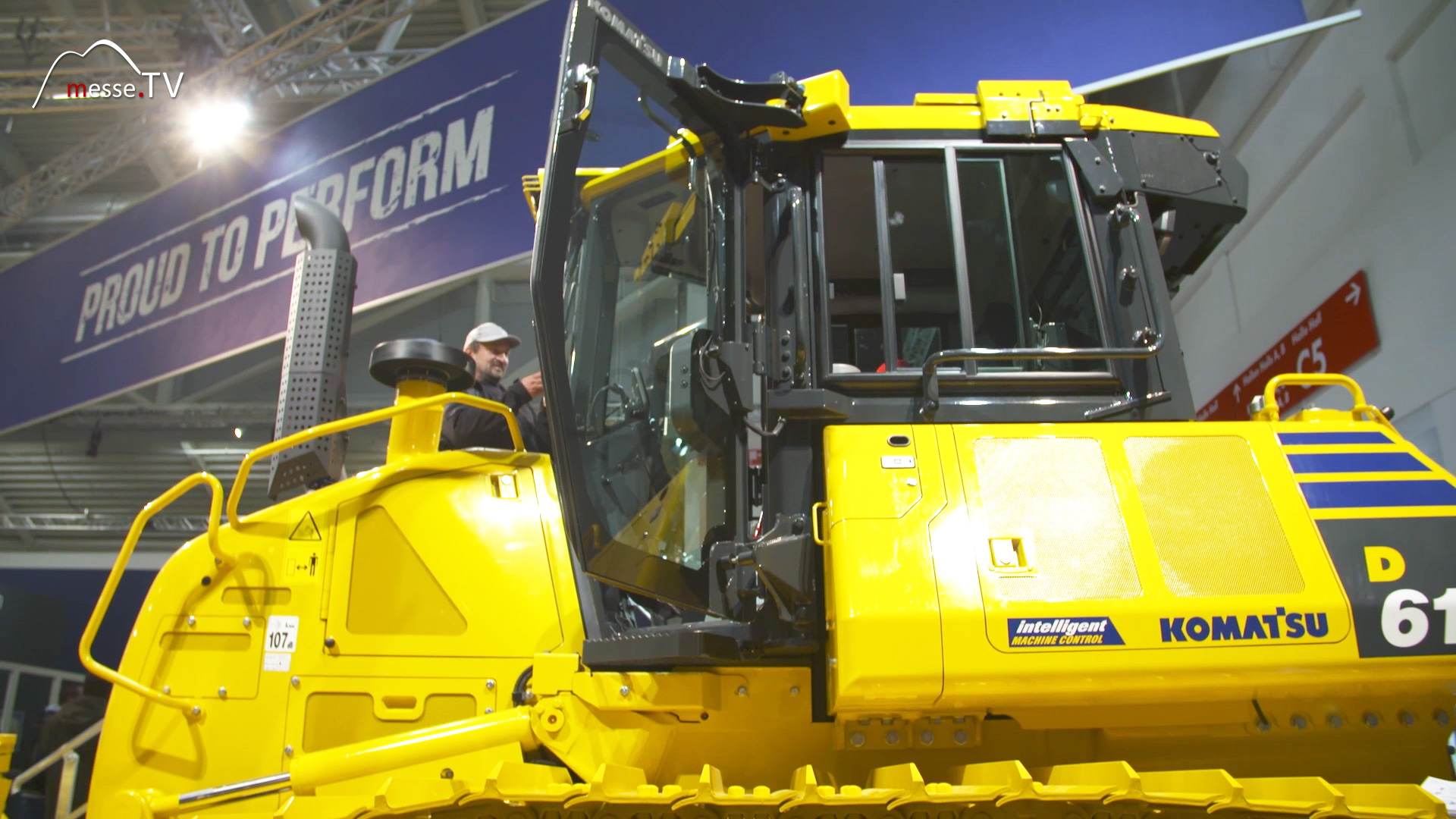
Vorteile für Fahrer mit unterschiedlichem Erfahrungsniveau
Die Auswirkungen zeigen sich besonders im Arbeitsalltag. Die Bedienung wird einfacher, da die Maschine bestimmte Aufgaben selbst übernimmt. Gleichzeitig bleibt die Kontrolle erhalten, da die grundlegenden Funktionen weiterhin steuerbar sind. Das System ermöglicht es auch weniger erfahrenen Fahrern, stabile Ergebnisse zu erzielen. Während früher viel Erfahrung notwendig war, um die Maschine optimal zu betreiben, unterstützt die Steuerung nun aktiv im Hintergrund. Die wichtigsten Effekte lassen sich zusammenfassen:
- automatische Anpassung bei hoher Belastung
- Reduzierung von Kettenschlupf im Betrieb
- gleichmäßige Bewegung auch bei wechselnden Bedingungen
- geringere Abhängigkeit von individueller Erfahrung

Verknüpfung von Steuerung und realen Einsatzbedingungen
Ein entscheidender Punkt ist die Verbindung zwischen Steuerung und tatsächlichen Einsatzbedingungen. Die Maschine arbeitet nicht nach festen Vorgaben, sondern reagiert auf die aktuelle Situation im Gelände. Komatsu nutzt dafür die Kombination aus Sensorik und Steuerung. Die Maschine erkennt Veränderungen und passt ihr Verhalten entsprechend an. Dadurch entsteht eine dynamische Regelung, die sich an unterschiedliche Bedingungen anpasst. Diese Entwicklung zeigt, dass sich die Technik zunehmend vom reinen Werkzeug zur unterstützenden Einheit entwickelt. Die Maschine bleibt ein Arbeitsgerät, übernimmt aber zusätzliche Aufgaben im Betrieb.
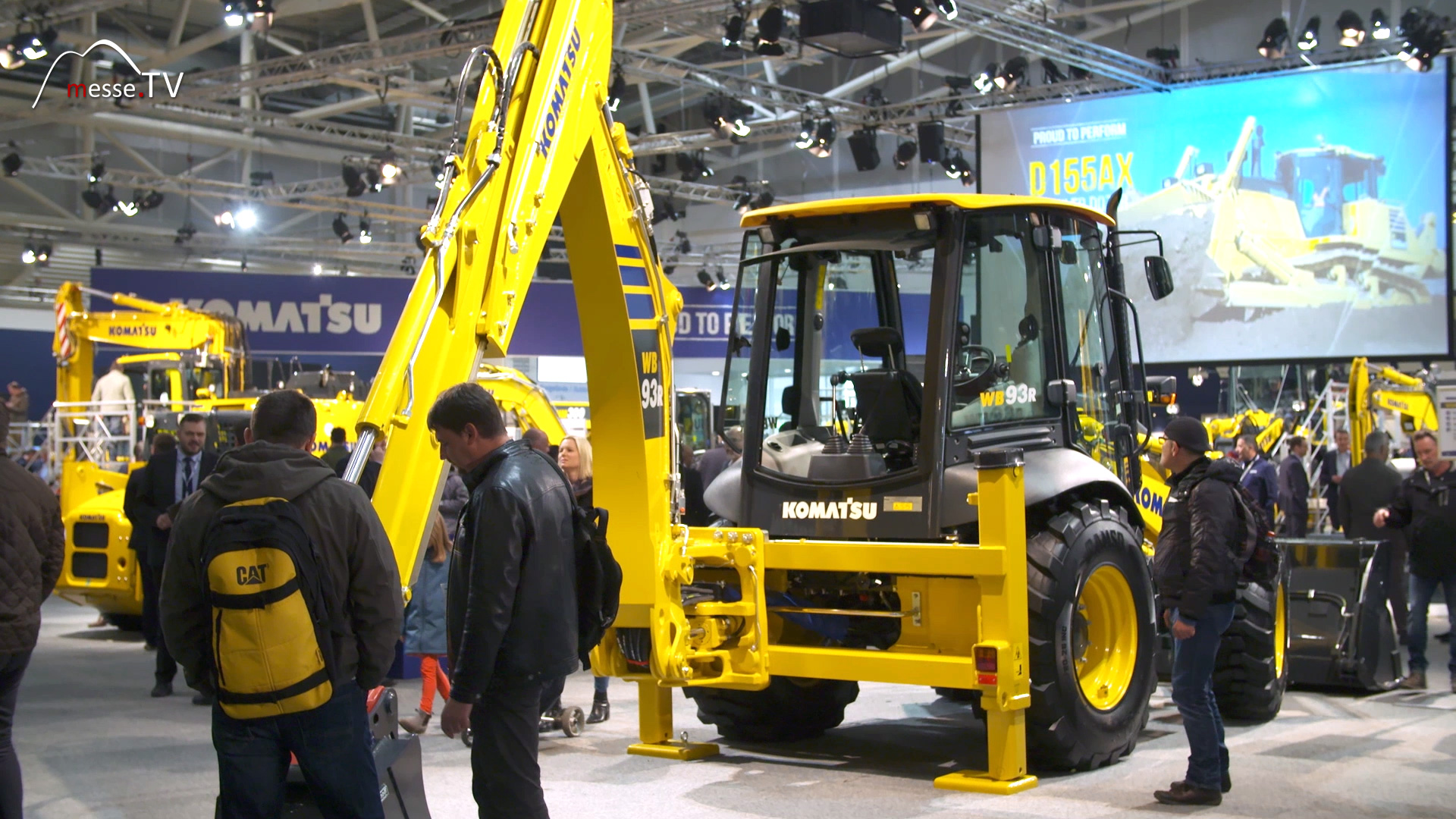
Entwicklung hin zu unterstützenden Maschinen im Erdbau
Die vorgestellte Lösung steht exemplarisch für eine breitere Entwicklung im Bauwesen. Maschinen werden nicht nur leistungsfähiger, sondern auch intelligenter in ihrer Steuerung. Dabei geht es nicht um vollständige Automatisierung, sondern um gezielte Unterstützung. Systeme greifen dort ein, wo sie einen klaren Vorteil bieten, ohne die Bedienung vollständig zu übernehmen. Komatsu zeigt mit dieser Maschinensteuerung, wie sich bestehende Konzepte weiterentwickeln lassen. Die Raupe bleibt in ihrer Funktion erhalten, gewinnt aber an Präzision und Stabilität im Einsatz.

Messe-Berichterstattung bundesweit - Messewissen, Termine & Veranstaltungen


