Temperatursteuerung für Zuschlagstoffe im Betonwerk
von Andreas Bergmeier - 2024-02-13Die Herstellung von Beton gilt auf den ersten Blick als vergleichsweise robuster Industrieprozess. Tatsächlich reagieren Zuschlagstoffe, Wasser und Bindemittel jedoch empfindlich auf Temperaturschwankungen.
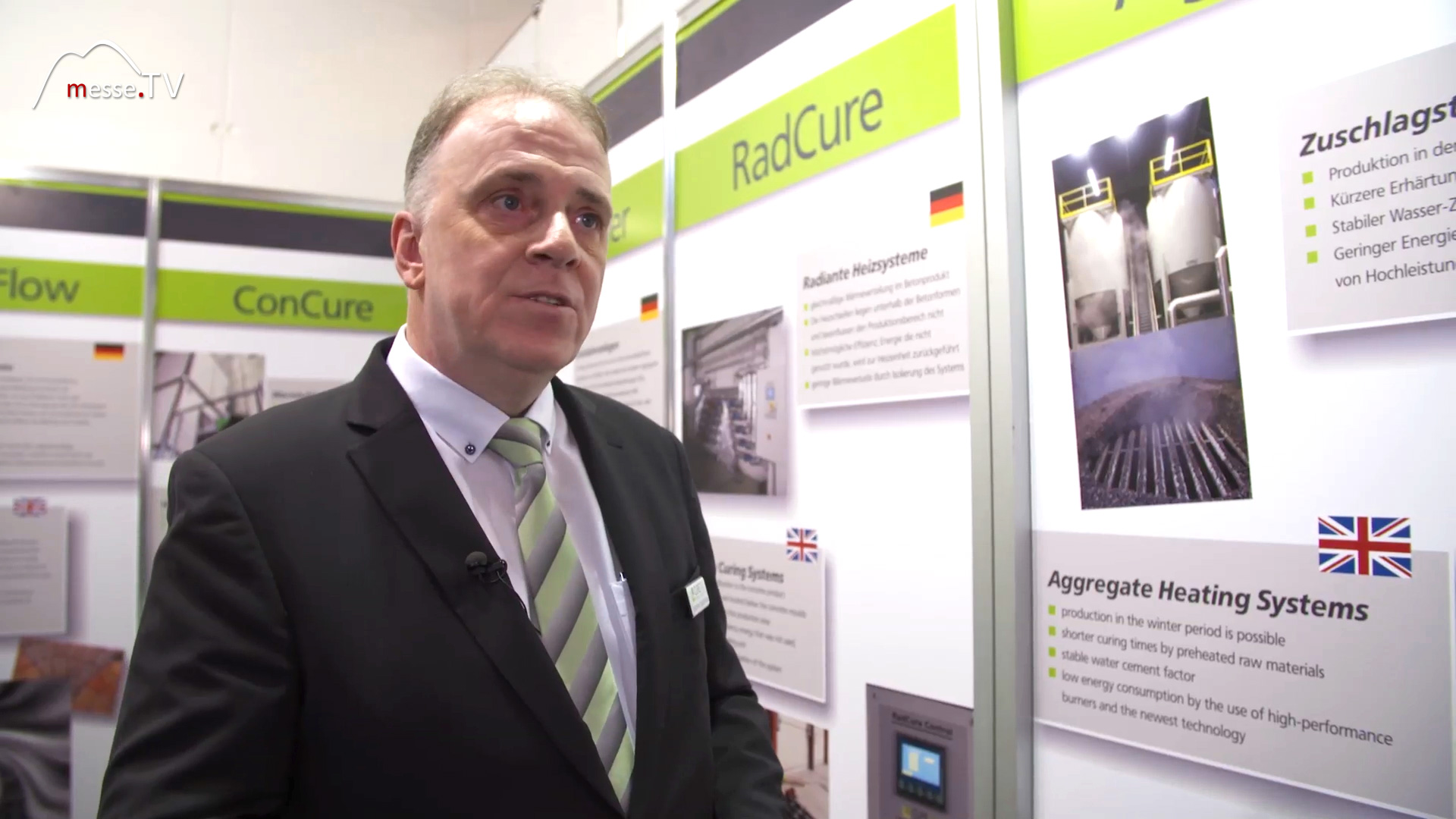
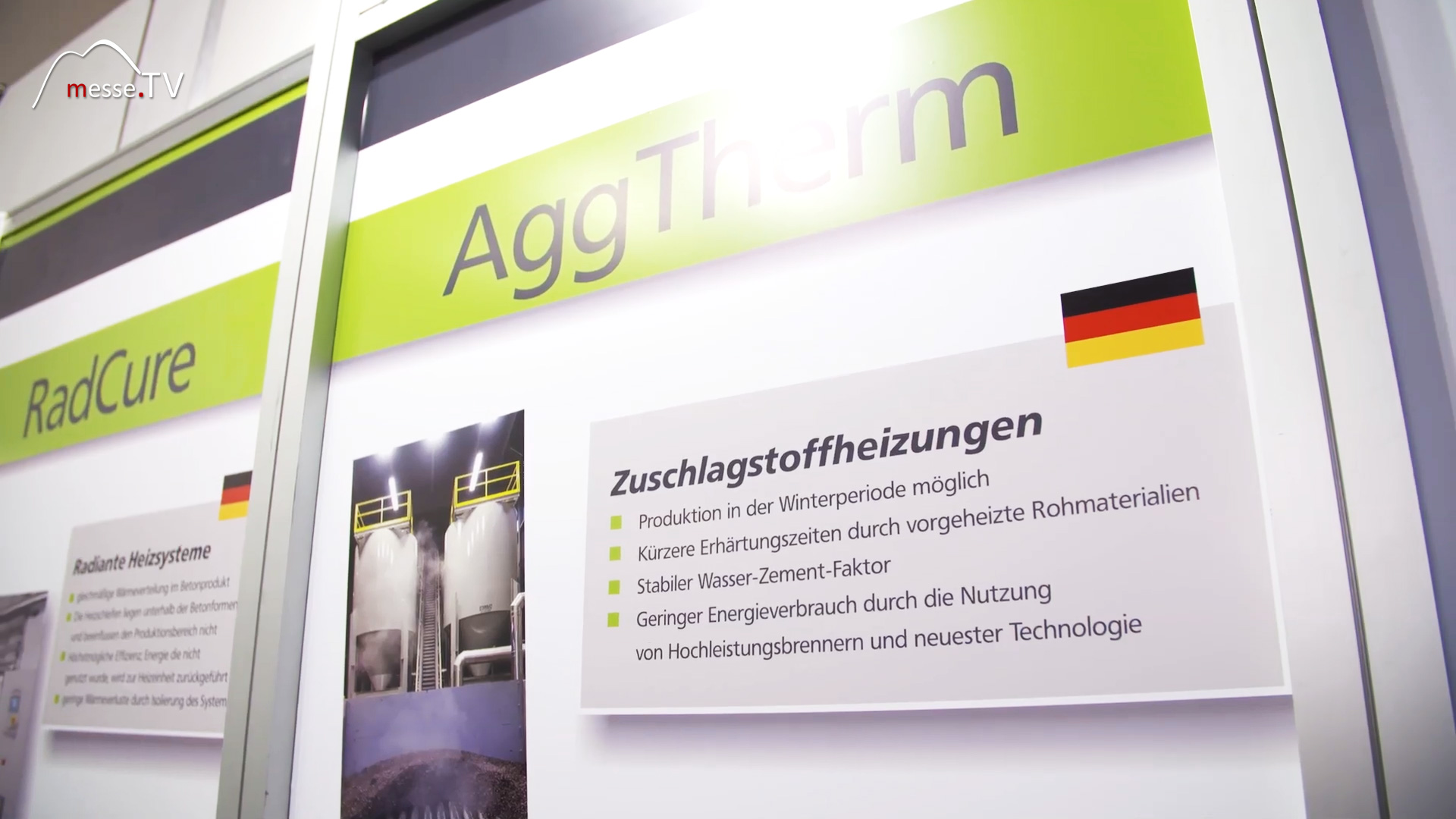
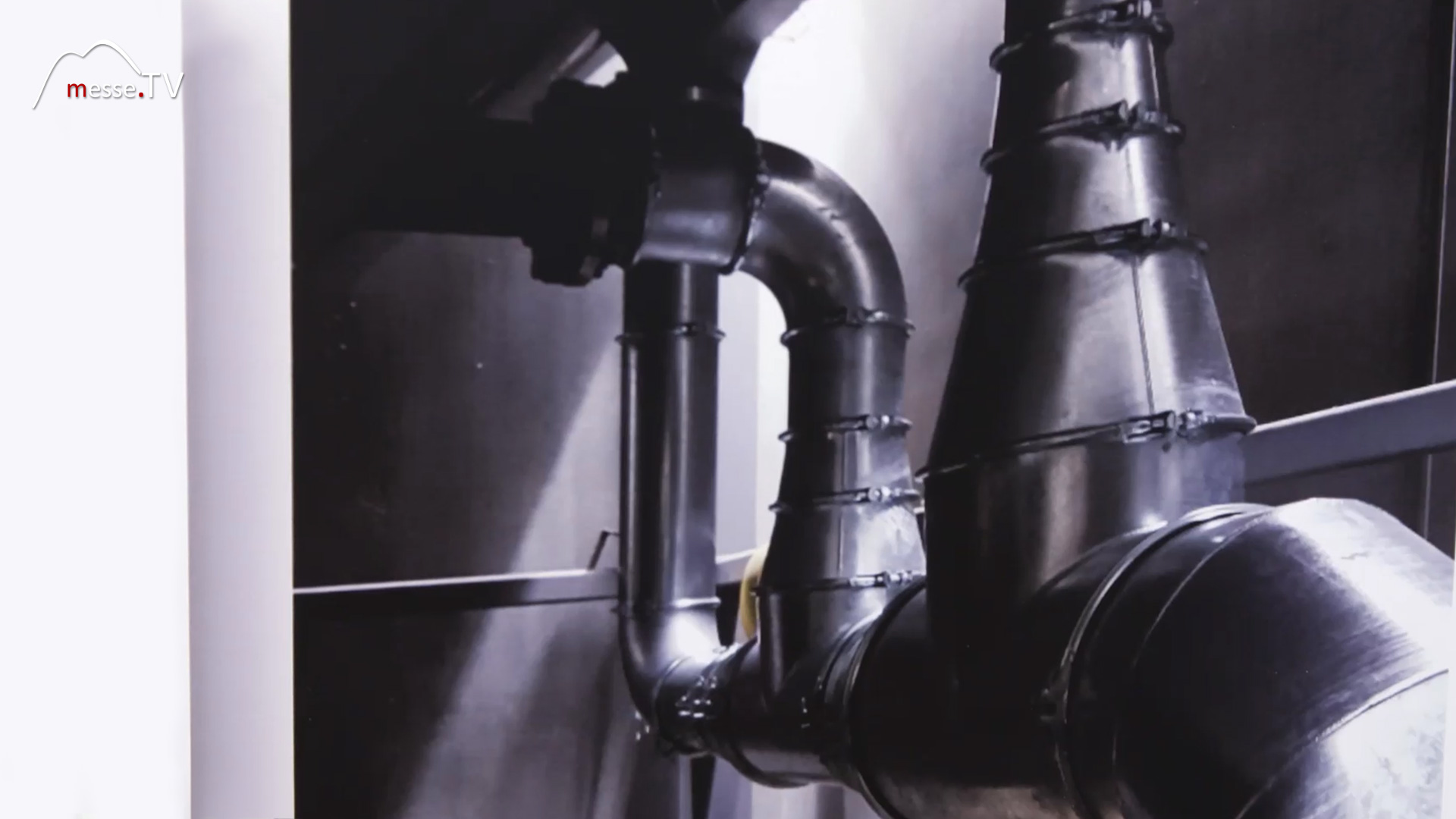
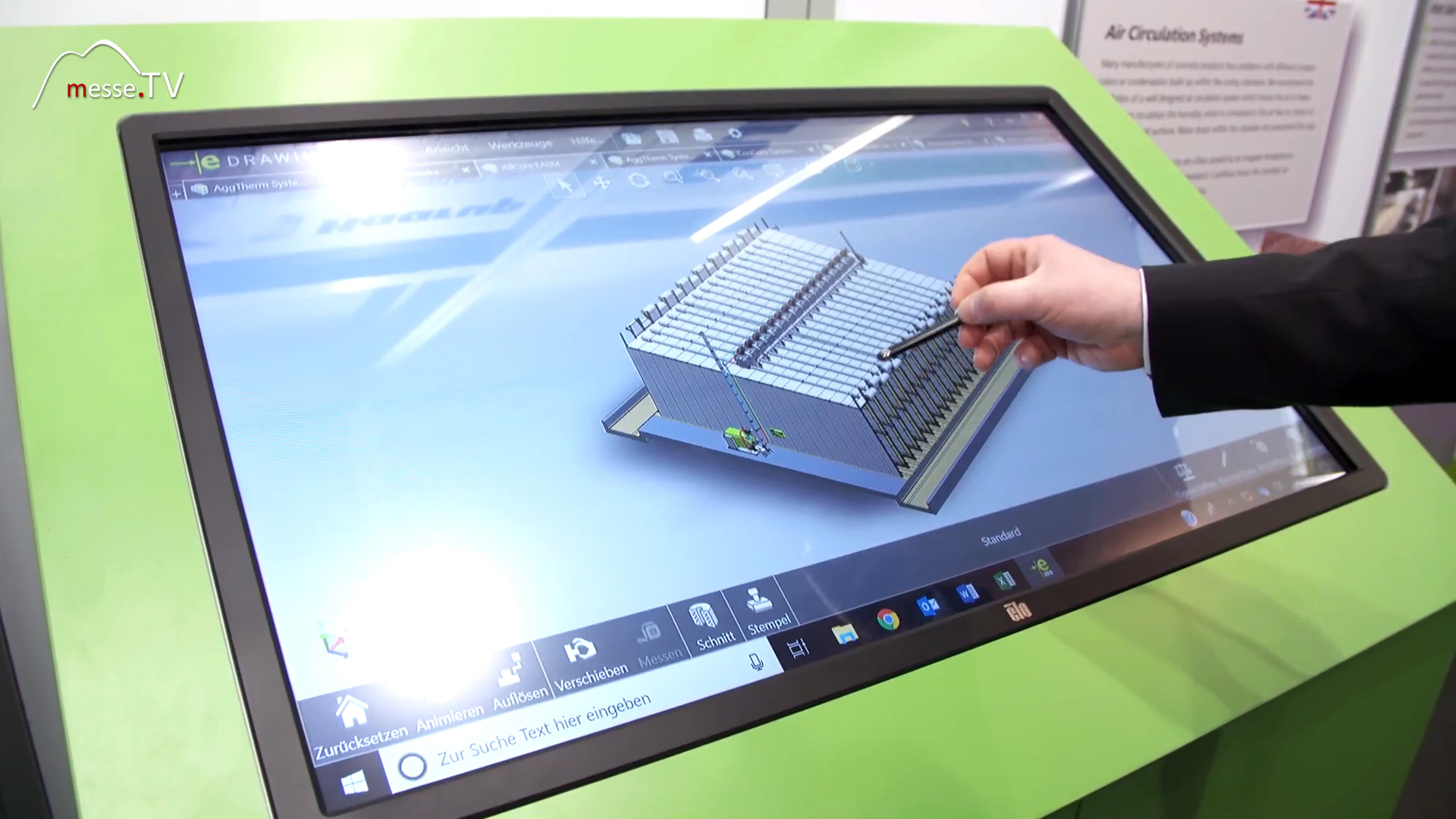
Gerade im Winter können gefrorene Zuschläge die Produktion erheblich beeinträchtigen, während hohe Sommertemperaturen die Materialeigenschaften ebenfalls verändern. Auf der bauma in München zeigt CureTec deshalb ein System, das genau an diesem Punkt ansetzt: eine Zuschlagstoffheizung für Betonwerke mit Heiz- und Kühlfunktion. Im Mittelpunkt steht das sogenannte AggTherm-System. Die Anlage arbeitet mit heißer Luft, die direkt in die Silos eingeblasen wird, in denen Zuschlagstoffe wie Kies oder Gestein gelagert werden. Ziel ist es, die Temperatur der Materialien konstant zu halten und dadurch stabilere Produktionsbedingungen zu schaffen. Gerade in der Betonindustrie gewinnt dieser Bereich zunehmend an Bedeutung. Denn die Qualität von Beton hängt nicht nur von Rezepturen oder Mischverhältnissen ab, sondern auch stark von den Temperaturbedingungen während der Verarbeitung.


CureTec entwickelt AggTherm-System für Zuschlagstoffsilos
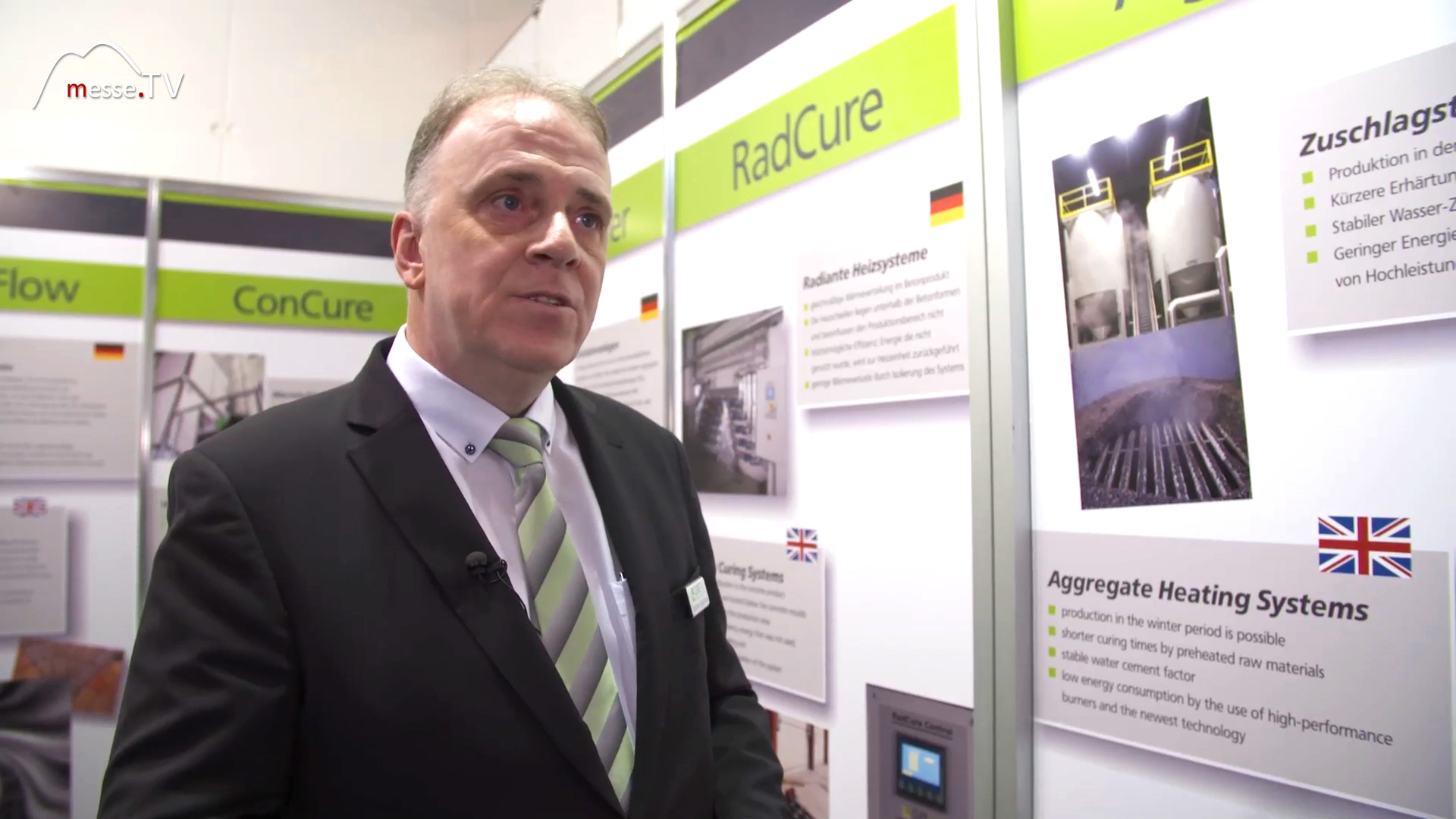
Das vorgestellte System nutzt bis zu 120 Grad heiße Luft, um Zuschlagstoffe in Silos gezielt zu temperieren. Eingesetzt wird die Technik vor allem in Betonwerken, in denen Produkte wie Pflastersteine, Rohre oder Fertigteile hergestellt werden. Die Zuschlagstoffe bilden dabei einen zentralen Bestandteil des späteren Betons. Werden Kies oder Gestein zu kalt oder gefrieren einzelne Bereiche, verändert sich der Produktionsprozess deutlich. Besonders im Winter kann Feuchtigkeit innerhalb der Materialien zu Eisbildung führen. Das erschwert die Dosierung und beeinflusst die Verarbeitbarkeit des Betons. CureTec beschreibt das System deshalb bewusst nicht nur als klassische Heizung, sondern als flexible Temperaturregelung für unterschiedliche Witterungsbedingungen. Denn die Anlage kann die Zuschläge nicht nur erwärmen, sondern bei hohen Außentemperaturen auch herunterkühlen. Gerade dieser kombinierte Ansatz wird für viele Betonhersteller interessant. Während früher vor allem Frostschutz im Mittelpunkt stand, rückt heute zunehmend auch die Kontrolle hoher Materialtemperaturen in den Fokus.
Betonproduktion reagiert empfindlich auf Temperaturunterschiede
Die Bedeutung solcher Systeme hängt eng mit den Eigenschaften von Beton zusammen. Temperatur beeinflusst die Hydratation des Zements, also den chemischen Prozess der Aushärtung. Bereits kleinere Schwankungen können Auswirkungen auf Festigkeit, Verarbeitungszeit oder Oberflächenqualität haben. Besonders problematisch sind gefrorene Zuschlagstoffe. Eis verändert nicht nur die Feuchtigkeitsbilanz innerhalb der Mischung, sondern kann auch zu ungleichmäßigen Materialeigenschaften führen. In Fertigteilwerken oder bei hochwertigen Betonprodukten entstehen dadurch schnell Qualitätsprobleme. Im Sommer verschiebt sich das Problem dagegen in die andere Richtung. Stark aufgeheizte Zuschlagstoffe können die Temperatur des Frischbetons erhöhen und die Verarbeitungszeit verkürzen. Gerade bei großen Produktionsmengen oder langen Transportwegen wird das zunehmend kritisch. Wichtige Eigenschaften des vorgestellten Systems:
- Temperierung von Zuschlagstoffen in Betonwerken
- Einblasen von bis zu 120 Grad heißer Luft
- Vermeidung von Eisbildung im Winter
- Kühlfunktion bei hohen Außentemperaturen
- Einsatz für Kies, Steine und mineralische Zuschläge

Zuschlagstoffheizung gewinnt durch Fertigteilbau an Bedeutung
Gerade im industriellen Betonbau steigen die Anforderungen an gleichbleibende Qualität. Fertigteile, Pflastersteine oder Betonrohre werden heute unter hoch standardisierten Bedingungen produziert. Temperaturschwankungen wirken sich dort deutlich stärker aus als auf klassischen Baustellen. Hinzu kommt der wirtschaftliche Druck auf Betonwerke. Produktionsunterbrechungen durch Frost oder Qualitätsprobleme verursachen hohe Kosten. Systeme zur Temperaturkontrolle werden deshalb zunehmend Teil moderner Anlagenplanung. Auch der Trend zu automatisierten Betonwerken verstärkt diese Entwicklung. Je stärker Produktionsprozesse digitalisiert und standardisiert werden, desto wichtiger werden kontrollierbare Rahmenbedingungen für Materialien und Verarbeitung. Interessant ist dabei, dass sich die Anforderungen regional stark unterscheiden. In kalten Klimazonen steht weiterhin die Frostvermeidung im Mittelpunkt. In heißen Regionen gewinnen dagegen Kühlkonzepte zunehmend an Bedeutung, um die Frischbetontemperatur zu kontrollieren.
Klimatische Extreme verändern die Betonindustrie
Die Präsentation auf der bauma zeigt zugleich einen breiteren Wandel innerhalb der Baustoffindustrie. Wetterextreme und stärkere Temperaturschwankungen verändern Produktionsprozesse zunehmend auch im Betonbereich. Lange Hitzeperioden, plötzliche Frostwechsel oder feuchte Winter beeinflussen die Materiallogistik vieler Werke deutlich stärker als früher. Gleichzeitig steigen die Anforderungen an Qualitätssicherung und Produktionssicherheit. CureTec positioniert sich damit in einem vergleichsweise spezialisierten Bereich, der für die Praxis vieler Betonhersteller jedoch zunehmend relevant wird. Denn stabile Materialtemperaturen entscheiden nicht nur über die Verarbeitung, sondern häufig auch über Energieverbrauch, Produktionsgeschwindigkeit und die gleichbleibende Qualität industrieller Betonprodukte.








Messe-Berichterstattung bundesweit - Messewissen, Termine & Veranstaltungen


