Automatische Ladungssicherung für Containerfahrzeuge
von Jürgen Groh - 2024-02-13Die Sicherung von Ladung gehört zu den unscheinbaren, aber entscheidenden Arbeitsschritten im Transportalltag. Gerade bei Abrollcontainern oder Absetzkippern bedeutet das häufig zusätzliche Handarbeit auf dem Fahrzeug – oft unter Zeitdruck und nicht selten mit erhöhtem Unfallrisiko.
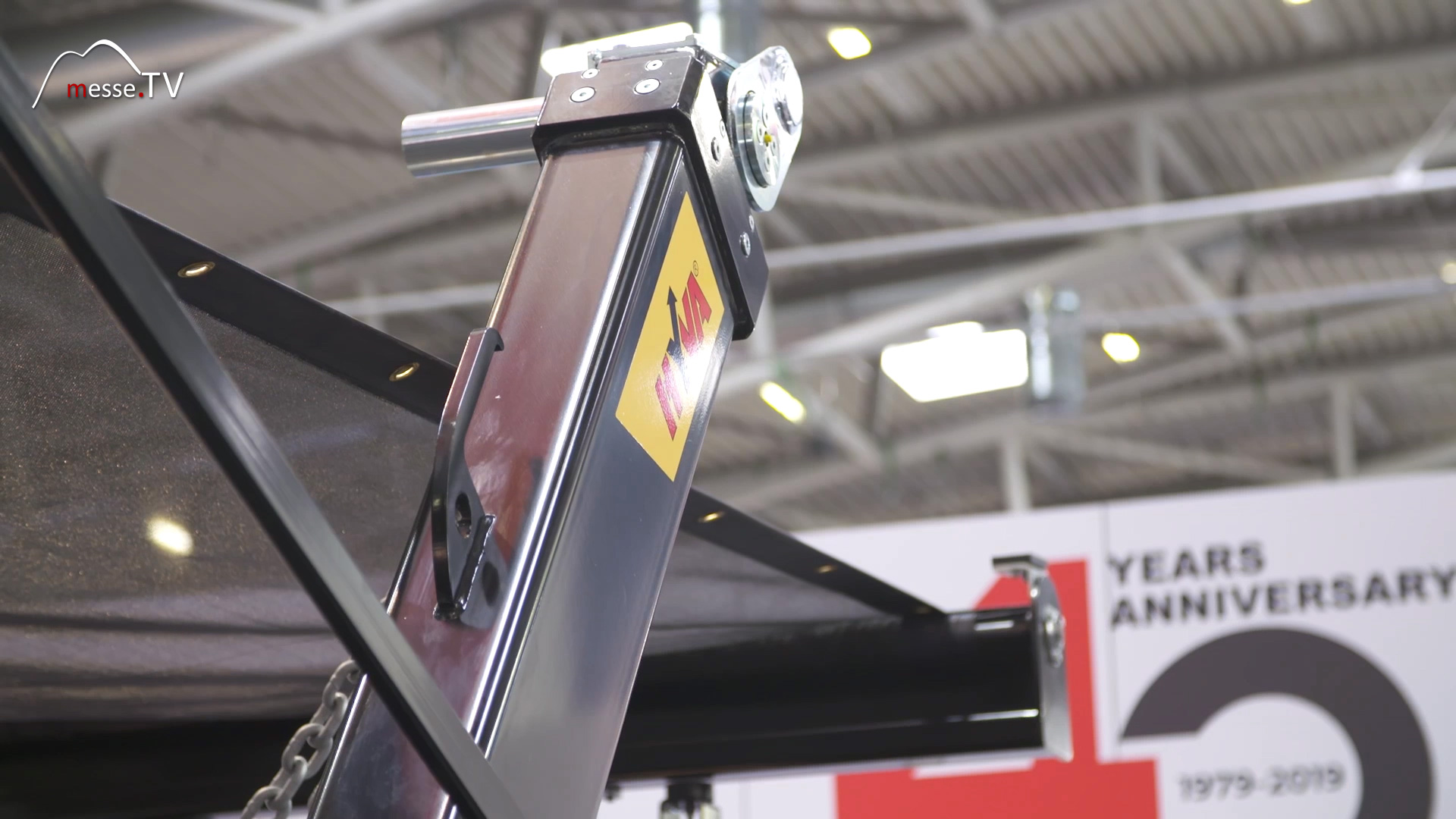
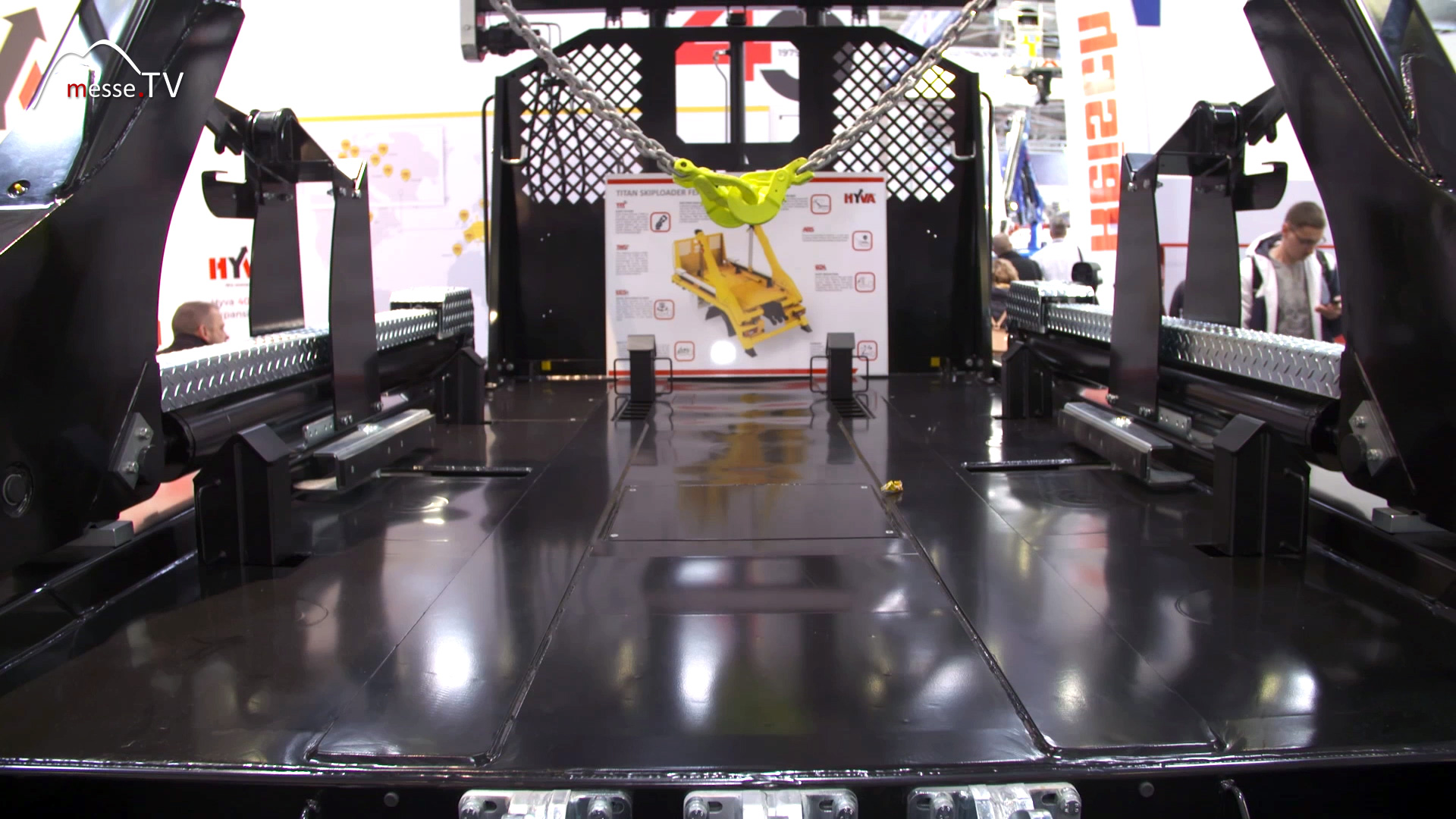
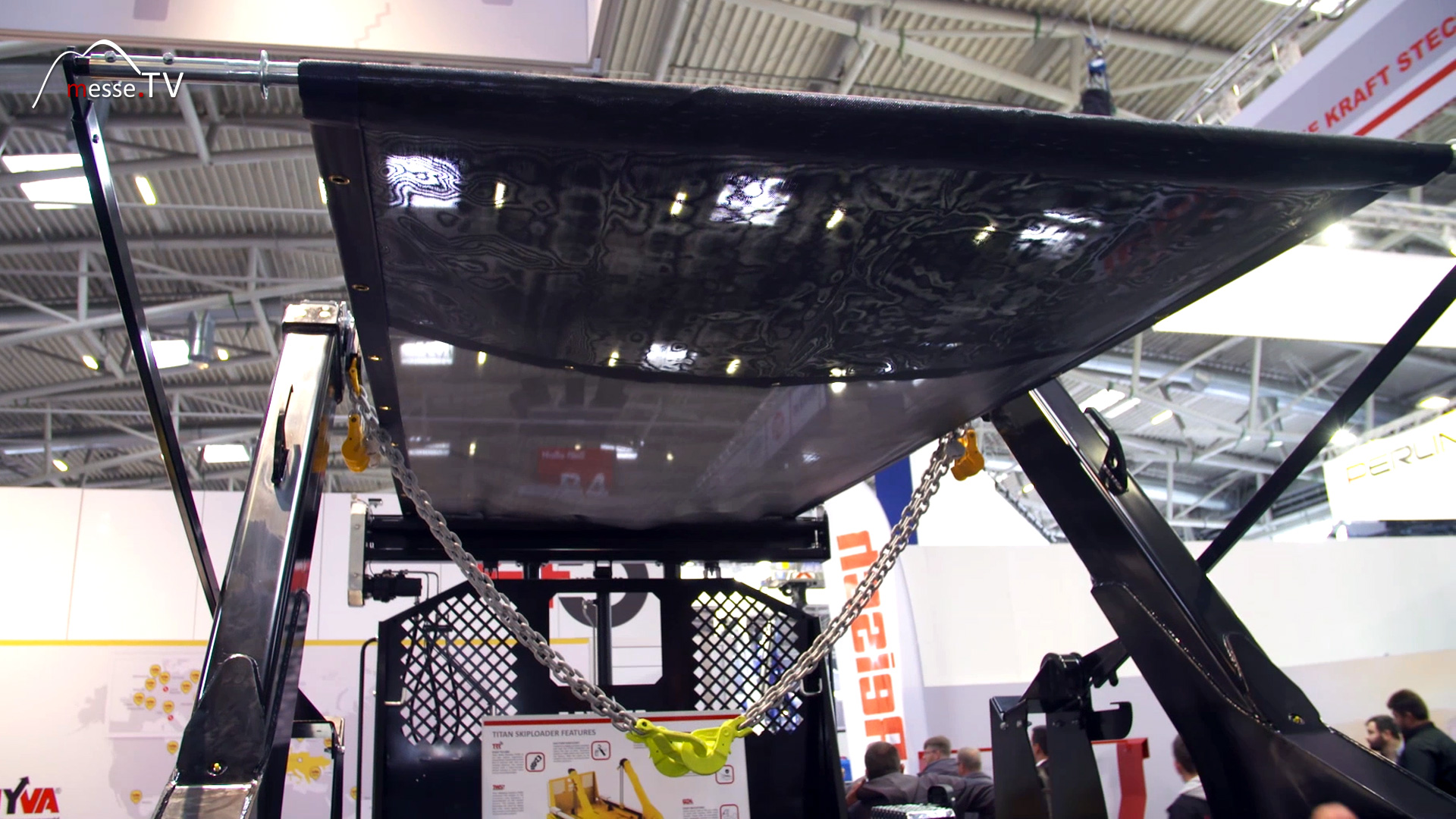
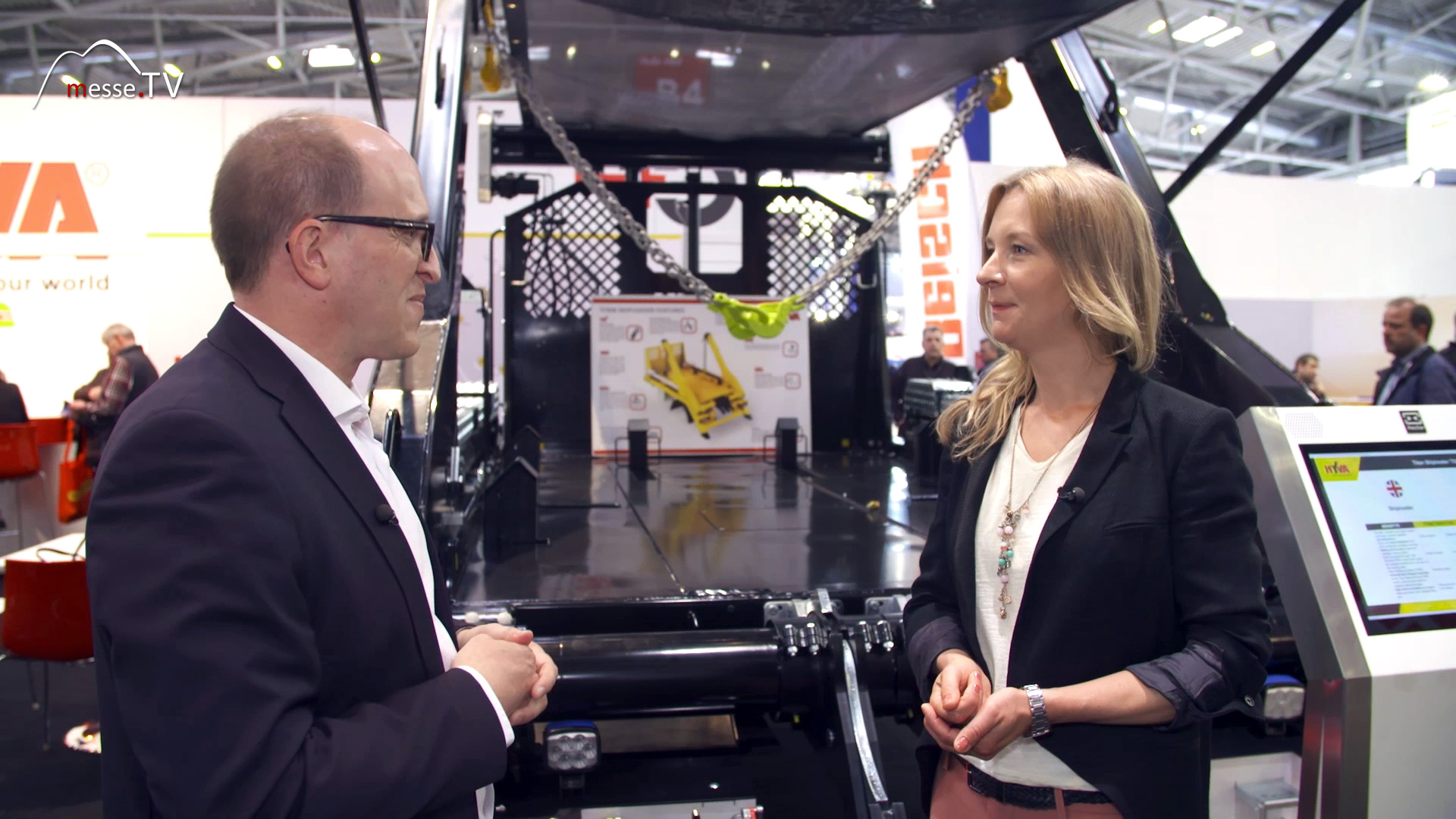
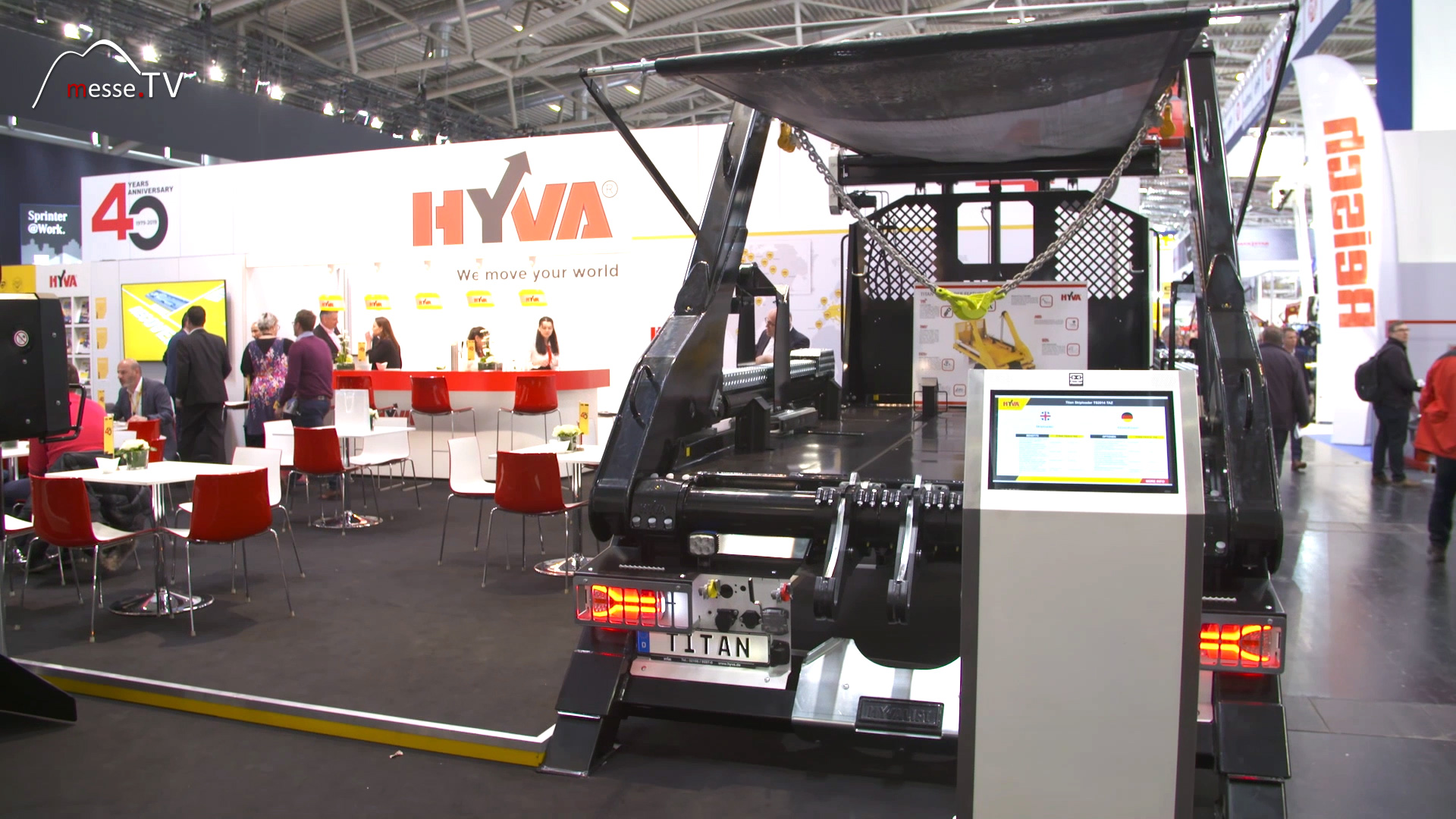
Auf der bauma in München zeigt Hyva deshalb ein automatisiertes Abdecksystem, das genau diese Abläufe vereinfachen und gleichzeitig die Arbeitssicherheit verbessern soll. Im Mittelpunkt steht ein Abnetzsystem für Containerfahrzeuge, das auf den ersten Blick beinahe wie ein festes Dach wirkt. Tatsächlich handelt es sich jedoch um ein automatisiertes Netzsystem zur Ladungssicherung. Die Konstruktion ermöglicht es, Container schnell und ohne manuelles Klettern auf das Fahrzeug abzudecken. Gerade im Baustellen- und Entsorgungsbereich gewinnt dieses Thema zunehmend an Bedeutung. Denn strengere Sicherheitsvorgaben, steigender Zeitdruck und wirtschaftliche Anforderungen verändern die Abläufe vieler Transportunternehmen deutlich.
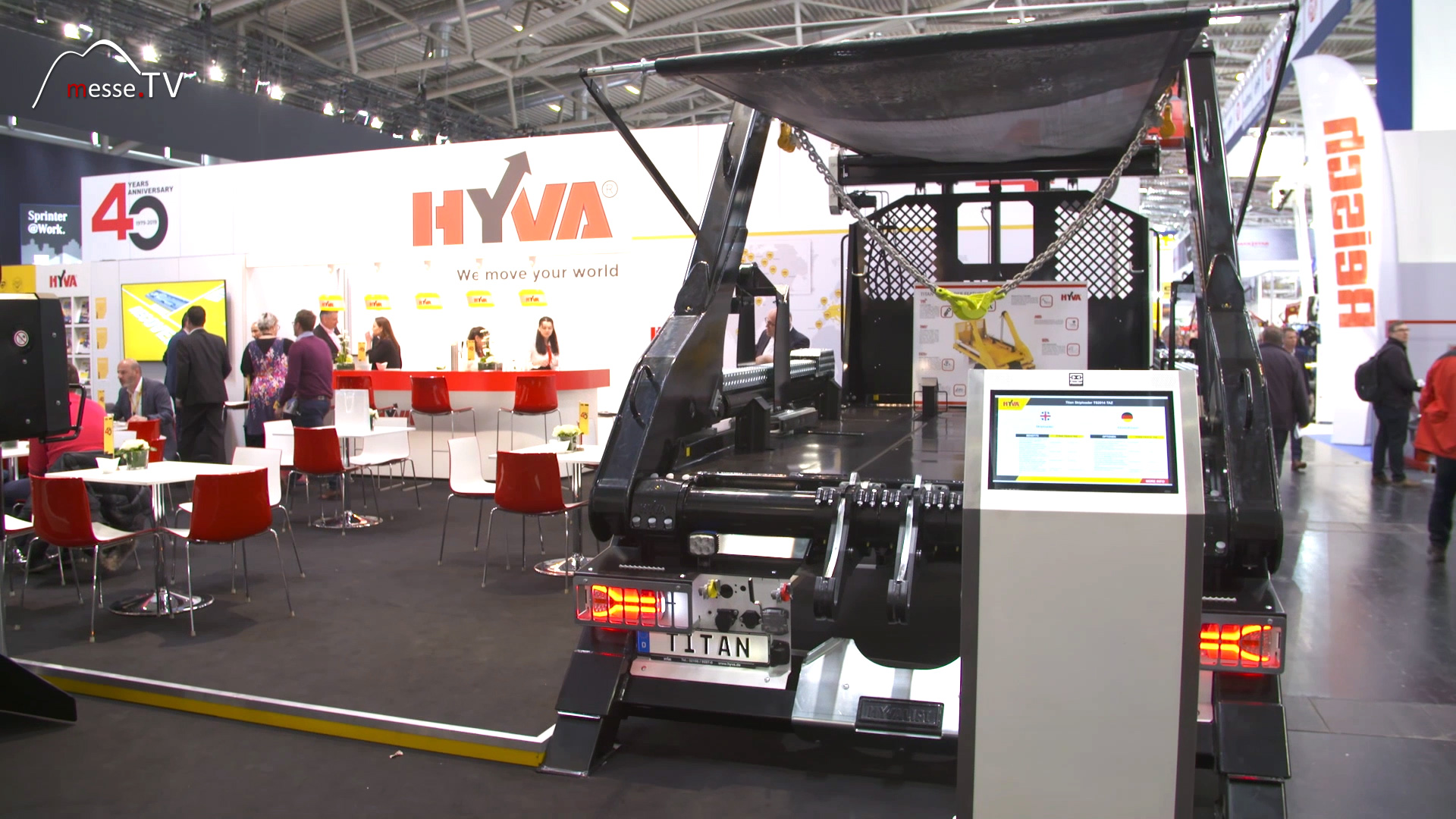

Hyva setzt auf automatisierte Netzsysteme
Nach Angaben des Unternehmens ist das System in Deutschland noch vergleichsweise neu. Innerhalb des internationalen Konzerns wird die Technik jedoch bereits in größeren Stückzahlen eingesetzt, insbesondere im britischen Markt. Der Hintergrund liegt vor allem in strengeren Arbeitsschutzvorgaben. Fahrer sollen möglichst vermeiden, auf Container oder Aufbauten steigen zu müssen, um Planen oder Netze manuell zu befestigen. Genau dort setzt die vorgestellte Lösung an. Das Netz wird automatisch über den Container geführt und kann per Funkfernsteuerung bedient werden. Dadurch bleibt der Fahrer am Boden und muss gefährliche Bewegungen auf unebenen oder verschmutzten Fahrzeugoberflächen nicht mehr durchführen. Gerade im Alltag von Baustellen- oder Recyclingtransporten gilt das als praktischer Vorteil. Container werden häufig unter schwierigen Bedingungen be- und entladen – etwa auf unbefestigten Flächen, bei Regen oder in engen Arbeitsbereichen.
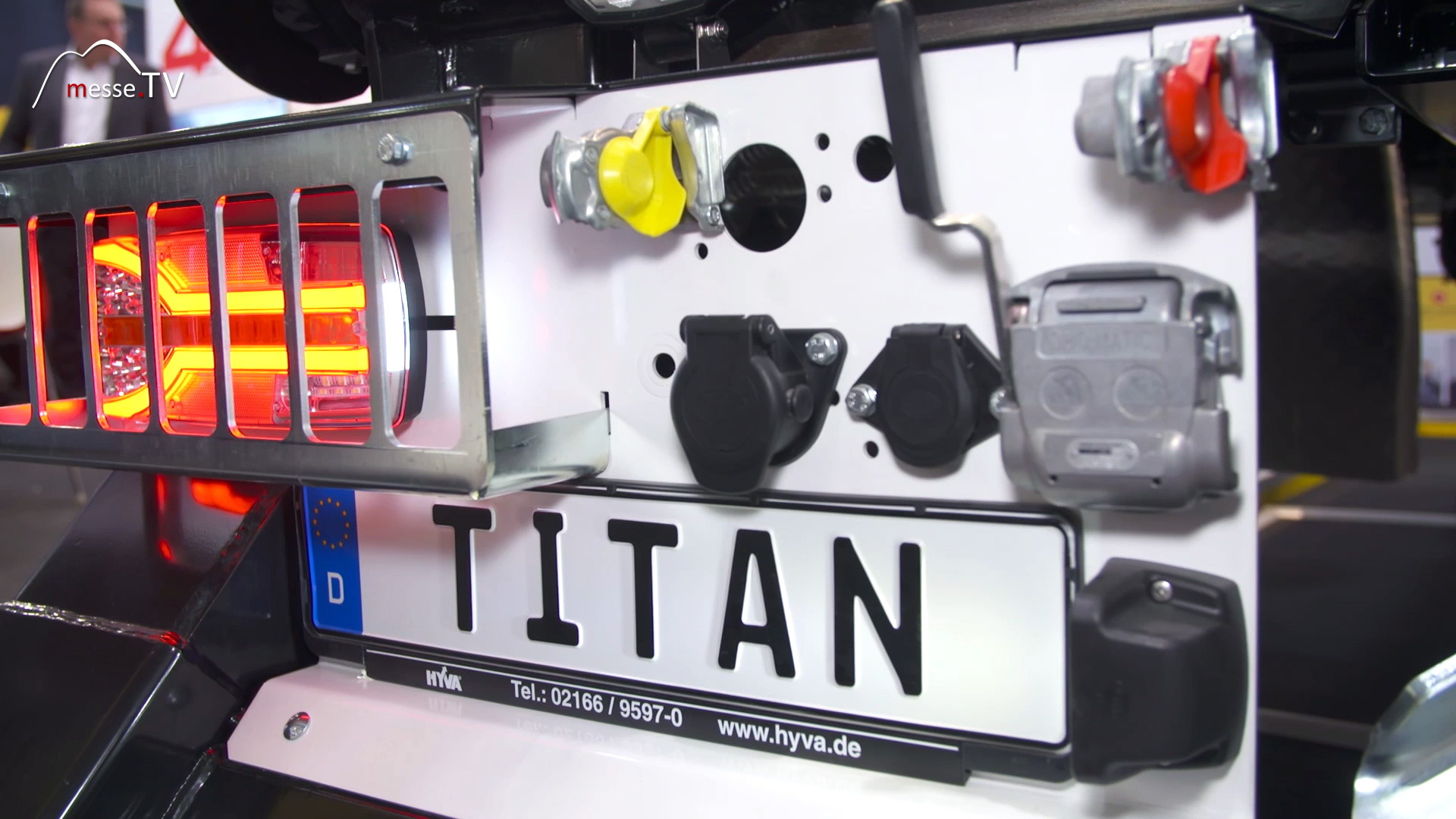
Arbeitssicherheit wird zum wirtschaftlichen Faktor
Interessant ist dabei, dass das System nicht nur auf Sicherheit zielt, sondern ausdrücklich auch auf Effizienz. Laut Hersteller lassen sich Container deutlich schneller sichern als mit klassischen manuellen Lösungen. Bei zehn bis zwölf Fahrten pro Tag summiert sich die eingesparte Zeit erheblich. Nach Einschätzung des Unternehmens kann dadurch unter Umständen sogar eine zusätzliche Fahrt pro Arbeitstag möglich werden.

Damit verändert sich die Rolle solcher Systeme. Arbeitsschutz wird nicht mehr nur als regulatorische Pflicht betrachtet, sondern zunehmend als wirtschaftlicher Bestandteil der Fahrzeugtechnik. Wichtige Eigenschaften des vorgestellten Systems:
- automatisiertes Abdecksystem für Containerfahrzeuge
- Netzsystem zur Ladungssicherung
- Bedienung per Funkfernsteuerung
- reduziertes Unfallrisiko für Fahrer
- schnellere Abdeckung bei häufigen Transportfahrten
Containerlogistik steht unter wachsendem Effizienzdruck
Die Präsentation auf der bauma zeigt zugleich einen größeren Wandel innerhalb der Nutzfahrzeugbranche. Viele Innovationen betreffen heute nicht mehr nur Motoren oder Fahrwerke, sondern alltägliche Arbeitsprozesse rund um Beladung, Sicherung und Bedienung. Vor allem im kommunalen Bereich, in der Bauwirtschaft und in der Entsorgungslogistik steigen die Anforderungen an ergonomische Arbeitsabläufe. Fahrer sollen körperlich entlastet, Arbeitsunfälle reduziert und gleichzeitig Standzeiten minimiert werden. Hinzu kommt der zunehmende Fachkräftemangel im Transportsektor. Unternehmen versuchen deshalb verstärkt, Fahrzeuge einfacher und sicherer bedienbar zu machen. Automatisierte Assistenzsysteme gewinnen dadurch auch außerhalb klassischer Fahrerassistenz an Bedeutung. Gerade Ladungssicherung galt lange als Bereich, der stark von manueller Arbeit geprägt war. Mit automatisierten Netz- und Planensystemen verändert sich dieser Prozess nun schrittweise.

Großbritannien dient als Vorbild für strengere Standards
Auffällig ist dabei der internationale Unterschied bei Sicherheitsstandards. Während solche Systeme in Deutschland noch vergleichsweise neu wirken, sind sie in Großbritannien bereits deutlich weiter verbreitet. Dort gelten im Bereich Arbeitsschutz teilweise strengere Vorgaben für Tätigkeiten auf Fahrzeugaufbauten. Unternehmen investieren deshalb früher in technische Lösungen zur Risikominimierung. Hyva nutzt diese Erfahrungen nun offenbar zunehmend auch für andere Märkte. Die bauma dient dabei als Plattform, um solche Systeme stärker im europäischen Baustellen- und Transportumfeld zu etablieren. Die Entwicklung macht deutlich, wie sehr sich Nutzfahrzeuge derzeit verändern. Moderne Fahrzeugtechnik umfasst längst nicht mehr nur Antrieb oder Nutzlast, sondern zunehmend auch Fragen von Ergonomie, Arbeitsschutz und Prozessoptimierung. Gerade dort, wo Fahrzeuge täglich unter hoher Belastung eingesetzt werden, entscheidet häufig die Summe kleiner technischer Verbesserungen über Wirtschaftlichkeit und Sicherheit im Betrieb.




Messe-Berichterstattung bundesweit - Messewissen, Termine & Veranstaltungen


