Cooling solutions for construction machinery, agricultural machinery and rail transport
by A. Bergmeier - 2024-02-13Cooling technology is one of those components in modern machinery that rarely takes centre stage, yet is crucial to performance, reliability and service life.
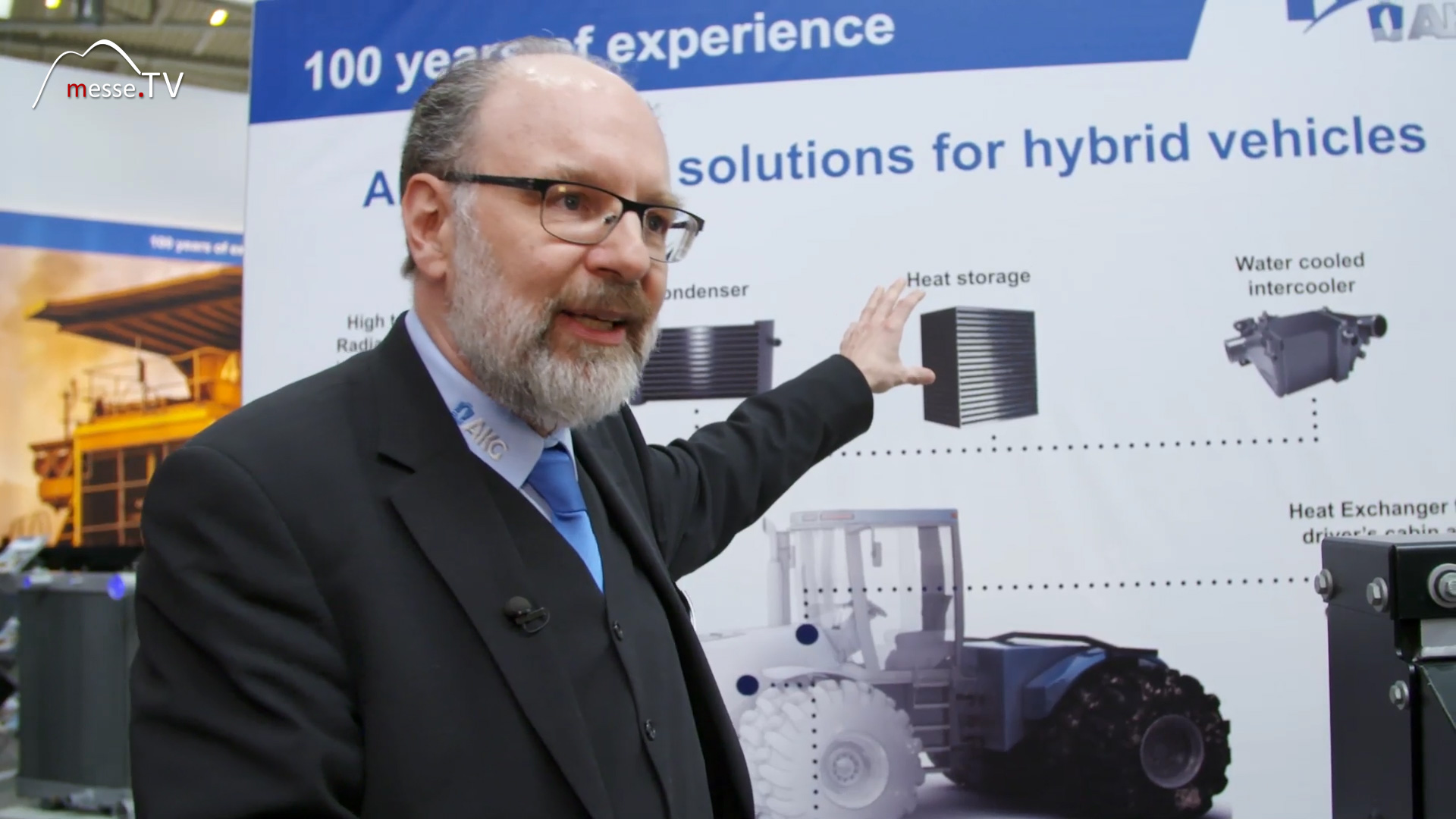
Engines, hydraulic systems, power electronics and battery storage units generate large amounts of heat that must be dissipated in a controlled manner. At bauma in Munich, AKG will demonstrate how specialised cooling systems can be adapted to the requirements of different industries. The company looks back on a special year. Its 100th anniversary marks not only a historic milestone but also the presentation of current developments for mobile machinery, agricultural machinery and rail transport. The focus is less on the mass production of standardised components and more on the development of bespoke solutions for clearly defined applications.
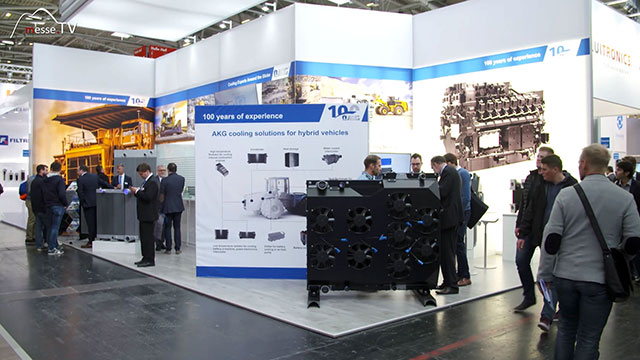

AKG focuses on specialised cooling systems rather than mass production
Whilst many industrial suppliers offer the broadest possible product portfolios, AKG takes a different approach. The company concentrates on applications where there are specific requirements regarding cooling capacity, reliability and installation space. In construction machinery in particular, the stresses are enormous. Machines frequently operate under heavy loads, in fluctuating ambient temperatures and often in dusty environments. At the same time, the power density of modern drives is continuously increasing. Consequently, the importance of efficient cooling systems is growing. According to the company, the focus is therefore not on producing the highest possible volume, but on finding the best possible solution for the specific application. The radiators are tailored to the requirements of individual machine designs and developed in close collaboration with the manufacturers.
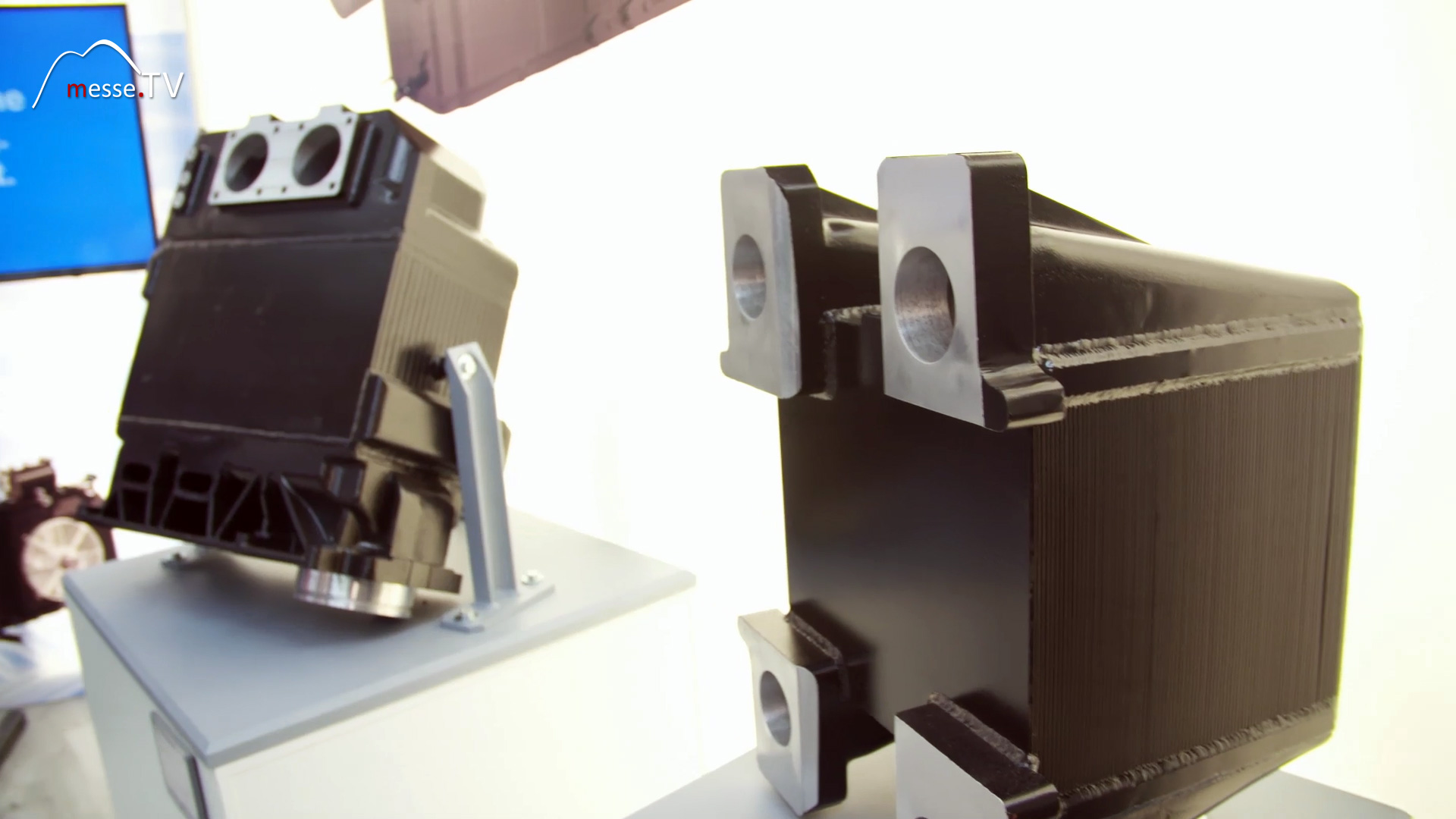
Radiators for construction and agricultural machinery under extreme conditions
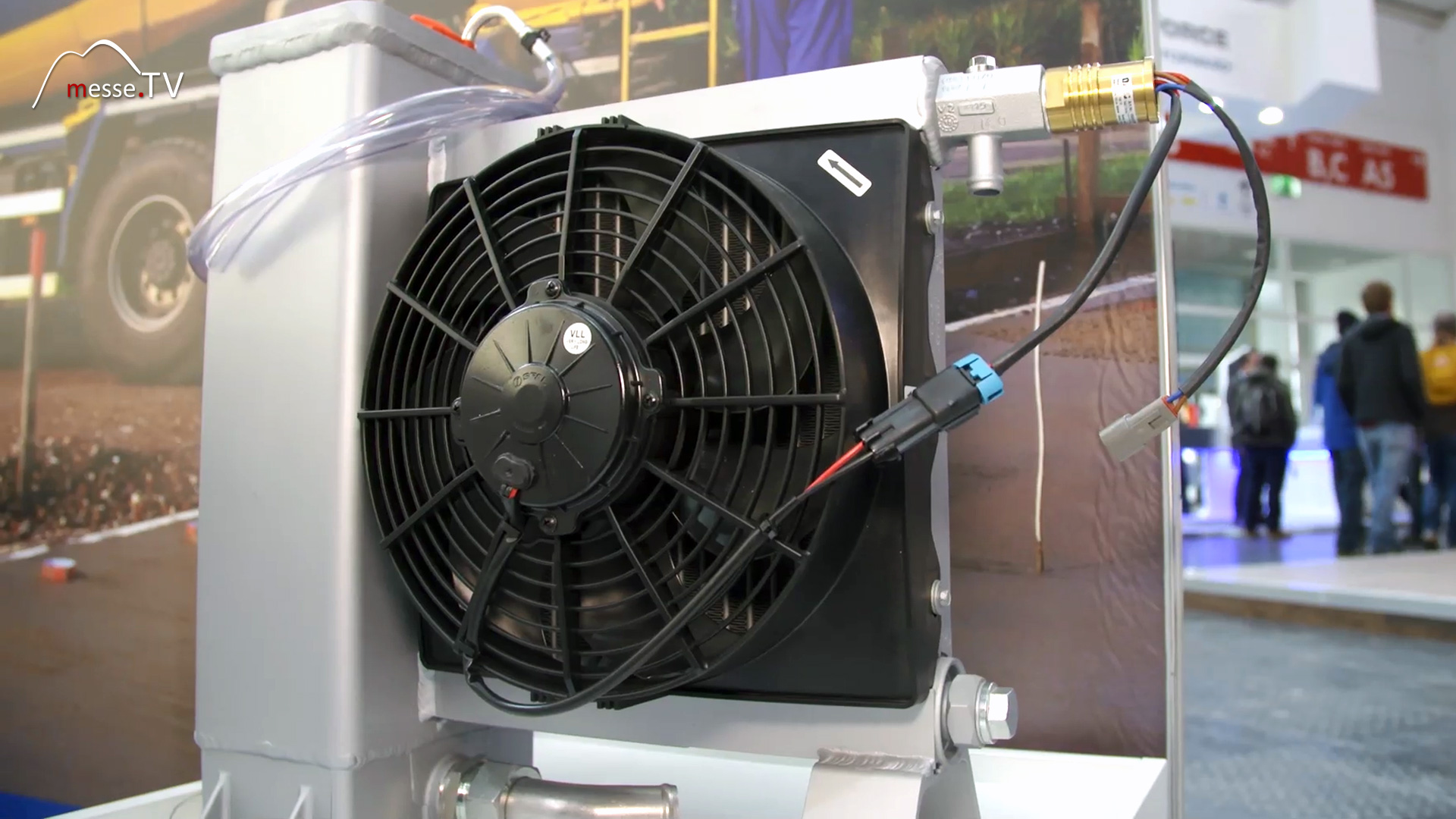
Mobile machinery is among the most important areas of application. This includes excavators, wheel loaders, cranes, dumpers and specialist vehicles for use on construction sites. In these machines, engines, hydraulic units and, increasingly, electrical components must be reliably cooled. Similar requirements apply to modern agricultural machinery. Tractors, combine harvesters and forage harvesters often operate at full load for many hours on end. Dust, dirt and high ambient temperatures pose additional challenges.

Typical requirements for modern cooling systems are:
- high cooling capacity with limited installation space
- reliability under continuous load
- resistance to dust and dirt
- adaptation to different climate zones
- long maintenance intervals and long service life
Rail vehicles demand consistent quality worldwide
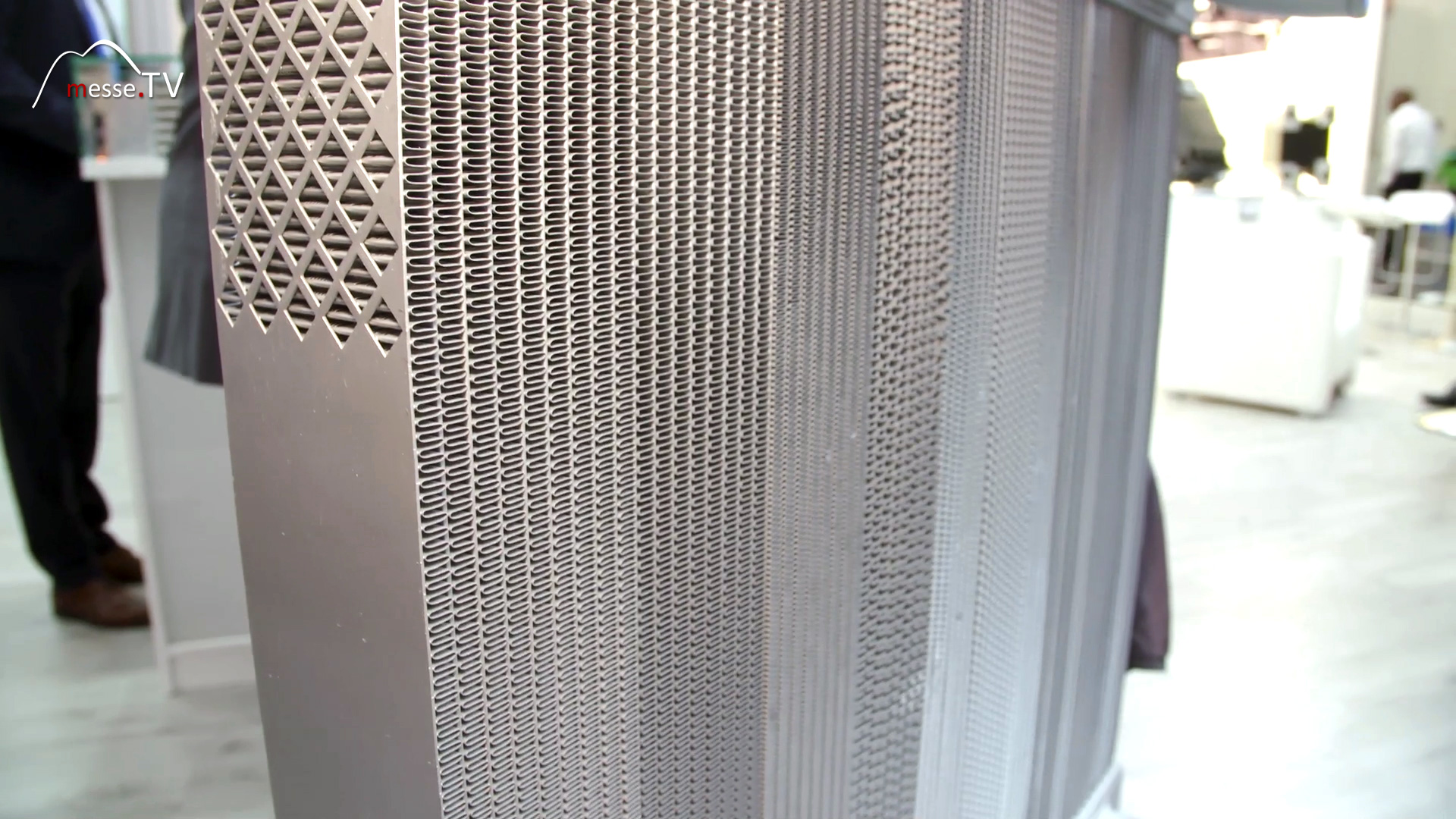
Alongside construction and agricultural machinery, the railway sector is one of the company’s key markets. Rail vehicles are often operated for decades and therefore place particularly high demands on the reliability of their components. International availability also plays an important role here. Vehicle manufacturers expect identical products regardless of where they are produced or delivered. A cooling system used in Europe must have the same properties as an identical product for Asia or North America. For operators of locomotives, multiple units or special-purpose vehicles, this means greater planning certainty in terms of maintenance, spare parts supply and long-term fleet management.
Global manufacturing for international machinery manufacturers
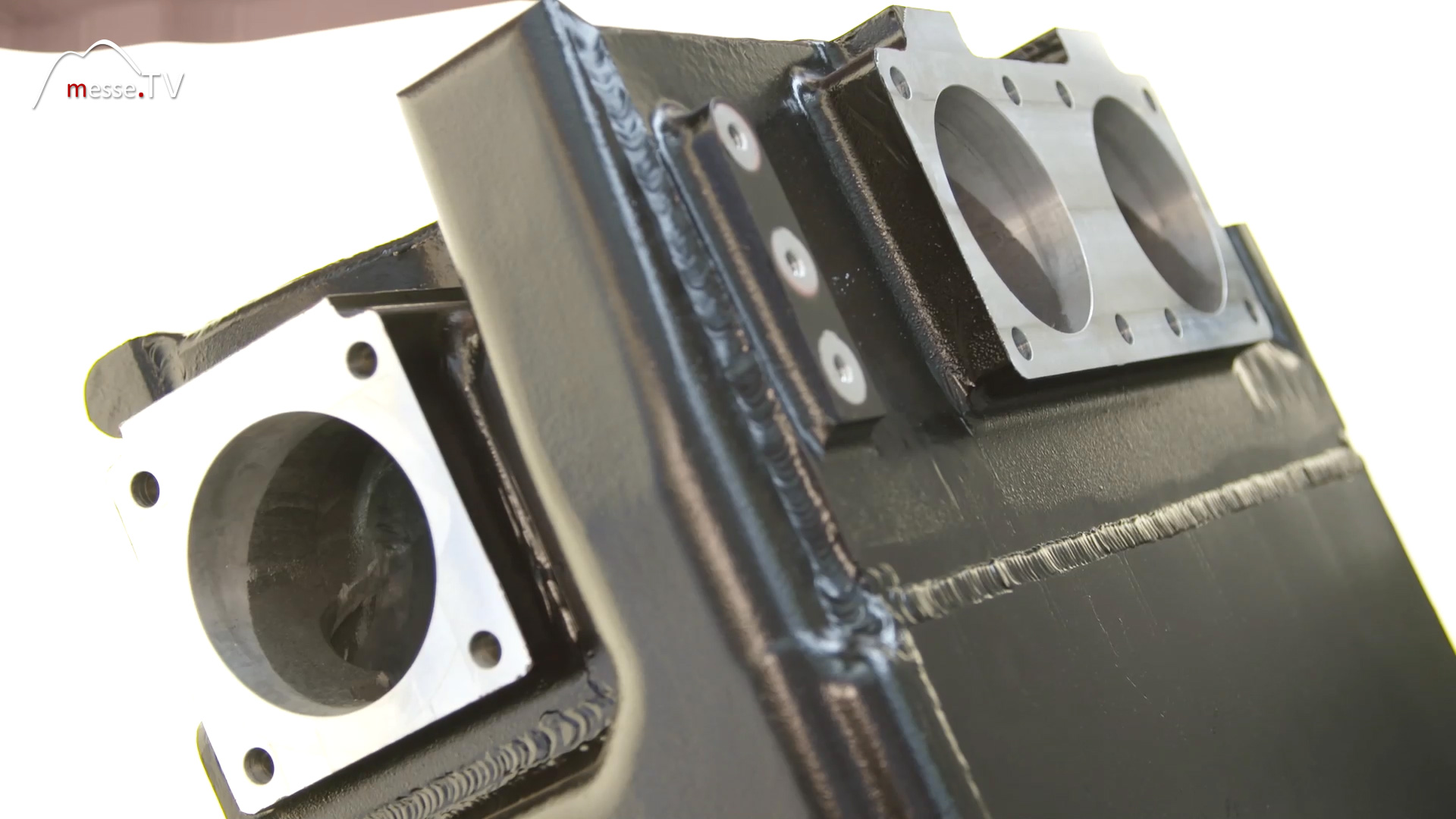
A key theme of the presentation is the global production structure. Many machinery manufacturers now develop their products globally and manufacture them simultaneously across several continents. This creates the requirement to make identical components available in different regions. Whether a machine is produced in the USA, China, India or Brazil – the technical specifications must remain the same. According to AKG, customers worldwide should receive the same quality and specifications. For internationally active machine manufacturers, this simplifies development processes and reduces the effort involved in approval, documentation and service.
Thermal management is becoming a key factor in modern machinery
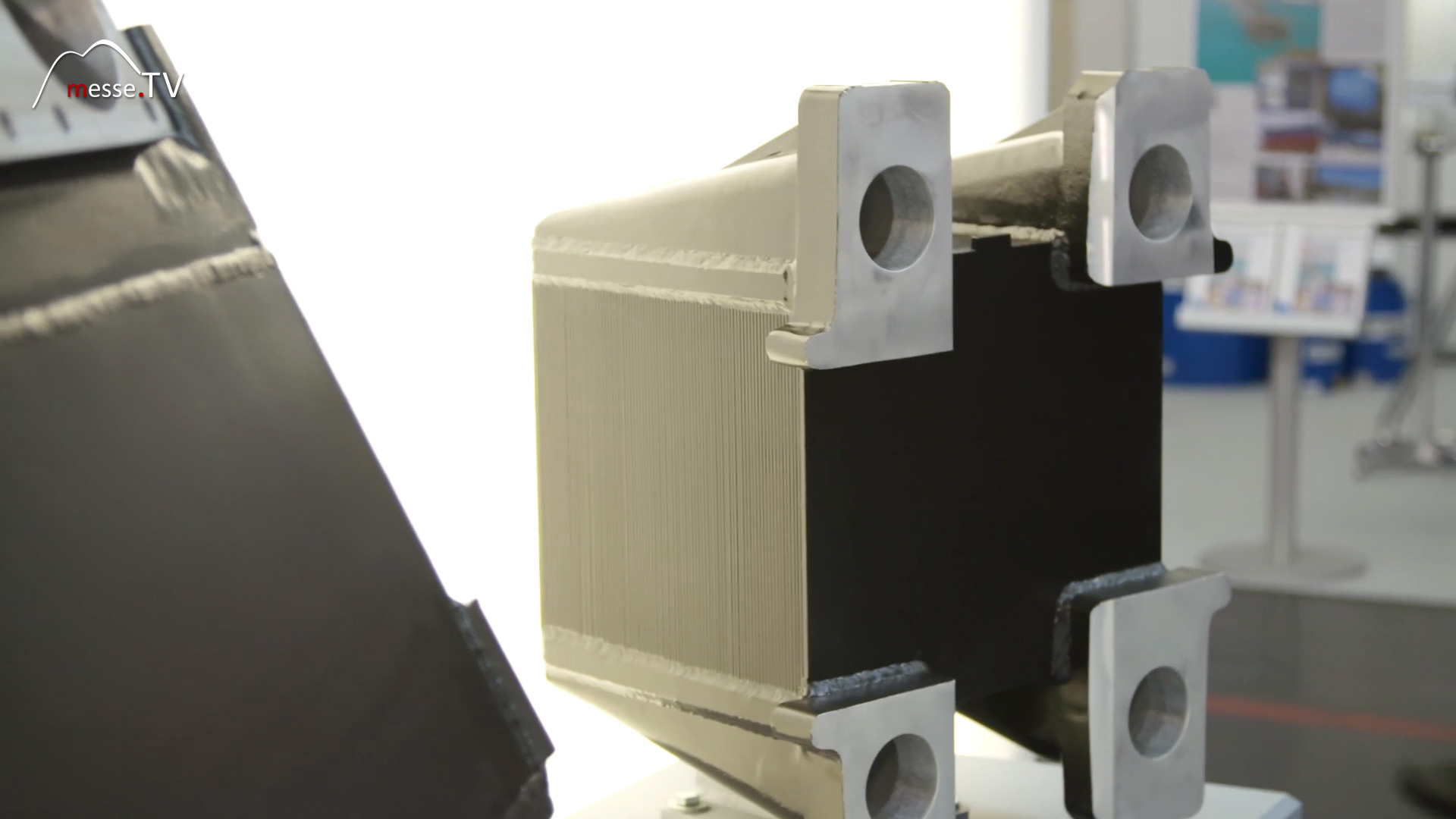
The importance of high-performance cooling systems continues to grow. Electrification, hybrid drives and increasing performance requirements mean that thermal management is becoming a central area of development. Whereas in the past it was mainly internal combustion engines that needed cooling, today battery systems, power electronics and complex hydraulic systems have been added to the mix. This makes the requirements more diverse and technically demanding. The presentation at bauma illustrates this shift. Coolers are no longer merely supporting components, but a crucial part of modern machine architectures. For manufacturers of construction machinery, agricultural machinery and rail vehicles, the efficient management of heat will play an even greater role in determining performance, energy efficiency and reliability in the future.



Trade fair reporting Germany - Trade fair knowledge, dates & events


