Caterpillar D6 Dozer with diesel-electric drive
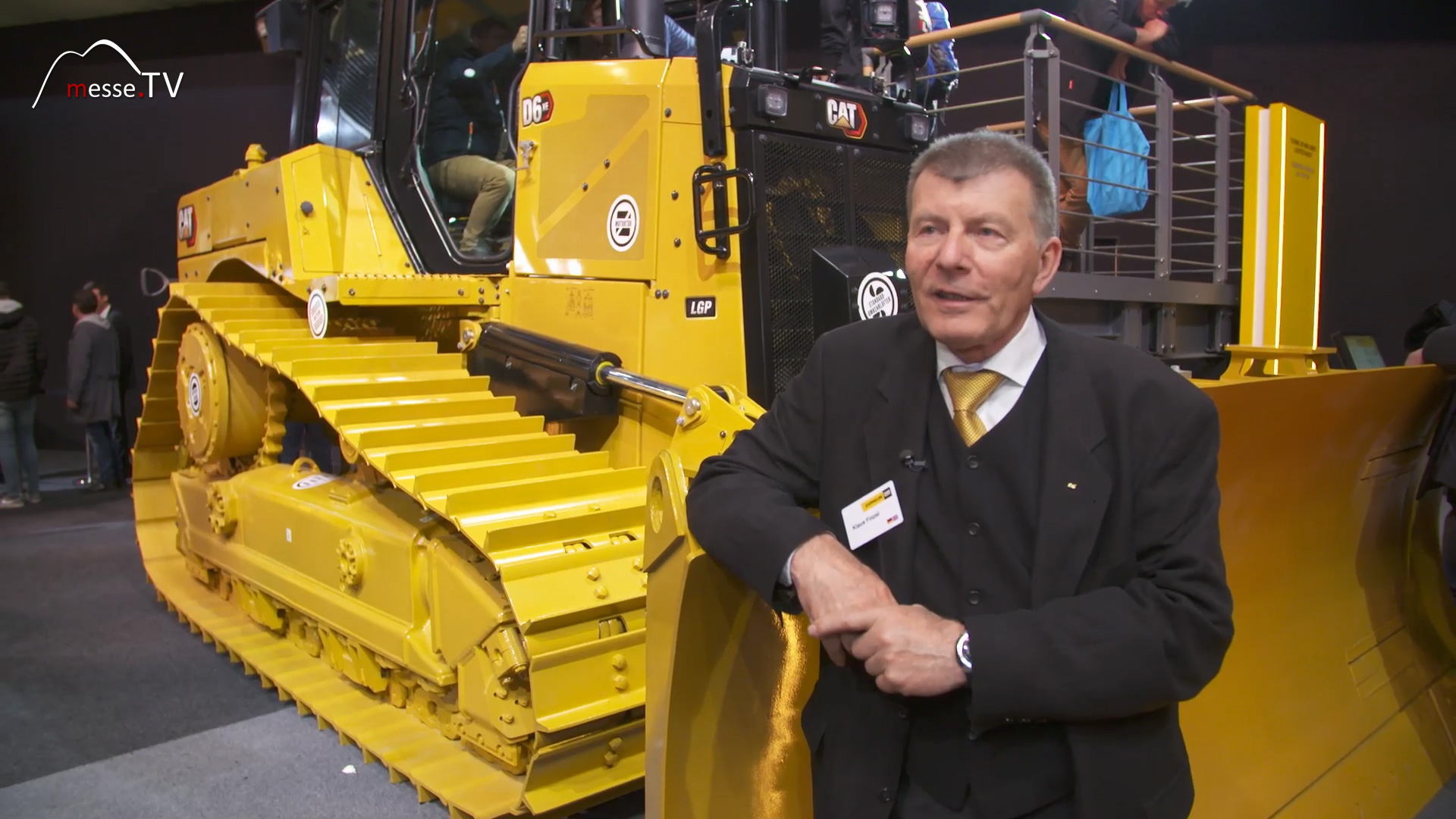
by A. Bergmeier - 2024-02-13At bauma, Caterpillar is showcasing a dozer that looks familiar on the outside but makes a clear technical difference. The D6 belongs to the over-25-tonne weight class – a segment that is particularly frequently used in everyday construction site operations.
This is precisely why the chosen drive technology is significant, as it is not used in a niche market but in a sector with high demand. Caterpillar is thus building on experience gained from earlier machines, but is applying the concept consistently for the first time to a class that is significantly more widespread in the market.
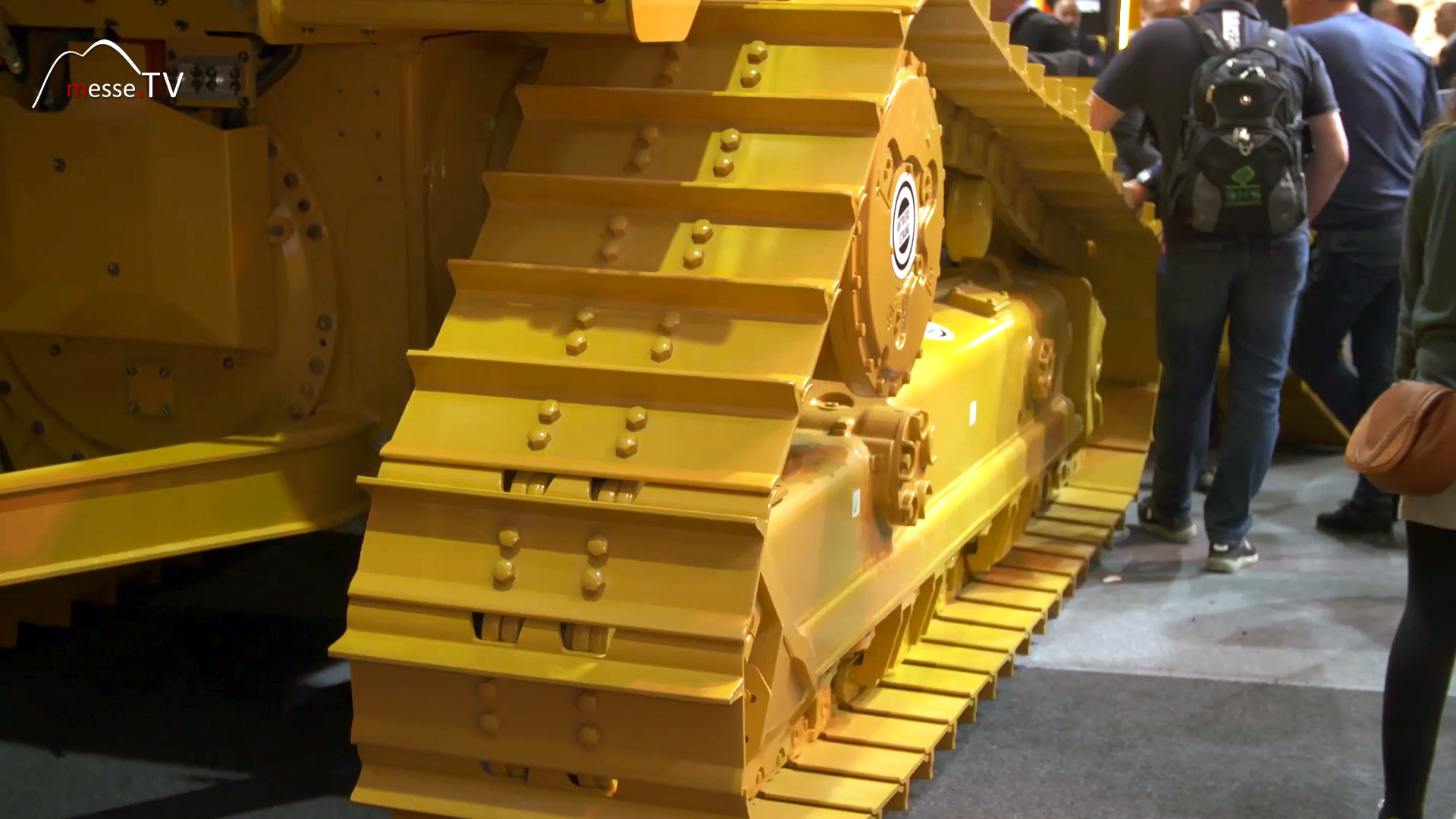
Caterpillar D6 with diesel-electric drive explained
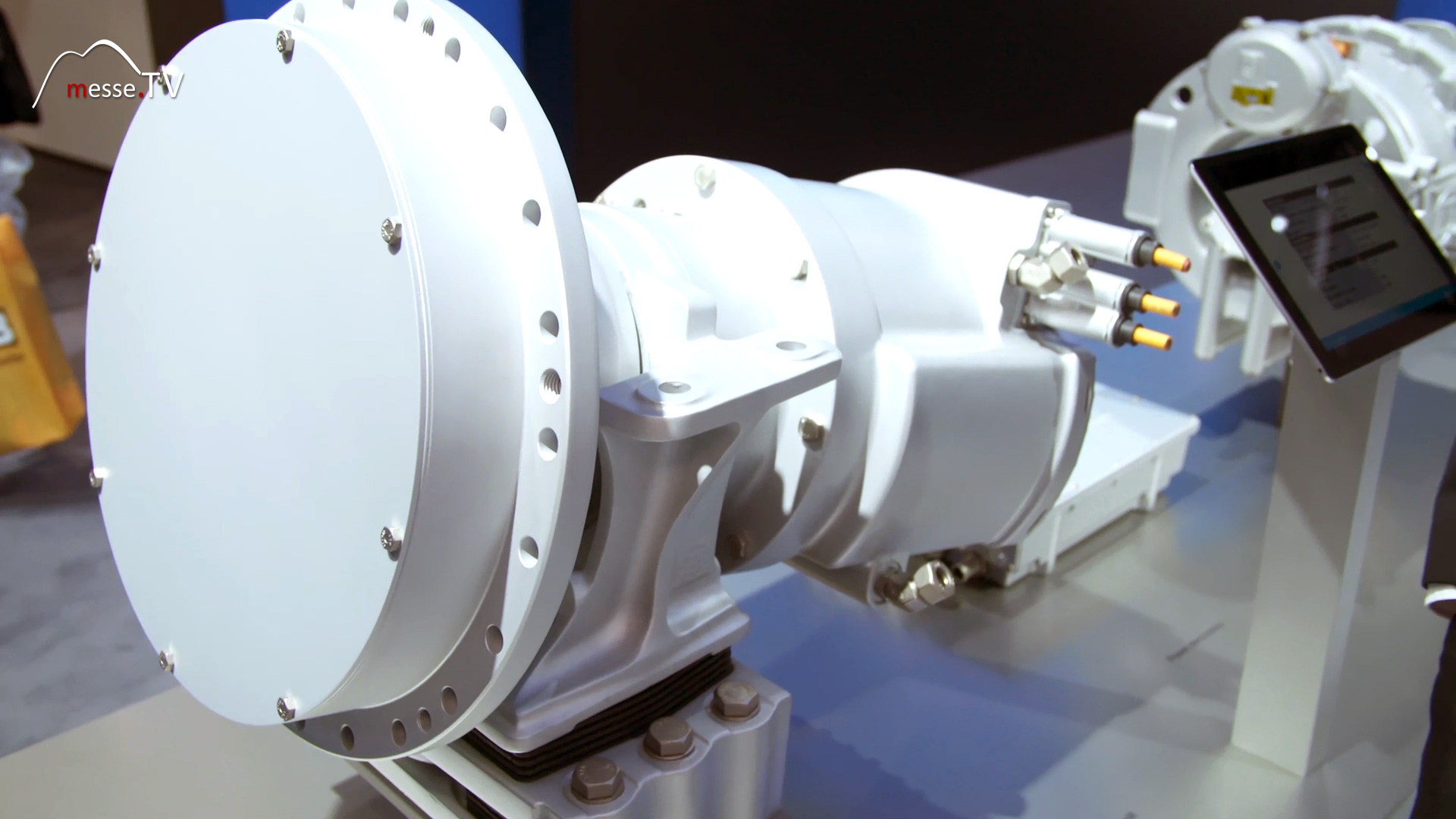
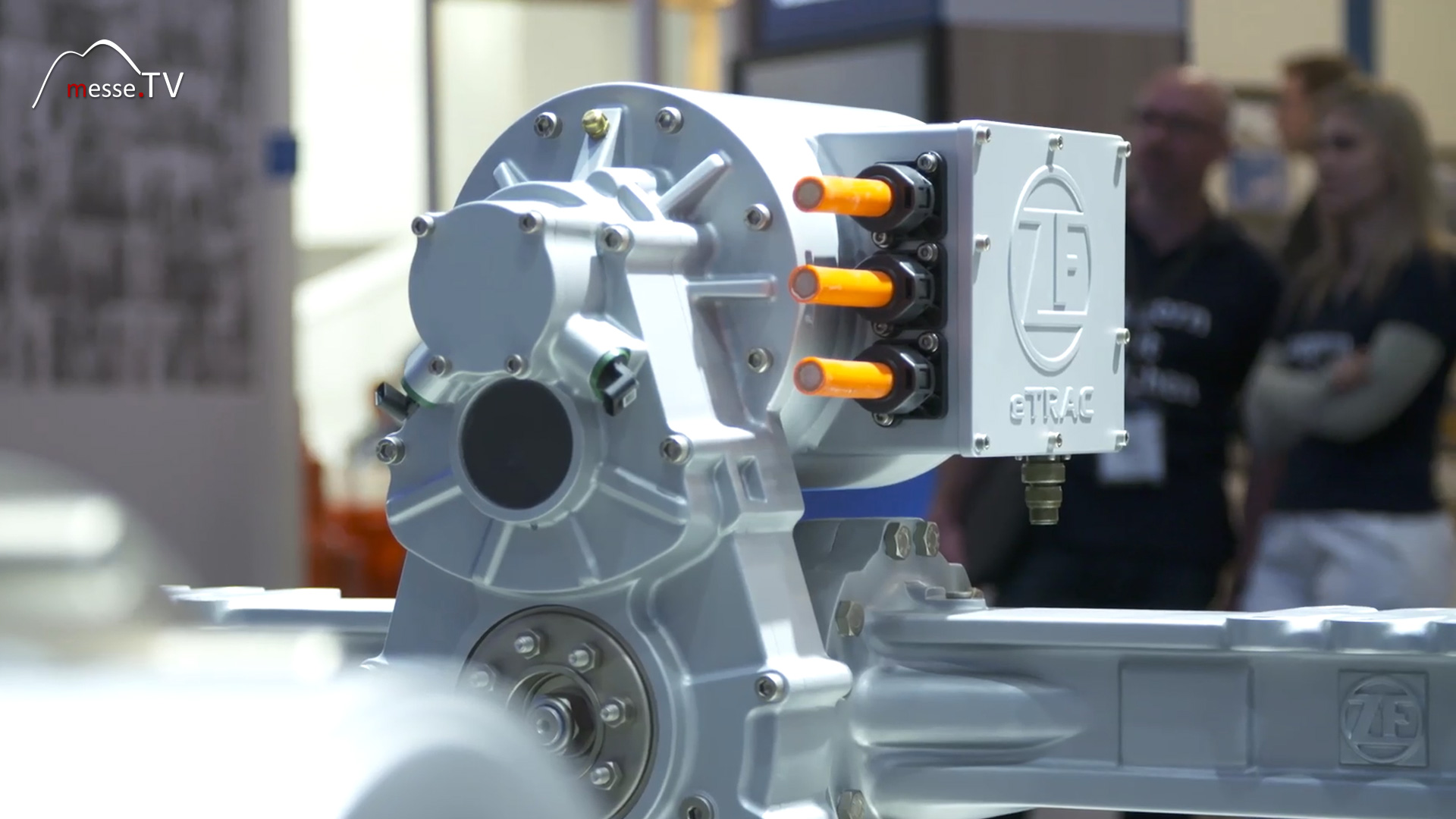
The key difference lies in the design of the drive system. The diesel engine does not drive the tracks directly. Instead, it acts as a power source for a generator. This generates electricity, which in turn powers electric motors. These electric motors drive the undercarriages on both sides. A conventional transmission is completely eliminated. Power transmission is therefore no longer mechanical, but electrically controlled. This principle was already used in the D7E. The main difference is that the D6 is now positioned in a significantly more sought-after machine class.
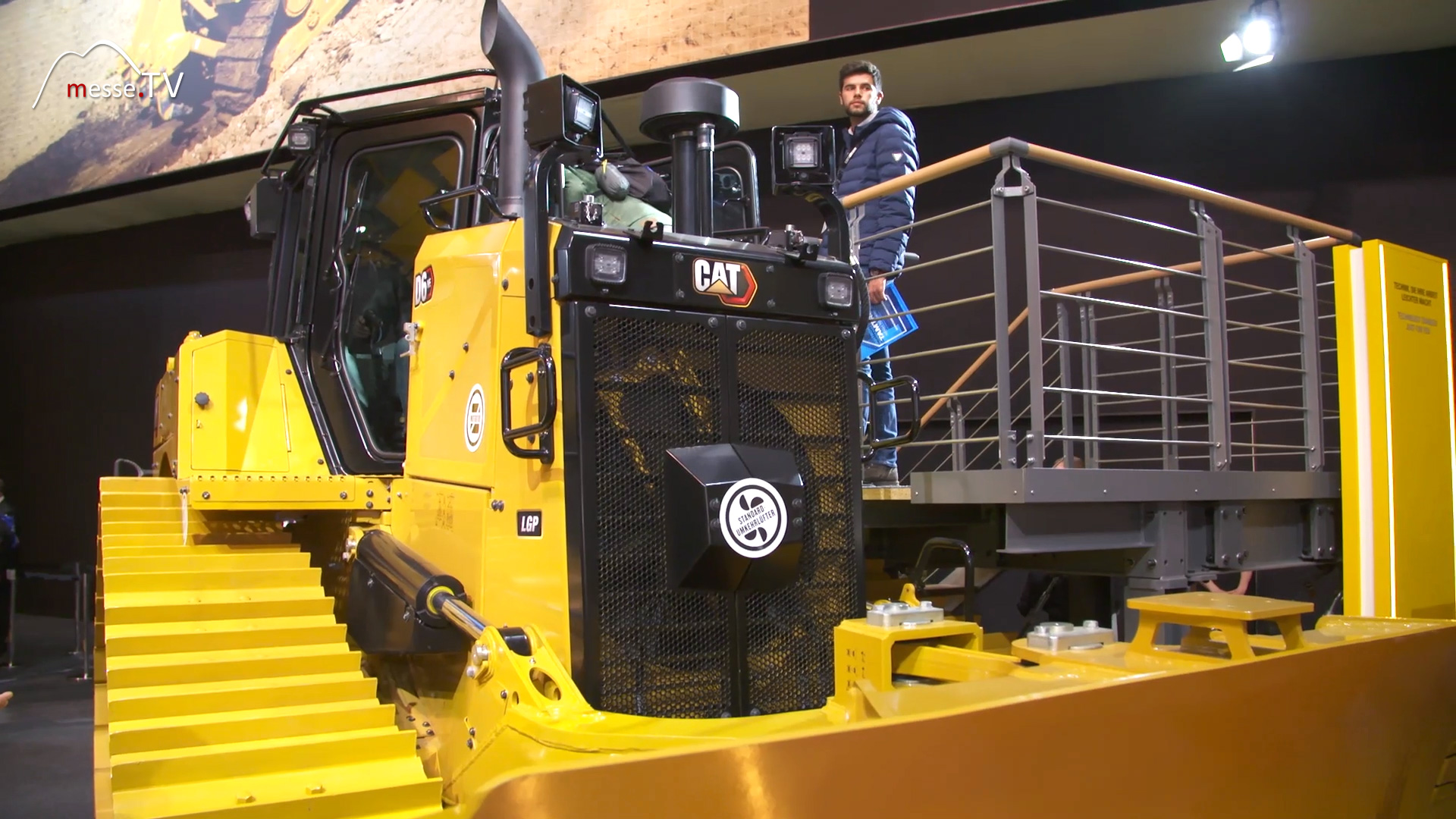
Advantages in dozer operation with full power from a standstill
The strength of this system is particularly evident when starting off. Whilst a conventional diesel engine first has to build up speed, the torque is immediately available with an electric motor. This is crucial for use as a dozer. When pushing large volumes of earth, high pushing force is required, whilst the movement must remain controlled. The D6 combines precisely these two characteristics: high power and fine control. This significantly eases the work in front of the blade. Material can be moved evenly without any jerky movements. The result is more stable operations and a smoother surface.

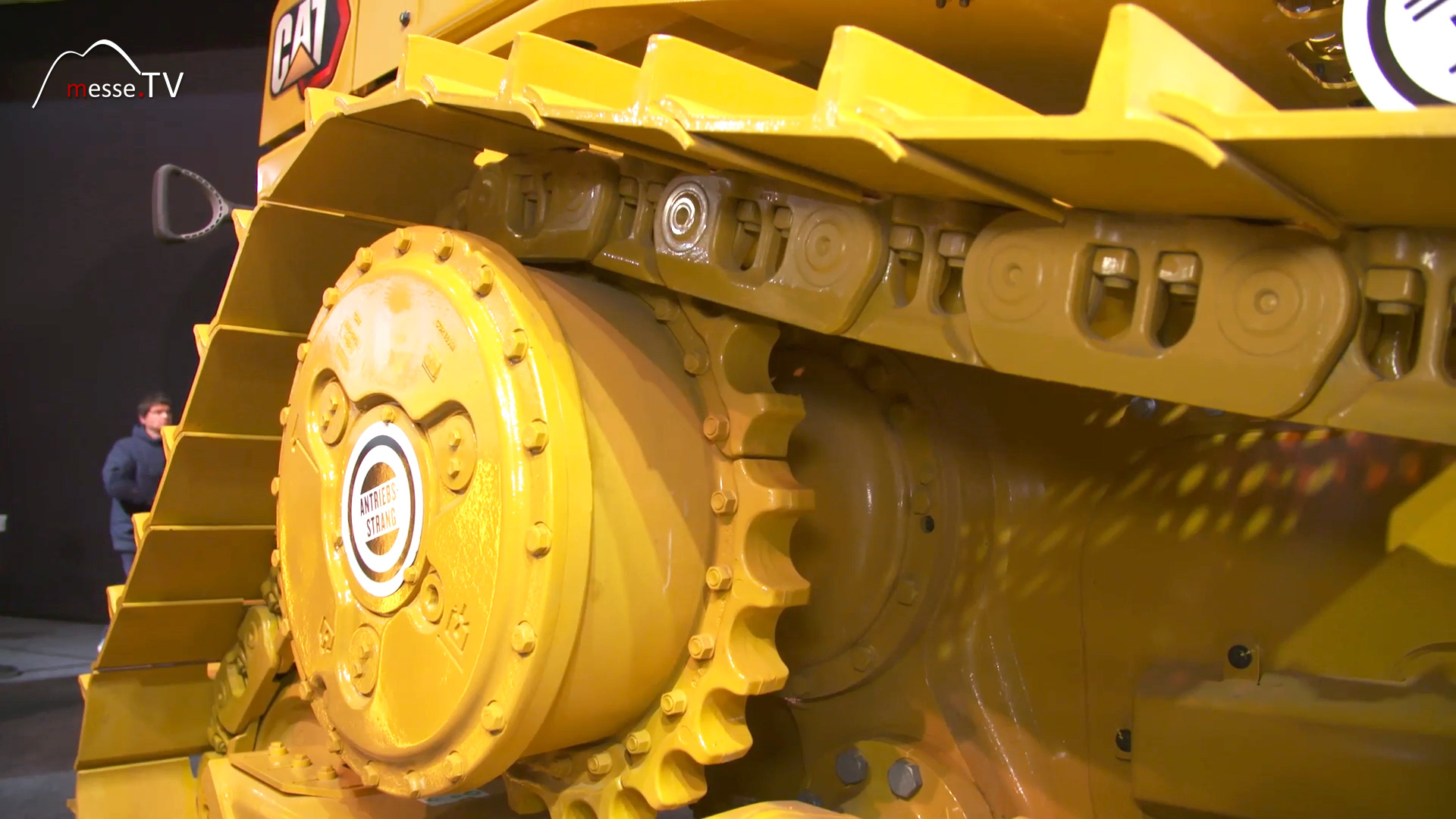
Control of the drive systems and precise material flow
A further advantage stems from the control of the drive systems. The electric drive allows movements to be controlled more directly than with mechanical systems. Changes are implemented immediately, without delay caused by gear changes. This plays a particularly important role during levelling. The material flow must remain constant to ensure a clean surface. Minor corrections determine whether the result is even.
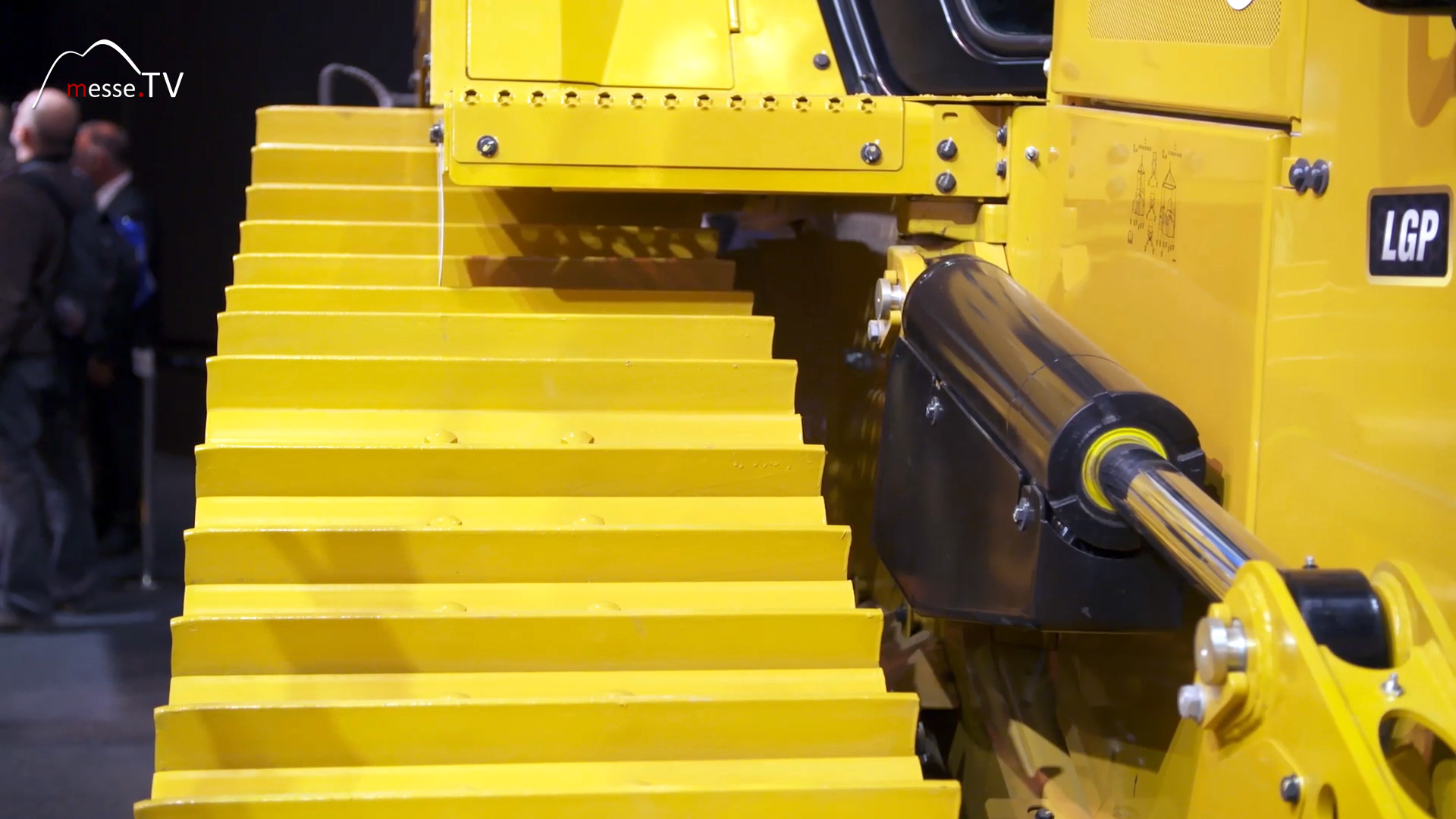
Typical features of the system are:
- immediate torque availability on start-up
- smooth power transmission without gear changes
- more precise control of the drive units
- better control when pushing material
- reduced mechanical complexity due to the elimination of the gearbox
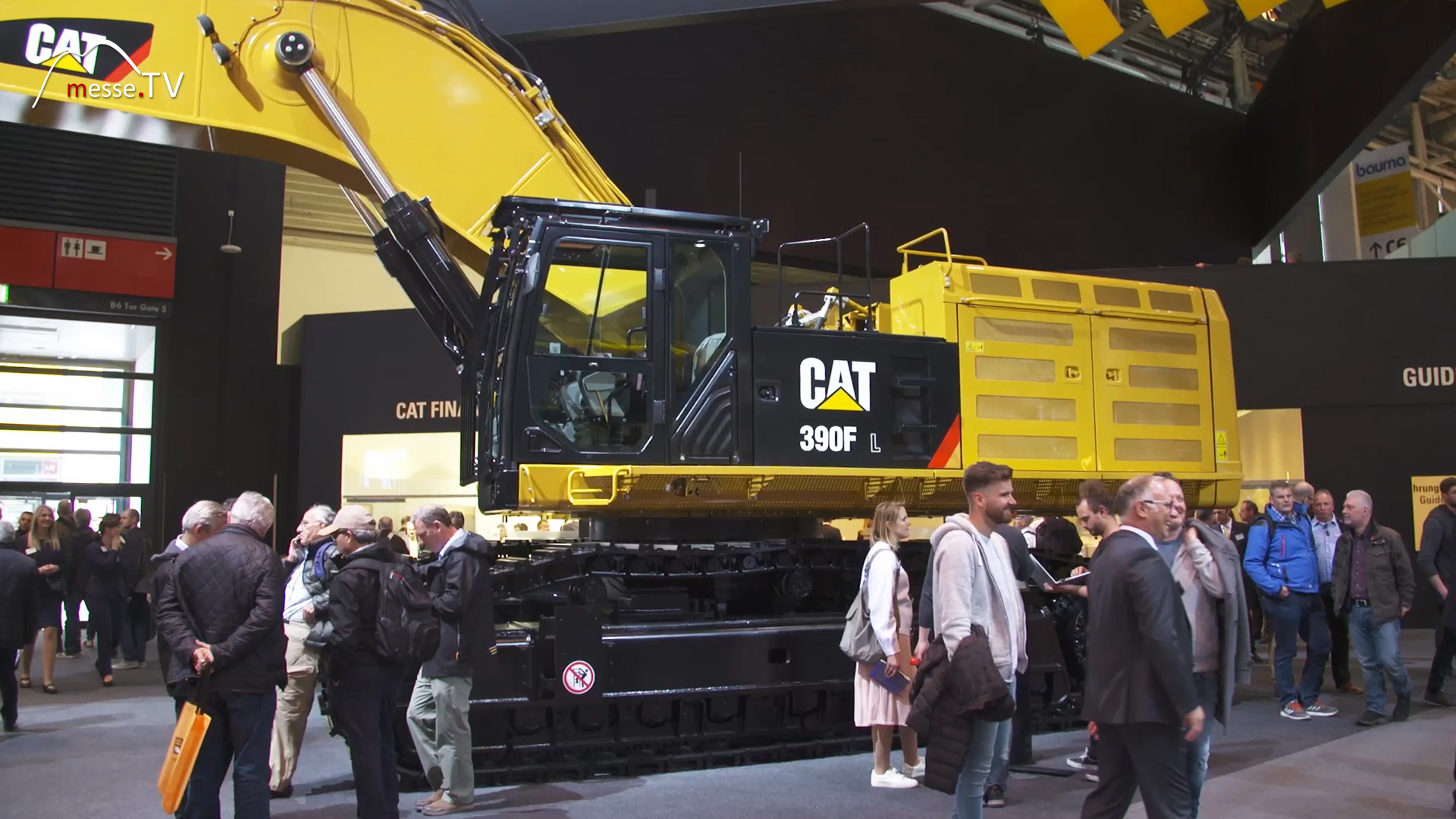
Positioning of the D6 in the Caterpillar range
With the D6, Caterpillar is bringing a proven concept to a segment that plays a central role in day-to-day operations. The technology remains closely aligned with practical requirements. The dozer is still designed for classic tasks: earthmoving, grading and working under load. The difference lies in the way power is delivered and controlled. This means the machine remains familiar in its function, but the technical basis has changed. Particularly in a class where demand is high, it is precisely this approach that could determine how such drive concepts prove themselves in everyday construction site operations.

Trade fair reporting Germany - Trade fair knowledge, dates & events


