Turbinenmischer für hochwertige Betonrezepturen
von Bastian Velonavy - 2024-02-13Die Anforderungen an moderne Betone steigen seit Jahren deutlich an. Höhere Festigkeiten, präzisere Materialeigenschaften und spezialisierte Rezepturen verändern die Produktion in Fertigteilwerken und Betonwerken grundlegend.
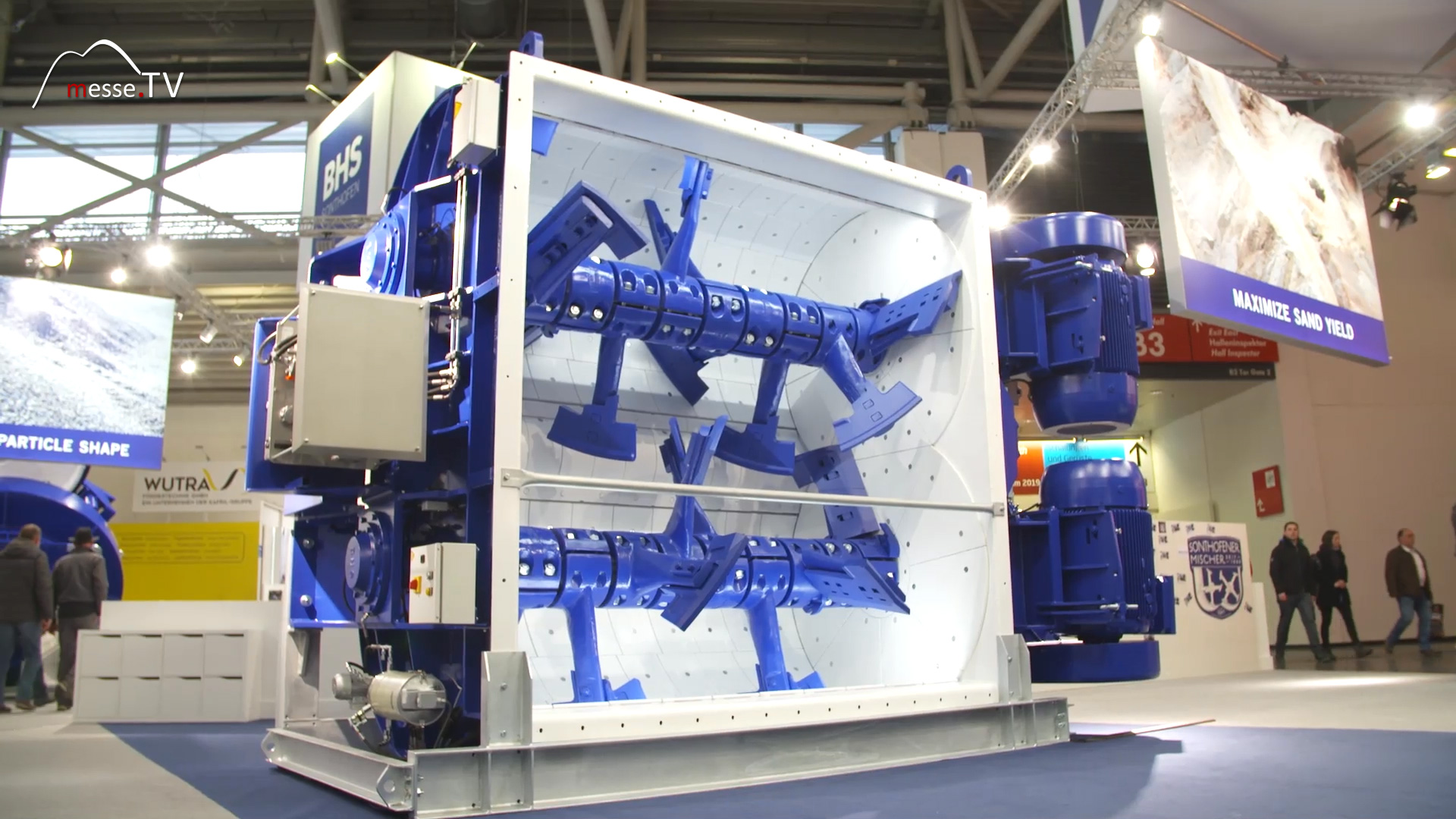
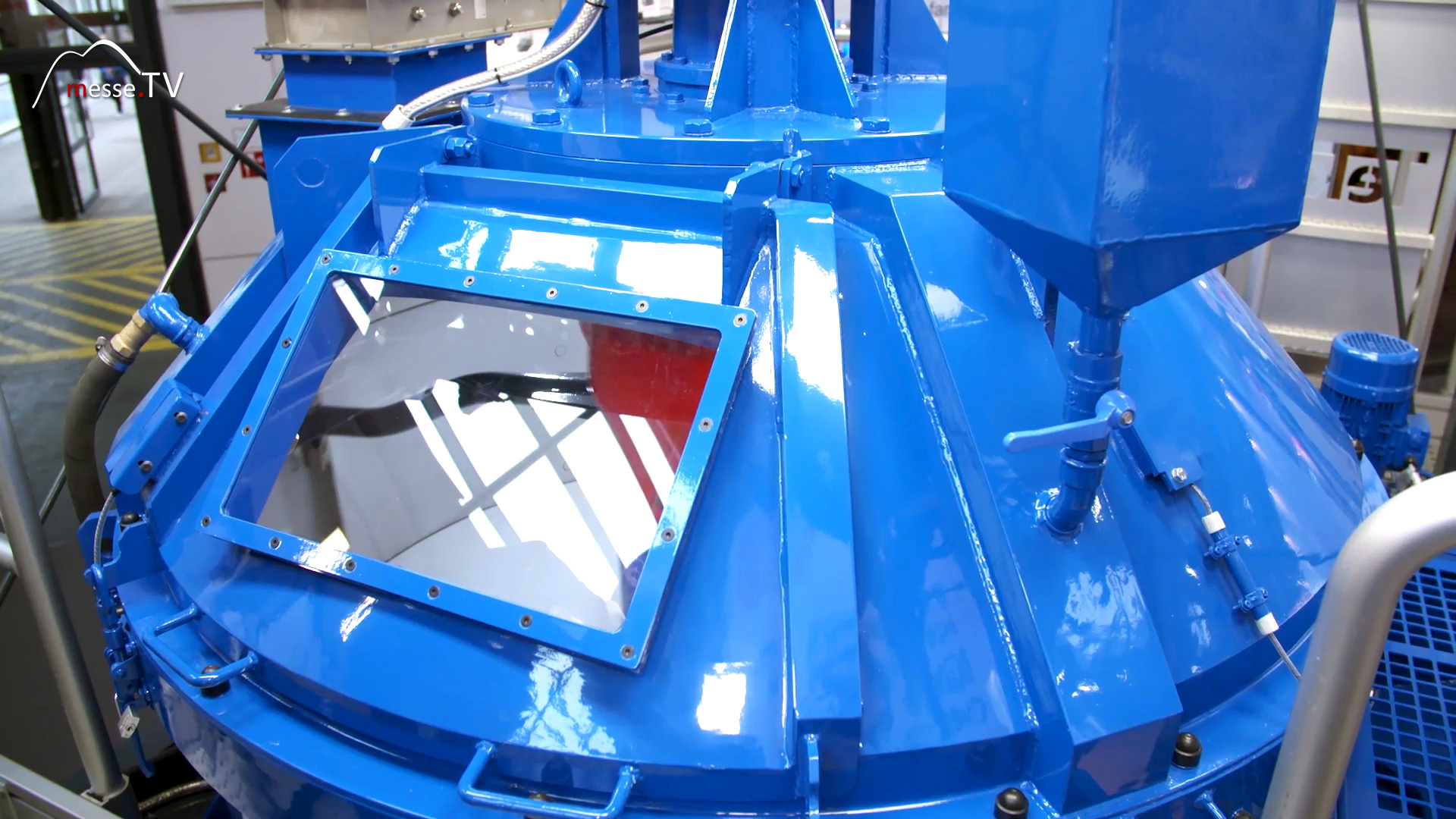
Standardmischungen reichen in vielen Bereichen längst nicht mehr aus. Stattdessen gewinnen ultrahochfeste Betone, selbstverdichtende Materialien und komplexe Spezialrezepturen an Bedeutung. Auf der bauma in München zeigt Teka deshalb einen Hochleistungsturbinenmischer, der speziell für solche Anwendungen entwickelt wurde. Im Mittelpunkt steht ein Mischerkonzept, das auf schnelle Homogenisierung, flexible Chargengrößen und geringeren Reinigungsaufwand ausgelegt ist. Gerade bei hochwertigen Betonprodukten gelten diese Faktoren als entscheidend, weil Rezepturen empfindlicher reagieren und Produktionsprozesse präziser gesteuert werden müssen. Die Entwicklung verdeutlicht zugleich, wie stark sich die Betonindustrie verändert. Moderne Mischtechnik soll heute nicht mehr nur große Mengen Material bewegen, sondern komplexe Materialeigenschaften möglichst exakt reproduzierbar herstellen.
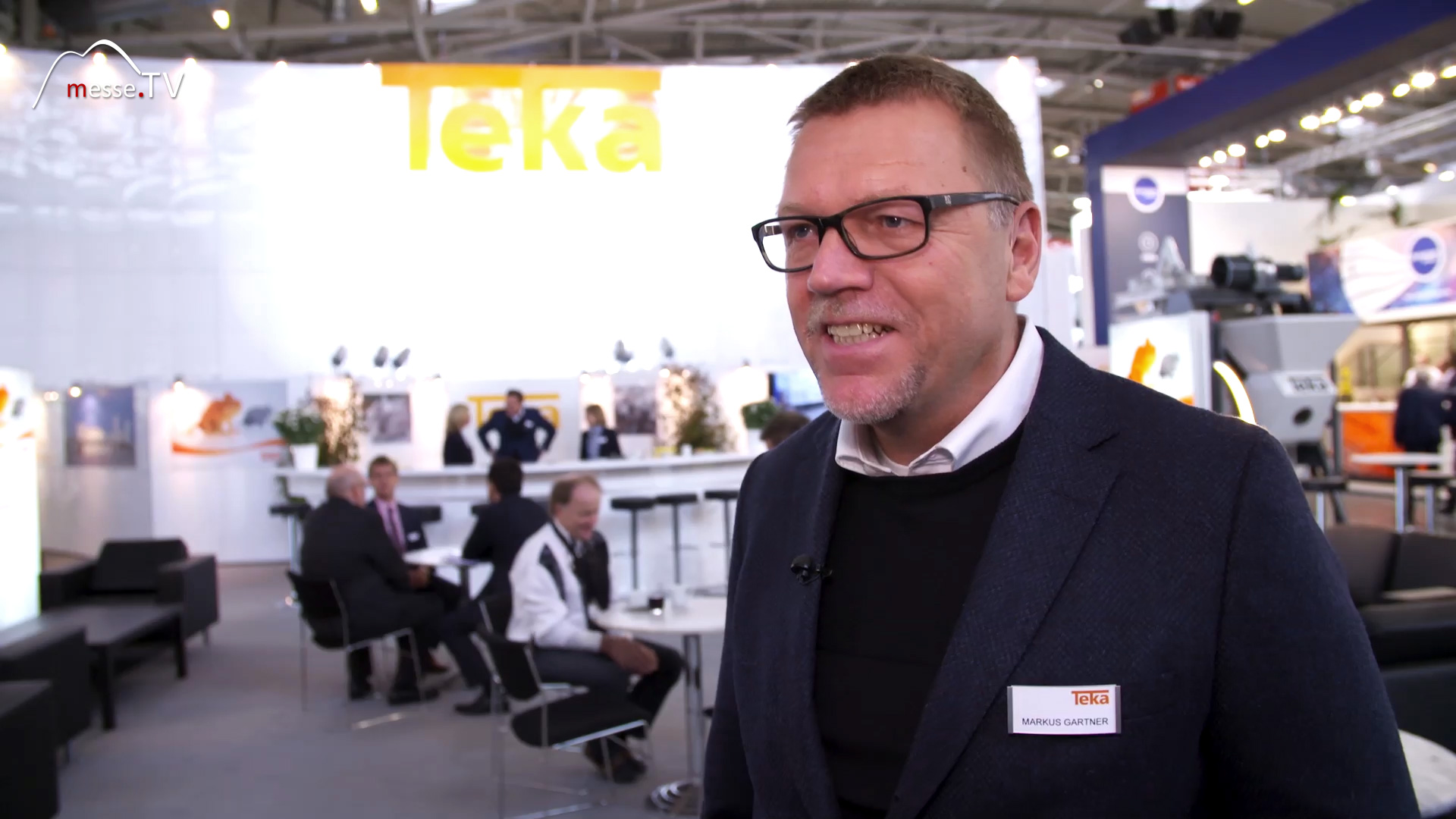

Teka entwickelt Hochleistungsturbinenmischer für Spezialbetone
Der vorgestellte Turbinenmischer richtet sich laut Hersteller vor allem an Anwendungen mit besonders hohen Qualitätsanforderungen. Dazu gehören Fertigteile, Vorsatzbetone, selbstverdichtende Betone und ultrahochfeste Betonmischungen. Gerade solche Materialien stellen hohe Anforderungen an die Mischtechnik. Die Zusammensetzung moderner Hochleistungsbetone umfasst häufig sehr feine Zuschläge, Zusatzstoffe und chemische Additive, die möglichst gleichmäßig verteilt werden müssen. Bereits kleinere Abweichungen können die späteren Materialeigenschaften beeinflussen. Nach Angaben von Teka liegt ein zentraler Vorteil des Systems in der schnellen Homogenisierung der Betonmasse. Die Turbinentechnik soll dafür sorgen, dass sich Materialien in vergleichsweise kurzer Zeit gleichmäßig vermischen. Interessant ist dabei vor allem die zunehmende Spezialisierung der Betonproduktion. Während klassische Baustellenbetone oft noch relativ tolerant auf Mischschwankungen reagieren, verlangen moderne Spezialbetone deutlich präzisere Prozessbedingungen.
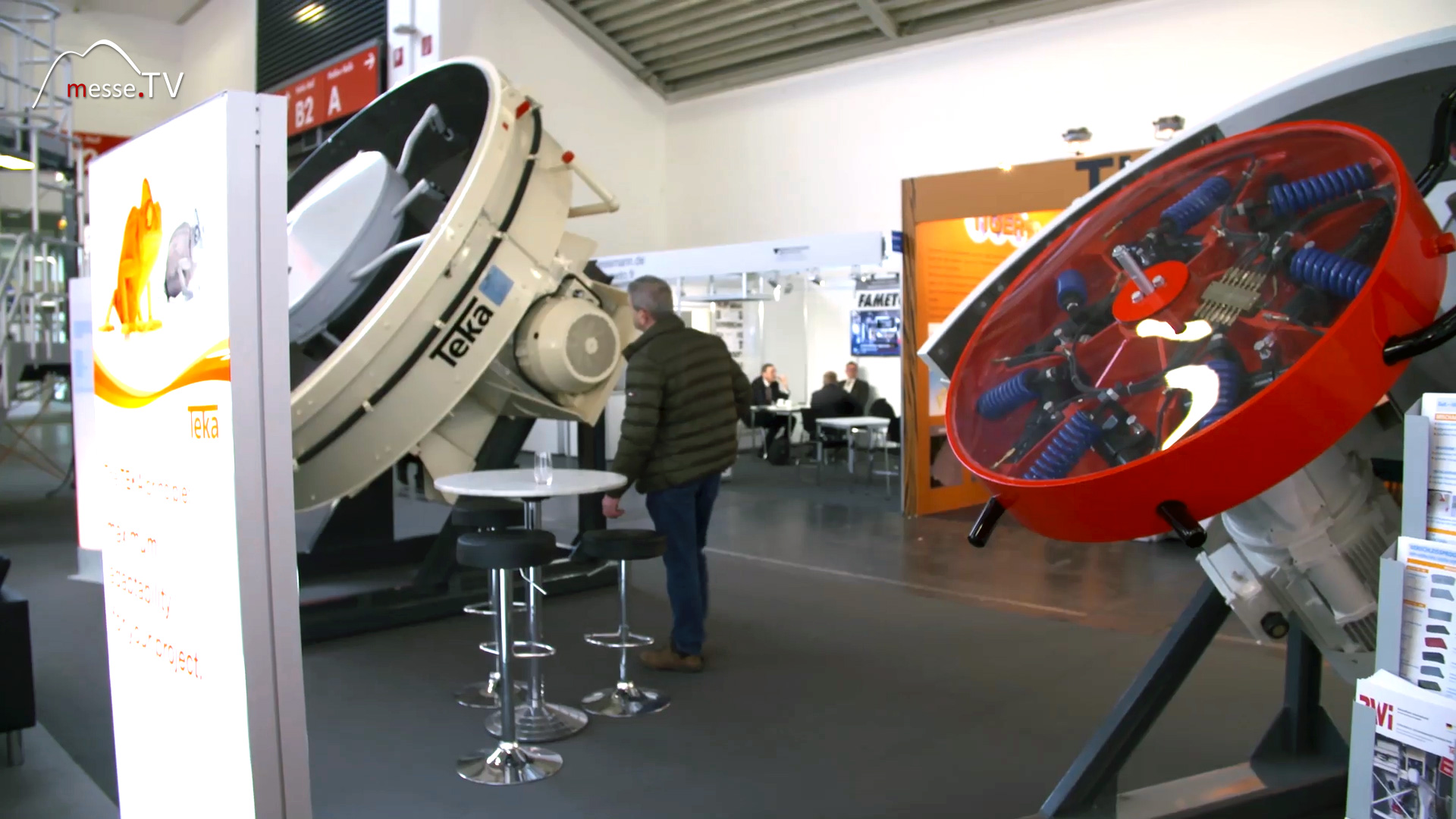
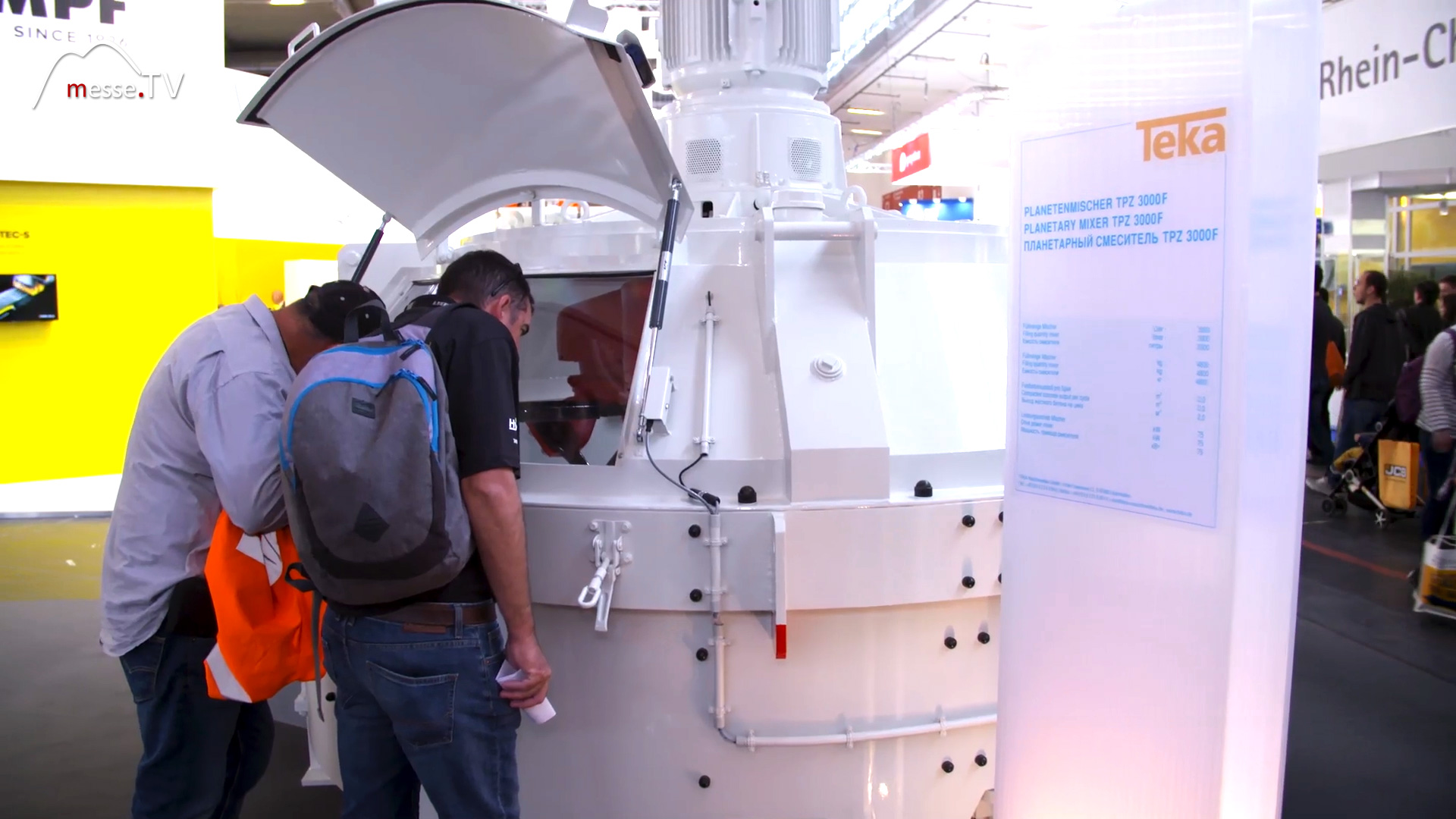
Turbinenmischer reduziert Reinigungsaufwand im Betonwerk
Neben der Mischqualität nennt das Unternehmen einen weiteren wichtigen Aspekt: den geringeren Reinigungsaufwand. Gerade in Betonwerken gelten Reinigung und Materialwechsel als erheblicher Kosten- und Zeitfaktor. Mischer müssen regelmäßig von Betonresten befreit werden, insbesondere wenn unterschiedliche Rezepturen verarbeitet werden. Je komplexer die Mischung, desto aufwendiger werden häufig Reinigung und Umrüstung. Der Hochleistungsturbinenmischer soll diesen Aufwand reduzieren. Für Produktionsbetriebe bedeutet das potenziell kürzere Stillstandszeiten und flexiblere Abläufe. Gerade Hersteller hochwertiger Betonprodukte arbeiten häufig mit wechselnden Chargen und unterschiedlichen Rezepturen innerhalb kurzer Produktionszyklen.

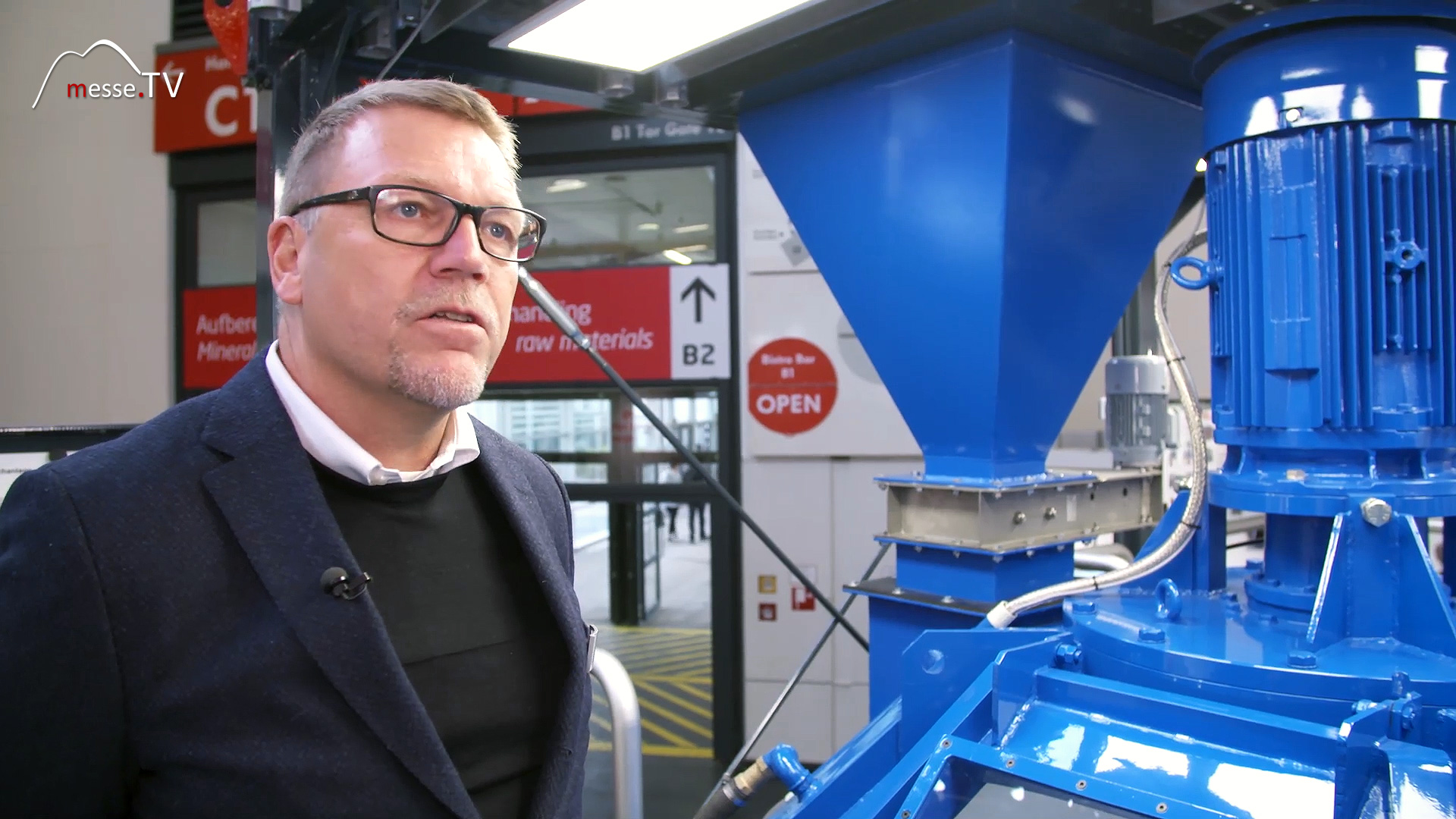
Wichtige Eigenschaften des vorgestellten Systems:
- Hochleistungsturbinenmischer für Spezialbetone
- schnelle Homogenisierung der Betonmasse
- geeignet für ultrahochfeste und selbstverdichtende Betone
- geringerer Reinigungsaufwand
- präzises Mischen auch bei kleinen Chargenmengen
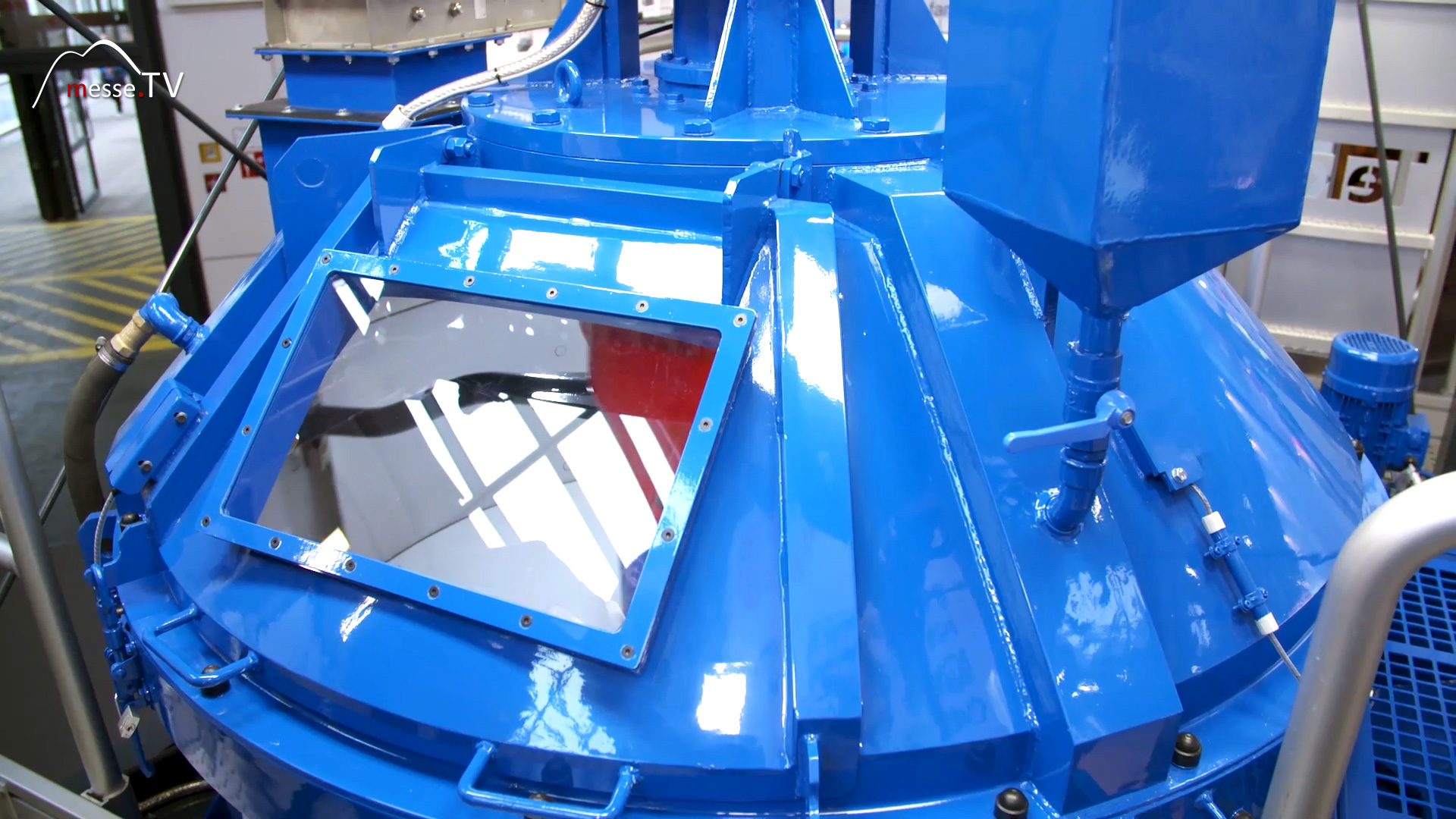
Kleine Chargenmengen gewinnen in der Betonproduktion an Bedeutung
Besonders auffällig ist die Fähigkeit des Mischers, auch sehr kleine Mengen homogen zu verarbeiten. Laut Hersteller kann ein Mischer mit 500 Litern maximaler Füllmenge teilweise noch mit lediglich zehn bis fünfzehn Prozent der Gesamtkapazität betrieben werden. Das entspricht Chargen zwischen etwa 50 und 100 Litern. Genau dieser Punkt gilt in der Praxis als interessant, weil Spezialbetone häufig nicht in großen Serien produziert werden. Forschungsprojekte, individuelle Fertigteile oder hochwertige Architekturbetone erfordern oft kleinere Mengen mit exakt definierten Eigenschaften. Herkömmliche Großmischer stoßen dort schnell an Grenzen, weil kleine Chargen nicht mehr gleichmäßig verarbeitet werden können. Hinzu kommt der wirtschaftliche Aspekt. Kleine Testmengen oder Sonderrezepturen verursachen weniger Materialverlust, wenn Mischsysteme flexibel auf geringe Volumina reagieren können. Gerade die Betonfertigteilindustrie entwickelt sich zunehmend weg von standardisierten Großserien hin zu spezialisierteren Produkten mit individuellen Anforderungen. Mischtechnik muss diese Entwicklung mittragen.
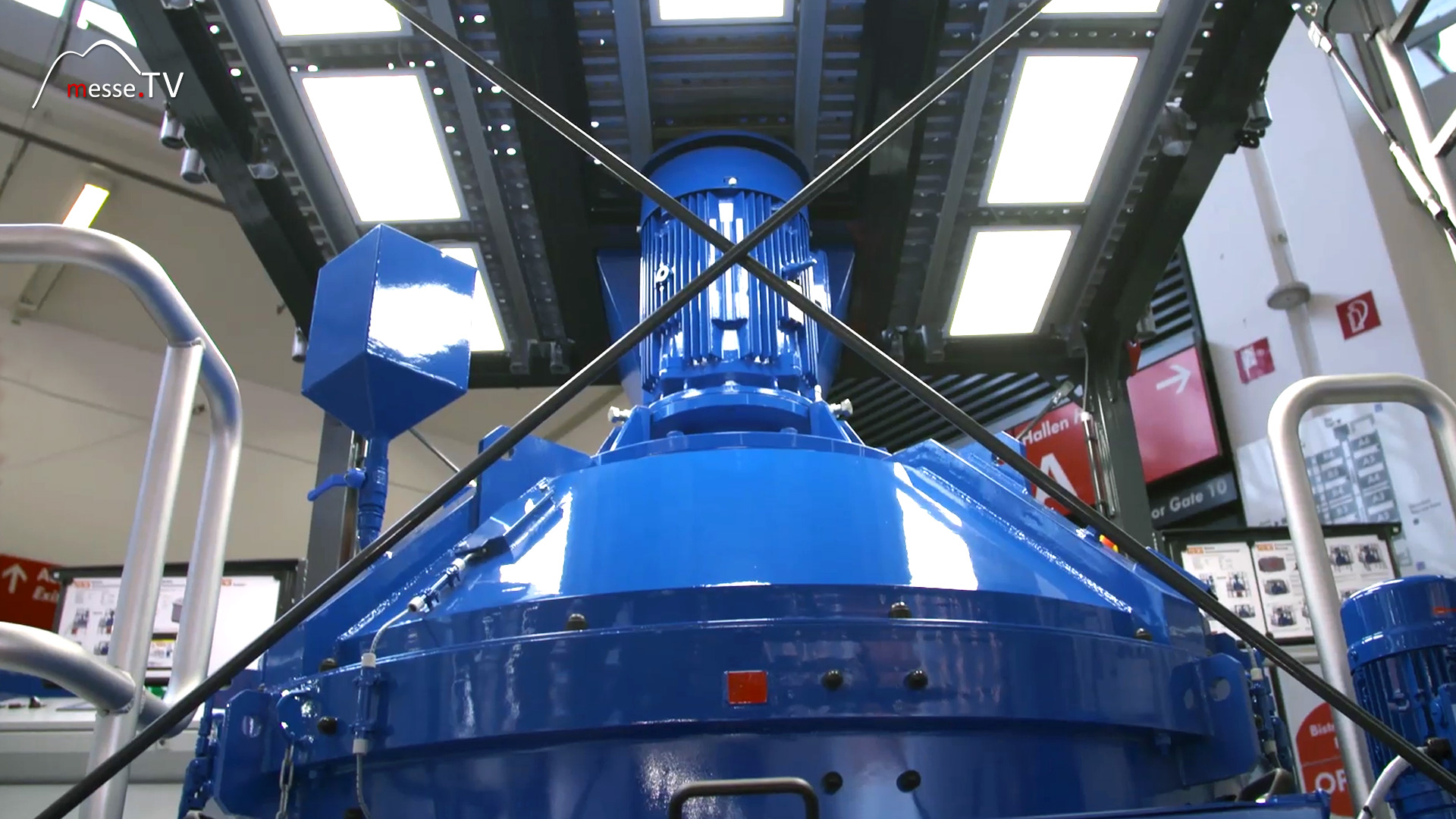

Spezialbetone verändern die Anforderungen an Mischtechnik
Die Entwicklung zeigt einen größeren Wandel innerhalb der Baustoffindustrie. Beton wird heute immer stärker als technisch optimierter Werkstoff verstanden. Eigenschaften wie Druckfestigkeit, Fließverhalten oder Oberflächenqualität werden gezielt angepasst. Selbstverdichtende Betone etwa müssen ohne zusätzliche Verdichtung auskommen und gleichzeitig stabile Materialeigenschaften behalten. Ultrahochfeste Betone wiederum erreichen Festigkeiten, die weit über klassischen Baustellenbeton hinausgehen. Solche Materialien stellen hohe Anforderungen an Mischqualität und Prozessstabilität. Die eigentliche Mischtechnik entwickelt sich dadurch zunehmend zu einem zentralen Bestandteil moderner Betonproduktion. Teka positioniert sich damit in einem Marktsegment, das durch anspruchsvollere Baustoffe weiter wachsen dürfte. Je komplexer Betonrezepturen werden, desto wichtiger wird die Fähigkeit, auch kleine Chargen präzise, reproduzierbar und wirtschaftlich zu mischen. Die Entwicklung macht deutlich, dass moderne Betonproduktion längst nicht mehr allein über Zement, Wasser und Kies definiert wird. Digitale Steuerung, spezialisierte Mischtechnik und präzise Prozesskontrolle bestimmen zunehmend die Qualität industrieller Betonprodukte.


Messe-Berichterstattung bundesweit - Messewissen, Termine & Veranstaltungen


