Urban construction site of the future with zero emission concept
by A. Bergmeier - 2024-02-13The construction industry is facing a transformation that is particularly noticeable in cities. At Bauma, this claim was concretised using the ‘urban construction site of the future’.
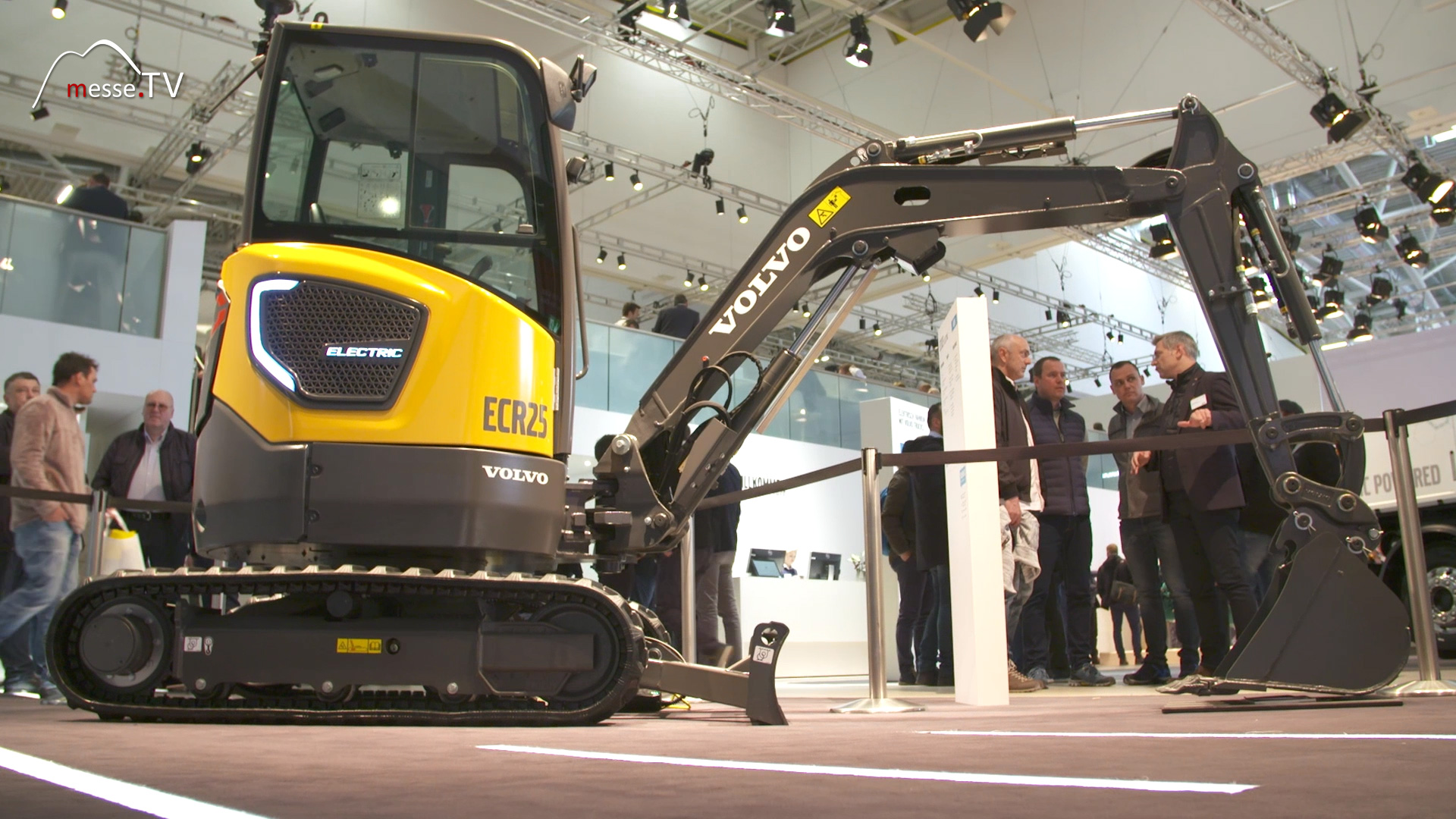
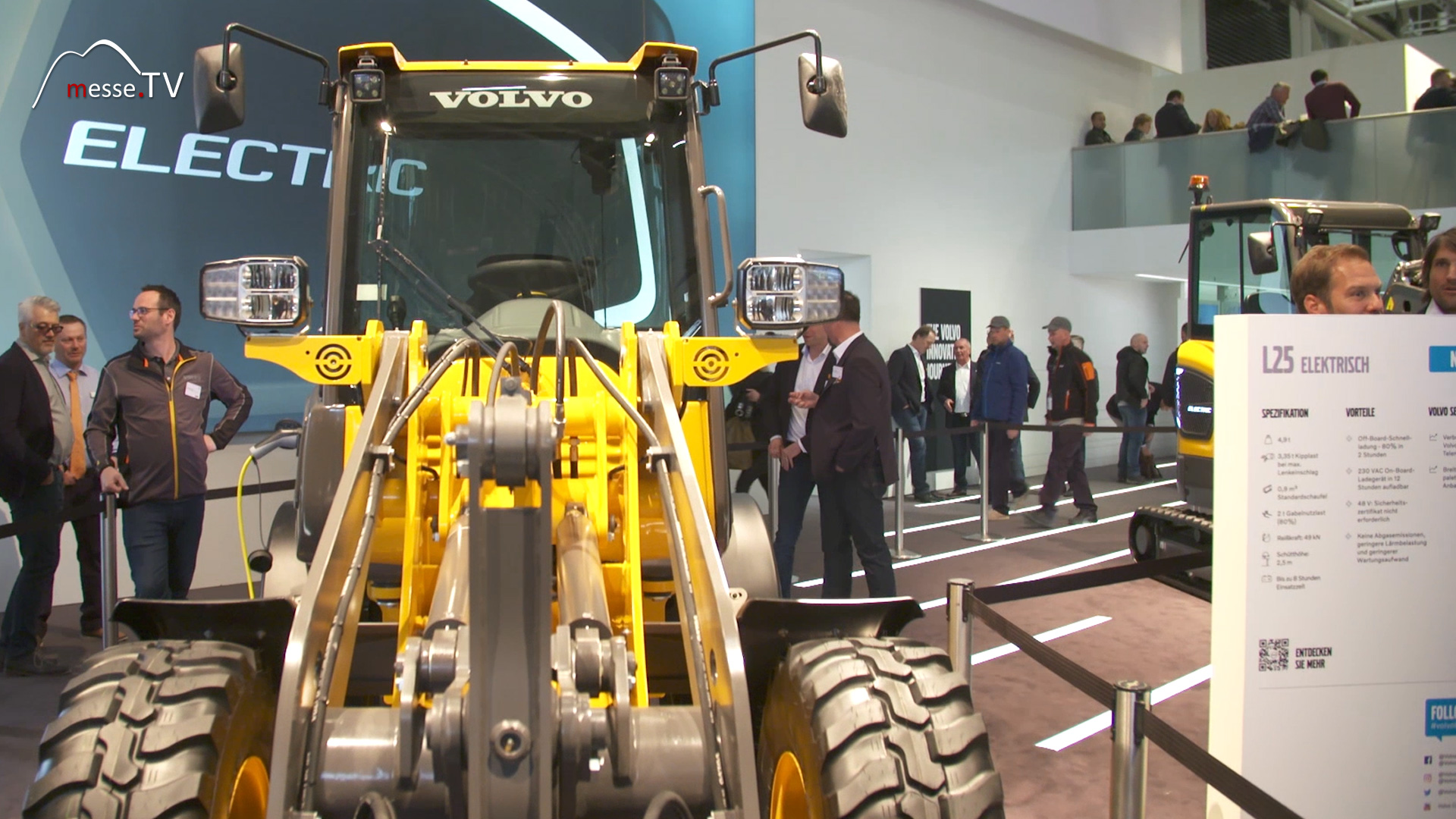
The focus is on a clear goal: zero emissions in urban areas and the development of corresponding technologies for use on construction sites. The approach is deliberately practical. Instead of abstract concepts, concrete applications are shown that are already technically feasible today or are currently under development.
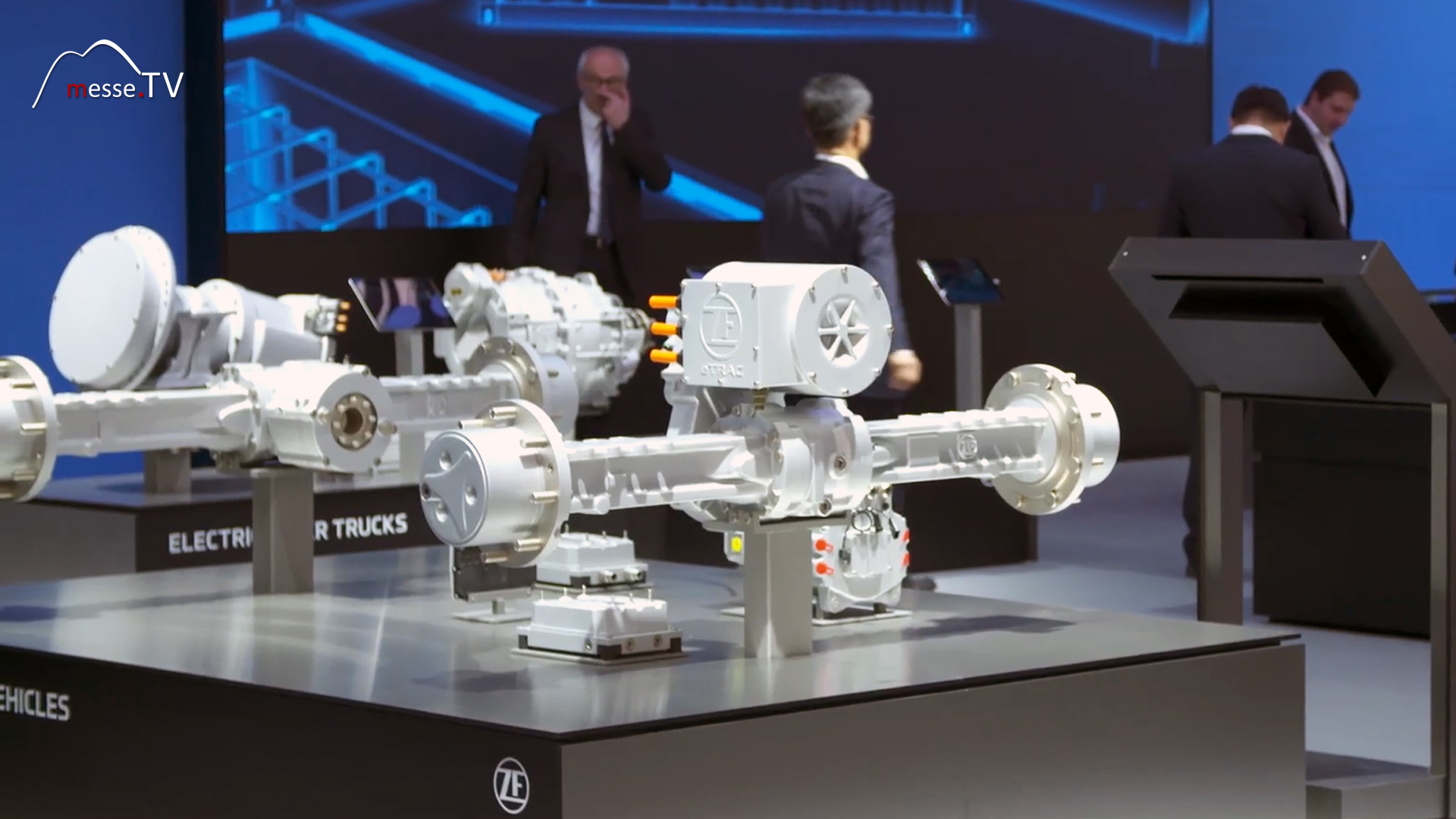
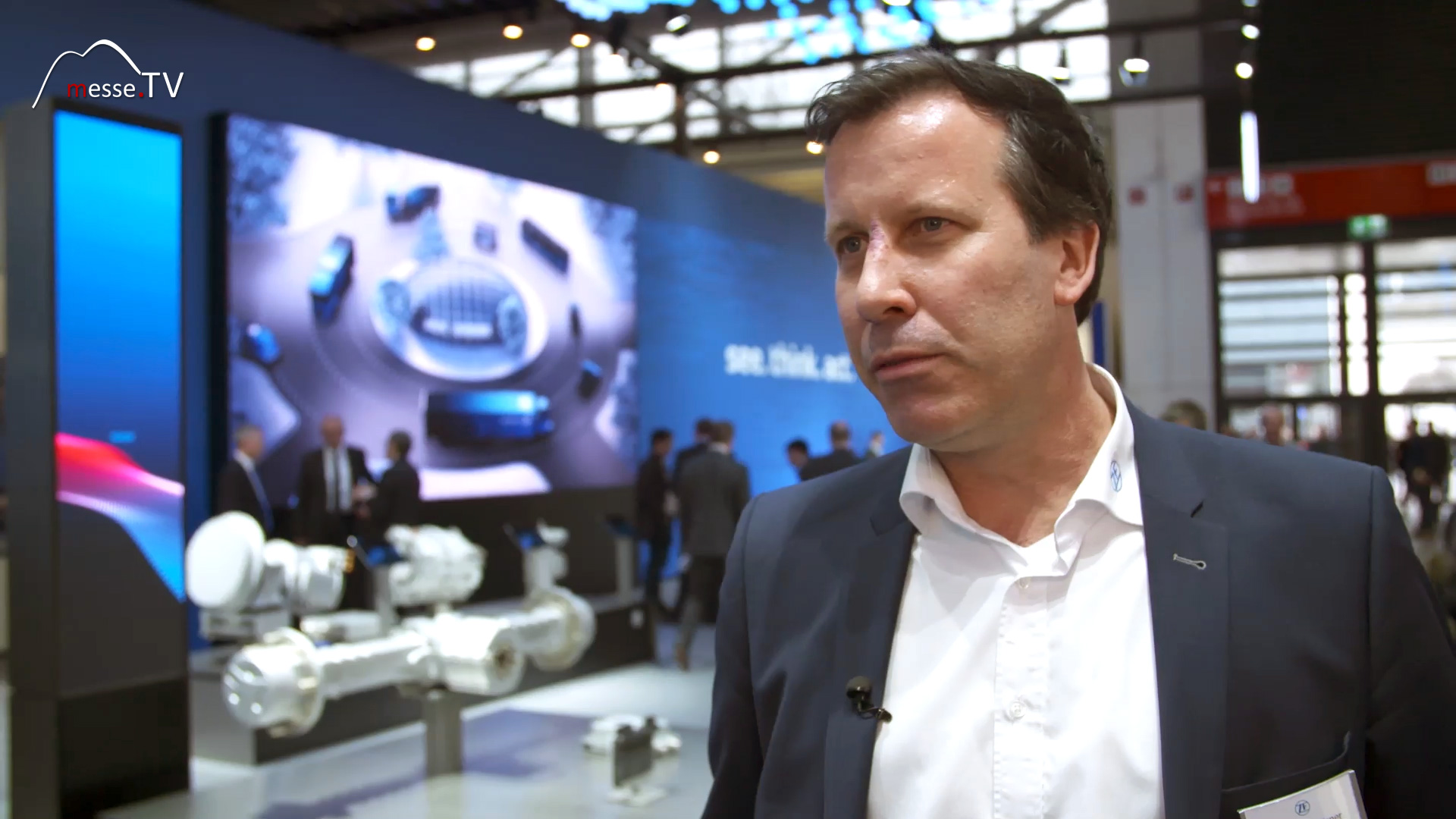
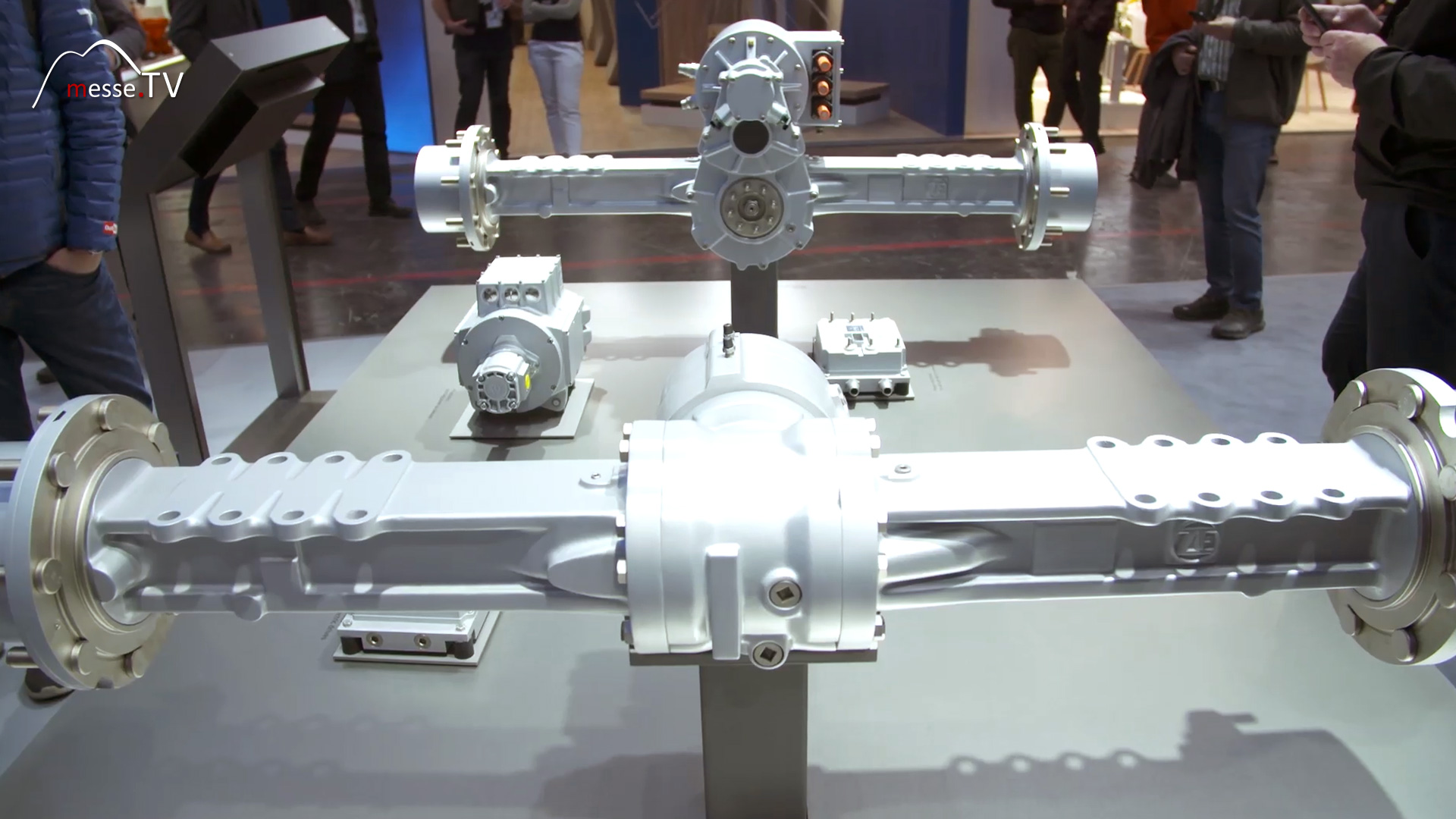
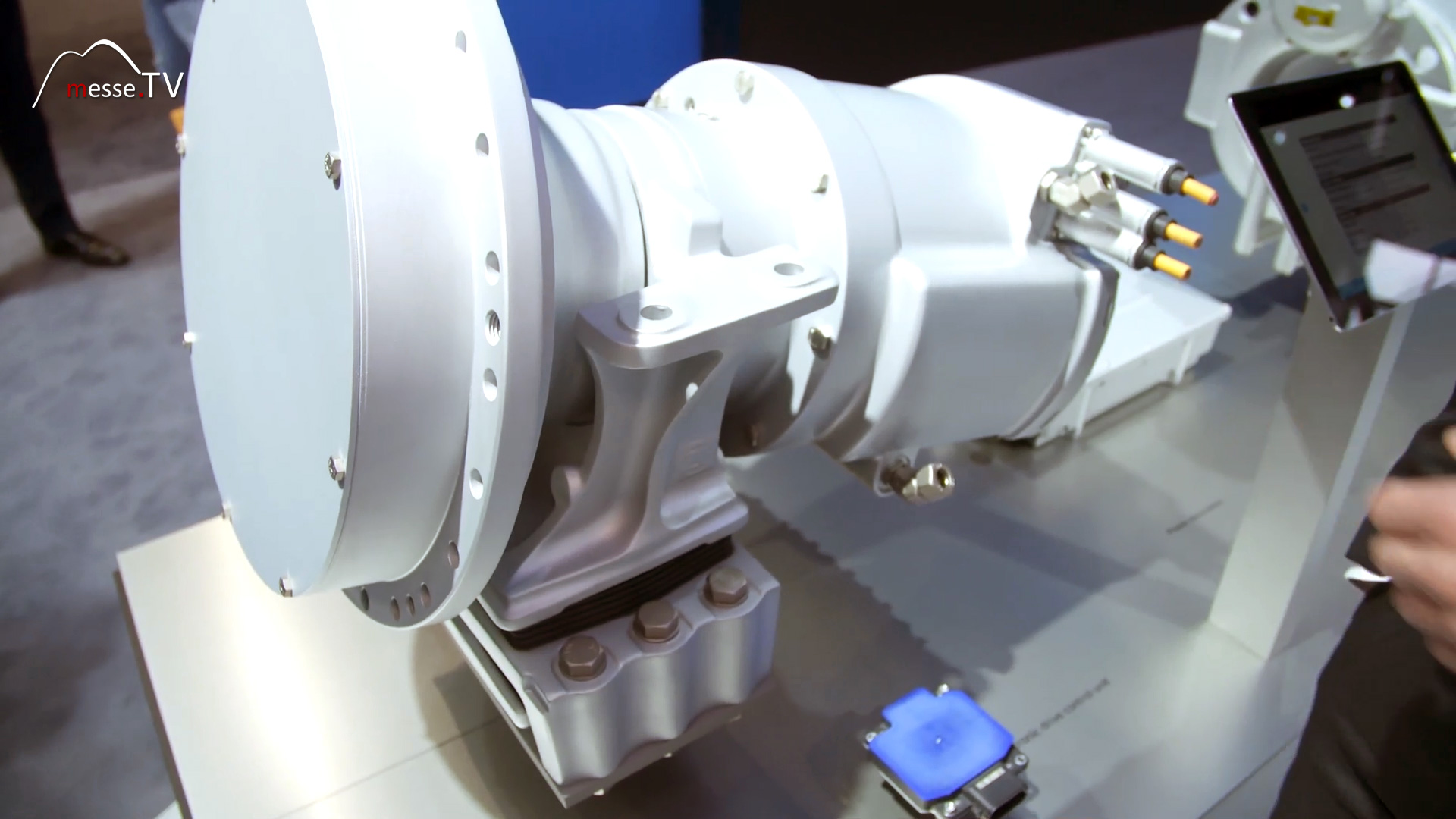
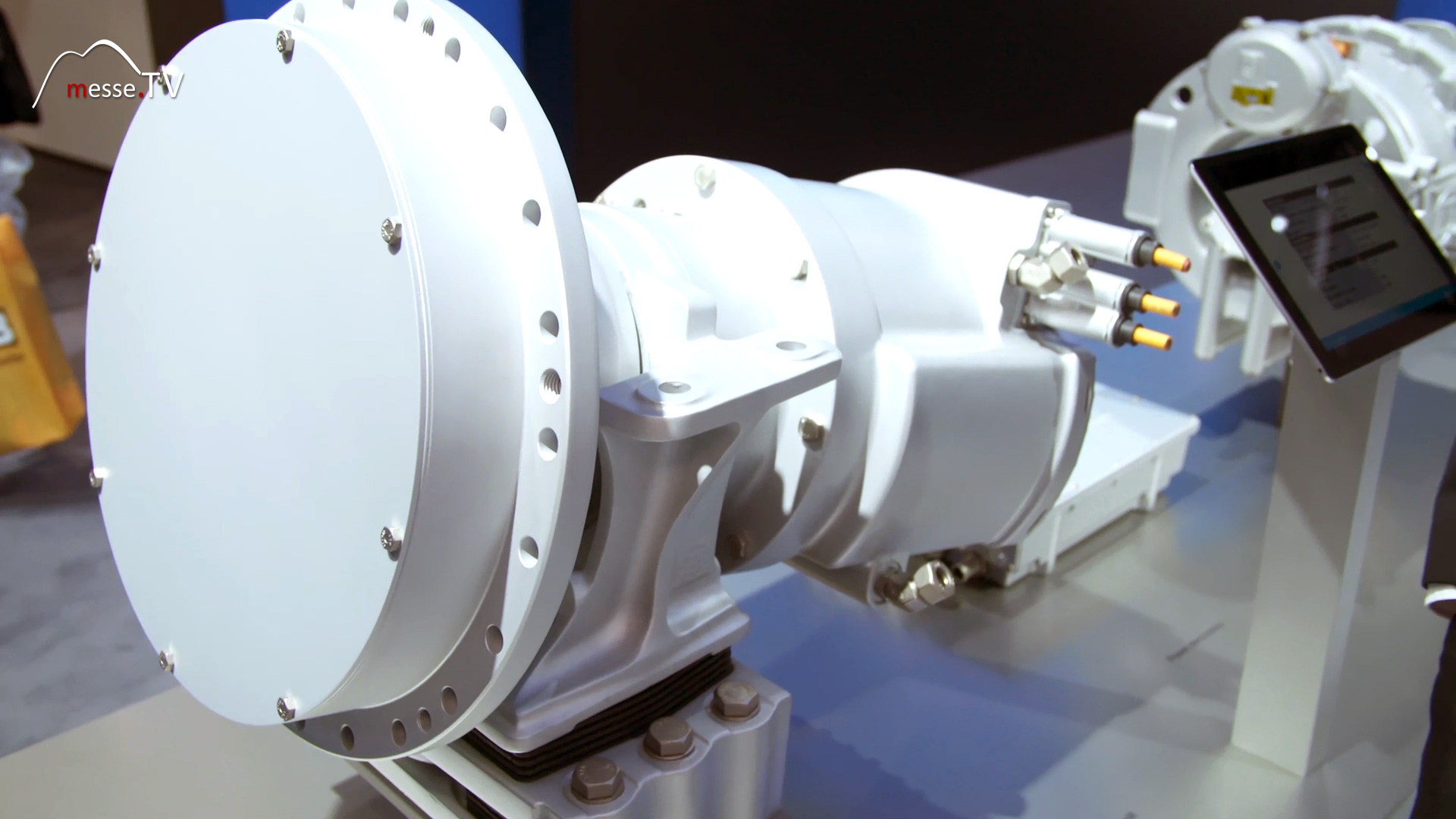
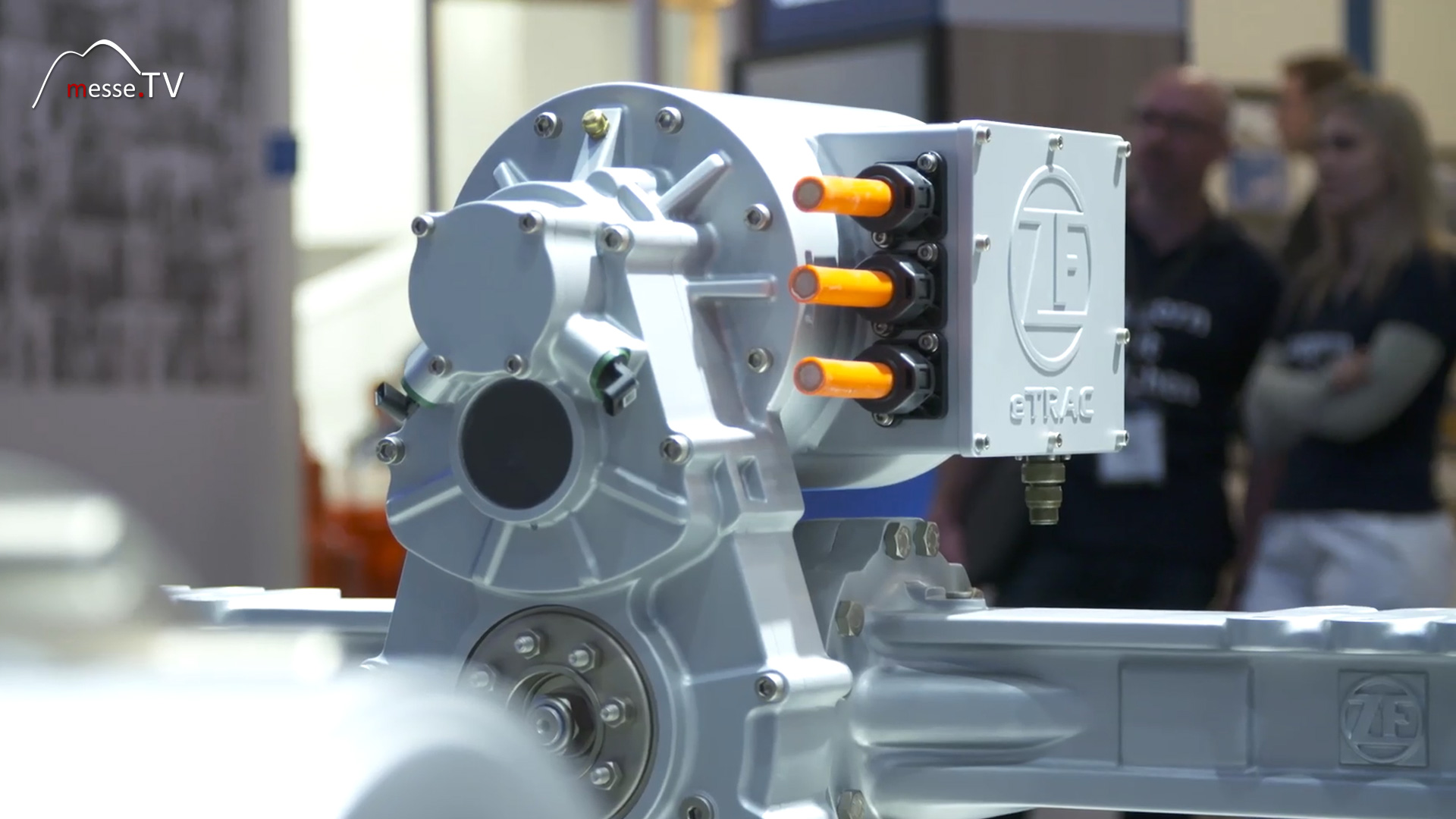
ZF Friedrichshafen presents electric Drive Line for skid steer loaders
A central element is the electrification of construction machinery. ZF Friedrichshafen demonstrates this using the example of an electric Drive Line for skid steer loaders. These machines are often used in confined urban areas, where emissions and noise levels are particularly relevant. The electric design of the drive shows how classic machine concepts can be adapted to new requirements. This is less about individual components and more about the interaction of an entire drive system designed for emission-free operation.
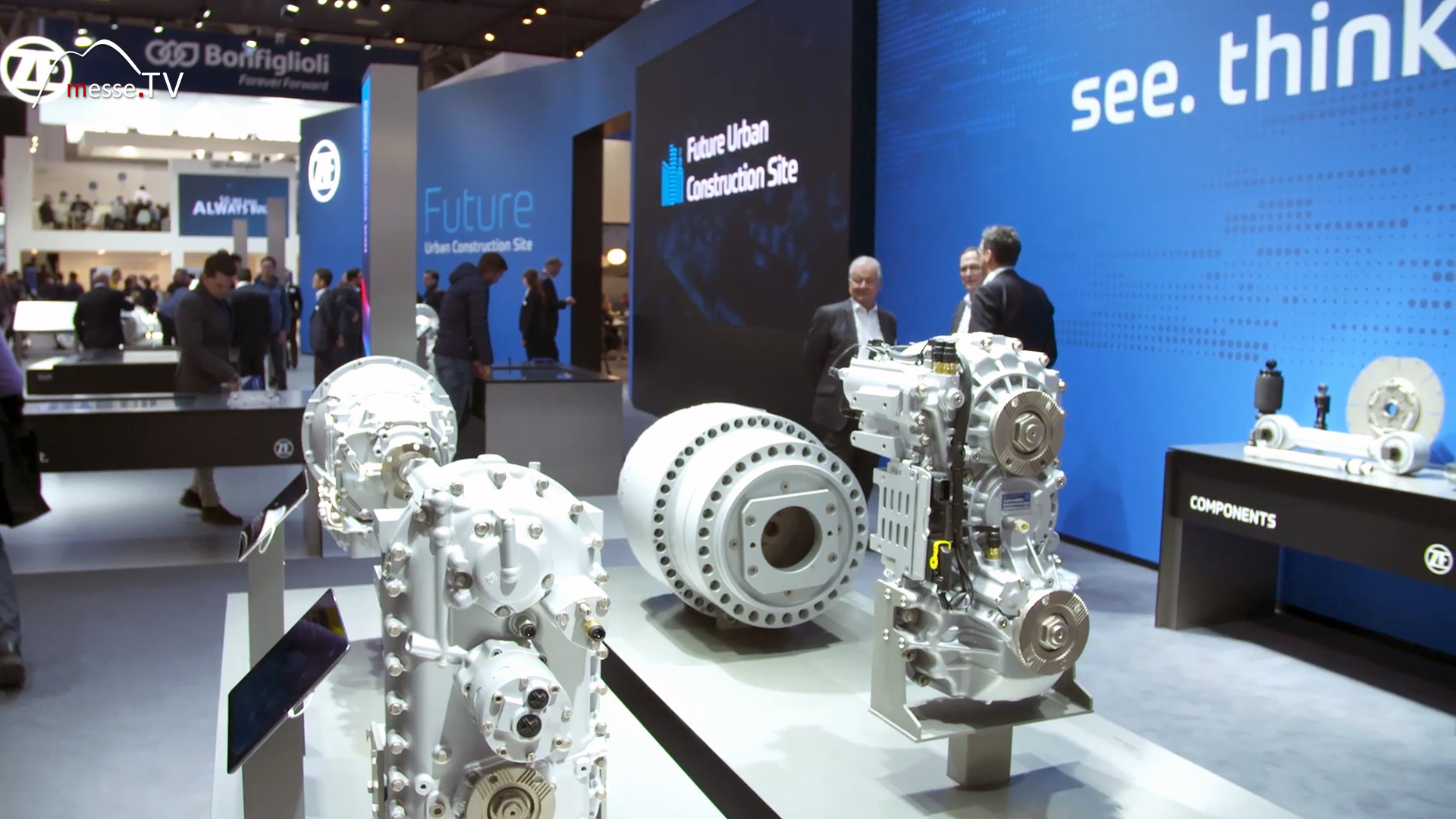
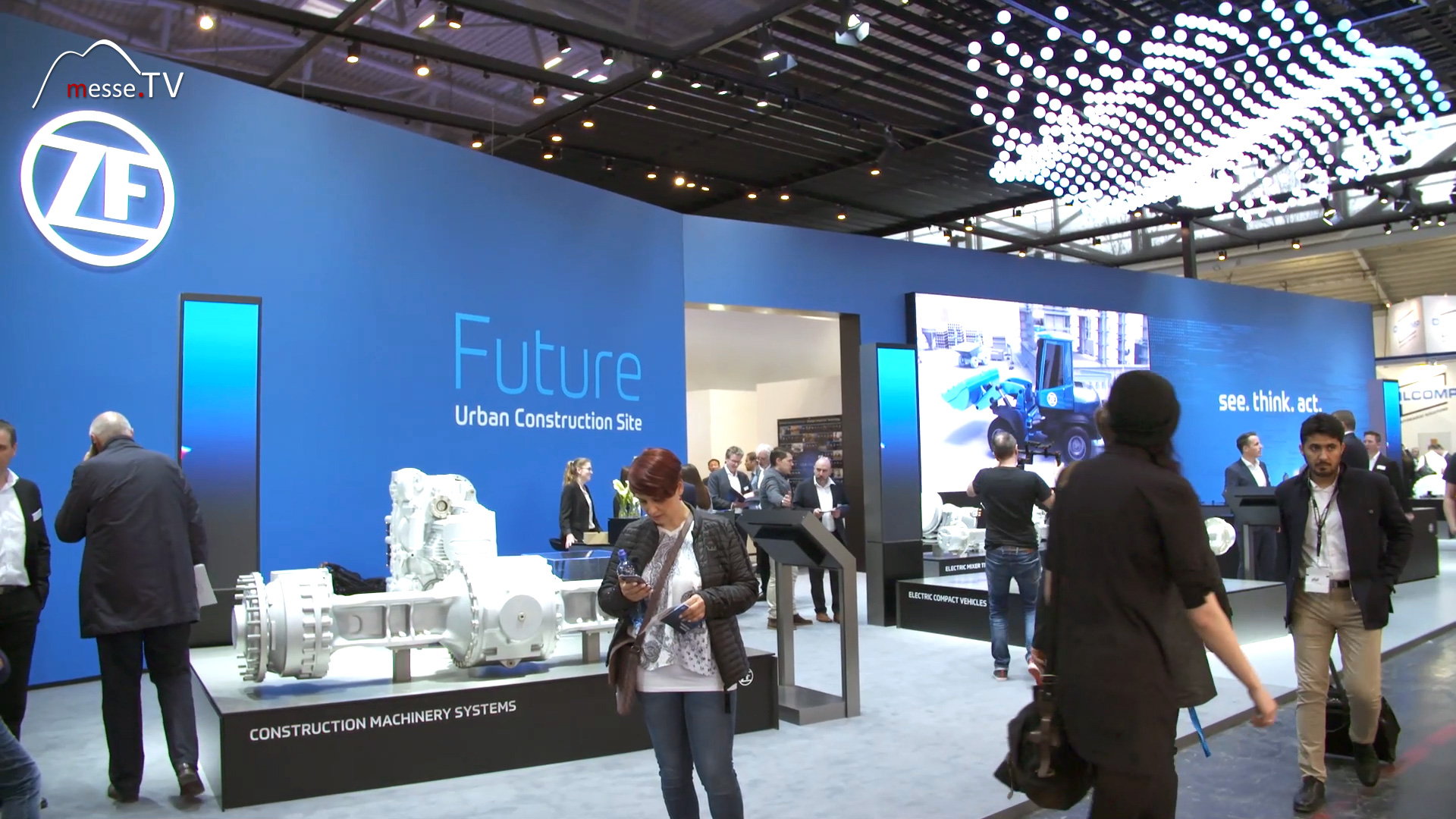
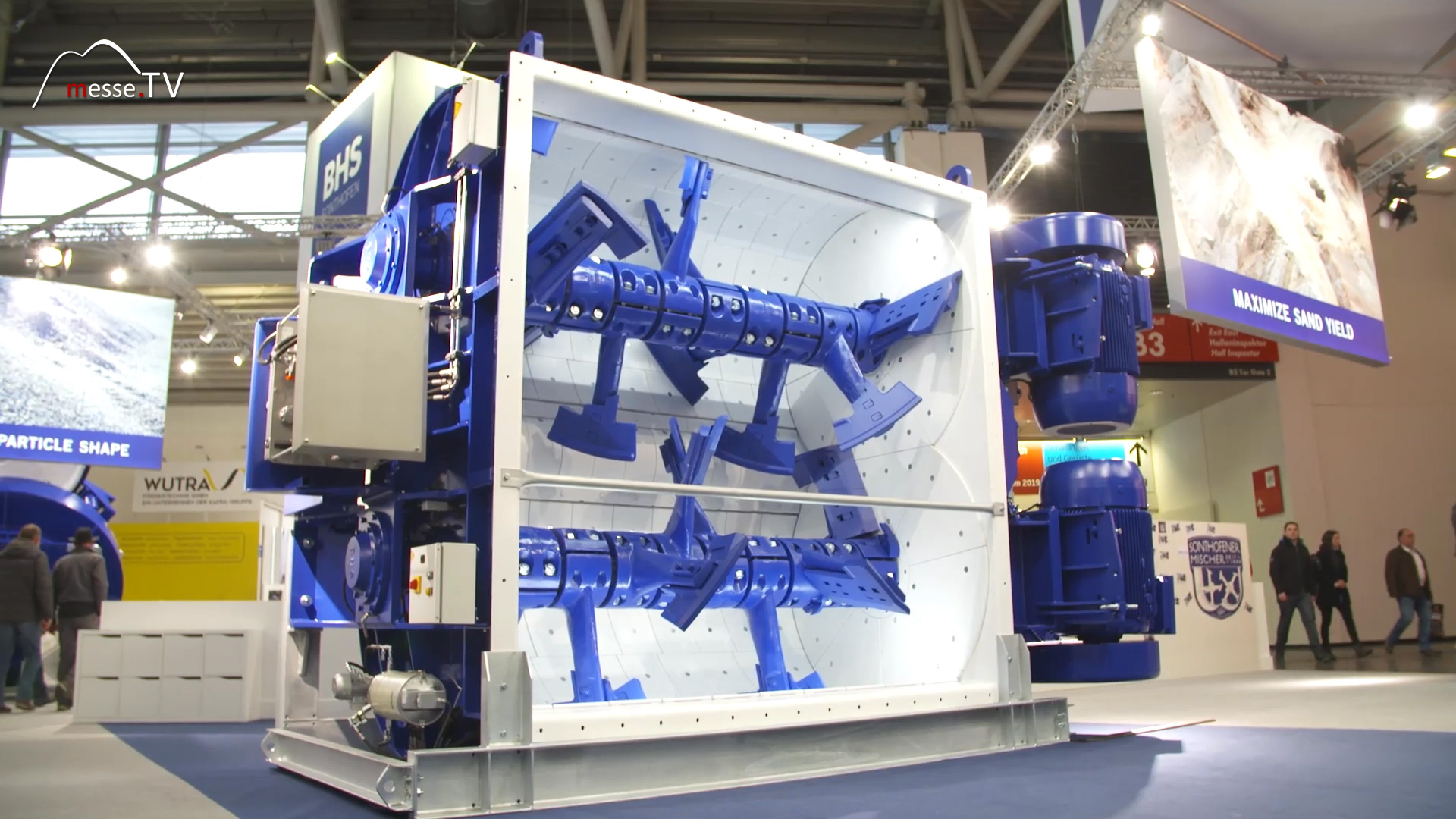
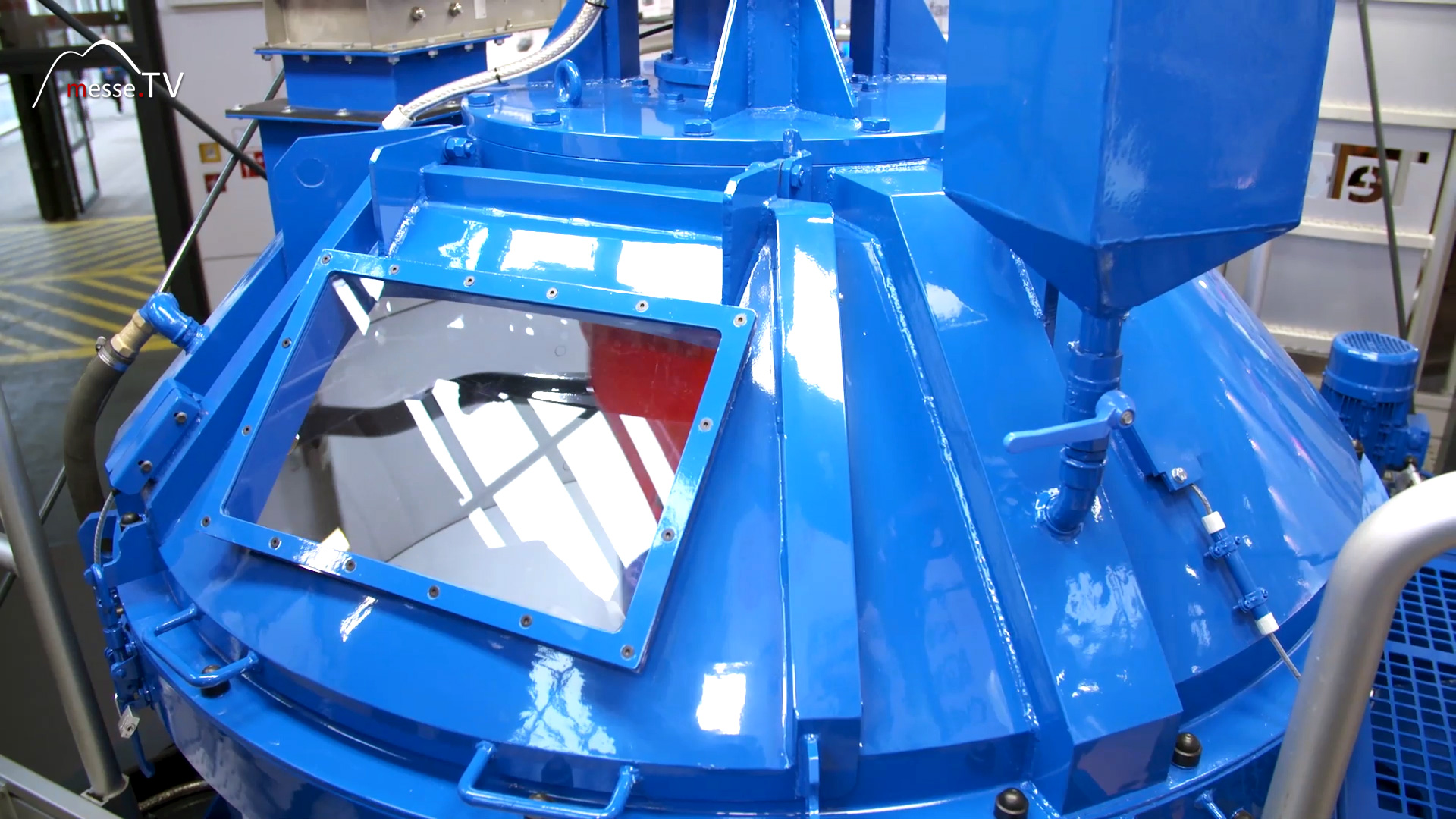
Electric mixer as a further component of the urban construction site
In addition to the skid steer loader, an electric mixer will also be shown as an example of future construction site processes. These machines in particular are heavily used on a daily basis and make a significant contribution to the overall operation of a construction site. The electrification of such applications makes it clear that the approach is not limited to individual niches. Instead, attempts are being made to integrate different types of machines into a common concept that is geared towards emission-free utilisation. This makes it clear that the changes relate not only to individual machines, but to the entire structure of construction sites in the urban environment.

Zero emission as a starting point for technological development
The term zero emission serves as a guiding principle for the solutions presented here. It refers to the emission-free operation of machines in urban environments. This approach is used as a starting point for the further development of various technologies. The focus here is on specific applications that arise from demand. These include electric drive systems for different classes of machines. The examples presented show how this concept can be gradually integrated into existing work processes. The development is not exclusively determined by legal requirements. Regulatory pressure is currently still manageable in many markets. Nevertheless, it is clear that the industry is already actively addressing future requirements.
Scandinavia as a pioneer in electrification in construction
A look at international developments shows that the dynamics differ from region to region. In Scandinavian countries in particular, the electrification of construction machinery is already being driven forward significantly. These markets are considered pioneers because they are early adopters of low-emission technologies and have created the appropriate framework conditions. For manufacturers, this means that solutions can not only be developed, but also tested under real-life conditions. ZF Friedrichshafen utilises this development to position its own technologies at an early stage and to incorporate experience from these markets into further development.
Technological ambition and early positioning in the market
The strategic orientation aims to be one of the first suppliers to provide solutions for emission-free construction sites. The claim is clearly formulated: to develop technological systems that meet future requirements. This is not about short-term adjustments, but about long-term positioning in the market. The urban construction site serves as a concrete scenario in which new technologies have to prove themselves. The applications shown illustrate that the construction industry is gradually moving towards low-emission and electrified processes. Even if the regulatory pressure is still limited at present, there are many indications that the requirements will become even stricter in the coming years.
Trade fair reporting Germany - Trade fair knowledge, dates & events


