ZF Friedrichshafen: Antriebstechnik und Mobilitätslösungen
ZF Friedrichshafen ist ein weltweit tätiger Technologiekonzern mit Sitz in Friedrichshafen am Bodensee und zählt zu den zentralen Akteuren der internationalen Automobil- und Nutzfahrzeugindustrie. Das Unternehmen entwickelt und produziert Systeme für Antrieb, Fahrwerk, Lenkung und Sicherheit und ist sowohl im Pkw- als auch im Nutzfahrzeug- und Industriebereich breit aufgestellt. ZF steht für hohe ingenieurtechnische Kompetenz und hat sich in den vergangenen Jahrzehnten als Treiber technologischer Entwicklungen positioniert, insbesondere im Kontext von Elektromobilität, Automatisierung und vernetzter Mobilität. Die technologische Ausrichtung von ZF folgt dem Anspruch, Mobilität effizienter, sicherer und nachhaltiger zu gestalten. Dabei reicht das Spektrum von klassischen mechanischen Komponenten bis hin zu komplexen mechatronischen Systemen und softwarebasierten Lösungen. ZF agiert zunehmend als Systemanbieter, der Hardware, Software und digitale Dienste integriert und aufeinander abstimmt.
Entwicklung und internationale Positionierung
Gegründet wurde ZF im Jahr 1915 durch Ferdinand Graf von Zeppelin ursprünglich als Hersteller von Zahnrädern für Luftschiffe. Bereits früh verlagerte sich der Schwerpunkt auf den Automobilbereich, insbesondere auf Getriebe- und Antriebstechnik. Im Laufe des zwanzigsten Jahrhunderts wuchs das Unternehmen kontinuierlich und baute seine internationale Präsenz aus. Durch strategische Akquisitionen und technologische Erweiterungen entwickelte sich ZF zu einem globalen Konzern mit Entwicklungs- und Produktionsstandorten in Europa, Nordamerika und Asien. Heute ist ZF in zahlreichen Fahrzeugsegmenten vertreten und beliefert nahezu alle großen Automobilhersteller. Neben der Automobilindustrie spielen Nutzfahrzeuge, Baumaschinen, Landtechnik sowie industrielle Anwendungen eine wichtige Rolle. Diese breite Aufstellung ermöglicht es dem Unternehmen, technologische Entwicklungen branchenübergreifend zu nutzen und Synergien zu schaffen.
Technologische Schwerpunkte und Produktbereiche
Das Produktportfolio von ZF ist auf zentrale Funktionsbereiche moderner Fahrzeuge ausgerichtet. Ein besonderer Schwerpunkt liegt auf Antriebssystemen, die von konventionellen Automatikgetrieben über Hybridlösungen bis hin zu vollelektrischen Antriebseinheiten reichen. Parallel dazu entwickelt ZF Fahrwerk- und Lenksysteme, die Fahrkomfort, Stabilität und Sicherheit verbessern und zunehmend elektronisch geregelt sind. Ein weiterer zentraler Bereich ist die aktive und passive Sicherheit. ZF entwickelt Sensoren, Steuergeräte und Aktuatoren, die Fahrerassistenzsysteme und automatisierte Fahrfunktionen ermöglichen. Diese Systeme bilden die Grundlage für teil- und hochautomatisierte Fahrzeuge und gewinnen sowohl im Pkw- als auch im Nutzfahrzeugbereich an Bedeutung. Typische Technologiefelder von ZF sind unter anderem:
- Automatik-, Hybrid- und Elektroantriebe für Pkw und Nutzfahrzeuge
- Fahrwerk- und Dämpfungssysteme mit elektronischer Regelung
- Lenk- und Bremssysteme für konventionelle und automatisierte Fahrzeuge
- Sensorik, Steuergeräte und Software für Fahrerassistenz und autonomes Fahren
- Elektrische Achsantriebe und modulare Systeme für Industrieanwendungen
Beiträge zu ZF auf Messe.TV
ZF: Smarte Vernetzung für Einsatzkräfte auf der PMRExpo 2024
Die ZF Friedrichshafen AG ist ein global tätiger Technologiekonzern, der fortschrittliche Produkte und Systeme für die Mobilität von Pkw, Nutzfahrzeug... ZF: Smarte Vernetzung für Einsatzkräfte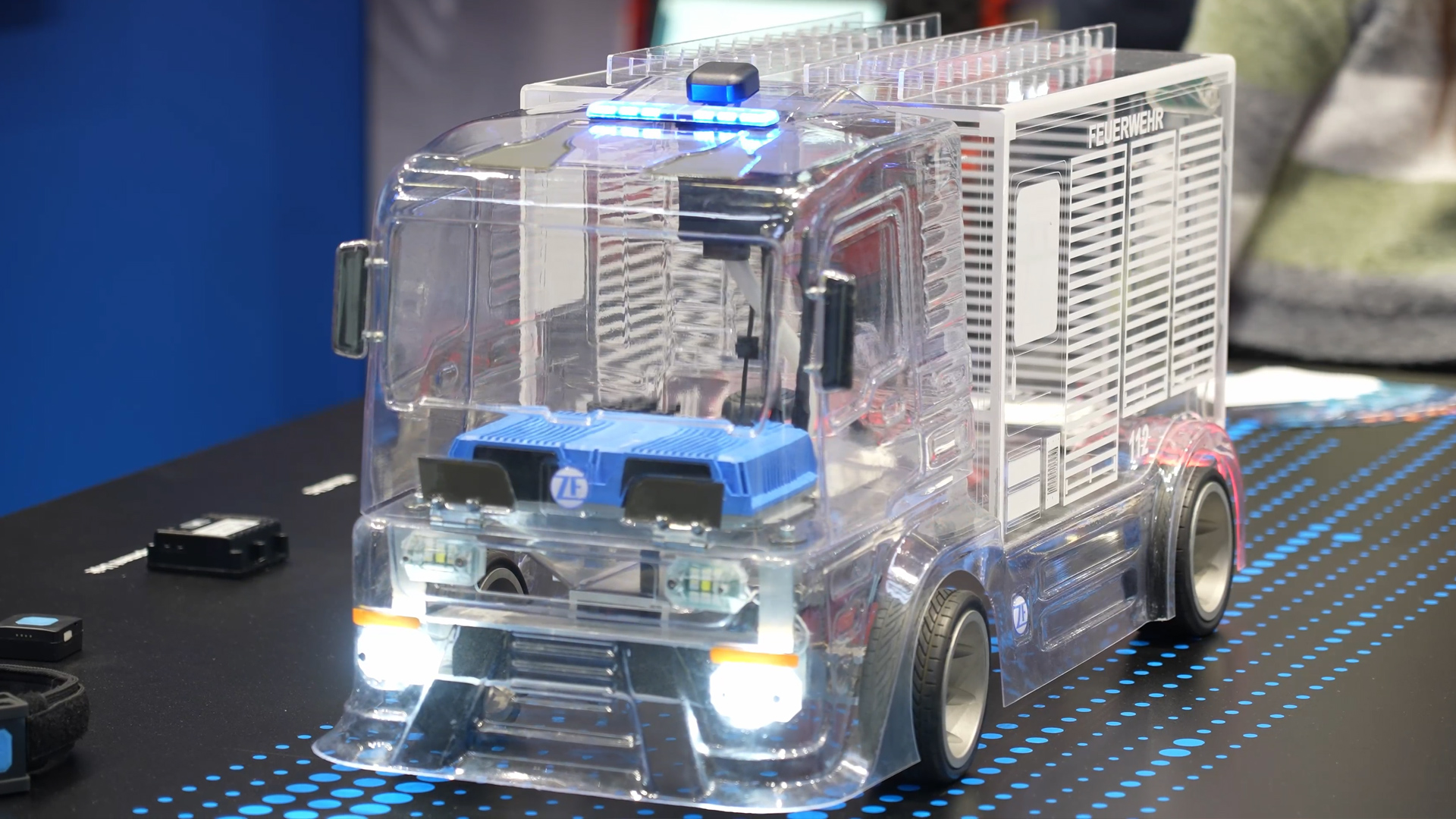
Elektrifizierter Antriebsstrang für Kompaktlader mit Elektromotor
Kompaktlader gehören zu den Maschinen, bei denen Antriebstechnik besonders kompakt und gleichzeitig belastbar ausgelegt sein muss. Die Anforderungen s... Kompaktlader kompakt und gleichzeitig belastbar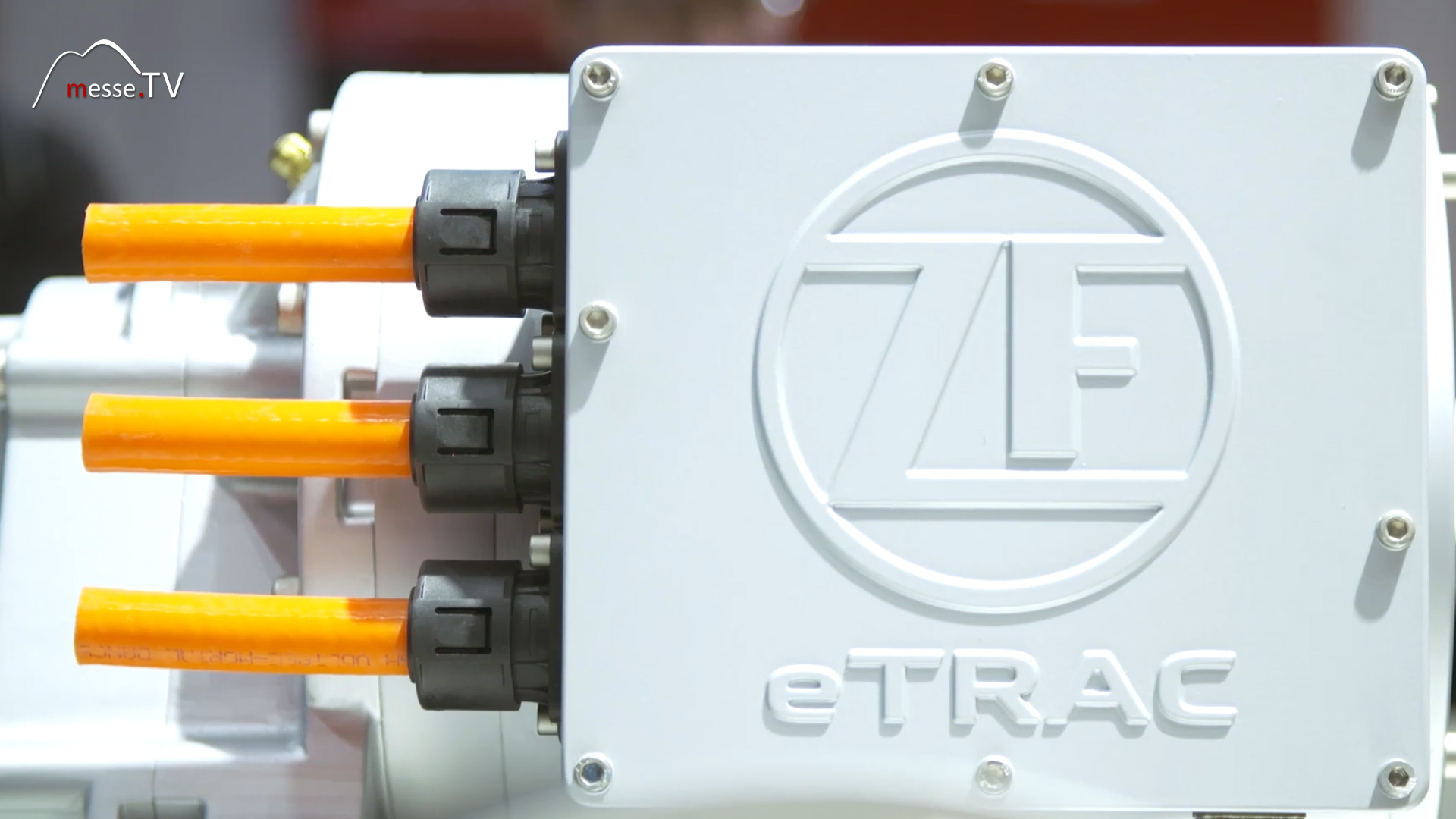
Elektrischer Antrieb reduziert Emissionen auf Baustelle
Die Elektrifizierung von Baumaschinen erfolgt nicht zwangsläufig über komplette Fahrzeugkonzepte. In vielen Fällen beginnt sie bei einzelnen Funktione... Emissionen auf Baustelle reduzieren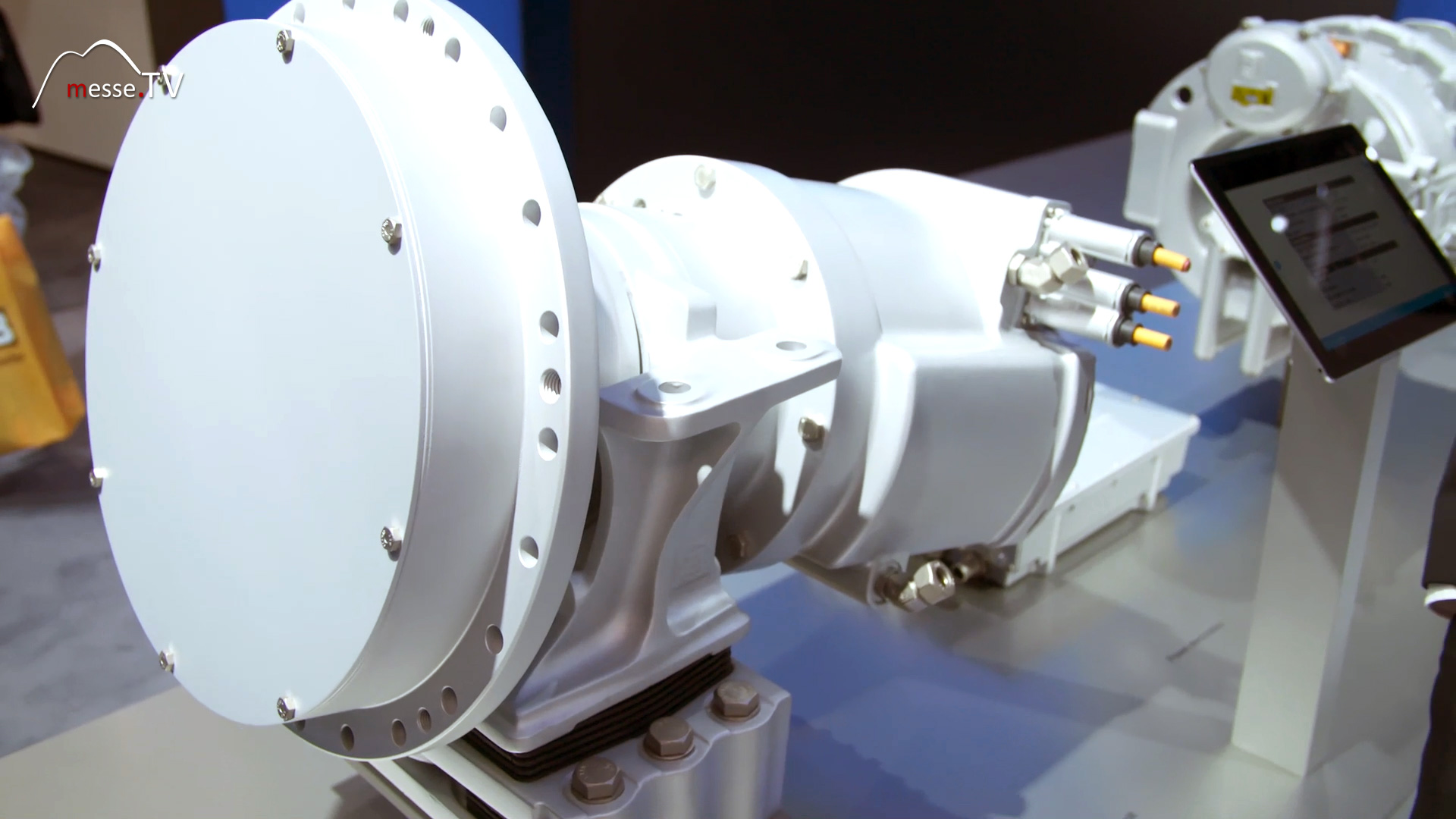
Urbane Baustelle mit Zero Emission und Antrieb
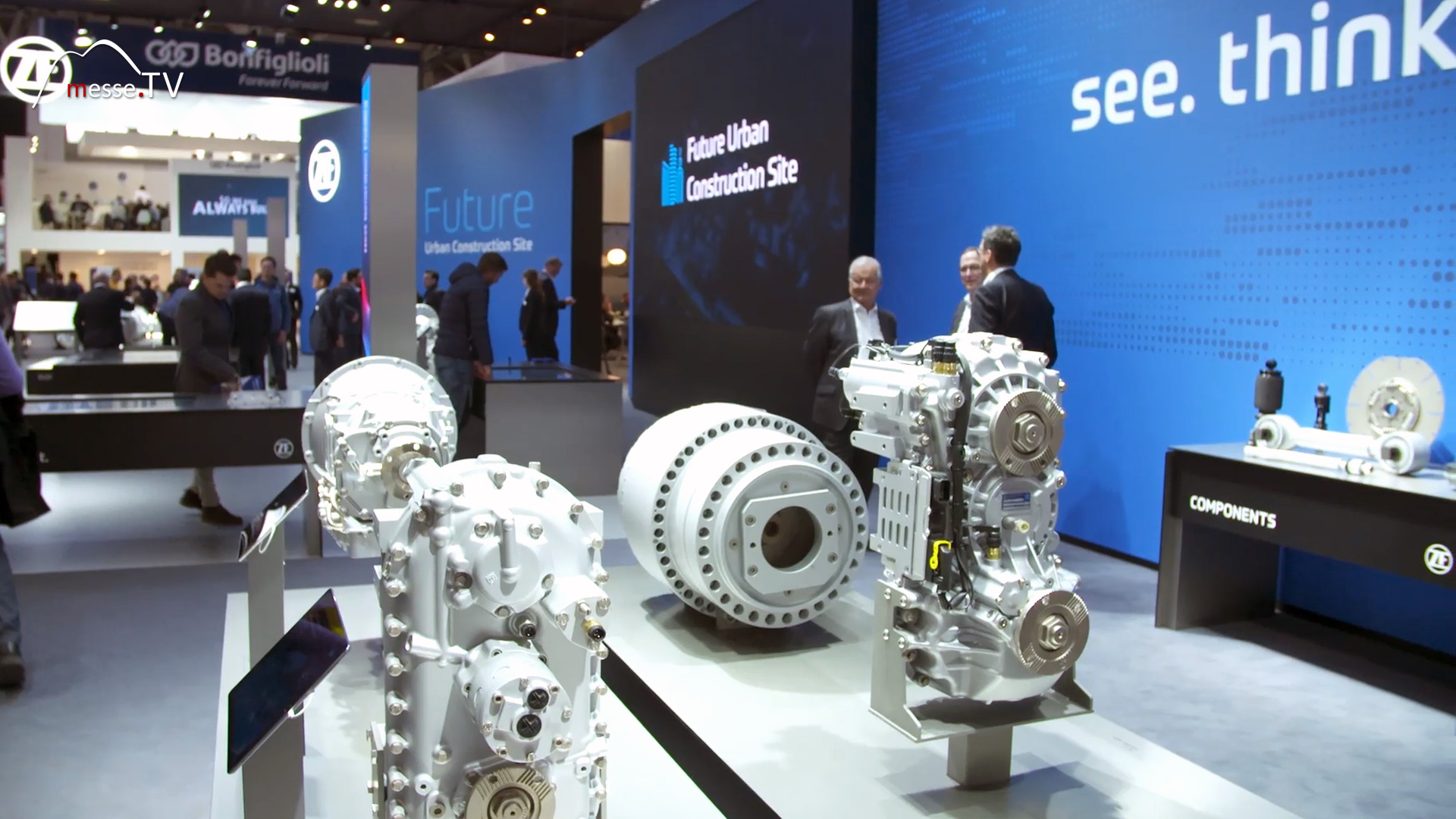
Die Baubranche steht vor einem Wandel, der sich besonders in Städten bemerkbar macht. Auf der Bauma wurde dieser Anspruch anhand der „urbanen Baustell... Baubranche in Städten steht vor einem Wandel
Elektromobilität, Automatisierung und Digitalisierung
ZF hat sich frühzeitig auf den Wandel der Mobilitätsbranche eingestellt. Elektromobilität ist dabei ein zentrales Entwicklungsfeld. Das Unternehmen bietet skalierbare elektrische Antriebssysteme, die sowohl für kompakte Fahrzeuge als auch für schwere Nutzfahrzeuge und Baumaschinen ausgelegt sind. Ergänzt werden diese durch Leistungselektronik, Software und intelligente Energiemanagementsysteme. Parallel dazu investiert ZF stark in automatisierte und autonome Fahrsysteme. Sensorfusion, KI-basierte Auswertung und sichere Aktuatorik bilden die technologische Basis für diese Entwicklungen. Auch digitale Plattformen und softwaredefinierte Fahrzeugarchitekturen gewinnen an Bedeutung, da sie kontinuierliche Funktionsupdates und neue Geschäftsmodelle ermöglichen.
Nachhaltigkeit und industrielle Verantwortung
Nachhaltigkeit ist ein integraler Bestandteil der Unternehmensstrategie von ZF. Der Konzern verfolgt das Ziel, seine Produktionsprozesse schrittweise klimaneutral zu gestalten und gleichzeitig Produkte zu entwickeln, die den Energieverbrauch und die Emissionen im Betrieb reduzieren. Elektrifizierte Antriebe, effiziente Fahrwerksysteme und intelligente Steuerungslösungen leisten dazu einen wesentlichen Beitrag. Durch hohe Investitionen in Forschung und Entwicklung sowie die enge Zusammenarbeit mit Fahrzeugherstellern, Industriepartnern und Forschungseinrichtungen bleibt ZF ein maßgeblicher Gestalter des technologischen Wandels. Das Unternehmen verbindet industrielle Erfahrung mit zukunftsorientierter Entwicklung und nimmt damit eine Schlüsselrolle bei der Transformation der Mobilität ein.
Messe-Berichterstattung bundesweit - Messewissen, Termine & Veranstaltungen


