Unimog equipment carrier for road construction and winter maintenance
by J. Groh - 2024-02-13Hardly any other commercial vehicle has established such a versatile role over the decades as the Unimog. Originally developed as a universal work vehicle, it is now used in areas ranging from municipal winter maintenance to heavy road construction.
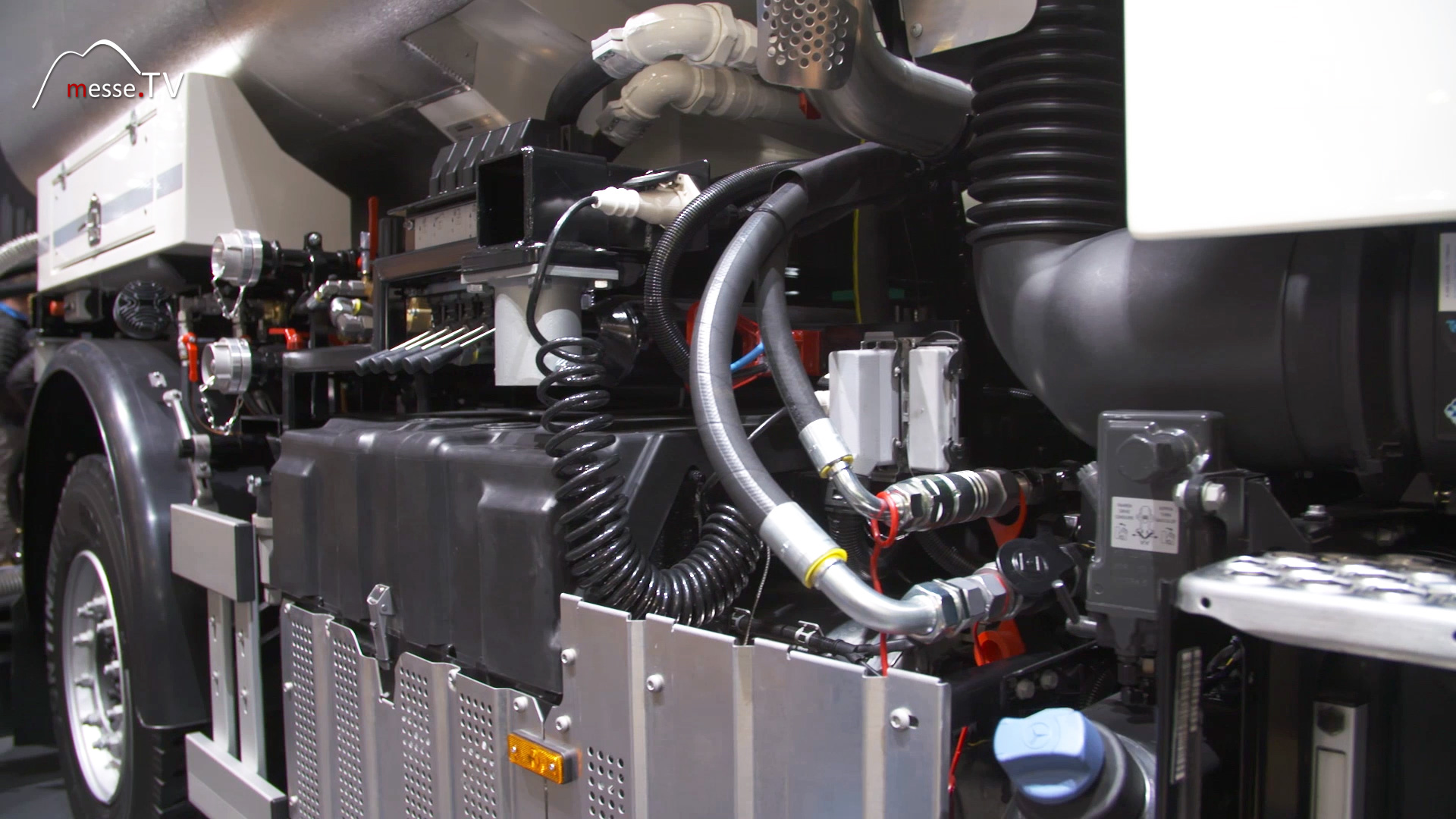
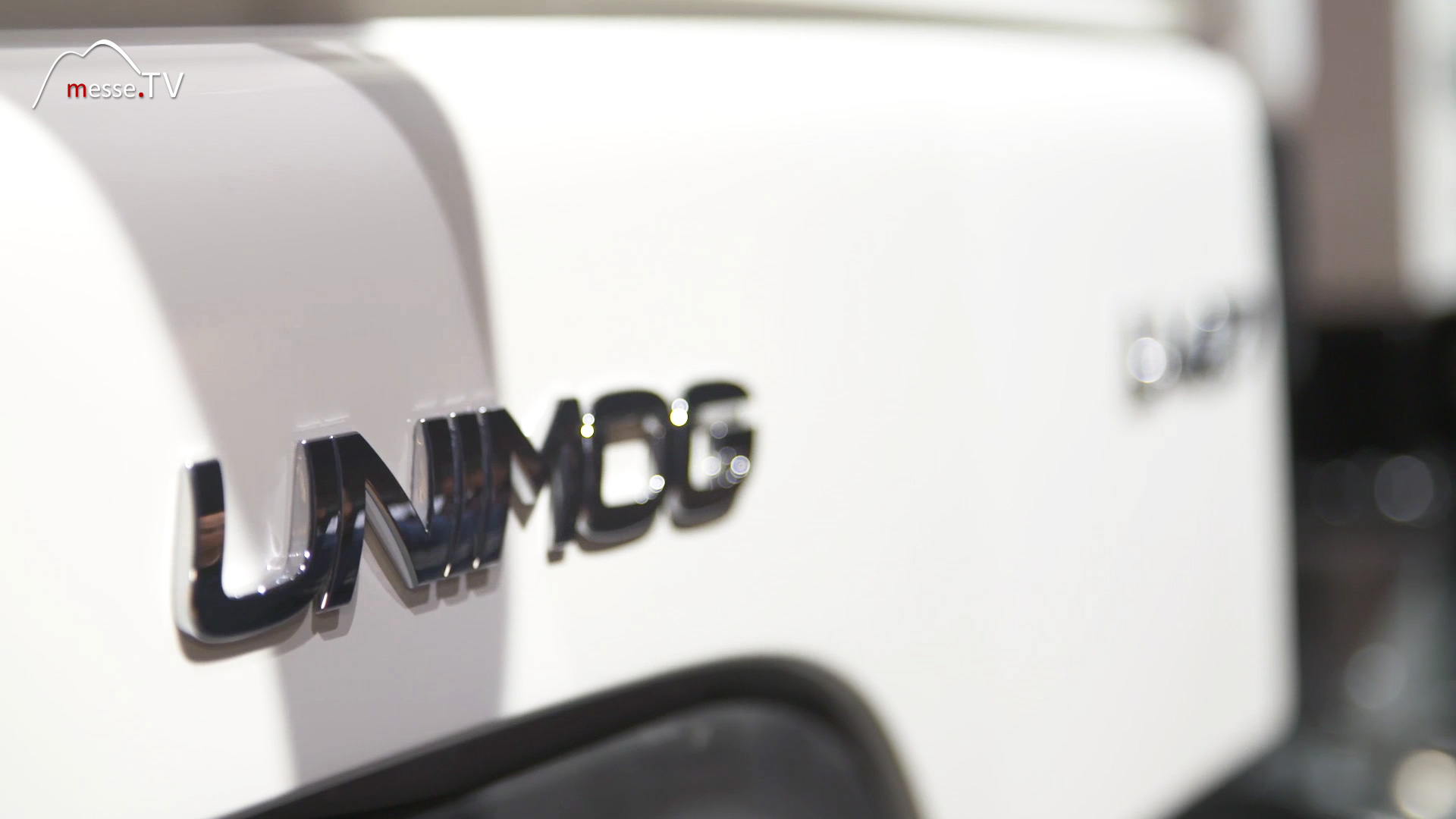
At the bauma in Munich, Mercedes-Benz is showcasing a Unimog carrier vehicle that demonstrates precisely this versatility. The focus is not solely on the machine itself, but on the principle of a carrier vehicle that can be used all year round for a wide variety of work processes. The vehicle on display is equipped with a so-called bitumen sprayer. This allows bitumen to be applied precisely to road surfaces, followed by the application of grit or new layers of asphalt. Such work is part of standard road maintenance and is carried out in many places to repair damaged road surfaces or renew surfaces. What is particularly noteworthy is the combination of several functions in a single operation. In addition to the spraying system, the vehicle features a large sweeping brush. This means that the road surface can not only be treated but also cleaned at the same time.
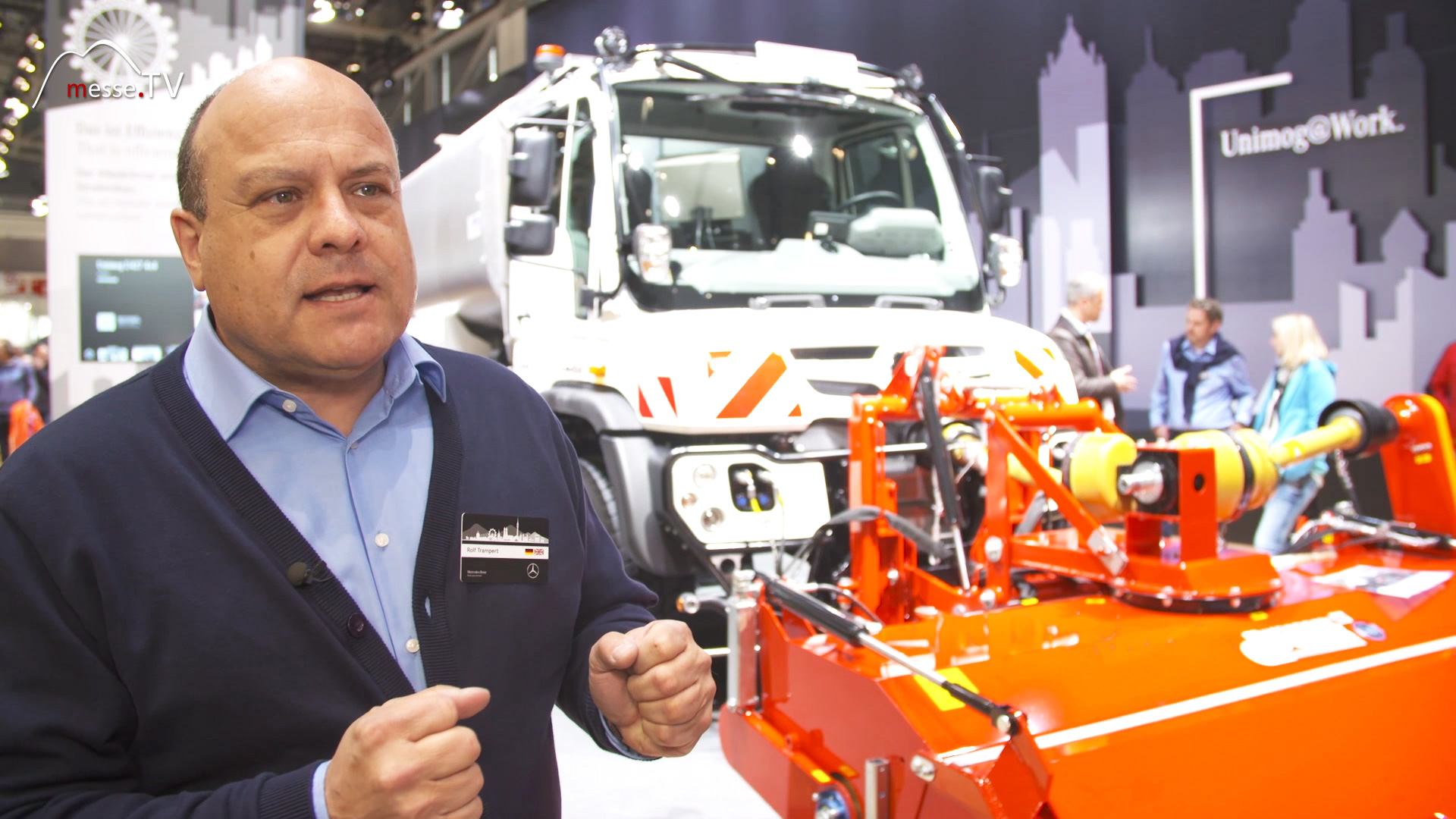

Mercedes-Benz combines road construction and cleaning technology
In road construction in particular, efficiency is increasingly one of the most important factors. Construction sites need to be completed as quickly as possible, whilst at the same time demands for road safety and cost-effectiveness are rising. Vehicles capable of performing multiple tasks simultaneously are therefore becoming increasingly important. The Unimog carrier vehicle showcased by Mercedes-Benz follows precisely this approach. Whilst traditional specialist vehicles are often designed for single applications, this concept is based on a modular interchangeable system. Work tools can be swapped or added depending on the task.
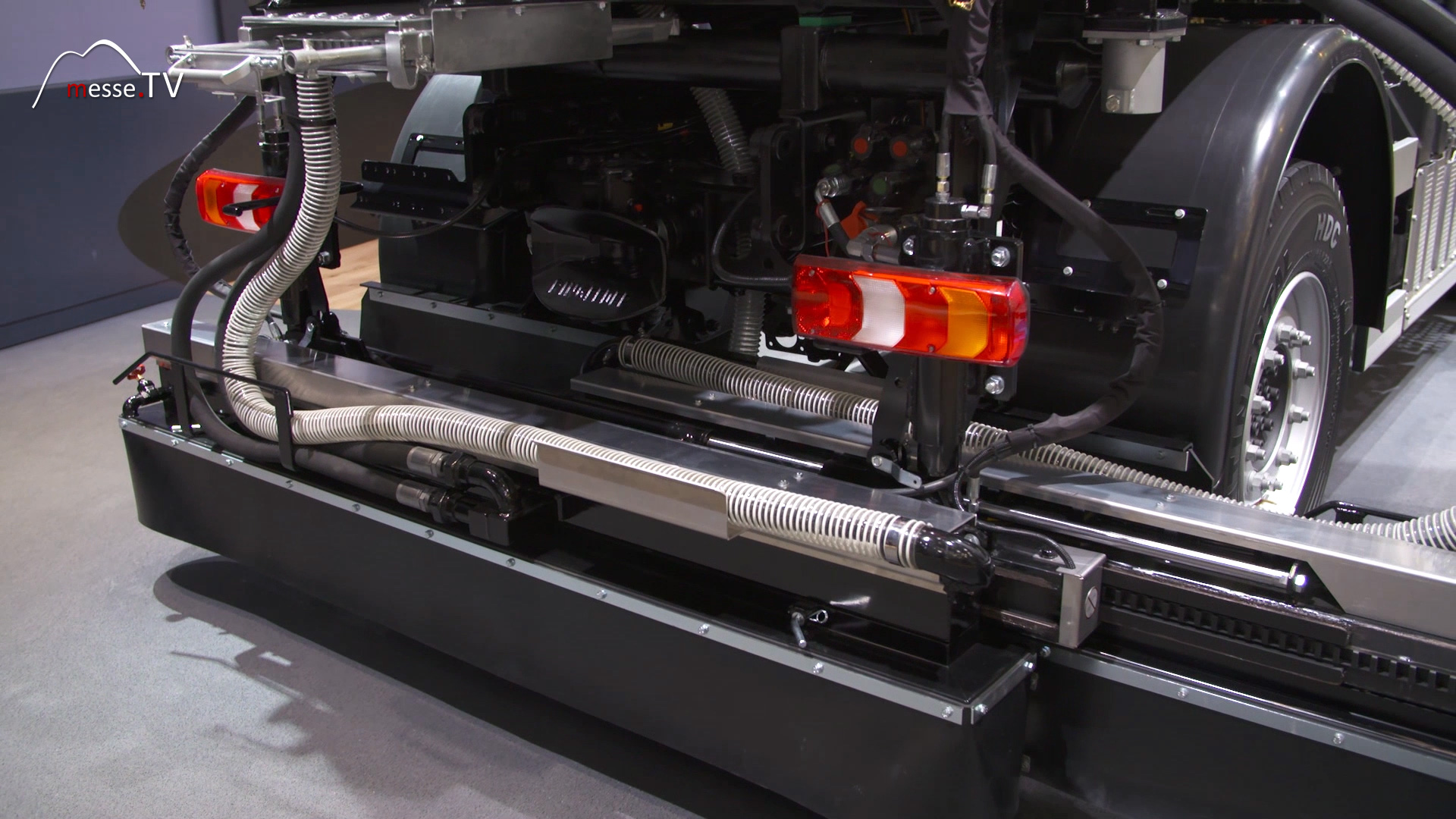
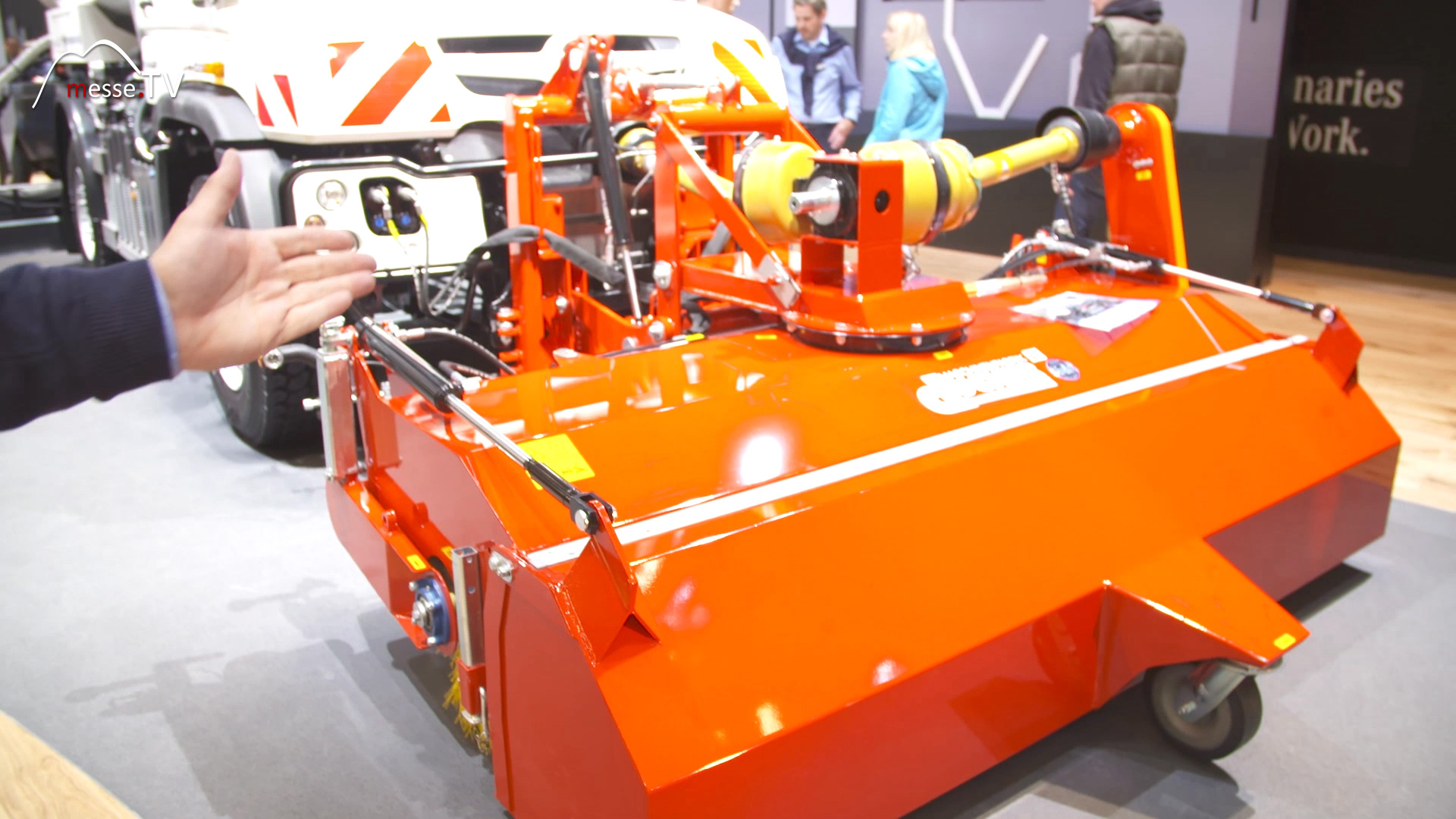
In summer, for example, the vehicle carries out road maintenance tasks. In winter, the same equipment carrier is converted into a snow-clearing and gritting vehicle. To do this, the bodywork can be changed, a salt spreader fitted at the rear and the sweeping brush replaced by a snow plough. This year-round usability has been one of the key features of the Unimog concept for decades. Municipal authorities and road construction firms in particular are increasingly relying on machines that cover as many areas of application as possible.

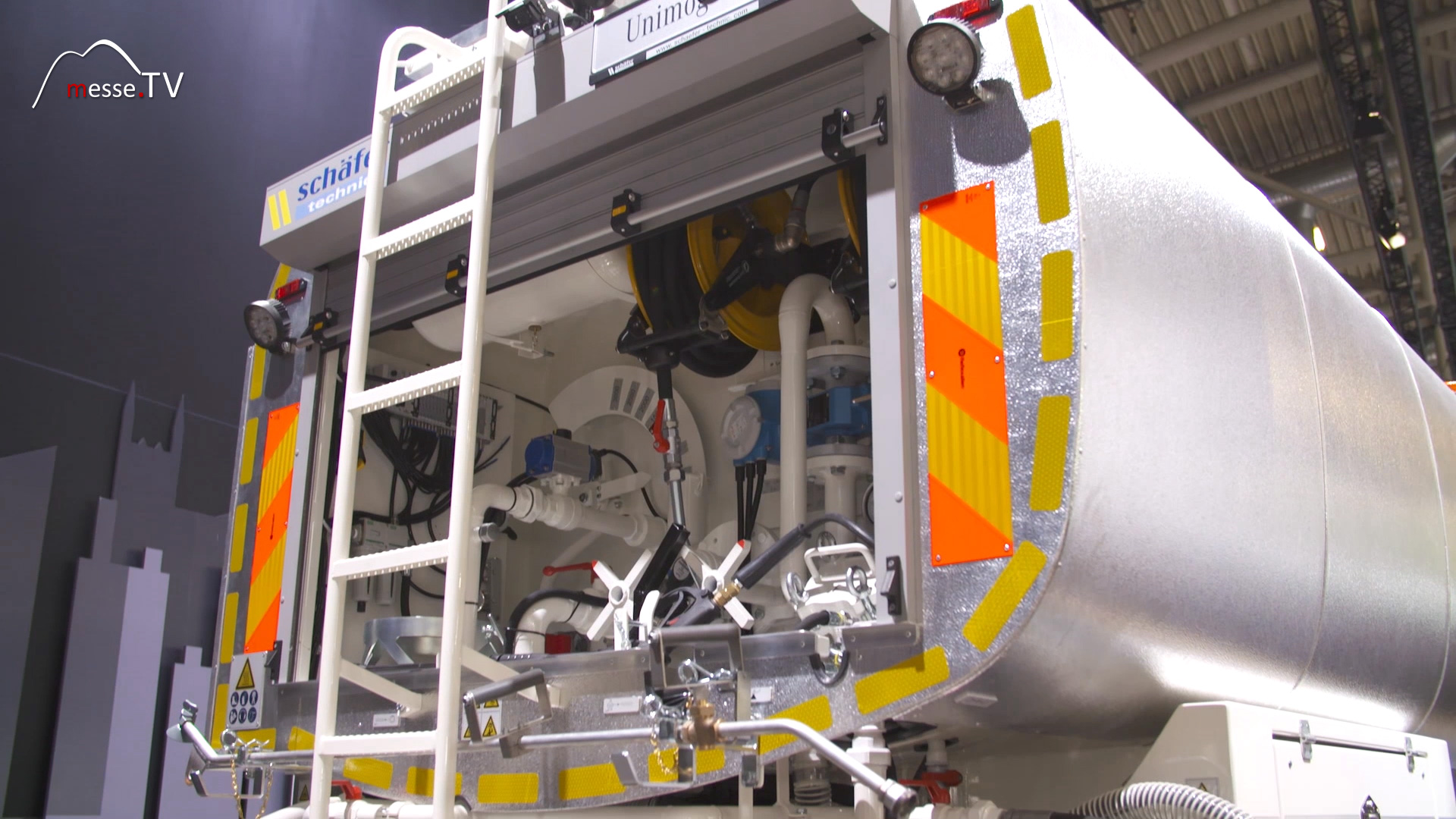
Unimog carrier operates extremely slowly and precisely
One technical detail concerns the so-called low-speed capability. According to the manufacturer, the vehicle can operate at speeds of just 80 metres per hour. This plays a key role, particularly in precision roadworks. Bitumen must be applied evenly, and working speeds must not fluctuate. Conventional lorries quickly reach their technical limits in such areas.
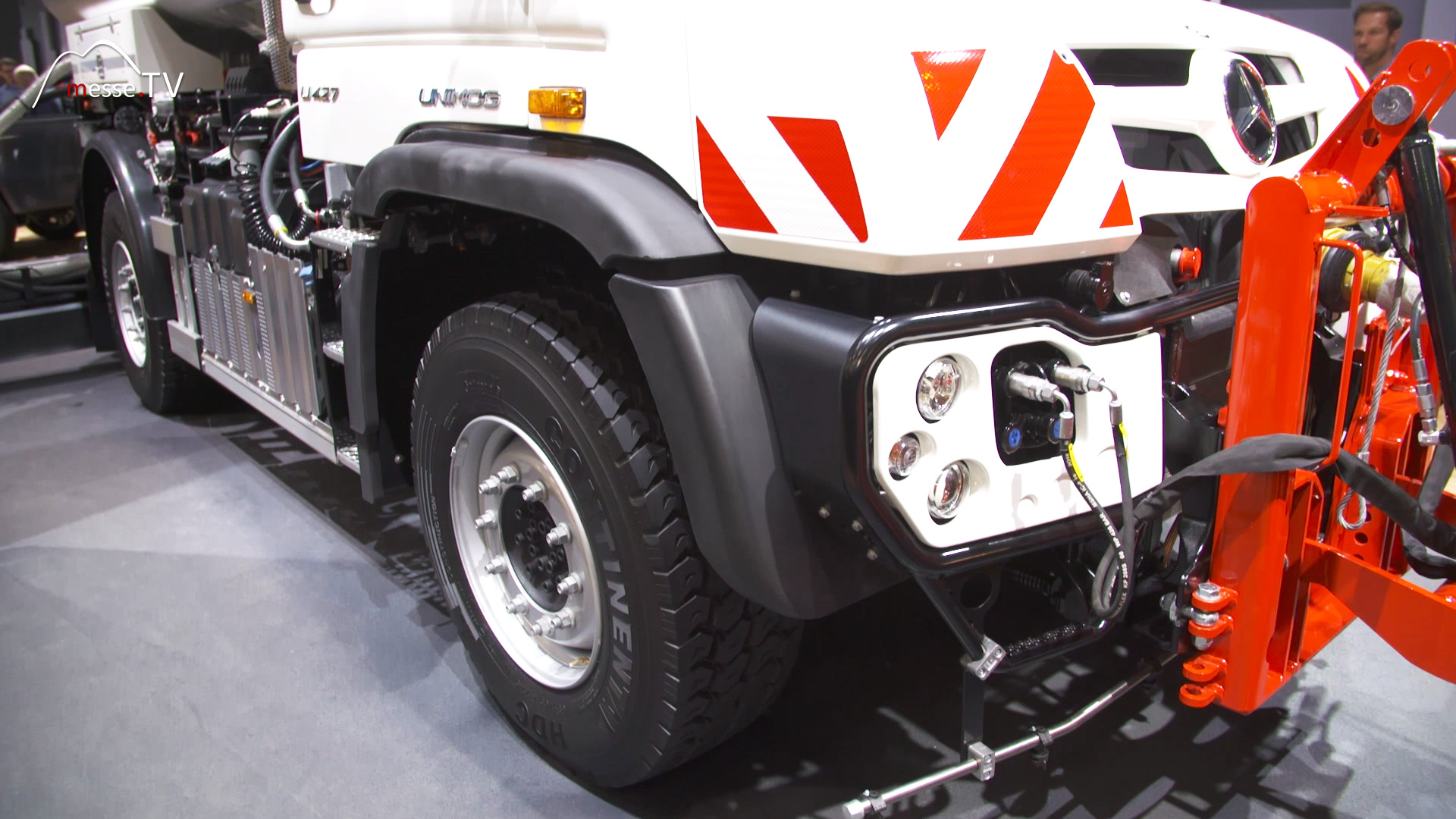
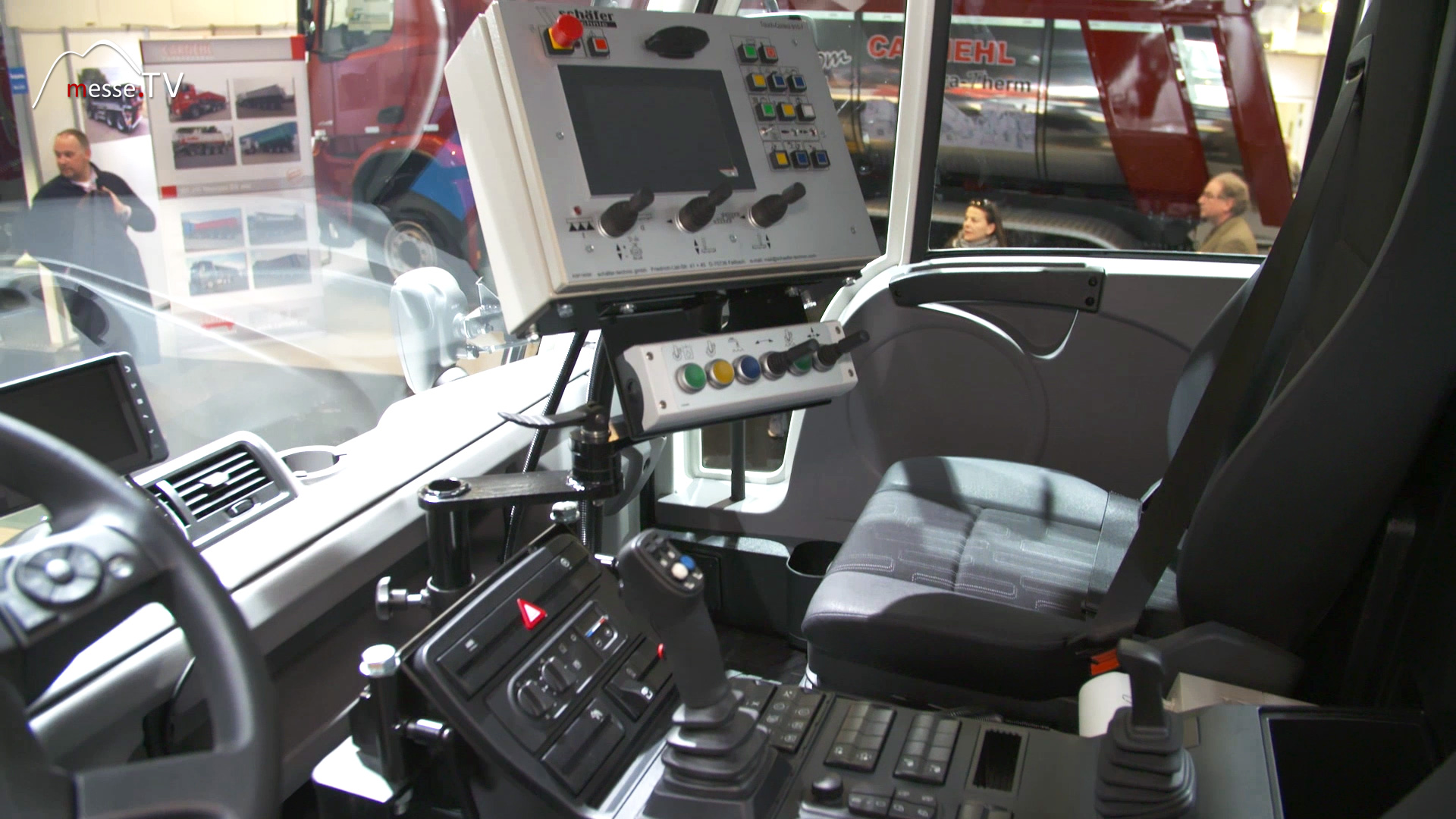
There is also another feature: the VarioPilot system. This allows the steering unit to be switched from the left to the right side of the vehicle. This significantly improves visibility of the attachments and the road surface, particularly during municipal operations or work along the edges of the carriageway. Key features of the Unimog carrier shown:
- Bitumen sprayer for road construction work
- Sweeping brush for simultaneous road cleaning
- Interchange system for winter service attachments
- Extreme low-speed function down to 80 metres per hour
- VarioPilot with switchable driver position
VarioPilot and reverse gears expand the range of applications
Precise manoeuvring is crucial, particularly when using attachments or for municipal work. Snow ploughs, sweepers or mowers often operate in areas with limited space, tight bends or changing directions of travel. The additional reverse gears allow the driver to adjust speeds very precisely. This increases control over the vehicle and makes it easier to work with heavy or wide attachments. It is interesting to note that, despite its long history, the Unimog continues to undergo significant development. Many technical solutions today are geared less towards traditional off-road use and more towards specialised infrastructure and municipal work. Cities and road maintenance departments in particular are increasingly looking for vehicles that combine multiple functions in a single platform. Cost pressures are growing, whilst demands for availability and flexibility are rising.
All-season vehicles are gaining importance for local authorities
The presentation at bauma therefore highlights a broader trend within the commercial vehicle industry. Municipal vehicle fleets are increasingly shifting away from highly specialised individual machines towards modular system vehicles. Road maintenance, cleaning, winter service or grounds maintenance are carried out in many places using the same carrier vehicles. What matters here is not so much the base vehicle itself as the ability to quickly integrate different attachments. Mercedes-Benz continues to position the Unimog precisely in this segment. The focus is less on maximum transport capacity and more on versatility, precision and technical adaptability. Road construction in particular demonstrates that such concepts remain economically viable. This is because machines that can be used almost all year round reduce downtime and significantly improve the utilisation of municipal or commercial vehicle fleets.








Trade fair reporting Germany - Trade fair knowledge, dates & events


