Functional safety for hydraulics in construction machinery
by A. Bergmeier - 2024-02-13Hydraulic systems remain one of the key technical foundations of modern construction machinery. Whether cranes, excavators or mobile work platforms – the movement of heavy loads is still predominantly controlled hydraulically.
At the same time, demands on safety, diagnostic capability and digital monitoring are increasing. At bauma in Munich, Hawe Hydraulik is therefore showcasing solutions that combine classic hydraulic technology with sensor technology, electronics and data-based condition monitoring. The focus is not merely on individual hardware, but on the increasing integration of complete safety systems. Manufacturers of mobile machinery today must no longer simply safeguard mechanical functions, but must also meet extensive regulatory requirements. This is precisely where Hawe Hydraulik positions itself, with an approach that considers valves, pumps, sensor technology and control technology as a unified whole.
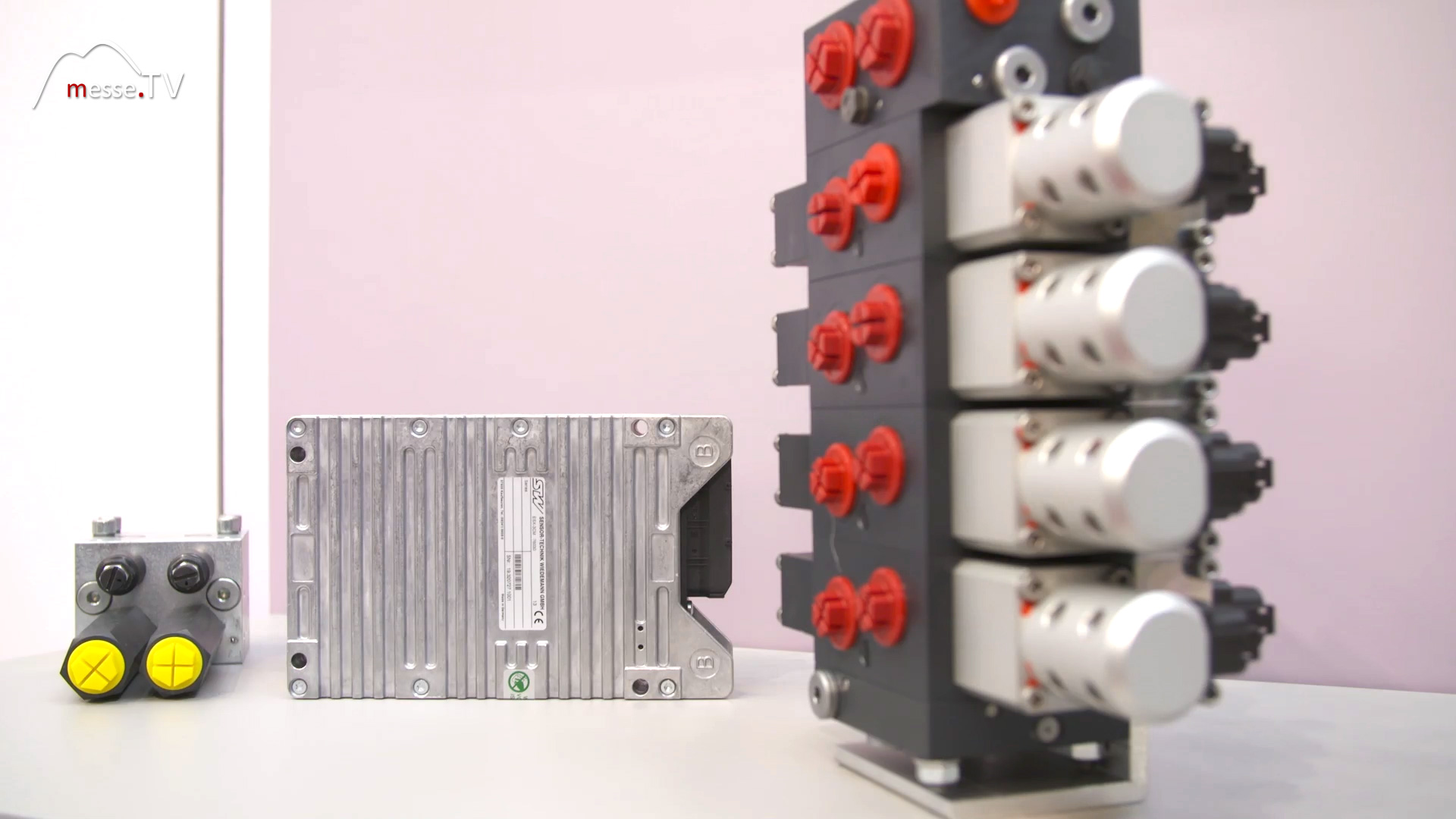

Hawe Hydraulik focuses on functional safety
According to the company, a key focus of its trade fair presentation is on so-called functional safety. This refers to the ability of technical systems to detect faults and respond to them in a controlled manner before dangerous situations arise. This plays a central role, particularly in mobile machinery. Cranes, lifting systems or large hydraulic installations move heavy loads and often operate in sensitive areas with pedestrian traffic. Even minor malfunctions can have serious consequences in such environments.
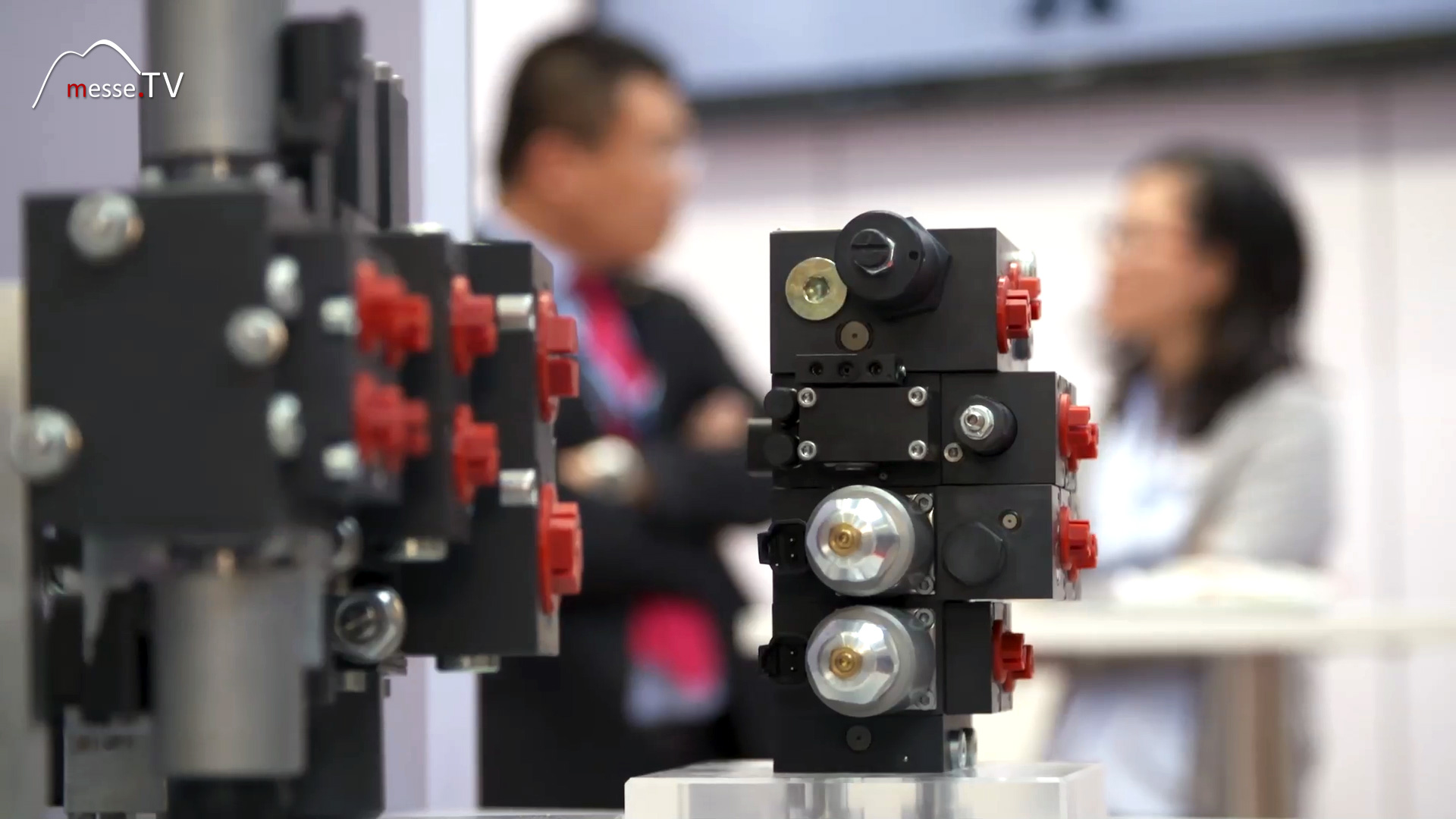
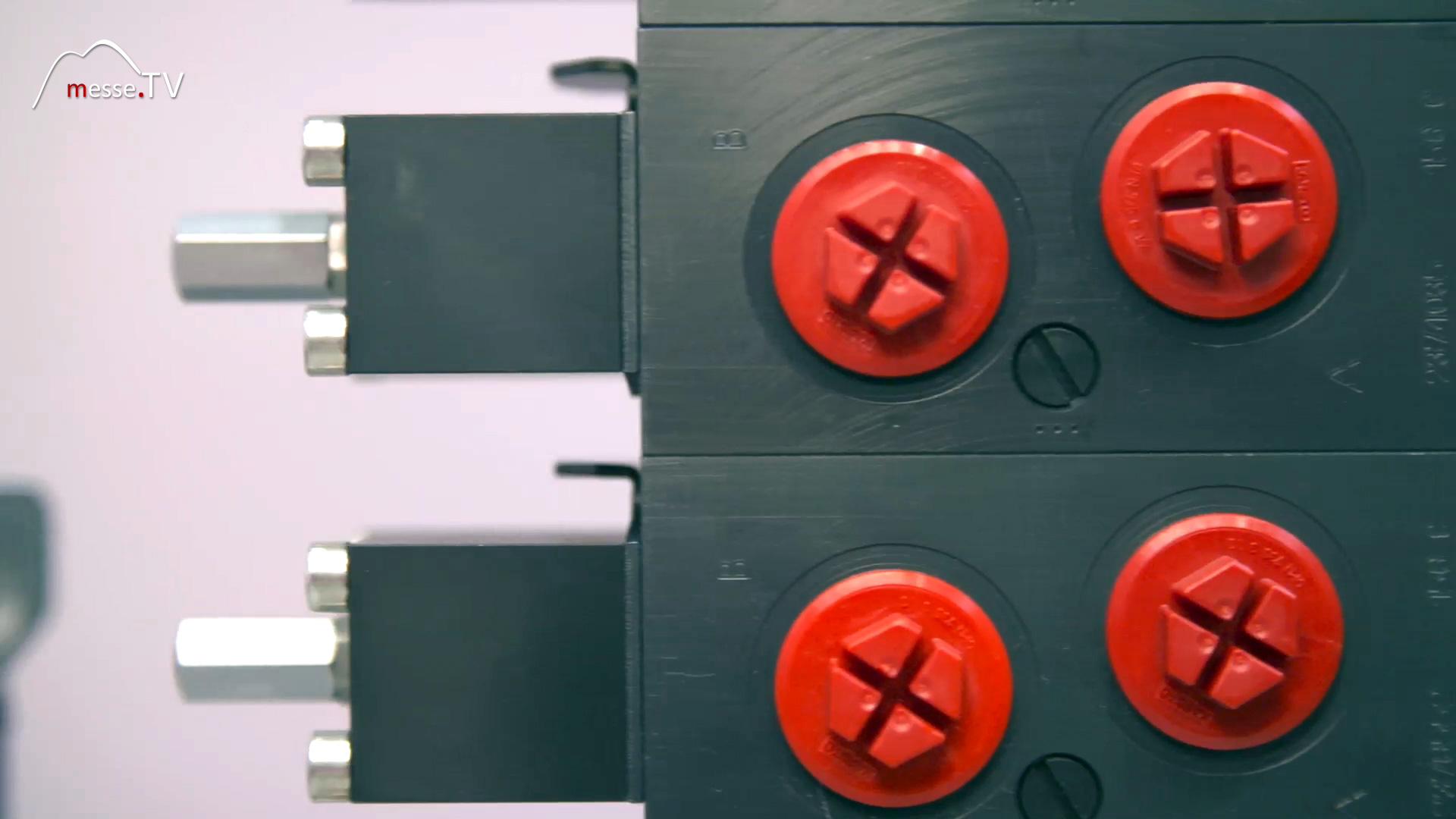
Hawe Hydraulik therefore explicitly emphasises the importance of a comprehensive system approach. In addition to the actual hydraulics, this includes calculations of safety functions, the appropriate sensor technology and the necessary documentation to meet legal requirements. The workload in this area has been growing for years. Today, machine manufacturers must be able to demonstrate in detail how safety functions are designed and what measures are triggered in the event of a fault. The actual hydraulic component is thus increasingly becoming part of complex digital safety architectures.

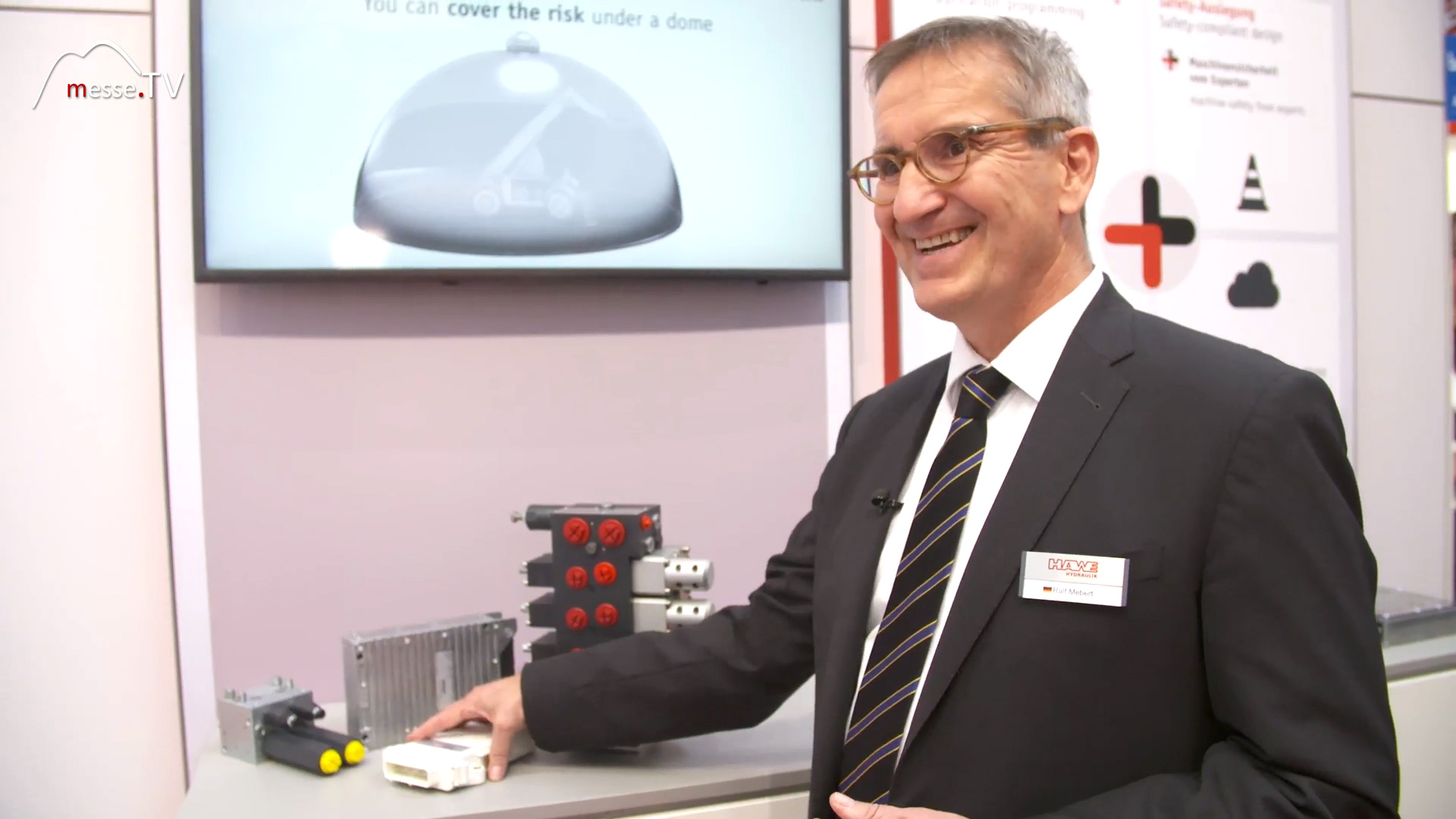
PSL spool valve combines hydraulics and sensor technology
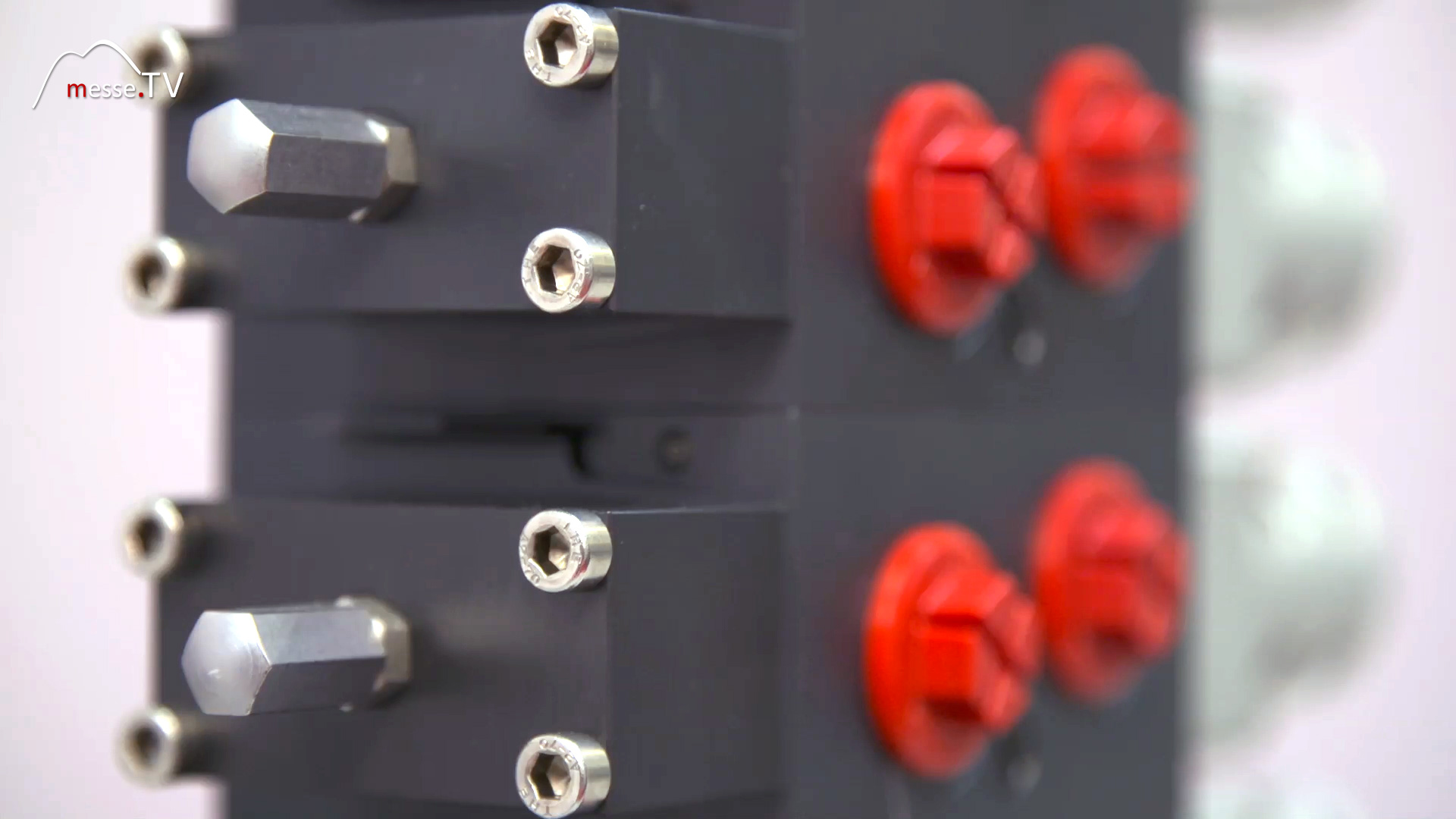
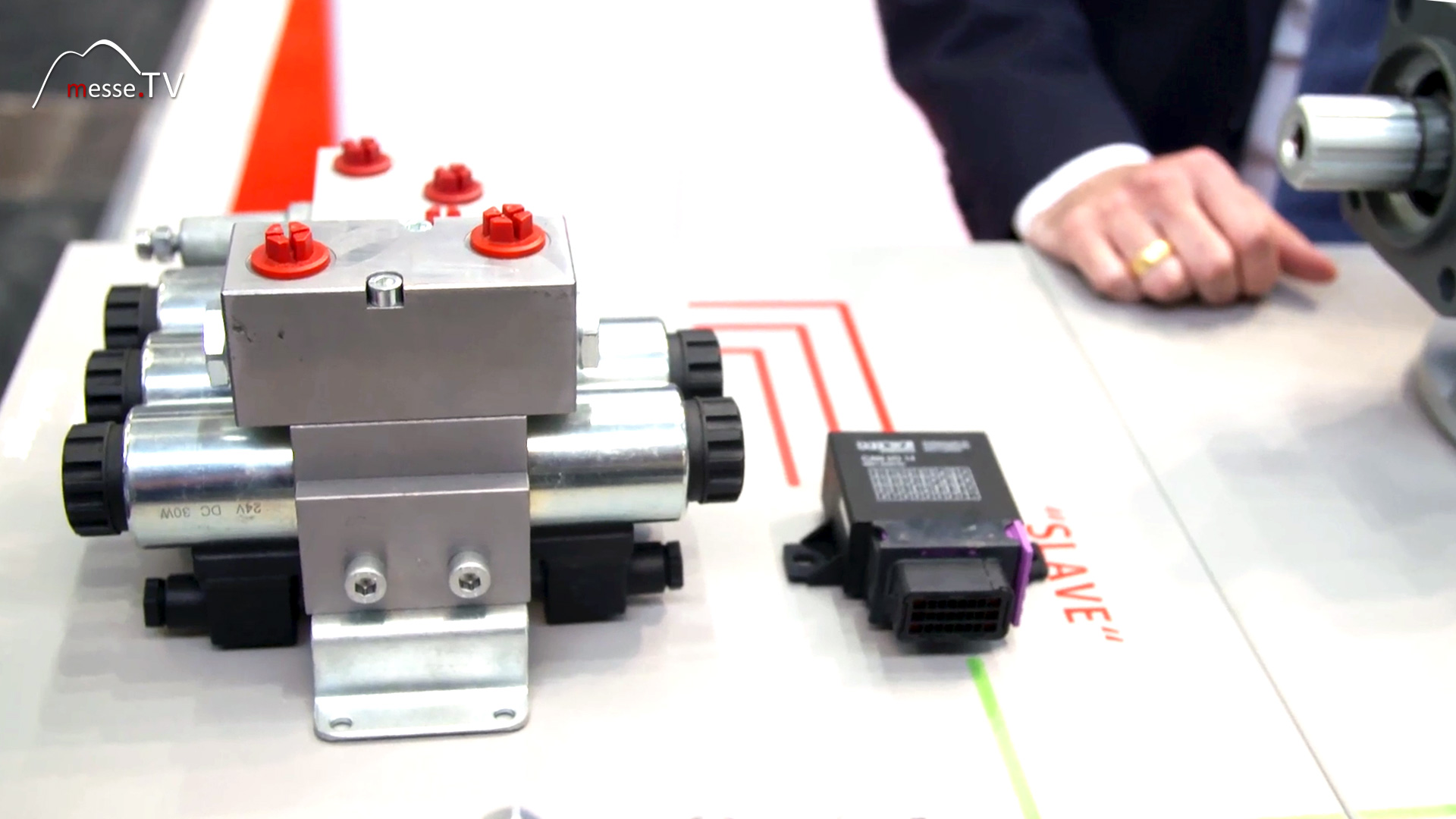
A key example at the bauma is the PSL spool valve. According to the manufacturer, the system is suitable for a wide variety of mobile machinery – from smaller work machines to large crane systems. The key factor here is the combination of hydraulic valve and sensor technology. The system continuously monitors the position of the respective spools and checks whether they are actually in the intended position. If the measured position deviates from the set position, the control system detects a possible defect or malfunction.
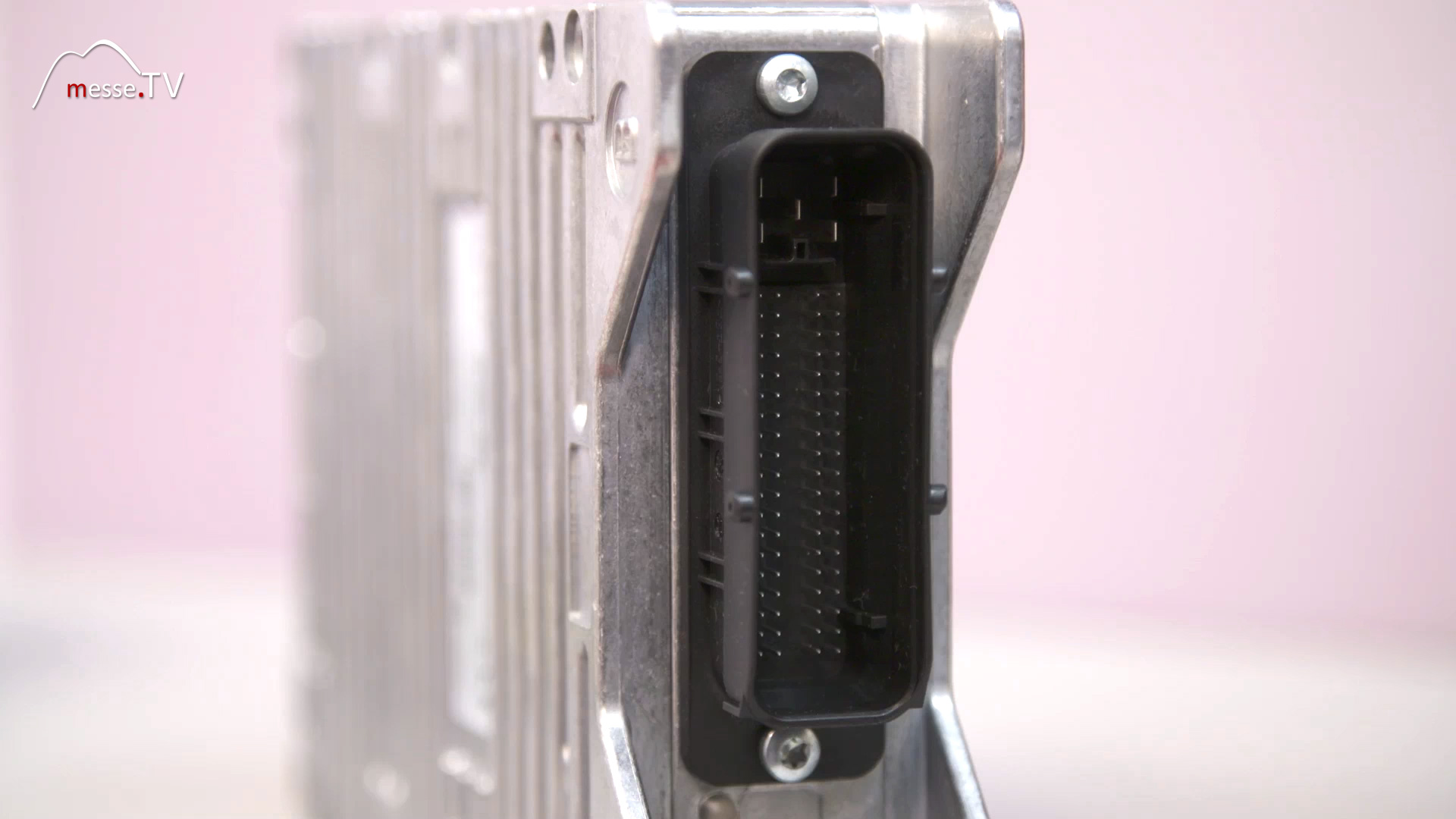

This continuous feedback is considered a key component of functional safety. This is because modern machines no longer rely exclusively on mechanical limits or emergency shut-offs. Instead, sensors continuously monitor operating conditions and enable early intervention. Key features of the system presented:
- PSL position sliders for mobile machinery
- Integrated sensor technology for position feedback
- Monitoring of safety-critical functions
- Integration with electronic control technology
- Cloud connectivity for predictive maintenance
Predictive maintenance is transforming hydraulic technology
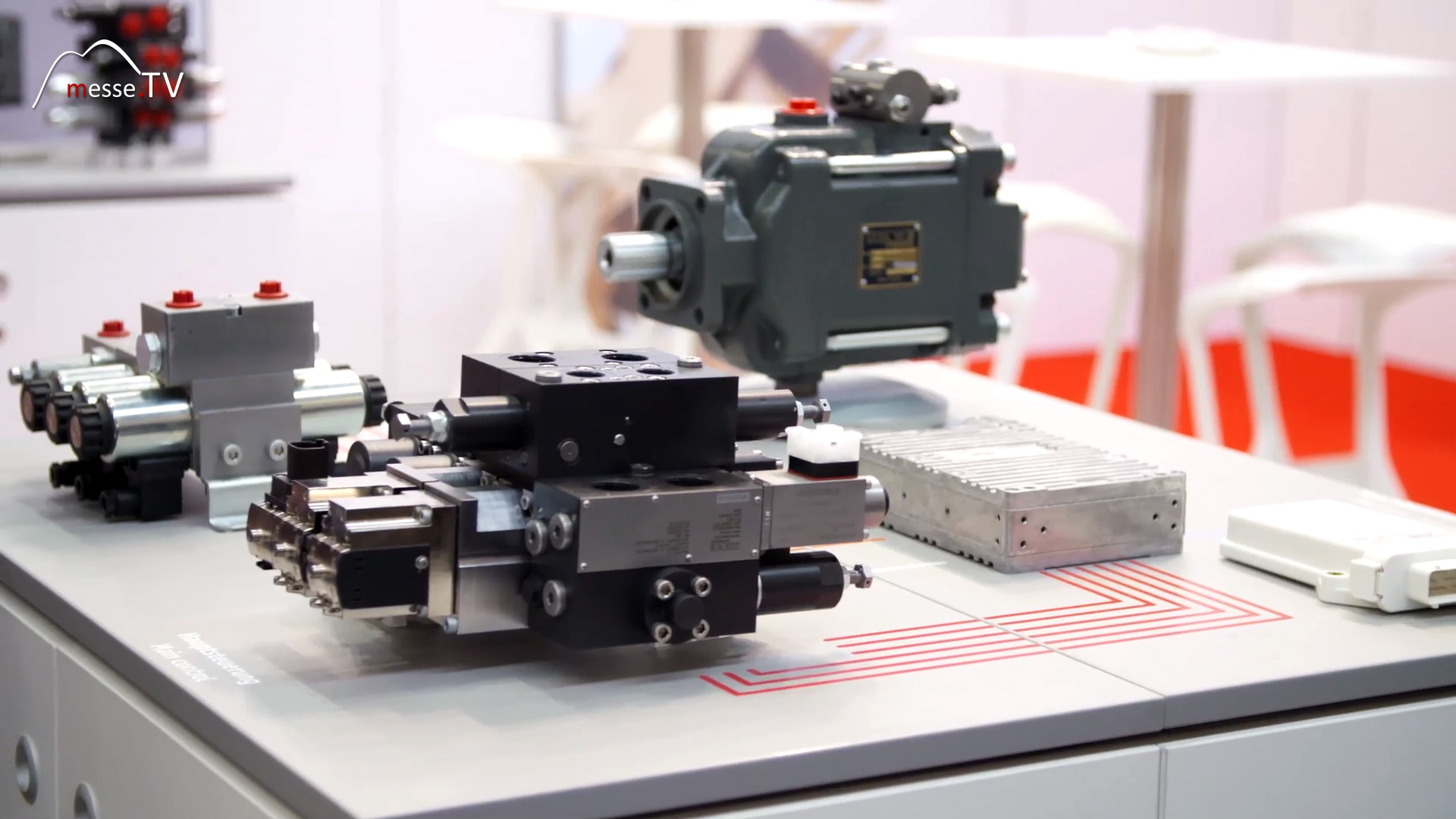
Another key focus is the analysis of operational data. Signals from valves and sensors are not only processed locally but can also be transmitted to cloud systems via additional modules. Together with STW, Hawe Hydraulik is demonstrating a solution that continuously analyses condition data. The aim is to detect anomalies at an early stage and make maintenance more predictable. This principle is summarised under the term ‘predictive maintenance’. This is not just about the failure of individual components. The systems are also designed to recognise how valves behave under real operating conditions, whether wear is occurring or whether operating parameters are changing. This approach is becoming increasingly important, particularly for heavy machinery. Unplanned downtime incurs high costs, particularly for large-scale equipment or infrastructure projects with tight schedules. Data-driven maintenance could help make repairs more predictable and reduce downtime. As a result, hydraulics is increasingly evolving from a purely mechanical system into a data-driven technology platform.
Construction machinery is becoming networked systems
The exhibition presence at bauma at the Messe München highlights a fundamental shift within mechanical engineering. Hydraulics, electronics and software are becoming increasingly integrated. Modern machinery no longer consists solely of mechanical components, but of networked systems with continuous condition monitoring. This is particularly evident in safety-critical applications. In the past, the focus was primarily on the resilience and performance of hydraulic components. Today, requirements such as functional safety, digital diagnostics and cloud communication have been added to the mix. Hawe Hydraulik is thus positioning itself in an area that is becoming increasingly strategic for the industry. After all, the more machines are automated and digitised, the more important it becomes to be able to precisely record and reliably evaluate operating conditions. At the same time, this development makes it clear that traditional suppliers are also changing. Companies no longer simply supply individual valves or pumps, but complete system solutions including electronics, sensor technology and digital evaluation. It is precisely this integration that is likely to be decisive in the future for how safely, efficiently and seamlessly mobile machinery can operate.






Trade fair reporting Germany - Trade fair knowledge, dates & events


