Mobilbagger mit Big Foot Reifen und Fahrerfokus
von Bastian Velonavy - 2024-02-13Weiche Böden, wechselnde Einsatzorte und steigende Anforderungen an Produktivität und Komfort prägen den Alltag vieler Baumaschinenfahrer.
Auf der bauma in München zeigt Atlas einen Mobilbagger, der genau auf diese Herausforderungen zugeschnitten wurde. Im Mittelpunkt stehen dabei ungewöhnlich große Reifen, ein zusätzlicher Arbeitsarm sowie eine Kabine, deren Gestaltung maßgeblich auf Rückmeldungen von Maschinenführern zurückgeht. Die Maschine trägt den Namen Big Foot – eine Bezeichnung, die bereits einen Hinweis auf ihr auffälligstes Merkmal gibt. Statt auf Standardbereifung setzt das Konzept auf besonders groß dimensionierte Räder, die den Bodendruck reduzieren und neue Einsatzmöglichkeiten erschließen sollen.
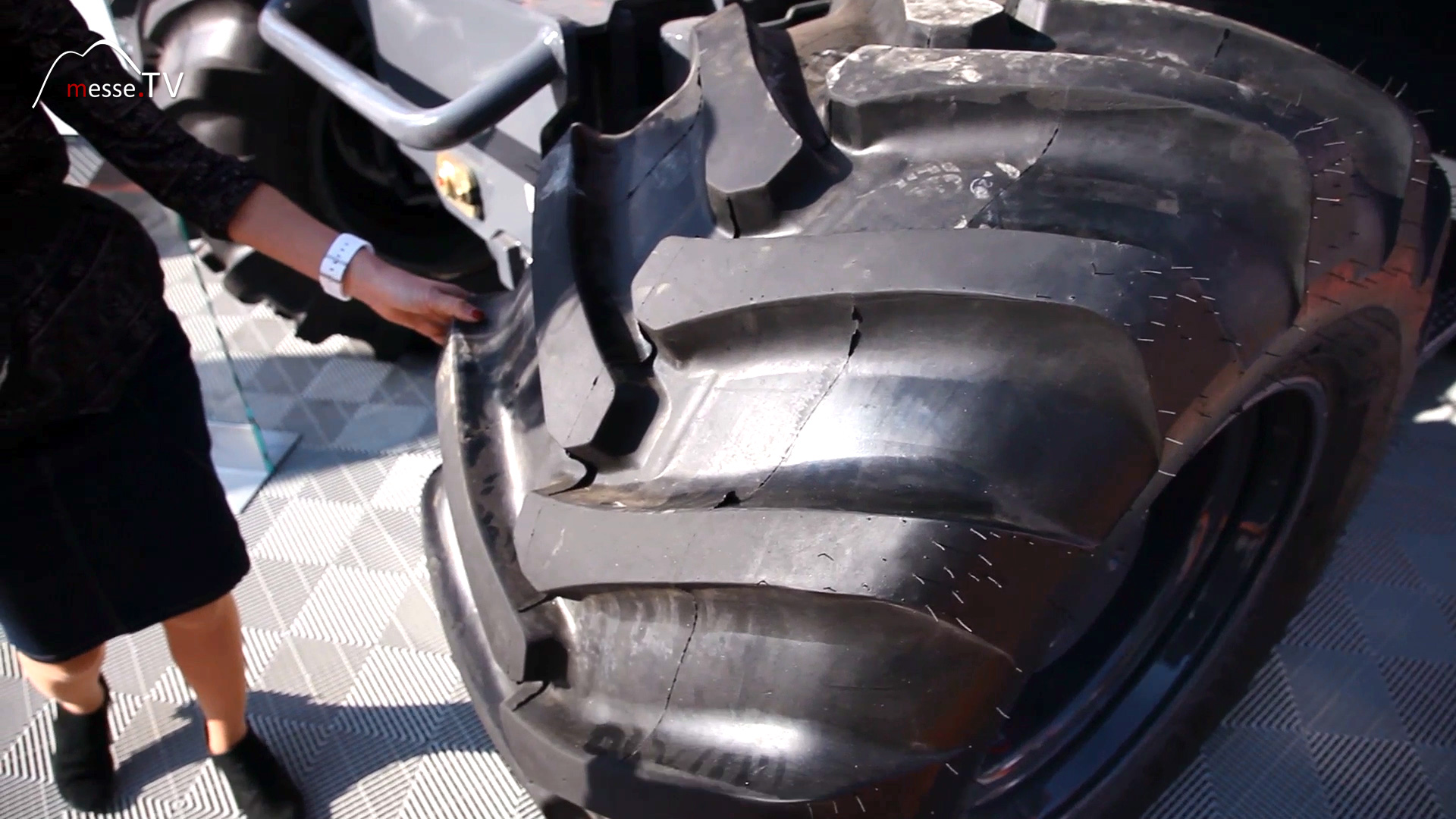
Big Foot setzt auf großvolumige Reifen für weichen Untergrund
Der entscheidende Unterschied liegt in der Bereifung. Mit Reifen der Größe 26,5 Zoll bewegt sich die Maschine deutlich außerhalb dessen, was bei Mobilbaggern üblich ist. Entwickelt wurde das Konzept gemeinsam mit Anwendern, die regelmäßig auf weichen oder empfindlichen Untergründen arbeiten. Dort treten bei herkömmlichen Maschinen häufig Probleme auf. Fahrzeuge sinken ein, verlieren Traktion oder verursachen Schäden an der Oberfläche. In vielen Fällen bleibt dann nur der Einsatz von Kettenmaschinen. Diese bieten zwar Vorteile bei der Bodenauflage, hinterlassen jedoch oftmals deutliche Spuren und können befestigte Flächen beschädigen. Die groß dimensionierten Reifen sollen genau diese Lücke schließen. Sie vergrößern die Aufstandsfläche und verteilen das Gewicht besser auf den Untergrund. Dadurch bleibt die Maschine mobil, ohne die typischen Nachteile eines Kettenfahrwerks in Kauf nehmen zu müssen.
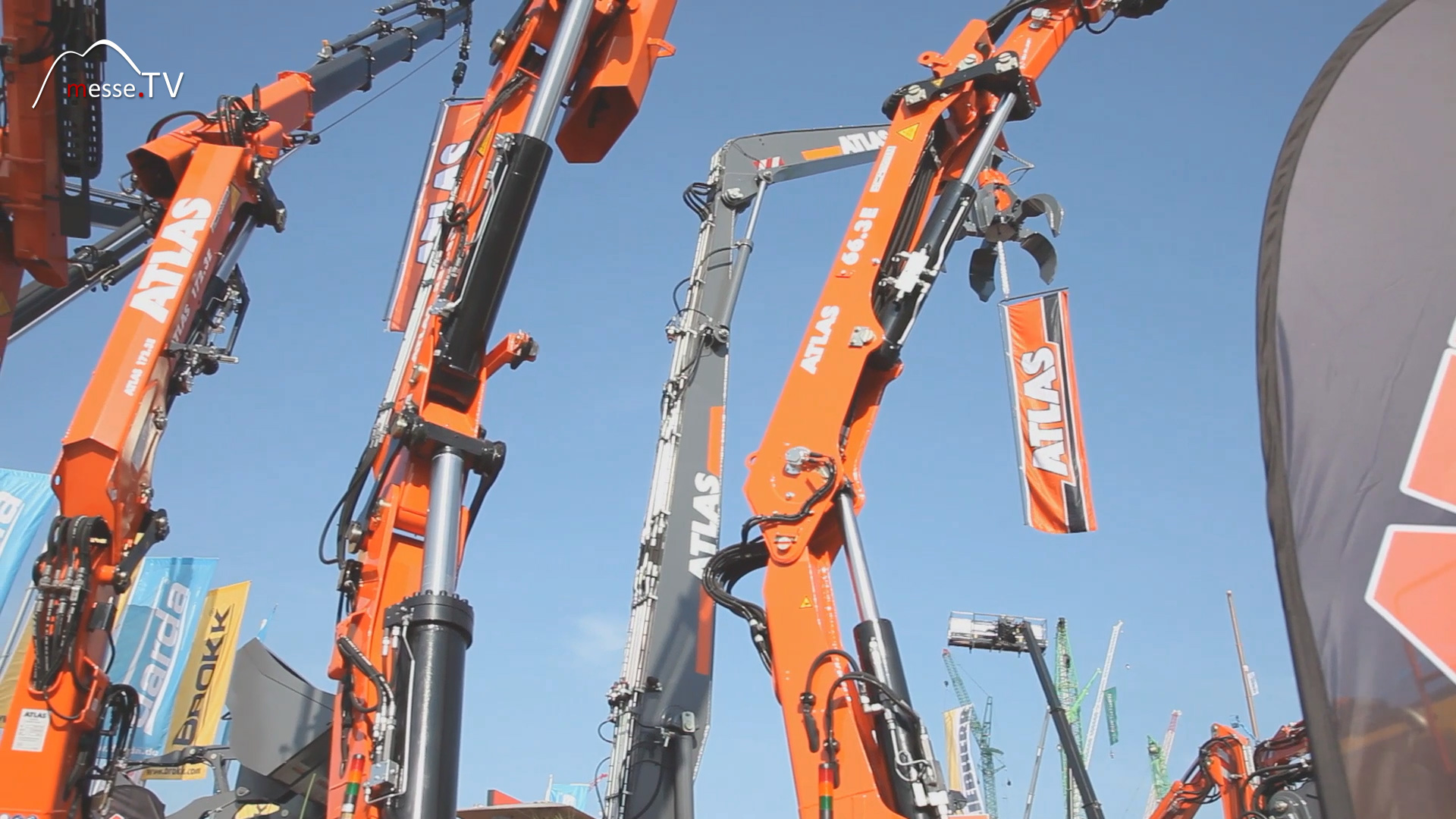
Atlas entwickelt vierten Arbeitsarm für mehr Flexibilität
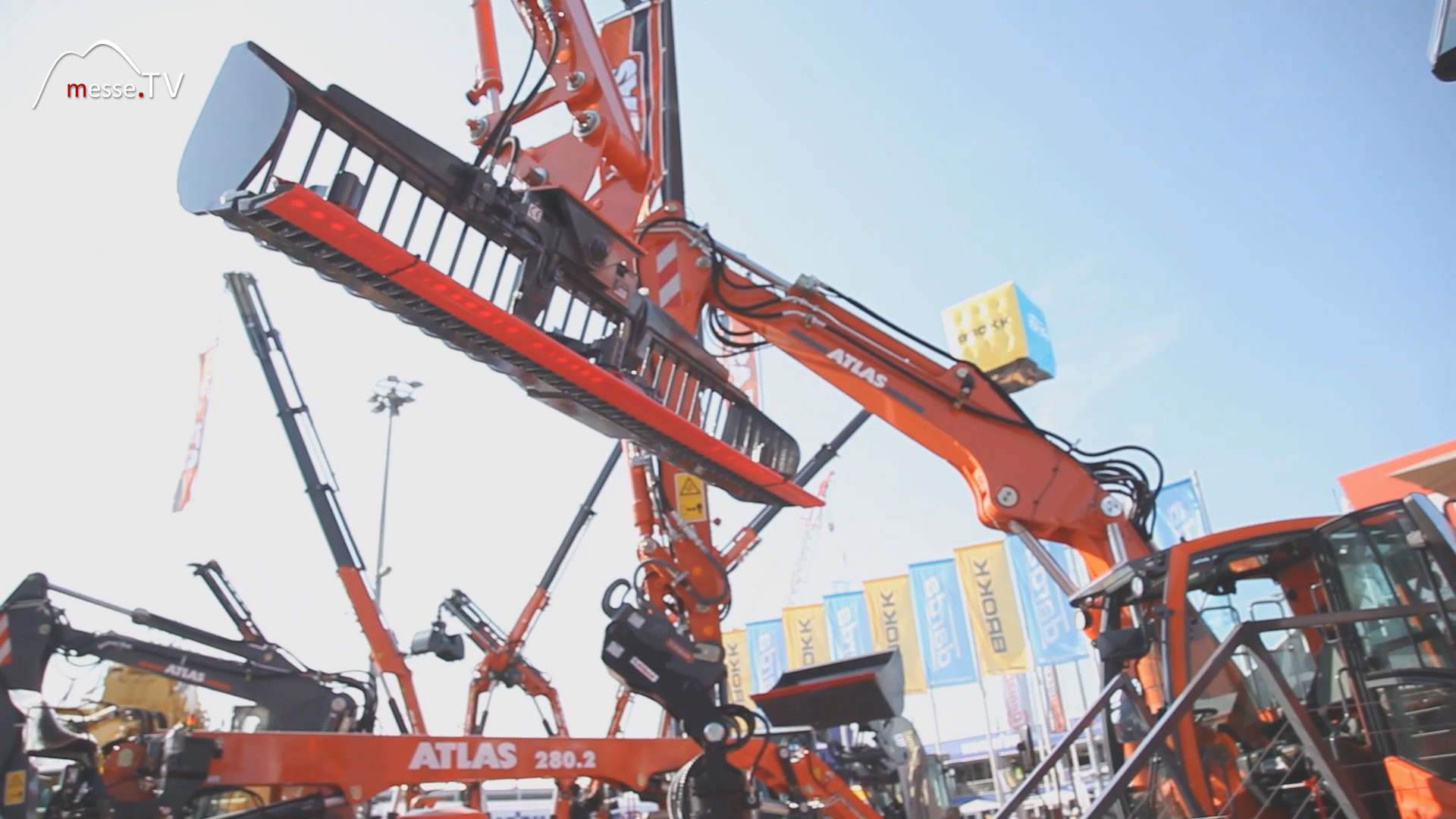
Neben der Bereifung fällt eine weitere Besonderheit auf. Die Maschine verfügt über einen zusätzlichen vierten Arm, der neue Einsatzmöglichkeiten eröffnet. Dieser kann per Knopfdruck zur Seite geschwenkt werden, sodass unterschiedliche Werkzeuge schneller eingesetzt werden können. Zusätzlich wurde eine neue Anhängerkupplung entwickelt. Damit lassen sich Anbaugeräte aufnehmen, transportieren und direkt am Einsatzort wechseln. Der Fahrer kann ein Werkzeug auf dem Anhänger ablegen, ein anderes aufnehmen und die Arbeit unmittelbar fortsetzen. Nach Angaben des Herstellers wurden bereits mehrere Maschinen dieses Typs ausgeliefert. Die Rückmeldungen aus der Praxis seien ausgesprochen positiv. Besonders die Kombination aus Mobilität und Vielseitigkeit wird von Anwendern geschätzt. Wichtige Merkmale der vorgestellten Maschine:
- Big Foot Bereifung mit 26,5-Zoll-Reifen
- Reduzierter Bodendruck auf weichen Untergründen
- Zusätzlicher vierter Arbeitsarm
- Neue Anhängerkupplung für schnellen Werkzeugwechsel
- Datenerfassung von Arbeitszyklen und Lasten
- Fahrerorientierte Kabinengestaltung mit verbessertem Rundumblick
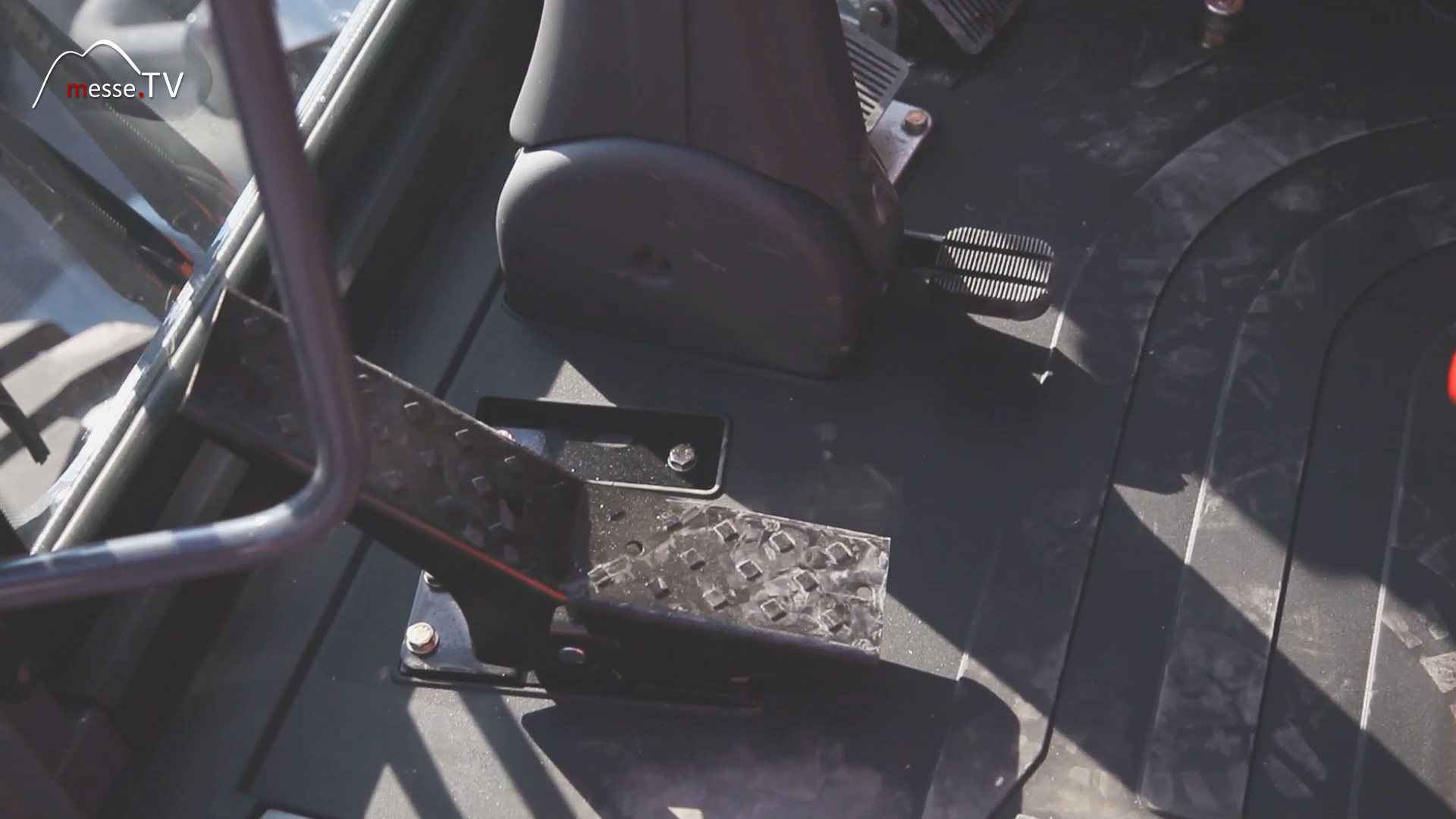
Neue Kabine entstand gemeinsam mit Maschinenführern
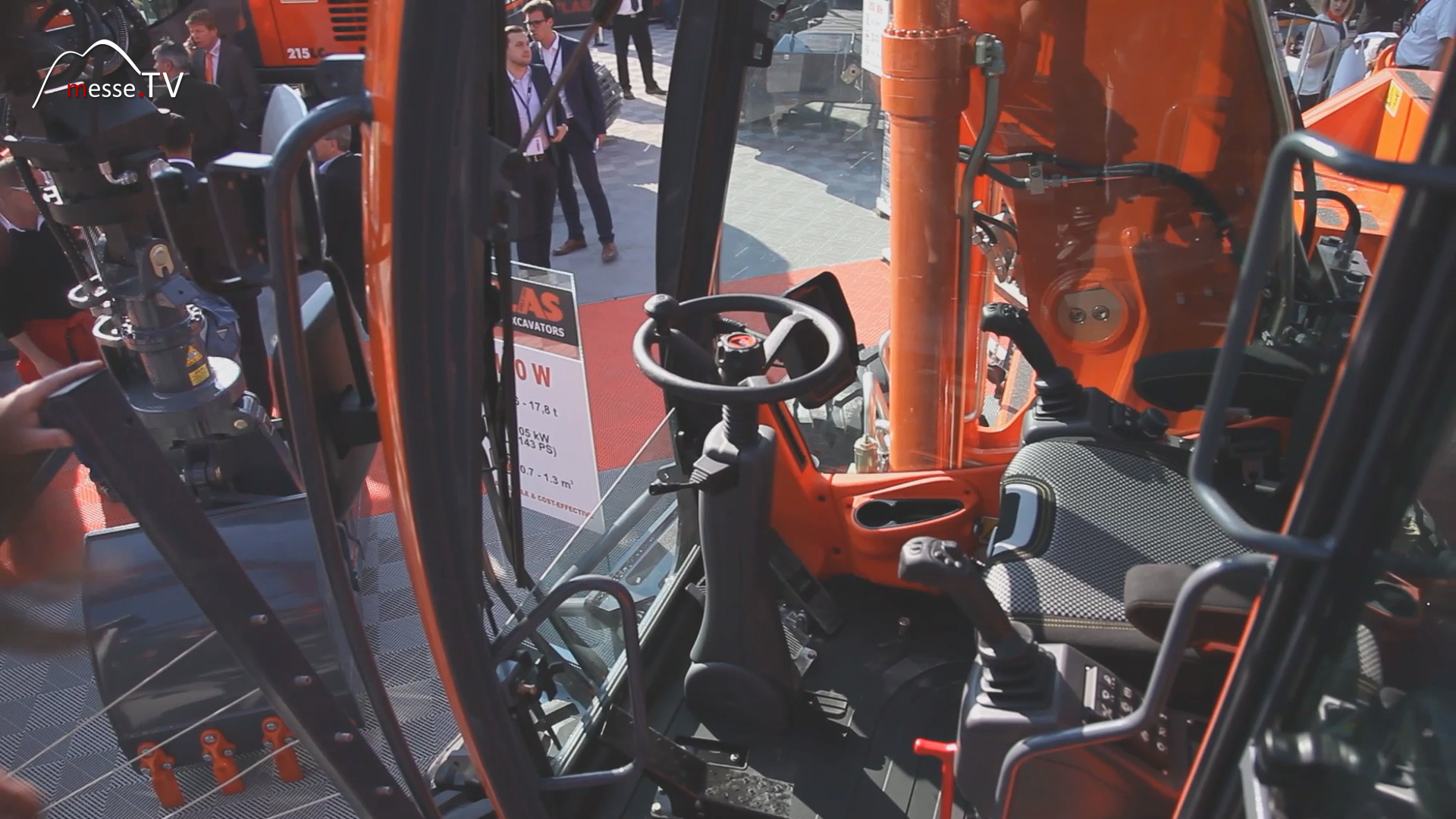
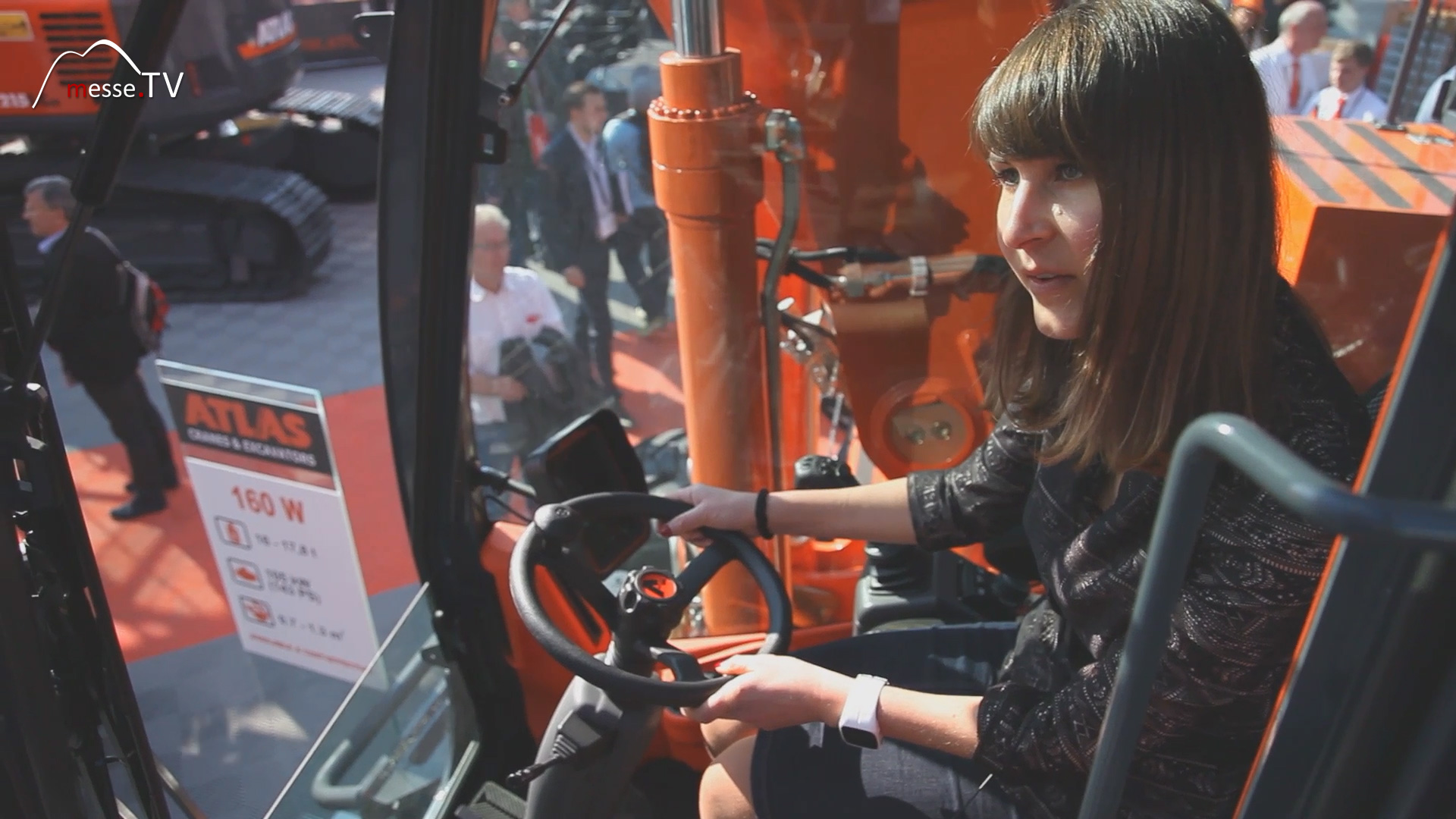
Besonders viel Aufmerksamkeit erhielt die neu entwickelte Kabine. Dabei verfolgt Atlas einen ungewöhnlichen Ansatz. Die Gestaltung orientiert sich nicht ausschließlich an technischen Vorgaben, sondern direkt an den Wünschen der Fahrer. Der Hersteller formuliert diesen Ansatz mit einem einfachen Grundsatz: Der Fahrer von heute gestaltet die Maschine von morgen. Rückmeldungen aus dem täglichen Einsatz wurden systematisch gesammelt und in die Entwicklung übernommen. Ein Beispiel betrifft die Reinigung des Arbeitsplatzes. In älteren Maschinen waren viele Bereiche schwer zugänglich. Schmutz sammelte sich in Ecken und Zwischenräumen. Bei der neuen Kabine wurden zahlreiche Komponenten weiter auseinandergezogen und Flächen bewusst vereinfacht gestaltet. Dadurch lässt sich der Innenraum deutlich leichter reinigen. Auch Ergonomie und Sichtverhältnisse wurden überarbeitet. Die Lenksäule ist höhenverstellbar, die Pedalanordnung großzügiger gestaltet und wichtige Bedienelemente besser erreichbar positioniert.
Datenerfassung dokumentiert jede Bewegung der Maschine
Ein weiterer Schwerpunkt liegt auf der Digitalisierung. Die Maschine speichert Arbeitsdaten detailliert ab. Erfasst werden unter anderem Bewegungen, Gewichte und Arbeitszyklen. Dadurch entsteht ein umfassendes Bild über die tatsächliche Nutzung im Baustellenalltag. Unternehmen können nachvollziehen, welche Mengen bewegt wurden und welche Leistungen eine Maschine oder ein Fahrer erbracht hat. Solche Systeme gewinnen in der Bauwirtschaft zunehmend an Bedeutung. Sie ermöglichen eine genauere Einsatzplanung, schaffen Transparenz bei Arbeitsabläufen und liefern belastbare Daten für Kalkulation und Flottenmanagement.
Verbesserte Sicht und mehr Komfort im Arbeitsalltag
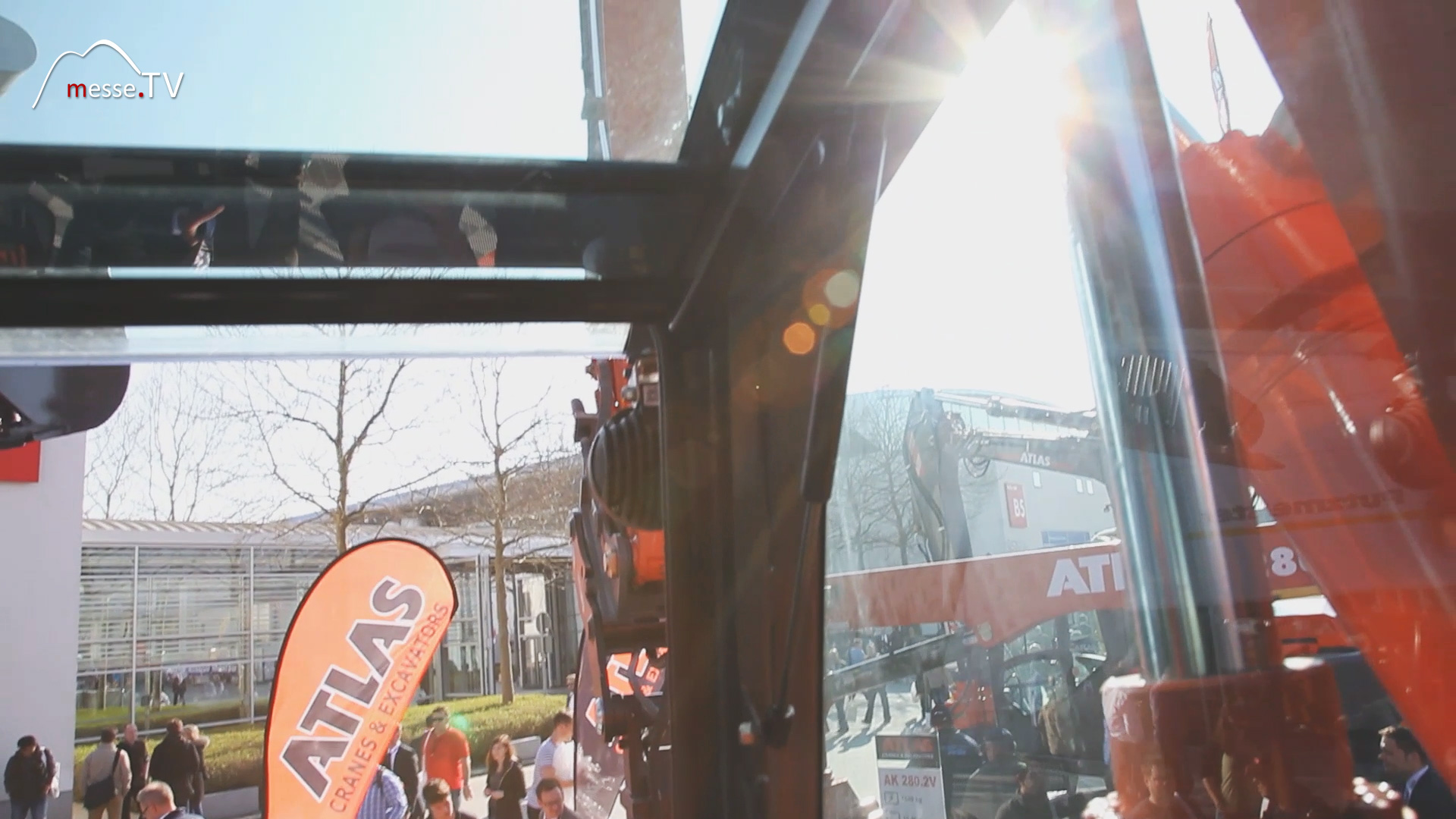
Neben der Datentechnik standen auch Sicherheitsaspekte im Fokus. Der Querholm wurde deutlich höher positioniert, um die Sicht nach vorne zu verbessern. Gleichzeitig wurde die Dachscheibe weiter nach hinten versetzt. Dadurch vergrößert sich insbesondere bei Arbeiten mit angehobenem Ausleger das Sichtfeld des Fahrers. Hinzu kommen Ausstattungsmerkmale, die heute zunehmend selbstverständlich werden. Bluetooth-fähiges Radio, Freisprecheinrichtung und moderne Bedienkonzepte orientieren sich an den Erwartungen, die viele Fahrer bereits aus Pkw und Nutzfahrzeugen kennen. Der Wandel ist deutlich sichtbar. Baumaschinen werden nicht mehr ausschließlich nach Leistung und Tragkraft bewertet. Komfort, Ergonomie und digitale Unterstützung gewinnen zunehmend an Bedeutung. Die auf der bauma gezeigte Maschine verdeutlicht diese Entwicklung. Große Reifen für schwierige Untergründe, flexible Werkzeugnutzung, digitale Leistungsdaten und eine konsequent fahrerorientierte Kabine zeigen, wie sich moderne Bagger weiterentwickeln. Der Fahrer steht dabei nicht mehr nur am Steuer, sondern wird zunehmend zum Mitgestalter neuer Maschinenkonzepte.
Messe-Berichterstattung bundesweit - Messewissen, Termine & Veranstaltungen


