Rohstoffsicherung durch Auslandsbergbau für Industrie und Energie
von Andreas Bergmeier - 2024-02-13Deutschland zählt zu den größten Industriestandorten der Welt, verfügt jedoch nur über begrenzte eigene Vorkommen vieler wichtiger Rohstoffe. Für zahlreiche Metalle und Mineralien, die in der Industrie, im Maschinenbau, in der Chemiebranche oder bei Zukunftstechnologien benötigt werden, besteht eine hohe Importabhängigkeit.
Die Frage, wie sich diese Versorgung langfristig absichern lässt, gewinnt deshalb zunehmend an Bedeutung. Auf der bauma wurde dieses Thema aus einer Perspektive beleuchtet, die außerhalb der Bergbaubranche oft wenig bekannt ist: dem Auslandsbergbau. Dabei geht es nicht um den reinen Einkauf von Rohstoffen auf dem Weltmarkt, sondern um die direkte Beteiligung an internationalen Rohstoffprojekten.
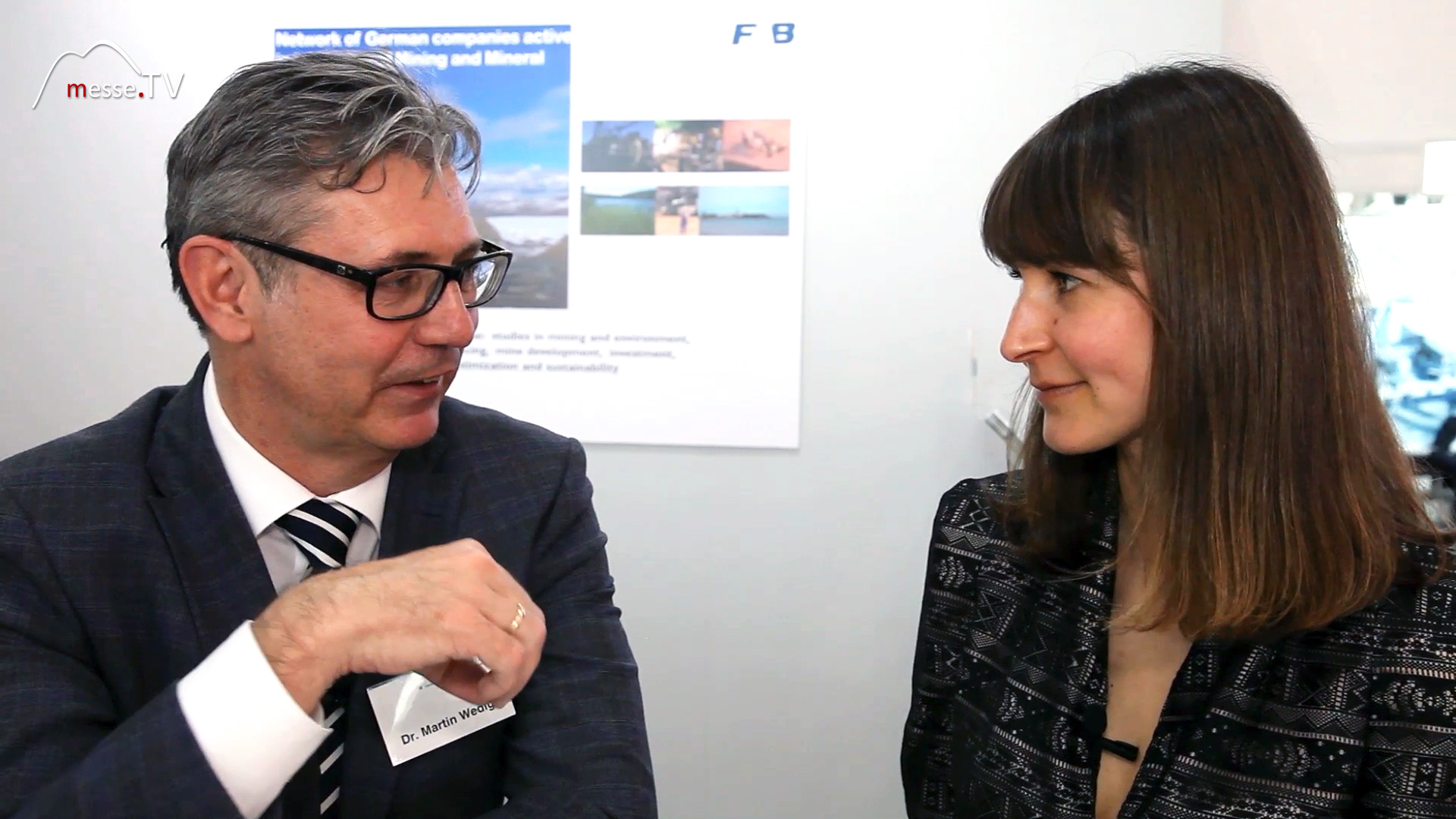
Fachvereinigung Auslandsbergbau FAB erklärt strategische Rohstoffgewinnung
Die Fachvereinigung Auslandsbergbau beschäftigt sich mit der Frage, wie Unternehmen Zugang zu wichtigen Rohstoffen erhalten können, die in Deutschland nicht oder nicht mehr in ausreichenden Mengen gefördert werden. Besonders betroffen sind Metallerze und Spezialrohstoffe, die für zahlreiche industrielle Anwendungen unverzichtbar sind. Während klassische Importe den unmittelbaren Rohstoffbedarf decken, verfolgt der Auslandsbergbau einen anderen Ansatz. Unternehmen beteiligen sich direkt an Lagerstätten oder betreiben eigene Förderprojekte im Ausland. Ziel ist es, die Abhängigkeit von externen Produzenten zu reduzieren und sich langfristig stabile Lieferketten zu sichern. Nach Angaben der Branche importiert Deutschland Rohstoffe im Wert von deutlich über 100 Milliarden Euro pro Jahr. Gleichzeitig unterliegen viele Rohstoffmärkte starken Preisschwankungen. Besonders in Phasen hoher Nachfrage können die Kosten für Industrieunternehmen erheblich steigen.


Eigene Bergbauprojekte als Schutz vor Rohstoffrisiken
Die Rohstoffmärkte gelten als zyklisch. Auf Niedrigpreisphasen folgen häufig deutliche Preisanstiege. Für Unternehmen mit hohem Materialbedarf kann dies zu erheblichen Belastungen führen. Durch eigene Rohstoffprojekte entstehen zusätzliche Einflussmöglichkeiten auf die Versorgungssicherheit. Unternehmen erhalten dadurch nicht nur Zugang zu Fördermengen, sondern können sich auch teilweise gegen starke Marktschwankungen absichern. Als besonders interessante Regionen gelten:
- Australien mit großen und gut erschlossenen Lagerstätten
- Nordamerika mit stabilen rechtlichen Rahmenbedingungen
- Südamerika mit bedeutenden Metallvorkommen
- Afrika mit großem Entwicklungspotenzial im Bergbau
- Asien mit zahlreichen Lagerstätten und wachsender Nachfrage

Seltene Erden und Spezialmetalle als kritische Rohstoffe
Besonders aufmerksam verfolgt die Industrie die Entwicklung bei sogenannten kritischen Rohstoffen. Dazu zählen unter anderem Seltene Erden, die für Elektromotoren, Magnettechnologien und zahlreiche Hightech-Anwendungen benötigt werden. Ein häufig genanntes Beispiel ist Neodym. Das Metall wird für leistungsfähige Permanentmagnete eingesetzt und spielt eine wichtige Rolle bei Elektromotoren, Windkraftanlagen und vielen industriellen Anwendungen. Ein großer Teil der weltweiten Vorkommen und Verarbeitungsstrukturen konzentriert sich auf China. Neben den Seltenen Erden stehen weitere Spezialmetalle im Fokus. Dazu gehören etwa Wolfram oder Molybdän. Diese Metalle werden für hochwertige Legierungen und technische Anwendungen benötigt. Ihre Gewinnung ist oft komplex, da sie häufig gemeinsam mit anderen Erzen auftreten und anschließend in aufwendigen Verfahren voneinander getrennt werden müssen. Gerade diese Kombination aus begrenzter Verfügbarkeit, komplizierter Aufbereitung und hoher Nachfrage macht viele dieser Rohstoffe anfällig für Preissprünge und Lieferengpässe.
Unternehmen investieren zunehmend in internationale Projekte
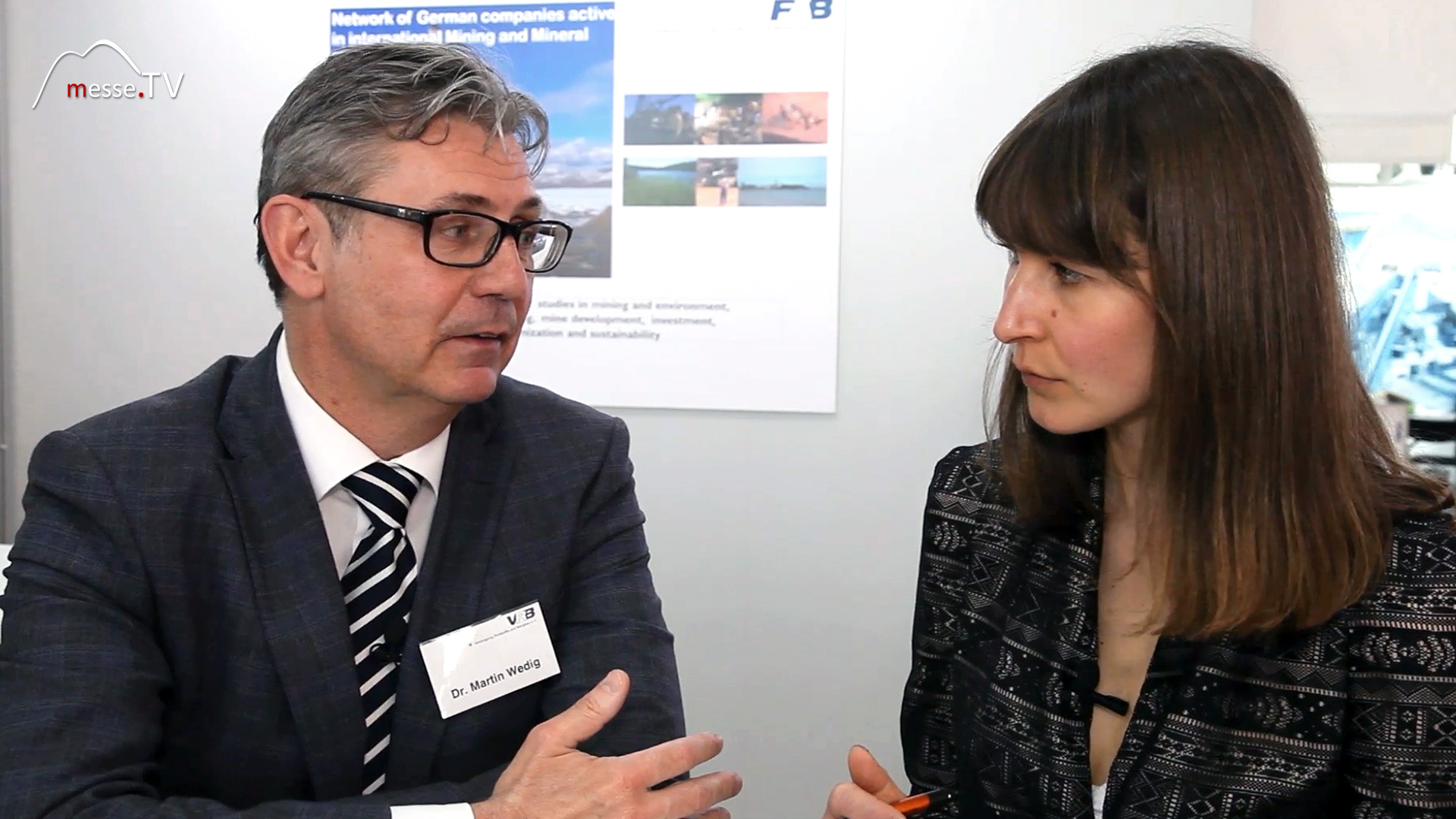
Die Diskussion um Versorgungssicherheit hat in den vergangenen Jahren an Bedeutung gewonnen. Nach Angaben der Fachvereinigung engagieren sich Unternehmen aus verschiedenen Branchen bereits direkt in internationalen Bergbauprojekten. Dazu zählen Chemieunternehmen ebenso wie Rohstoffhändler oder Industriekonzerne. Teilweise geht es dabei um die Sicherung konkreter Rohstoffströme, teilweise um langfristige Beteiligungen an Förderprojekten. Interessant ist dabei die aktuelle Marktsituation. Während einige internationale Rohstoffunternehmen derzeit Beteiligungen oder Projekte veräußern, sehen Branchenvertreter darin Chancen für neue Investoren. Niedrige Bewertungen könnten den Einstieg in ausgewählte Rohstoffprojekte erleichtern.
Umweltstandards werden zum entscheidenden Faktor
Kaum ein Thema wird im Zusammenhang mit Bergbau intensiver diskutiert als der Umweltschutz. Die Branche betont, dass moderne Rohstoffprojekte bereits in der Planungsphase umfangreiche Umweltanalysen durchlaufen. Dabei geht es um Fragen des Landschaftsschutzes, des Wasserhaushalts, möglicher Auswirkungen auf Anwohner sowie um Konzepte für die spätere Rekultivierung. Gleichzeitig unterscheiden sich die gesetzlichen Vorgaben weltweit erheblich. Nach Auffassung der Fachvereinigung entwickelt sich jedoch zunehmend ein internationaler Standard für umweltorientierten Bergbau. Gerade große Investoren und internationale Finanzierungspartner verlangen heute deutlich höhere Umwelt- und Sozialstandards als noch vor einigen Jahrzehnten. Hinzu kommt ein weiterer Faktor: Bergbauprojekte werden über sehr lange Zeiträume geplant. Zwischen erster Exploration, Genehmigung, Entwicklung und tatsächlicher Förderung können zehn bis zwanzig Jahre vergehen. Entsprechend langfristig müssen auch Umwelt- und Nachhaltigkeitskonzepte ausgelegt werden. Die Diskussion um Auslandsbergbau zeigt damit einen grundlegenden Zielkonflikt moderner Industriegesellschaften. Rohstoffe werden für Energiewende, Digitalisierung und industrielle Wertschöpfung dringend benötigt. Gleichzeitig steigen die Anforderungen an Umweltverträglichkeit und gesellschaftliche Akzeptanz. Die Herausforderung besteht darin, beide Aspekte miteinander zu verbinden – und dabei langfristige Versorgungssicherheit zu schaffen.
Messe-Berichterstattung bundesweit - Messewissen, Termine & Veranstaltungen


