Schiffsbelader für Häfen und globale Rohstoffströme
von Jürgen Groh - 2024-02-13Der weltweite Handel mit Rohstoffen wäre ohne leistungsfähige Fördertechnik kaum denkbar. Eisenerz, Kohle, Mineralstoffe oder andere Schüttgüter müssen in großen Mengen transportiert und in möglichst kurzer Zeit auf Schiffe verladen werden.
Dabei kommt es nicht nur auf hohe Umschlagleistungen an, sondern auch auf Zuverlässigkeit, individuelle Anpassungen und kurze Projektlaufzeiten. Auf der bauma zeigt sich, wie stark sich moderne Hafenlogistik inzwischen auf maßgeschneiderte Förderanlagen stützt. Im Mittelpunkt stehen Schiffsbelader, die speziell für die Anforderungen einzelner Häfen entwickelt werden. Jedes Projekt unterscheidet sich hinsichtlich Fördergut, Infrastruktur und Schiffstypen. Standardlösungen sind deshalb oft nicht ausreichend. Gefragt sind Anlagen, die exakt auf den jeweiligen Einsatzort zugeschnitten werden.
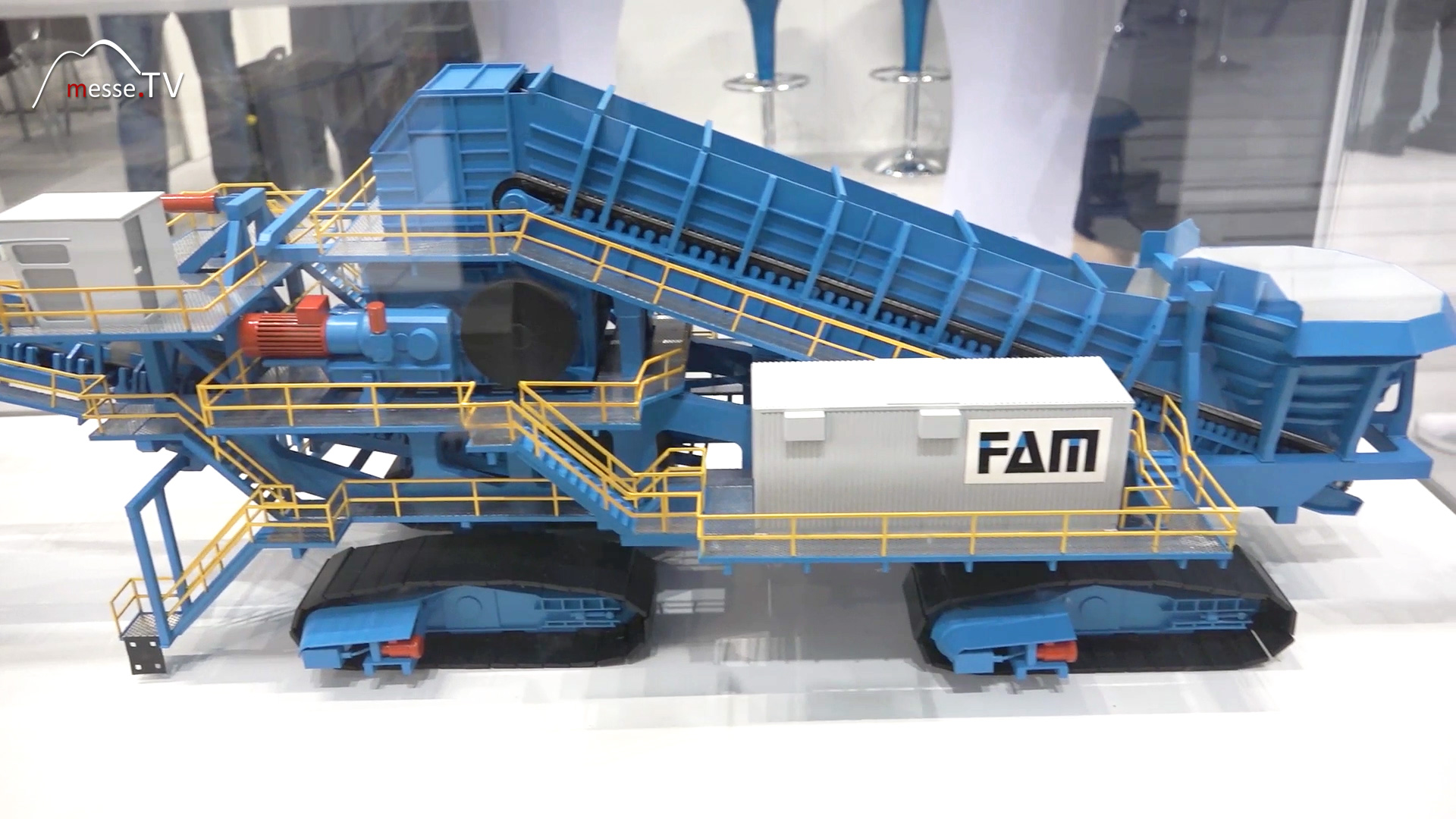
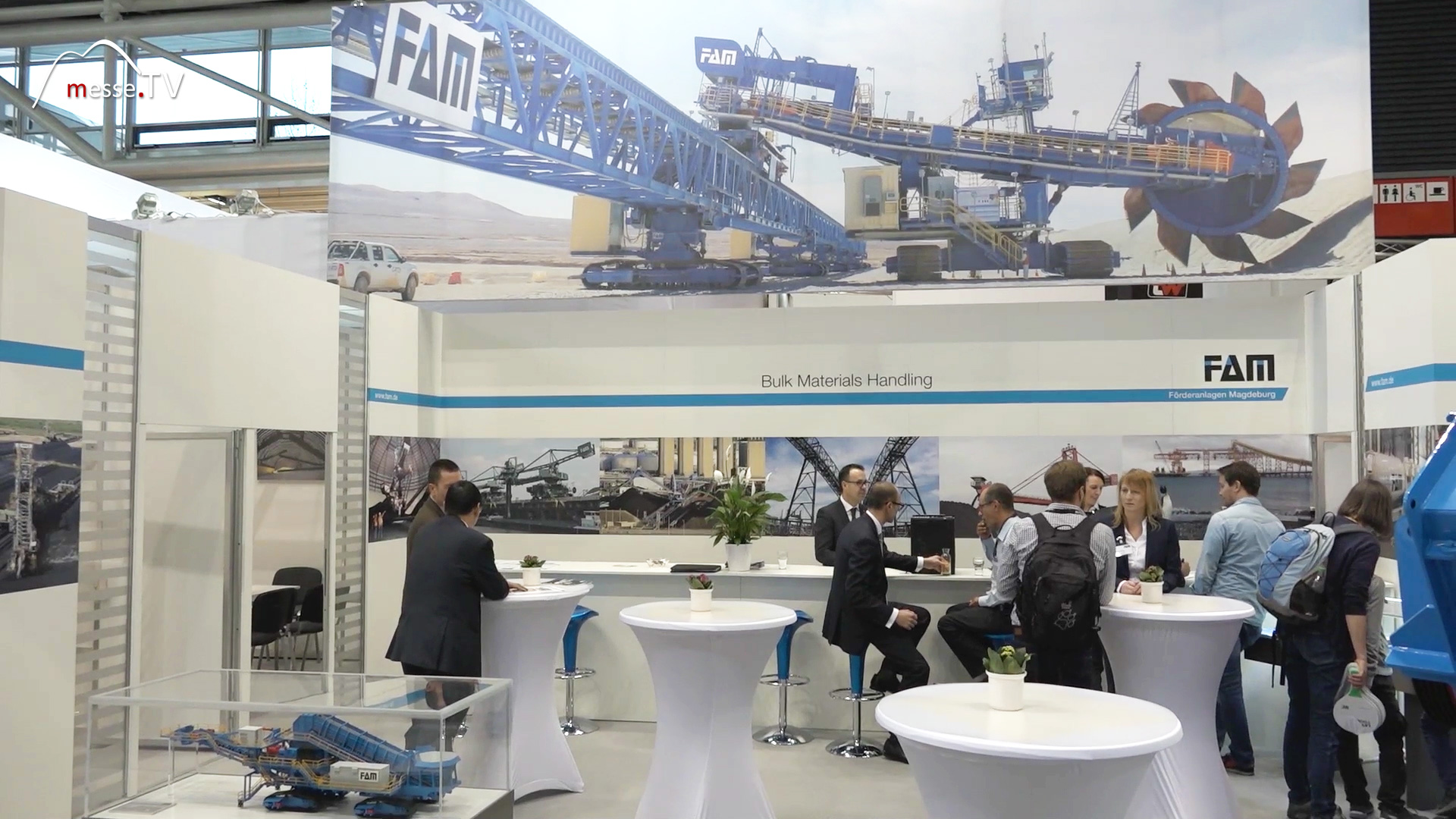
FAM setzt auf Engineering und Fertigung aus einer Hand
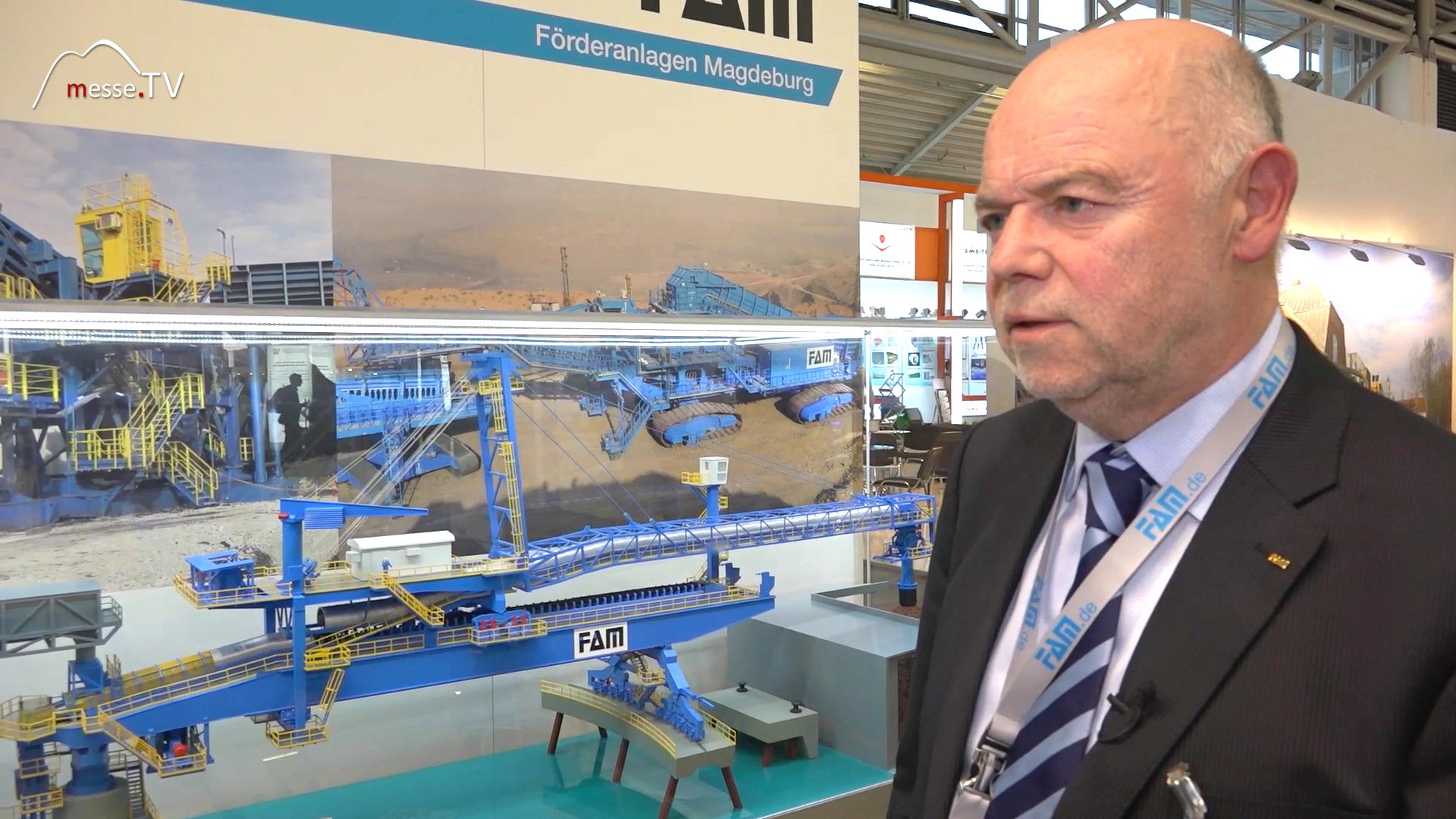
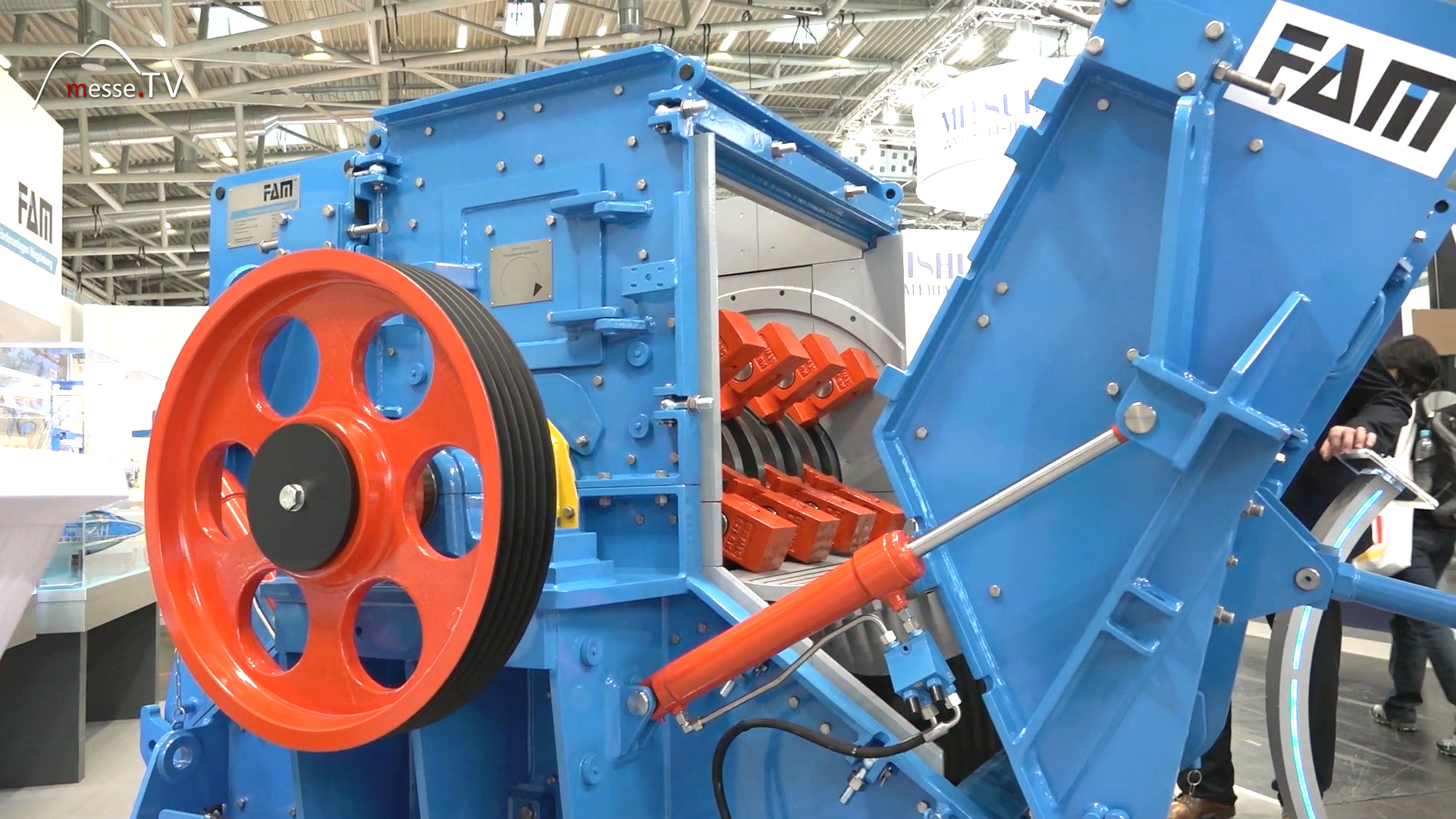
Die Geschichte von FAM reicht weit zurück. Einen entscheidenden Einschnitt stellte jedoch die Privatisierung Anfang der 1990er-Jahre dar. Durch ein Management-Buyout wurde das Unternehmen in die Hände von Personen überführt, die zuvor bereits Teil des Betriebs waren. Aus Sicht des Unternehmens schuf dies die Grundlage für langfristige Entscheidungen und eine stärkere Identifikation mit den eigenen Produkten. Heute entwickelt und fertigt FAM komplexe Förderanlagen für Kunden auf der ganzen Welt. Die Bandbreite reicht von einzelnen Komponenten bis hin zu vollständigen Verlade- und Förderlösungen für große Industrie- und Hafenstandorte. Ein wesentlicher Bestandteil des Geschäftsmodells ist die enge Verzahnung von Planung, Konstruktion, Fertigung und Montage. Dadurch können Projekte über sämtliche Entwicklungsphasen hinweg aus einer Hand betreut werden.
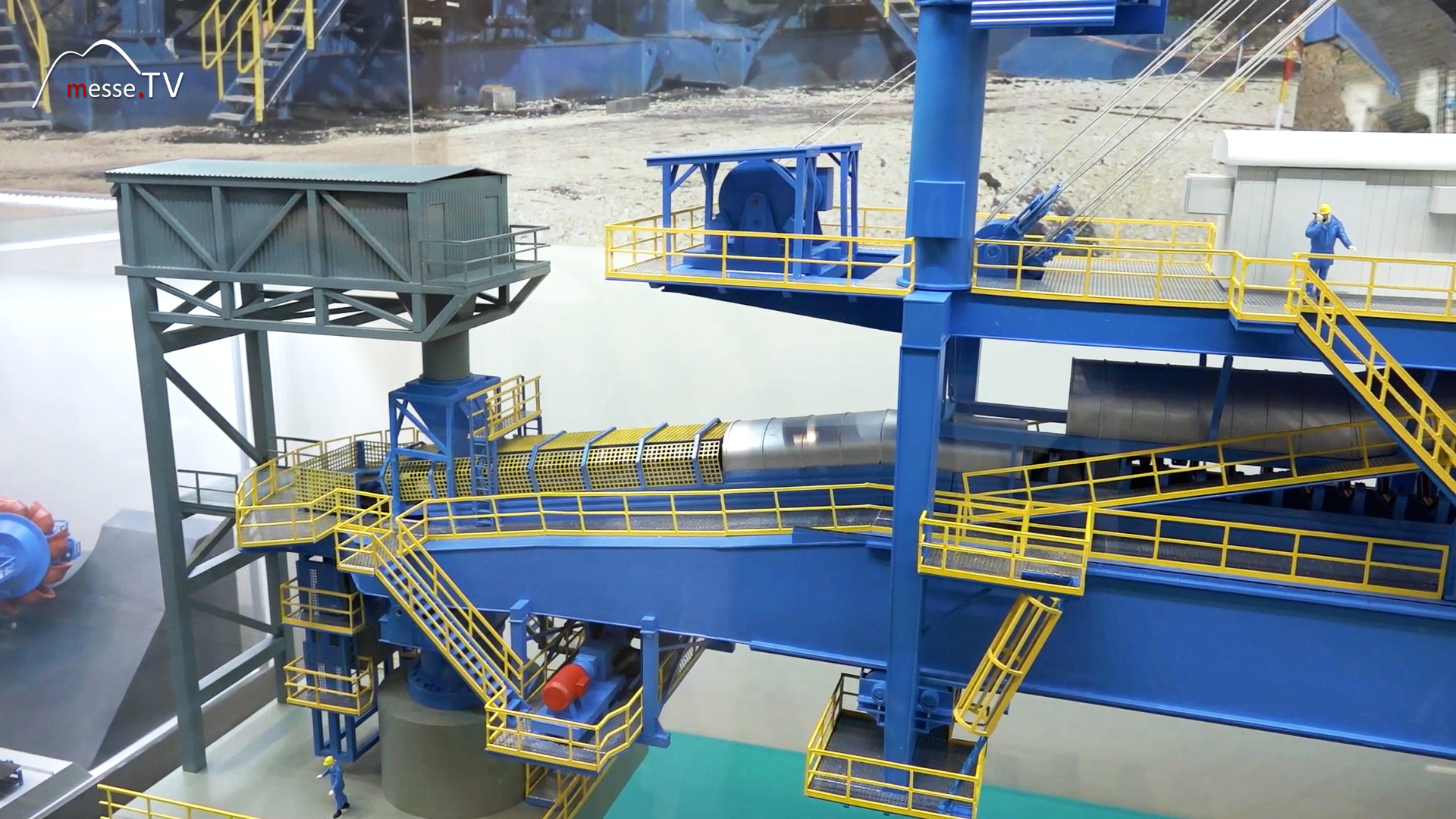
Schiffsbelader für Chile und andere internationale Projekte
Ein Beispiel für diese Arbeitsweise sind große Schiffsbelader, die für internationale Kunden gefertigt werden. Im Gespräch auf der Messe wird eine Anlage erwähnt, die für einen Hafen in Chile bestimmt ist. Solche Maschinen entstehen vollständig in Deutschland und werden anschließend an ihren Einsatzort transportiert. Besonders wichtig ist dabei die Möglichkeit der weitgehenden Vormontage. Statt die Anlage erst vor Ort aus zahlreichen Einzelteilen zusammenzusetzen, kann sie bereits im Werk weitgehend fertiggestellt werden. Anschließend erfolgt der Transport per Spezialschiff.
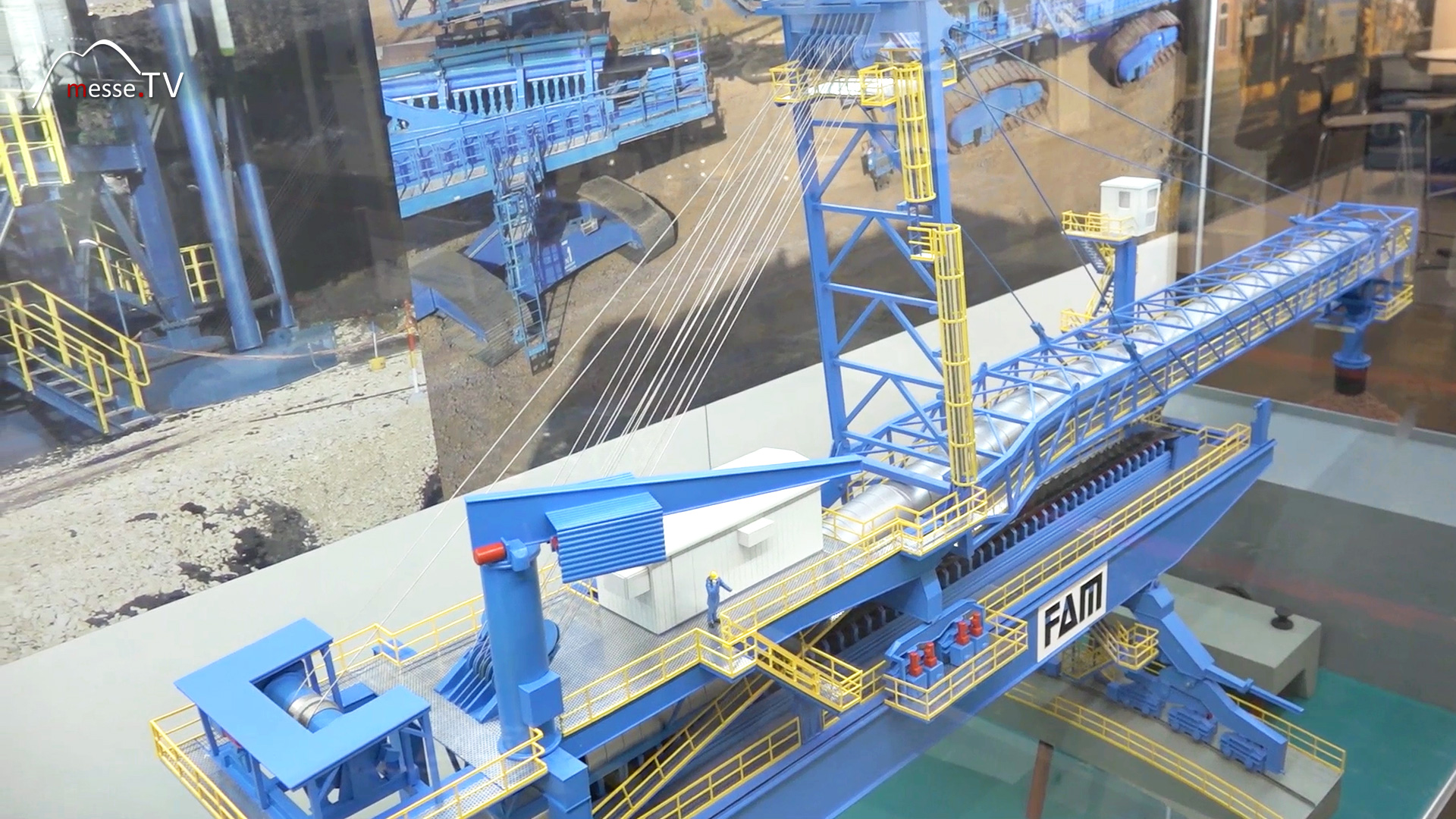
Für die Betreiber hat dies einen entscheidenden Vorteil: Die Montagezeiten am Einsatzort verkürzen sich erheblich. Die Inbetriebnahme kann schneller erfolgen, sodass die Anlage früher produktiv genutzt werden kann. Wichtige Merkmale der vorgestellten Lösungen:
- individuell entwickelte Schiffsbelader für unterschiedliche Häfen
- Vormontage großer Anlagenteile im Werk
- Transport per Spezialschiff zum Einsatzort
- verkürzte Montage- und Inbetriebnahmezeiten
- Anpassung an unterschiedliche Fördergüter und Schiffstypen
- weltweite Projektabwicklung auf allen Kontinenten
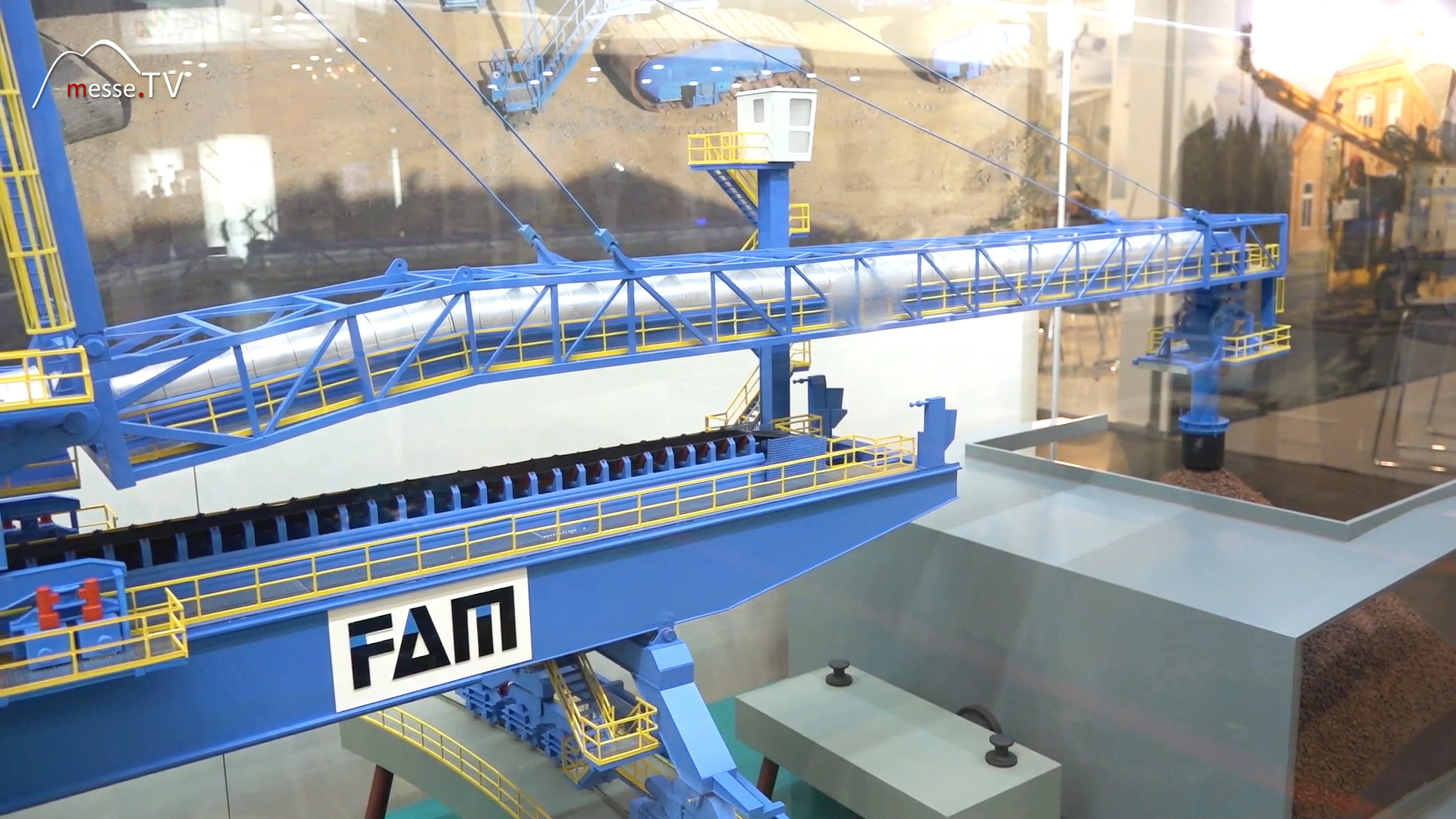
Jede Hafenanlage folgt eigenen Anforderungen
Obwohl zahlreiche Schiffsbelader bereits realisiert wurden, gleicht keine Anlage der anderen. Häfen unterscheiden sich in ihrer Infrastruktur, den Wasserständen, den Schiffsgrößen und den umzuschlagenden Materialien. Ein Schiffsbelader für Eisenerz stellt andere Anforderungen als eine Anlage für Kohle oder mineralische Rohstoffe. Förderwege, Verladegeschwindigkeiten und Staubschutzmaßnahmen müssen jeweils individuell ausgelegt werden. Genau hier liegt die Herausforderung im Anlagenbau. Die technische Lösung entsteht nicht aus einem Katalog, sondern aus einer Kombination von Engineering, Fertigungskompetenz und praktischer Erfahrung. Die Fähigkeit, unterschiedliche Anforderungen in funktionierende Anlagen umzusetzen, entscheidet über den Projekterfolg.
Rohstoffhandel bleibt zentraler Treiber des Anlagenbaus
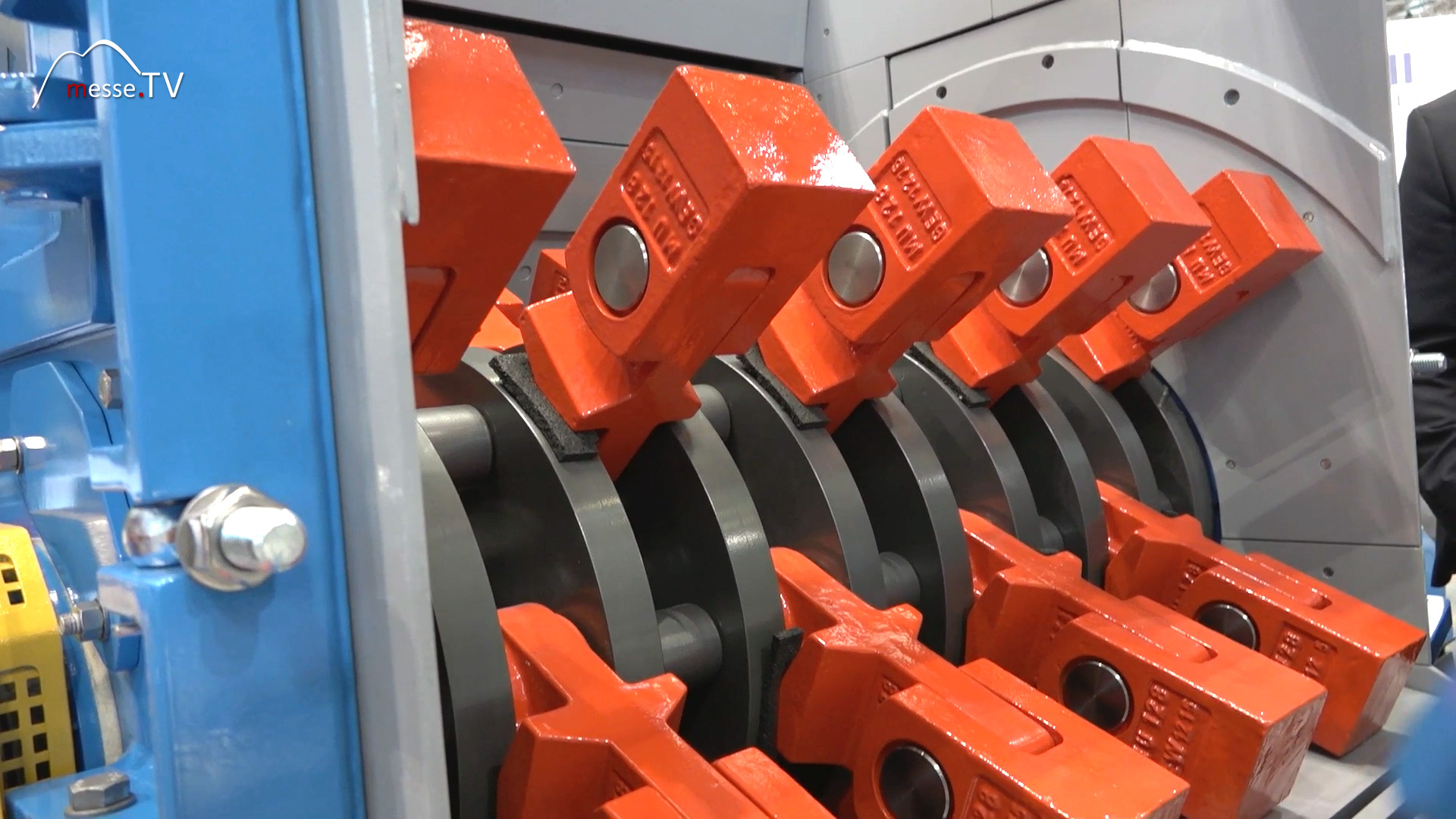
Die Nachfrage nach leistungsfähiger Fördertechnik hängt eng mit den internationalen Rohstoffmärkten zusammen. Große Mengen an Eisenerz, Kohle und anderen Rohstoffen werden weiterhin über Seewege transportiert. Für Betreiber von Minen, Hafenanlagen und Industrieunternehmen ist eine effiziente Verladung deshalb ein wirtschaftlich entscheidender Faktor. Jede Stunde, die ein Frachtschiff früher beladen werden kann, reduziert Kosten und erhöht die Produktivität der gesamten Lieferkette. Moderne Schiffsbelader übernehmen dabei eine Schlüsselrolle, weil sie hohe Umschlagleistungen mit präziser Materialführung verbinden. Die Anlagen werden deshalb nicht nur nach ihrer technischen Leistungsfähigkeit bewertet, sondern zunehmend auch nach ihrer Verfügbarkeit, Wartungsfreundlichkeit und Effizienz im laufenden Betrieb.
Moderne Abläufe als Grundlage für weiteres Wachstum
Für die kommenden Jahre sieht das Unternehmen weiteres Potenzial vor allem in der Optimierung interner Prozesse. Modernisierte Abläufe, digitale Werkzeuge und innovative Technologien sollen dazu beitragen, Projekte schneller und wirtschaftlicher umzusetzen. Gleichzeitig steigen die Erwartungen der Kunden. Kürzere Lieferzeiten, höhere Anlagenverfügbarkeit und effizientere Projektabwicklung werden zunehmend zum Wettbewerbsfaktor. Wer komplexe Förderanlagen erfolgreich vermarkten will, muss nicht nur leistungsfähige Technik liefern, sondern auch die dahinterliegenden Prozesse kontinuierlich verbessern. Die auf der bauma vorgestellten Lösungen zeigen, dass Fördertechnik weit mehr ist als der Transport von Material. Sie bildet eine zentrale Schnittstelle zwischen Rohstoffgewinnung, Logistik und internationalem Handel. Schiffsbelader gehören dabei zu den sichtbarsten Beispielen für Anlagenbau, der weltweit im Einsatz steht und auf die Anforderungen unterschiedlichster Märkte zugeschnitten wird.
Messe-Berichterstattung bundesweit - Messewissen, Termine & Veranstaltungen


