Gummiketten für weniger Vibrationen und mehr Traktion
von Andreas Bergmeier - 2024-02-13Gummiketten sind im modernen Baumaschinenbereich längst mehr als reine Verschleißteile. Sie beeinflussen Fahrkomfort, Bodenschonung, Traktion und nicht zuletzt die Produktivität einer Maschine.
Auf der bauma präsentiert Guma-Tech mehrere Entwicklungen, die zeigen, wie stark sich dieser Bereich in den vergangenen Jahren weiterentwickelt hat. Im Mittelpunkt stehen Lösungen zur Vibrationsreduzierung, Spezialketten für extreme Hanglagen sowie neue Ansätze für das Recycling ausgedienter Gummiketten. Das Unternehmen gehört seit vielen Jahren zu den etablierten Herstellern von Gummiketten in Europa und setzt nach eigenen Angaben konsequent auf die Weiterentwicklung bestehender Systeme. Dabei geht es nicht allein um höhere Lebensdauer oder Belastbarkeit, sondern zunehmend auch um Ergonomie, Nachhaltigkeit und Ressourcenschonung.
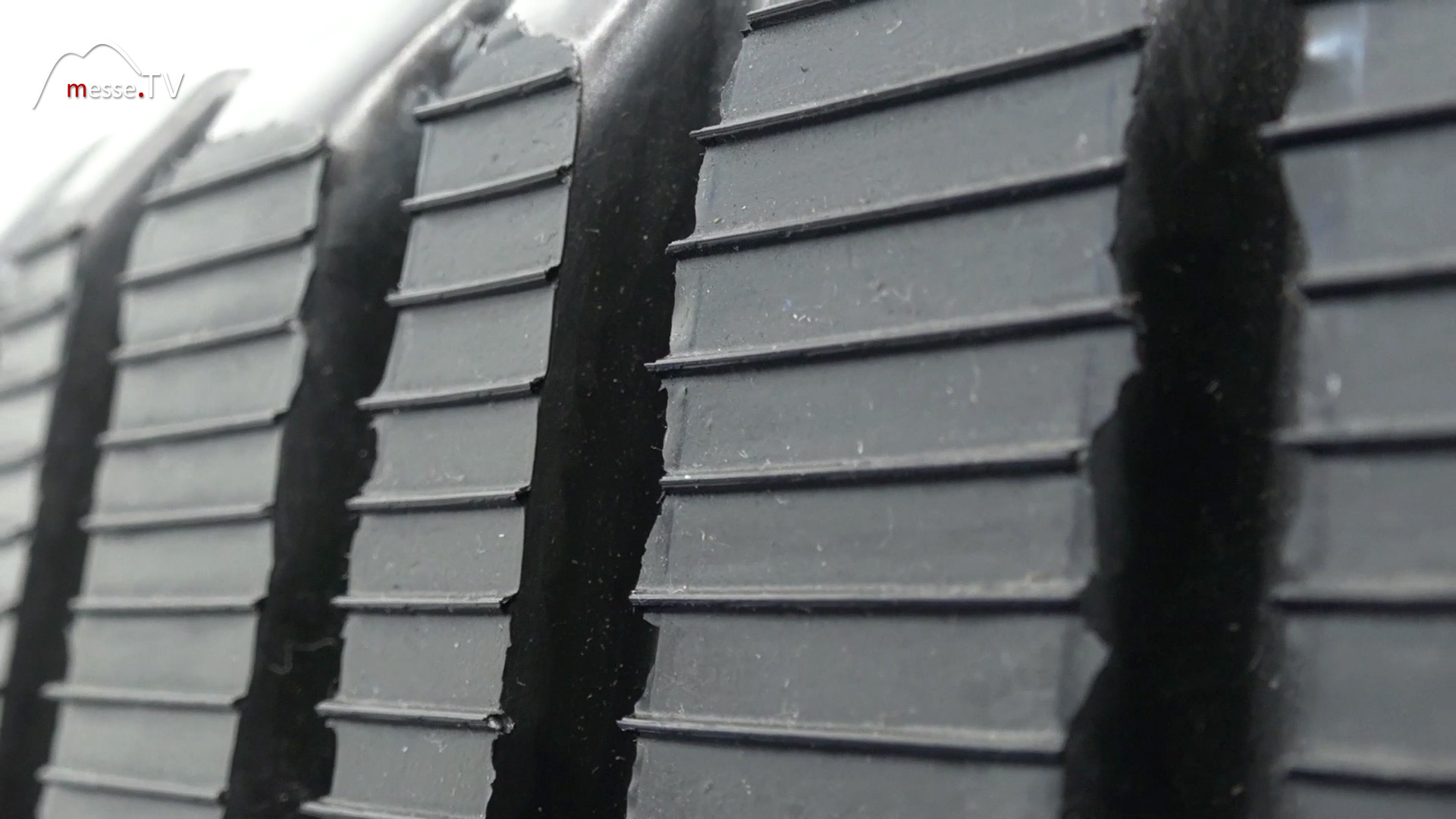
Guma-Tech AVT-Kette reduziert Vibrationen deutlich
Eine der wichtigsten Neuheiten ist die sogenannte AVT-Kette. Die Abkürzung steht für Anti-Vibration-Track und beschreibt bereits den zentralen Ansatz der Entwicklung. Durch eine spezielle Führung innerhalb der Kette sollen Schwingungen und Erschütterungen deutlich reduziert werden. Nach Angaben des Herstellers lassen sich je nach Maschinen- und Kettengröße die Vibrationen um bis zu 75 Prozent verringern. Die Auswirkungen betreffen dabei sowohl die Maschine als auch den Fahrer. Während die mechanischen Belastungen auf Fahrwerk und Komponenten sinken, profitiert gleichzeitig der Maschinenführer von einem ruhigeren Arbeitsumfeld. Gerade bei Minibaggern, Kompaktmaschinen oder anderen Raupenfahrzeugen verbringen Bediener oft sieben bis acht Stunden täglich auf der Maschine. Dauerhafte Vibrationen können dabei zu Ermüdung und körperlicher Belastung führen. Eine spürbare Reduzierung der Schwingungen verbessert daher nicht nur den Komfort, sondern kann auch die Konzentration und Arbeitsqualität erhöhen.
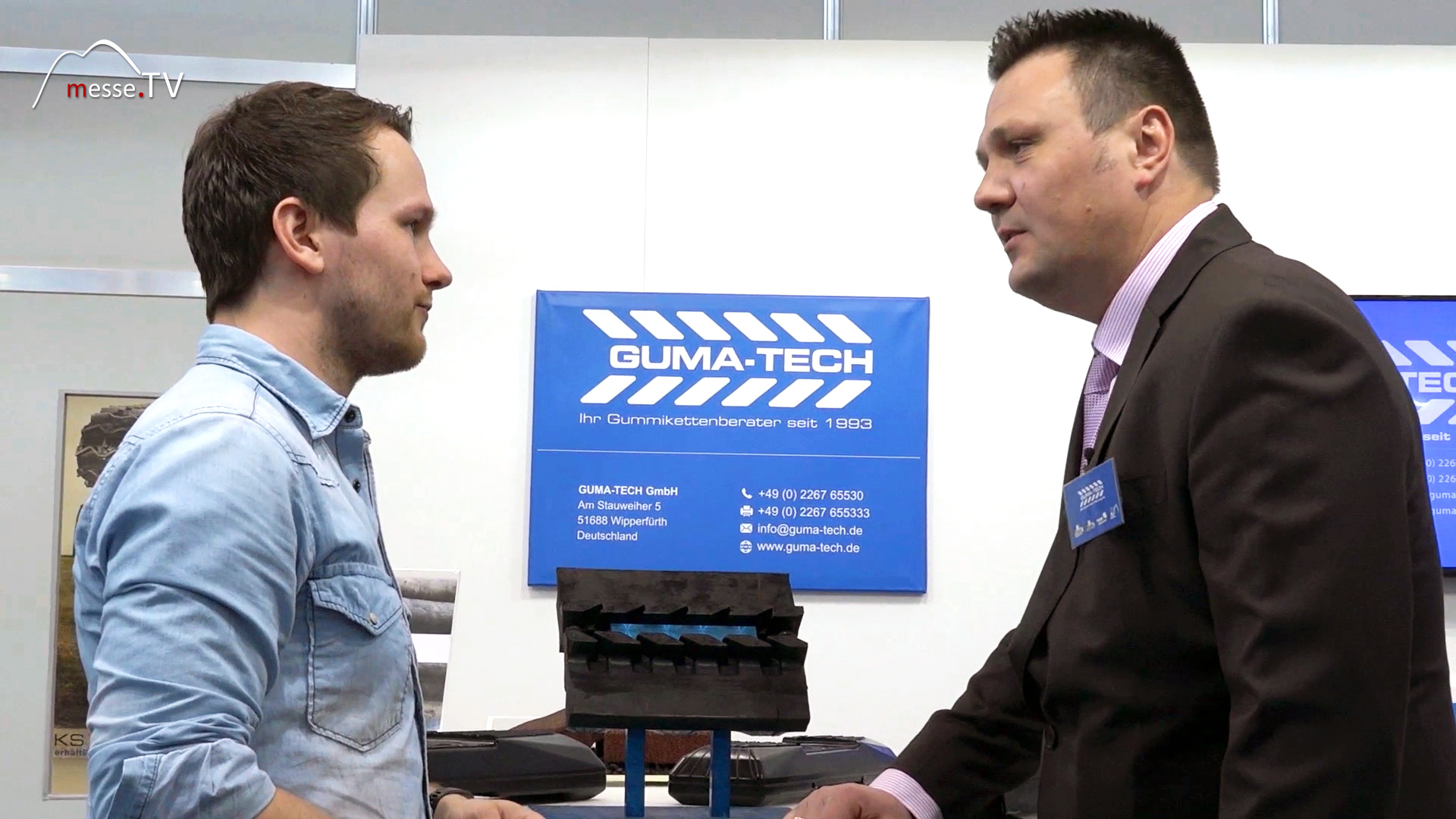
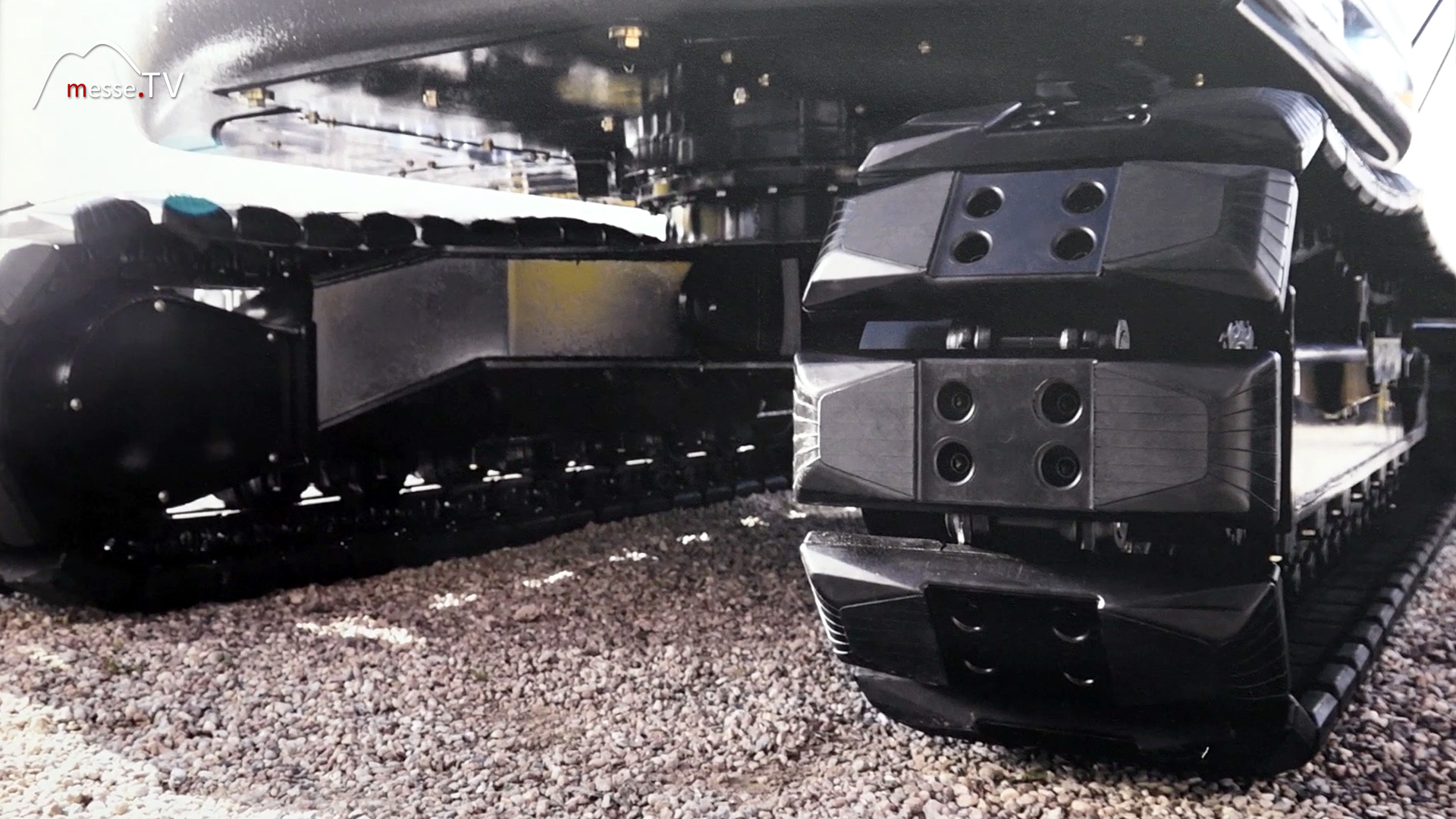
KS-Kette für extreme Hanglagen und schwieriges Gelände
Ein zweiter Schwerpunkt liegt auf der KS-Kette, die speziell für Anwendungen mit hohen Steigungen entwickelt wurde. Auffällig sind die integrierten Spikes, die der Kette ihr markantes Erscheinungsbild verleihen. Die Konstruktion ermöglicht den Einsatz auf Steigungen von bis zu 100 Prozent. Solche Anforderungen treten beispielsweise bei Schlegelmähern entlang von Autobahnböschungen oder bei Arbeiten in schwierigem Gelände auf. Dort besteht häufig die Gefahr, dass Maschinen seitlich abrutschen oder an Traktion verlieren. Die Entwicklung folgt einem Prinzip, das aus dem Straßenverkehr bekannt ist: Die Vorteile einer Gummikette werden mit zusätzlicher mechanischer Verzahnung kombiniert. Vergleichbar ist das Konzept mit Winterreifen, die zusätzlich mit Schneeketten ausgestattet werden.
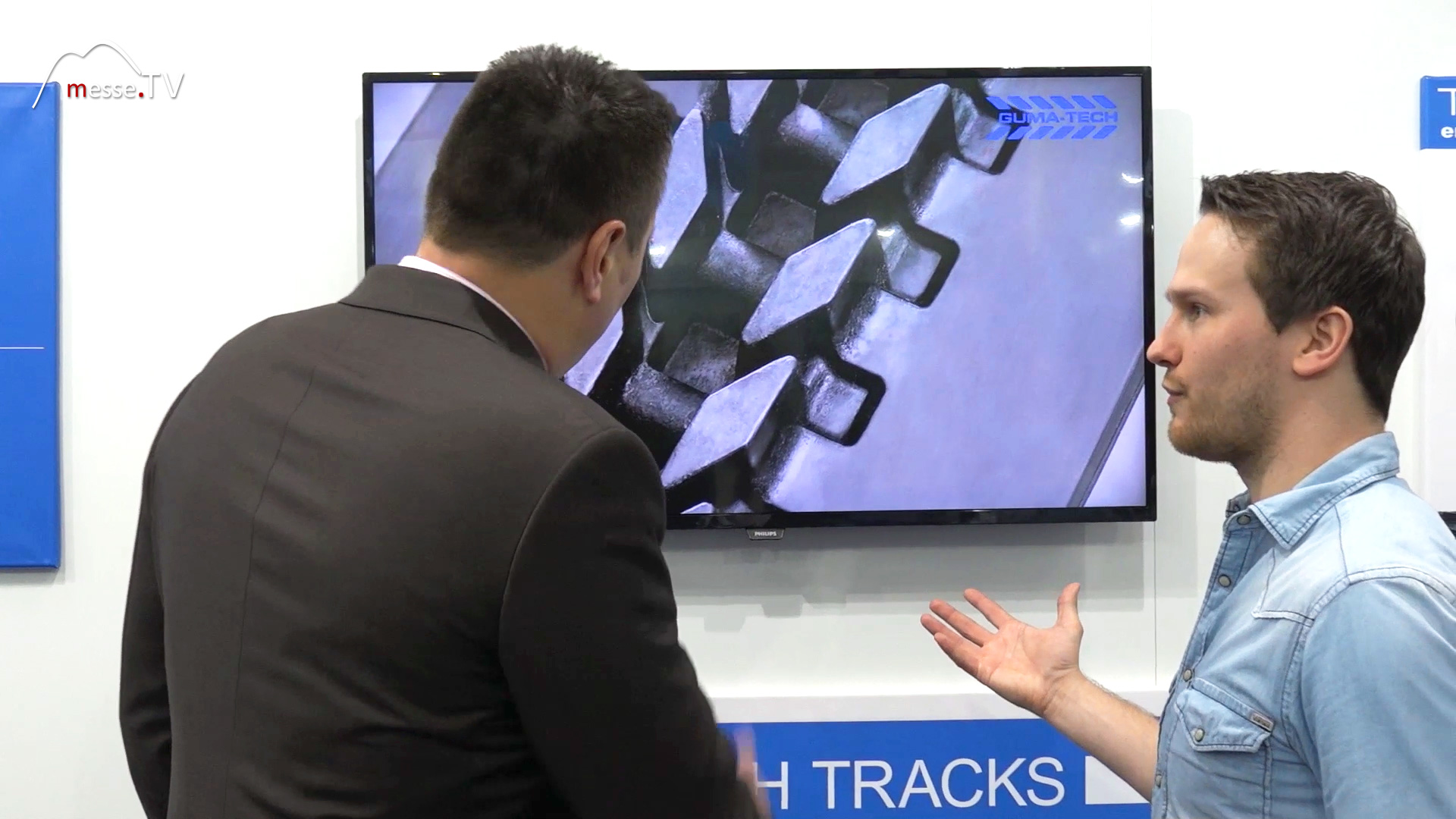
Die Entwicklung dieser Spezialkette dauerte rund anderthalb Jahre. Neben der eigentlichen Konstruktion waren umfangreiche Praxistests erforderlich. Heute wird die Lösung bereits von Erstausrüstungspartnern erfolgreich eingesetzt. Wichtige Merkmale der vorgestellten Kettensysteme:
- AVT-Kette mit deutlich reduzierten Vibrationen
- bis zu 75 Prozent weniger Schwingungen je nach Anwendung
- Schonung von Maschine und Fahrer
- KS-Kette mit integrierten Spikes für schwieriges Gelände
- Einsatz bei Steigungen bis zu 100 Prozent
- umfangreiche Praxistests vor Serienreife
- spezielle Lösungen für unterschiedliche Einsatzbereiche
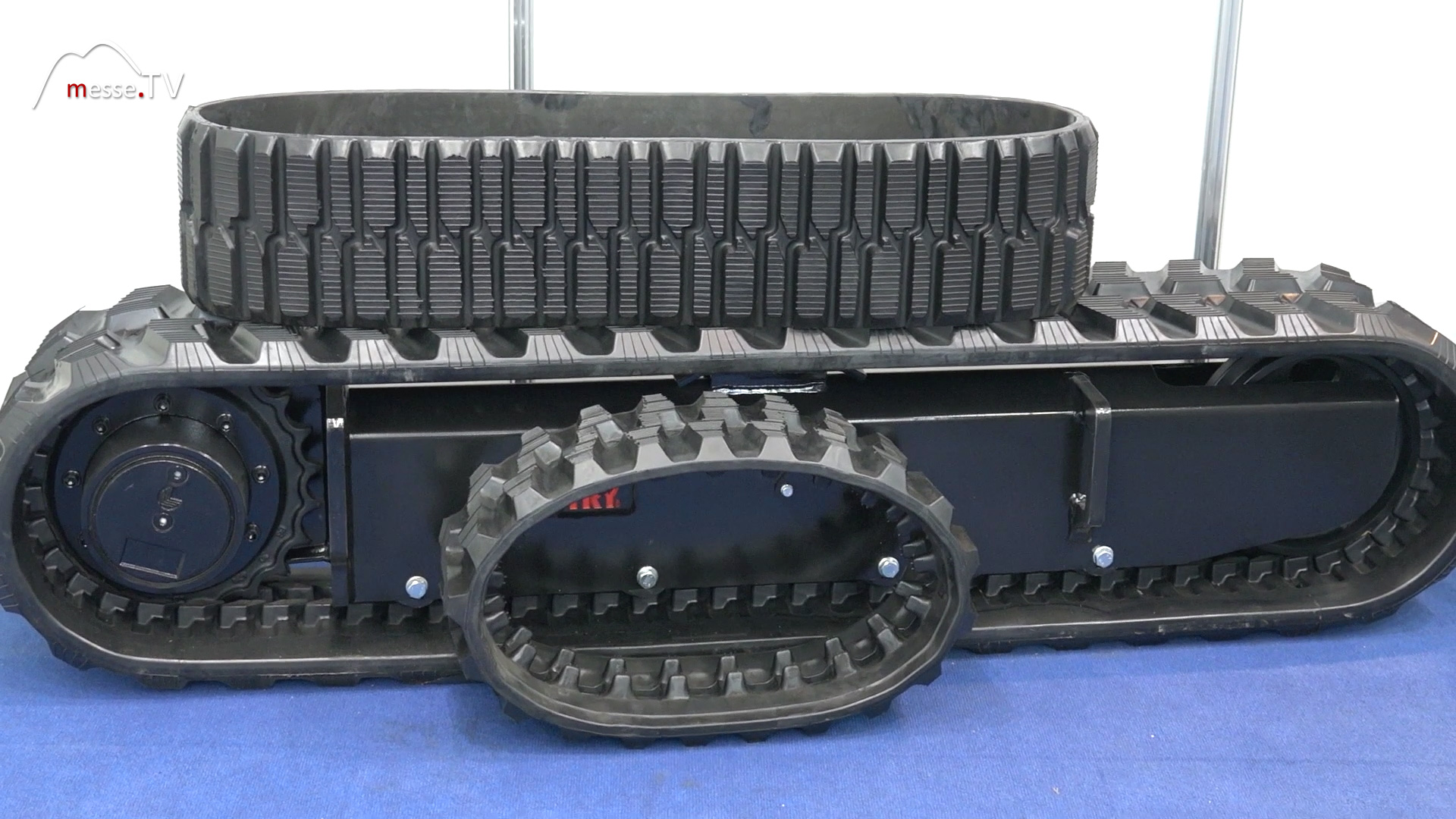
Recycling ausgedienter Gummiketten gewinnt an Bedeutung
Neben technischen Innovationen rückt zunehmend auch die Frage nach dem Lebensende einer Gummikette in den Fokus. Während für Pkw-Reifen in vielen Ländern etablierte Rücknahmesysteme existieren, fehlen vergleichbare Strukturen bei Gummiketten bislang weitgehend. Genau hier arbeitet Guma-Tech gemeinsam mit einem Kooperationspartner an einer Lösung. Das Konzept sieht vor, bei Händlern spezielle Sammelgestelle aufzustellen. Dort werden ausgediente Ketten gesammelt und anschließend über ein eigenes Logistiksystem abgeholt. Die Rückführung erfolgt nicht als einfache Entsorgung, sondern als Rohstoffrückgewinnung. In einem speziellen Verfahren werden die verschiedenen Materialbestandteile voneinander getrennt. Stahl, Gummi und weitere Verbundstoffe können anschließend wieder in den Rohstoffkreislauf zurückgeführt werden.
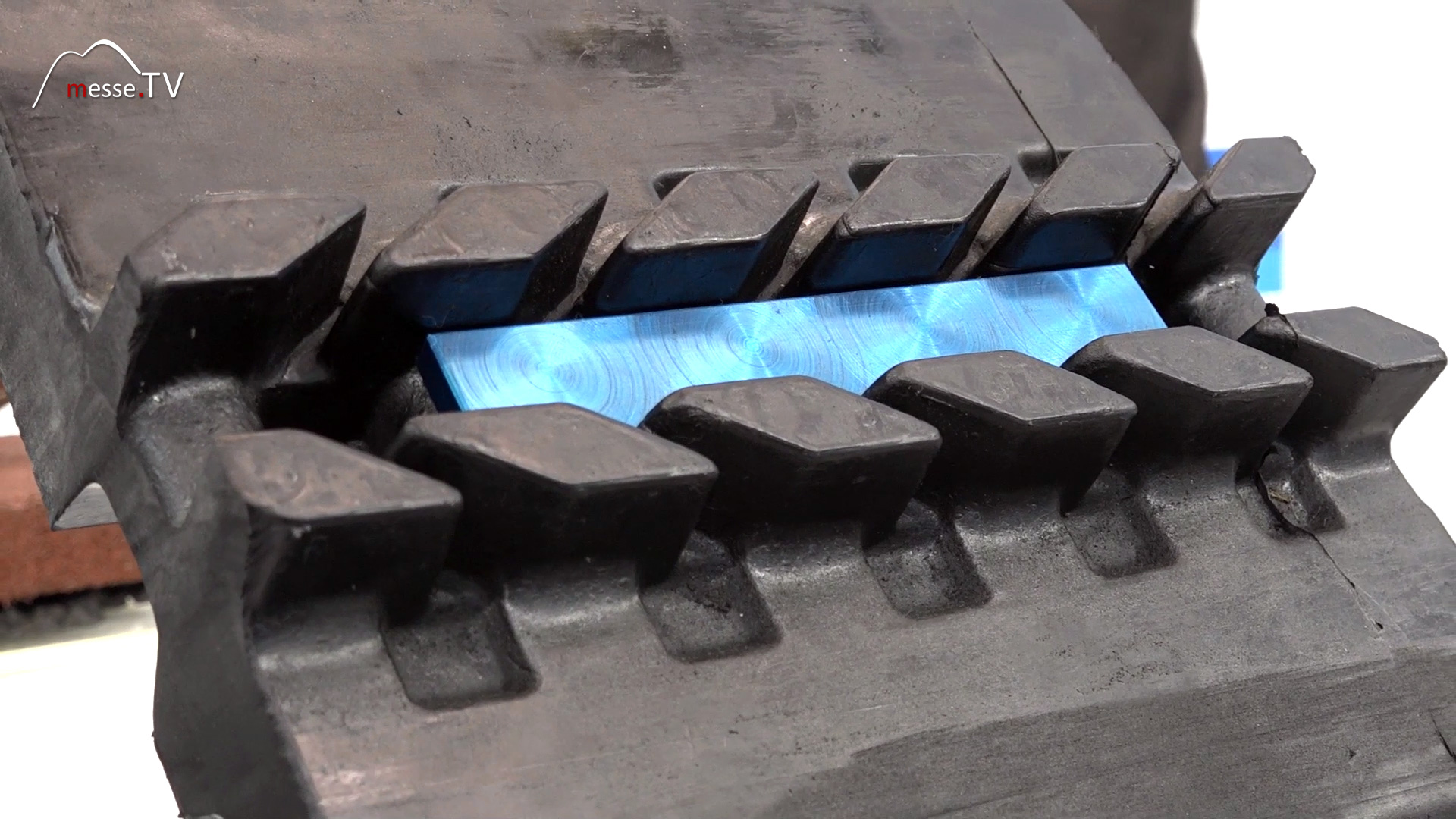
Vom Gummiketten-Recycling zum neuen Rohstoff
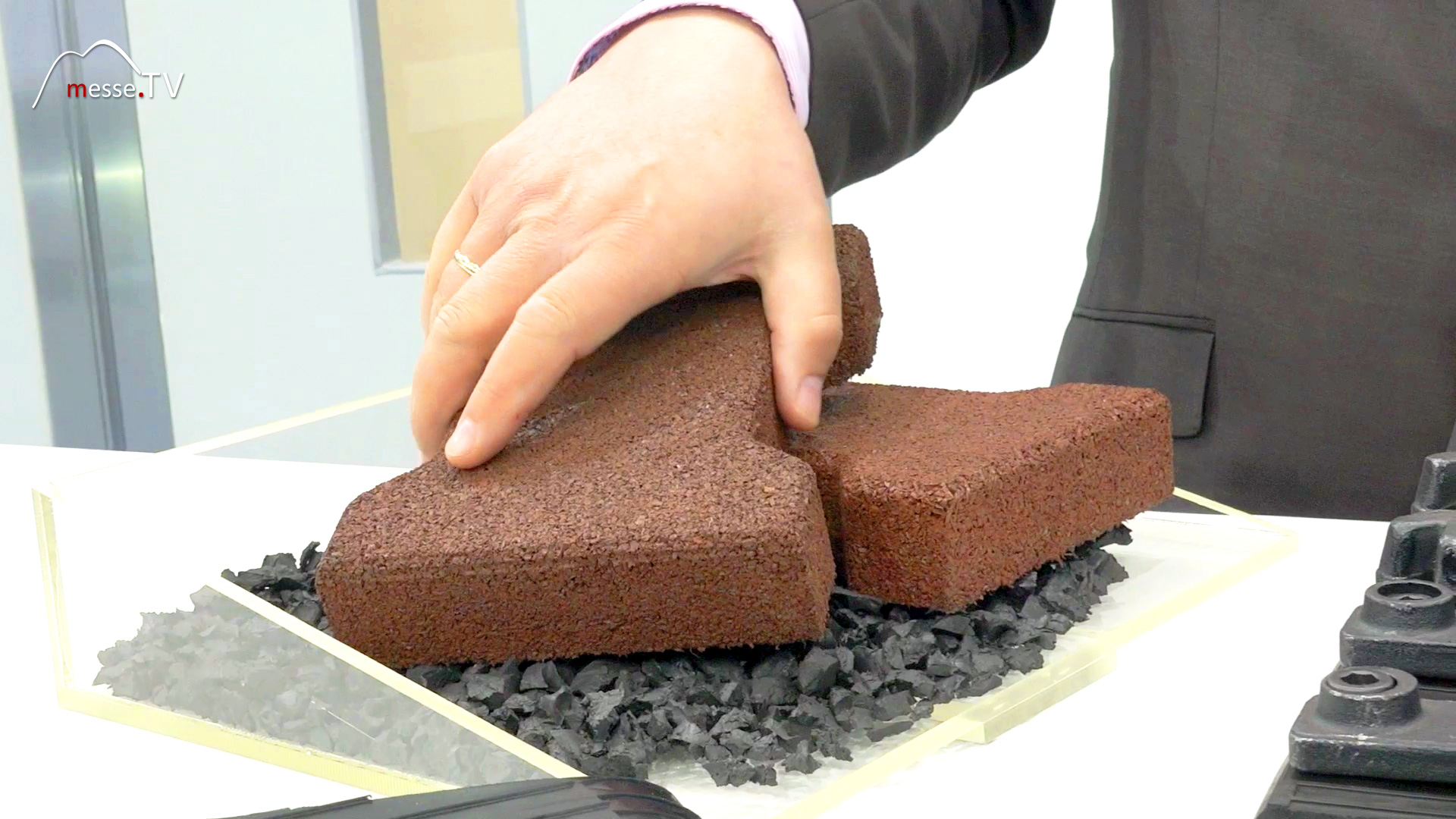
Besonders interessant ist dabei die Wiederverwertung der Gummibestandteile. Nach der Aufbereitung entsteht Granulat, das für unterschiedliche Anwendungen genutzt werden kann. Solche Recyclingmaterialien finden beispielsweise Verwendung im Garten- und Landschaftsbau, auf Spielplätzen oder in anderen Bereichen, in denen elastische und widerstandsfähige Oberflächen benötigt werden. Gleichzeitig werden wertvolle Rohstoffe erhalten, anstatt als Abfall verloren zu gehen. Auch der enthaltene Stahl wird zurückgewonnen und erneut industriell genutzt. Angesichts steigender Rohstoffpreise und wachsender Nachhaltigkeitsanforderungen gewinnt dieser Ansatz zunehmend an Bedeutung.
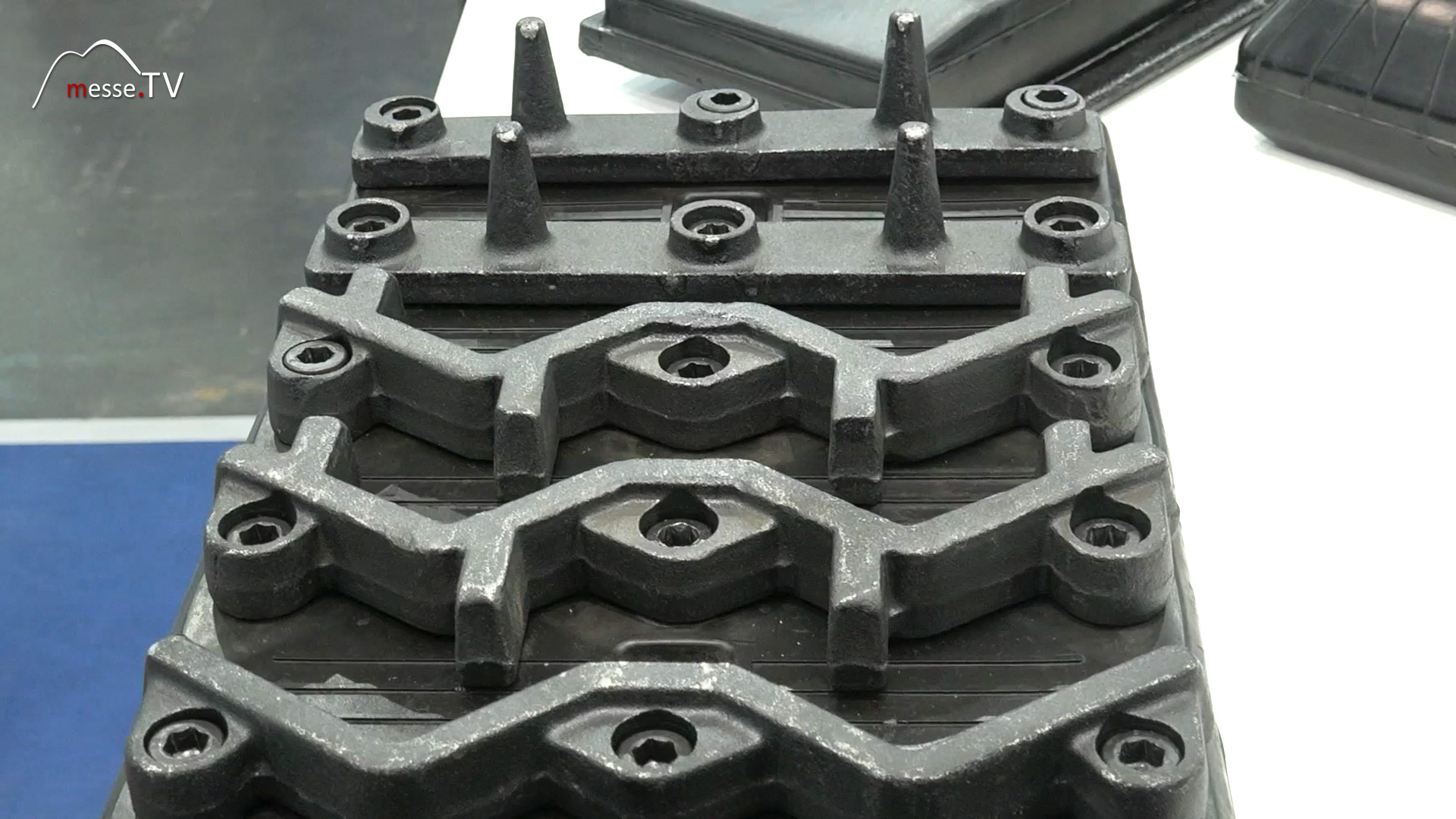
Entwicklung geht über die reine Kette hinaus
Die vorgestellten Lösungen zeigen, dass Innovationen im Bereich Gummiketten weit über klassische Verbesserungen bei Verschleiß oder Haltbarkeit hinausgehen. Komfort, Arbeitssicherheit und Nachhaltigkeit werden zu immer wichtigeren Entwicklungsfeldern. Während die AVT-Kette auf die Entlastung von Maschine und Fahrer abzielt, schafft die KS-Kette neue Einsatzmöglichkeiten in schwierigem Gelände. Gleichzeitig verdeutlicht das Recyclingkonzept, dass künftig nicht nur die Nutzungsphase eines Produkts betrachtet wird, sondern der gesamte Lebenszyklus. Für Betreiber von Baumaschinen bedeutet das mehr Auswahl bei spezialisierten Anwendungen und gleichzeitig neue Möglichkeiten, Ressourcen effizienter zu nutzen. Gerade in einer Branche, die zunehmend auf Wirtschaftlichkeit und Nachhaltigkeit achten muss, könnten solche Entwicklungen in den kommenden Jahren deutlich an Bedeutung gewinnen.
Messe-Berichterstattung bundesweit - Messewissen, Termine & Veranstaltungen


