Semi-mobile crushing plant for opencast mining and quarries
by J. Groh - 2024-02-13In mining and raw materials extraction, logistics often determine the economic viability of a project. Large quantities of rock must be moved, transported and processed.
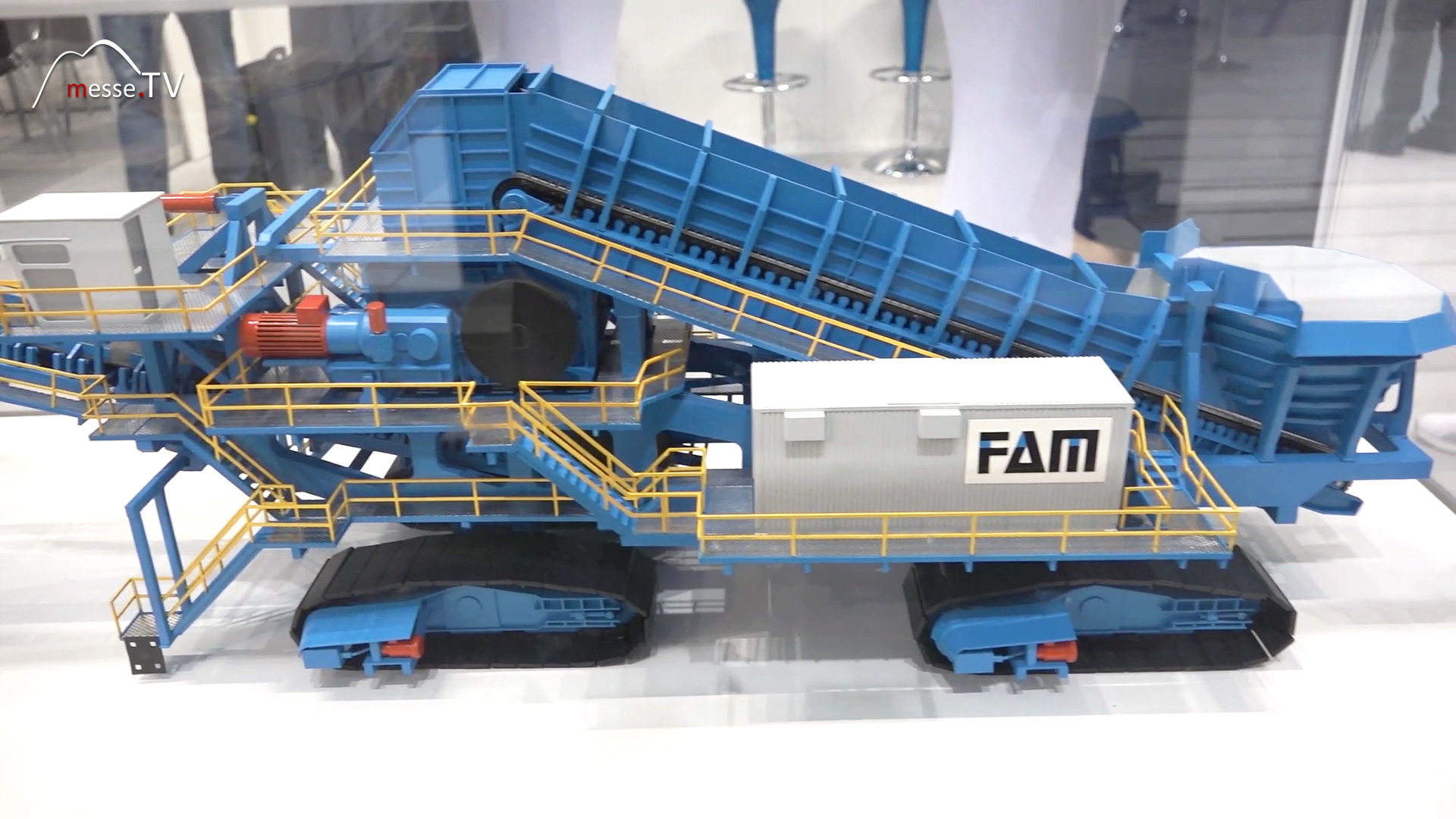
This incurs significant costs for machinery, fuel and infrastructure. At the bauma, it is evident that new concepts can significantly reduce these costs. A key factor here is the idea of relocating the crushing of the material directly to the mining face. This is precisely the approach taken by the system on display, which has its roots in underground mining and has now been further developed for surface use. Instead of relying on traditional stationary crushing solutions, the system combines conveyor technology and the crushing process in a compact, semi-mobile unit.
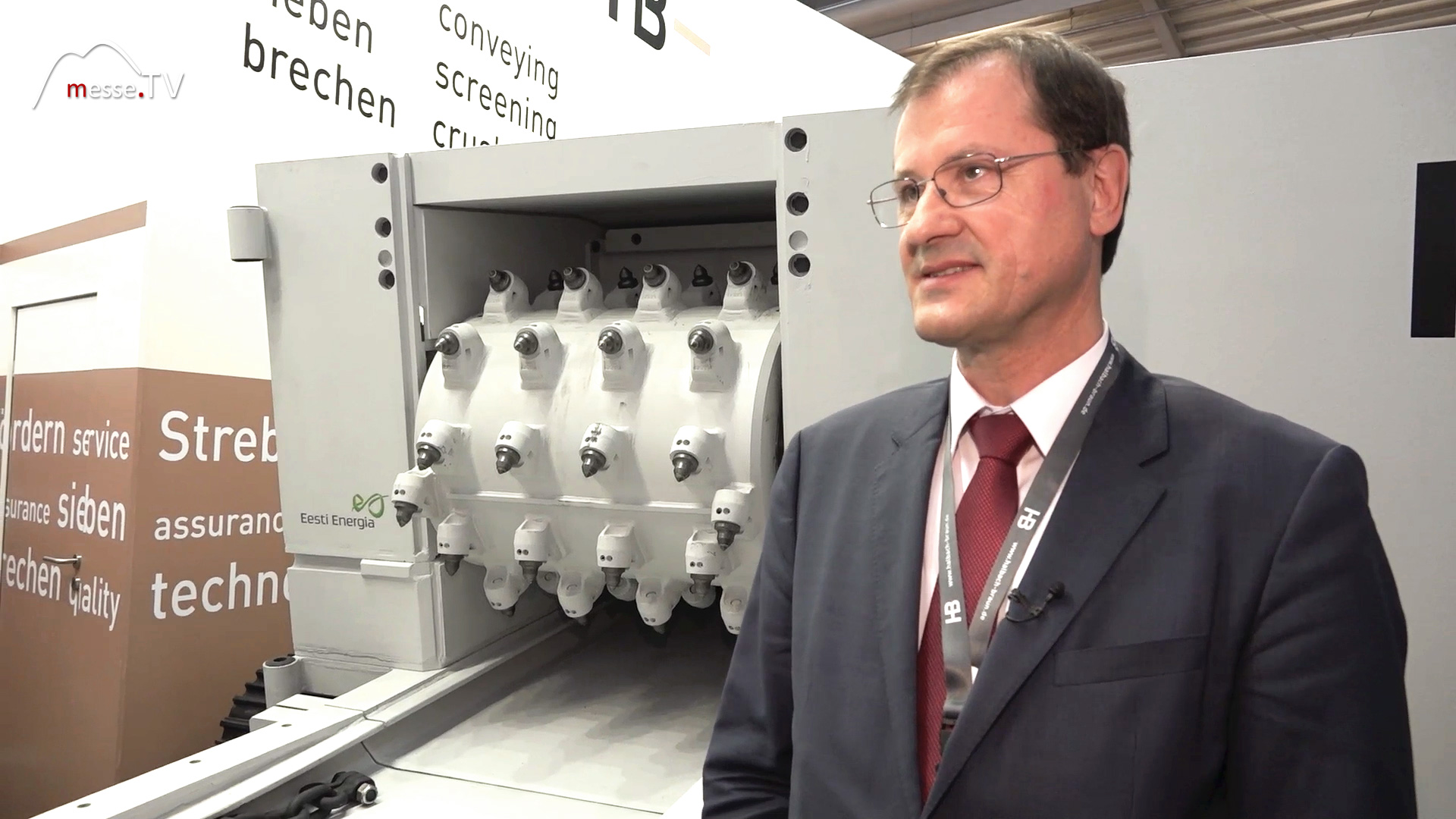
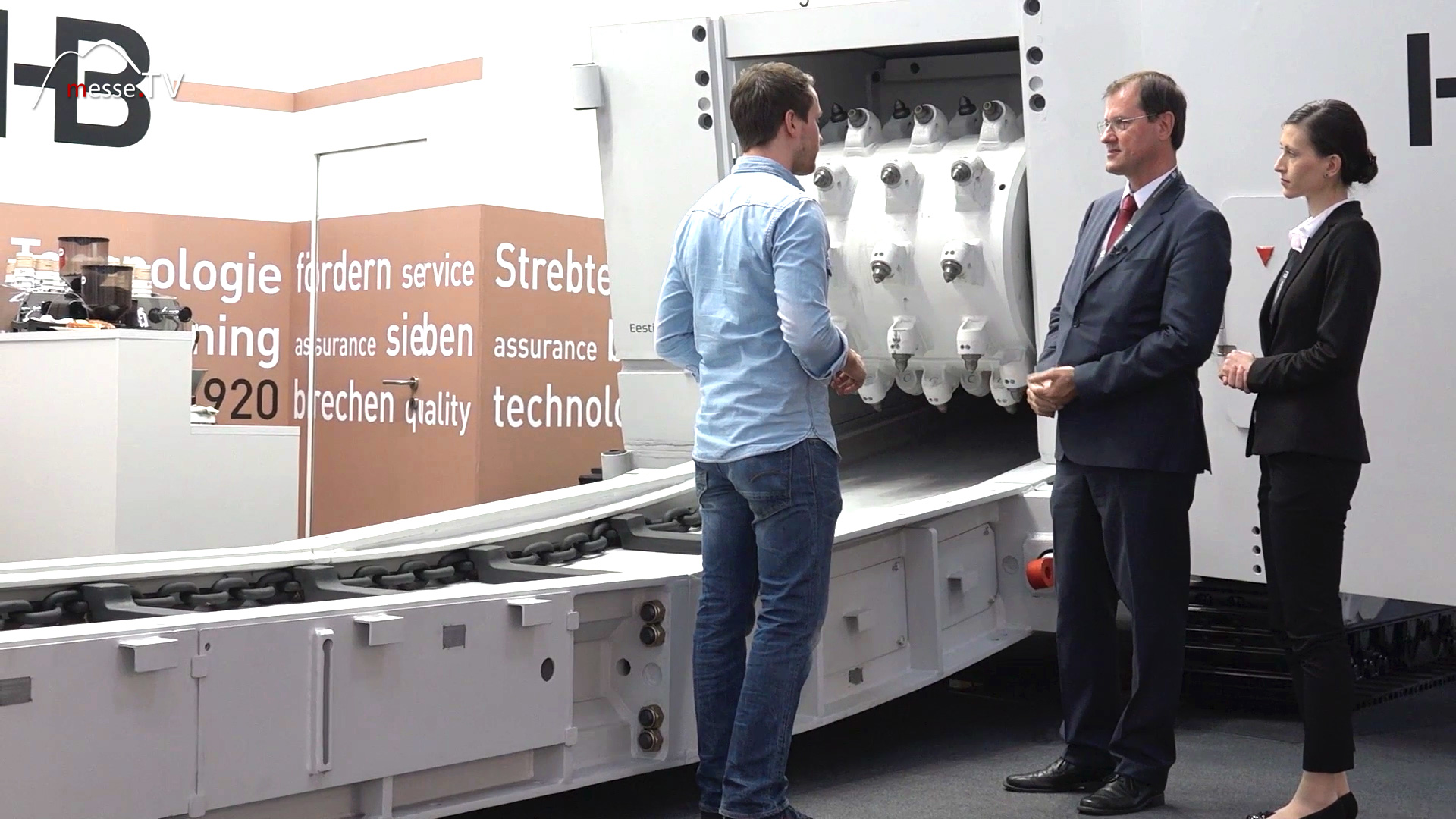
Halbach & Braun applies mining expertise to open-cast mining
The history of Halbach & Braun dates back to 1920. The family-run business is now managed by the third and fourth generations. The company’s technical expertise originally developed in underground coal mining. There, there was a demand for machinery capable of delivering high performance in confined spaces. The experience gained in this environment now forms the basis for applications in quarries, opencast mines and open-pit raw material extraction plants. The particular challenge lies in transporting large quantities of material as efficiently as possible whilst keeping infrastructure costs to a minimum. To this end, the company utilises a technology that has been one of its core competencies for decades: the chain scraper conveyor.
Continuous crushing plant combines conveying and crushing
At the heart of the concept is a continuous crushing plant. Unlike conventional crushers, this does not need to be fed from above. The material is conveyed on a horizontal plane directly to the crushing system, where it is crushed and then transported onwards. This difference may seem insignificant at first, but it changes the entire material flow. In many quarries, large boulders must first be transported to a central crushing plant via complex ramp systems. The further extraction progresses, the longer these transport routes become. The solution presented here, however, operates directly at working level. The mineral is conveyed, crushed and discharged without first having to overcome any differences in height. For operators, this means less infrastructure, shorter transport routes and significantly greater flexibility in adapting to ongoing extraction.

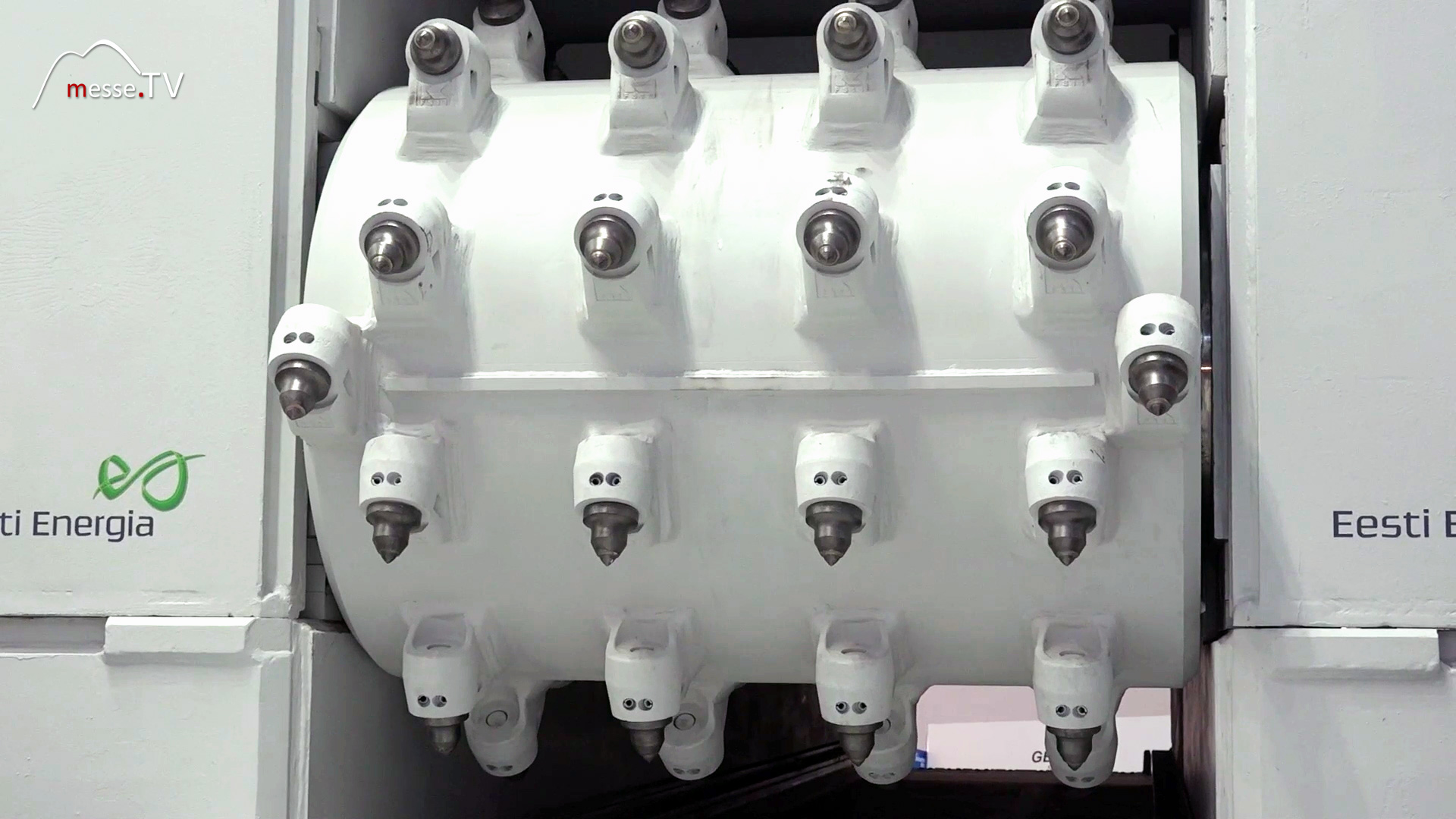
Semi-mobile crushing plant eliminates the need for ramps and transport routes
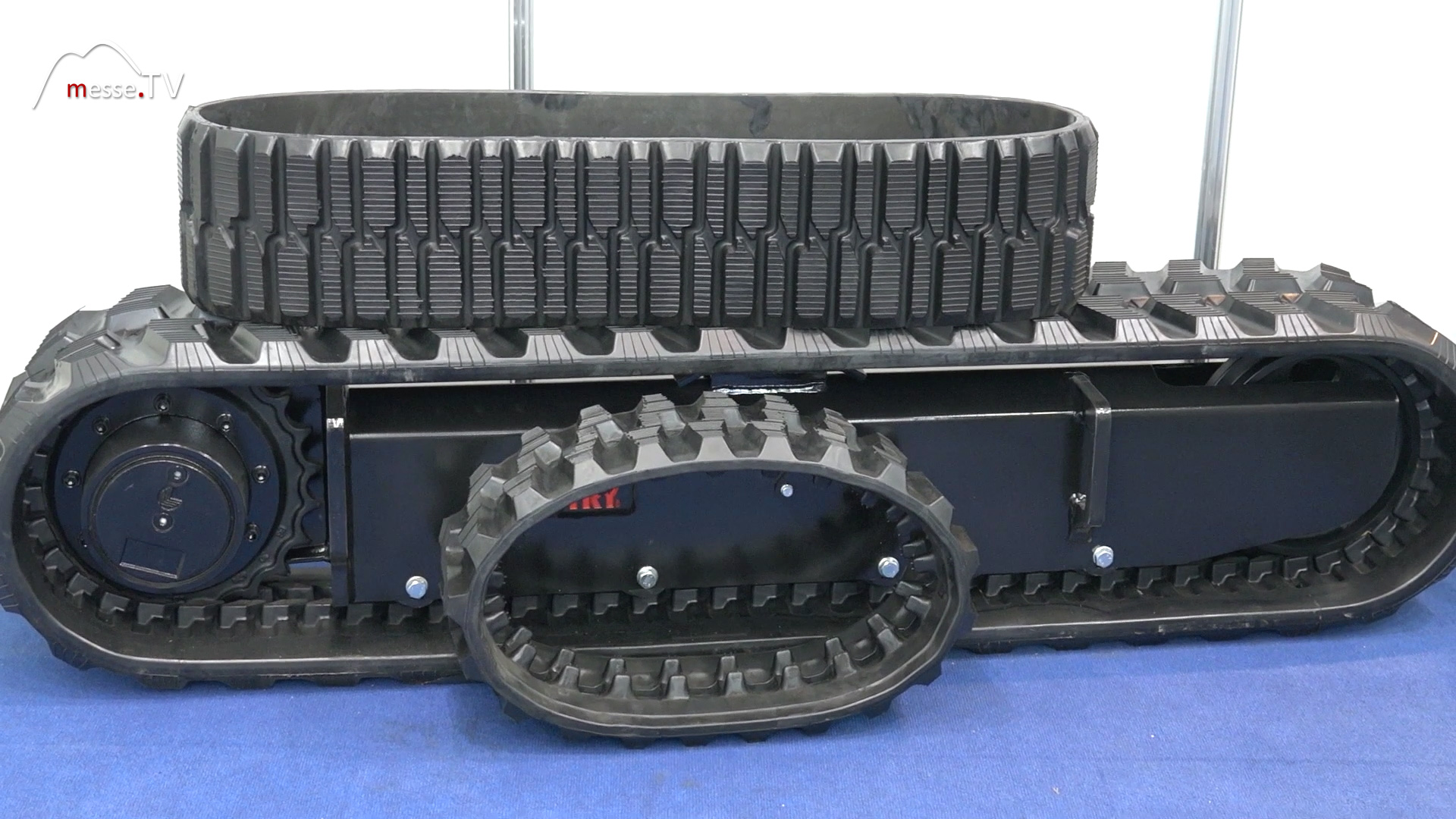
A key advantage stems from the elimination of the access ramps that are otherwise standard. In conventional plants, these must be regularly extended or repositioned as the mining front changes. This incurs additional costs and ties up machinery and personnel. The semi-mobile plant on a crawler chassis, on the other hand, can be moved directly to the respective site of operation. It thus follows the progress of mining and remains in operation where the material is actually produced. Key features of the system:
- semi-mobile crushing plant on a crawler chassis
- horizontal material conveyance without a feed ramp
- combination of chain scraper conveyor and crusher
- modular design with various conveyor lengths and crusher sizes
- Adaptation to different minerals and particle sizes
- Electric conveyance of material via belt conveyor
- Reduction in transport distances and fuel consumption
Modular design enables customised solutions
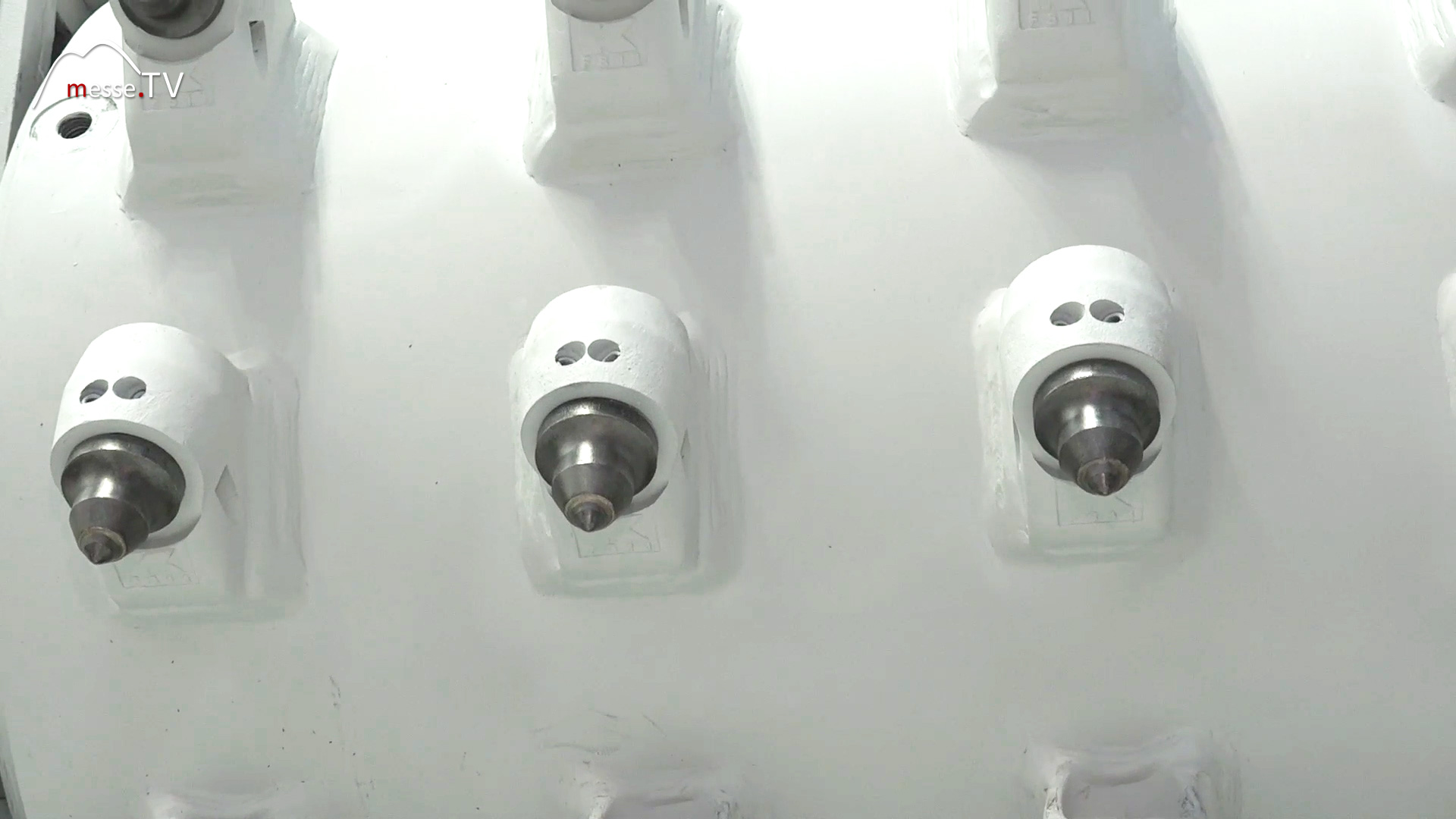
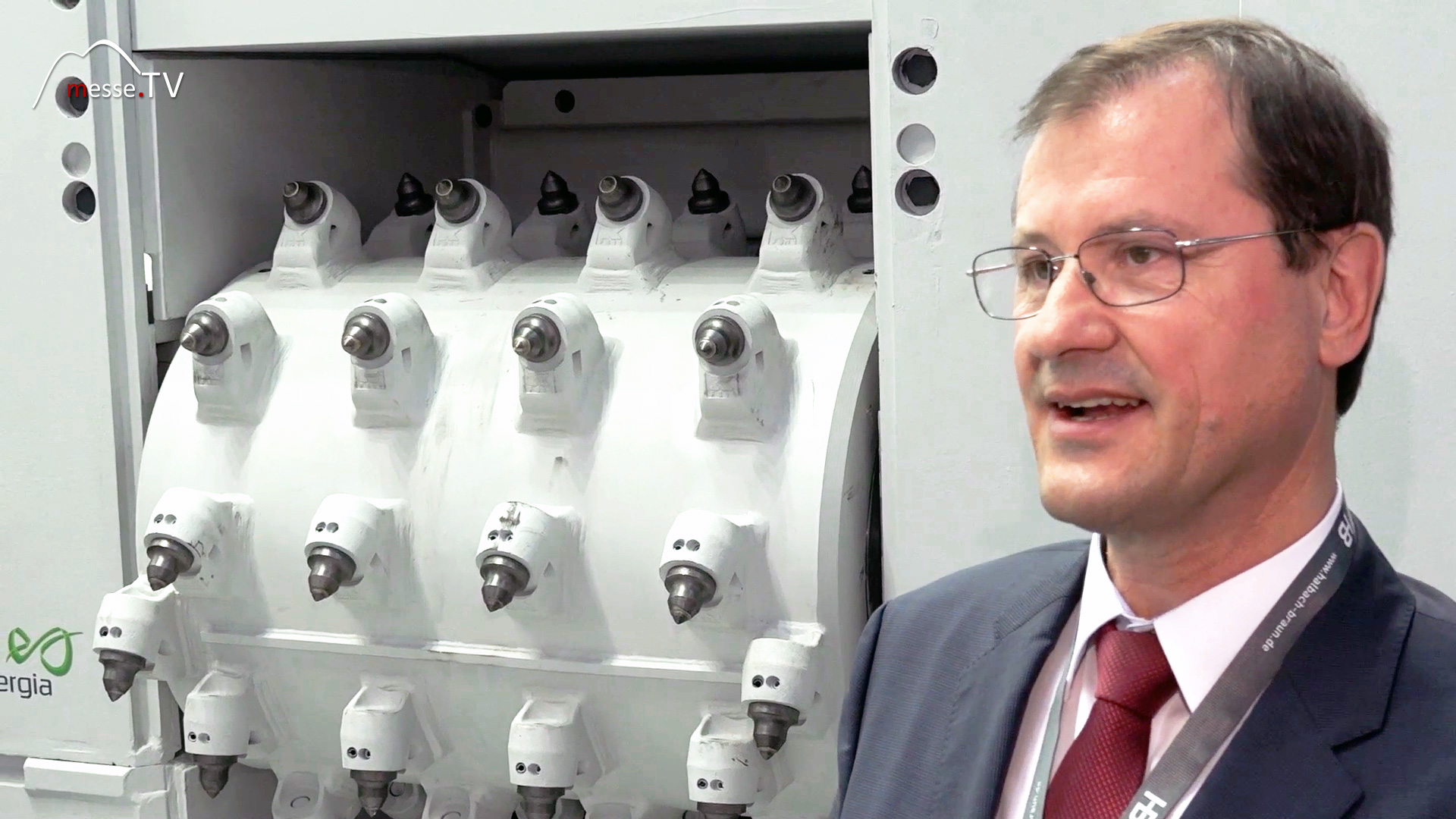
Although the exhibition setup already makes a striking impression, this is not a rigid standard product. The design is based on a modular concept. Conveyors can be made longer or shorter, crushing drums can be adjusted in terms of width and diameter, and the installed capacity can also be tailored to the specific task. This results in a solution tailored to the actual requirements of a project. The configuration on display at the trade fair is priced at around 420,000 euros. However, the final price depends heavily on the desired performance specifications and the properties of the material to be processed.
In-pit crushing reduces fuel consumption and emissions
The environmental aspect is particularly interesting. In the industry, the concept is known as in-pit crushing. This involves crushing the material directly at the extraction site before it is transported further. Without such a plant, numerous lorries would have to transport the material to the central crushing station. Each of these journeys results in fuel consumption, emissions and wear and tear. The solution presented replaces some of these journeys with an electrically powered belt conveyor. The crushed material is then transported for further processing without the need to deploy large fleets of vehicles. Particularly in the case of long-term mining projects, this difference can have a significant impact on operating costs. At the same time, emissions and energy consumption are reduced.
Mining is increasingly turning to flexible plant concepts
The trend towards semi-mobile systems demonstrates how raw material extraction is changing. Operators are seeking solutions that can adapt more quickly to changing conditions whilst offering economic advantages. The combination of mobile positioning, direct material processing and reduced transport requirements fits perfectly with this development. Whilst centralised crushing plants still have their place, flexible concepts are becoming increasingly important. The plant presented at bauma illustrates that experience gained from underground mining can also open up new possibilities above ground. Where ramps, long transport routes and extensive infrastructure were previously necessary, in future a crushing plant that simply follows the mining operation may suffice.

Trade fair reporting Germany - Trade fair knowledge, dates & events


