bauma, the world’s leading trade fair, between heavy-duty machinery and digitalisation
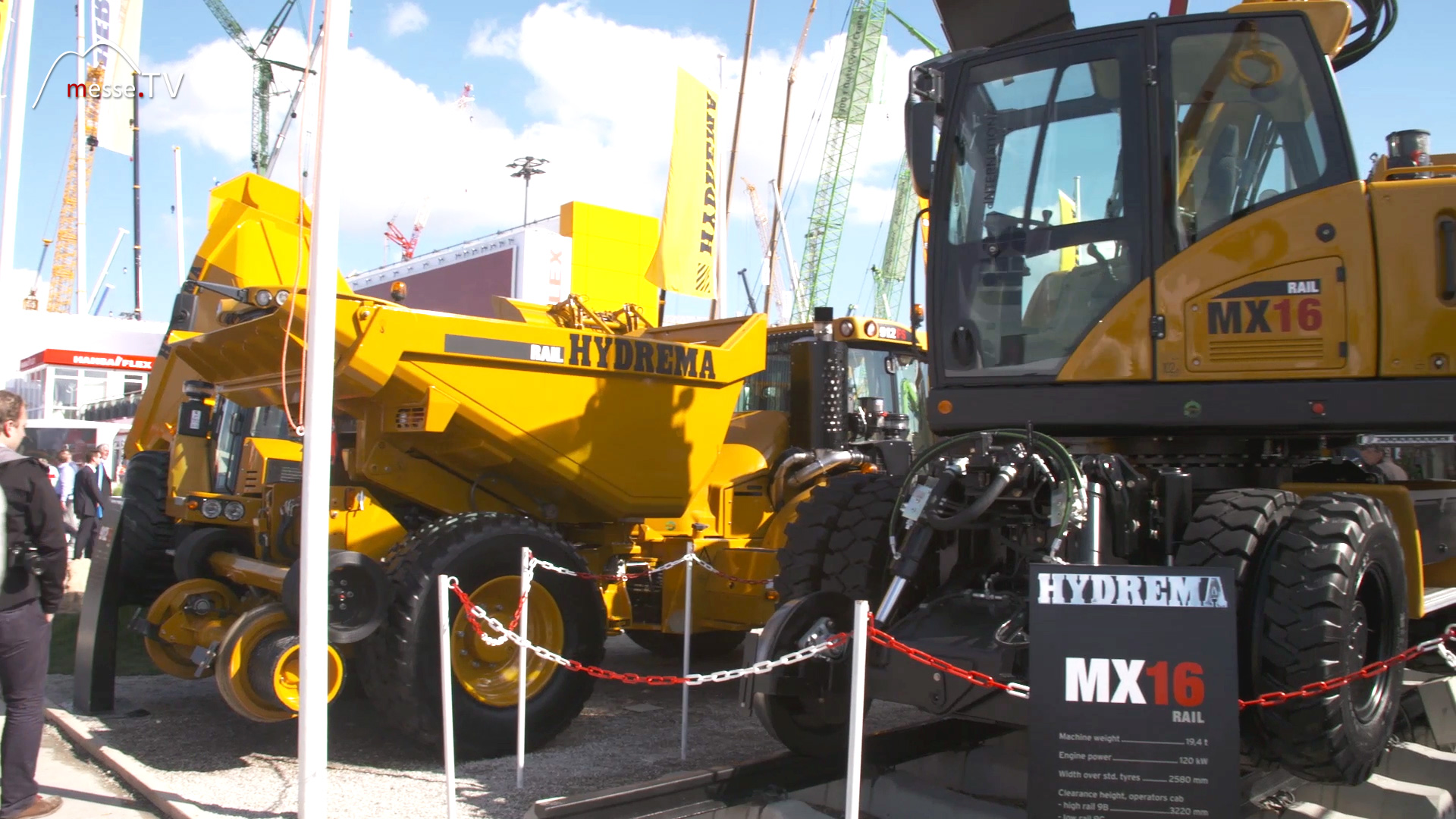
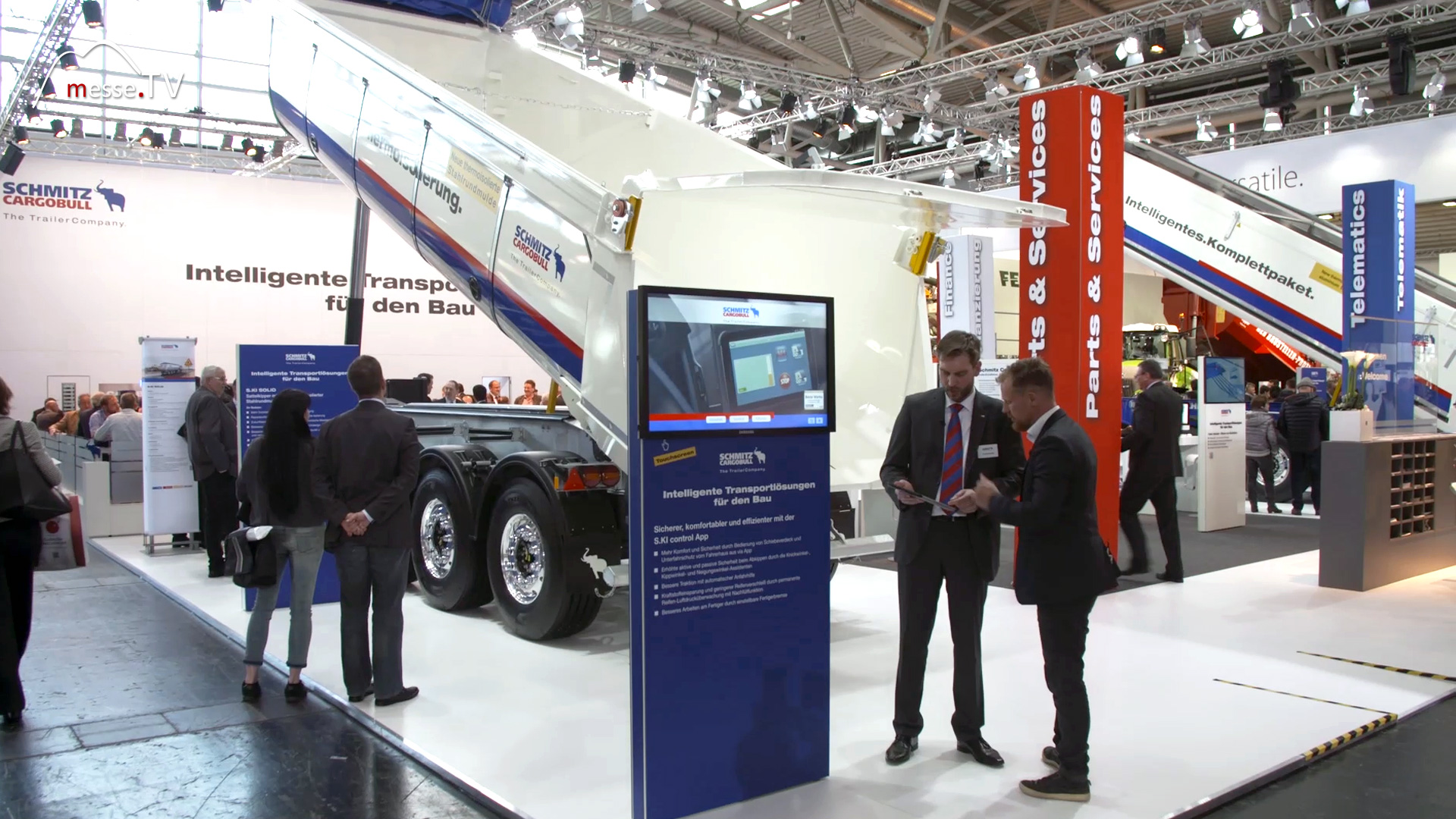
by J. Groh - 2024-02-13When huge cranes, dump trucks, asphalt plants and construction machinery from all over the world are set up at bauma in Munich, the result is immediately visible to visitors. For the organisers, however, the work begins long before that.
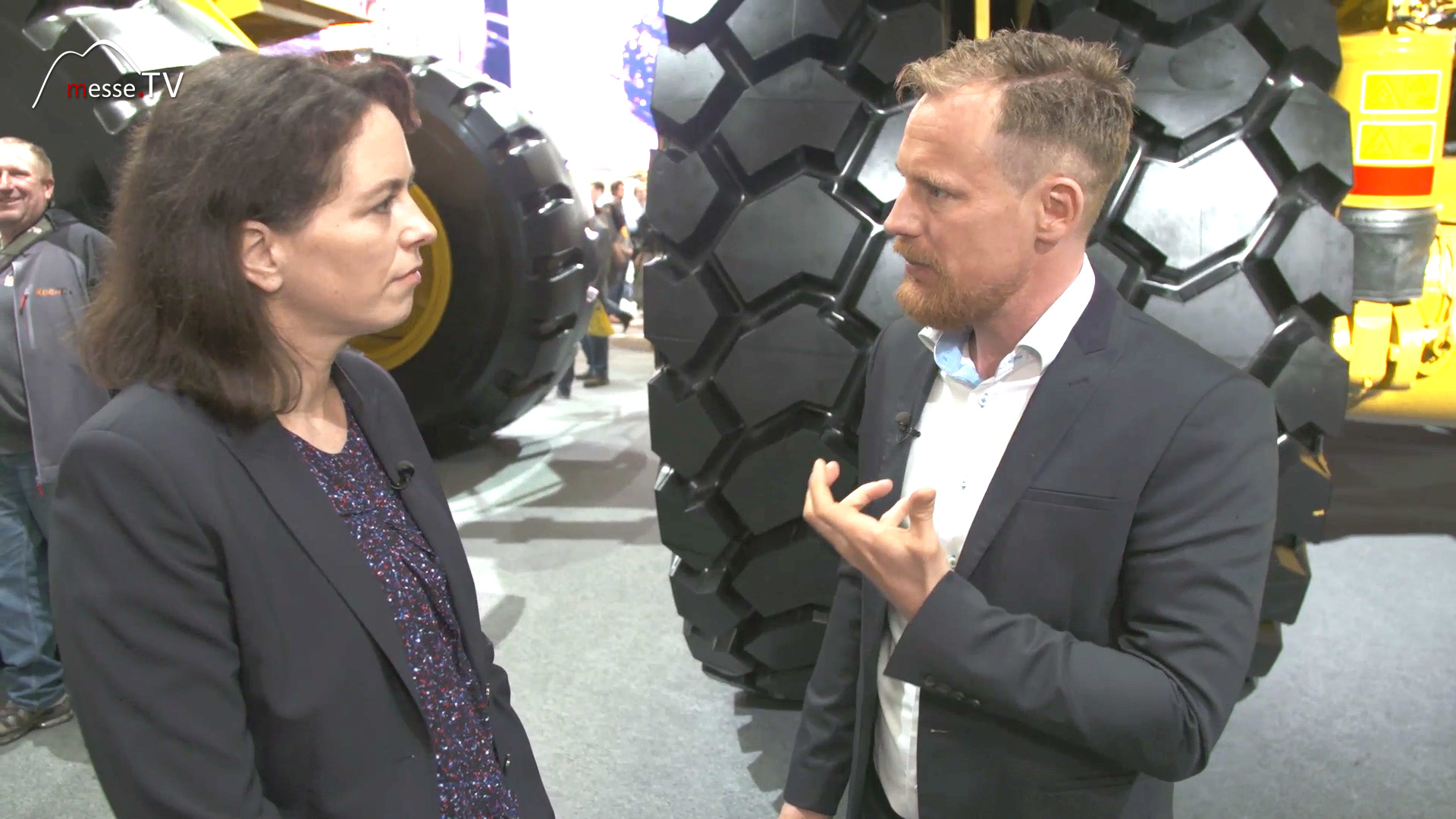
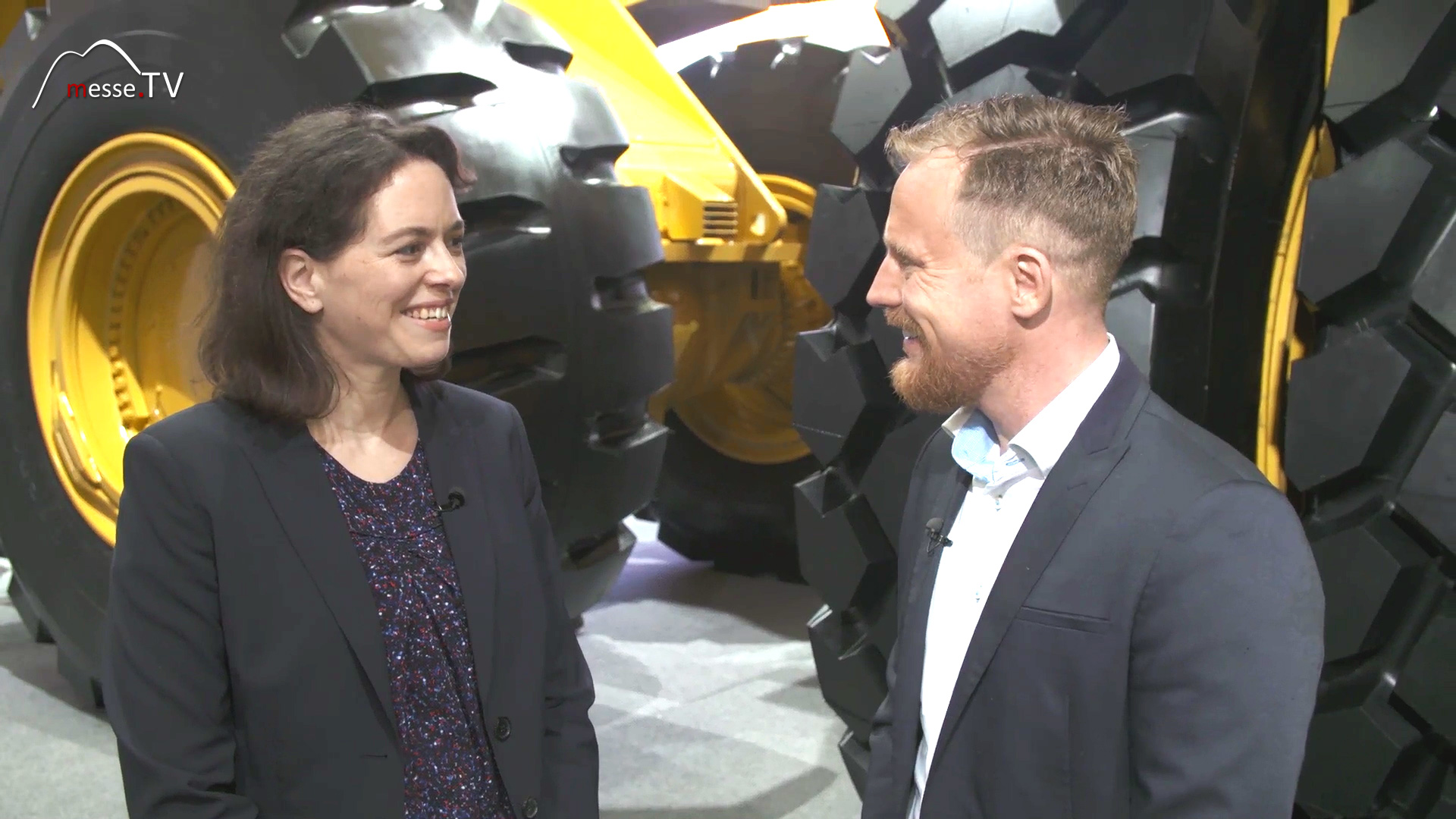
In conversation with Mareile Kästner, it becomes clear just how much planning, coordination and industry knowledge goes into an event that ranks among the world’s largest trade fairs in terms of floor space. The preparations follow a fixed schedule. The planning period lasts around three years before the doors open. What ultimately looks like an organic landscape of machinery on the site is the result of countless discussions with exhibitors, precise space planning and a tight schedule. The workload increases significantly in the year leading up to the event, as key decisions must be made in good time.
Three years of planning for a fixed trade fair window
The trade fair industry operates according to its own rules. The date is fixed, set-up must begin in good time, and exhibitors need planning certainty. Particularly in the case of large stands featuring complex machinery, multi-storey structures or extensive technical equipment, last-minute organisation is not sufficient. According to Mareile Kästner, the layout must be finalised before the summer so that companies can carry out their detailed planning. This is crucial for exhibitors, as many bring not only products but entire systems, heavy exhibits and technically complex presentations. This results in an organisational lead time that goes far beyond traditional hall planning. Machinery must be delivered, stand areas prepared, safety issues clarified and visitor flows taken into account. The larger the event, the more important it is to maintain an overview of the details.
bauma as a meeting place for the global construction machinery industry
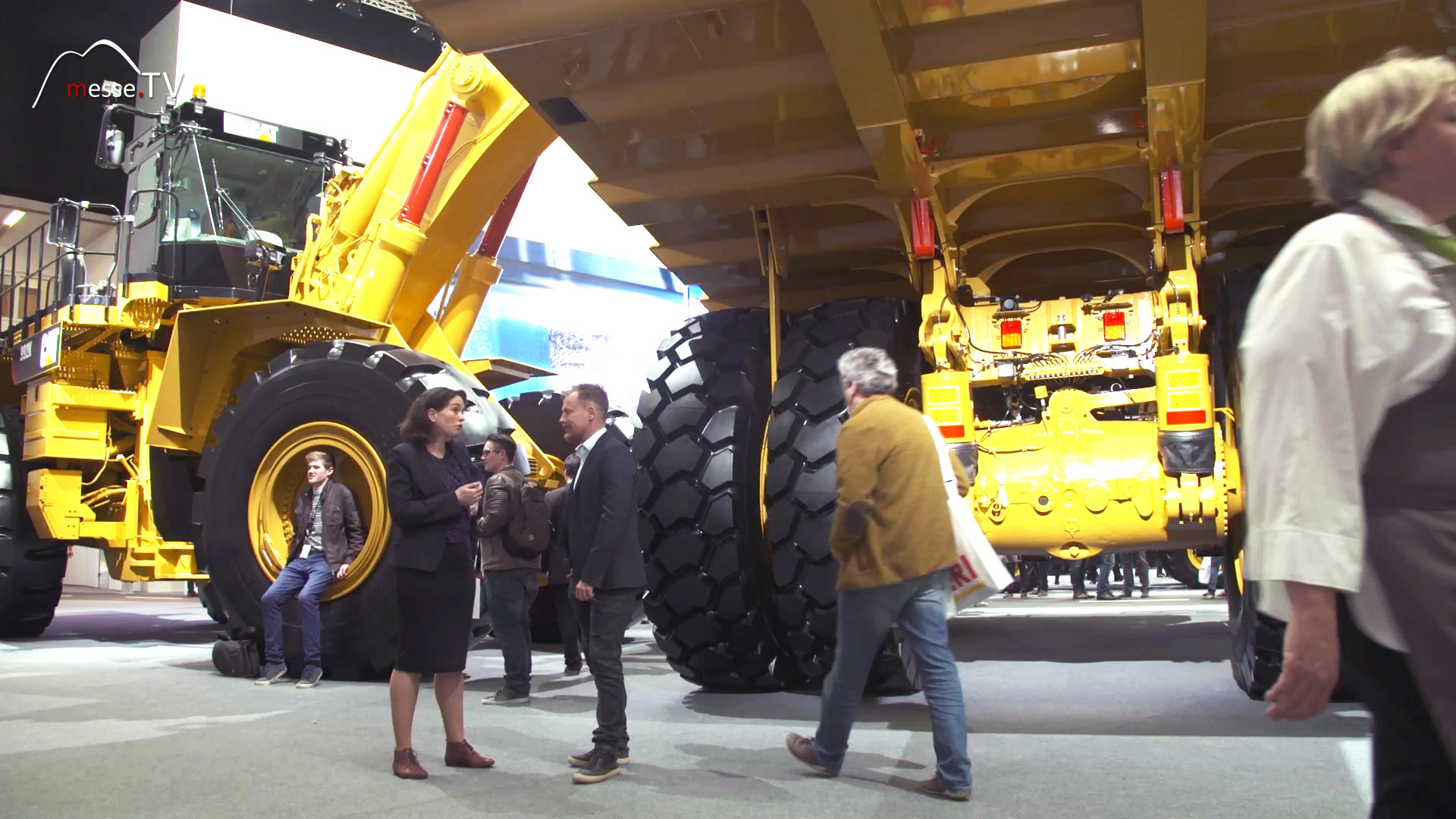
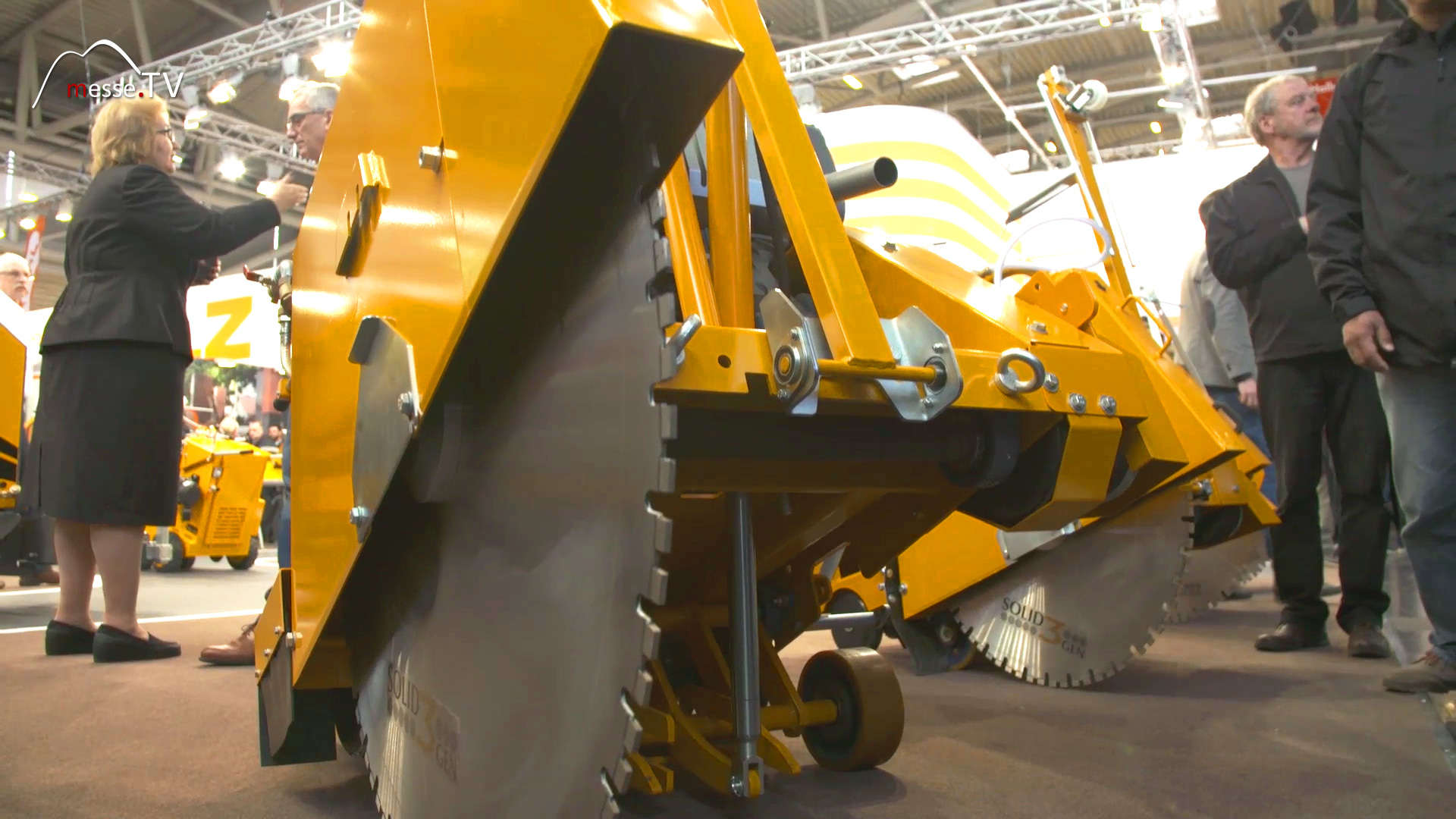
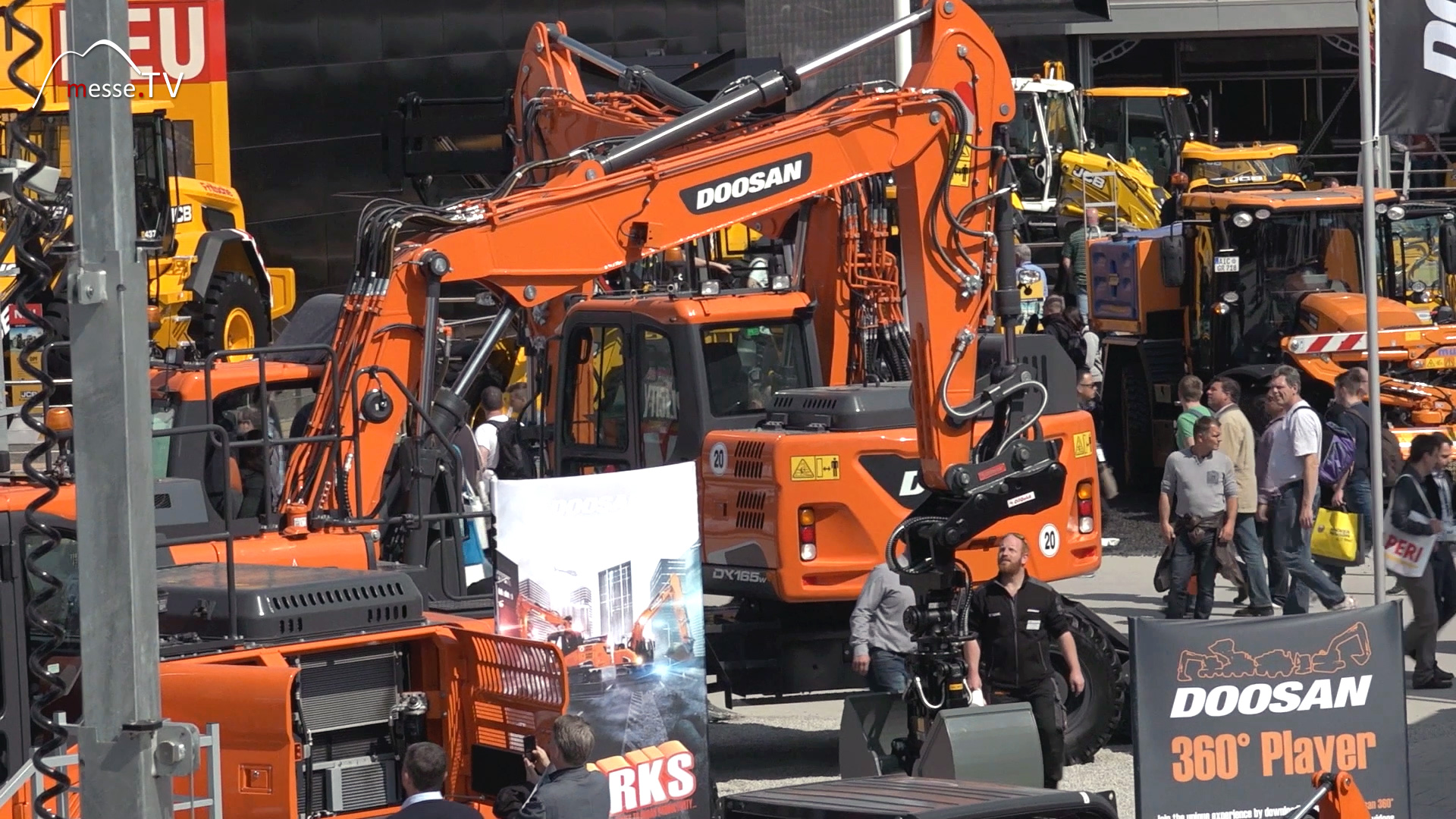
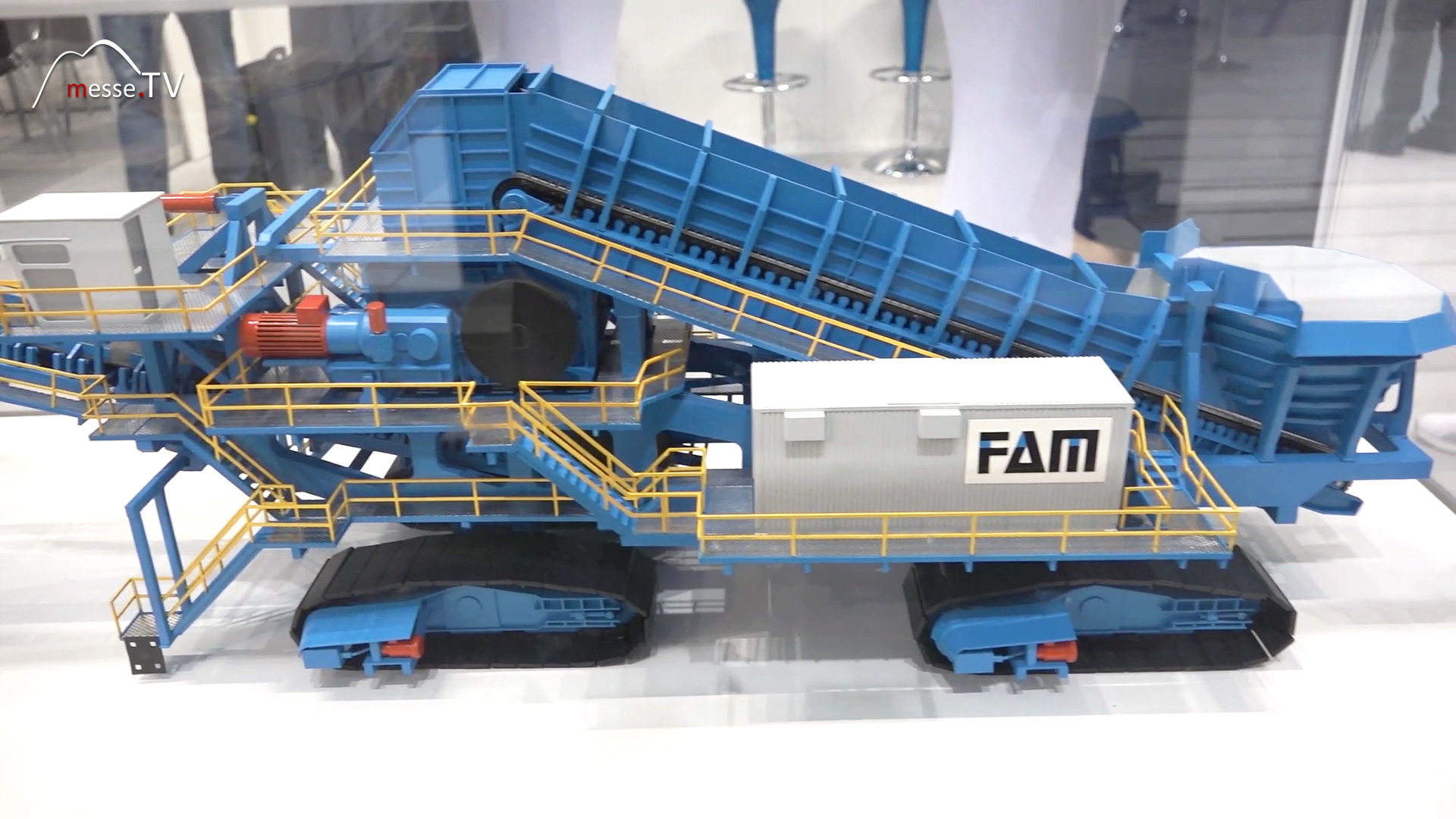
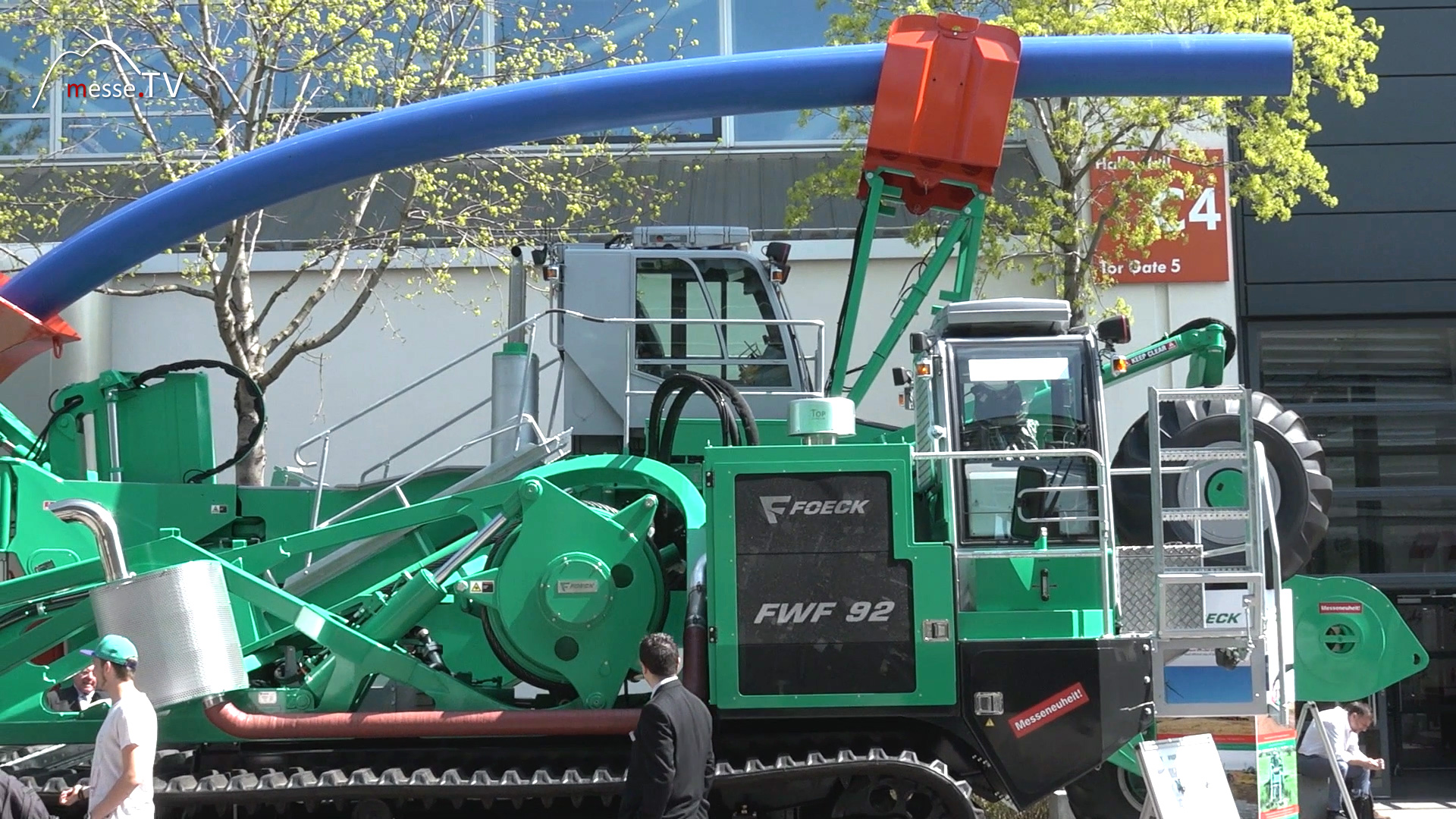
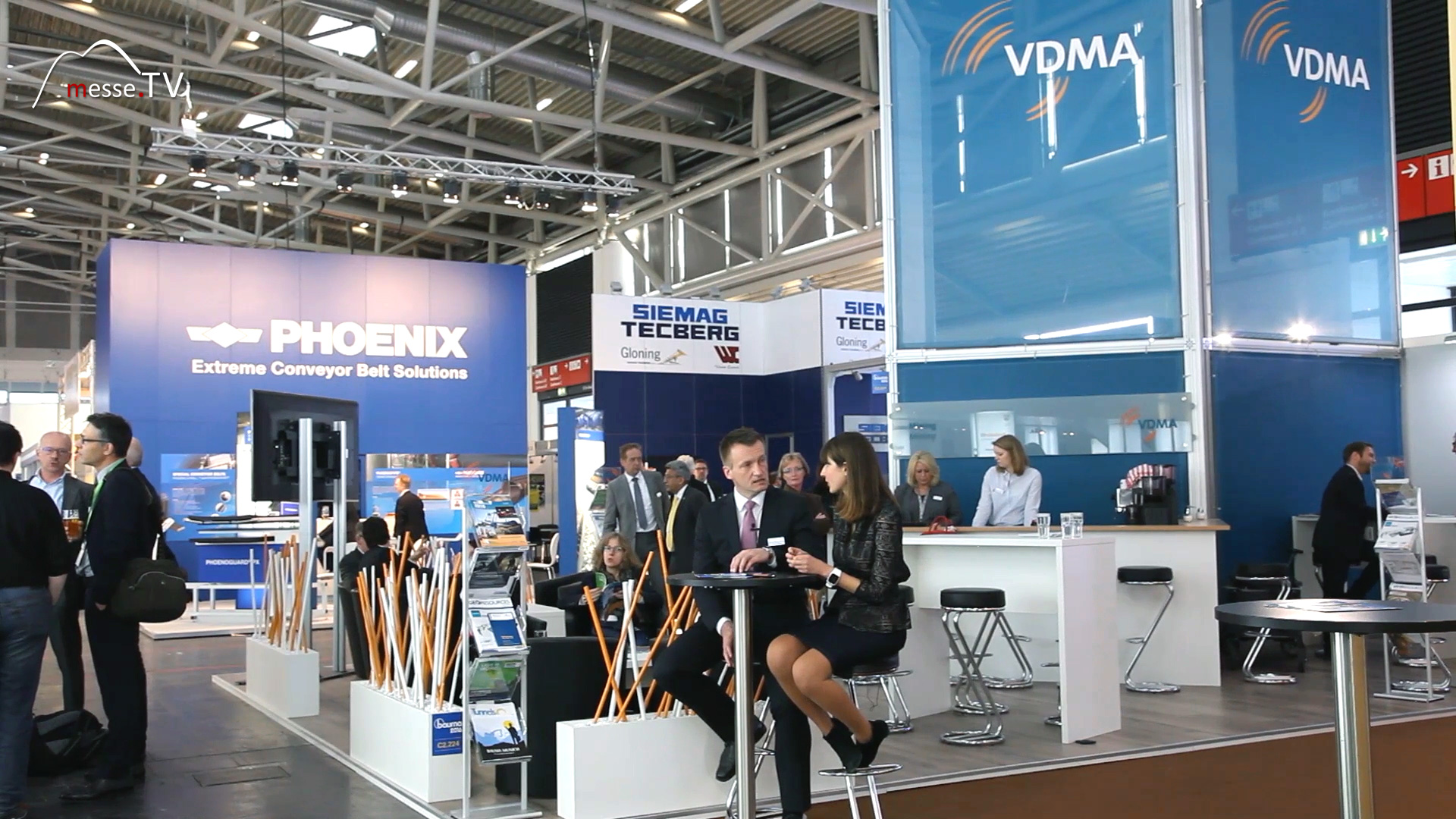
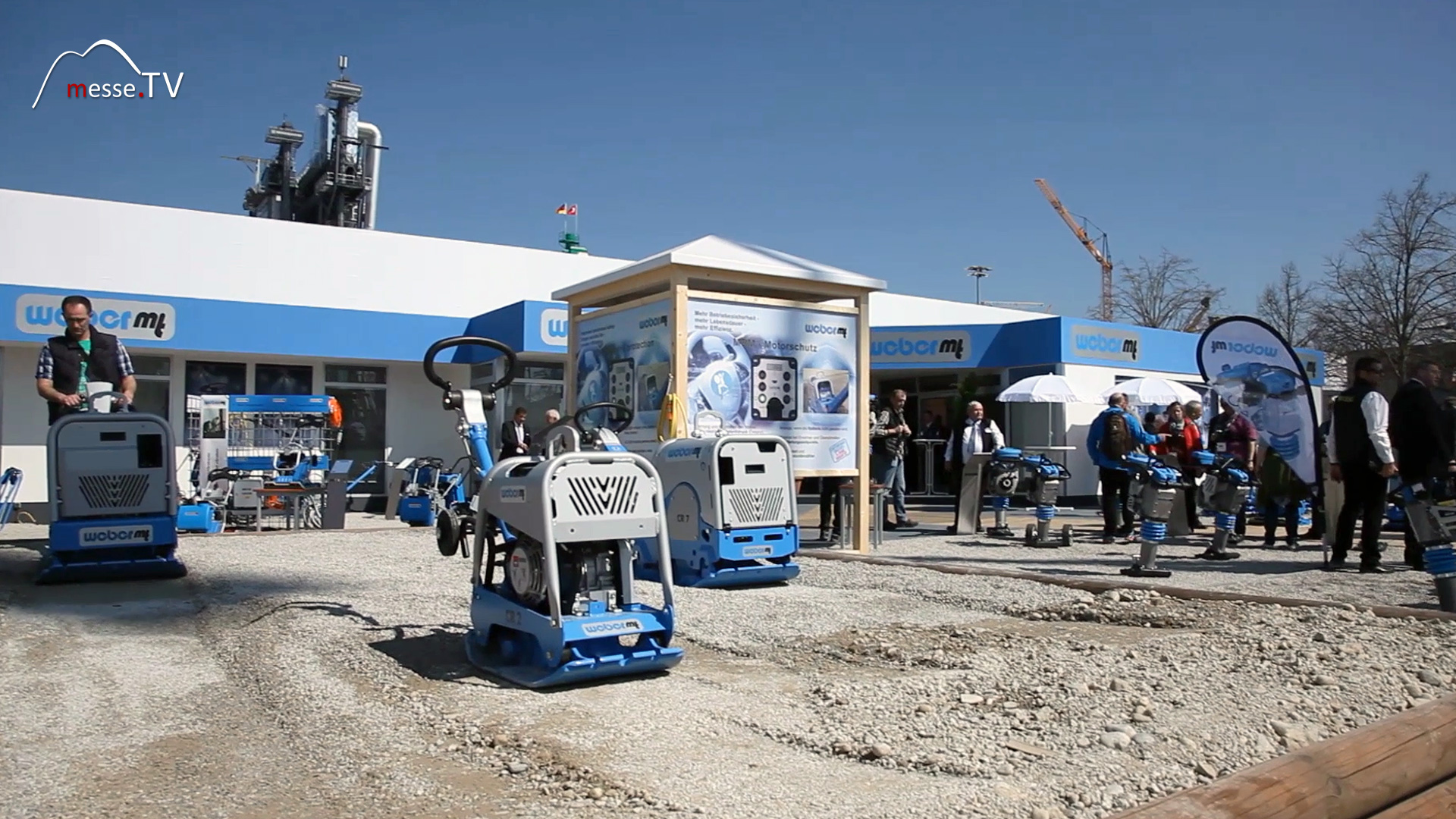
The bauma has grown over decades. Since its inception in the 1950s, it has developed into a key event for manufacturers, suppliers, operators and decision-makers. For many companies, participation is not merely a showcase but a strategic investment. The scale of the event is particularly evident in the outdoor exhibition area. There, huge cranes, heavy machinery and entire plants are on display, often having been set up weeks before the fair begins. The effort is only worthwhile if the right visitor groups are present. This is precisely where one of the event’s key strengths lies: it brings together exhibitors and trade visitors from all over the world. Mareile Kästner highlights the event’s high level of internationality. On the exhibitor side, international companies account for more than 63 per cent. Over 500,000 visitors from more than 200 countries are expected. This makes the event not just a product showcase, but a global industry meeting place.

Heavy machinery and digital construction site planning
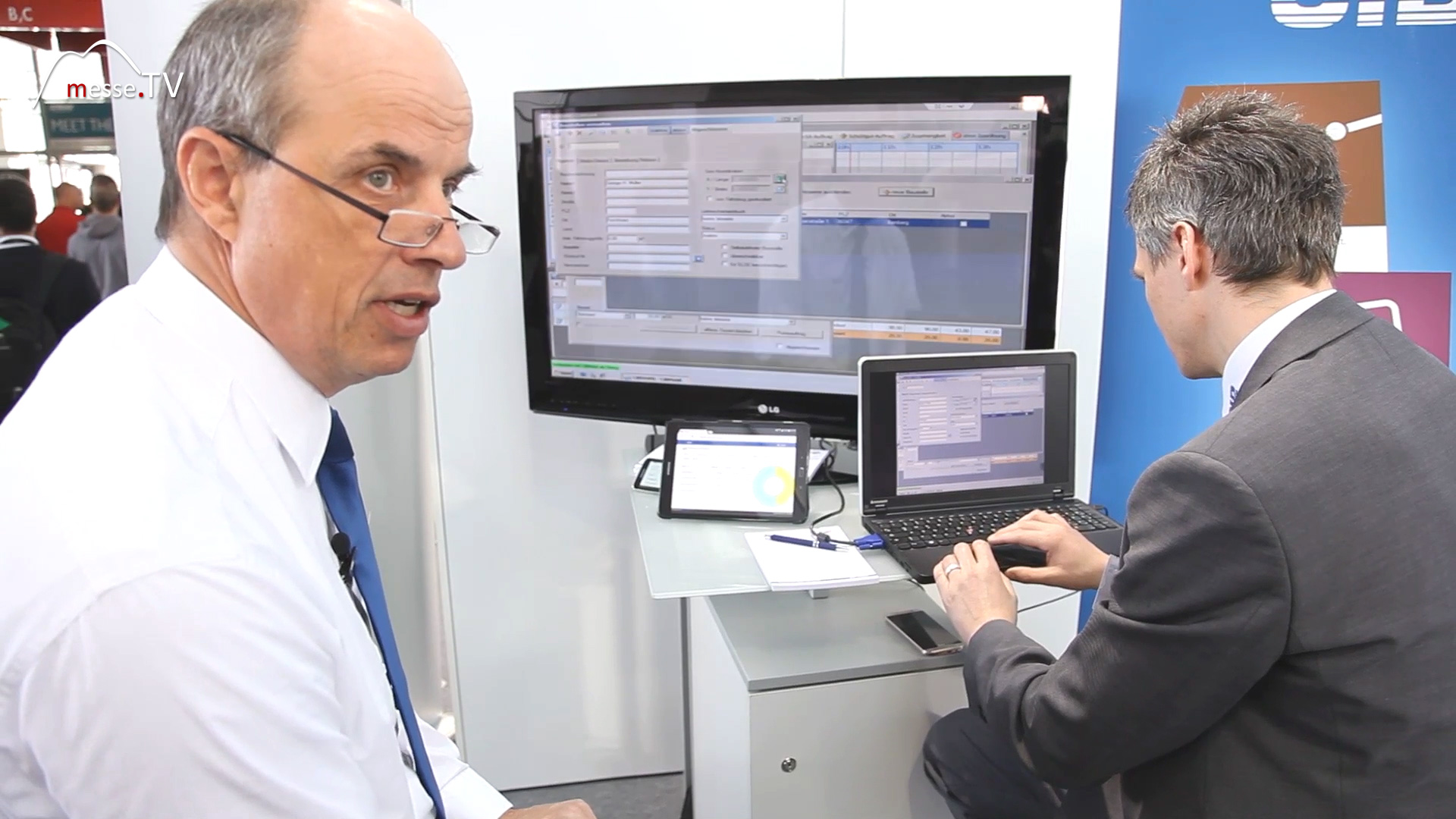
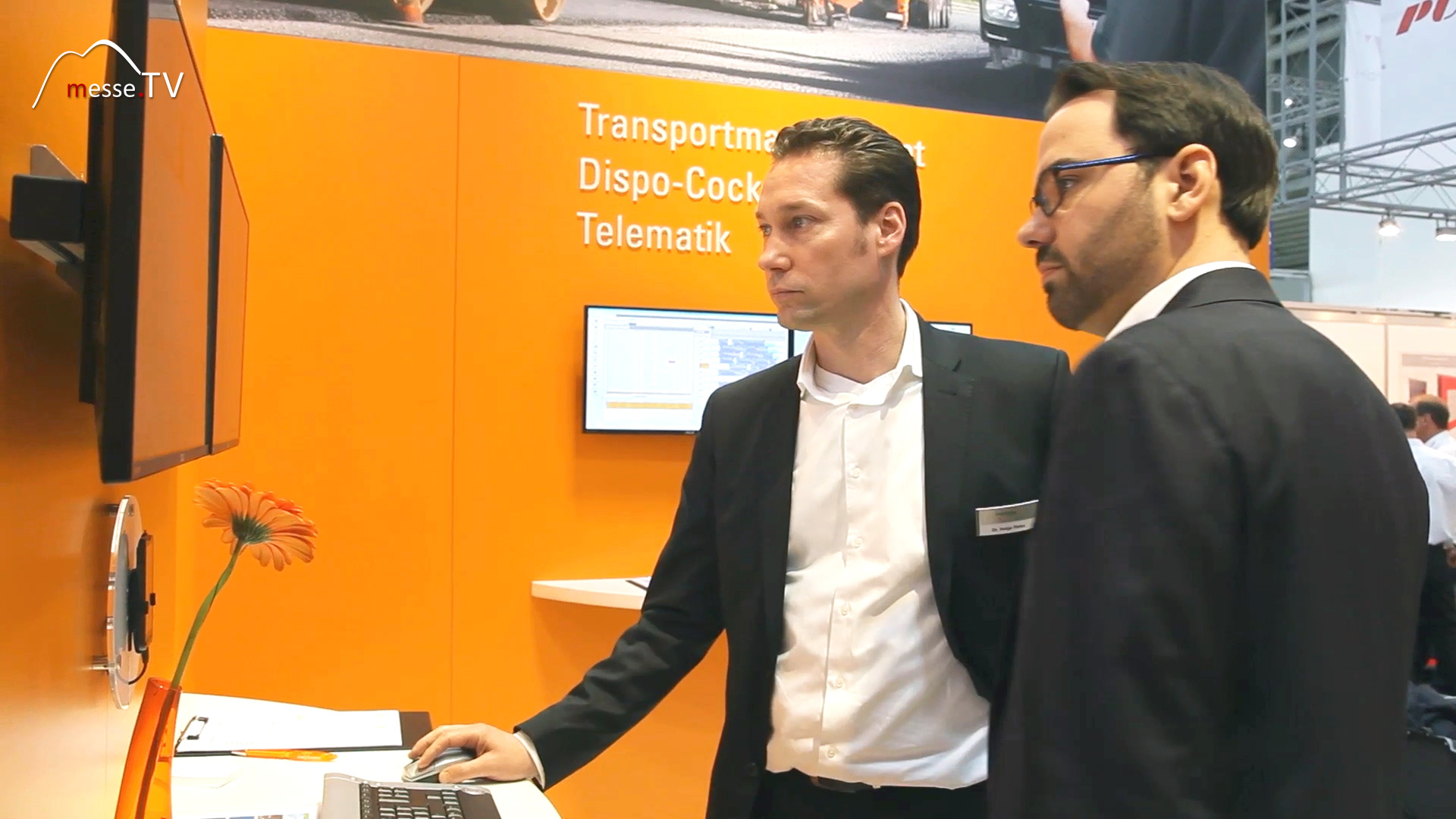
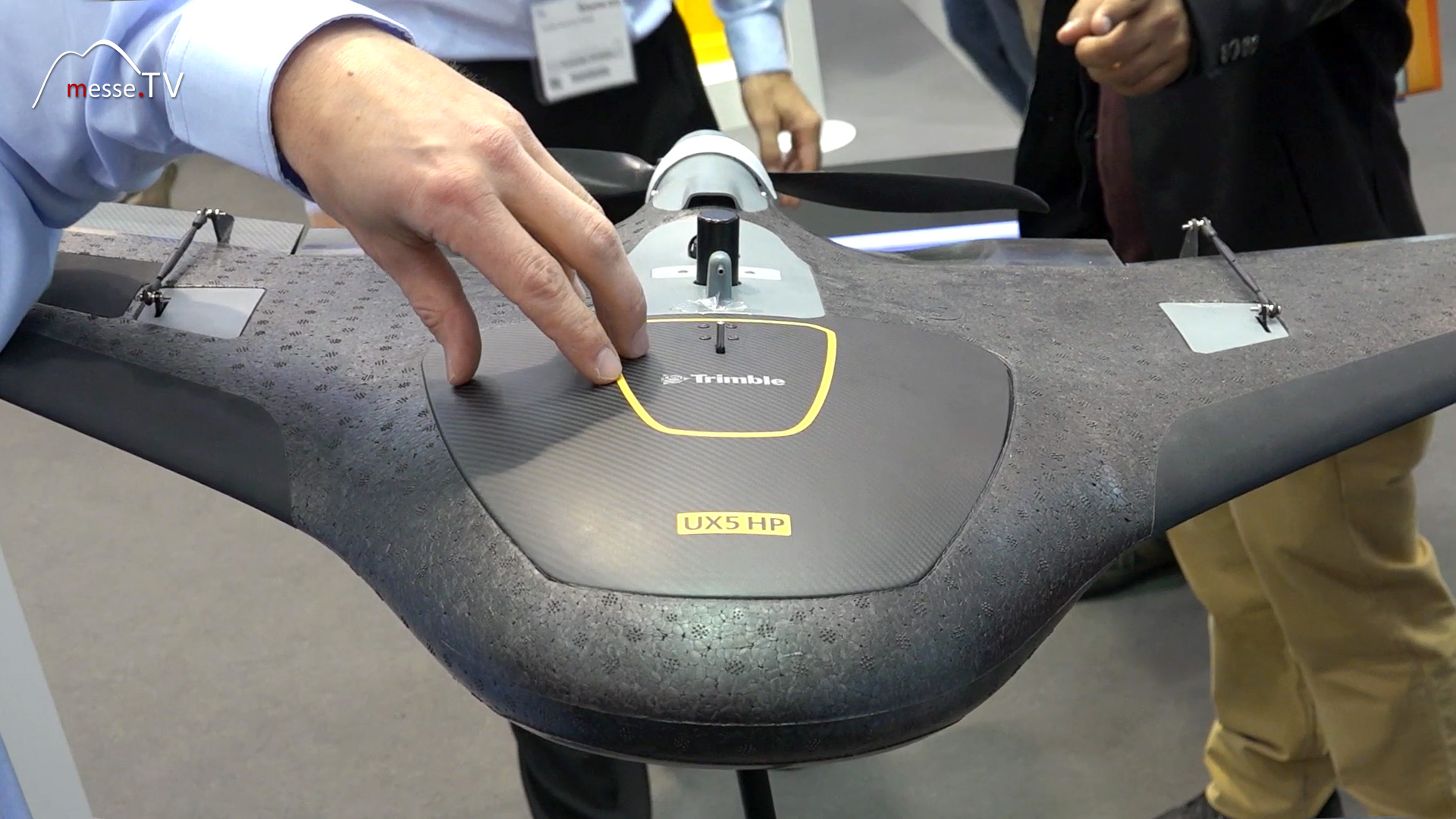
At first glance, steel, hydraulics, large wheels and enormous loads dominate. Yet behind the visible mechanics, the industry is undergoing significant change. Digitalisation, connectivity and Building Information Modelling are also gaining importance in the construction machinery sector. BIM stands for the digital planning and simulation of construction projects. Construction sites can be better planned in advance: Which machines are required? What quantities of materials will be needed? Which processes need to be coordinated? The aim is to avoid errors, shorten construction times and reduce costs. Typical topics that are coming more to the fore as a result are:
- digital planning of construction sites and machine workflows
- networking of construction machinery, components and software
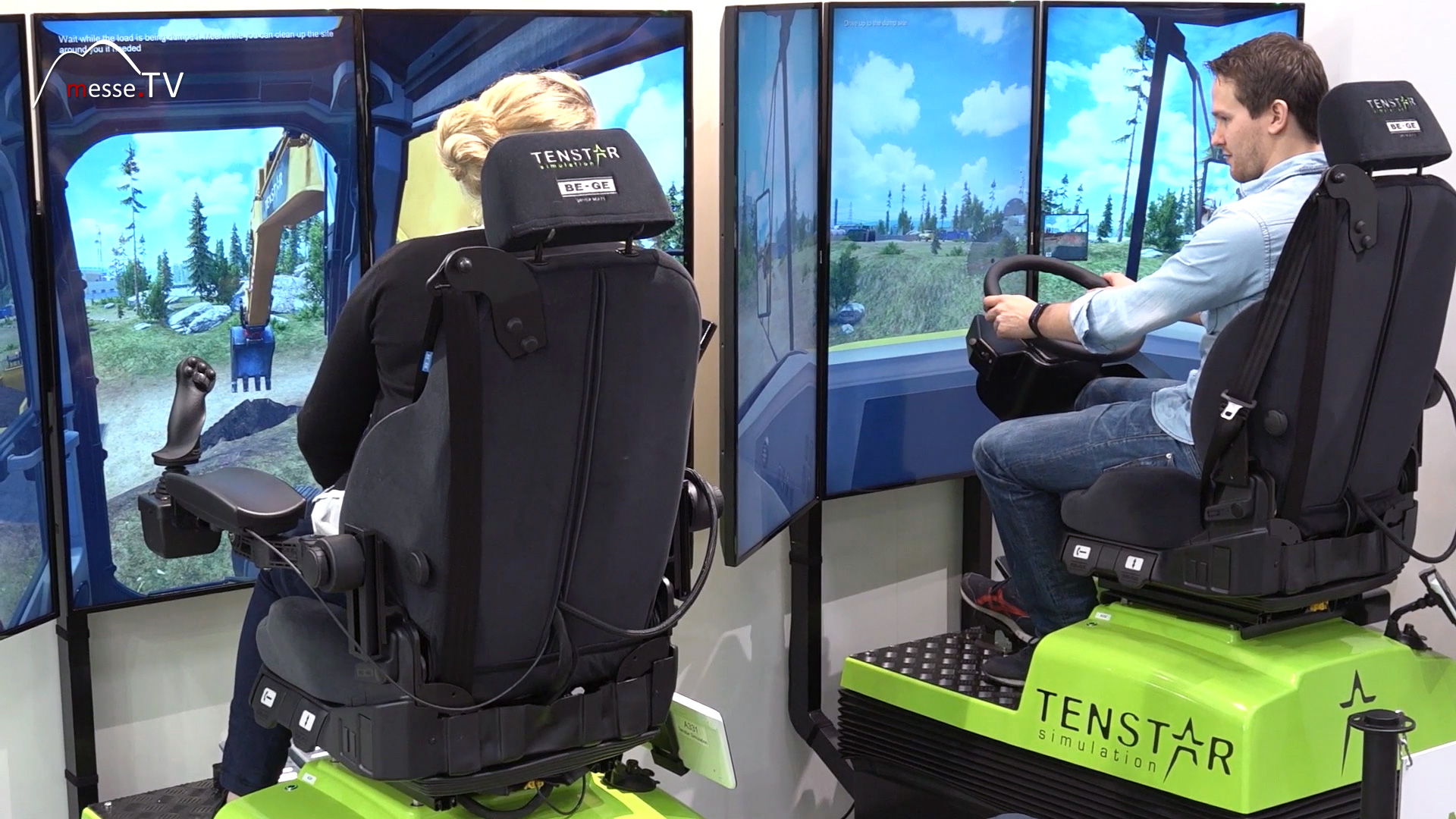
- simulation of material movements and excavation volumes
- better coordination between planning, execution and logistics
- reduction of errors, downtime and costs
Why the trade fair will not become a computer fair
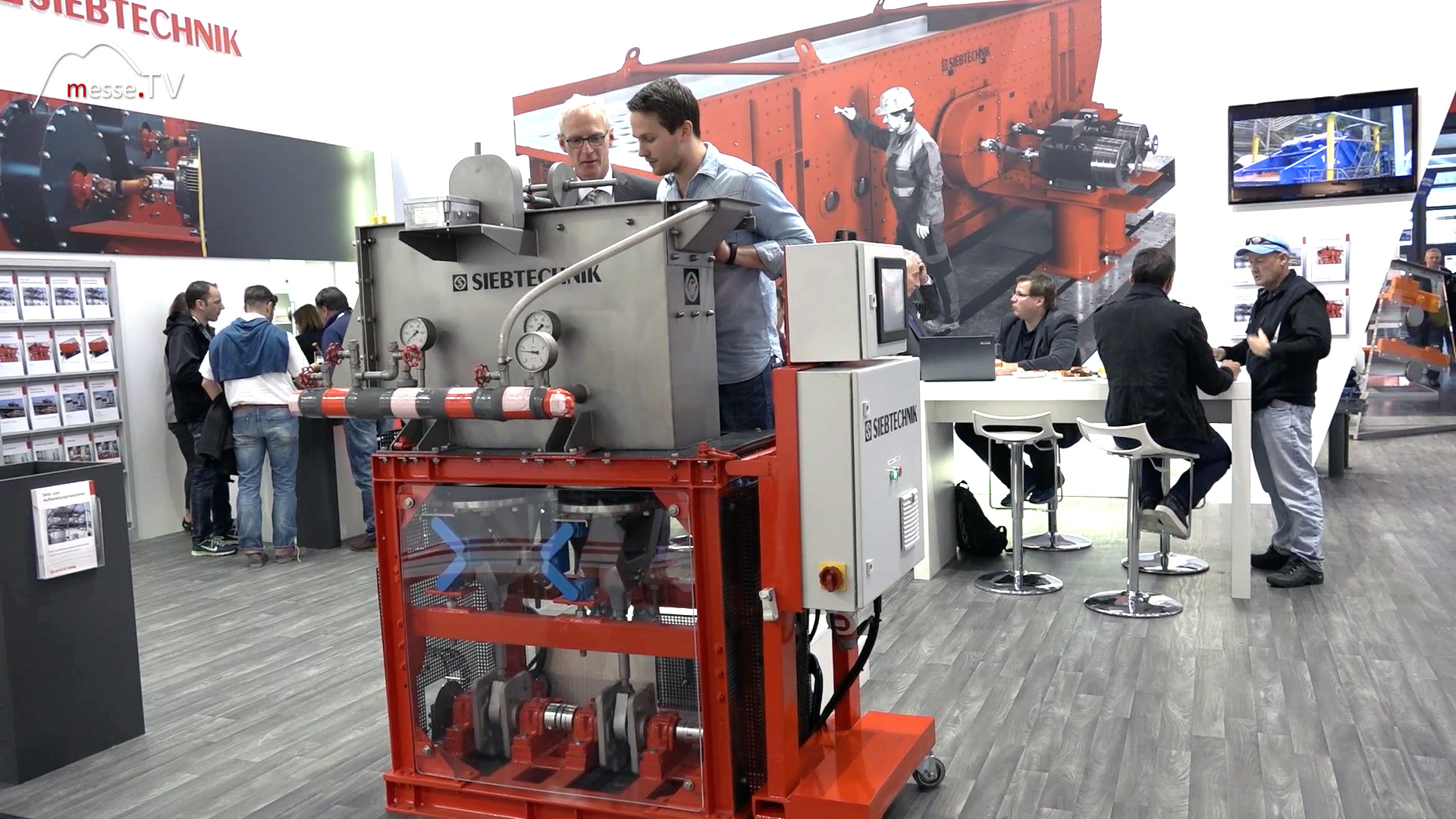
Despite all the digitalisation, the core of the industry remains physical. Heavy loads cannot be moved by information technology alone. Machinery, plant and robust technology remain indispensable. Digital progress complements construction machinery, but does not replace it. This is precisely where the tension of the event lies. On the one hand, there are massive machines that move materials, build roads, extract raw materials or create infrastructure. On the other hand, the importance of digital systems is growing, making these processes more efficient, safer and easier to plan. This connection is likely to become even more important in the coming years. Construction sites will become more interconnected, machines will deliver more data, and planning processes will move closer to the actual execution. bauma thus remains a place where not only the sheer size of the machines is on display, but also the technical transformation of an entire industry.
Trade fair reporting Germany - Trade fair knowledge, dates & events


