Compaction control and engine protection for soil compactors
by B. Velonavy - 2024-02-13On construction sites, the subsoil often determines the quality of the entire structure. Whether road construction, pipeline construction or foundation work – uniform soil compaction is one of the most important prerequisites for long-term stability.
Defects often remain invisible at first, but can later lead to settlement, damage or costly rework. This is why digital monitoring systems are becoming increasingly important for hand-guided compaction equipment. At the bauma, Weber MT demonstrated how modern sensor technology not only monitors soil compaction but now also checks the condition of the engine and protects it from costly damage.
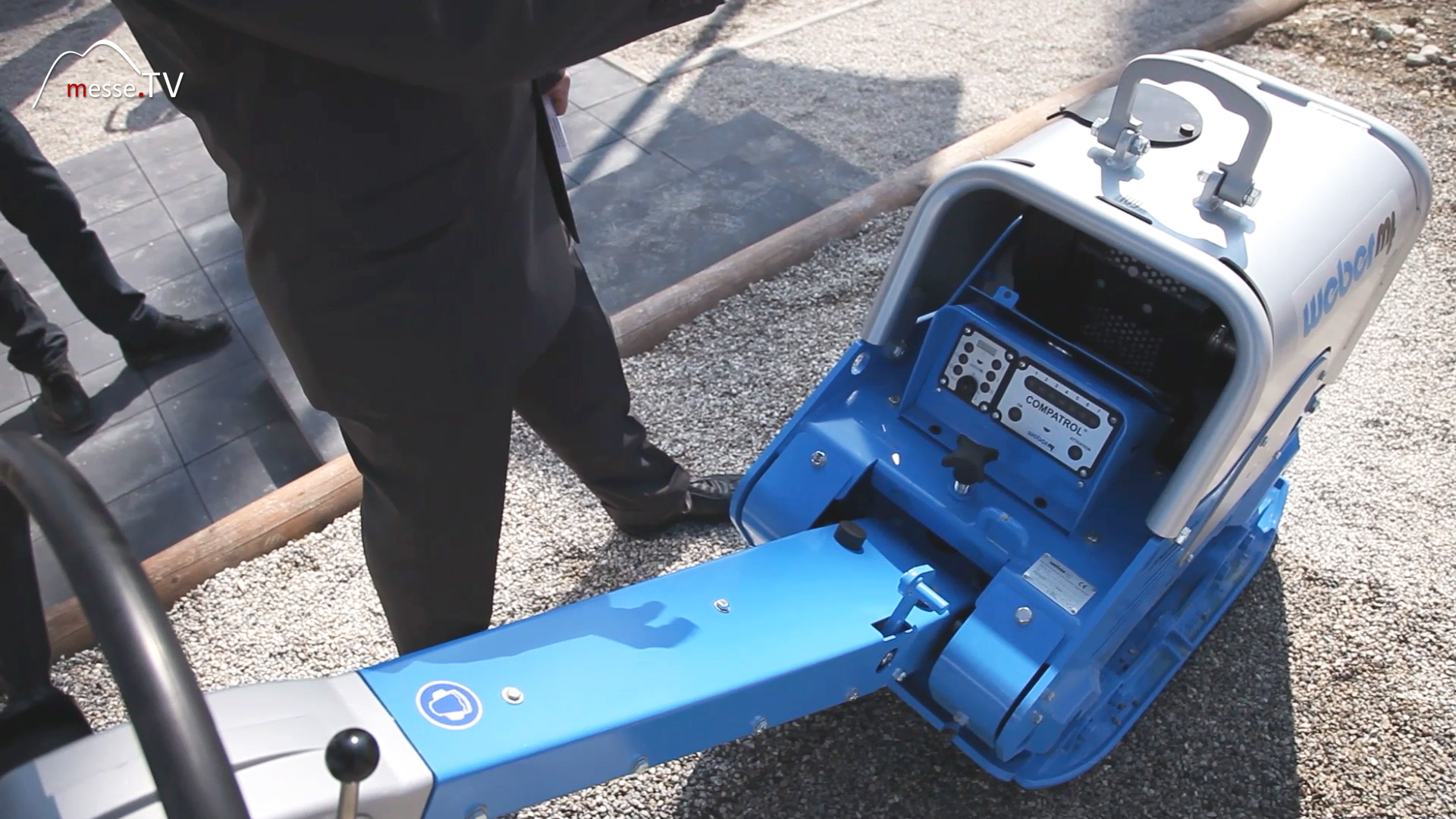

Weber MT expands compaction monitoring to include engine protection
Years ago, Weber MT was among the first manufacturers to introduce comprehensive compaction control for hand-guided soil compactors. The system helps users identify weak spots in the subgrade at an early stage and achieve the most uniform compaction possible. This technology has since been expanded to include additional functions. An electronic monitoring system checks key engine operating parameters and intervenes before serious damage can occur. Sensors monitor, among other things, the condition of the air filter, oil pressure, engine temperature and maintenance intervals. If values fall outside defined limits, the operator receives a warning. Particularly critical conditions can even cause the machine to shut down automatically. The reasoning is clear: an engine running with too little oil or with a heavily soiled air filter can suffer significant damage within a short time. The automatic shutdown is designed to prevent costly repairs or even complete engine failure.
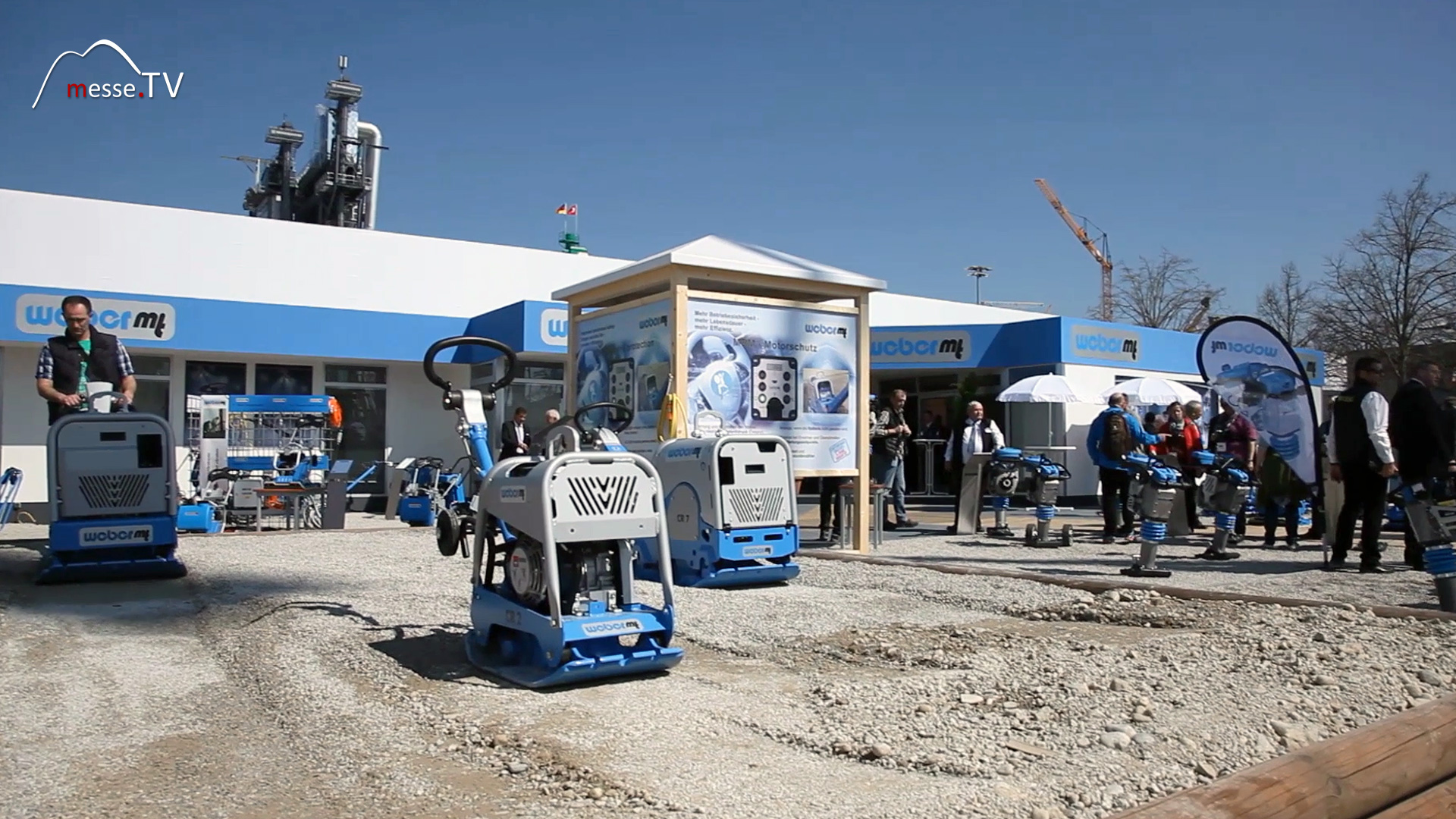
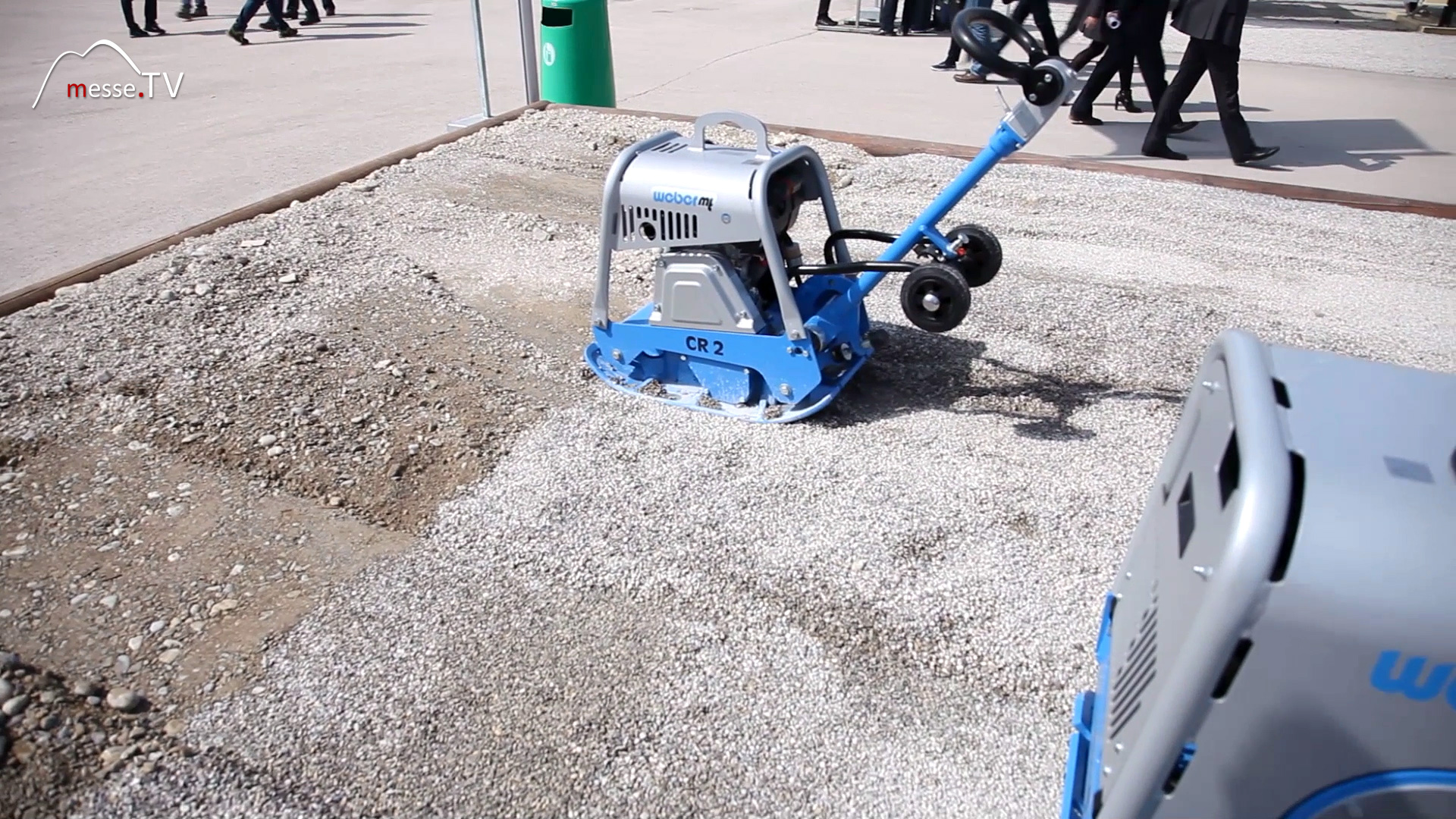
Sensors analyse ground stiffness in real time
However, the actual core feature remains the compaction control itself. For this purpose, a sensor is installed on the base plate which detects and evaluates the vibrations generated during operation. The data collected is correlated with the stiffness of the ground. The machine operator then receives direct feedback via an LED system on the machine. The more LEDs that light up, the higher the load-bearing capacity of the compacted subgrade. The system thus makes visible what could previously often only be assessed through experience or additional testing procedures.

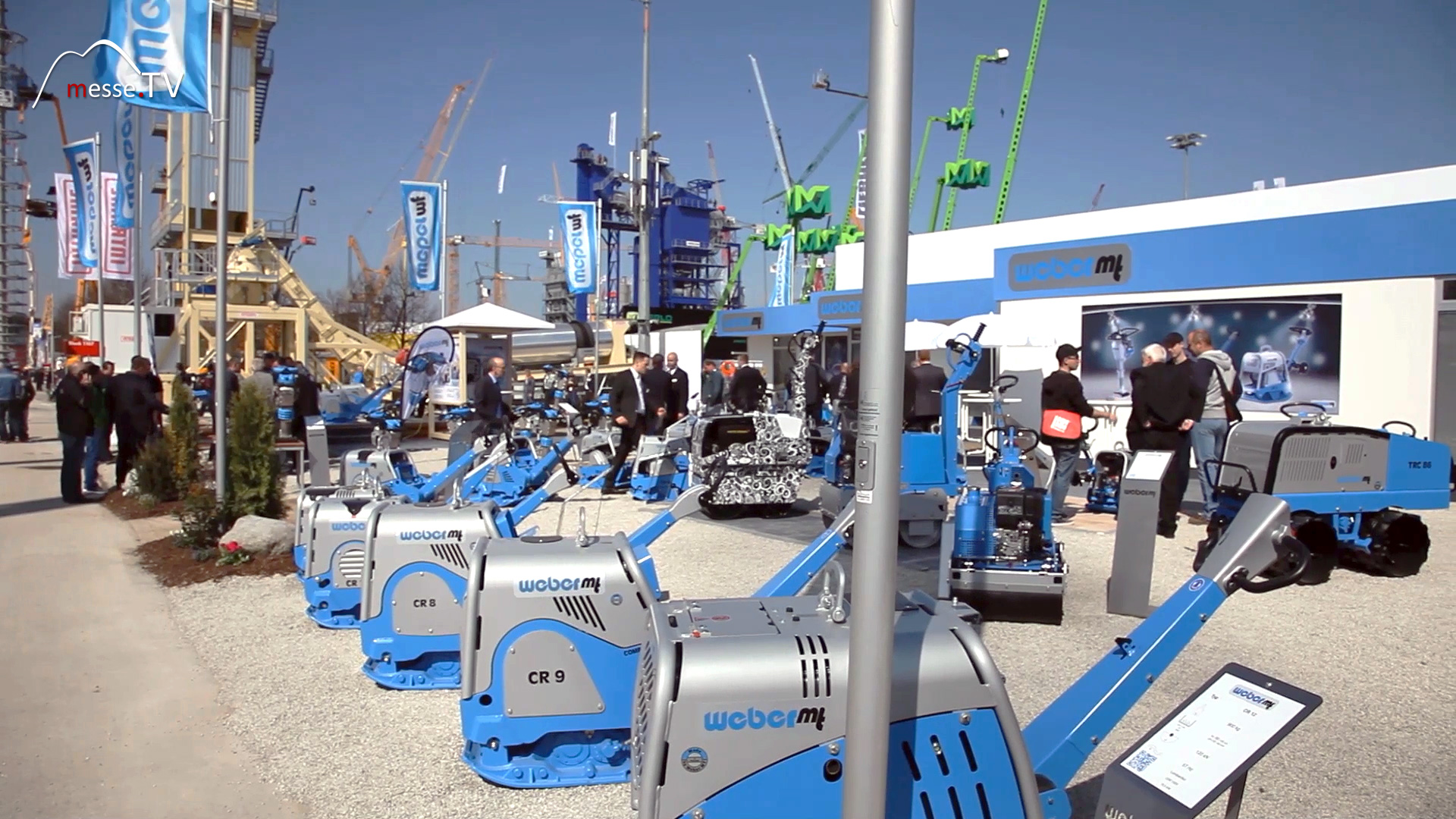
The warning function is particularly helpful in this regard. It indicates both insufficiently compacted areas and excessively firm subgrades.
- Detection of weak spots in the ground
- Real-time monitoring of compaction quality
- Avoidance of unnecessary rework
- Early warning of areas that are too soft
- Indications of over-compaction
- Better documentation of the work carried out
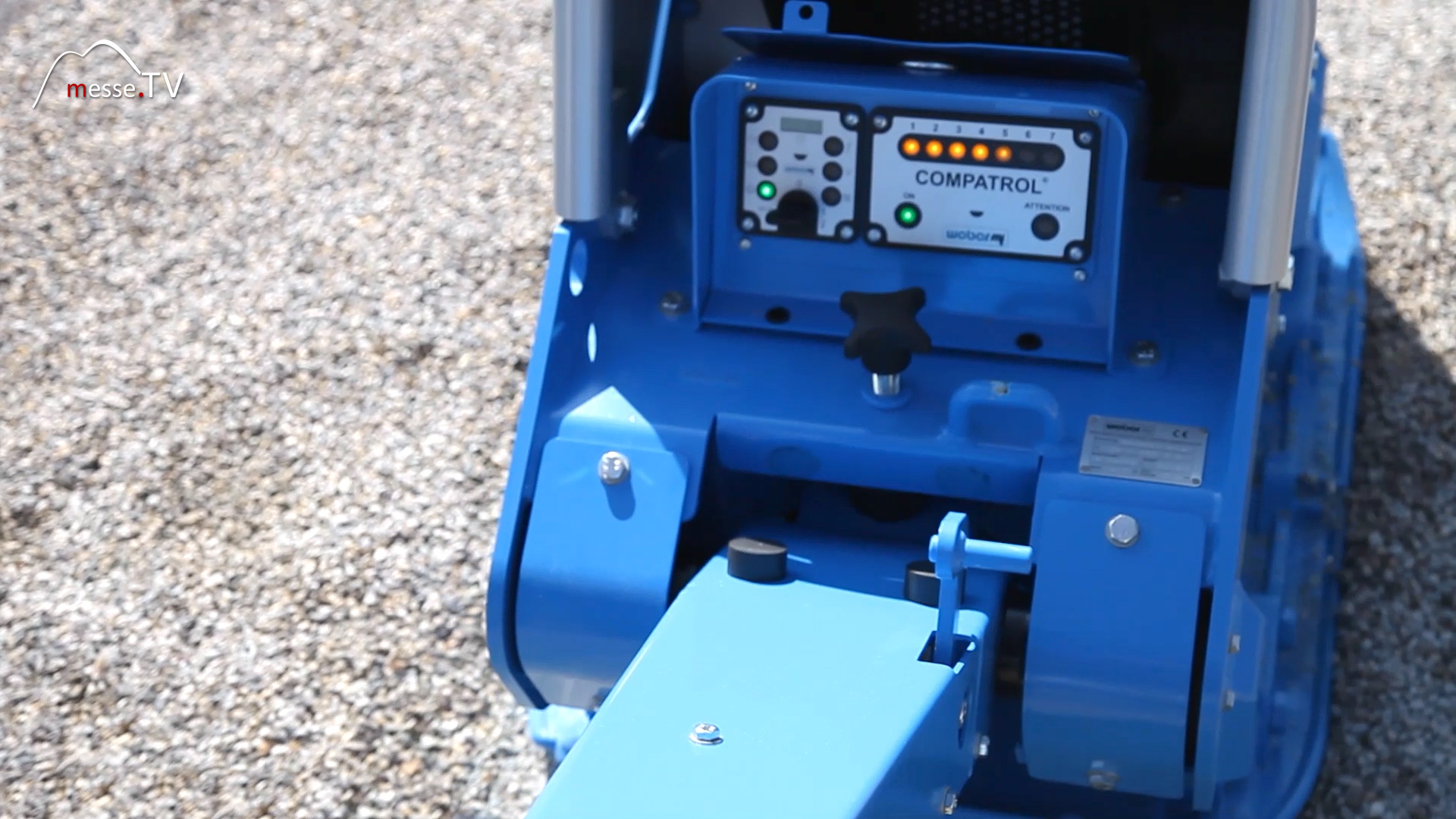
LED display makes ground conditions visible
The system’s operation has been deliberately kept simple. During compaction, the operator monitors the display directly on the device. If the LED scale remains almost dark, this indicates that the subgrade is still too soft. If, on the other hand, the display reaches the maximum value continuously, the system also signals a critical condition. In this case, over-compaction may be occurring, or the machine may be moving over an extremely firm surface such as asphalt. This immediate feedback provides the user with guidance that was previously rarely available with hand-guided compactors. As a result, the quality of compaction becomes less dependent on subjective assessments.
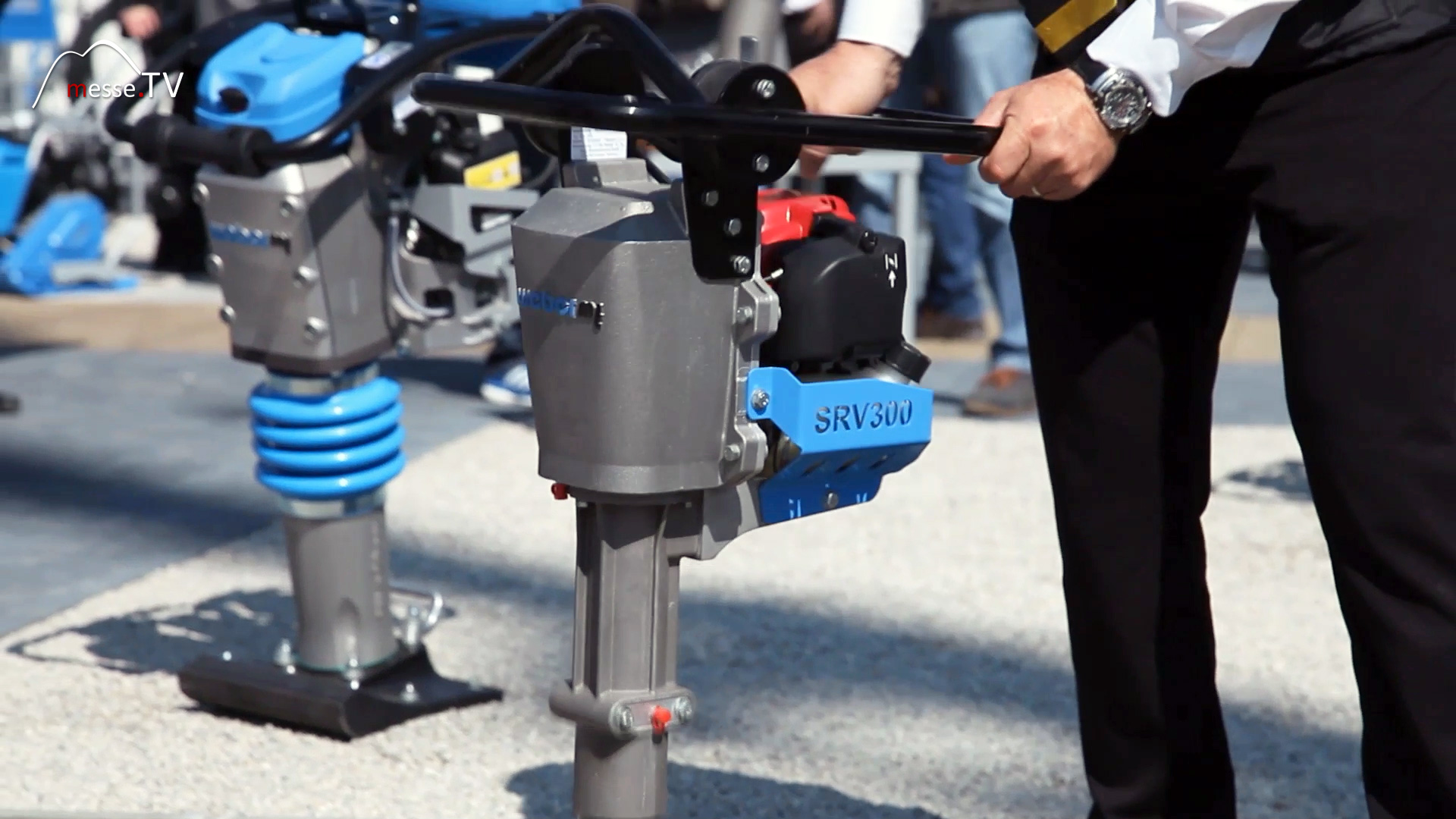
Lightweight vibratory rammer for pipeline construction
In addition to the digital assistance systems, the company also showcased a new solution for pipeline construction. In such applications, narrow working areas often need to be compacted, particularly beneath laid pipes or in narrow trenches. A particularly lightweight vibratory rammer has been developed for such applications. The machine weighs just around 30 to 32 kilograms, making it highly manoeuvrable. Its low weight facilitates work in difficult positions. Users can also guide the device at an angle to place material precisely under pipes or in hard-to-reach areas. This manoeuvrability is a key advantage, particularly in pipeline construction.
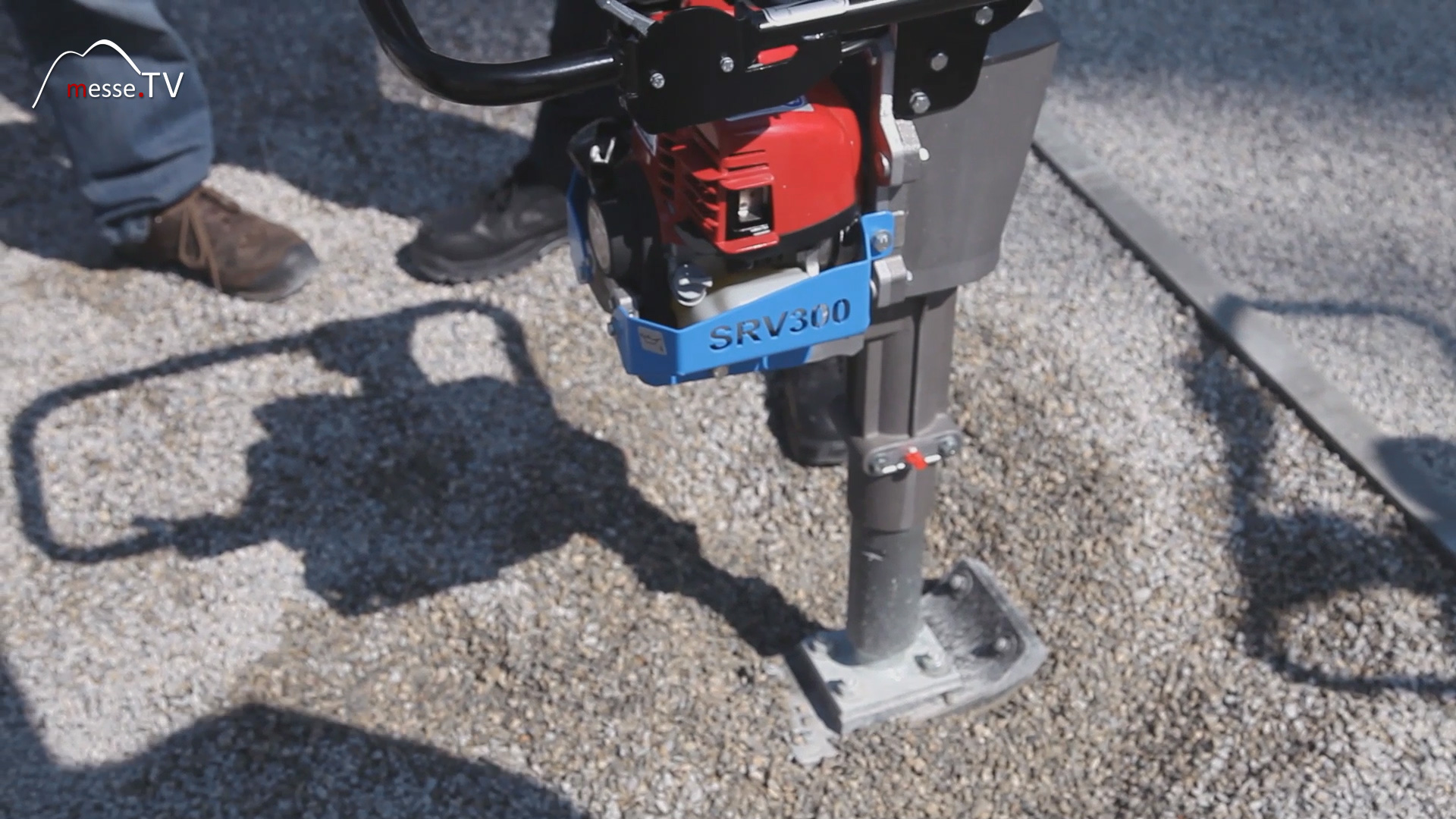
Four-stroke engine for easy handling on everyday construction sites
The rammer is powered by a specially adapted Honda four-stroke engine. The choice of this engine technology is primarily driven by practical considerations. Unlike traditional two-stroke solutions, there is no need to mix fuel blends. This simplifies handling on the construction site and reduces the risk of operator error. At the same time, operators benefit from a robust drive concept designed for daily use. The developments presented at bauma demonstrate how even comparatively compact construction equipment is evolving. Modern compactors no longer perform merely mechanical tasks. Sensors, condition monitoring and digital assistance systems provide additional information that improves both the quality of compaction and the operational safety of the machines. This shifts part of the quality control directly to the machine – right where decisions are made on the construction site.


Trade fair reporting Germany - Trade fair knowledge, dates & events


