Intelligent trailer solutions for construction and asphalt transport
by A. Bergmeier - 2024-02-13Digital assistance systems are increasingly finding their way into sectors long considered the traditional domain of steel, hydraulics and mechanics. This is also evident in the construction and transport sectors.
Modern tipper trailers no longer merely transport materials from A to B, but provide the driver with vital information, assist with safety-critical decisions and are increasingly becoming part of networked workflows. At bauma, Schmitz Cargobull presented new developments for construction and bulk material transport. The focus was on both design improvements to a thermally insulated steel round tipper body and digital assistance systems that can be operated via smartphone.
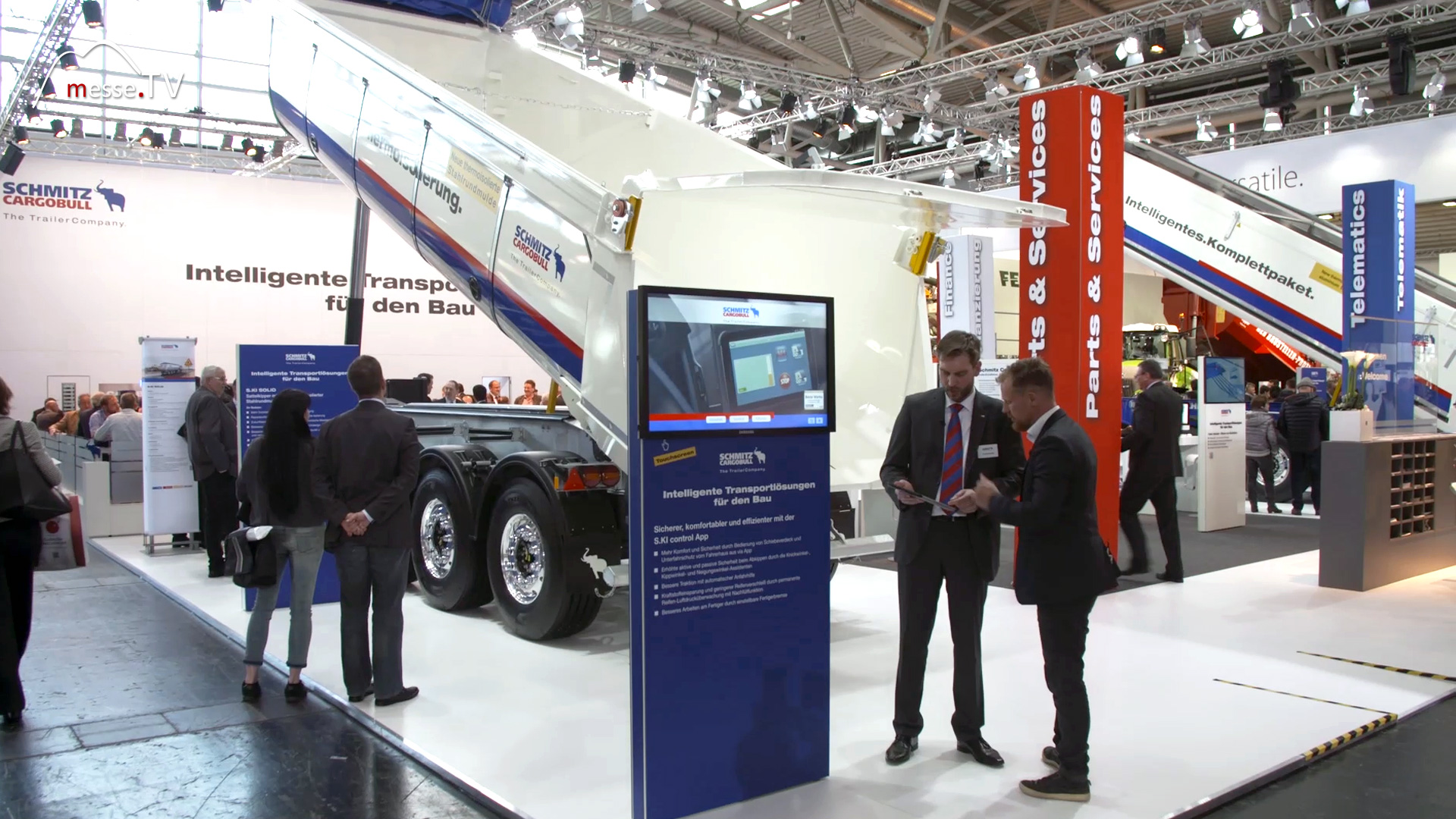

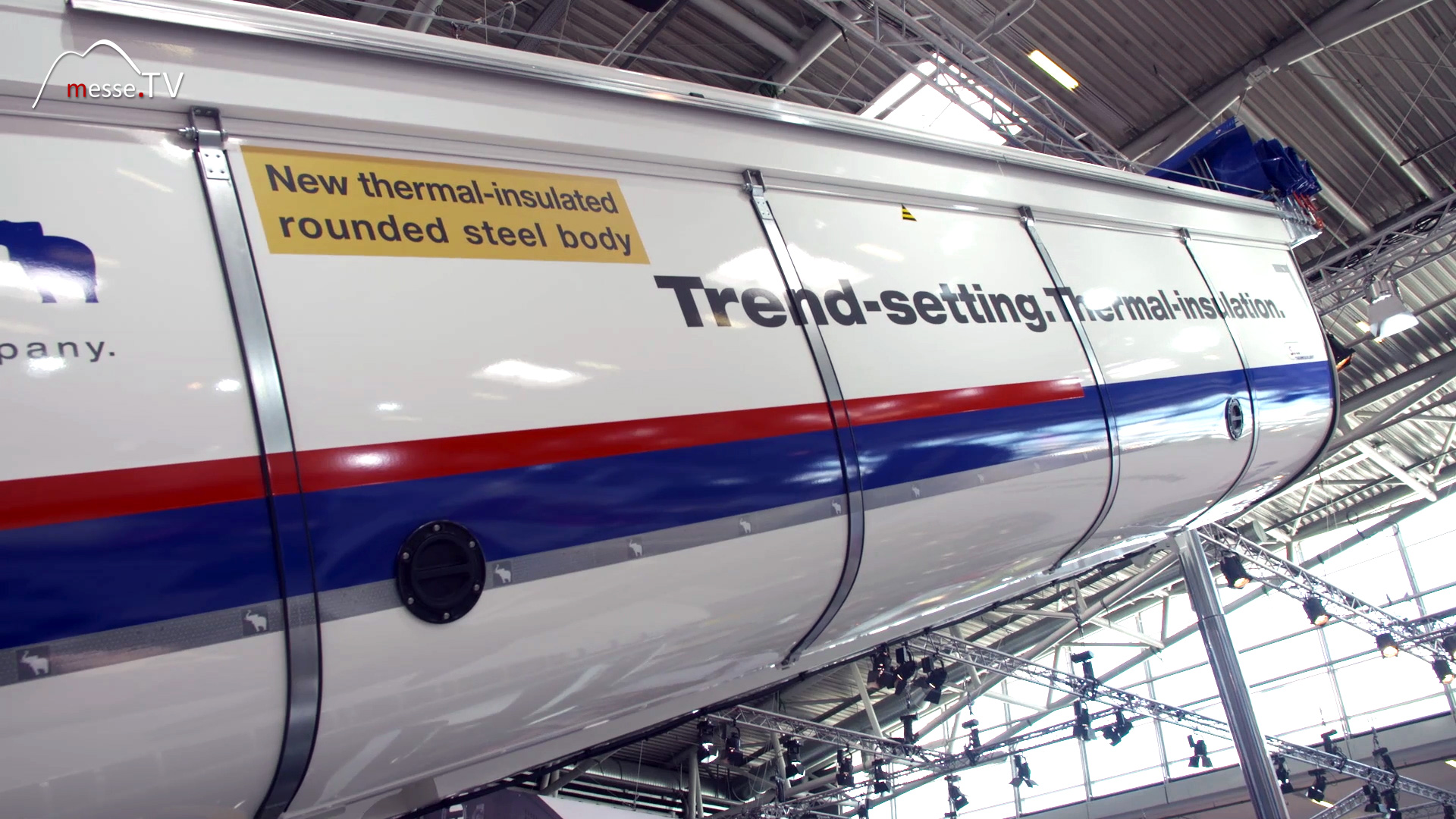
Schmitz Cargobull develops new thermal insulation for steel round skips
One of the most significant innovations concerns the thermally insulated steel round skip for asphalt transport. The manufacturer has opted for a segmented design, which offers several practical advantages. In the event of damage, individual segments can be replaced selectively without the need to replace larger sections. This simplifies repairs and reduces potential downtime. At the same time, a newly developed insulation material is used, which has been specifically designed to withstand the high stresses of daily use on construction sites. The material possesses a rubber-like flexibility and is characterised by high wear resistance. This is particularly important because considerable forces act between the body and the side wall cover during loading and unloading. Twisting and movement lead to friction, which can place significant long-term strain on conventional insulation. In addition, the new material absorbs very little water. This ensures that the insulating properties are maintained over a long period and the structure remains resistant to the demanding conditions of everyday transport operations.
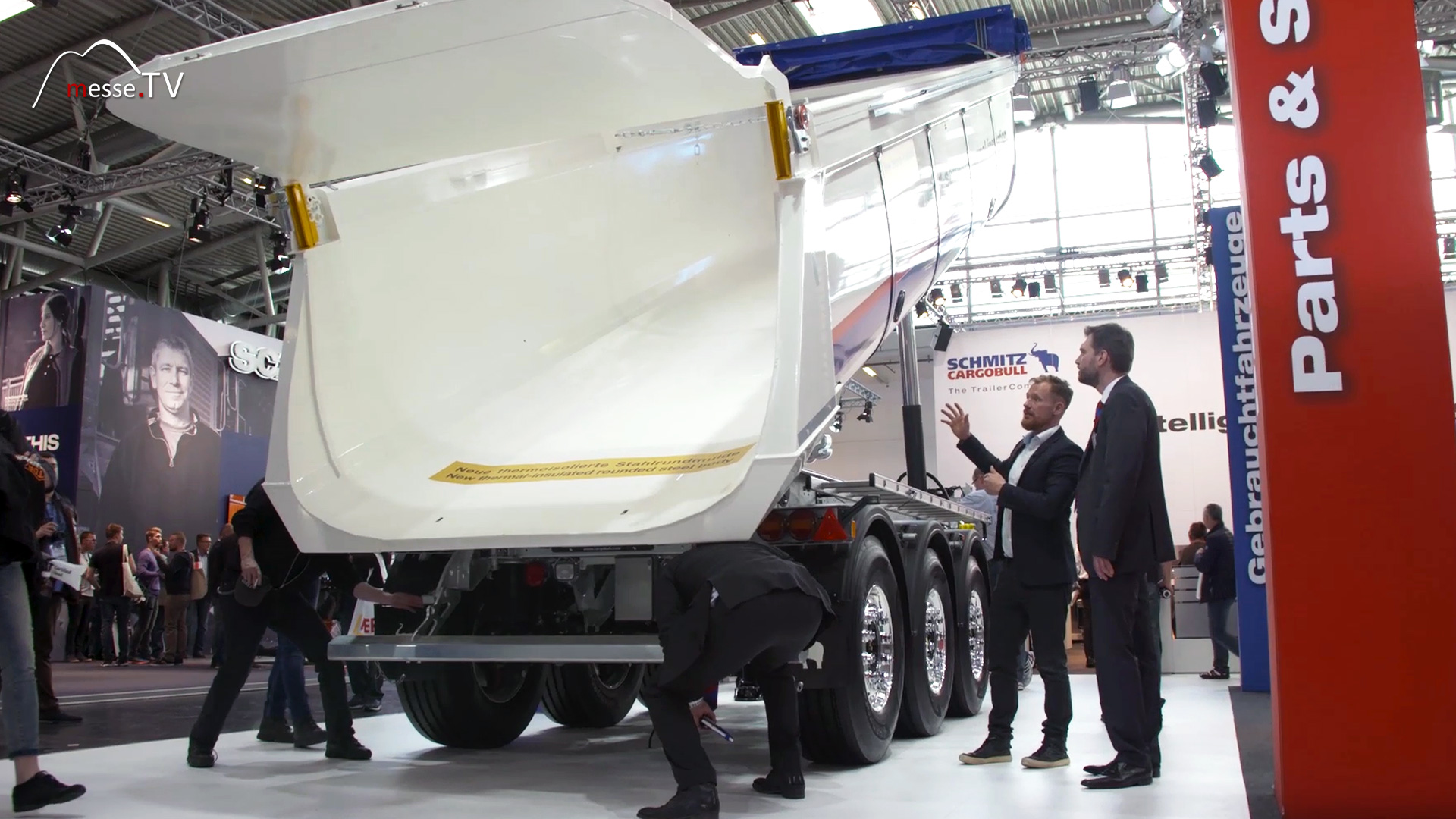
More payload for asphalt, gravel and bulk materials
In addition to durability, the development process also focused on cost-effectiveness. The new design has reduced the vehicle’s unladen weight, thereby increasing the payload. According to the manufacturer, operators gain around 200 kilograms of additional payload. Particularly in the day-to-day transport business, this figure can make a significant difference over many journeys.

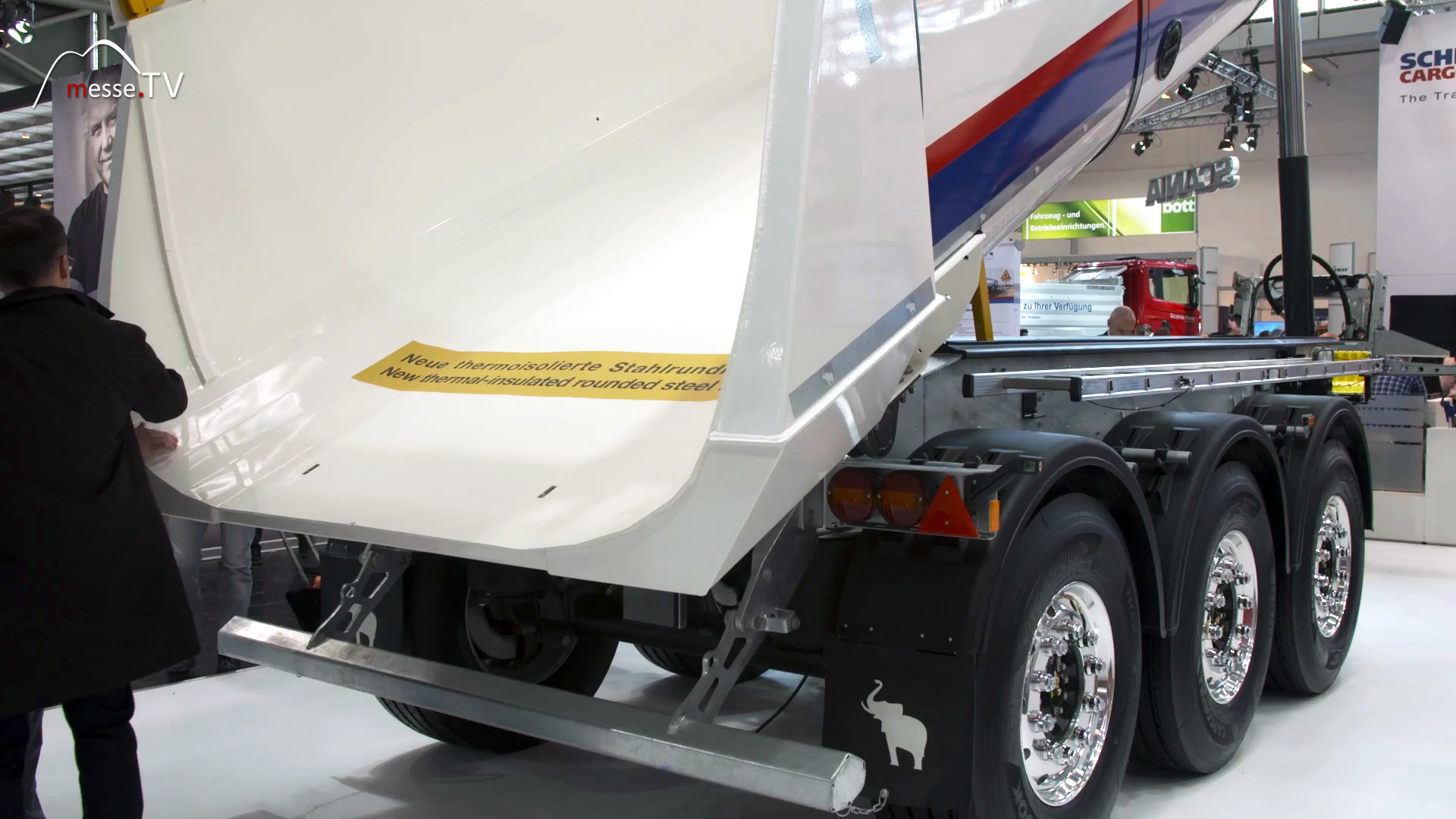
The steel construction also ensures a high degree of flexibility regarding the materials transported. The tipper body is not only suitable for asphalt mix, but also for numerous other bulk materials.
- Asphalt mix
- Sand and gravel
- Aggregates
- Excavated material
- Demolition waste
- Other mineral bulk materials
S.KI Control brings smartphone technology to the trailer
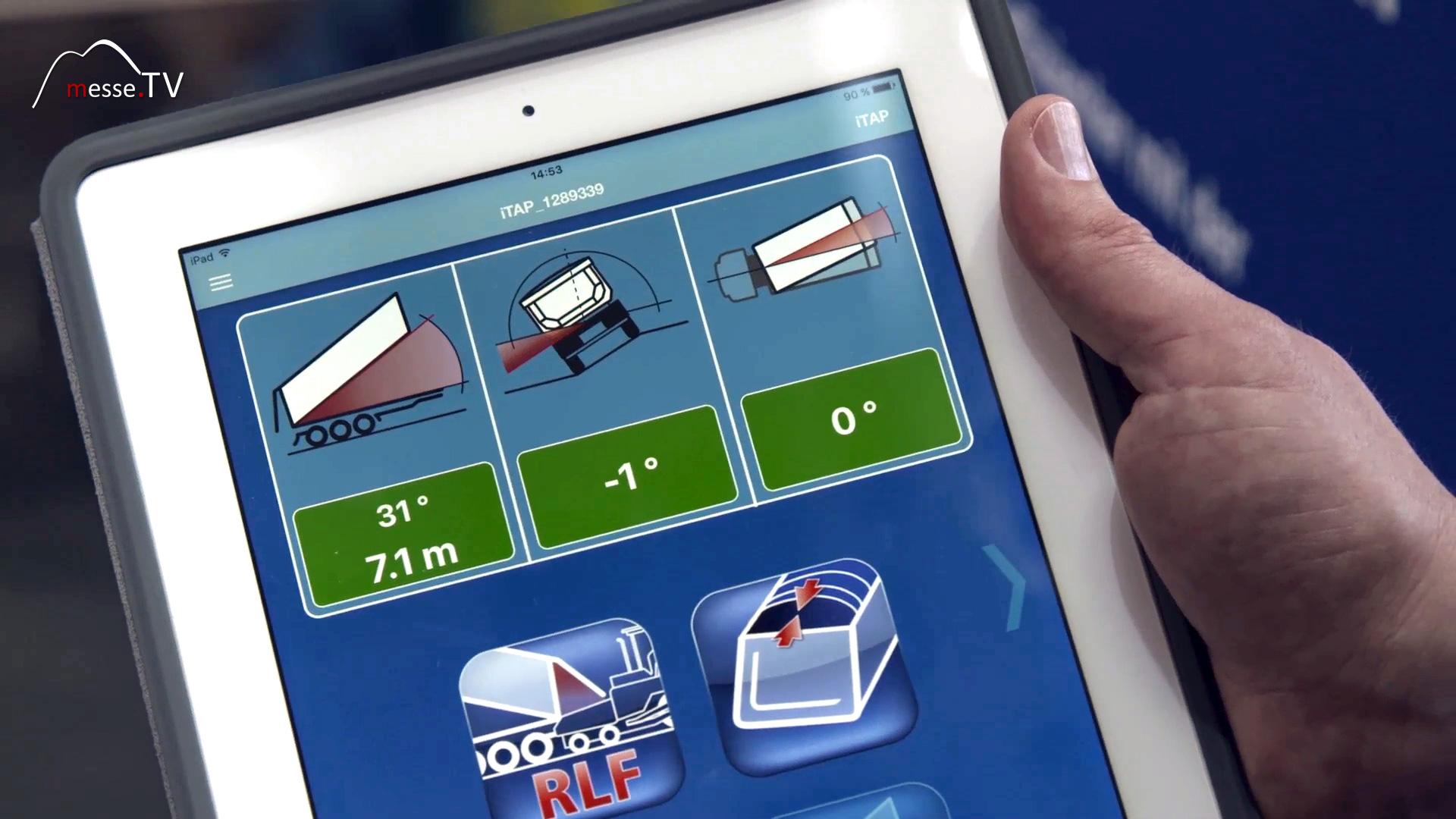
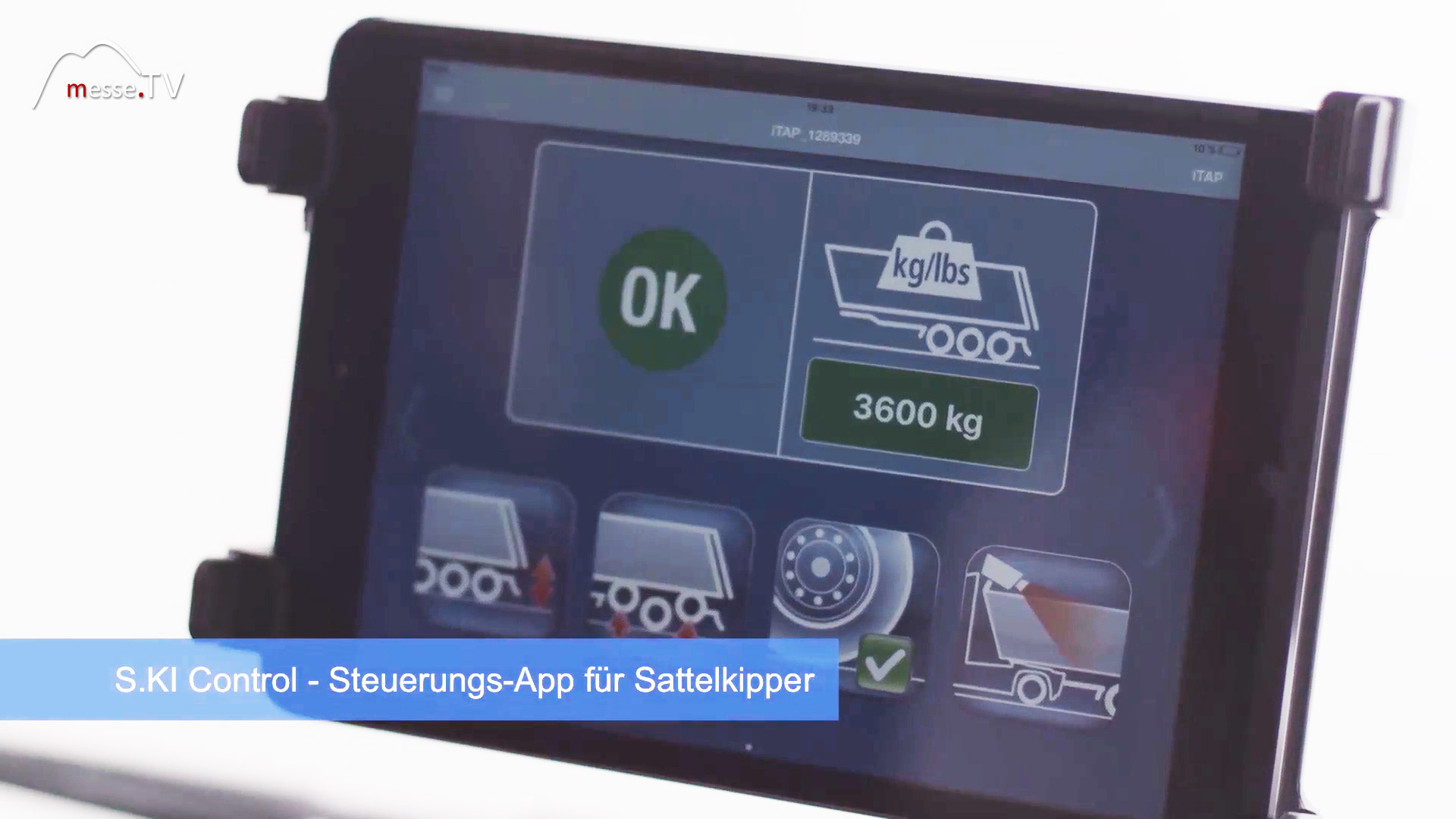
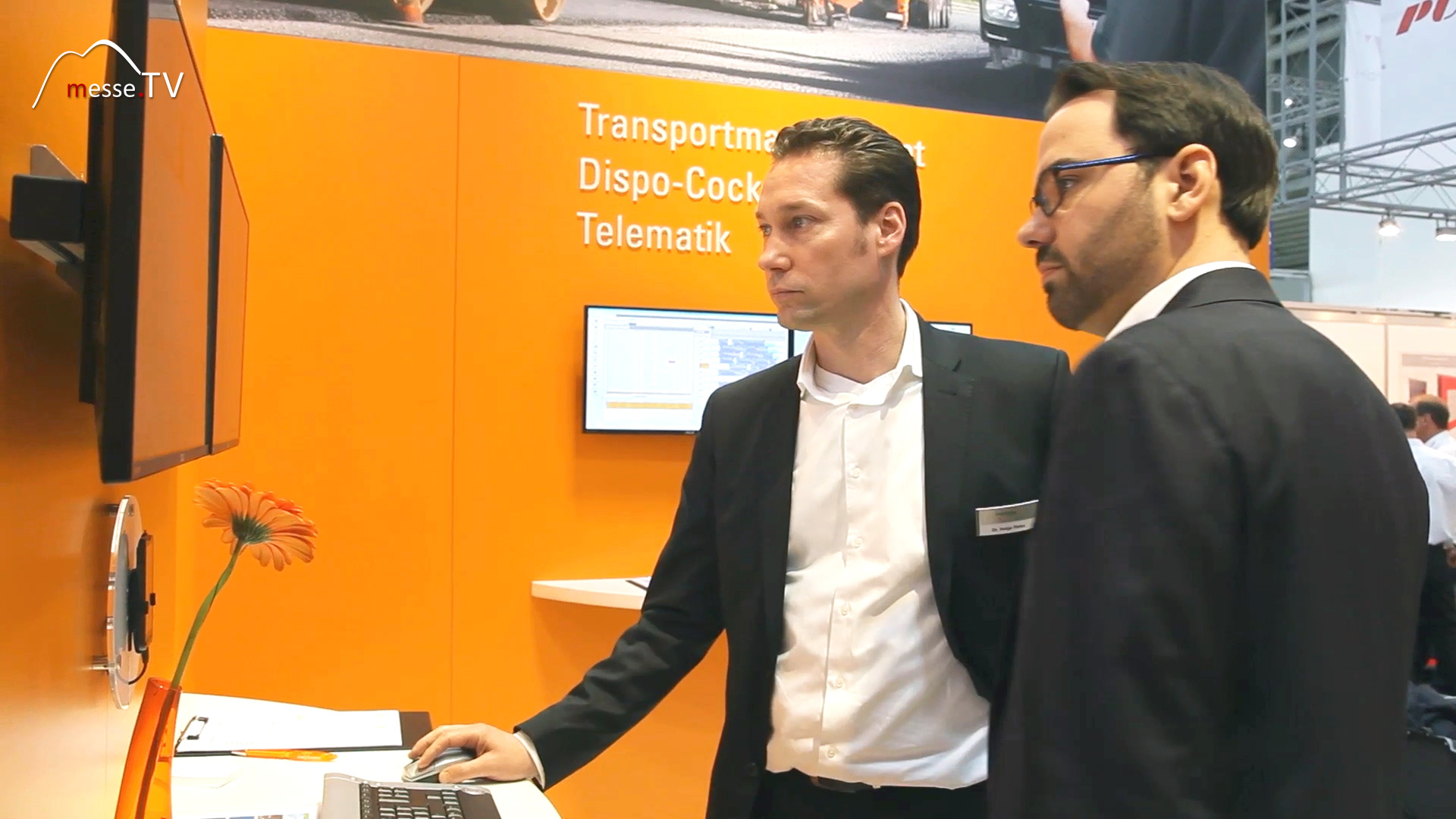
The shift in the field of digital assistance systems is becoming even more pronounced. With S.KI Control, Schmitz Cargobull presents a solution that makes trailer data available directly on a smartphone or tablet. The approach is relatively simple: all the hardware is located on the trailer. No additional installations in the tractor unit are required. This means that different tractor units can be used without the need for adjustments. The app is available for common operating systems and displays important operational data to the driver in real time. This includes, amongst other things, the current tipping angle of the tipper body, the vehicle’s inclination, the position between the tractor unit and the trailer, and the vehicle’s overall height. This gives the driver a constant overview of the current situation – particularly under demanding operating conditions on construction sites or on uneven terrain.
Safety features are designed to prevent tipping accidents
A key focus of the system is on accident prevention during the tipping process. Especially when unloading bulk materials, tipping accidents are among the most serious risks in everyday construction site operations. The assistance system continuously monitors various parameters:
- Tipping angle of the tipper body
- Vehicle inclination
- Angle between tractor unit and trailer
- Overall height of the vehicle
Digitalisation is becoming an integral part of modern trailers
This development shows that digital technologies are now playing an increasingly significant role in trailers and semi-trailers too. What seemed unusual just a few years ago is increasingly becoming the norm. Drivers receive more information directly at the job site, companies benefit from additional data, and vehicles become safer and more efficient to use. Digitalisation is not limited to individual displays, but is gradually evolving into a comprehensive assistance system. According to the manufacturer, discussions with customers are already yielding new ideas for future functions. Among other things, work is underway on a weighing system that uses data from air suspension and hydraulic cylinders to determine the current vehicle weight. The solutions presented at bauma demonstrate that the future of trailer construction lies not solely in robust designs. The combination of durable technology, intelligent sensor systems and digital assistance functions is becoming increasingly crucial. It is precisely at this interface that modern construction site and bulk material transport is currently developing particularly dynamically.

Trade fair reporting Germany - Trade fair knowledge, dates & events


