Mining between a slump in raw materials and digital transformation
by A. Bergmeier - 2024-02-13Global demand for raw materials remains high. At the same time, the mining industry has been in a phase of cautious investment for years. This creates a difficult market environment for manufacturers of mining machinery and equipment.
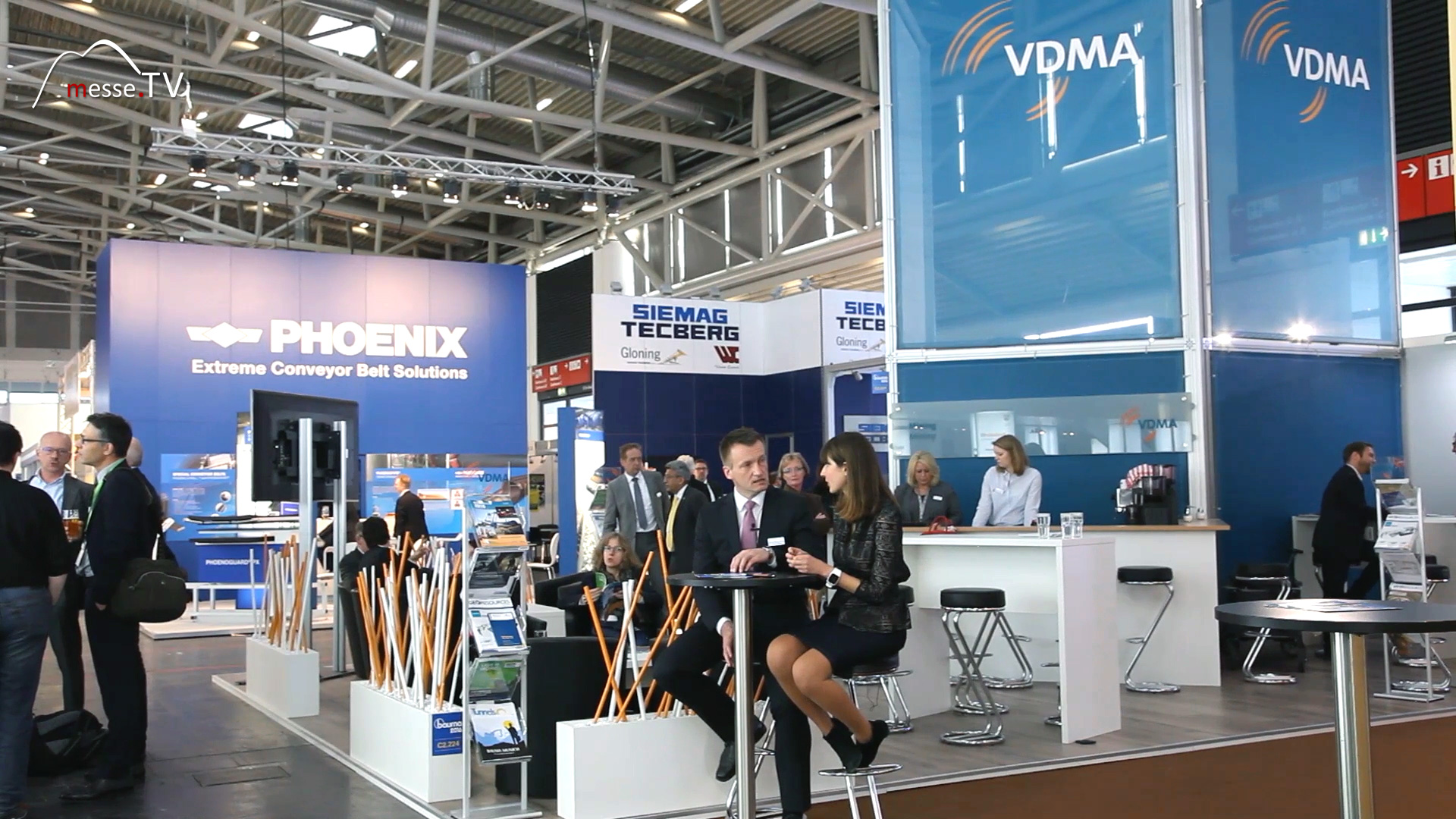
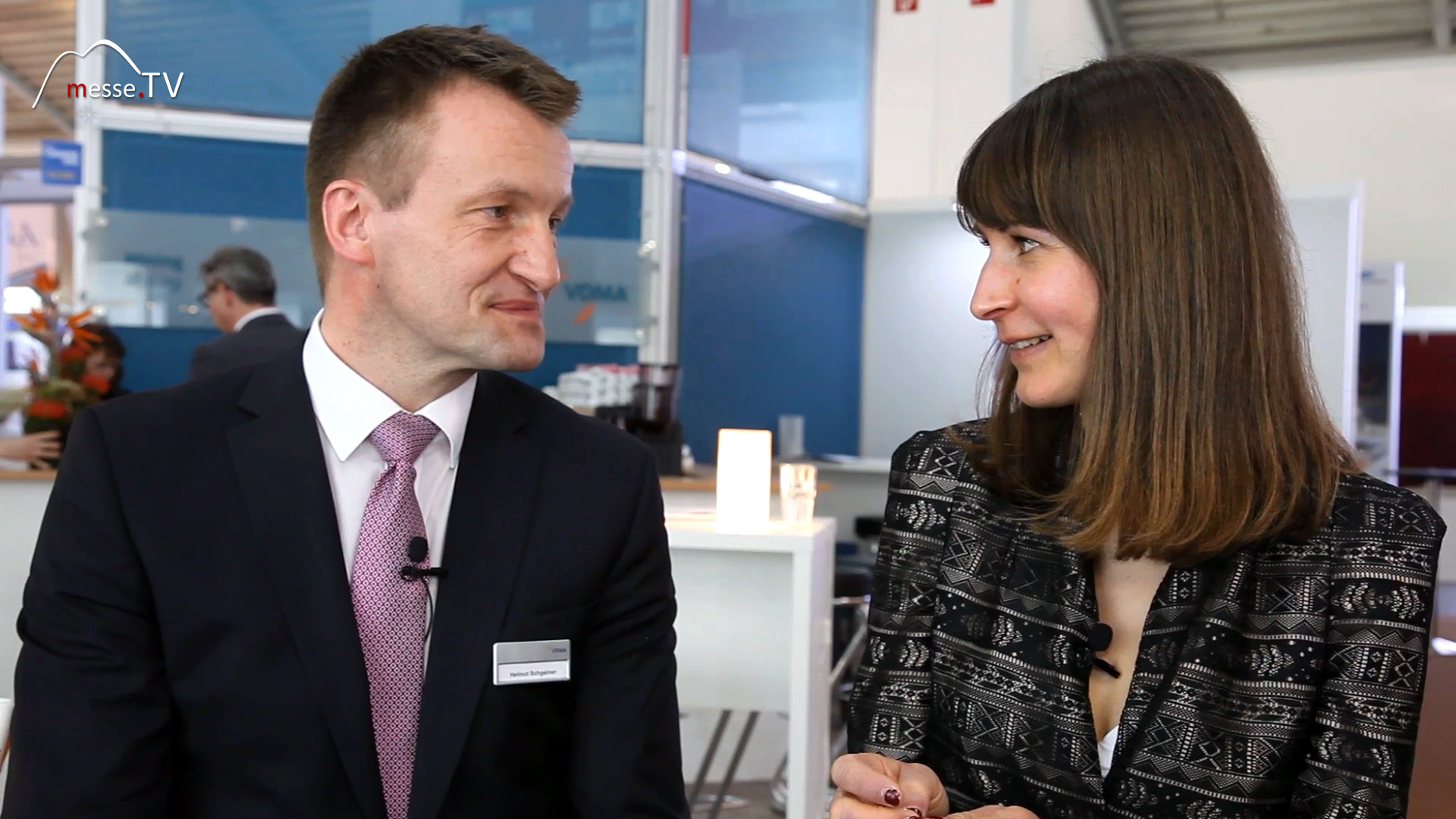
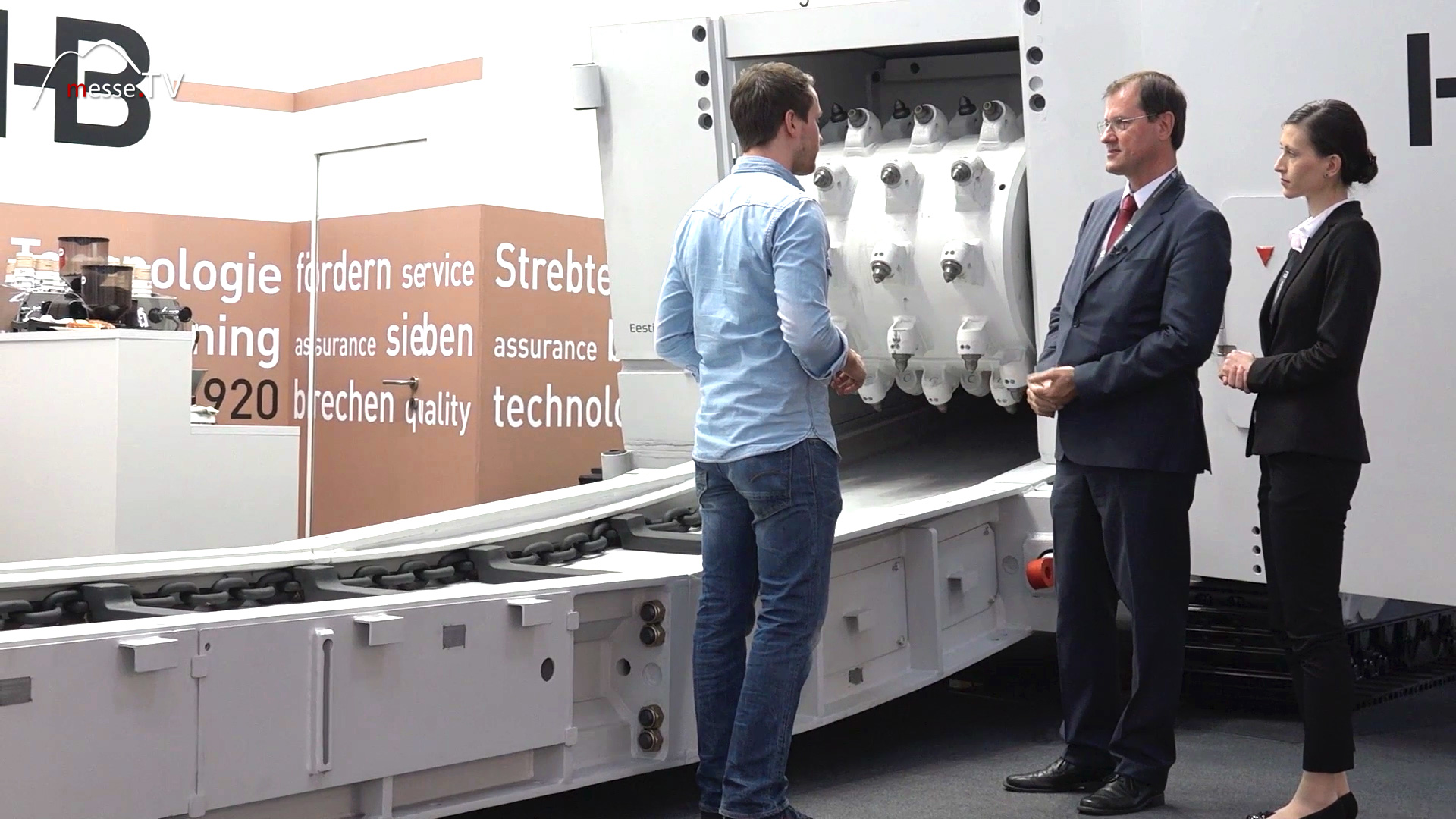
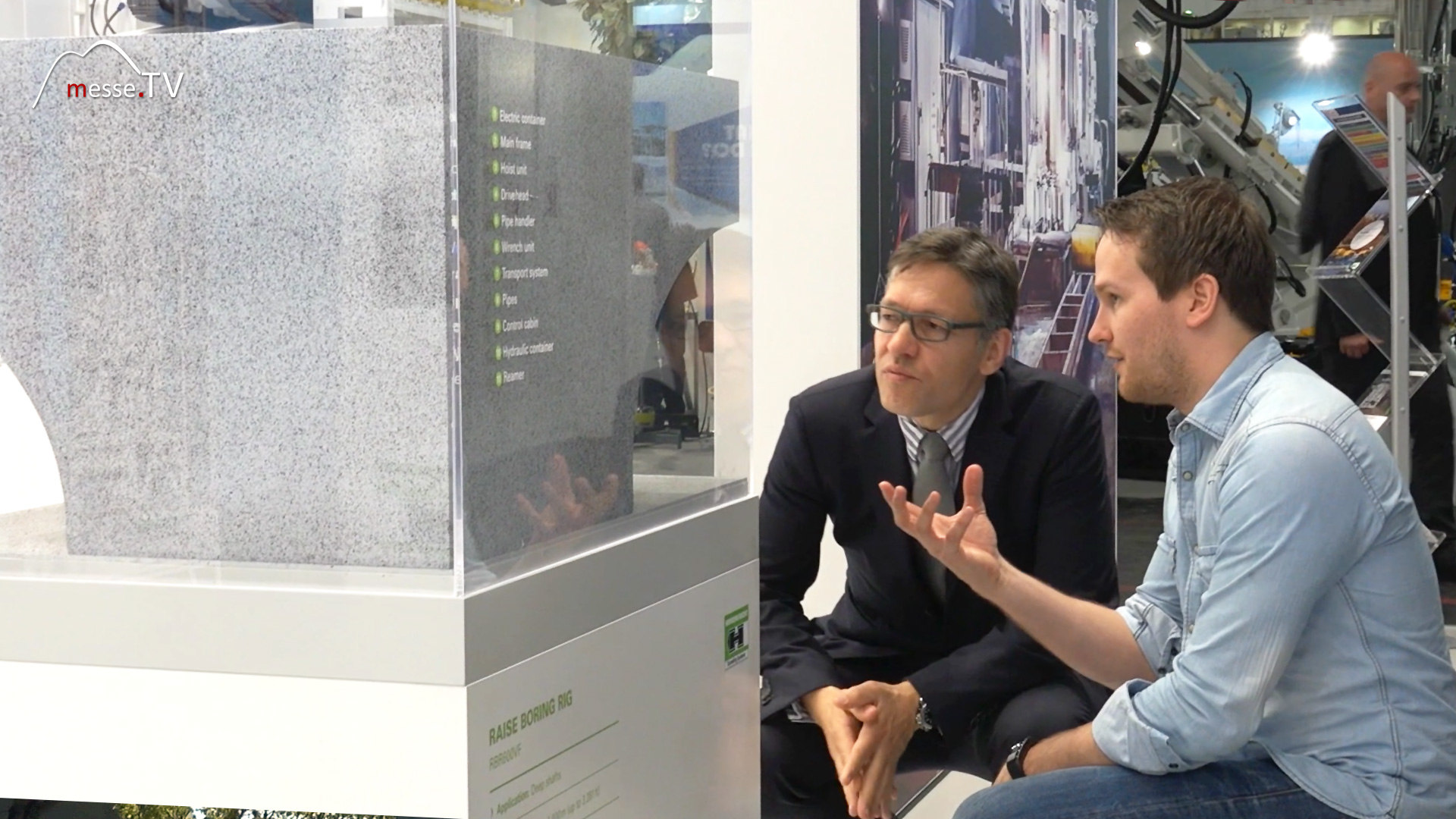
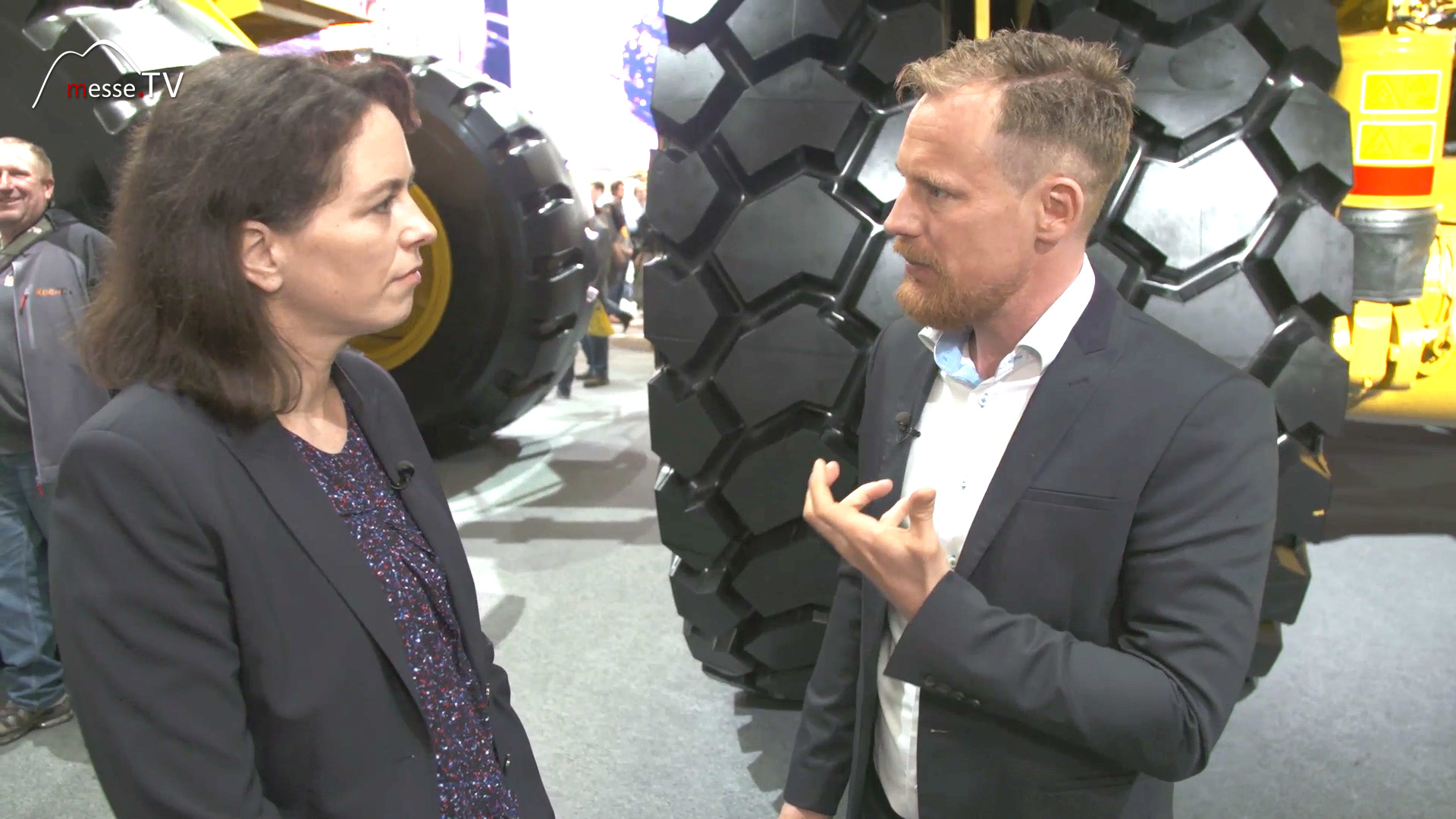
At bauma, Helmut Schgeiner from the Mining Division of the VDMA explained which developments are currently shaping the industry and what role digitalisation, service concepts and data usage will play in the future. It is clear that the challenges extend far beyond the German market. The situation affects almost the entire international raw materials industry and has a direct impact on manufacturers, suppliers and operators of mining facilities.
VDMA Mining represents mechanical engineering and mining suppliers
The VDMA is one of the most important industry associations in the mechanical and plant engineering sector. Within the organisation, the Mining Association brings together the interests of companies that develop and produce machinery, plant and technical solutions for the mining industry. The focus is primarily on German manufacturers and suppliers whose products are exported worldwide. At the same time, the association is increasingly opening up to European companies. This international orientation plays an important role, as the markets of the mining industry are globally interconnected. For member companies, it is no longer just about individual machines. What is in demand are complete system solutions, digital services and long-term support throughout the entire lifecycle of plant.
Low commodity prices are dampening the willingness to invest
According to the association’s assessment, the current market situation is characterised above all by persistently weak commodity prices. Falling prices are leading many operators to scale back or postpone their investments. Large mining groups in particular face intense international competition. To secure market share, production costs are being optimised and investments in new extraction sites are frequently delayed. This has a direct impact on demand for new machinery and plant. In some respects, the situation is reminiscent of developments in the energy markets. Low crude oil prices are often viewed positively by consumers. For companies along the value chain, however, they can have significant economic consequences. Similar mechanisms are currently evident in the case of numerous mineral raw materials. The industry’s current challenges include:
- low willingness to invest among many mine operators
- persistently low commodity prices on international markets
- fierce competition between major mining groups
- postponed projects and lower demand for new plant
- growing importance of service and maintenance
Service and operations are taking centre stage
When fewer new machines are sold, existing equipment becomes more important. Many companies are therefore focusing more on maintenance, repair and digital services. The operation of a machine is increasingly becoming a business segment in its own right. Operators expect high availability, predictable maintenance intervals and the most comprehensive monitoring of their equipment possible. For manufacturers, this creates an opportunity to offer additional services and support customers in the long term. Particularly during economically challenging market phases, such approaches help to maintain stable business relationships. At the same time, companies are using this to prepare for the moment when investment activity picks up again.

Why the sector is banking on recovery despite the crisis
Despite the current downturn, the industry is not fundamentally pessimistic about the future. Global demand for raw materials remains strong. Infrastructure projects, industrial production, digitalisation and the energy transition continue to require large quantities of metals and mineral raw materials. From the perspective of many market observers, the current reluctance to invest is therefore out of proportion to long-term demand. However, it is difficult to predict exactly when a turnaround will occur. The development depends on numerous economic and geopolitical factors. Helmut Schgeiner points out that the situation can only be explained to a limited extent through analysis. The demand for raw materials is fundamentally there. The uncertainty primarily concerns the timing of a sustained recovery.
VDMA Mining shapes the content of bauma
bauma holds particular significance for the VDMA. The association is not merely an exhibitor or observer, but actively contributes to shaping the content as a partner of Messe München. A visible example of this is the bauma Forum. Here, specialist topics are discussed, presentations organised and future trends in the industry presented. The association sees itself as a source of ideas and a catalyst for content, whilst the trade fair company handles the organisational implementation. This collaboration has existed for many decades and has contributed significantly to establishing the event as an international meeting place for the construction, building materials and mining machinery sectors.
Data usage and Industry 4.0 shape the future
The trade association cites the increasing use of data as the most important trend at the current bauma. Industry 4.0 is also becoming a key topic in the mining sector. This is not just about individual digital applications, but about the comprehensive management of machine performance, operational data and processes. Sensors, assistance systems and networked platforms provide information that can be used to optimise productivity and availability. The development is similar to that in the automotive sector. Mechanical components remain indispensable, but are increasingly being supplemented by digital functions. In mining, this is creating new opportunities for maintenance, control and operational optimisation. The discussion at bauma shows that the industry is in a transitional phase. Whilst investment in new equipment is currently cautious in many places, the technological foundations for the next phase of growth are being laid at the same time. Data usage, digital services and intelligent assistance systems are likely to play a key role in this.
Trade fair reporting Germany - Trade fair knowledge, dates & events


