Sensorik und Sicherheitssteuerung für moderne Kransysteme
von Bastian Velonavy - 2024-02-13Wer einen Mobilkran oder Portalkran betrachtet, sieht zunächst Stahlkonstruktionen, Hydraulik und große Lasten. Weniger sichtbar sind die Systeme, die im Hintergrund Positionen erfassen, Bewegungen überwachen und für einen sicheren Betrieb sorgen.
Gerade mit zunehmender Automatisierung gewinnen Sensorik, Datenübertragung und intelligente Steuerungen an Bedeutung. Auf der bauma zeigte sich, wie eng diese Technologien inzwischen mit modernen Baumaschinen und Krananlagen verknüpft sind. Maschinen werden nicht nur leistungsfähiger, sondern auch vernetzter. Für Hersteller bedeutet das, Komponenten bereitzustellen, die präzise Daten liefern und gleichzeitig hohe Anforderungen an Sicherheit und Verfügbarkeit erfüllen. Genau in diesem Umfeld positioniert sich Kübler mit einem Portfolio aus Sensorik, Übertragungstechnik, Anzeigen und Sicherheitslösungen für die mobile Automation.
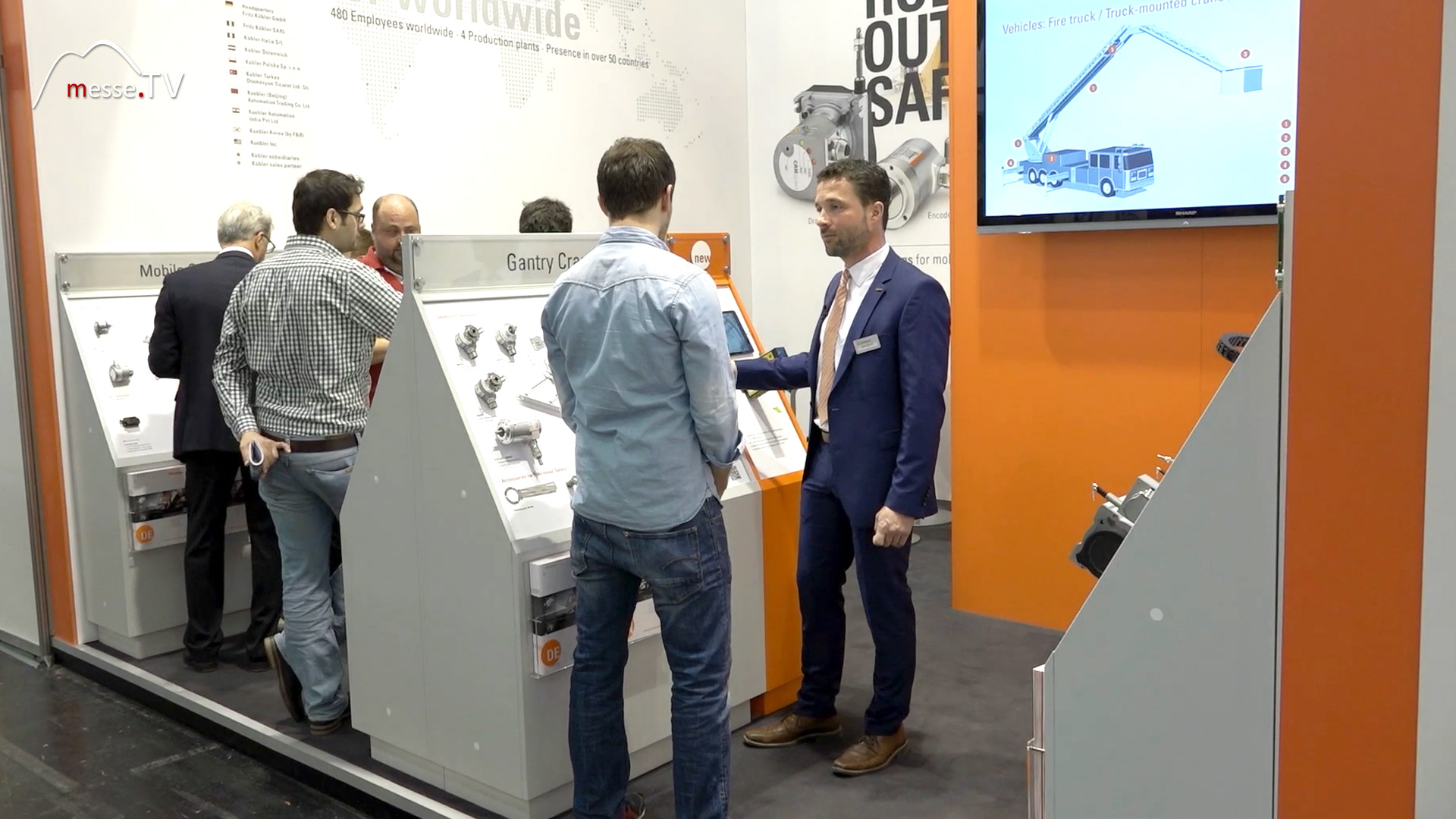
Kübler entwickelt Sensorik für mobile Baumaschinen
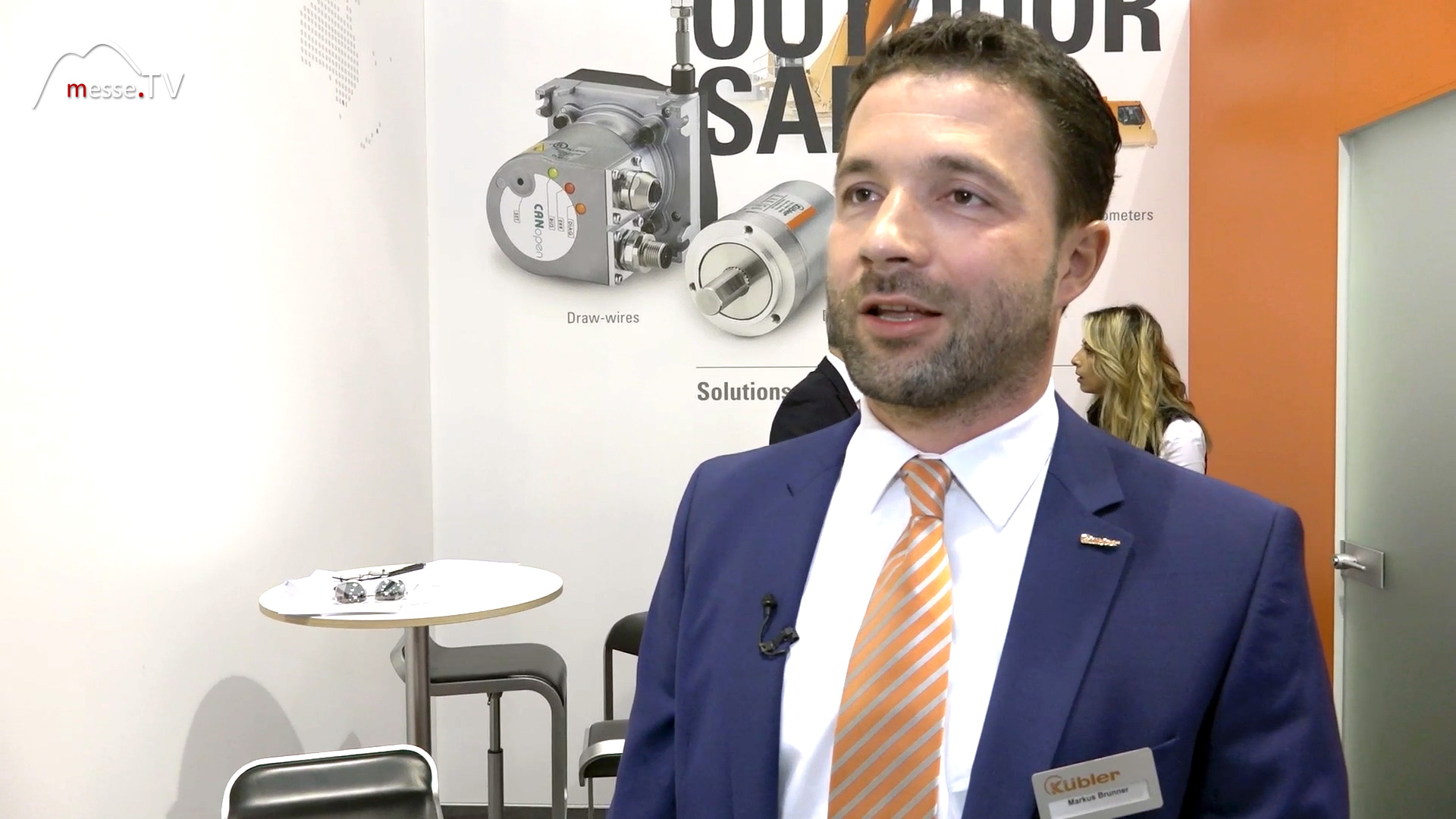
Kübler entwickelt und produziert seine Produkte ausschließlich in Deutschland. Das Unternehmen bietet Lösungen für Positions- und Bewegungserfassung, Schleifringe, Übertragungstechnik sowie Anzeigen und Prozessvisualisierung an. Auf der bauma lag der Schwerpunkt auf mobilen Arbeitsmaschinen, insbesondere auf Krananwendungen. Dort kommen zahlreiche Sensoren zum Einsatz, die unterschiedliche Bewegungen und Zustände überwachen. Die Anforderungen sind hoch: Die Systeme müssen unter wechselnden Wetterbedingungen, bei Vibrationen und unter starker mechanischer Belastung zuverlässig arbeiten.
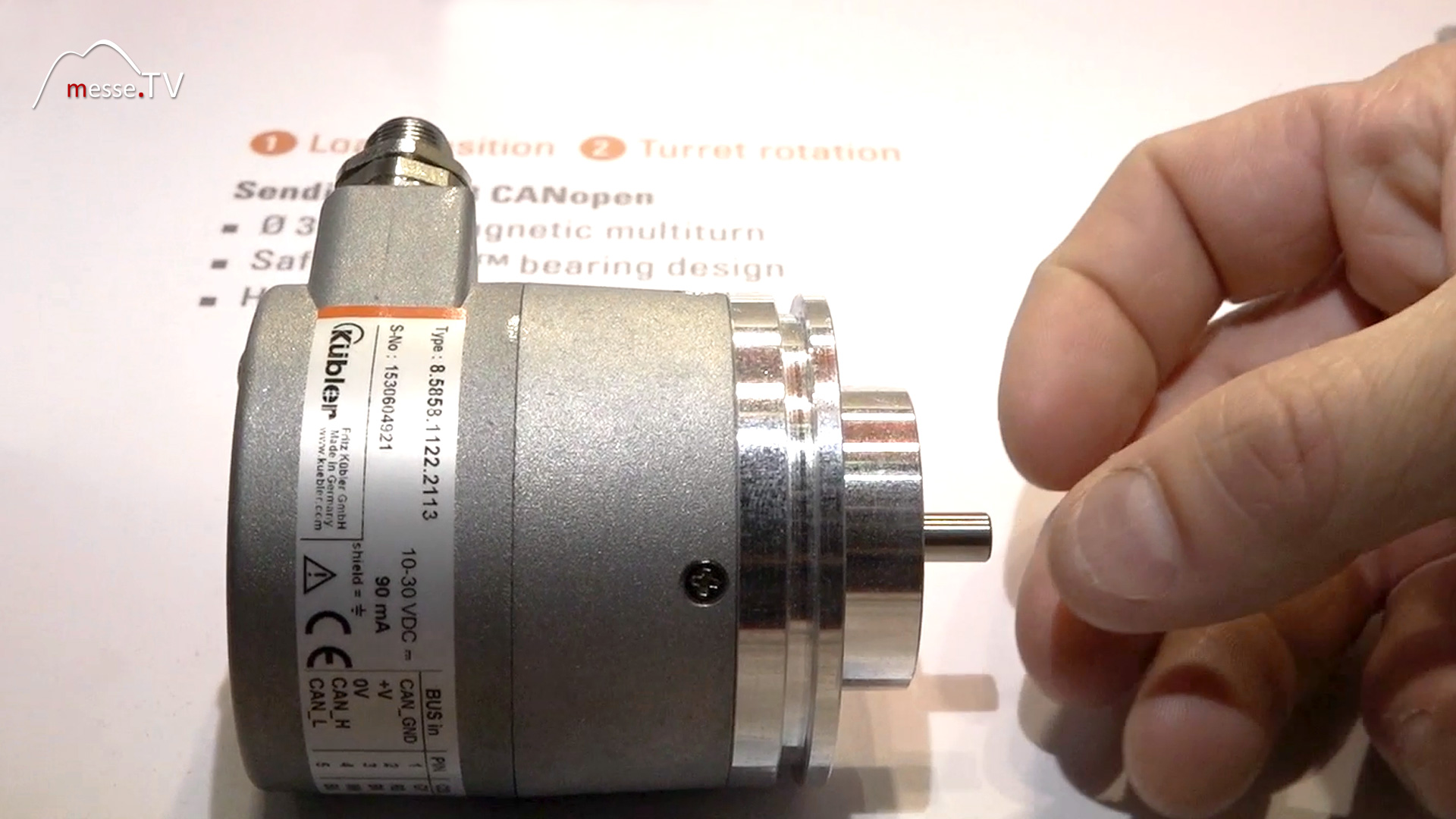
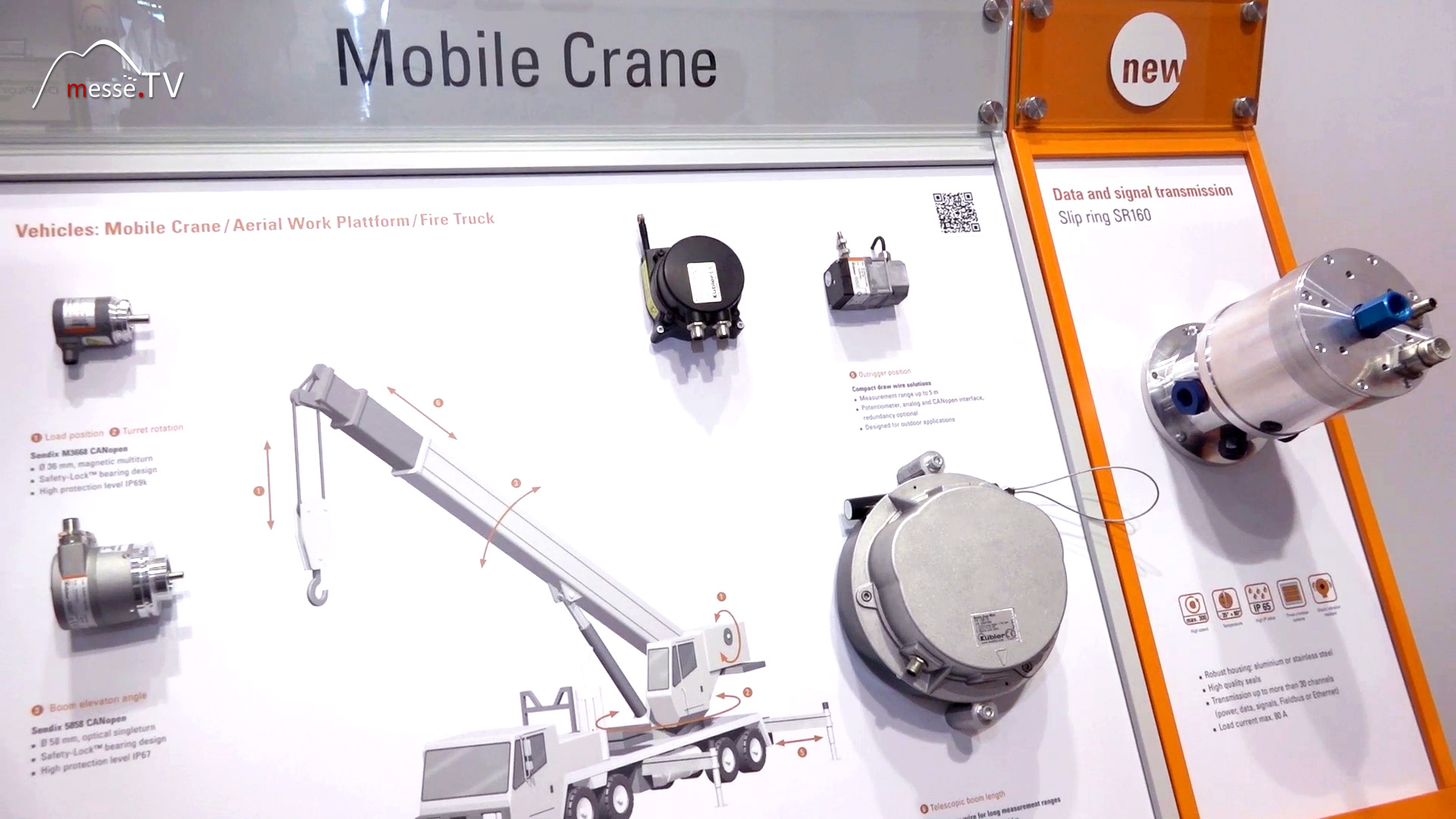
An einem Mobilkran lässt sich gut erkennen, wie umfassend moderne Sensorik inzwischen eingesetzt wird. Drehgeber erfassen beispielsweise Hubbewegungen und die Drehung des Oberwagens. Seilzugsensoren messen die Ausfahrlänge von Teleskopmasten oder die Position von Abstützungen. Neigungssensoren überwachen die horizontale Ausrichtung des Fahrzeugs sowie den Aufstellwinkel des Kranarms. Damit entsteht ein digitales Abbild der Maschinenbewegungen, das sowohl für die Bedienung als auch für Sicherheitsfunktionen unverzichtbar geworden ist.
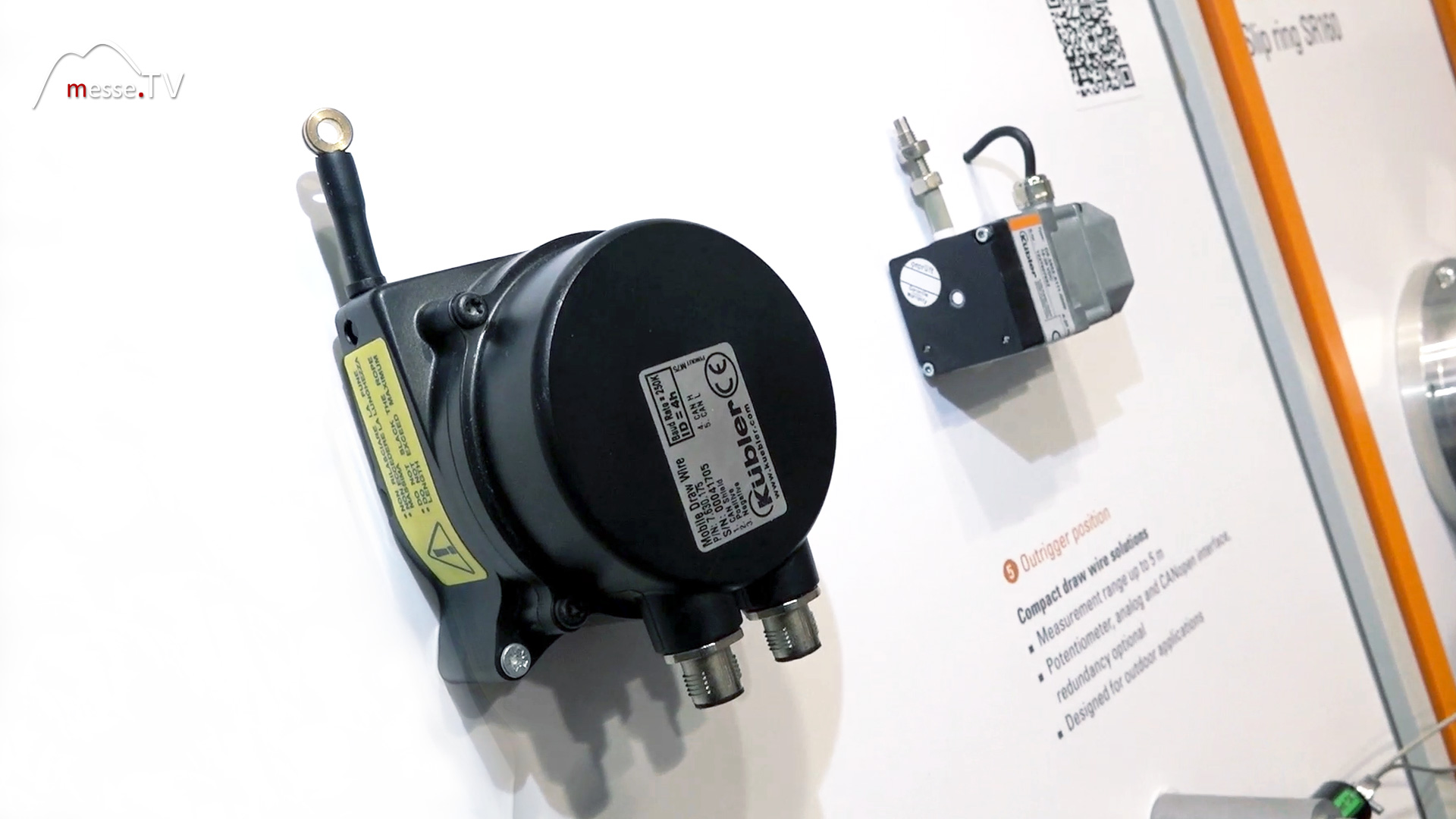
Drehgeber und Seilzugsensoren überwachen jede Bewegung
Die zunehmende Automatisierung von Kranen verändert die Rolle der Sensorik grundlegend. Wo früher ausschließlich der Maschinenführer Entscheidungen treffen musste, unterstützen heute Assistenzsysteme die Arbeit. Dafür benötigen die Steuerungen präzise Informationen über die aktuelle Position und Bewegung sämtlicher Komponenten. Sensoren liefern diese Daten in Echtzeit und bilden damit die Grundlage für automatische Funktionen und Sicherheitsüberwachung.
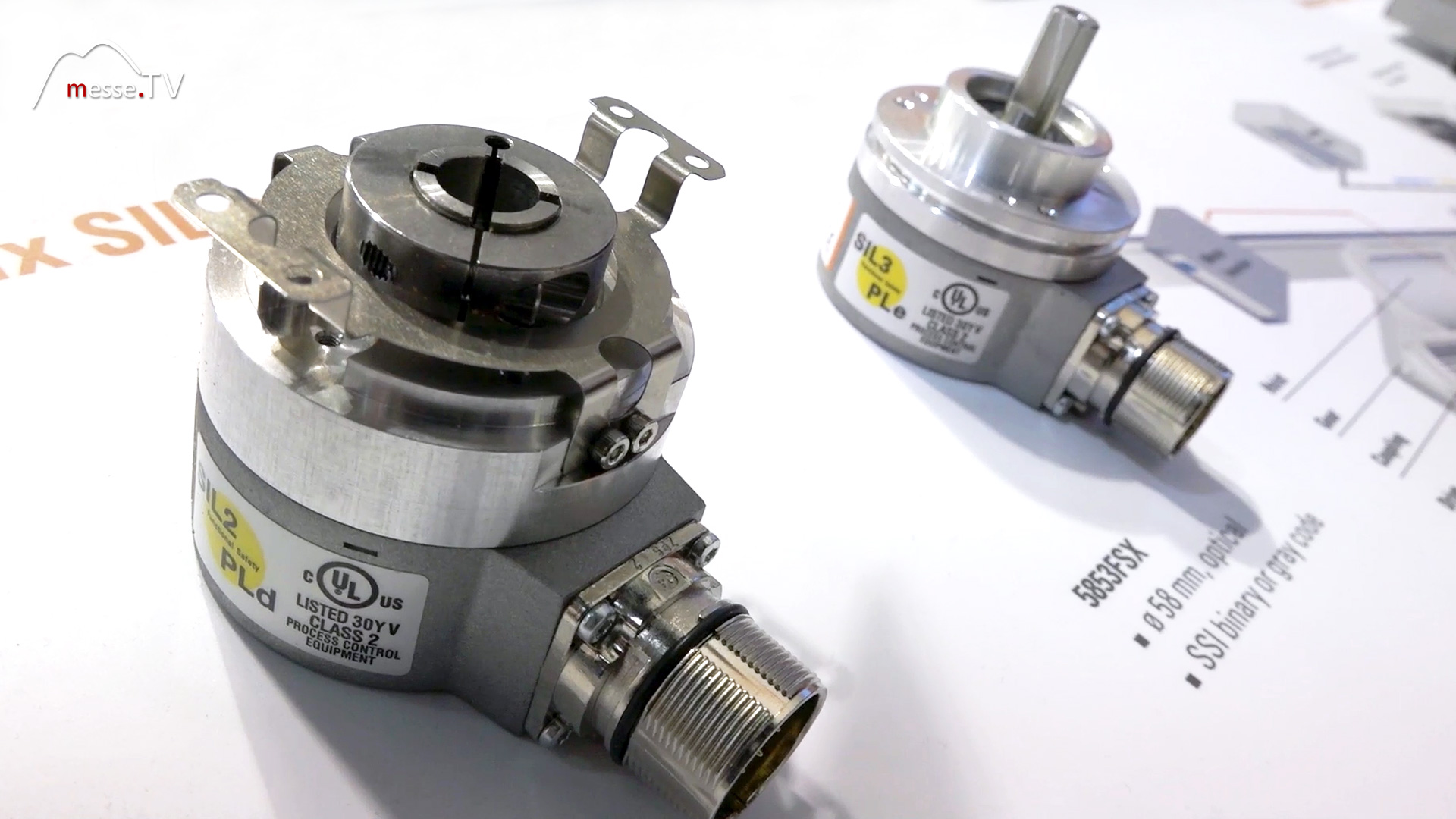
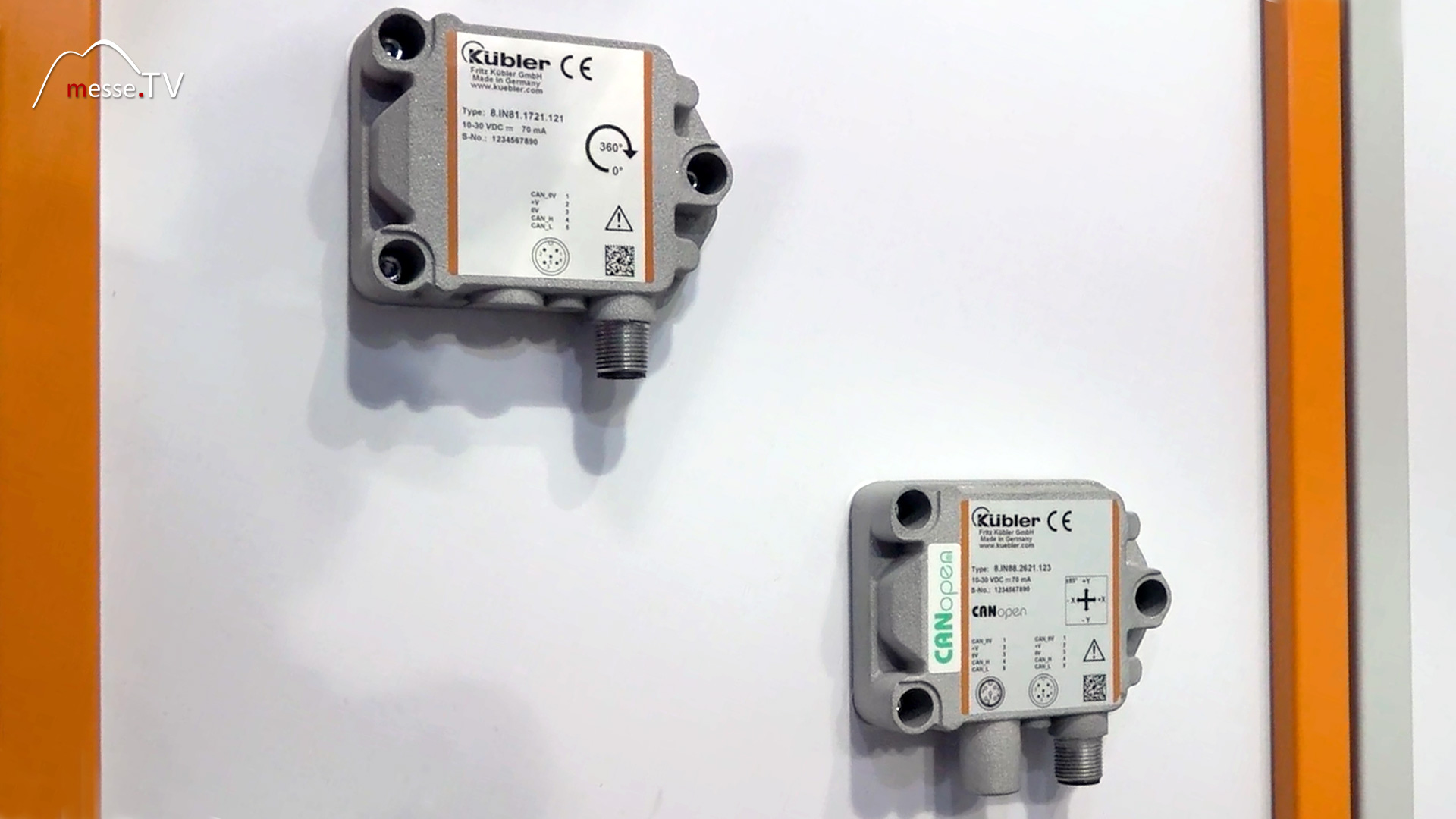
Typische Aufgaben der Sensorik sind:
- Hubmessung und Lastüberwachung
- Erfassung der Oberwagendrehung
- Messung der Abstützpositionen
- Bestimmung der Teleskoplänge
- Überwachung von Neigungswinkeln
- Positionserfassung bei Portalkranen
- Drehzahl- und Bewegungsüberwachung
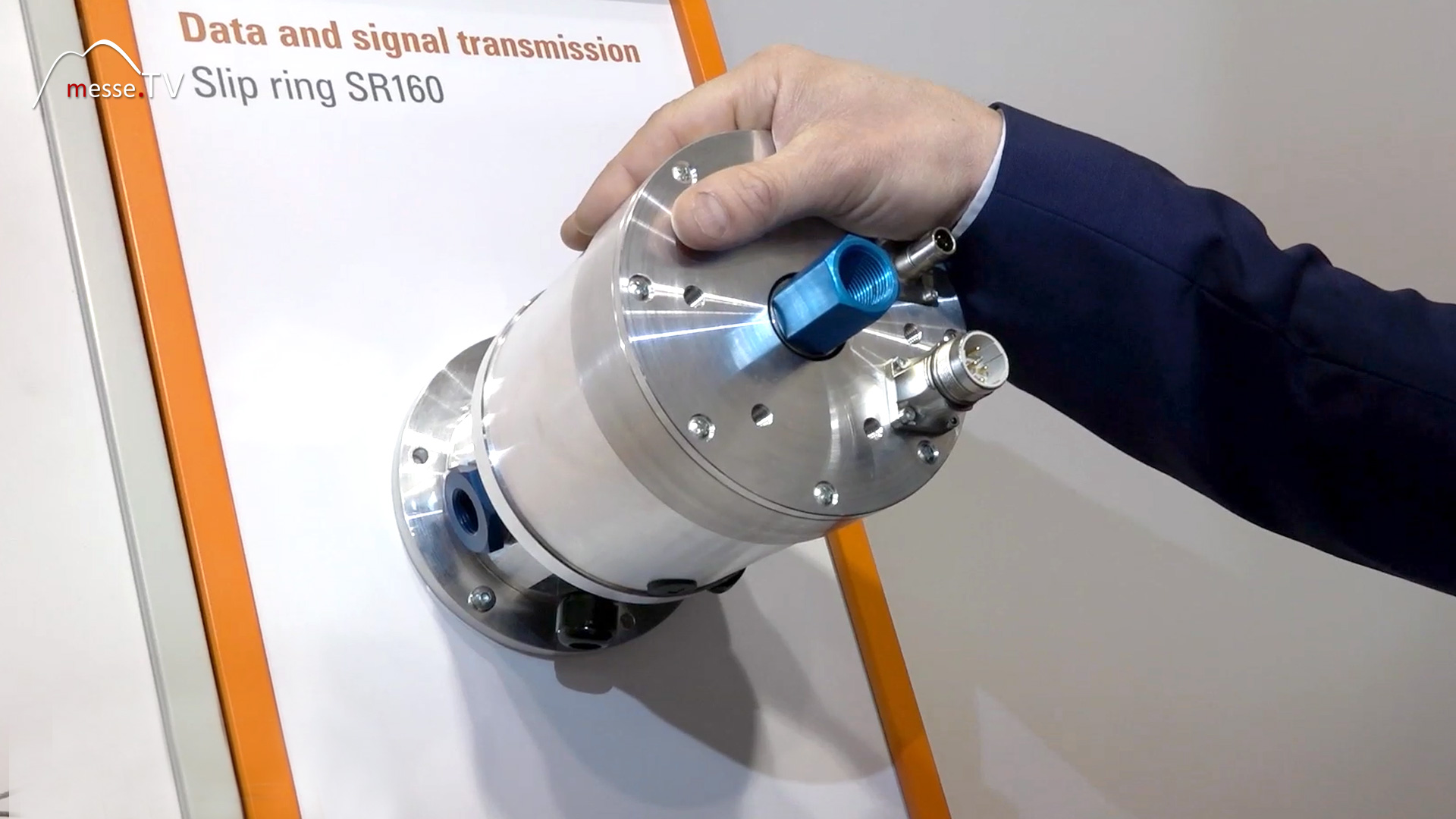
Schleifringe verbinden Sensoren und Steuerungen
Neben der Erfassung von Daten spielt deren Übertragung eine zentrale Rolle. Eine besondere Bedeutung kommt dabei den Schleifringen zu, die Kübler auf der Messe als neue Lösung präsentierte. Bei Mobilkranen dienen Schleifringe dazu, elektrische Leistungen, Sensorsignale und Kommunikationsdaten zwischen Ober- und Unterwagen zu übertragen. Ohne diese Komponenten wäre ein kontinuierlicher Informationsaustausch zwischen den verschiedenen Maschinenteilen nicht möglich.
Dabei geht es längst nicht mehr nur um einzelne Signale. Moderne Krane übertragen große Mengen an Betriebsdaten. Sensorinformationen, Steuerbefehle und Feldbuskommunikation laufen über dieselben Systeme zusammen. Die Anforderungen an Zuverlässigkeit und Ausfallsicherheit steigen entsprechend. Für die Betreiber bedeutet dies, dass sämtliche relevanten Informationen jederzeit dort verfügbar sind, wo sie für Steuerung und Überwachung benötigt werden.
Sicherheitssteuerungen für Krane und Industrieanlagen
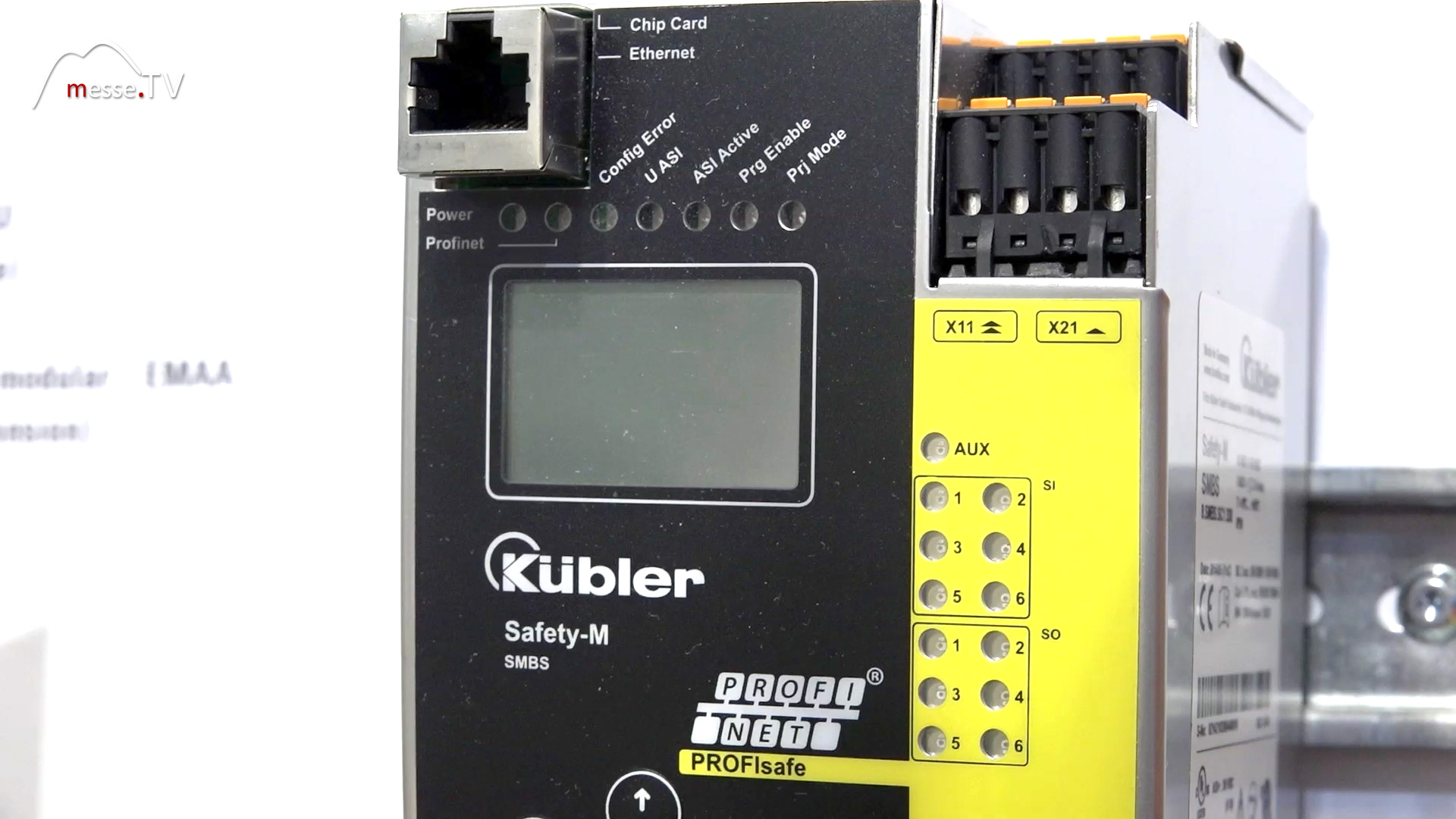
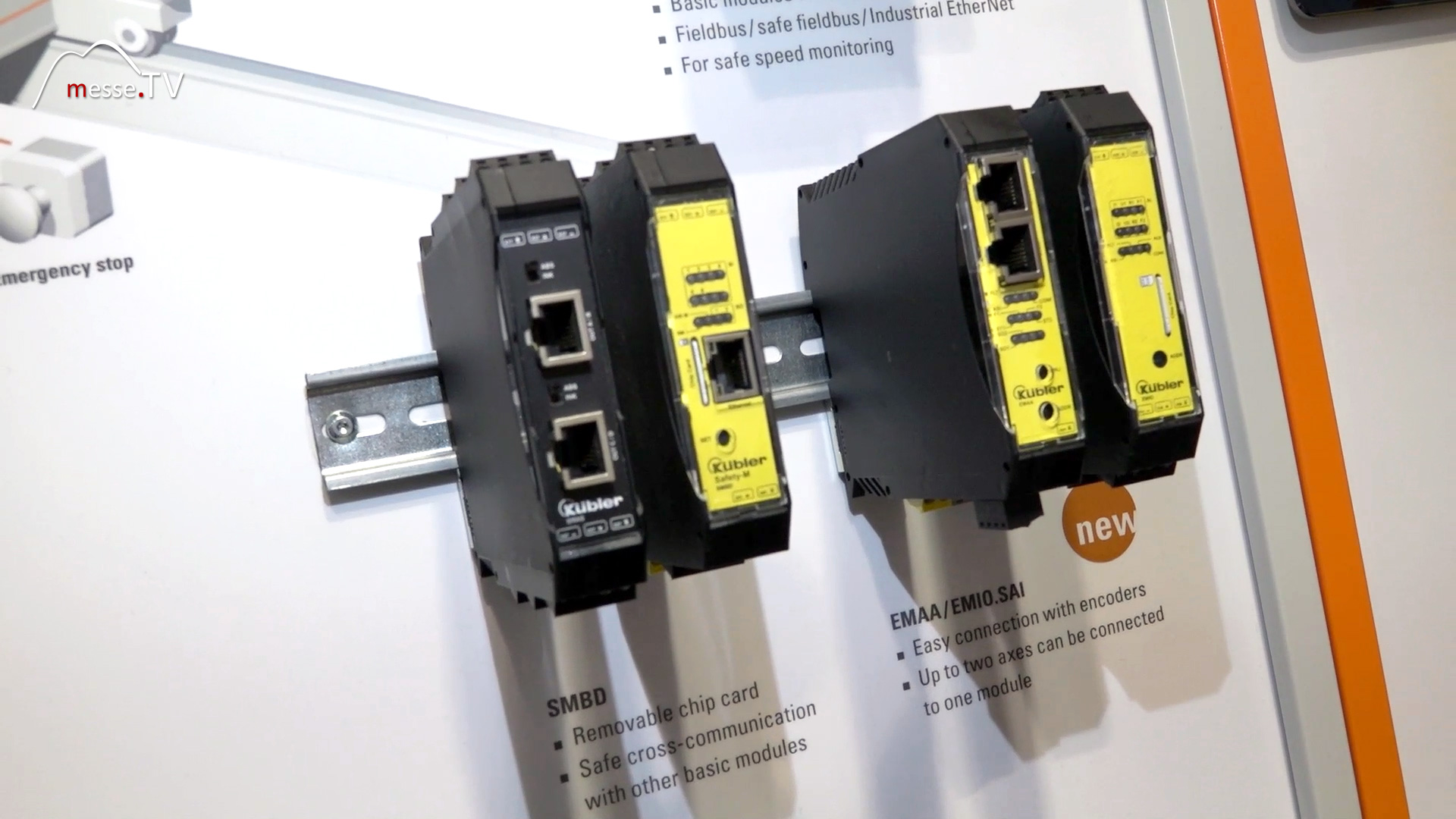
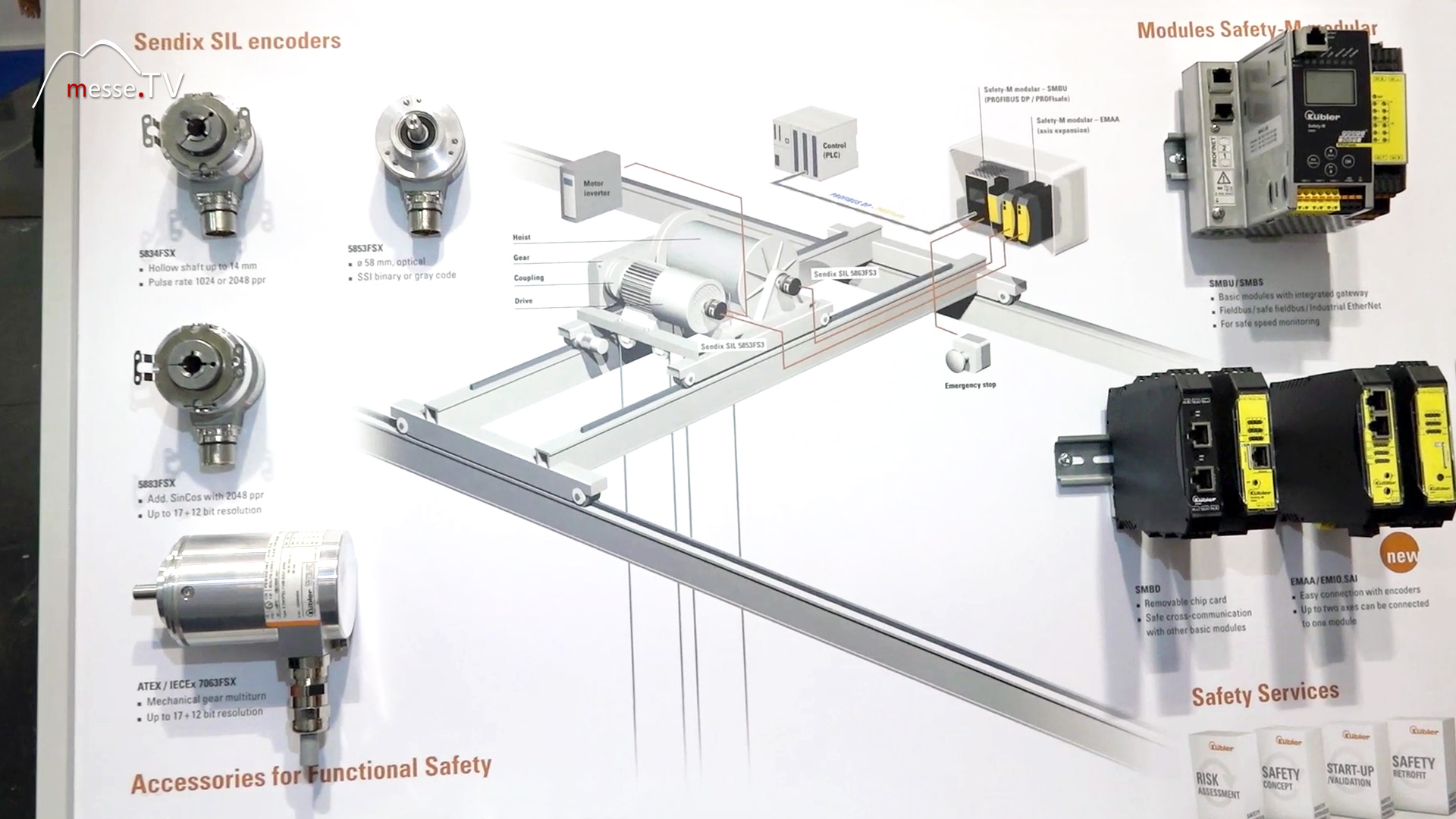
Ein weiterer Schwerpunkt liegt auf Sicherheitssteuerungen. Während Sensoren Daten erfassen, sorgen diese Systeme dafür, dass Maschinen innerhalb definierter Sicherheitsgrenzen betrieben werden. Kübler bietet hierfür kompakte Sicherheitssteuerungsmodule mit entsprechenden Zertifizierungen an. An diese Systeme lassen sich verschiedene Sensoren anschließen, um Positionen, Geschwindigkeiten und Bewegungsabläufe sicher zu überwachen. Besonders bei Krananlagen spielt dies eine wichtige Rolle. Bewegungen müssen exakt kontrolliert werden, um Kollisionen oder Fehlfunktionen zu vermeiden. Die Kombination aus Sensorik und Sicherheitssteuerung ermöglicht es, hohe Sicherheitsanforderungen zu erfüllen und gleichzeitig automatisierte Prozesse zu unterstützen. Bemerkenswert ist dabei vor allem die enge Verzahnung der einzelnen Komponenten. Während viele Anbieter entweder Sensoren oder Steuerungen liefern, verfolgt das Unternehmen den Ansatz, beide Bereiche aufeinander abgestimmt aus einer Hand bereitzustellen.
Vernetzung und Industrie 4.0 verändern die Automation
Die Entwicklung der vergangenen Jahre zeigt deutlich, wohin sich die Branche bewegt. Maschinen werden zunehmend Teil vernetzter Systeme. Sensoren liefern Daten nicht mehr ausschließlich an die lokale Maschinensteuerung, sondern häufig auch an übergeordnete Betriebs- und Flottenmanagementsysteme. Im Kontext von Industrie 4.0 gewinnen deshalb standardisierte Schnittstellen und eine zuverlässige Kommunikation zwischen verschiedenen Systemen an Bedeutung. Sensoren müssen Informationen bereitstellen, die nicht nur präzise, sondern auch in komplexen digitalen Umgebungen nutzbar sind. Für Betreiber von Kranen, Baumaschinen und Industrieanlagen entstehen dadurch neue Möglichkeiten. Wartungsintervalle lassen sich besser planen, Betriebszustände kontinuierlich überwachen und Prozesse effizienter steuern. Die auf der bauma vorgestellten Lösungen zeigen, dass moderne Automation heute weit über einzelne Sensoren hinausgeht. Entscheidend ist das Zusammenspiel von Datenerfassung, Übertragung, Sicherheitsfunktionen und intelligenter Vernetzung. Genau diese Verbindung wird künftig darüber entscheiden, wie effizient und sicher Maschinen im täglichen Einsatz arbeiten.
Messe-Berichterstattung bundesweit - Messewissen, Termine & Veranstaltungen


