Transportmanagement für Betonwerke und Fahrzeugflotten
von Jürgen Groh - 2024-02-13In Betonwerken, Logistikzentren oder industriellen Transportnetzwerken entscheidet nicht allein die Anzahl der Fahrzeuge über die Leistungsfähigkeit eines Betriebs. Oft ist die eigentliche Herausforderung die Koordination.
Fahrzeuge müssen zum richtigen Zeitpunkt am richtigen Ort sein, Produktionskapazitäten müssen berücksichtigt werden und Verzögerungen dürfen nicht dazu führen, dass ganze Abläufe ins Stocken geraten. Auf der bauma zeigt eine Softwarelösung, wie sich diese komplexen Prozesse digital steuern lassen. Im Mittelpunkt steht die Plattform OPHEO, die Transportmanagement, Telematik und Einsatzplanung in einer gemeinsamen Umgebung zusammenführt. Ziel ist es, Fahrzeugbewegungen, Produktionsprozesse und Baustellenlogistik transparent zu machen und frühzeitig auf Störungen reagieren zu können.
Initions verbindet Disposition und Telematik in einer Plattform
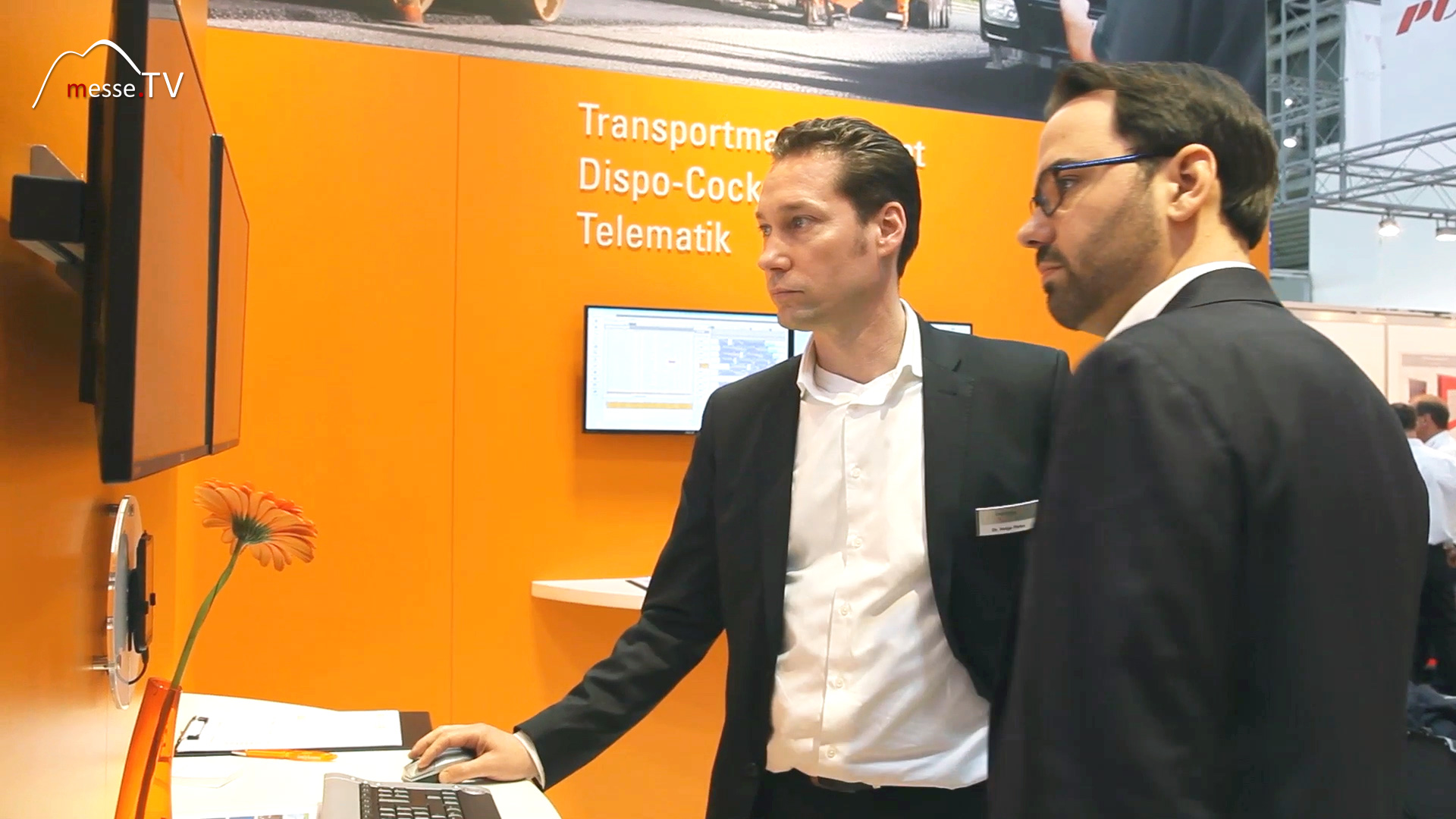
Die von Initions vorgestellte Lösung richtet sich an Unternehmen, die Transportprozesse in Echtzeit überwachen und steuern müssen. Als Beispiel dient ein Betonwerk, in dem Produktionsanlagen, Fahrmischer und Baustellen eng miteinander verzahnt sind. Gerade beim Transport von Frischbeton entstehen besondere Anforderungen. Beton beginnt bereits nach vergleichsweise kurzer Zeit auszuhärten. Deshalb müssen die Fahrmischer so disponiert werden, dass auf der Baustelle eine kontinuierliche Entladung erfolgt. Lange Wartezeiten können ebenso problematisch sein wie Lieferunterbrechungen. Die Plattform ermöglicht es, mehrere Produktionsstandorte, unterschiedliche Baustellen und zahlreiche Fahrzeuge gleichzeitig zu überwachen. Disponenten erhalten dabei einen Gesamtüberblick über die aktuelle Situation und können frühzeitig auf Veränderungen reagieren.
OPHEO schafft Transparenz über Fahrzeuge und Baustellen
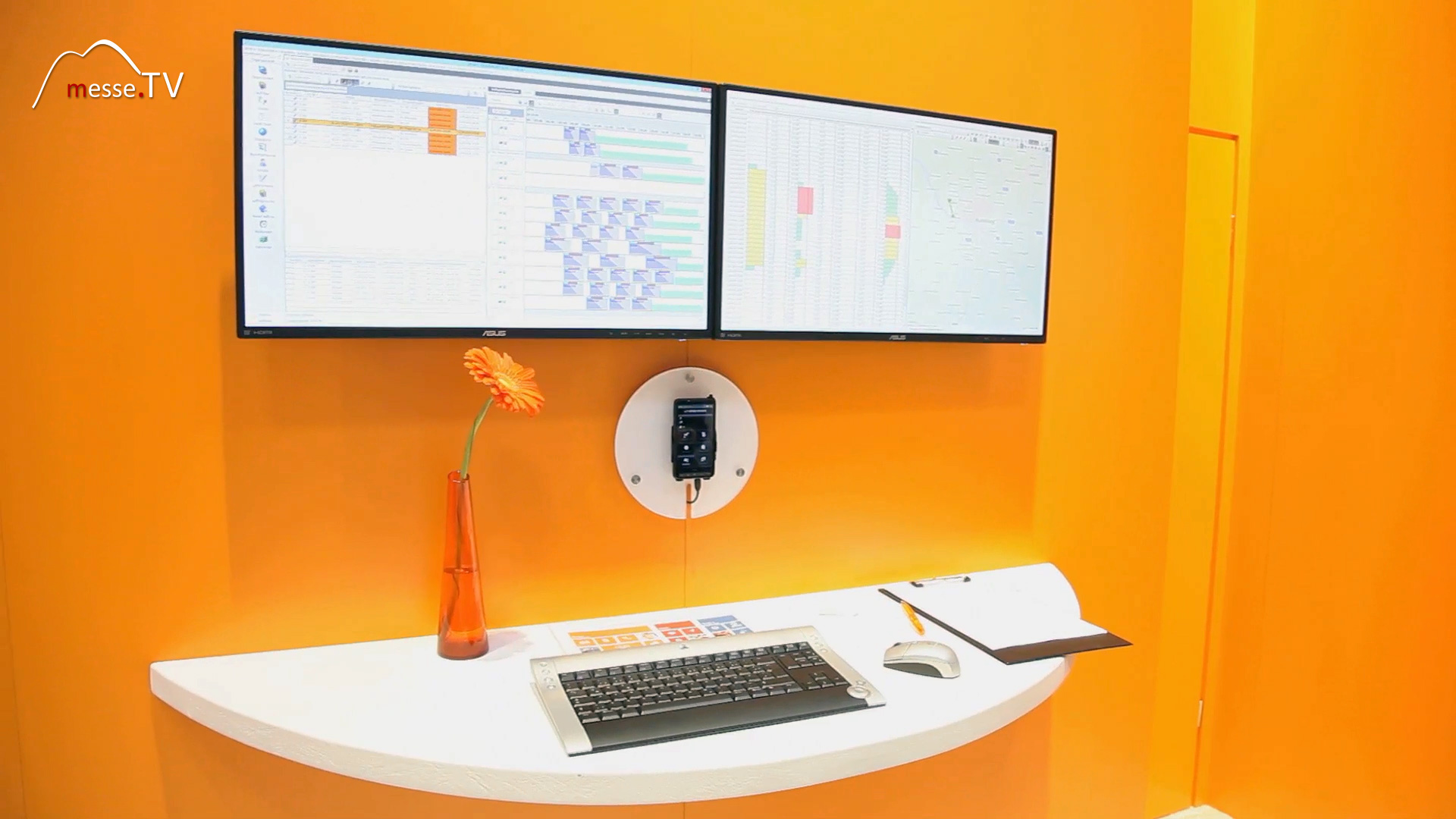
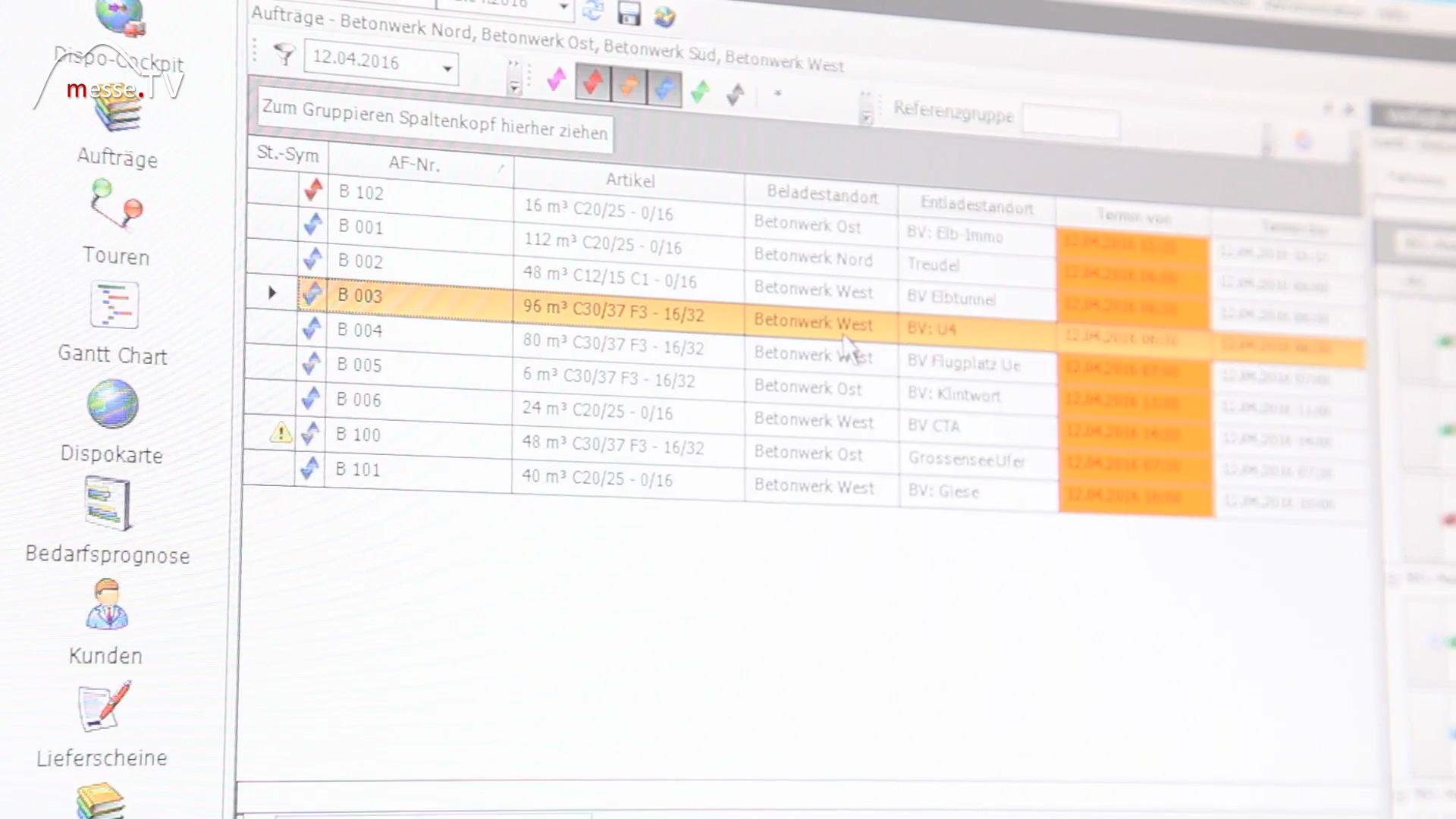
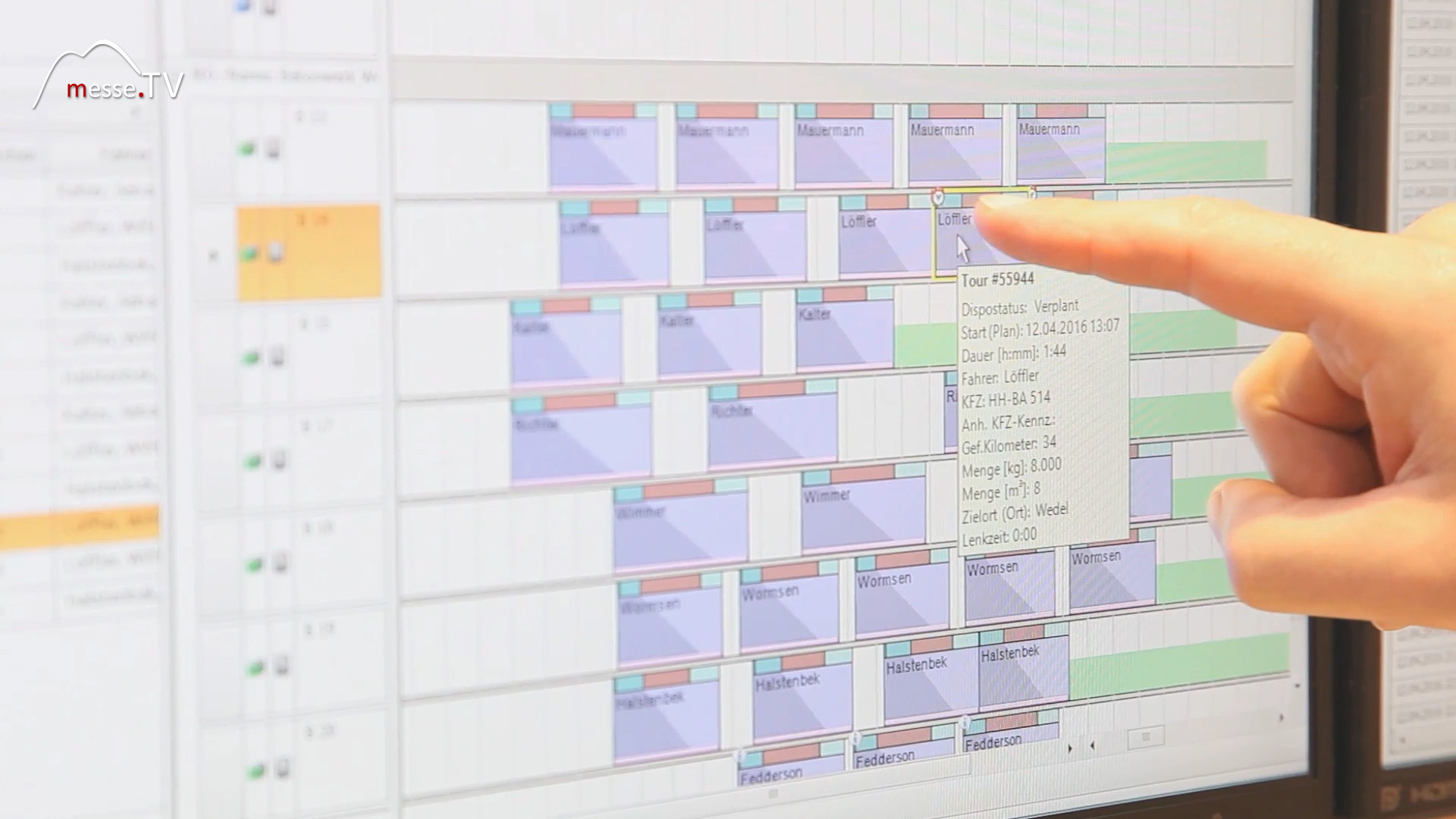
Ein zentrales Element der Lösung ist die Kombination aus Kartenansicht, Auftragsübersicht und Zeitplanung. Fahrzeuge, Baustellen und Produktionsstandorte werden in einer gemeinsamen Oberfläche dargestellt. Für jeden Auftrag lässt sich nachvollziehen, welche Fahrzeuge eingesetzt werden und in welcher Reihenfolge die Touren erfolgen. Gleichzeitig zeigt das System die Auslastung der Produktionswerke sowie die Belegung der Fahrzeugflotte über den gesamten Tagesverlauf. Besonders bei großen Infrastrukturprojekten spielt diese Transparenz eine wichtige Rolle. Dort werden häufig mehrere Baustellen gleichzeitig beliefert, teilweise sogar aus verschiedenen Werken. Die digitale Planung erleichtert die Abstimmung dieser komplexen Abläufe erheblich. Wichtige Funktionen der Plattform umfassen:
- Echtzeit-Überwachung von Fahrzeugen per GPS
- integrierte Einsatzplanung für mehrere Standorte
- Visualisierung von Aufträgen, Touren und Baustellen
- automatische Warnungen bei Verzögerungen
- Statusmeldungen direkt durch Fahrer
- Auslastungsübersicht für Fahrzeuge und Produktionswerke
- frühzeitige Umplanung bei Störungen
Fahrer-App liefert Statusmeldungen ohne Telefonate
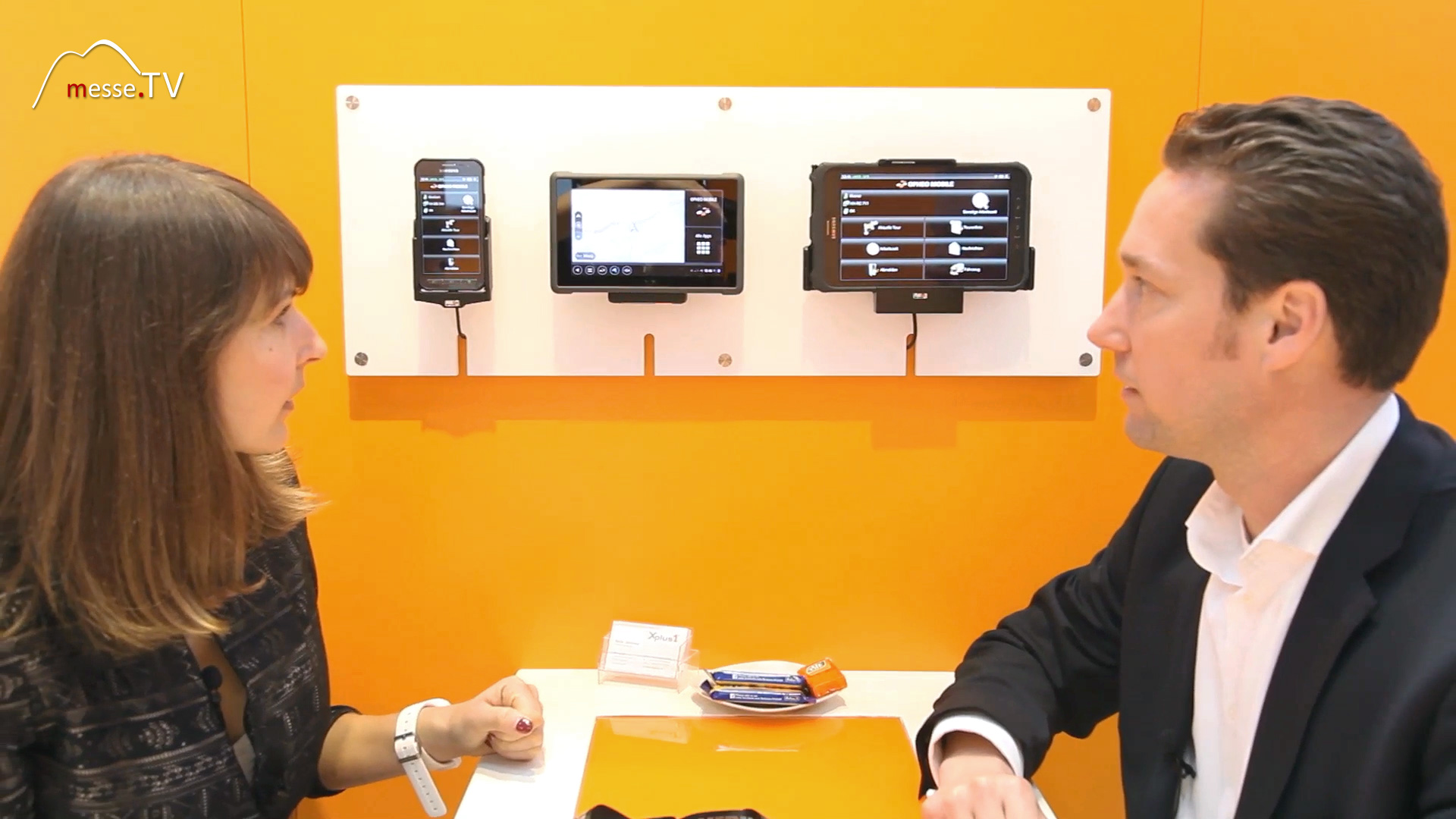
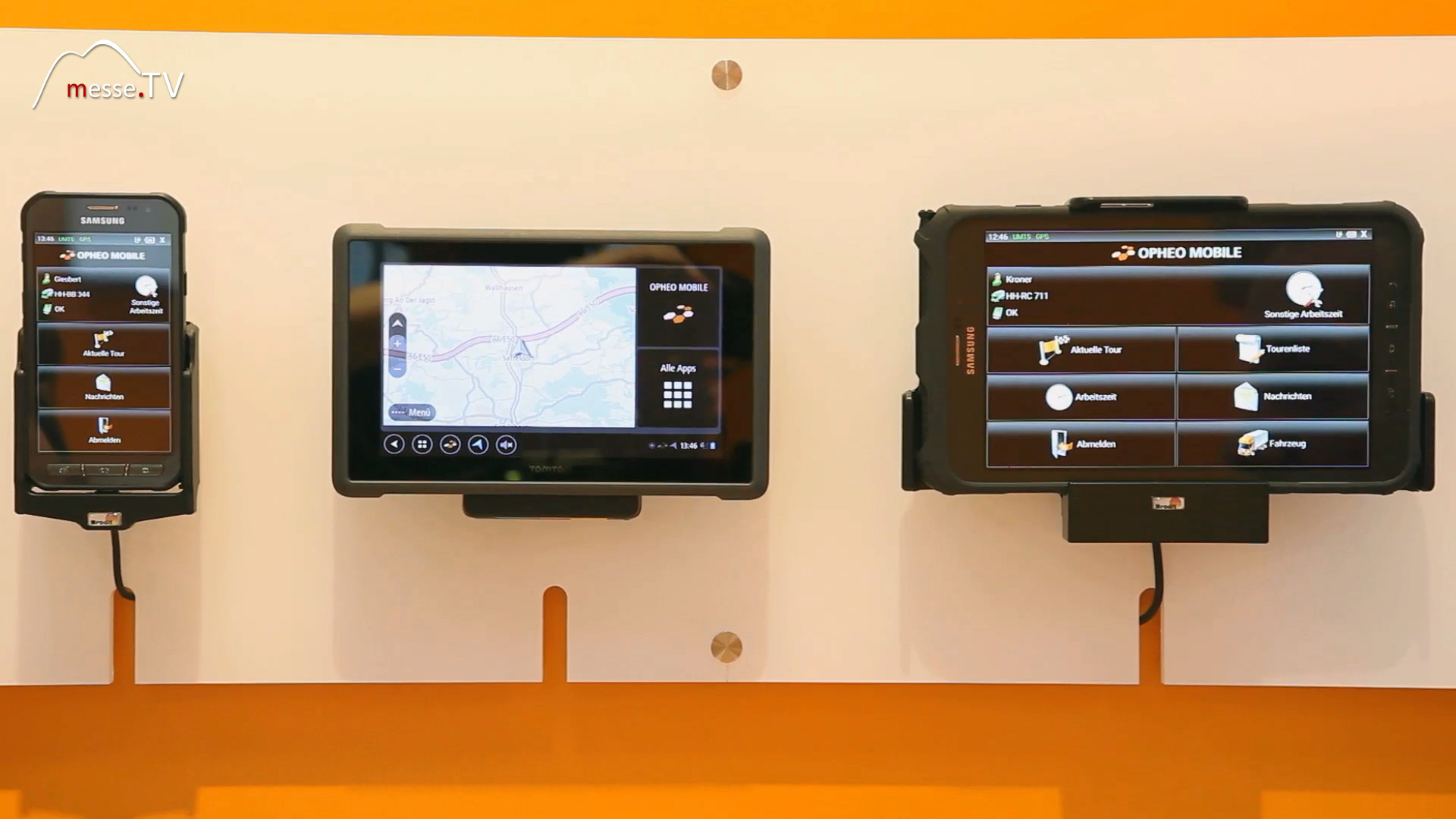
Ein weiterer Bestandteil der Lösung ist die direkte Einbindung der Fahrer. Statt regelmäßig telefonisch Rückmeldungen einzuholen, erfolgt die Kommunikation über mobile Anwendungen. Die Fahrer können Statusänderungen unmittelbar über die Benutzeroberfläche melden. Beispielsweise wird dokumentiert, ob sich ein Fahrzeug auf Leerfahrt befindet, beladen wird oder gerade entlädt. Diese Informationen werden in Echtzeit an die Disposition übertragen. Die Bedienung wurde bewusst einfach gehalten. Große Touchflächen und zusätzliche Symbole sollen eine sichere Nutzung auch unter anspruchsvollen Bedingungen ermöglichen. Dadurch sinkt der Kommunikationsaufwand erheblich. Für Disponenten entsteht ein nahezu lückenloses Bild der laufenden Transporte. Position, Status und Fortschritt einzelner Fahrzeuge sind jederzeit nachvollziehbar.
Frühwarnsystem erkennt Probleme vor dem Stillstand
Besonders interessant ist die Fähigkeit zur frühzeitigen Erkennung von Störungen. Verzögert sich ein Fahrzeug oder droht eine Unterbrechung im Ablauf, erzeugt das System automatisch Warnmeldungen. Dadurch gewinnen Disponenten wertvolle Zeit. Anstatt erst dann reagieren zu können, wenn eine Baustelle auf Material wartet oder sich Kunden beschweren, lassen sich alternative Fahrzeuge einplanen oder Touren anpassen. Dieser Aspekt gewinnt vor allem bei zeitkritischen Transporten an Bedeutung. Die Software berechnet fortlaufend die Auswirkungen von Verspätungen und macht potenzielle Probleme sichtbar, bevor sie tatsächlich eintreten. Das verändert die Rolle der Disposition grundlegend. Aus reaktiver Problemlösung wird zunehmend vorausschauende Steuerung.
Wissen wird digital verfügbar statt nur im Kopf einzelner Mitarbeiter
Ein weiterer Vorteil betrifft die Organisation von Unternehmen. In vielen Betrieben verfügen erfahrene Disponenten über enormes Wissen zu Fahrzeugen, Fahrzeiten und Abläufen. Häufig existiert dieses Wissen jedoch nur in den Köpfen einzelner Mitarbeiter. Fällt eine Schlüsselperson aus oder müssen neue Kollegen eingearbeitet werden, entstehen schnell Schwierigkeiten. Digitale Planungssysteme können dieses Wissen strukturieren und nachvollziehbar machen. Nach Angaben des Unternehmens berichten viele Anwender, dass sie sich die tägliche Arbeit ohne solche Werkzeuge kaum noch vorstellen können. Neue Mitarbeiter lassen sich schneller einarbeiten, während gleichzeitig die Transparenz innerhalb des Unternehmens steigt.
Vernetzung von Kunden und Dienstleistern als nächster Schritt
Die Entwicklung endet nicht bei der Integration von Fahrzeugen und Fahrern. Künftig sollen auch Kunden, Versender und Empfänger stärker eingebunden werden. Über zusätzliche Schnittstellen könnten Baustellen künftig selbst auf relevante Informationen zugreifen oder Statusmeldungen erhalten. Dadurch würden Transportprozesse für de Logistik nicht nur innerhalb eines Unternehmens, sondern entlang der gesamten Lieferkette transparenter. Die auf der bauma präsentierte Lösung zeigt, wie sich klassische Disposition zunehmend zu einer datengetriebenen Steuerungsaufgabe entwickelt. Wo früher Telefonate, Erfahrung und Tabellen dominierten, übernehmen heute digitale Plattformen die Koordination komplexer Transportnetzwerke. Gerade in Branchen mit engen Zeitfenstern und hohen Anforderungen an die Liefergenauigkeit dürfte dieser Trend weiter an Bedeutung gewinnen.
Messe-Berichterstattung bundesweit - Messewissen, Termine & Veranstaltungen


