Drohnenvermessung und 3D-Modelle für moderne Baustellen
von Bastian Velonavy - 2024-02-13Baustellen werden immer größer, Projekte komplexer und die Anforderungen an Dokumentation und Vermessung steigen kontinuierlich.
Gleichzeitig erwarten Bauunternehmen aktuelle Daten über Baufortschritt, Geländeveränderungen und Materialbewegungen möglichst ohne zeitaufwendige manuelle Vermessungsarbeiten. Genau deshalb gewinnen unbemannte Luftfahrtsysteme zunehmend an Bedeutung. Auf der bauma zeigte Trimble, wie Drohnen, Flugzeuge und moderne Sensortechnik eingesetzt werden, um Baustellen präzise zu erfassen und digitale Modelle ganzer Projektflächen zu erstellen. Dabei geht es längst nicht mehr nur um Luftbilder. Die Systeme liefern hochgenaue Geodaten, die direkt in Planung, Vermessung und Baustellenmanagement einfließen können.
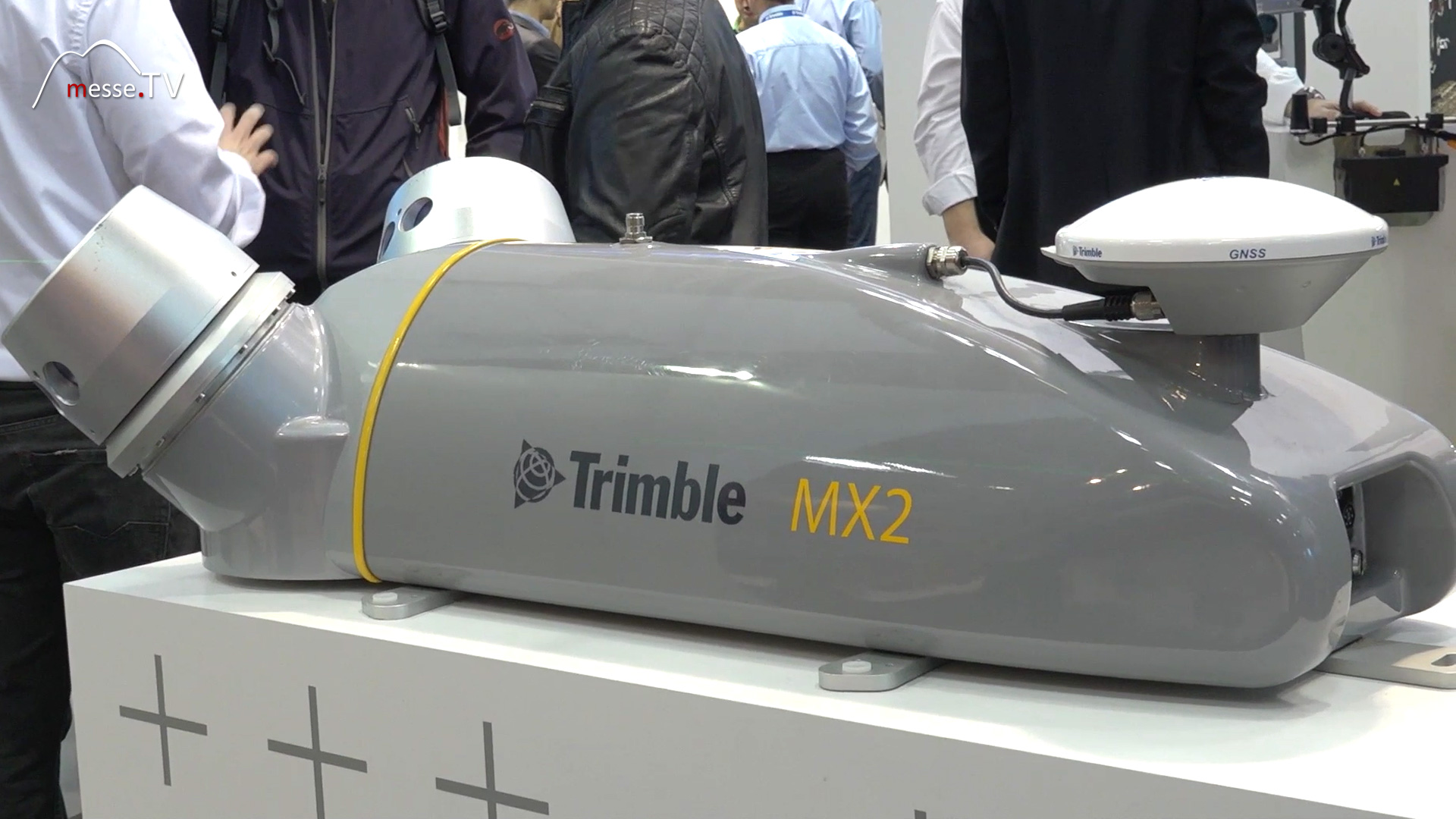
Trimble kombiniert Drohnen und Flügelsysteme für die Vermessung
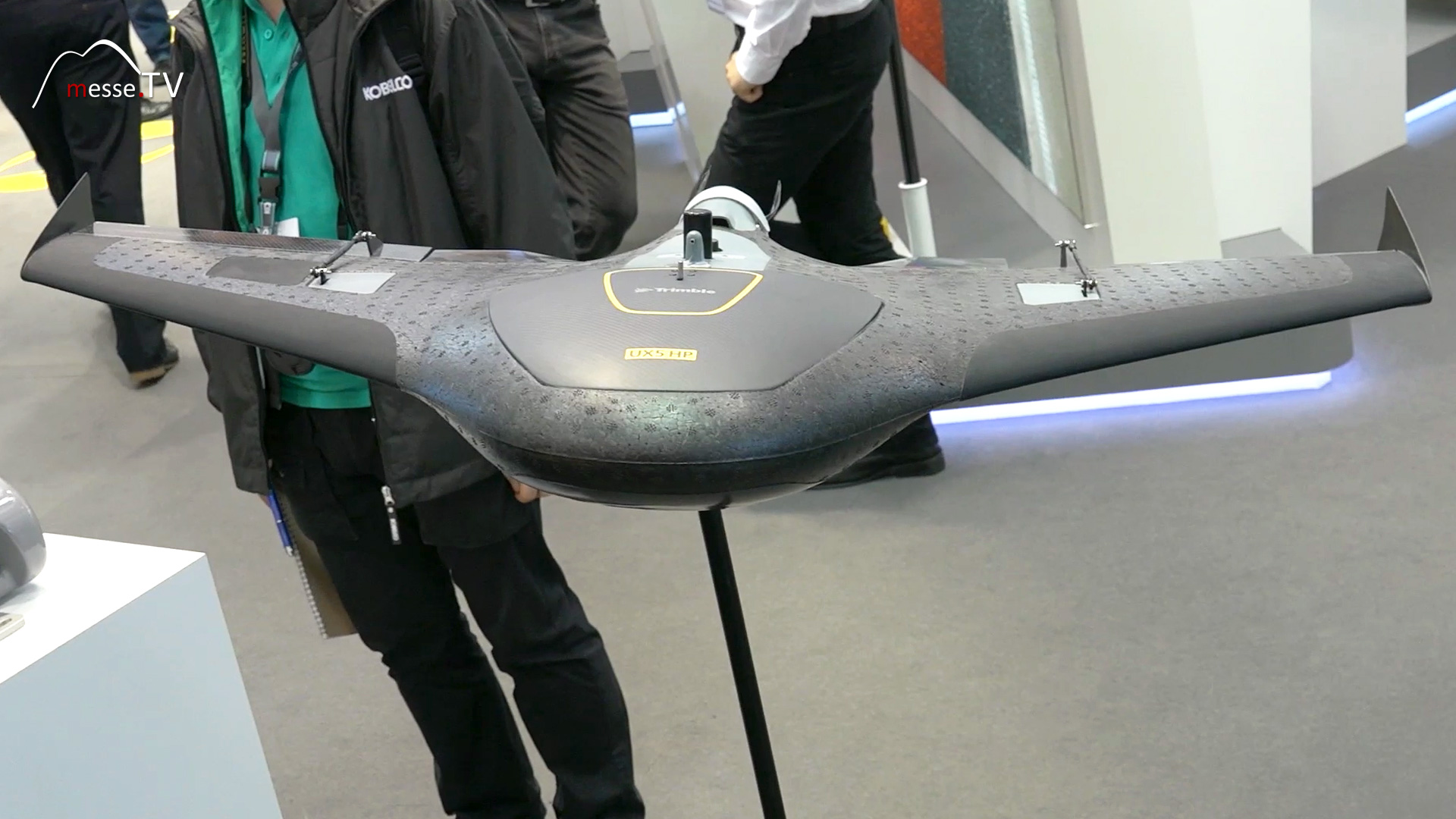
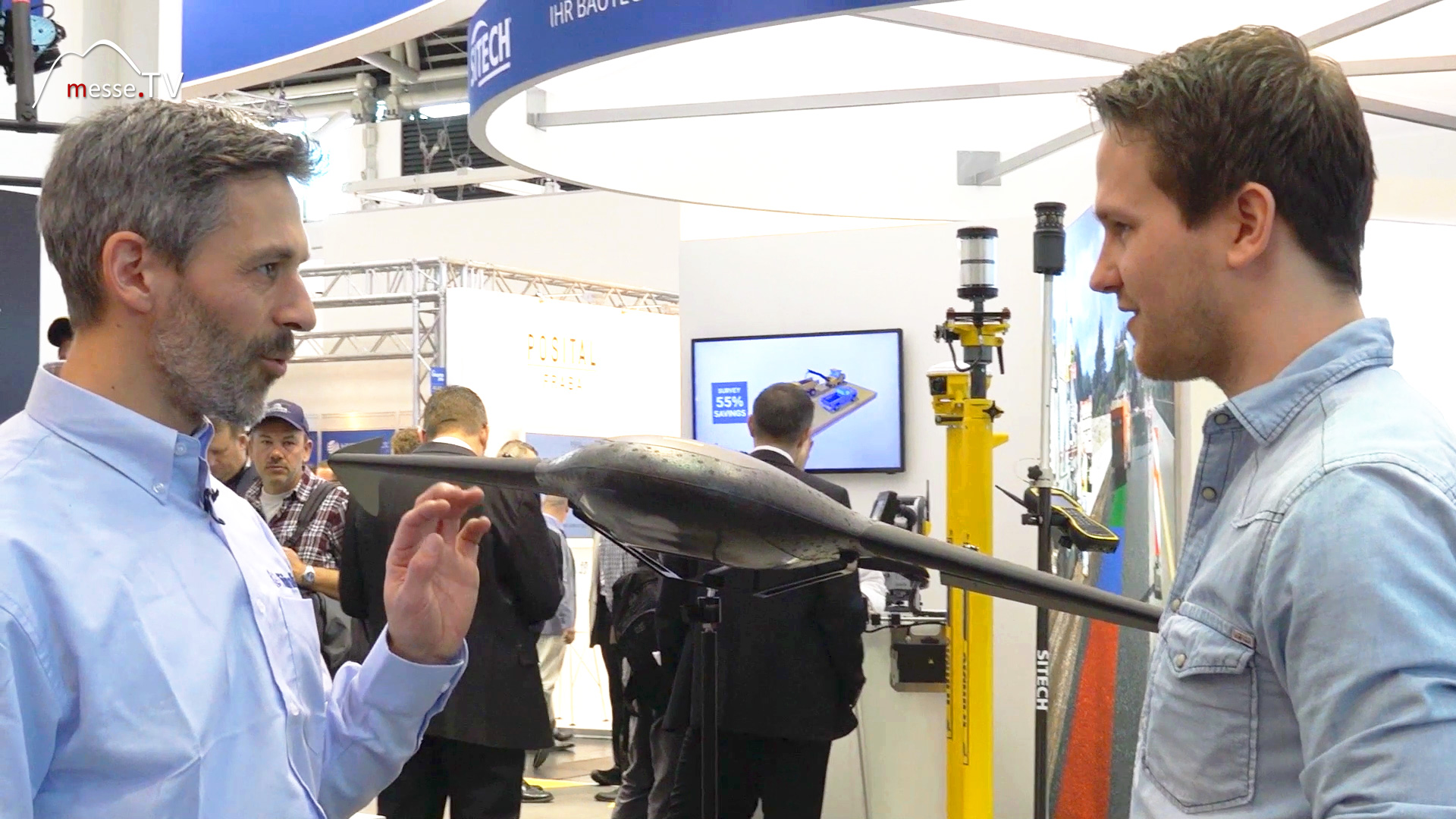
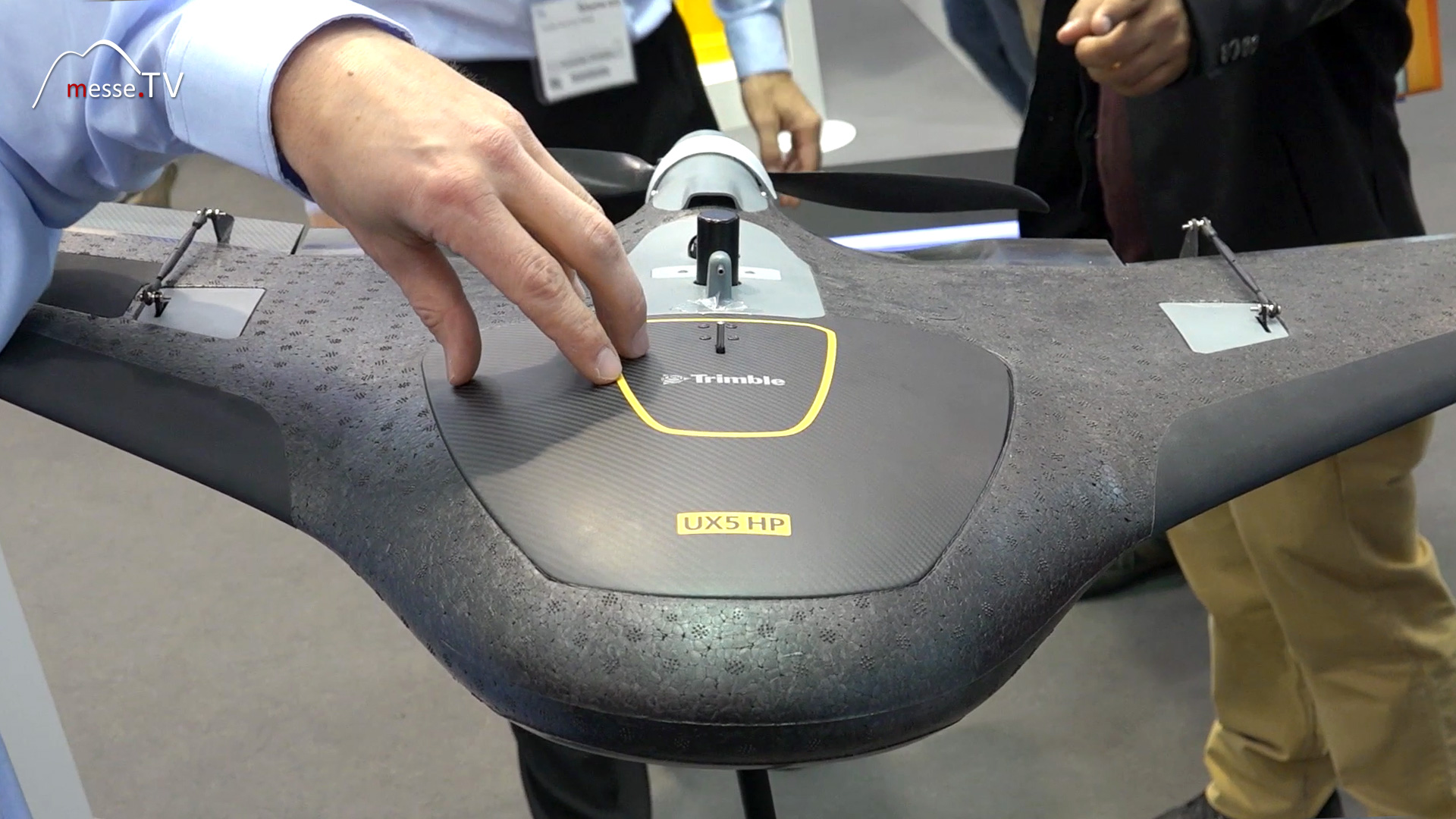
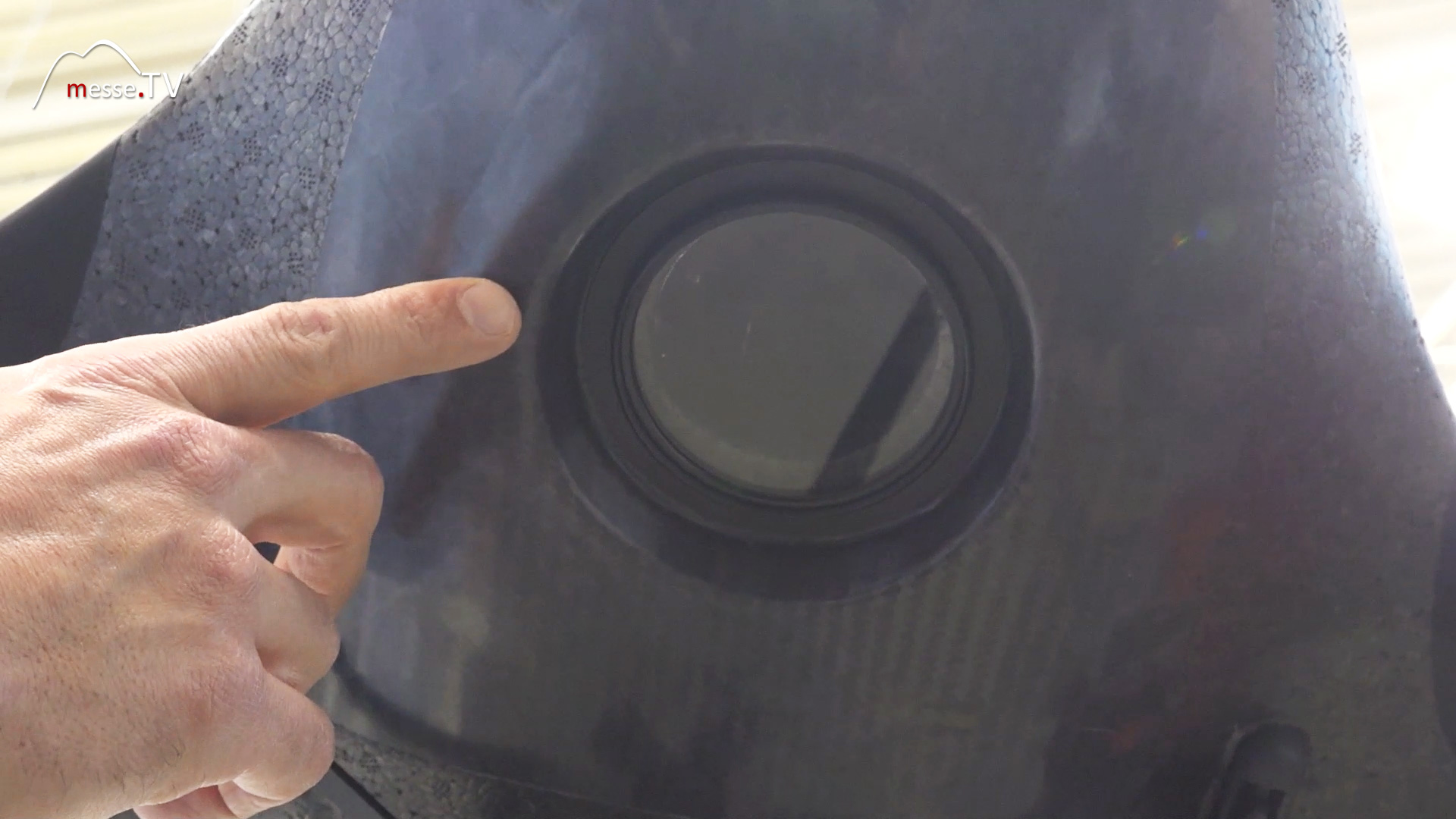
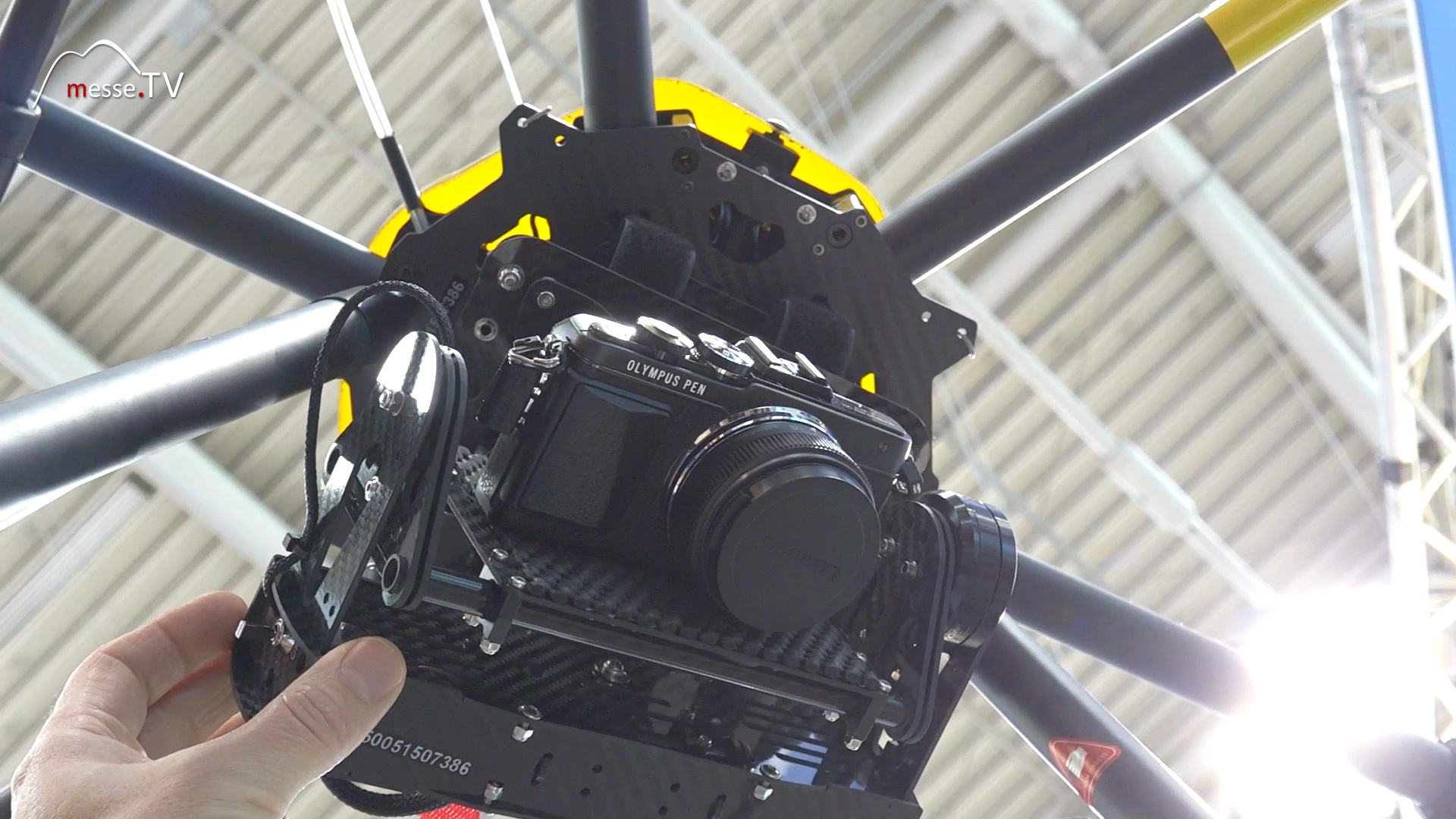
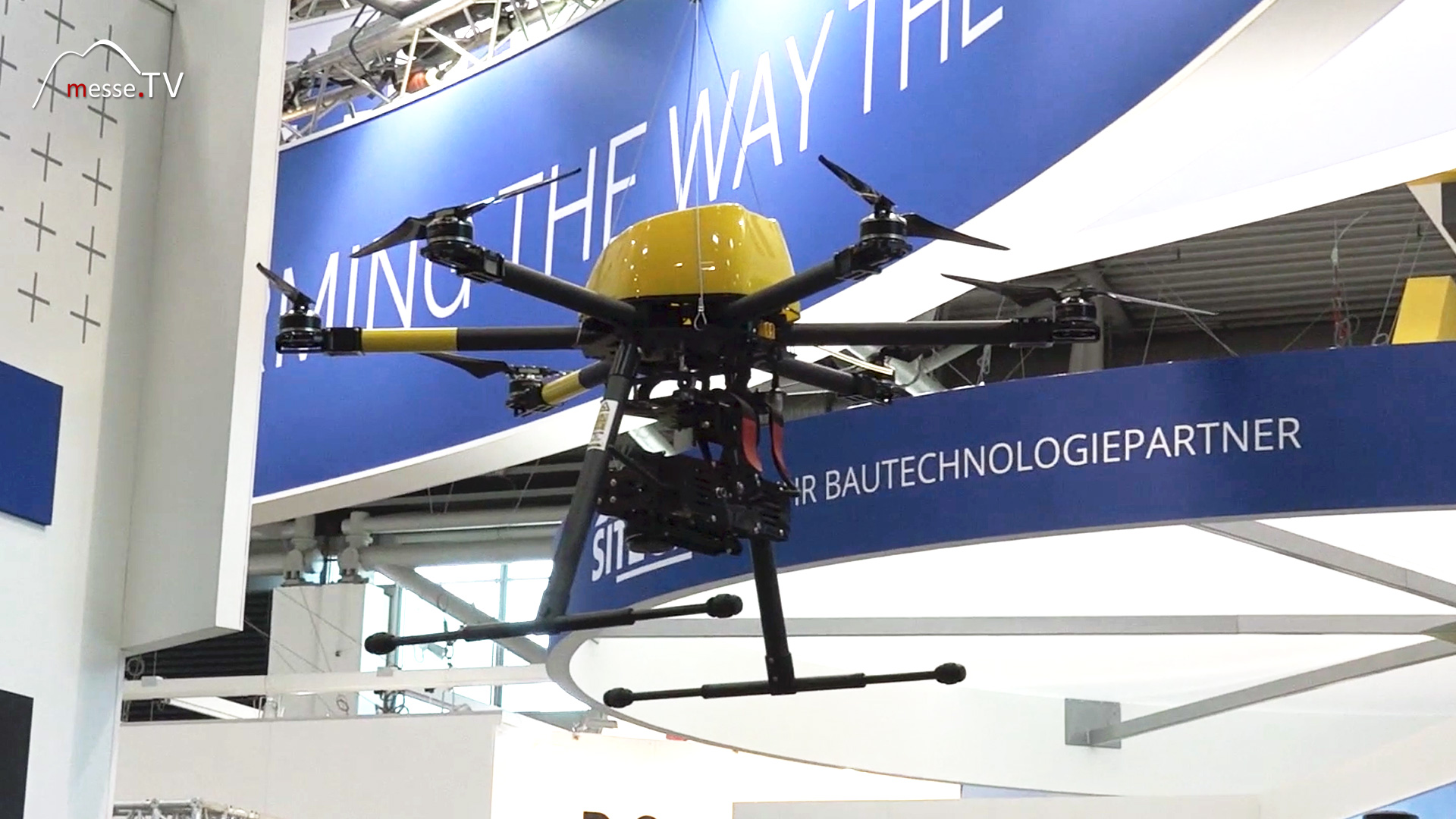
Auf den ersten Blick unterscheiden sich die ausgestellten Systeme deutlich voneinander. Neben klassischen Coptern präsentierte Trimble auch flugzeugähnliche Plattformen mit Tragflächen. Beide verfolgen dasselbe Ziel: die präzise Erfassung großer Flächen aus der Luft. Im Inneren arbeiten hochauflösende Kameras mit GPS-Empfängern und Lagesensoren zusammen. Während des Fluges wird jedes einzelne Bild mit exakten Positionsdaten verknüpft. Zusätzlich erfassen die Sensoren permanent Neigung, Rollbewegungen und Fluglage des Systems. Dadurch entsteht eine Datengrundlage, die weit über gewöhnliche Luftaufnahmen hinausgeht. Jedes Foto besitzt einen exakten räumlichen Bezug und kann später automatisch mit den übrigen Aufnahmen kombiniert werden.
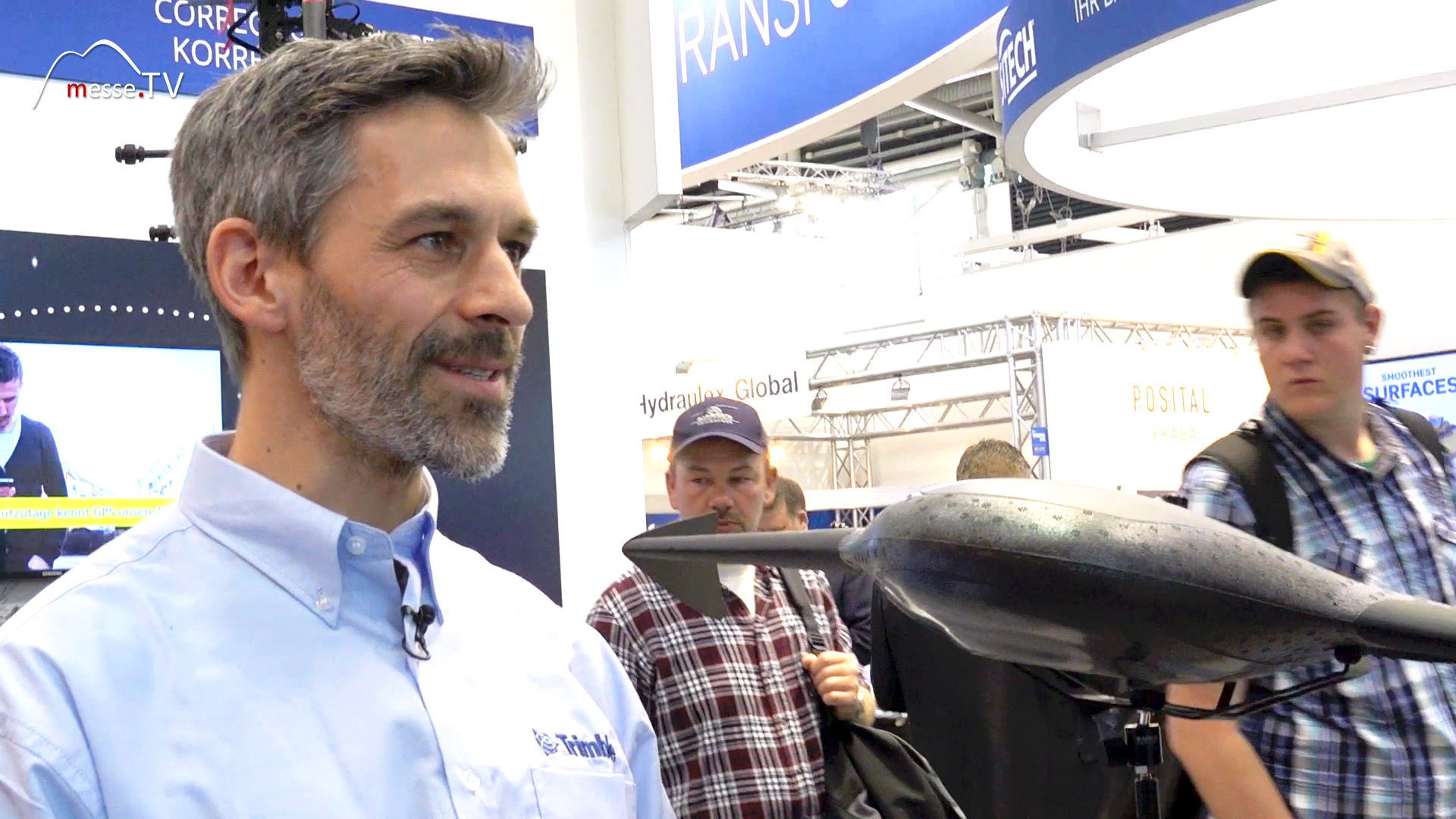
Aus einzelnen Bildern entstehen präzise 3D-Modelle
Die eigentliche Leistung zeigt sich erst nach dem Flug. Die aufgenommenen Bilder werden automatisiert ausgewertet und zu einem digitalen Gesamtmodell zusammengeführt. Aus den zahlreichen überlappenden Aufnahmen entsteht zunächst ein detailliertes Orthofoto der Baustelle. Gleichzeitig liefern die Daten auch Höheninformationen, sodass ein vollständiges dreidimensionales Abbild des Geländes erzeugt werden kann.
Für Bauunternehmen ergeben sich daraus vielfältige Einsatzmöglichkeiten:
- Dokumentation des Baufortschritts
- Digitale Bestandsaufnahmen großer Flächen
- Mengenberechnungen von Erdmassen
- Kontrolle von Geländeveränderungen
- Erstellung präziser 3D-Modelle
- Unterstützung von Planung und Vermessung
Flugzeug oder Copter – unterschiedliche Werkzeuge für verschiedene Aufgaben
Ob ein Copter oder ein Flügelsystem eingesetzt wird, hängt stark von der jeweiligen Aufgabe ab. Die Unterschiede liegen vor allem bei Reichweite, Flugzeit und Einsatzgebiet. Flugzeugähnliche Systeme erzeugen ihren Auftrieb aerodynamisch. Dadurch benötigen sie vergleichsweise wenig Energie und können bis zu einer Stunde in der Luft bleiben. Das ermöglicht die Erfassung großer Gebiete mit mehreren Quadratkilometern Fläche in einem einzigen Flug. Copter verfügen dagegen über eine deutlich höhere Beweglichkeit. Ihre Flugzeiten sind kürzer, dafür können sie punktgenau eingesetzt werden. Sie eignen sich besonders für kleinere Areale oder für Inspektionen von Bauwerken und technischen Anlagen. Ein weiterer Vorteil liegt in den beweglichen Kamerasystemen. Diese gleichen Flugbewegungen permanent aus und erlauben Aufnahmen von vertikalen Strukturen. Fassaden, Brücken, Masten oder industrielle Anlagen können dadurch detailliert dokumentiert werden.
Baustellenmonitoring wird zum digitalen Standard
Die regelmäßige Befliegung von Baustellen entwickelt sich zunehmend zu einem festen Bestandteil moderner Bauprozesse. Statt einzelne Vermessungspunkte manuell aufzunehmen, entstehen innerhalb kurzer Zeit vollständige digitale Abbilder ganzer Projekte. Diese Daten lassen sich mit Planungsunterlagen vergleichen, in BIM-Prozesse integrieren oder für die Baufortschrittskontrolle nutzen. Verantwortliche erhalten dadurch einen aktuellen Überblick über den Zustand der Baustelle, ohne jeden Bereich vor Ort kontrollieren zu müssen. Gerade bei Infrastrukturprojekten, Erdarbeiten oder großflächigen Gewerbebauten bietet diese Form des Monitorings erhebliche Vorteile. Veränderungen werden schneller sichtbar und Entscheidungen können auf einer deutlich besseren Datengrundlage getroffen werden.
Präzisere Sensoren und einfachere Software als Entwicklungsschwerpunkte
Die zukünftige Entwicklung konzentriert sich vor allem auf drei Bereiche: Genauigkeit, Automatisierung und Benutzerfreundlichkeit. Sensoren für GPS-Ortung und Lagebestimmung werden kontinuierlich präziser. Ziel ist es, hochgenaue Ergebnisse auch ohne zusätzliche Referenzpunkte am Boden zu erzeugen. Damit sinkt der Aufwand für die Datenerfassung weiter. Parallel dazu entwickelt sich die Software. Auswertungen sollen schneller erfolgen und zunehmend auch von Anwendern durchgeführt werden können, die keine spezialisierten Vermessungsexperten sind. Automatisierte Workflows übernehmen immer mehr Arbeitsschritte zwischen Datenerfassung und fertigem Modell. Die auf der bauma vorgestellten Lösungen verdeutlichen, wie stark sich die Vermessungstechnik verändert hat. Aus Luftaufnahmen werden heute digitale Zwillinge von Baustellen. Je präziser Sensoren arbeiten und je einfacher die Auswertung wird, desto stärker werden solche Systeme in den täglichen Bauablauf integriert werden.
Messe-Berichterstattung bundesweit - Messewissen, Termine & Veranstaltungen


