Elektrobagger und Teleskoplader für enge Baustellen
von Bastian Velonavy - 2024-02-13Kompakte Baumaschinen verändern sich spürbar. Lange standen bei Minibaggern, Kompaktladern und Teleskopladern vor allem Wendigkeit, Hubkraft und robuste Technik im Vordergrund.
Inzwischen kommen neue Anforderungen hinzu: weniger Lärm, geringere Emissionen, bessere Bedienbarkeit und mehr Sicherheit bei Arbeiten in dichter bebauten Bereichen. Genau dort setzen die gezeigten Maschinen von Bobcat an. Auf der bauma in München präsentiert das Unternehmen einen batterieelektrischen 1-Tonnen-Bagger als Prototyp sowie Teleskoplader mit besonderem Nivellierungs- und Seitenverschiebungssystem. Beide Lösungen zeigen, wie stark sich kompakte Maschinen derzeit weiterentwickeln. Die eine Maschine zielt auf leises, emissionsfreies Arbeiten in Städten. Die andere soll Lasten auch auf unebenem Untergrund präziser und sicherer positionieren.
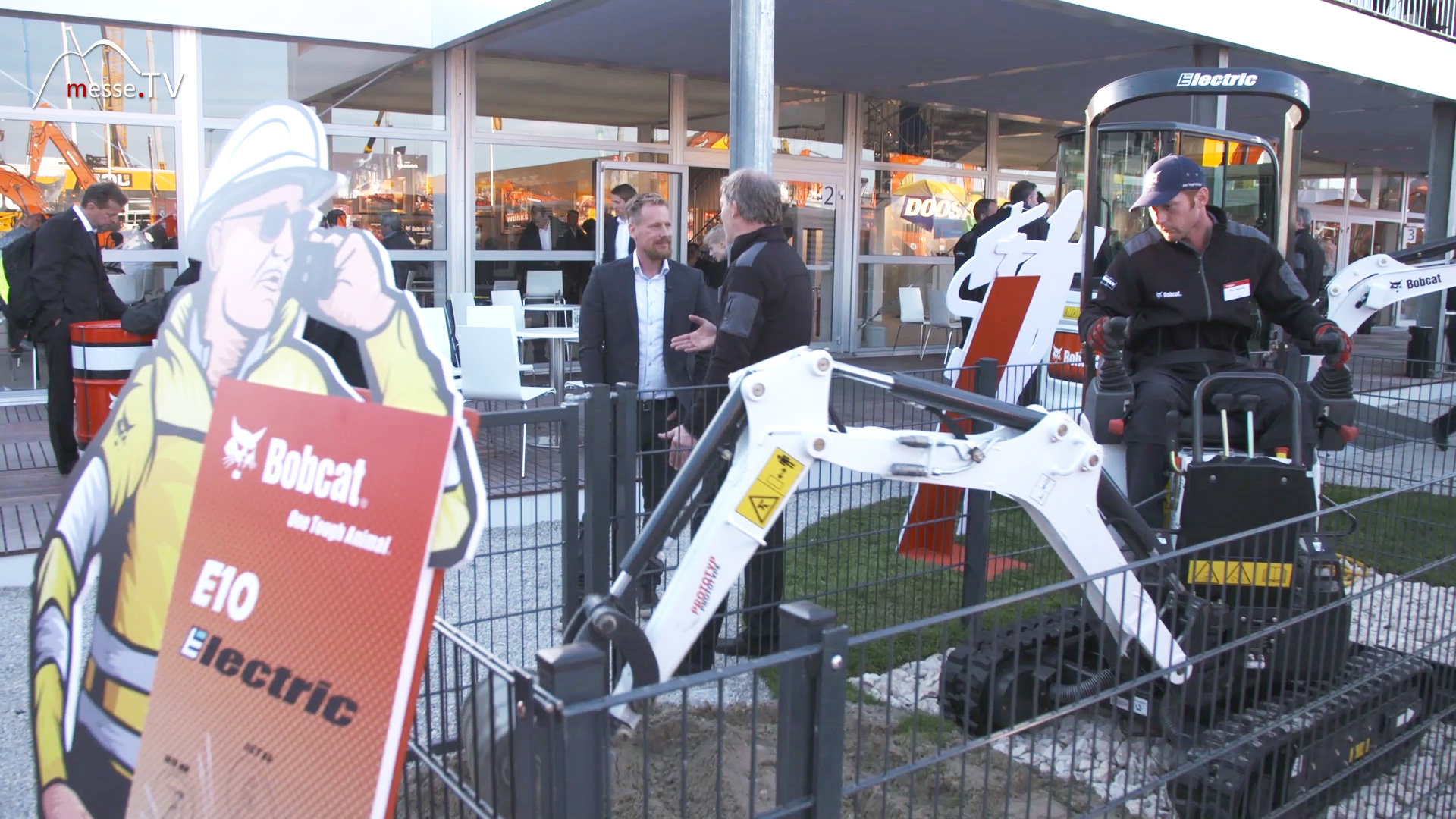
Bobcat setzt auf Elektroantrieb im 1-Tonnen-Bagger
Der gezeigte Kompaktbagger wirkt auf den ersten Blick wie eine klassische kleine Baumaschine. Der Unterschied zeigt sich erst im Betrieb: Der Bagger arbeitet elektrisch und fällt dadurch vor allem durch das auf, was fehlt – Motorlärm und lokale Abgase. Nach Angaben von Bobcat handelt es sich um einen Prototyp eines 1-Tonnen-Baggers. Die Maschine wird über eine Batterie betrieben und kann dadurch unabhängig vom Stromnetz arbeiten. Für längere Einsätze ist zusätzlich ein Betrieb in Verbindung mit einem Stromanschluss möglich. Interessant sind vor allem die Ladezeiten. Steht ein 400-Volt-Anschluss zur Verfügung, soll die Batterie innerhalb von etwa einer Stunde wieder geladen werden können. Über einen normalen 220-Volt-Anschluss dauert der Ladevorgang laut Hersteller rund zwei Stunden. Mit einer Akkuladung sind bereits mehrere Stunden Arbeit möglich. Damit richtet sich die Maschine an Einsatzbereiche, in denen klassische Dieseltechnik zunehmend an Grenzen stößt. Dazu gehören Baustellen in Innenstädten, Arbeiten in sensiblen Wohngebieten oder Einsätze an Orten, an denen Lärm und Abgase besonders störend sind.
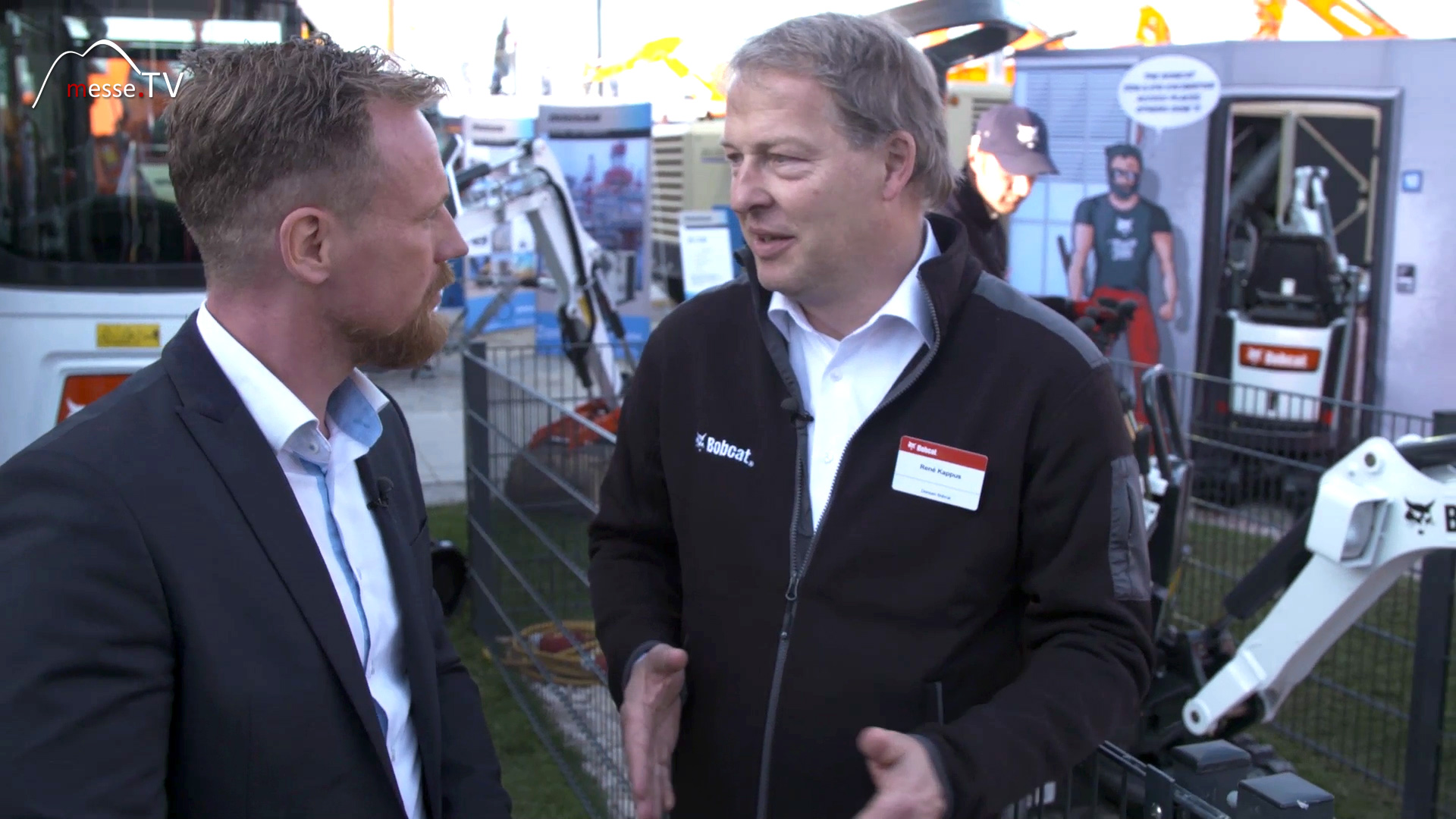
Leise Maschinen werden für Städte wichtiger
Der geringe Geräuschpegel ist neben der Emissionsfreiheit ein zentraler Punkt. Im Gespräch wird deutlich, dass die Maschine selbst während des Betriebs kaum auffällt. Für Bauunternehmen kann das künftig ein echter Vorteil werden, wenn Arbeiten an Sonn- oder Feiertagen, in Innenhöfen oder in besonders regulierten Stadtbereichen stattfinden müssen. Viele Städte verschärfen bereits die Anforderungen an Maschinen, die in Umweltzonen oder innerstädtischen Bauprojekten eingesetzt werden. Der Druck auf Hersteller wächst dadurch nicht nur bei großen Geräten, sondern gerade auch bei kompakten Maschinen, die häufig in unmittelbarer Nähe zu Menschen arbeiten.
Wichtige Eigenschaften des vorgestellten Elektrobaggers:
- batterieelektrischer 1-Tonnen-Bagger als Prototyp
- lokal emissionsfreier Betrieb ohne Dieselabgase
- sehr geringe Geräuschentwicklung auf der Baustelle
- Ladung in etwa einer Stunde bei 400 Volt
- Ladung in rund zwei Stunden bei 220 Volt
- mehrere Stunden Arbeit mit einer Akkuladung
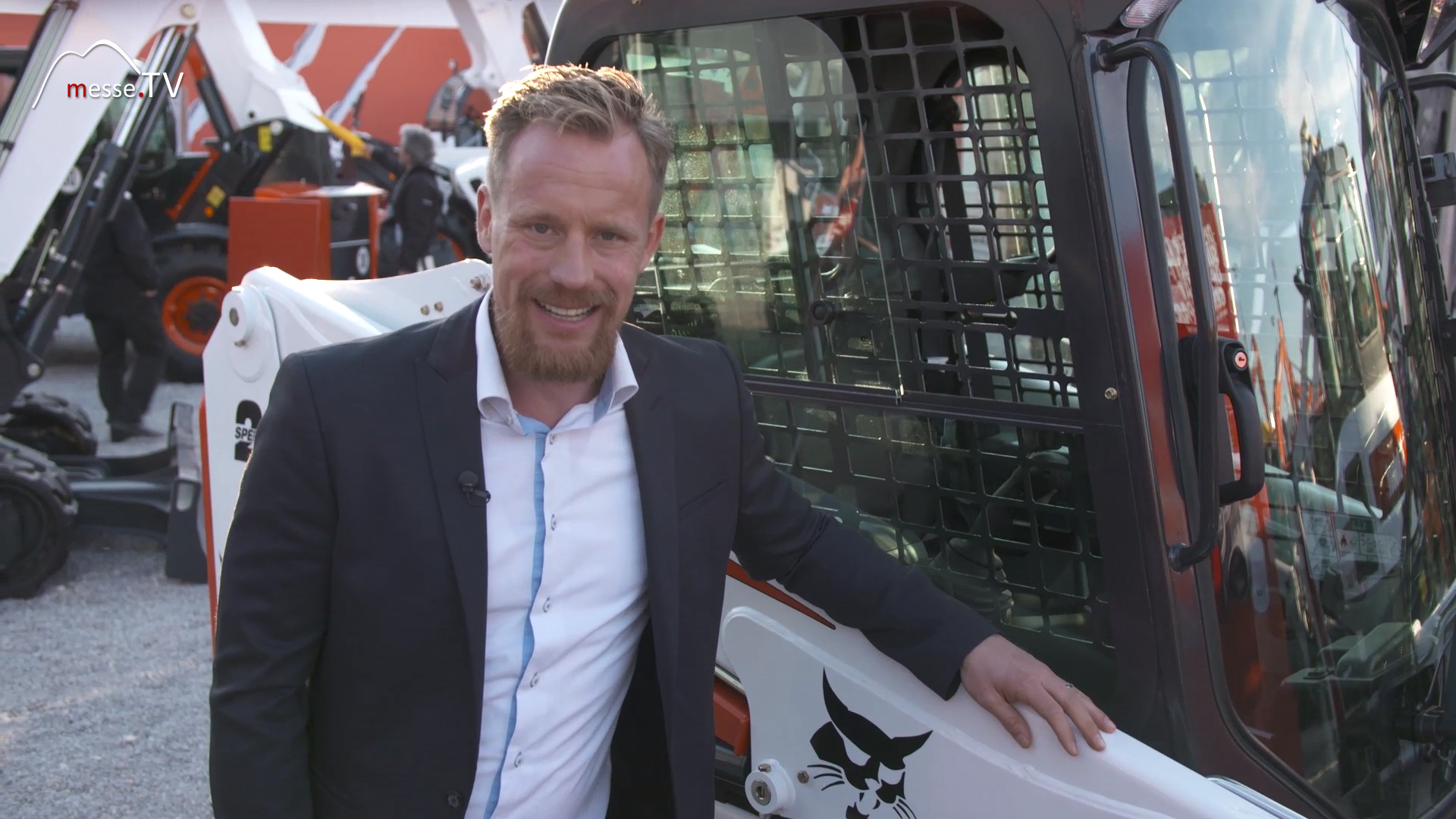
Teleskoplader mit verschiebbarem Oberwagen
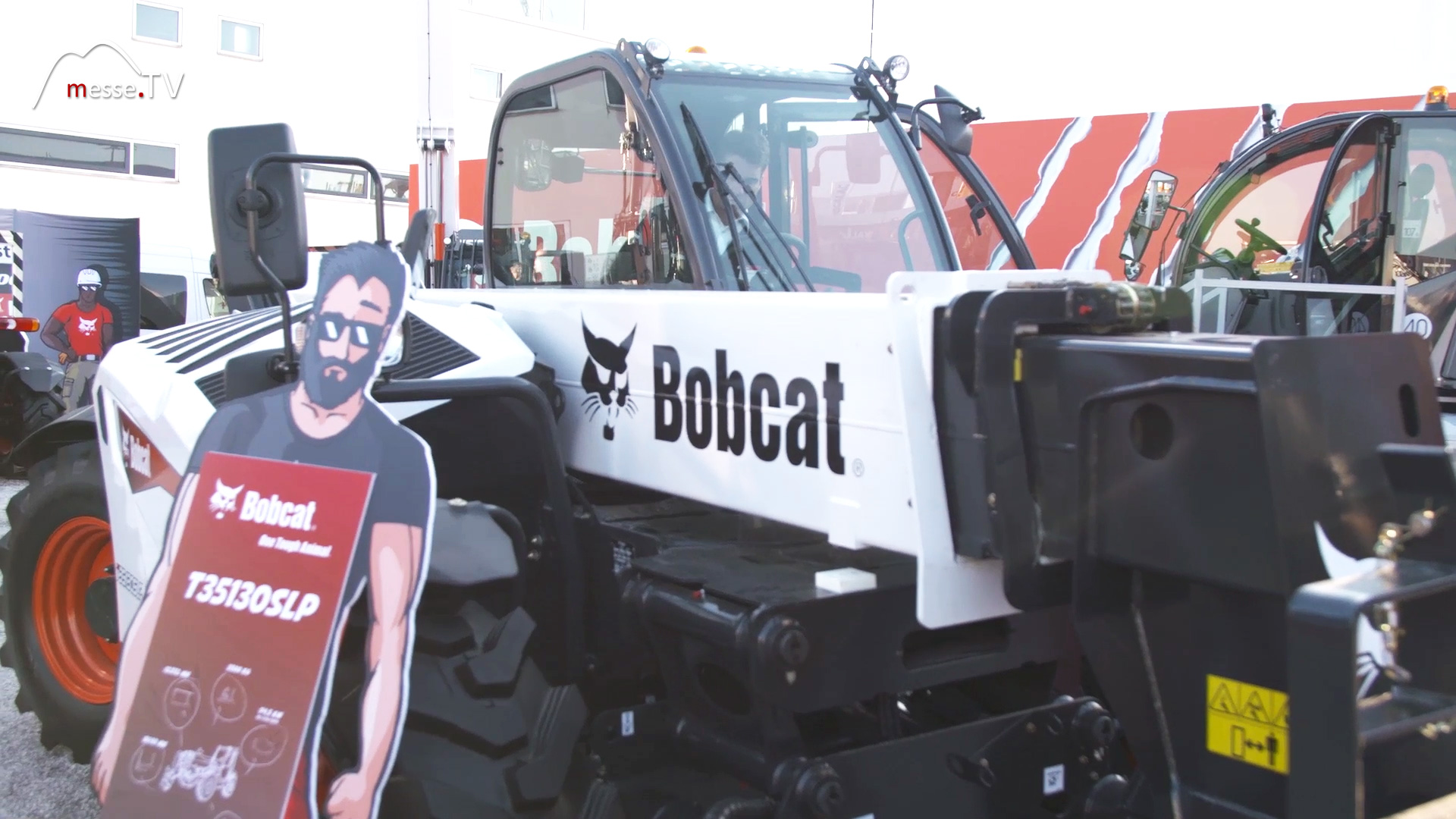
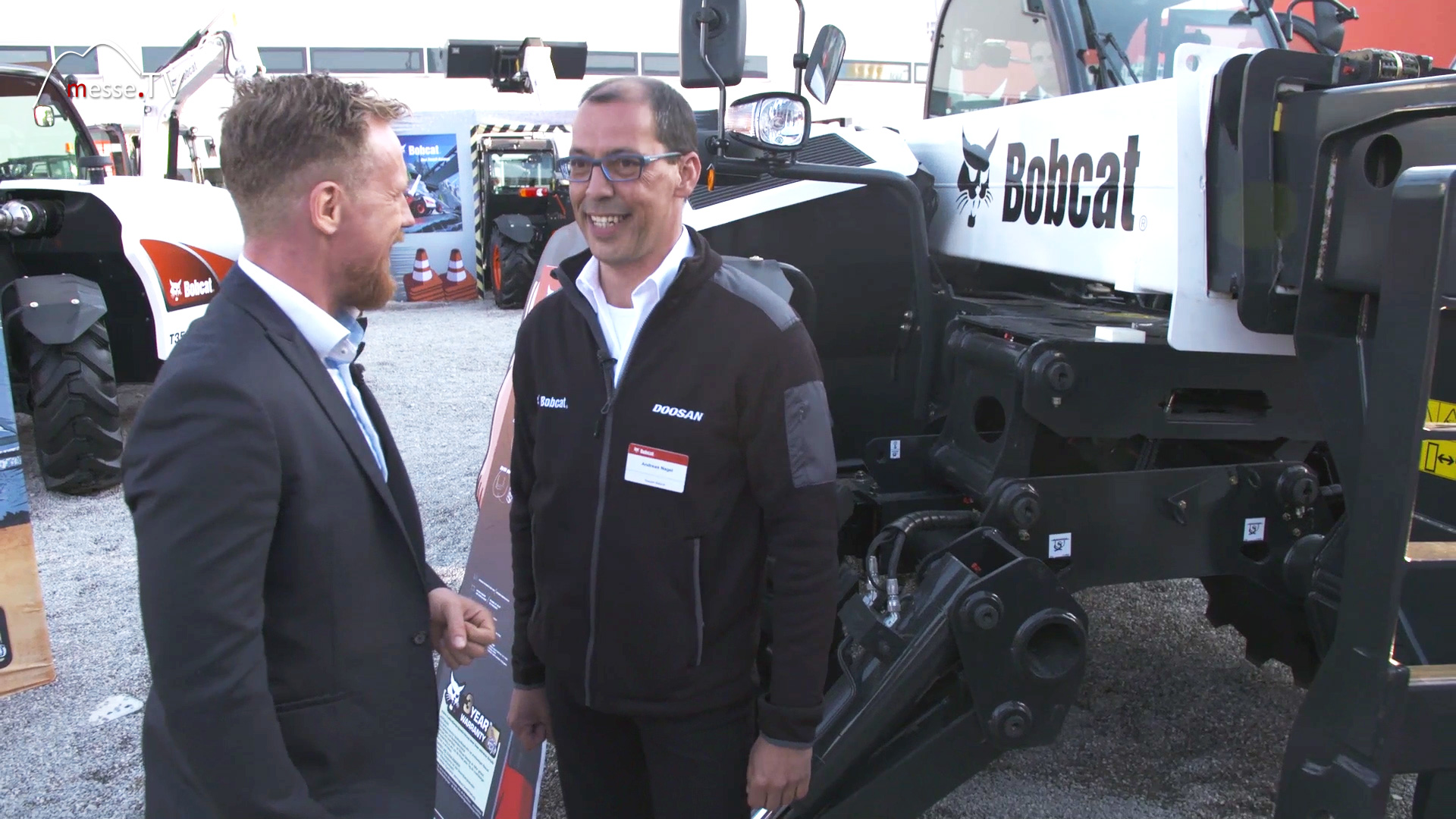
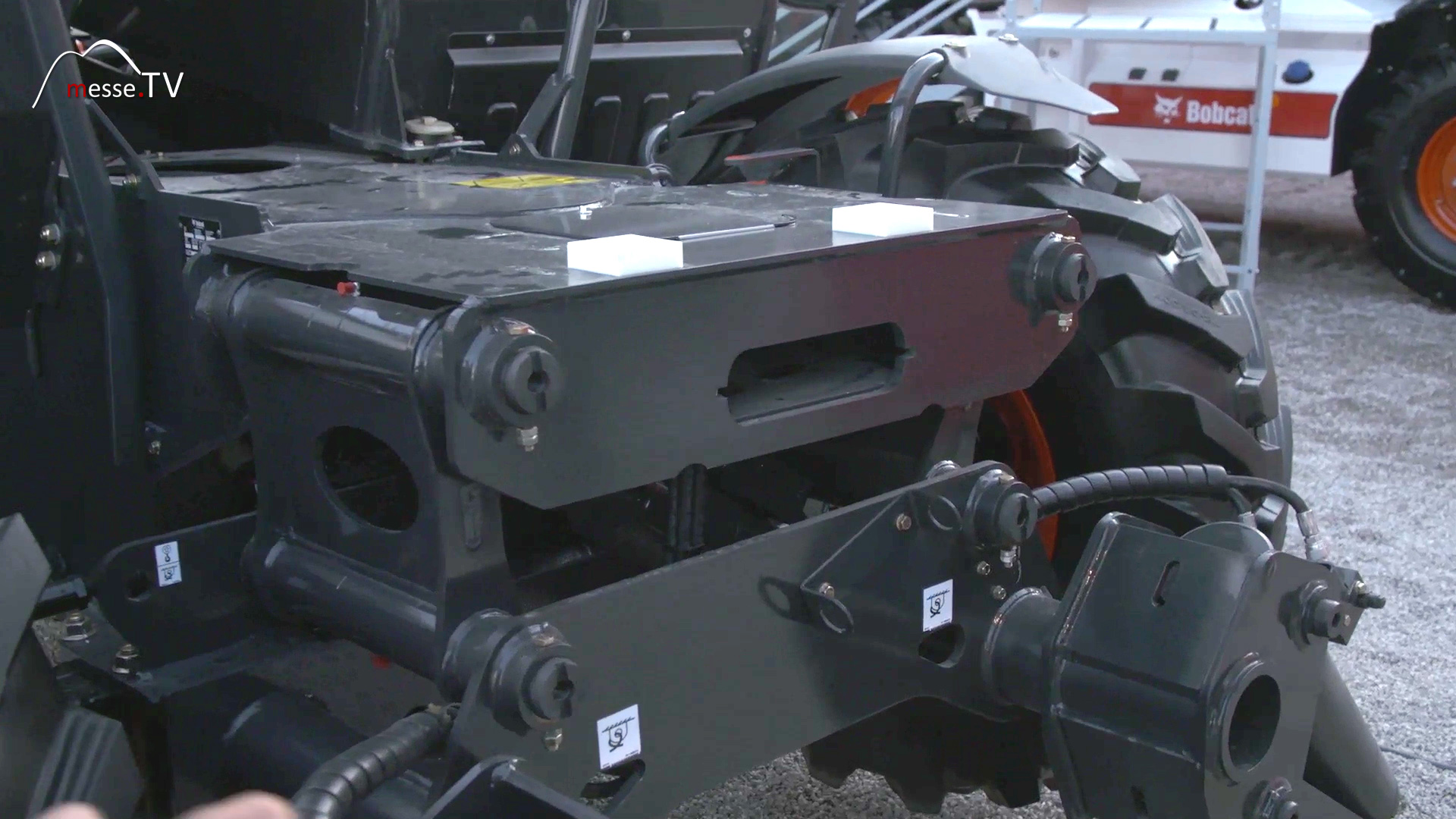
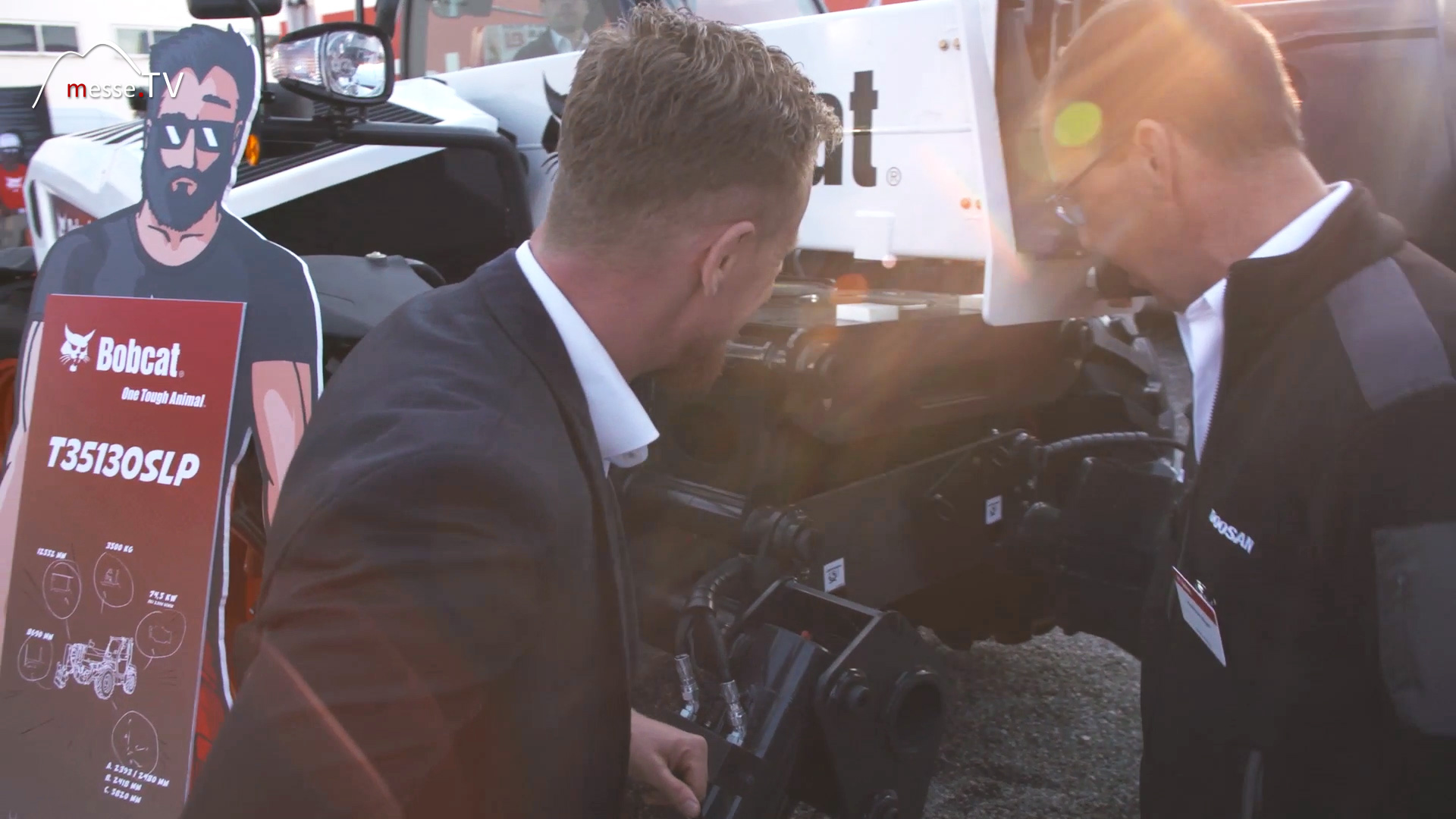
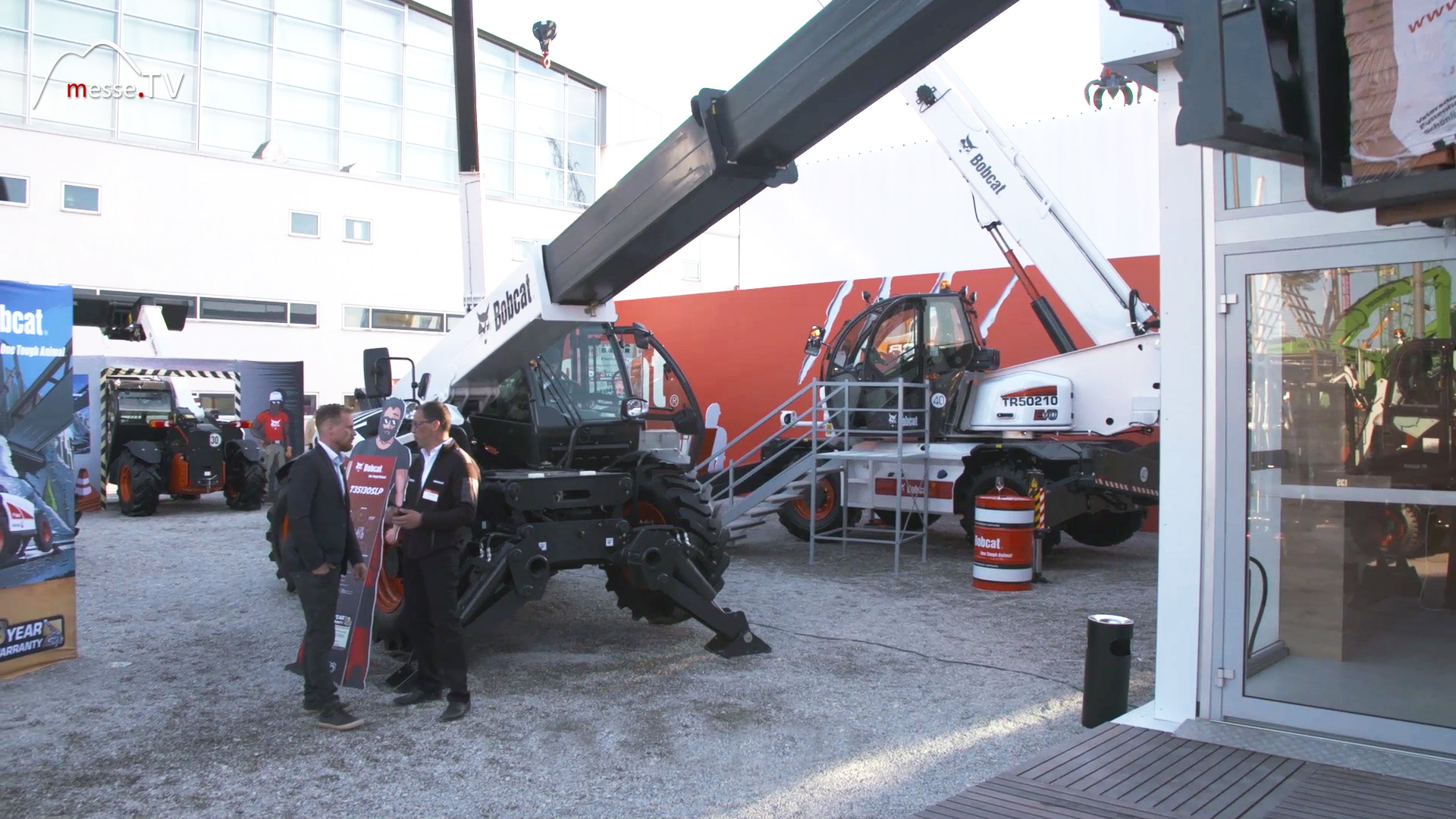
Neben den kompakten Baggern zeigt Bobcat auch Teleskoplader mit einer technischen Besonderheit. Im Gespräch wird ein System vorgestellt, bei dem der Oberwagen unabhängig von der Achse verschoben werden kann. Auf den ersten Blick wirkt die Maschine dadurch beinahe schräg. Tatsächlich steckt dahinter ein Nivellierungs- und Positionierungssystem für anspruchsvolle Hubarbeiten. Der Nutzen liegt vor allem auf unebenem Untergrund. Wenn ein Teleskoplader an einem Hang oder auf einer schrägen Fläche steht, kann die Maschine ausgerichtet werden, um Lasten sicherer nach oben zu befördern. Besonders bei vollständig ausgefahrenem Teleskoparm zählt jeder Zentimeter. Schon kleine Abweichungen können dazu führen, dass eine Palette nicht exakt an der vorgesehenen Öffnung oder Ablageposition ankommt. Mit der Seitenverschiebung lässt sich die Last laut Hersteller bei voller Ausfuhrleistung bis zu 1,35 Meter von links nach rechts versetzen. Das kann im Alltag entscheidend sein, wenn der Fahrer beim Anheben merkt, dass die Palette wenige Zentimeter an der Einführöffnung vorbeiläuft.
Elektronische Lastabschaltung sorgt für Sicherheit
Bei aller Beweglichkeit bleibt die Sicherheit der zentrale Punkt. Die Maschine verfügt über ein elektronisch gesteuertes Lastabschaltungssystem. Der Oberwagen kann nur so weit verschoben werden, wie die Maschine sicher steht. Damit soll verhindert werden, dass der Fahrer durch eine ungünstige Bewegung die Stabilitätsgrenze überschreitet. Gerade bei Teleskopladern ist diese Absicherung wichtig. Die Maschinen arbeiten mit großen Hebelhöhen, wechselnden Lasten und häufig auf schwierigen Untergründen. Wenn der Teleskoparm weit ausgefahren ist, wirken schon vergleichsweise kleine Schräglagen oder seitliche Abweichungen stark auf die Standsicherheit. Das System verbindet deshalb zwei Anforderungen: mehr Flexibilität beim Positionieren und klare technische Grenzen für den sicheren Betrieb. Für Baustellen, Landwirtschaft, Materialumschlag oder Montagearbeiten kann diese Kombination den Einsatz deutlich erleichtern.
Drei Jahre Garantie auf Teleskoplader
Ein weiterer Punkt betrifft die Betriebssicherheit aus Kundensicht. Bobcat verweist darauf, als erster Hersteller bei Teleskopladern serienmäßig eine dreijährige Garantie auf die Maschinen eingeführt zu haben. Für Betreiber ist das relevant, weil Teleskoplader häufig stark beansprucht werden und Ausfälle unmittelbar den Baustellenablauf oder die Materiallogistik beeinflussen. Die Garantie ist damit nicht nur ein Verkaufsargument, sondern Teil eines größeren Trends. Kunden achten zunehmend auf Gesamtkosten, Verfügbarkeit und Servicezusagen. Maschinen werden nicht mehr allein nach technischen Daten bewertet, sondern auch danach, wie kalkulierbar ihr Einsatz über mehrere Jahre bleibt.
Kompakte Maschinen mit mehr Technik im Detail
Die vorgestellten Lösungen zeigen, dass kompakte Baumaschinen technisch anspruchsvoller werden. Der Elektrobagger beantwortet die Frage, wie kleinere Maschinen in emissionssensiblen Bereichen arbeiten können. Der Teleskoplader zeigt, wie Präzision und Sicherheit bei Hubarbeiten verbessert werden können. Auffällig ist dabei, dass beide Entwicklungen nicht auf reine Leistungssteigerung setzen. Entscheidend sind vielmehr Alltagsthemen: leiser Betrieb, kurze Ladezeiten, sichere Lastpositionierung, bessere Kontrolle auf schrägem Untergrund und geringere Einschränkungen in regulierten Stadtbereichen. Für Bauunternehmen, Vermieter und kommunale Anwender dürfte genau diese Verbindung künftig wichtiger werden. Maschinen müssen nicht nur stark und robust sein. Sie müssen auch zu engeren Baustellen, strengeren Vorgaben und komplexeren Arbeitsabläufen passen. Bobcat zeigt mit den vorgestellten Konzepten, wohin sich dieser Markt bewegt: kompakter, leiser, präziser und stärker auf konkrete Einsatzsituationen ausgerichtet.
Messe-Berichterstattung bundesweit - Messewissen, Termine & Veranstaltungen


