Simulatoren für Baumaschinen machen Ausbildung praxisnäher
von Jürgen Groh - 2024-02-13Wer zum ersten Mal in einem Bagger, Radlader oder Muldenkipper Platz nimmt, trägt unmittelbar Verantwortung. Große Maschinen bewegen schwere Lasten, arbeiten in komplexen Umgebungen und erfordern präzise Abläufe.
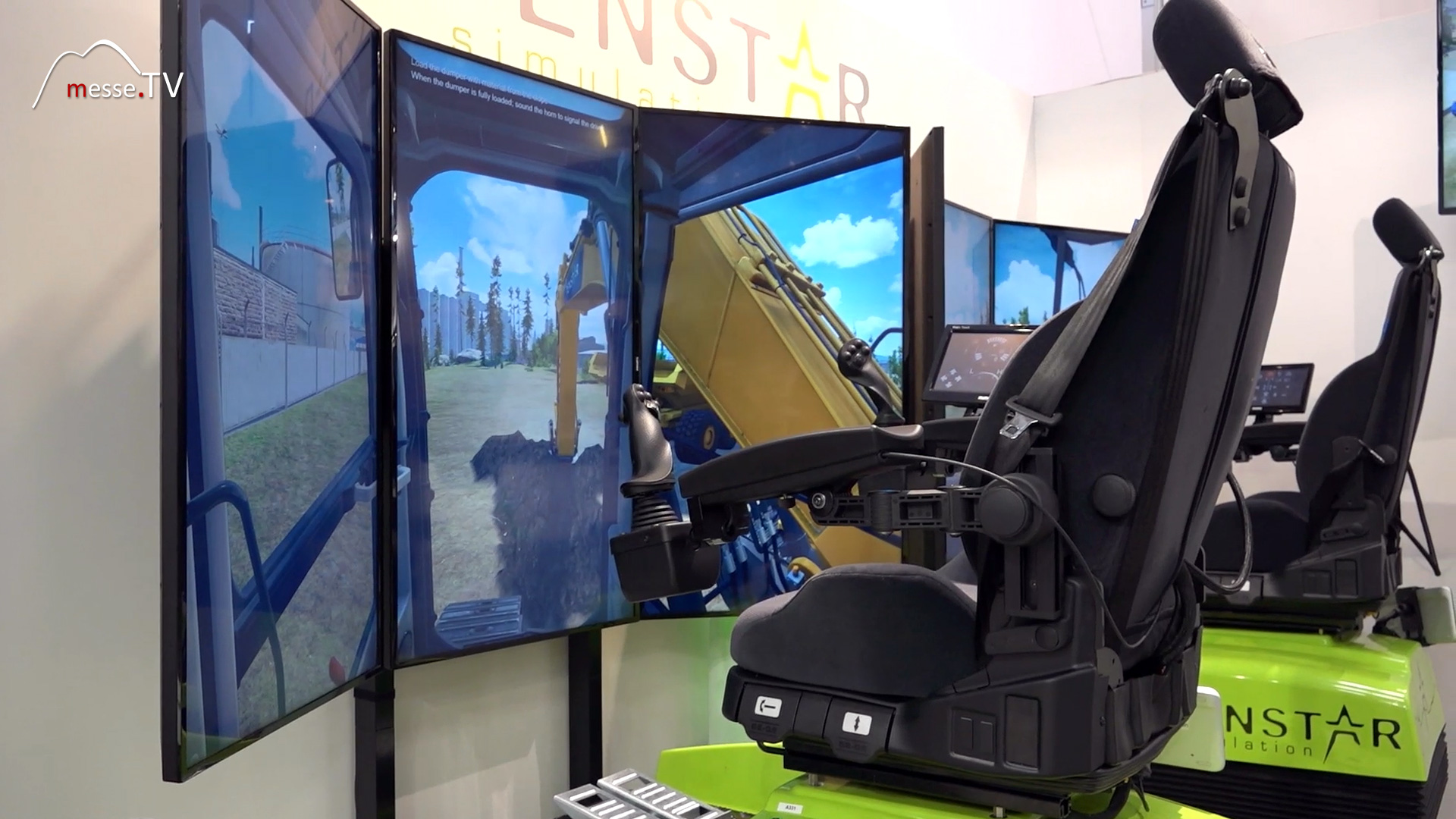
Fehler können teuer werden oder Sicherheitsrisiken verursachen. Gleichzeitig wächst in vielen Bereichen der Bedarf an qualifizierten Maschinenführern. Ausbildungswege stehen damit vor der Herausforderung, Wissen, Praxis und Sicherheit möglichst effizient miteinander zu verbinden. Auf der bauma zeigte Tenstar, wie digitale Simulationen diese Aufgabe unterstützen können. Die Systeme erinnern optisch an moderne Computerspiele, verfolgen jedoch ein deutlich anderes Ziel. Sie sollen angehende Maschinenführer schrittweise an reale Arbeitsabläufe heranführen und dabei Situationen simulieren, die im praktischen Einsatz nur mit hohem Aufwand oder erhöhtem Risiko trainiert werden könnten.
Tenstar setzt auf vernetzte Ausbildung mehrerer Maschinenführer
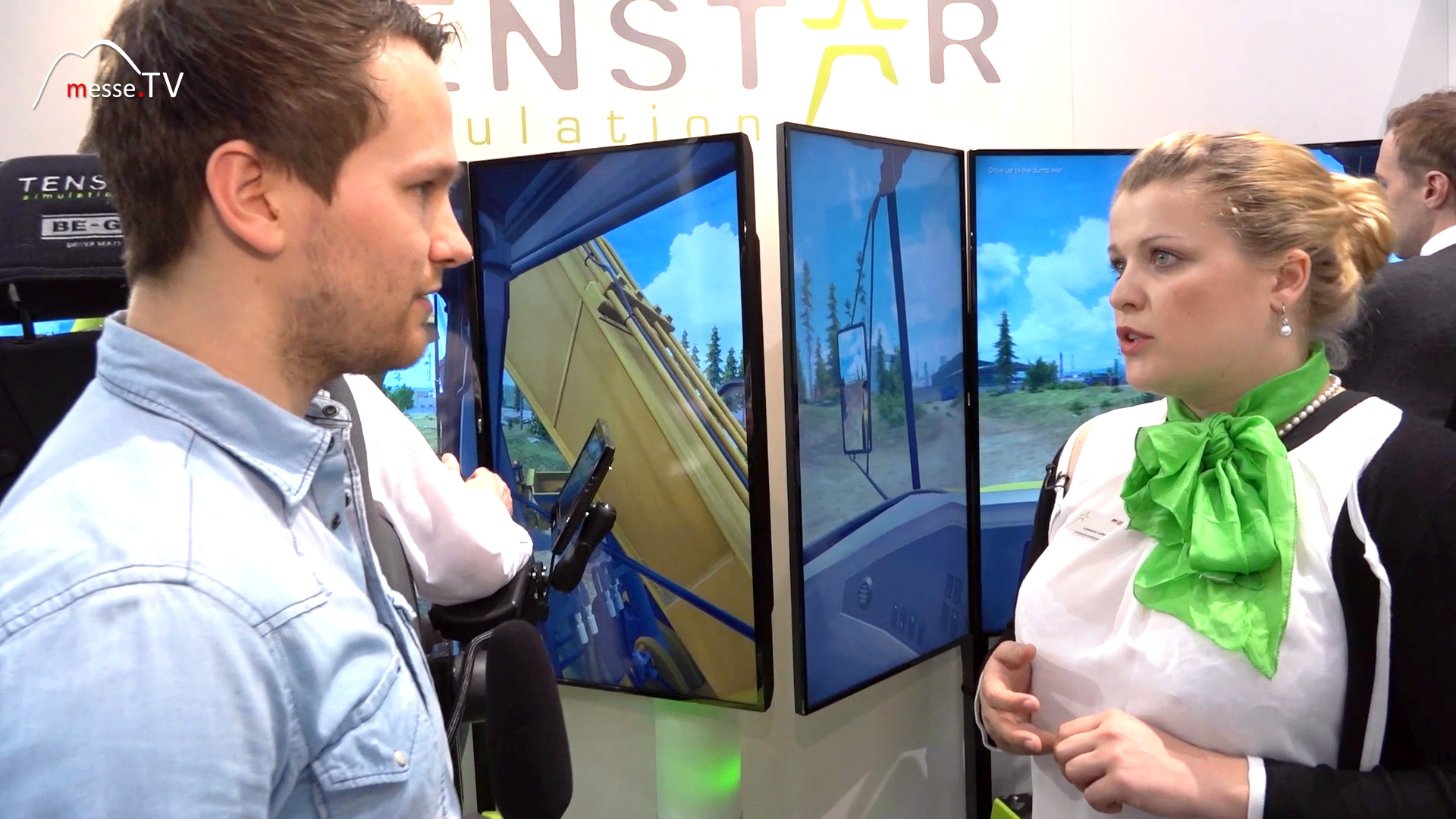
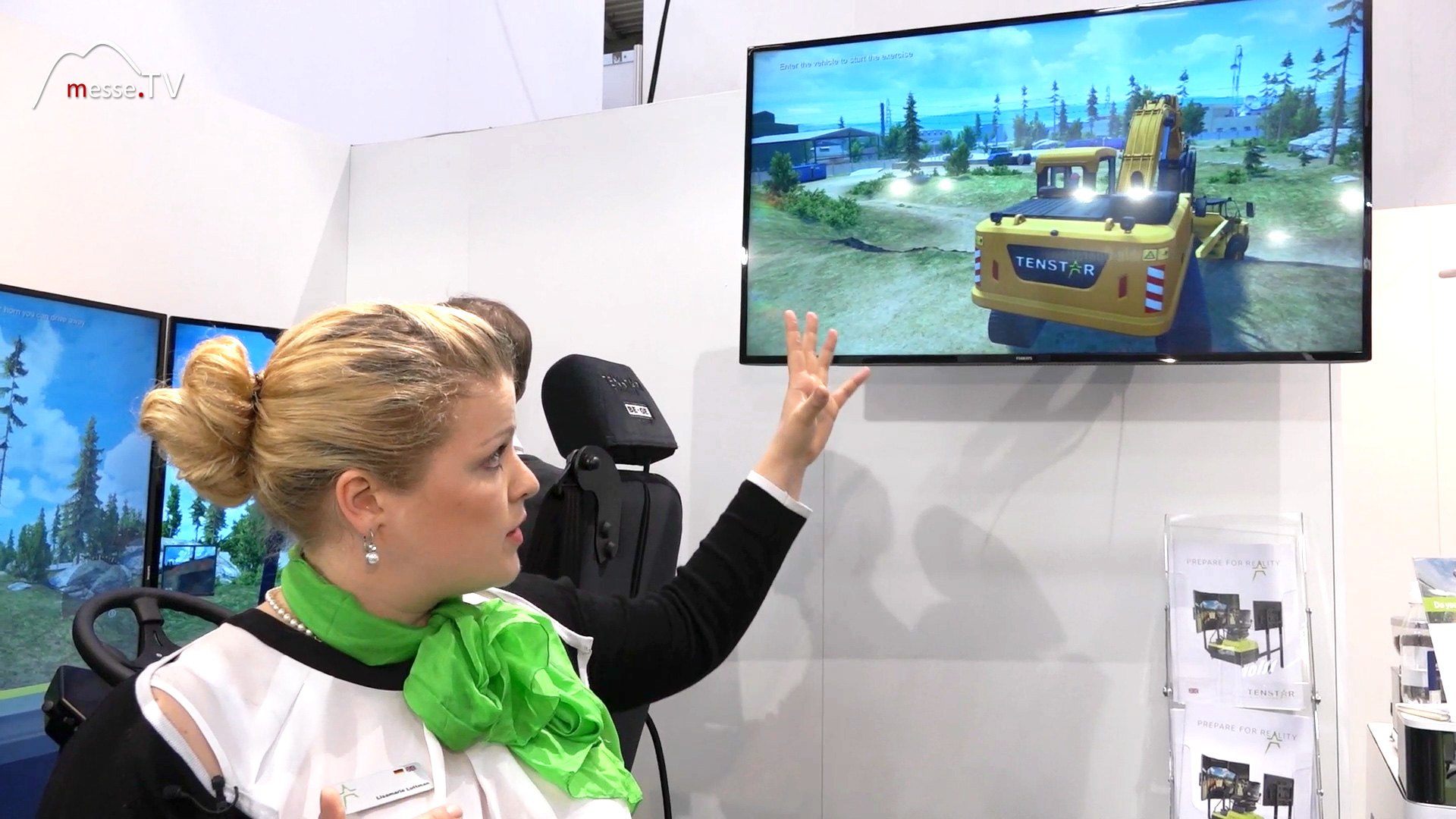
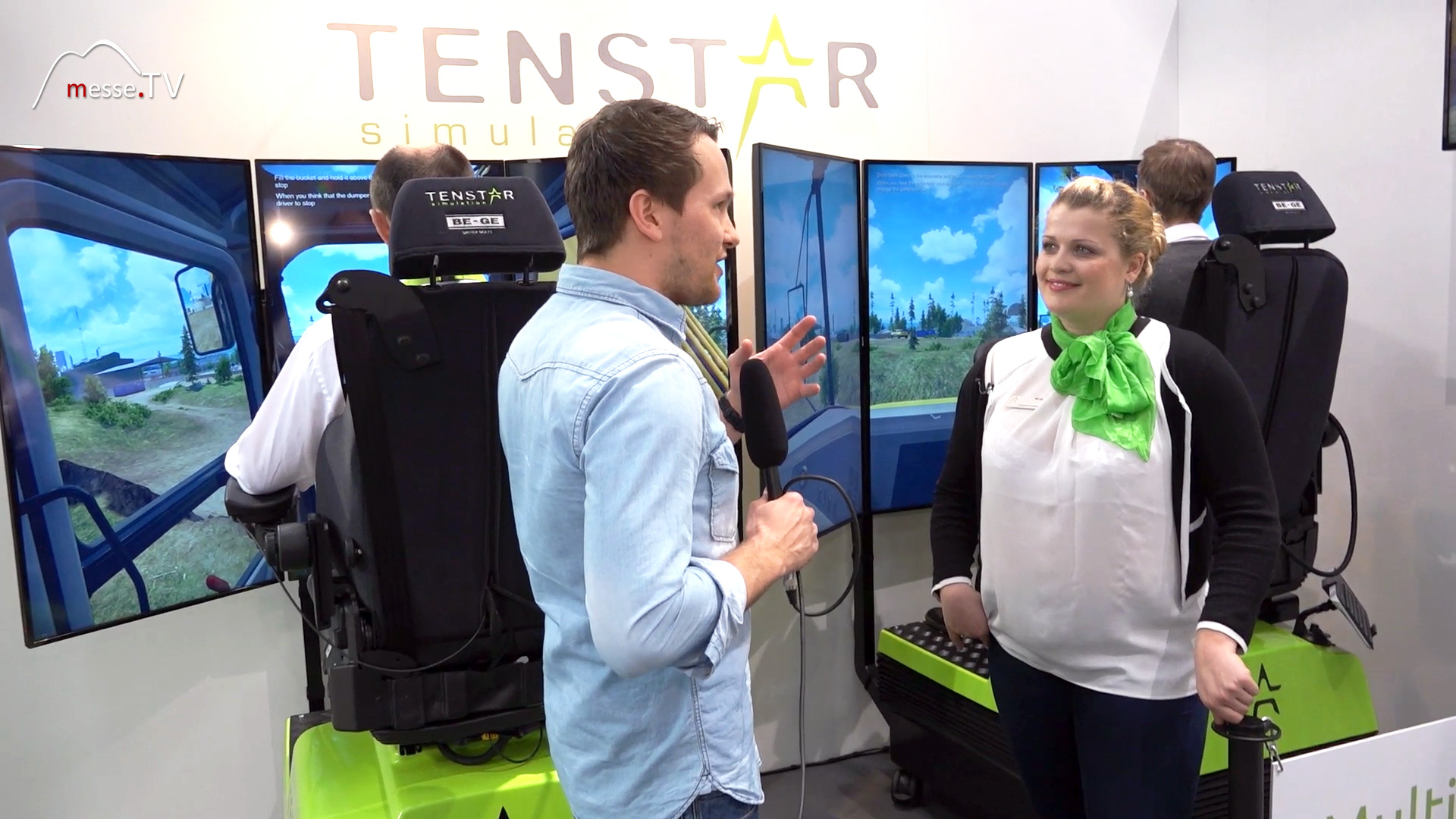
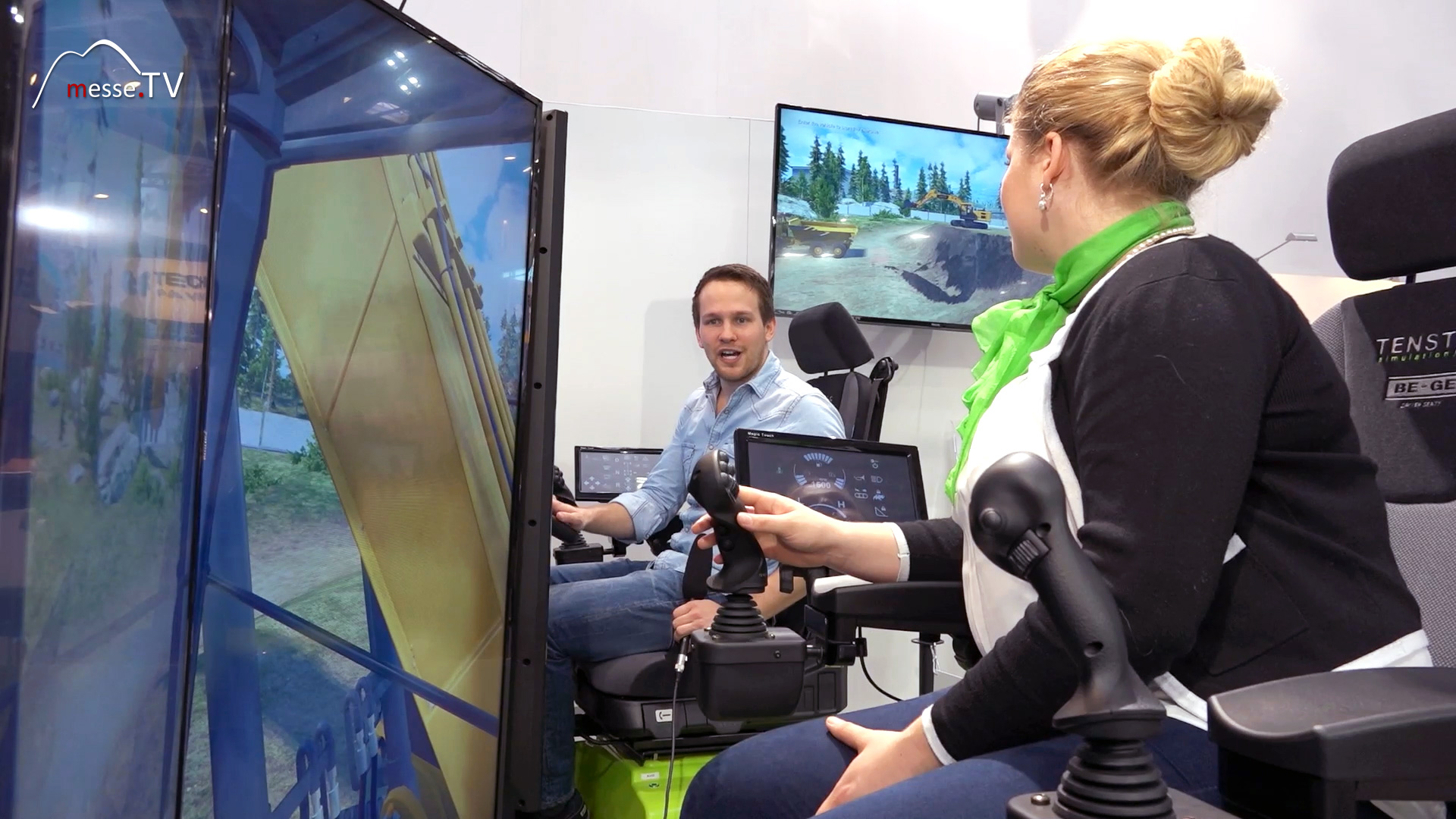
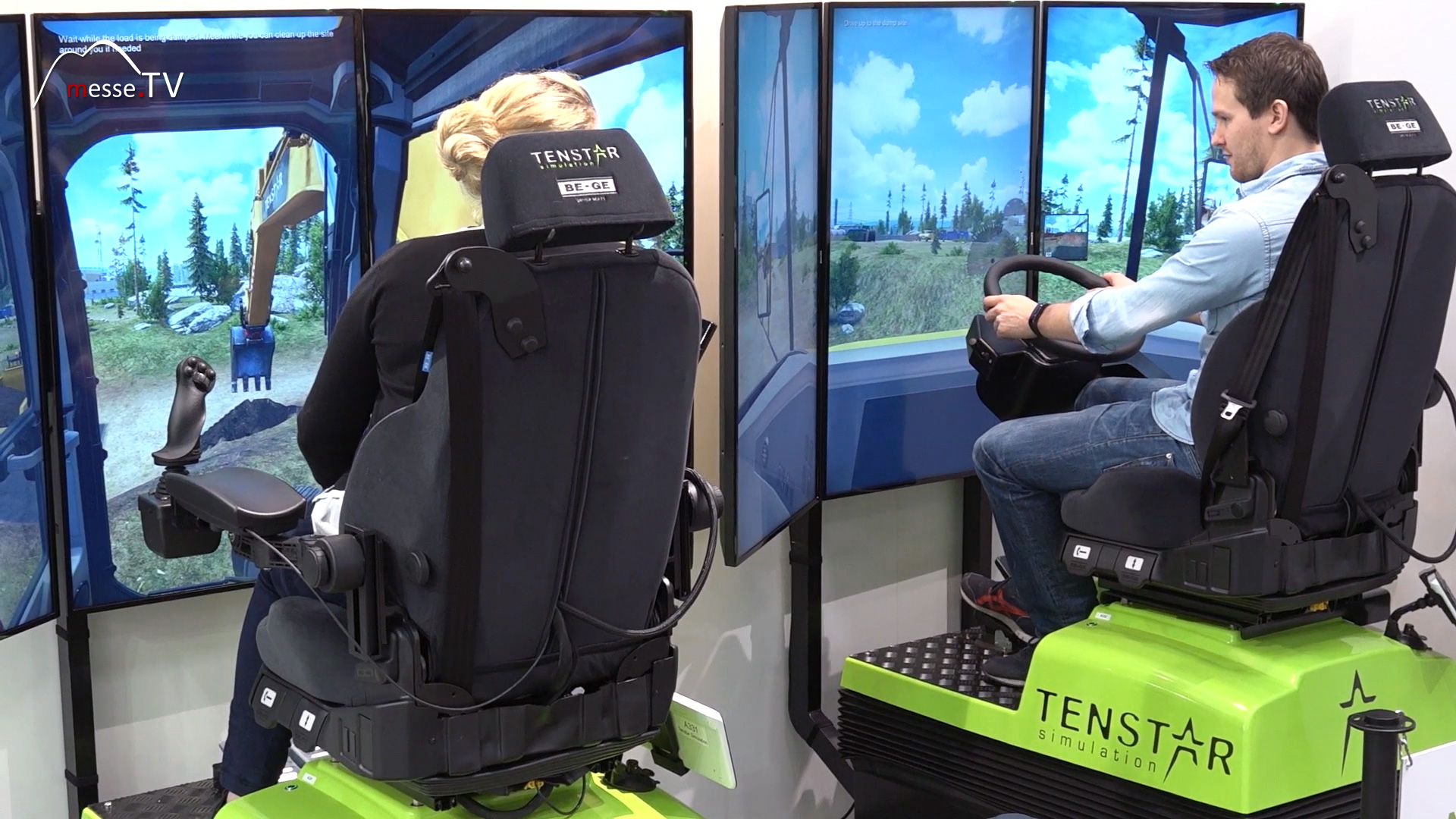
Besonders auffällig war eine Trainingsumgebung, in der mehrere Teilnehmer gleichzeitig arbeiten. Während ein Nutzer einen Bagger bedient, steuert ein zweiter einen Kipper. Beide befinden sich innerhalb derselben virtuellen Baustelle und müssen ihre Arbeit aufeinander abstimmen. Dadurch geht die Ausbildung über das reine Beherrschen einer Maschine hinaus. Die Teilnehmer lernen Abläufe kennen, die auf realen Baustellen täglich stattfinden. Beladevorgänge, Fahrwege, Sicherheitsabstände und die Kommunikation zwischen verschiedenen Maschinen werden Bestandteil des Trainings. Nach Angaben von Tenstar gehört das Unternehmen zu den ersten Anbietern, die eine solche Mehrmaschinen-Simulation in dieser Form umsetzen. Die Lernprogramme werden kontinuierlich erweitert und um zusätzliche Fahrzeugtypen ergänzt.
Vom Bagger bis zum Mähdrescher in einer gemeinsamen Umgebung
Die Plattform beschränkt sich nicht auf klassische Baumaschinen. Neben Baggern und Kippern lassen sich auch landwirtschaftliche Maschinen in gemeinsame Szenarien integrieren. Ein Beispiel ist das Zusammenspiel von Mähdrescher und Traktor während der Ernte. Auch dort müssen mehrere Fahrer ihre Arbeitsabläufe koordinieren. Das virtuelle Umfeld erlaubt es, solche Situationen realitätsnah zu trainieren, ohne Maschinen, Kraftstoff oder Personal auf einem Übungsgelände einsetzen zu müssen.
Zu den möglichen Einsatzbereichen gehören unter anderem:
- Bagger und Kipper auf Baustellen
- Radlader und Transportfahrzeuge
- Mähdrescher und Traktoren in der Landwirtschaft
- Sicherheits- und Gefahrensituationen
- Koordination mehrerer Maschinenführer
- Einübung standardisierter Arbeitsabläufe
Sicherheitsregeln und Wartung als Teil des Lernprogramms
Der eigentliche Fahrbetrieb ist nur ein Bestandteil der Ausbildung. Die Lernprogramme beginnen bereits deutlich früher. Teilnehmer erhalten zunächst grundlegende Informationen über die jeweilige Maschine, deren Aufbau und technische Eigenschaften. Anschließend folgt ein Schwerpunkt auf Sicherheitsregeln. Dazu gehören Gefahrenbereiche, Verhaltensweisen im Arbeitsumfeld sowie typische Risiken im täglichen Betrieb. Erst danach beginnt das praktische Training. Ergänzt wird dies durch Inhalte zur Wartung. Die tägliche Kontrolle von Maschinen gilt als wichtiger Bestandteil eines wirtschaftlichen Betriebs und hilft dabei, Ausfälle und Reparaturkosten zu reduzieren. Die Simulatoren vermitteln deshalb nicht nur Fahrfertigkeiten, sondern auch organisatorische und technische Grundlagen.
Virtuelle Fehler schaffen reale Lernerfahrungen
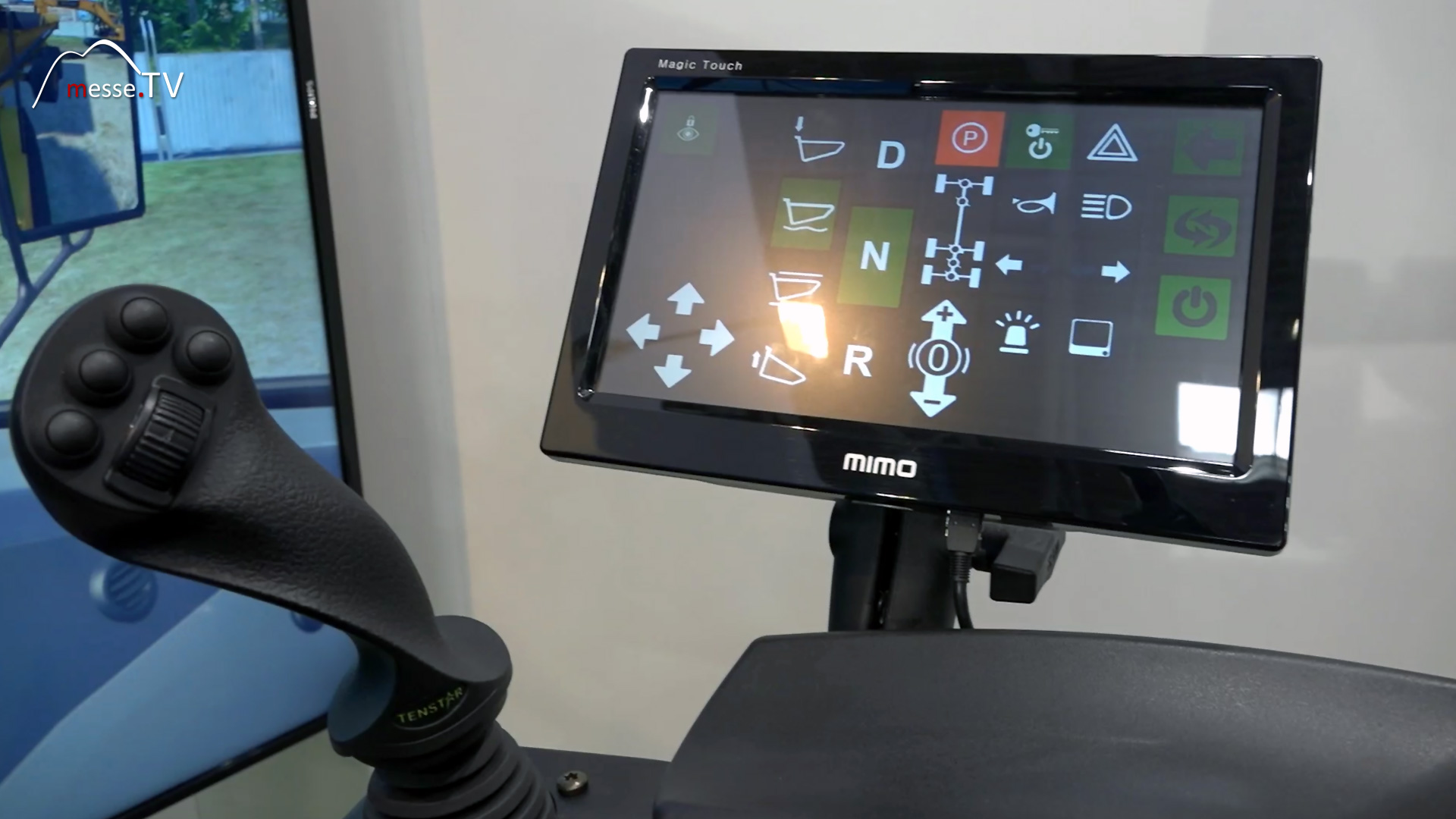
Digitalisierung hält auch in der Branche zunehmend Einzug. Ein Vorteil digitaler Simulationen liegt darin, dass Fehler keine materiellen Folgen haben. Teilnehmer können Situationen erleben, die auf einer realen Baustelle erhebliche Schäden verursachen würden. Während der Vorführung wurde sichtbar, wie ein Kipper auf unebenem Gelände an seine Stabilitätsgrenzen gelangte. Die Simulation zeigte die Fahrzeuglage und machte deutlich, wie schnell kritische Situationen entstehen können. Solche Erfahrungen lassen sich im Simulator gefahrlos wiederholen und analysieren. Für Ausbilder eröffnet das zusätzliche Möglichkeiten. Fehler können gezielt provoziert, ausgewertet und anschließend korrigiert werden. Dadurch entsteht ein Lernprozess, der in vielen Fällen effizienter verläuft als ausschließlich praktische Übungen mit realen Maschinen.
Virtual Reality soll die nächste Entwicklungsstufe werden
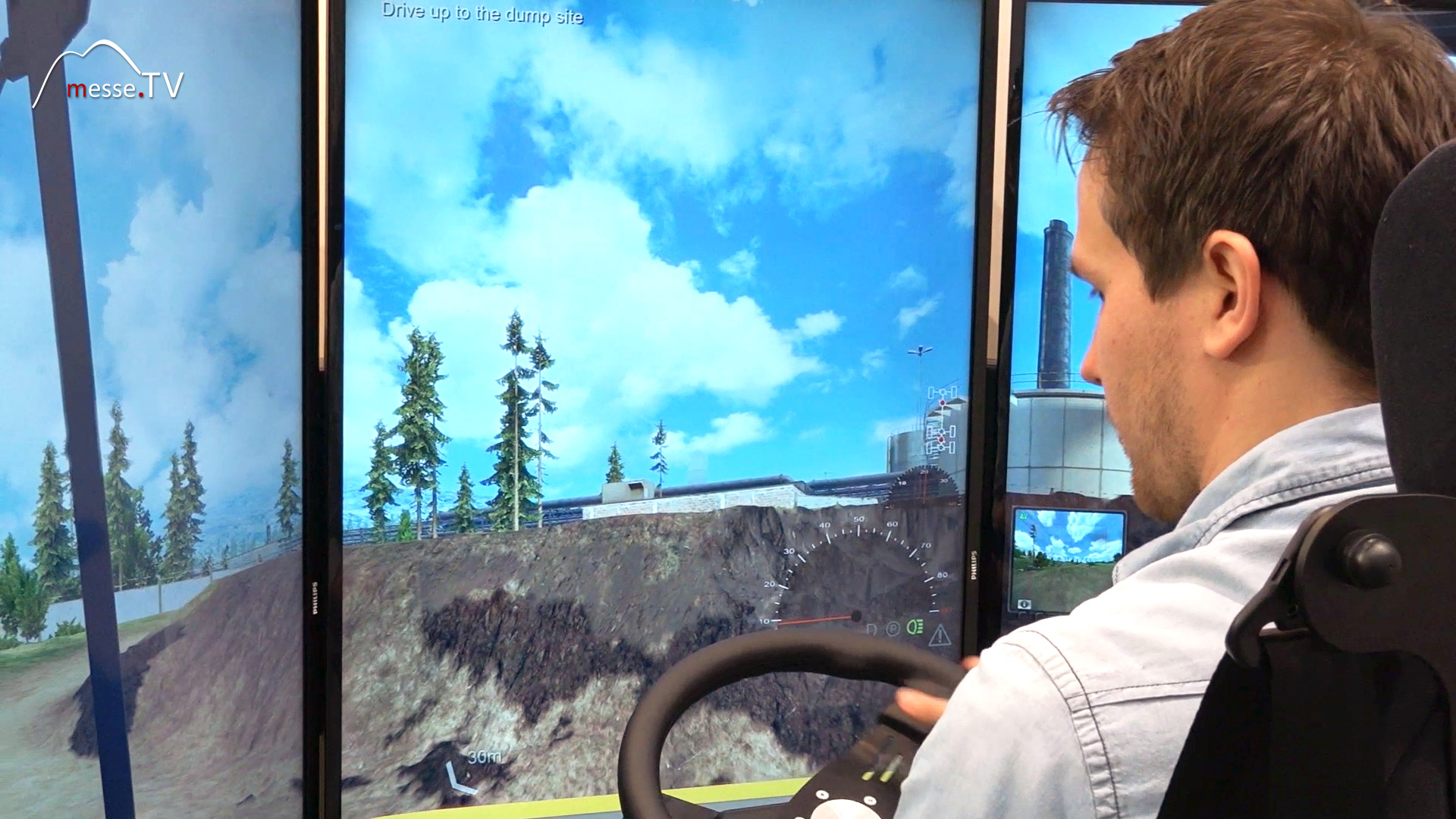
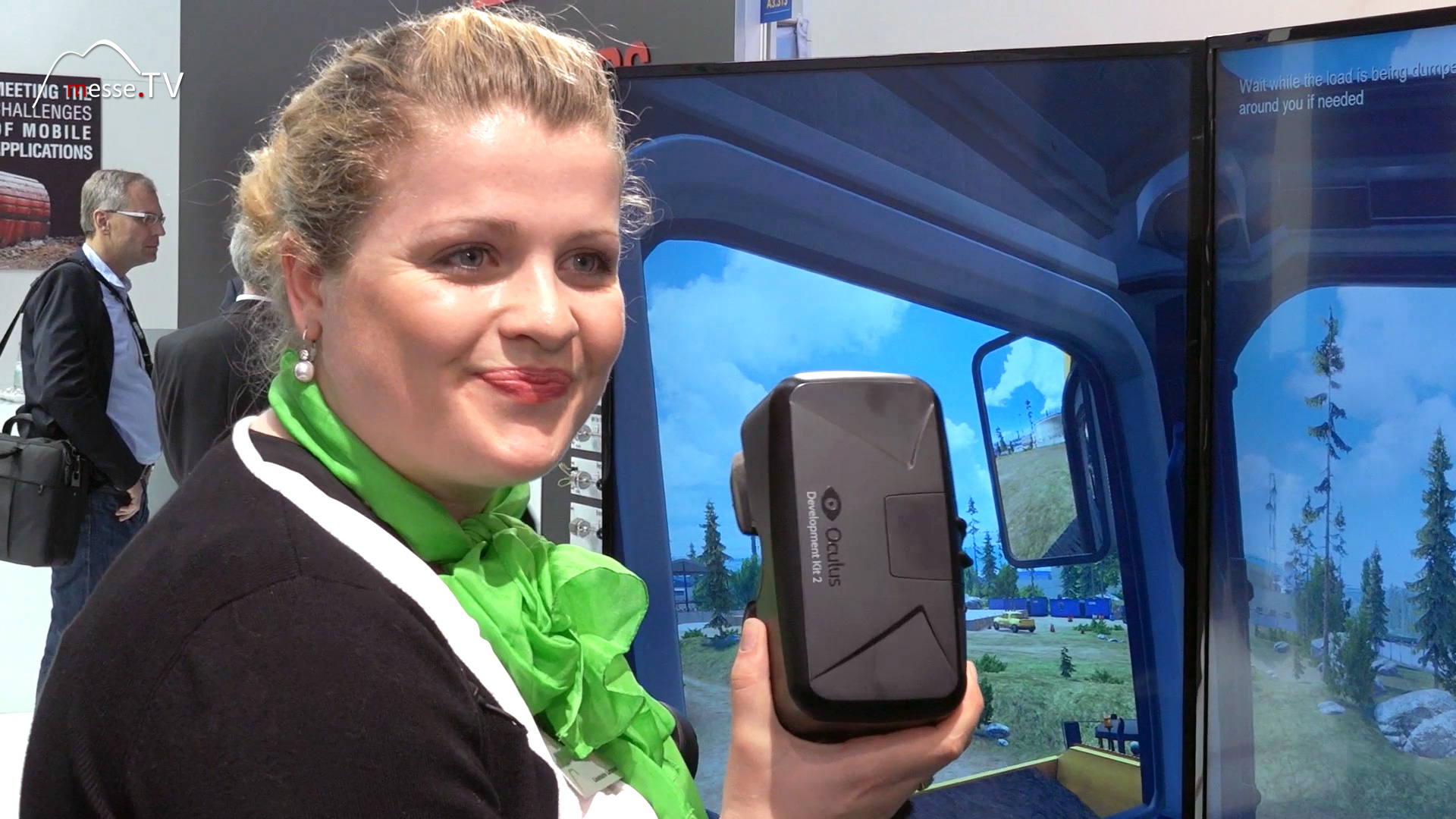
Bereits heute arbeiten die Systeme mit mehreren Bildschirmen und einem hohen Grad an visueller Detailtreue. Die Darstellung vermittelt den Eindruck einer echten Maschinenkabine und erleichtert die Orientierung innerhalb der virtuellen Umgebung. Nach Einschätzung von Tenstar wird die nächste Entwicklungsstufe verstärkt auf Virtual-Reality-Technologien setzen. Erste Anwendungen mit VR-Brillen befinden sich bereits in Entwicklung. Langfristig könnten sich dadurch noch immersivere Trainingsumgebungen ergeben, in denen Nutzer ihre Umgebung nahezu vollständig digital wahrnehmen.
Die auf der bauma vorgestellten Systeme zeigen, wie stark sich die Ausbildung von Maschinenführern verändert. Digitale Simulatoren ersetzen die Praxis nicht, sie schaffen jedoch einen zusätzlichen Trainingsraum zwischen Theorie und realem Einsatz. Dort lassen sich Abläufe, Sicherheitsregeln und komplexe Zusammenarbeit unter kontrollierten Bedingungen erlernen – ein Ansatz, der angesichts steigender Anforderungen an Bediener und Maschinen zunehmend an Bedeutung gewinnt.
Messe-Berichterstattung bundesweit - Messewissen, Termine & Veranstaltungen


