Tethered caps and sport caps: closures that stay on the bottle
On packaging, a closure often seems like a minor detail. In practice, however, it plays a decisive role in how well a product performs on the go, how clean the material cycle remains, and whether new requirements can be integrated into existing filling lines without friction losses. This is precisely where current developments in the field of tethered closures come in – for classic beverage bottles as well as for sports and on-the-go applications.
Tethered caps: Clip-aside as a response to new requirements
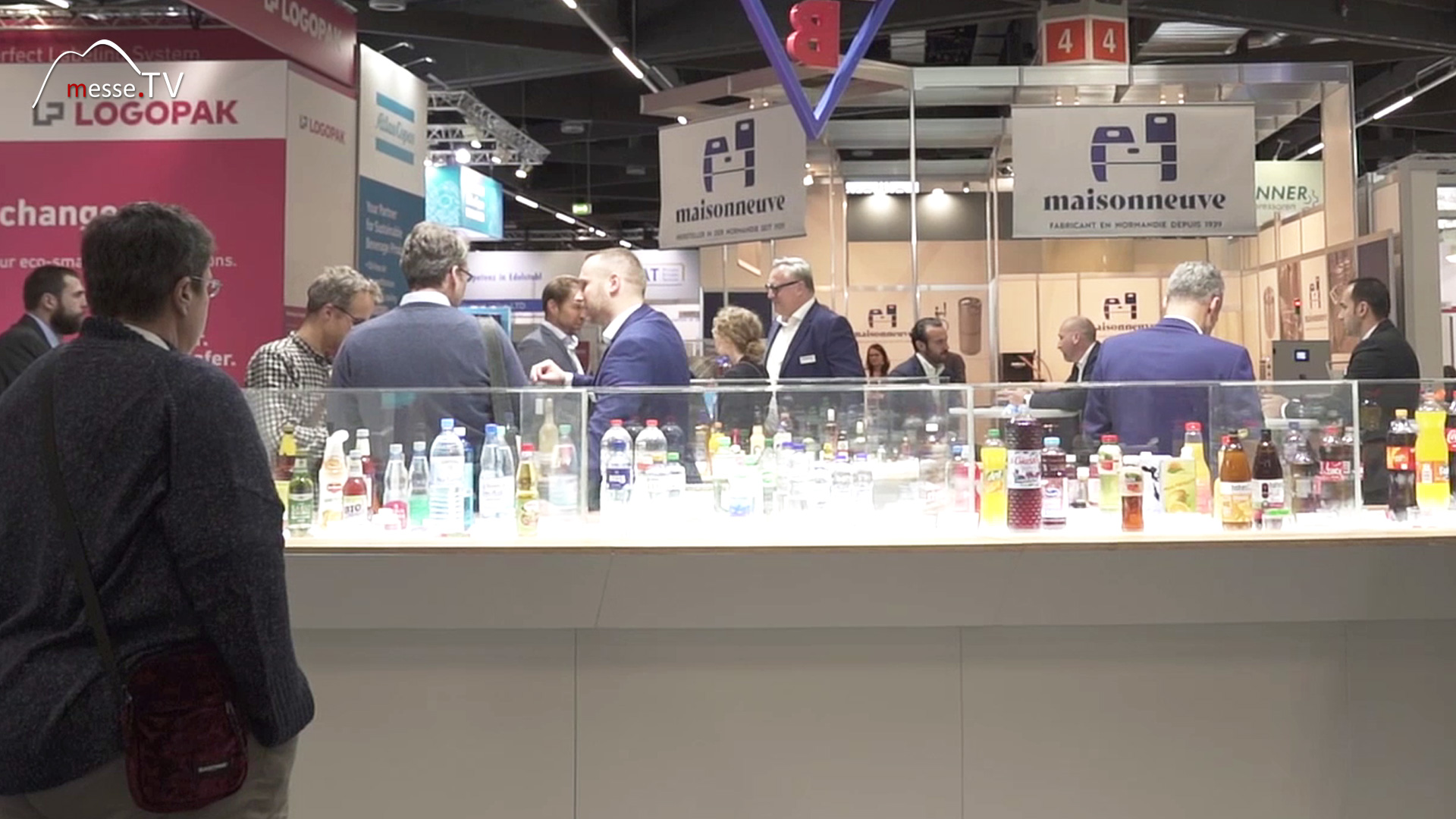
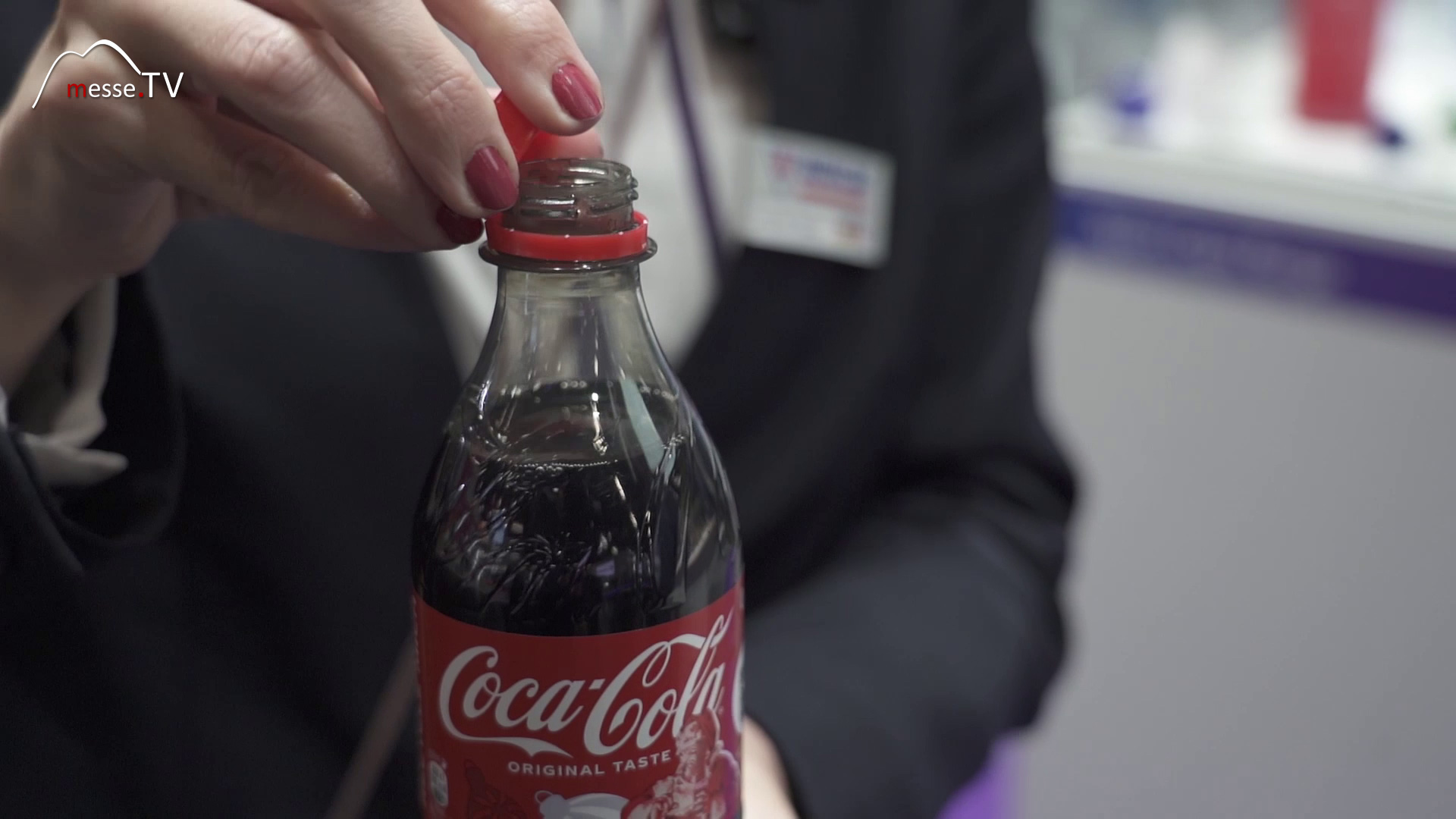
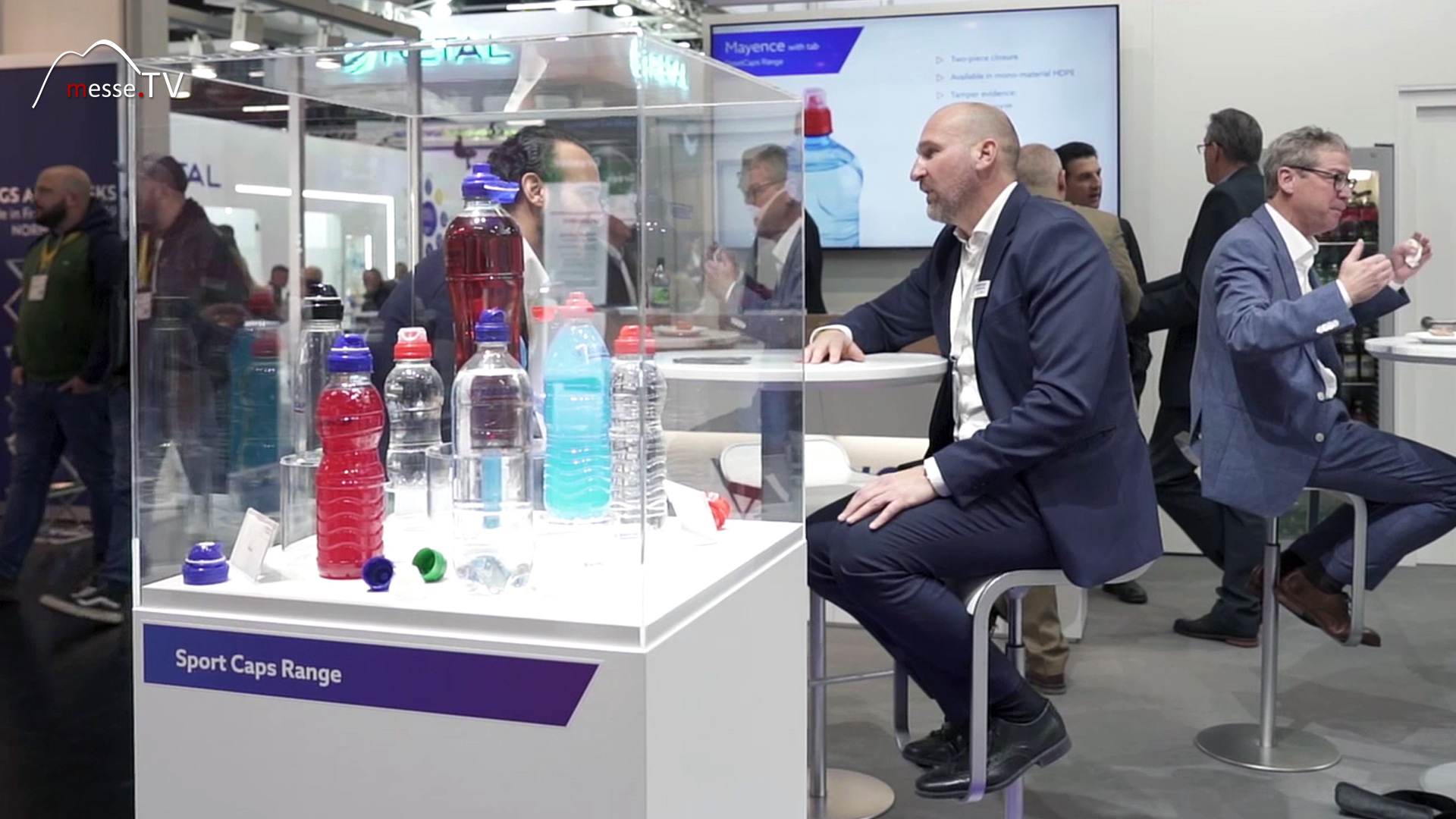
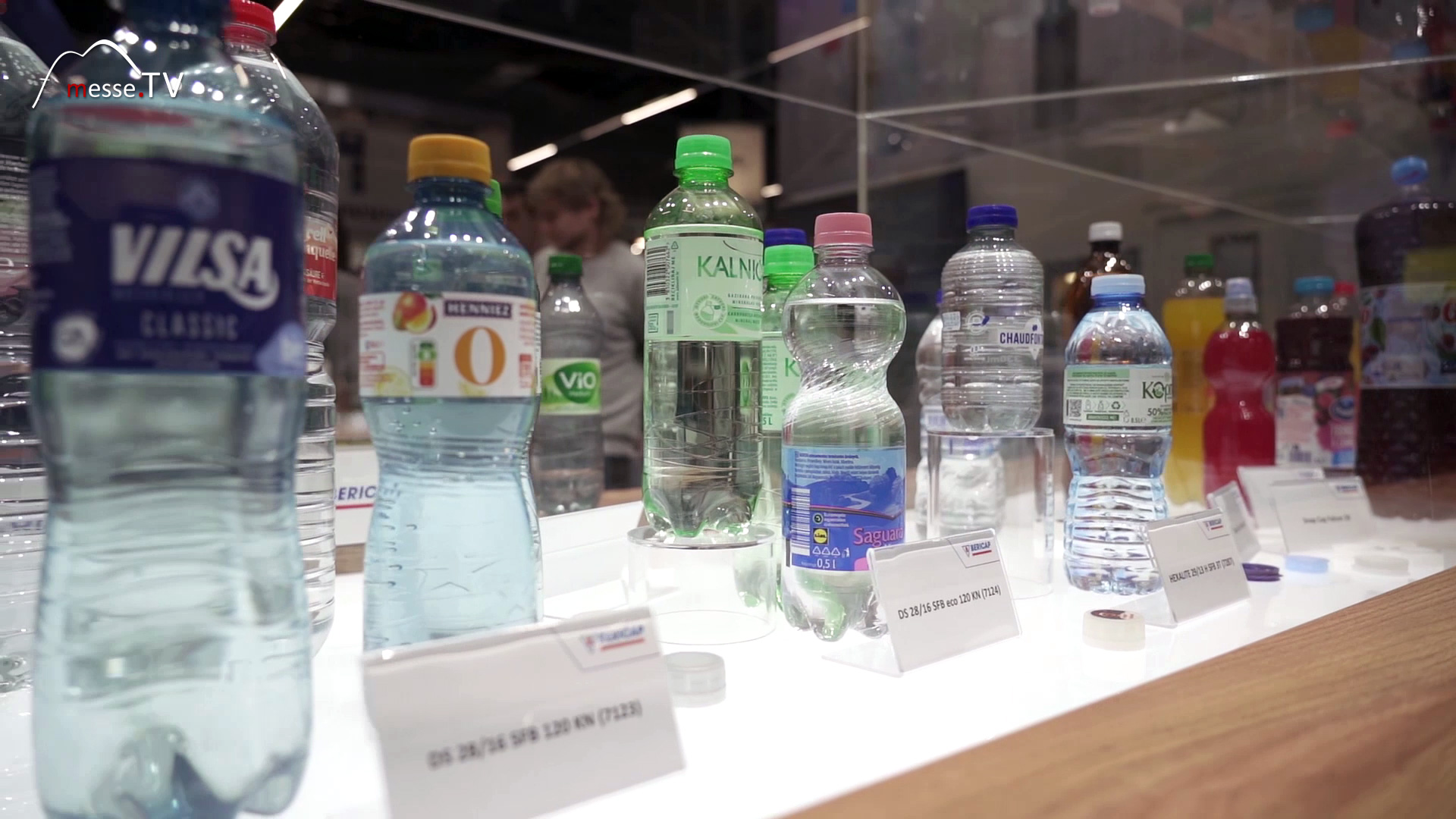
The focus is on the principle of tethered caps: the closure should no longer separate completely from the bottle in the case of single-use bottles. The background to this is an EU requirement that was already decided in 2019 and is to become binding from June of the following year of implementation. The practical effect is clear: the cap and bottle remain together so that both end up in the recycling stream and separation “on the go” does not become a problem. A clip-aside solution that addresses precisely this requirement profile will be on display at the booth. The decisive factor here is not only that the cap “stays on,” but also that it can still be used intuitively in everyday life. Especially for products that are opened and closed quickly, the mechanism is only convincing if it is not perceived as an additional hurdle.

Sports caps: one-handed operation, but without a removable lid
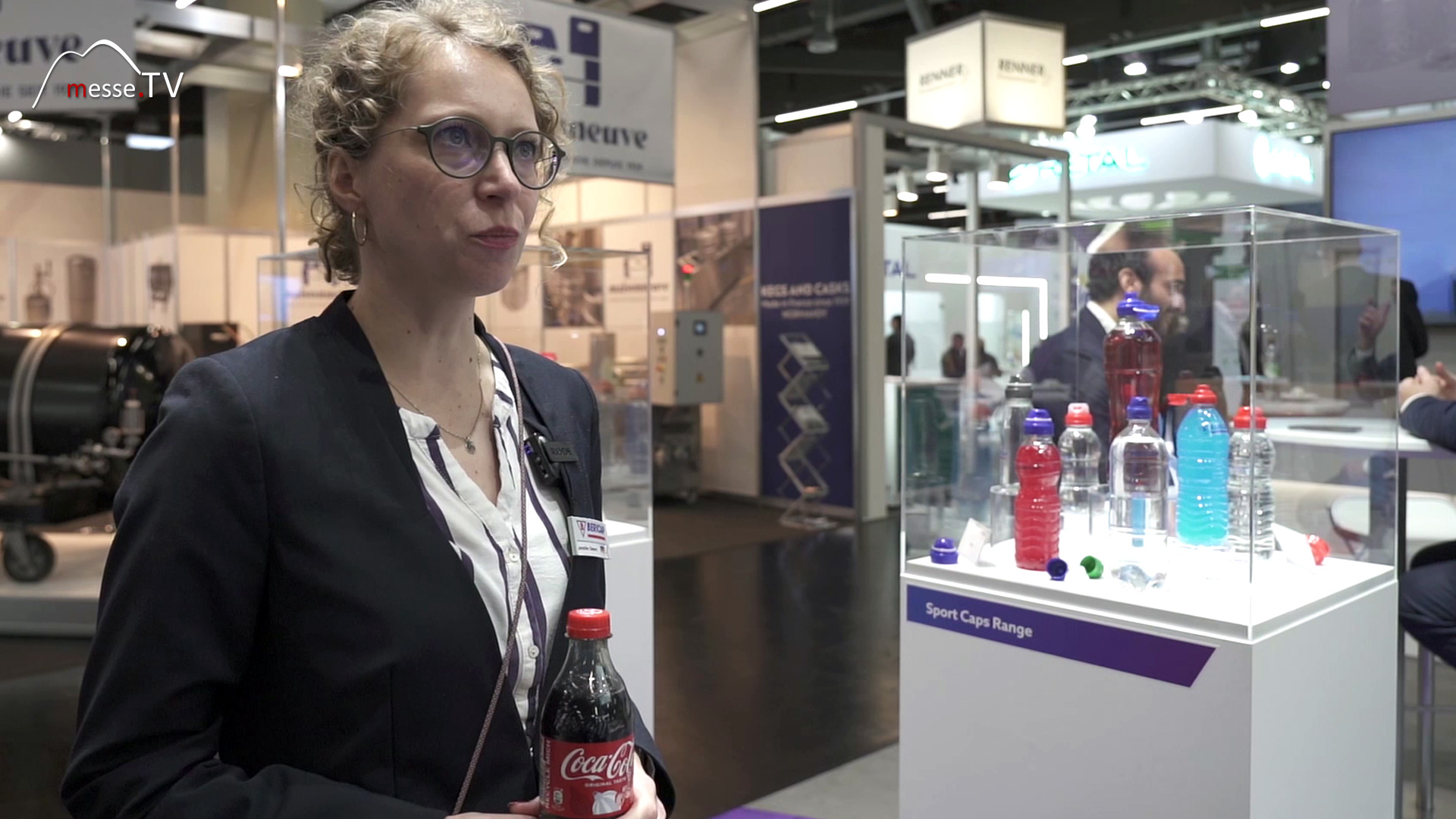
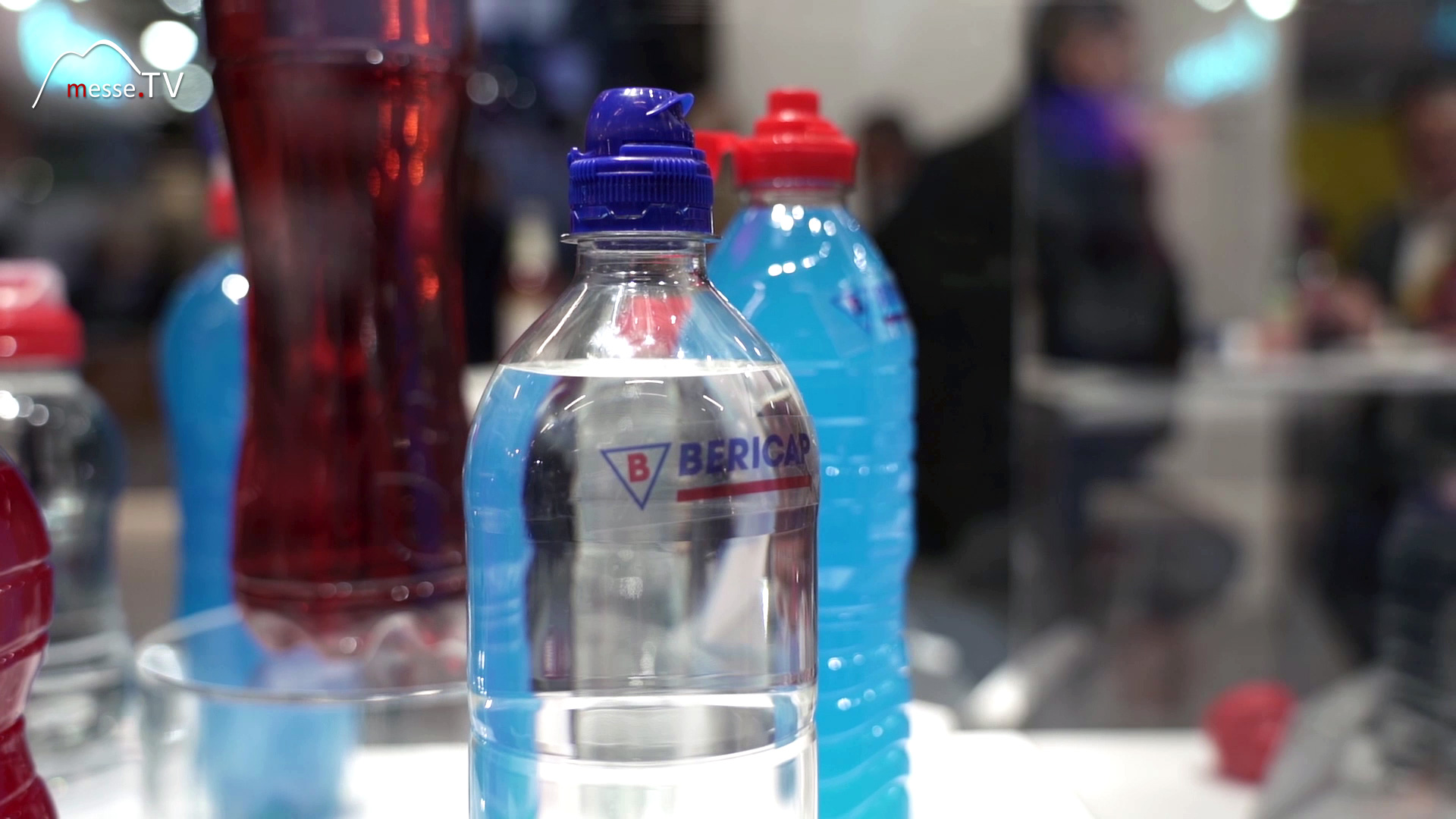
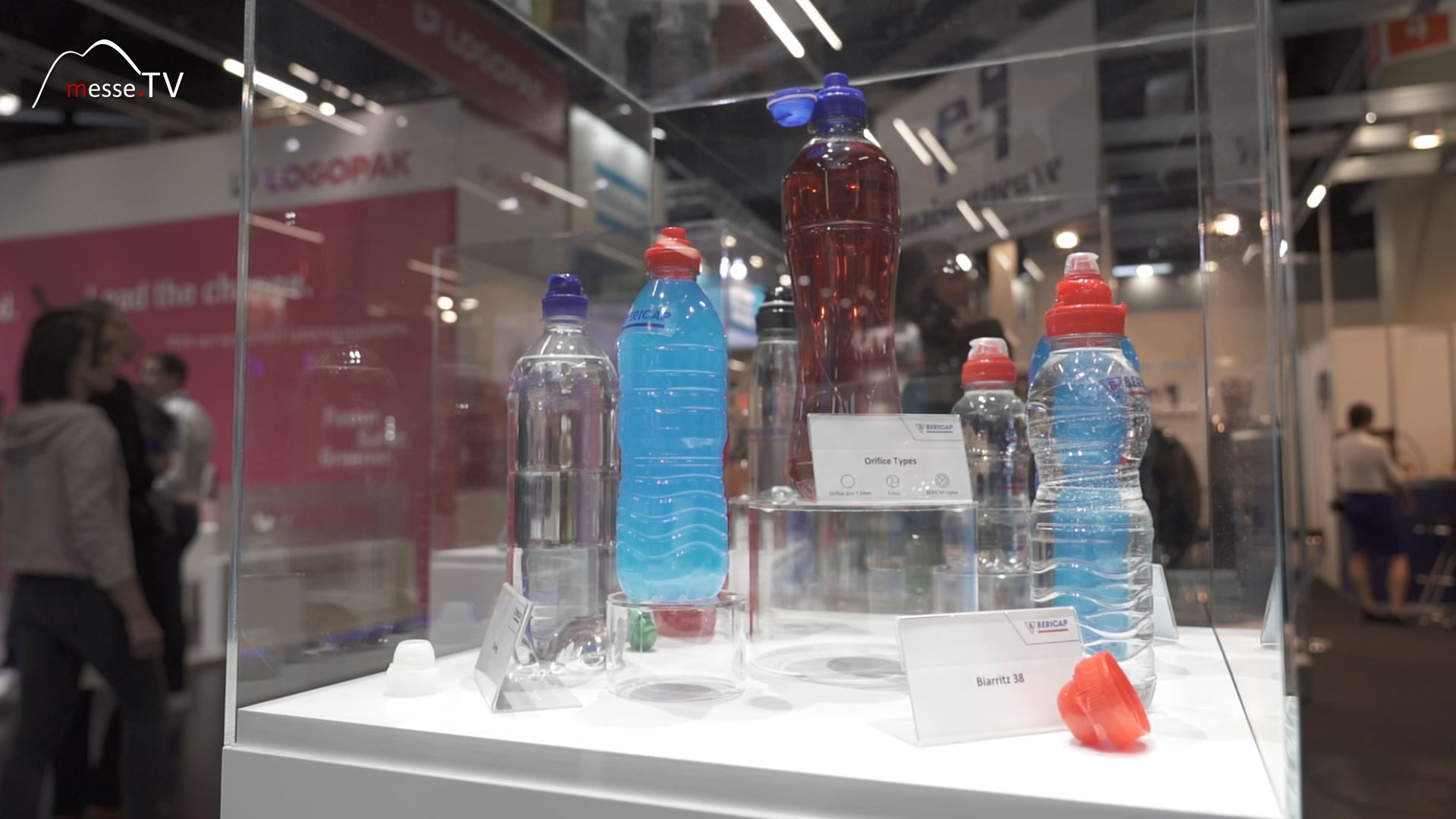
The second highlight is the sports cap range. The principle is familiar from everyday life: on the move, “on the go” – ideally, a bottle is opened with the thumb without having to screw or set it down. This is precisely where the tethered principle creates an additional requirement: even with sports caps, the cap must no longer come off in order to meet recycling targets. This sounds simple, but in terms of design it is a balancing act. A sports cap must be easy to open, close securely, not leak in a backpack – and now also be designed so that the cap does not become a loose part when opened. As a result, the focus is shifting more toward the mechanics: not only as a convenience feature, but also as a building block for clean material flows.
Where closures are used: Beverage, food, and industrial
The spectrum shows that this topic is not limited to one market: in the beverage sector, it concerns disposable bottles and the typical filling and logistics chains. In addition, there are food applications where closures also play a role in product protection and recyclability. And in the industrial sector, the focus is on robust packaging solutions where function and process reliability are paramount. In practice, this means that solutions must work in very different environments – from quick use on the go to process-stable processing in industrial lines. This also means that variants and formats are not only designed as “standard,” but can be adapted to specific packaging and brand requirements.

Aluminum closures for wine and spirits: Decorative and customizable
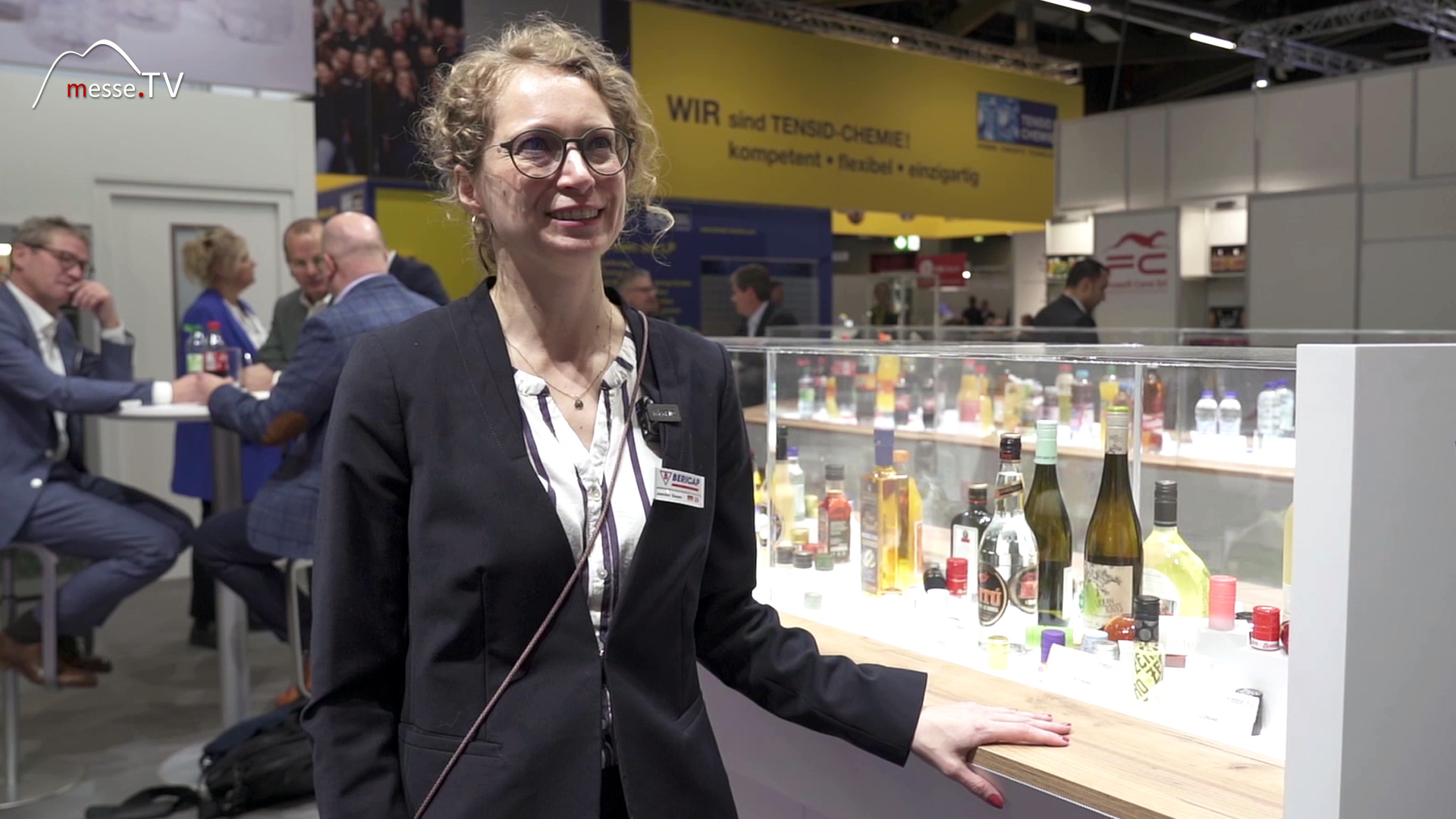
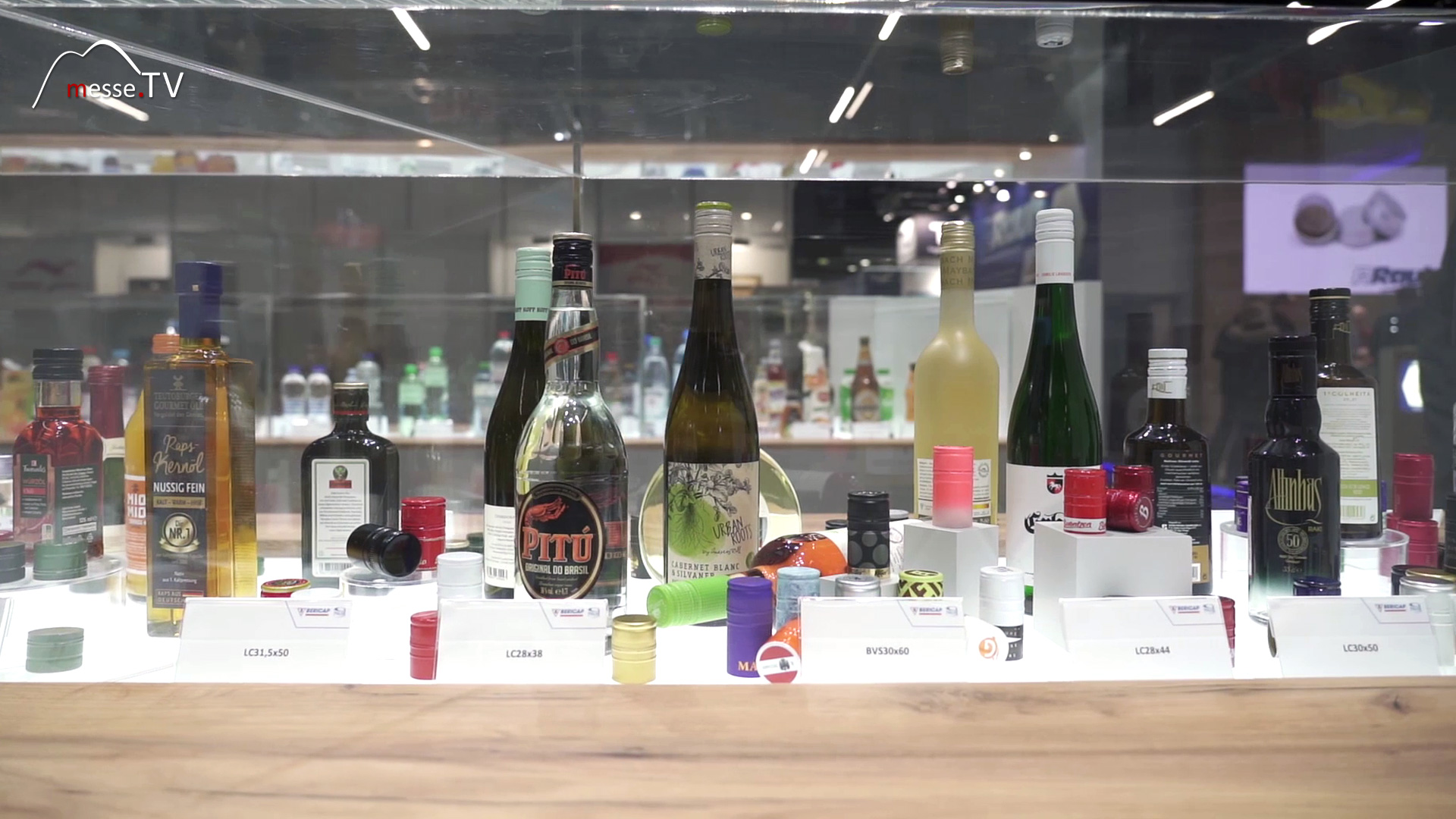
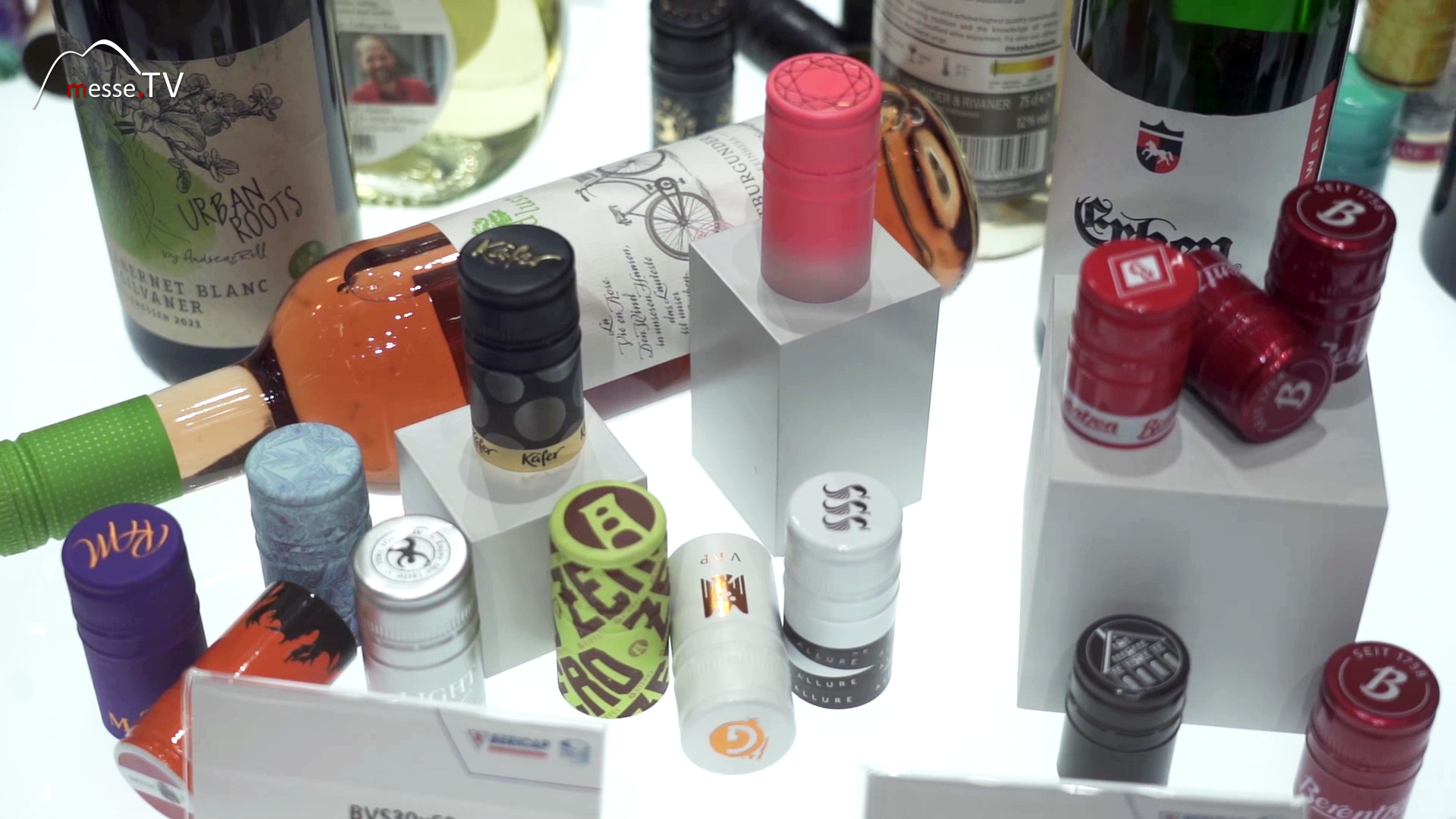
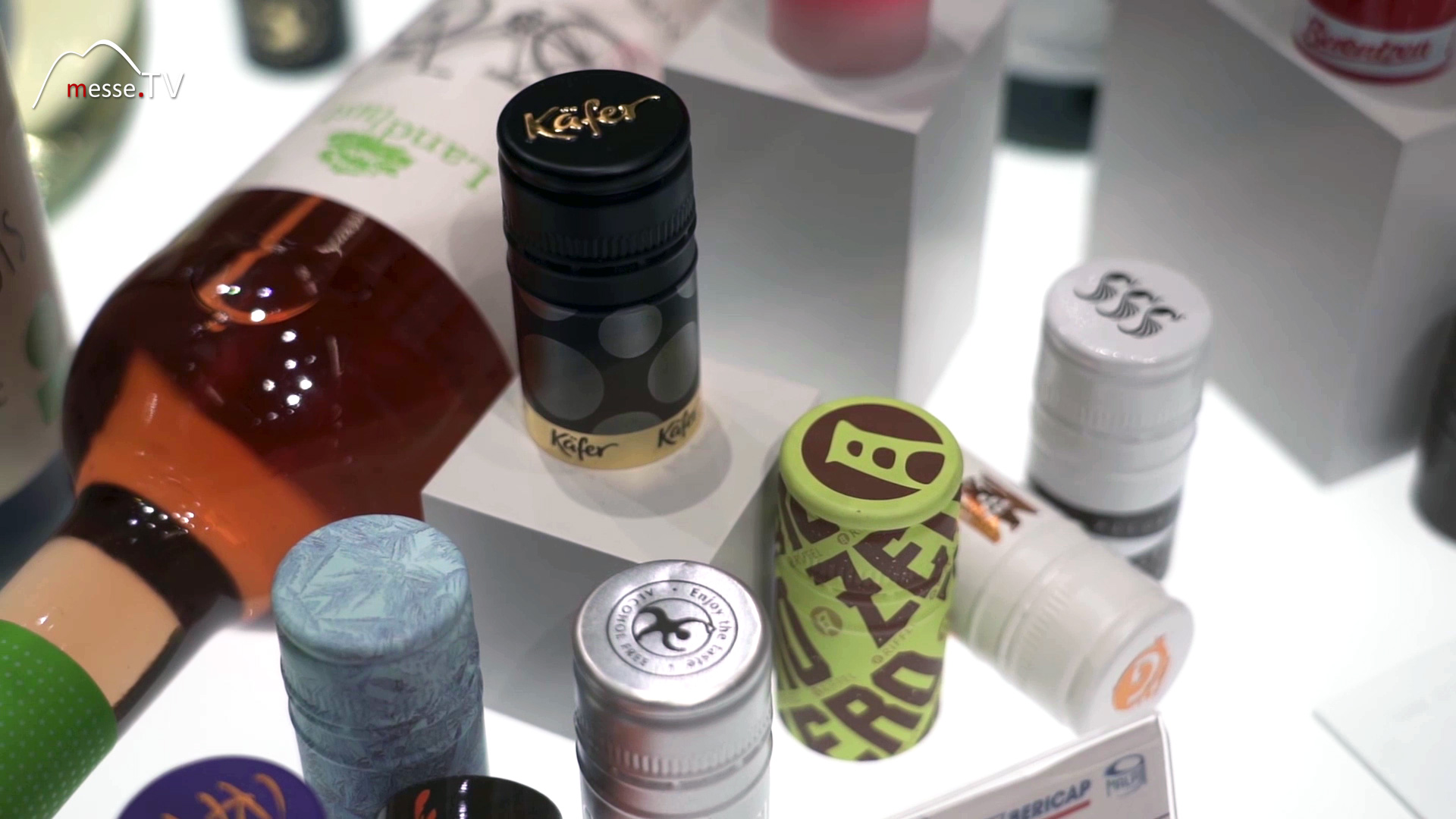
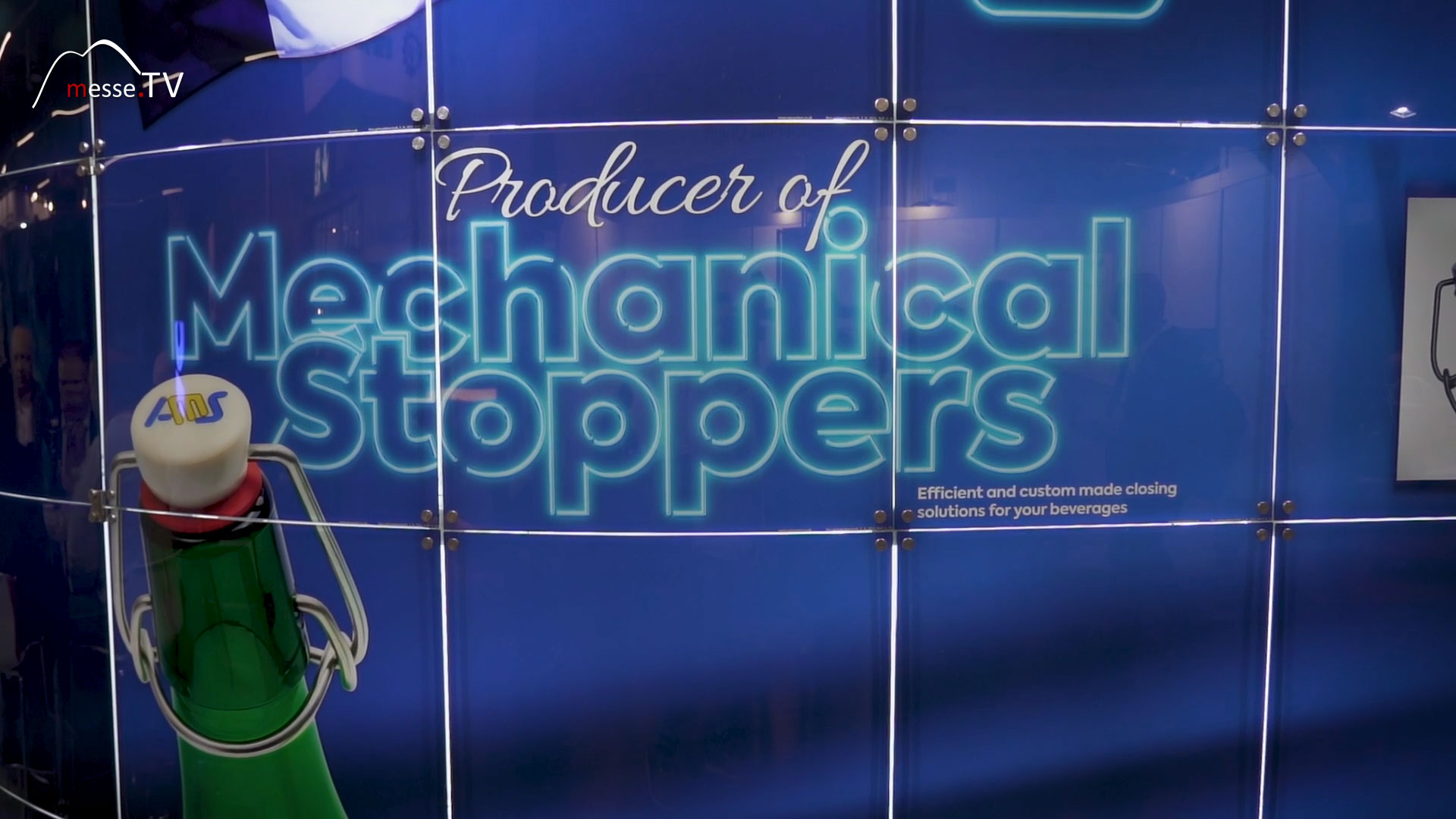
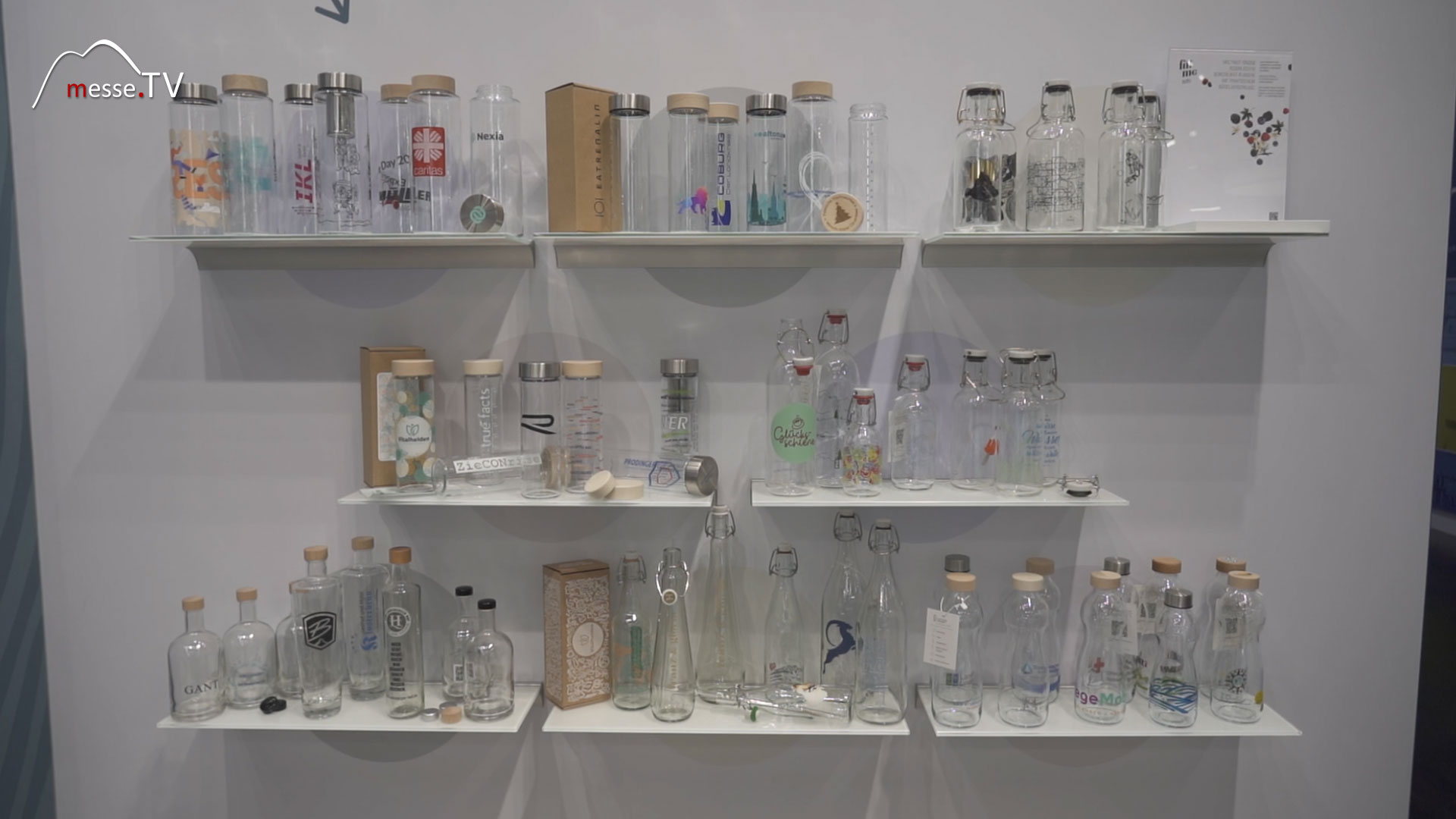
In addition to plastic solutions, aluminum closures are also present—especially for the wine and spirits market. Here, appearance plays a major role alongside function: Aluminum is often perceived as high-quality, and many brands use the closure as a visible design element. The range of variants and the possibility of customizing and printing closures are important factors here. In the decorative segment, it is not only “fits and seals” that counts, but also how a product presents itself on the shelf or in the catering industry. This is precisely why examples at the stand are helpful: they show how wide the scope for surfaces, colors, and customization can be.
Sustainability and recyclability: Why this topic affects everyone
Above all else is the topic of sustainability and recyclability – not as a marketing label, but as a development pressure along the entire value chain. Many companies are working “flat out” on solutions here because regulations, technical requirements, and consumer behavior are all exerting pressure at the same time.
For closures, this means that material selection, design, and handling must work together. And this is precisely where tethered caps and attached sports closures become interesting, because they not only change a product detail, but also change everyday behavior and thus increase the likelihood that components will actually end up in recycling. Essentially, the key points shown can be summarized as follows:
- Tethered cap solutions where the closure remains on the disposable bottle
- Clip-aside mechanisms as a concrete expression of this principle
- Sports cap variants for one-handed operation on the go, without a removable cap
- Aluminum closures for wine and spirits with a decorative focus
- Customization and printing as part of the range
The fact that these topics are bundled together in a highlight display fits in with the current market situation: closures are no longer just accessories, but part of the system solution – from filling to recycling. Bericap is positioning the developments on display as a response to new recycling requirements and as a product line that is intended to be viable in several segments. If you like, I can fine-tune the text again to your desired structure of “novelty first, company later” without changing the scope – but the basis here already fulfills the length, structure, integrated HTML list, and content from the caption.














Trade fair reporting Germany - Trade fair knowledge, dates & events


