Inspektionstechnologie für Getränke und Verpackung im Wandel
Der Anspruch an Produktsicherheit in der Getränkeindustrie ist in den vergangenen Jahren deutlich gestiegen. Steigende Liniengeschwindigkeiten, neue Verpackungsformen und ein wachsender Automatisierungsgrad führen dazu, dass Fehler immer früher, präziser und zuverlässiger erkannt werden müssen. Genau an dieser Stelle setzt moderne Inspektionstechnologie an, die nicht nur einzelne Komponenten prüft, sondern zunehmend ganze Prozessabschnitte überwacht und bewertet.
Die Inspektionstechnologie für den Getränkebereich, wie sie von Heuft entwickelt wird, ist seit Jahrzehnten auf diese Anforderungen ausgerichtet. Das Unternehmen wurde Ende der siebziger Jahre im rheinland-pfälzischen Burgbrohl gegründet und hat sich früh auf Prüfsysteme für den Verpackungsprozess spezialisiert. Heute geht es dabei nicht mehr nur um klassische Fehlererkennung, sondern um integrierte Qualitätssicherung entlang der gesamten Linie.
Präzision als Grundlage für Produktsicherheit
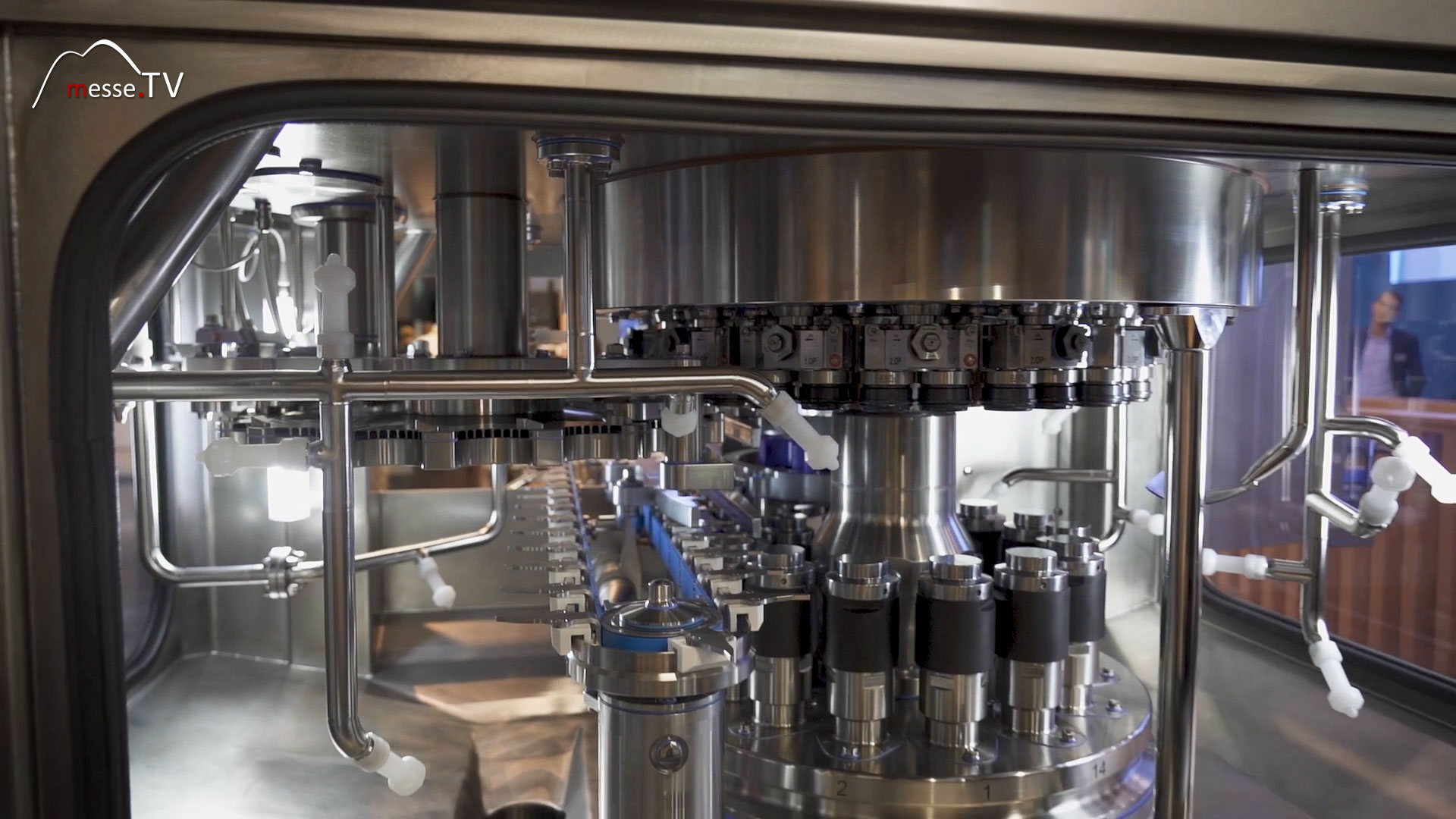
Zentrales Merkmal moderner Inspektionsanlagen ist ihre Fähigkeit, selbst kleinste Abweichungen zuverlässig zu erkennen. In der Getränkeabfüllung können minimale Fehler an Flaschen, Dosen, Verschlüssen oder Etiketten später zu Rückrufen oder Produktionsausfällen führen. Entsprechend hoch sind die Anforderungen an Genauigkeit und Wiederholbarkeit. Die Inspektionssysteme von Heuft sind darauf ausgelegt, mit hoher Auflösung und stabiler Messqualität zu arbeiten, auch bei sehr hohen Taktzahlen. Entscheidend ist dabei nicht nur die Sensorik, sondern die Kombination aus Bildverarbeitung, intelligenter Auswertung und Prozessverständnis. Ziel ist es, fehlerhafte Produkte sicher auszusortieren, ohne den Materialfluss unnötig zu verlangsamen.
Inspektion als Teil des Verpackungsprozesses
Ein wesentlicher Trend zeigt sich in der zunehmenden Verschmelzung von Inspektions- und Verpackungstechnik. Gerade im Etikettierbereich werden heute immer mehr Prüffunktionen direkt in die Maschinen integriert. Etikettenposition, Lesbarkeit, Vollständigkeit oder korrekte Zuordnung sind längst keine nachgelagerten Prüfschritte mehr, sondern Teil der laufenden Regeltechnik. Diese Entwicklung führt dazu, dass Inspektion nicht isoliert betrachtet wird, sondern als funktionaler Bestandteil der Gesamtanlage. Die Vorteile liegen auf der Hand: kürzere Reaktionszeiten, weniger Ausschuss und eine höhere Prozessstabilität. Für Anlagenbetreiber bedeutet das zugleich eine bessere Transparenz über den Zustand ihrer Linie.
Modulare Etikettiertechnik als Blick in die Zukunft
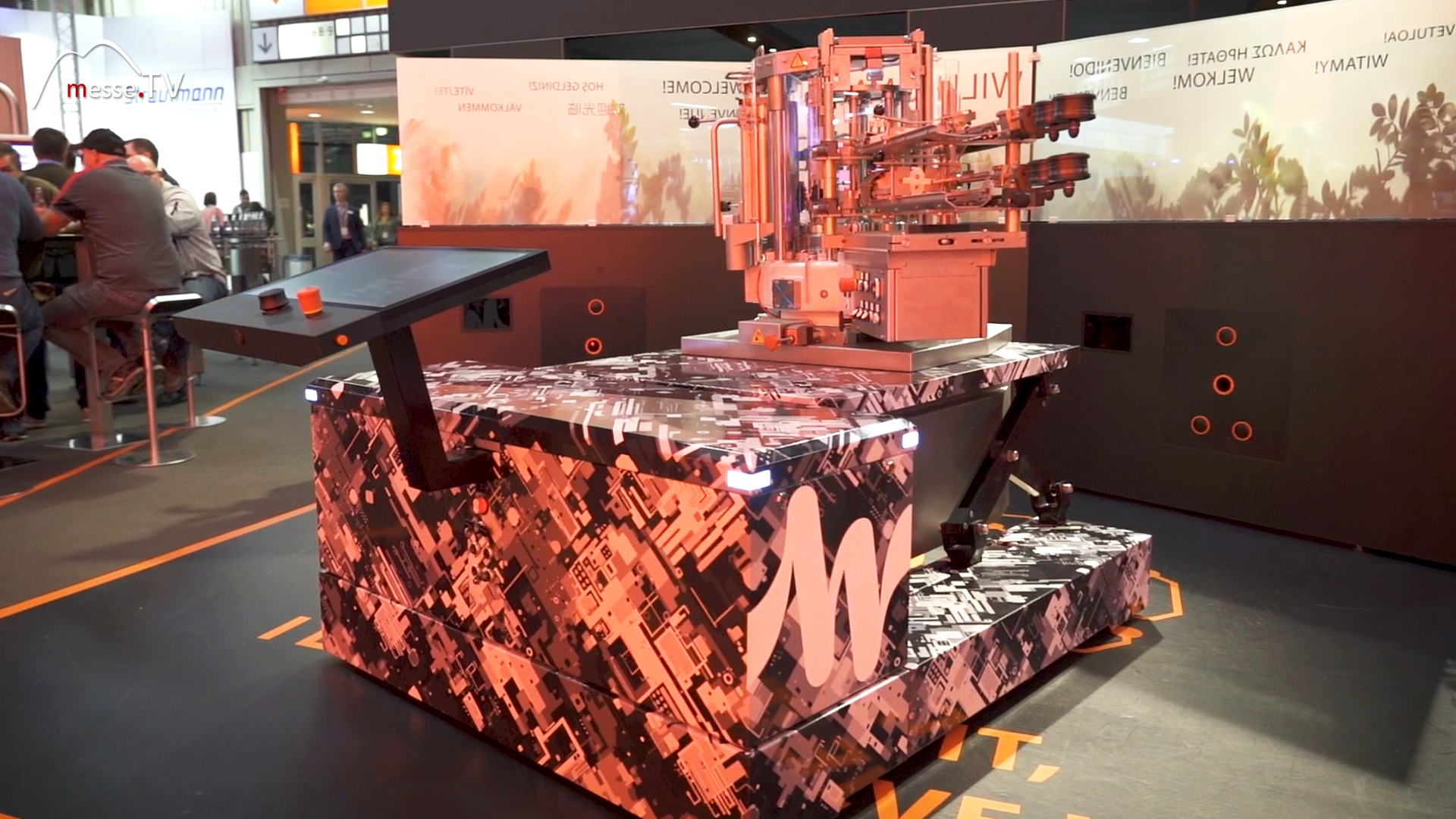
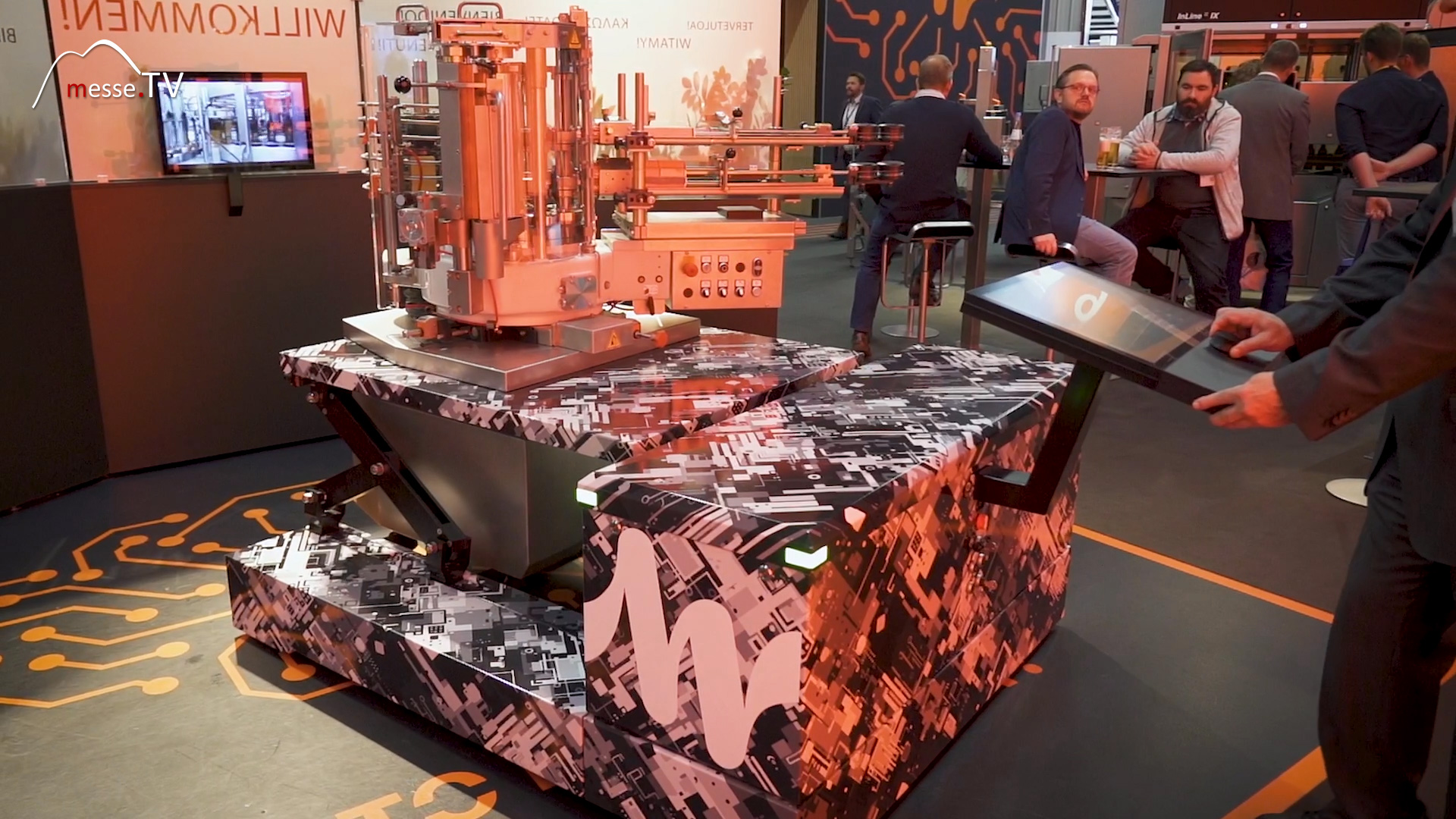
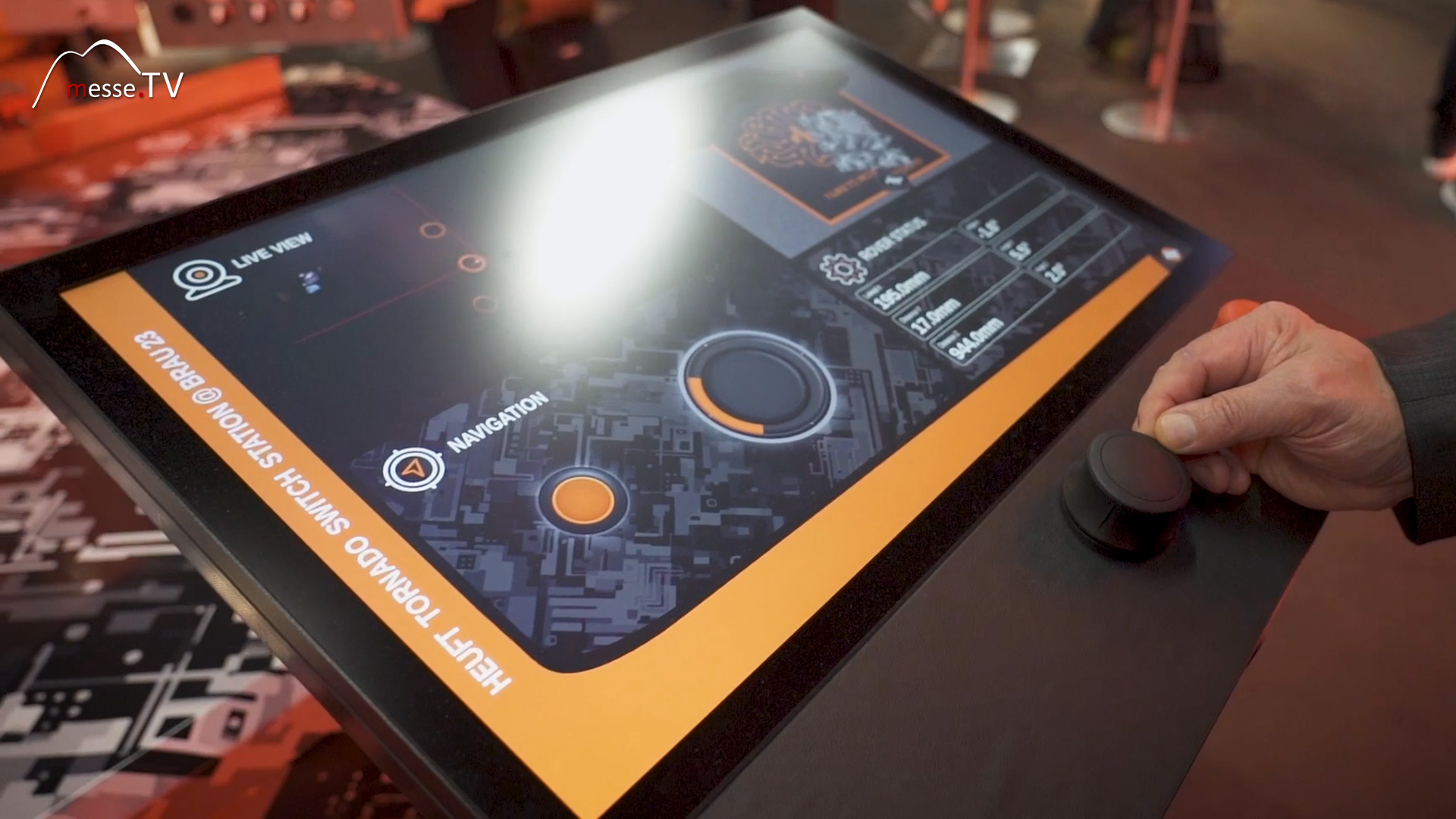
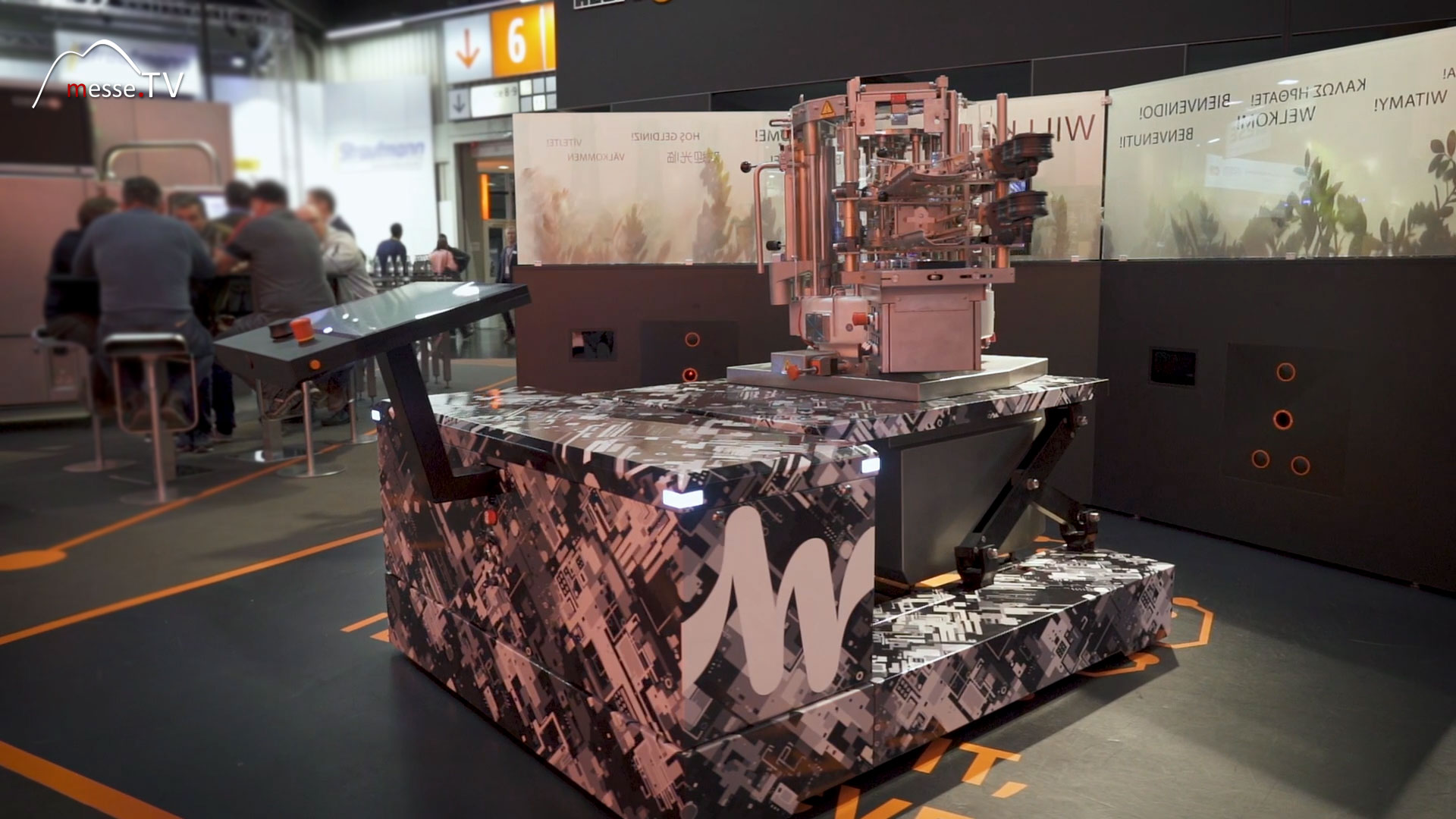
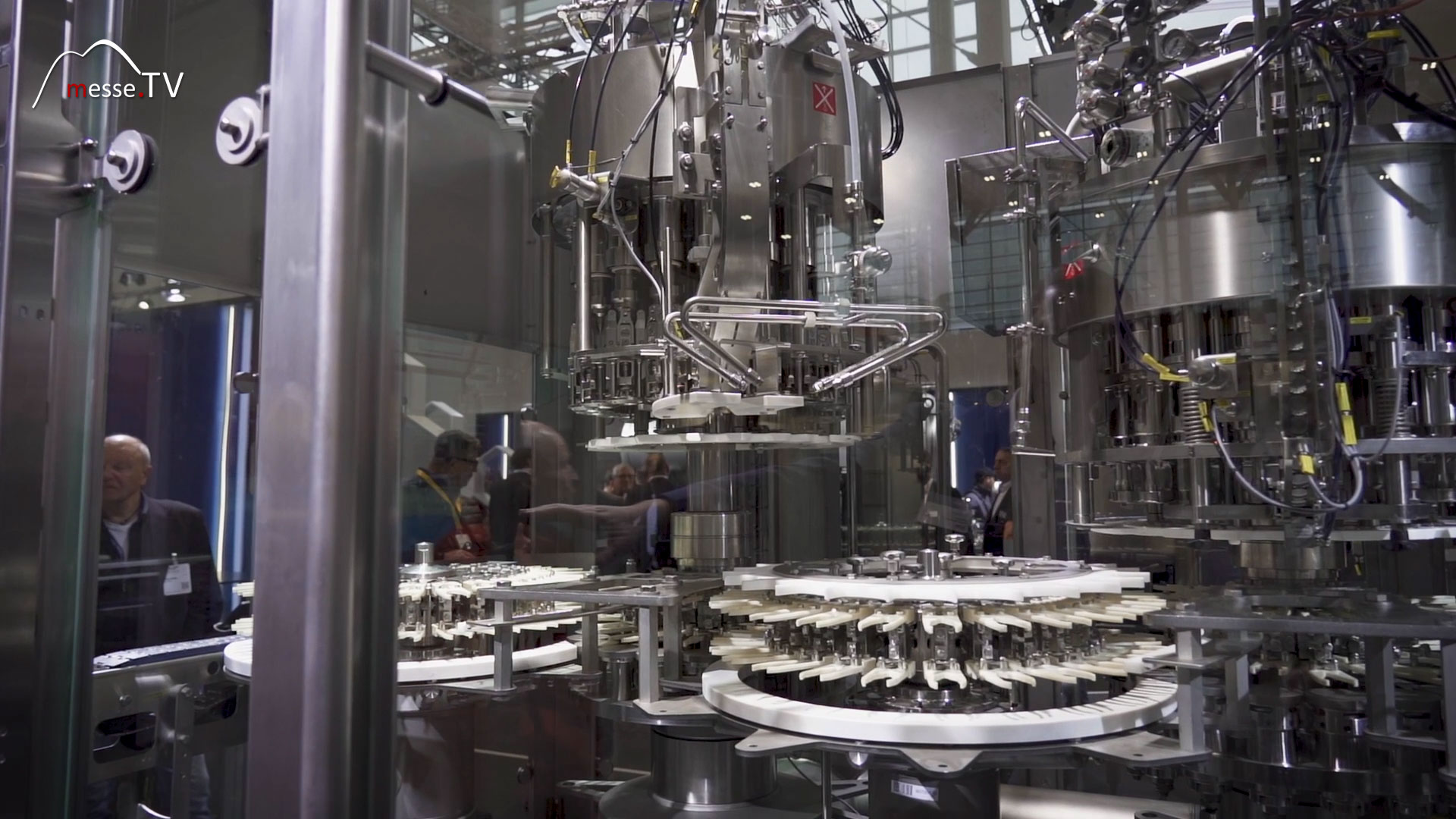
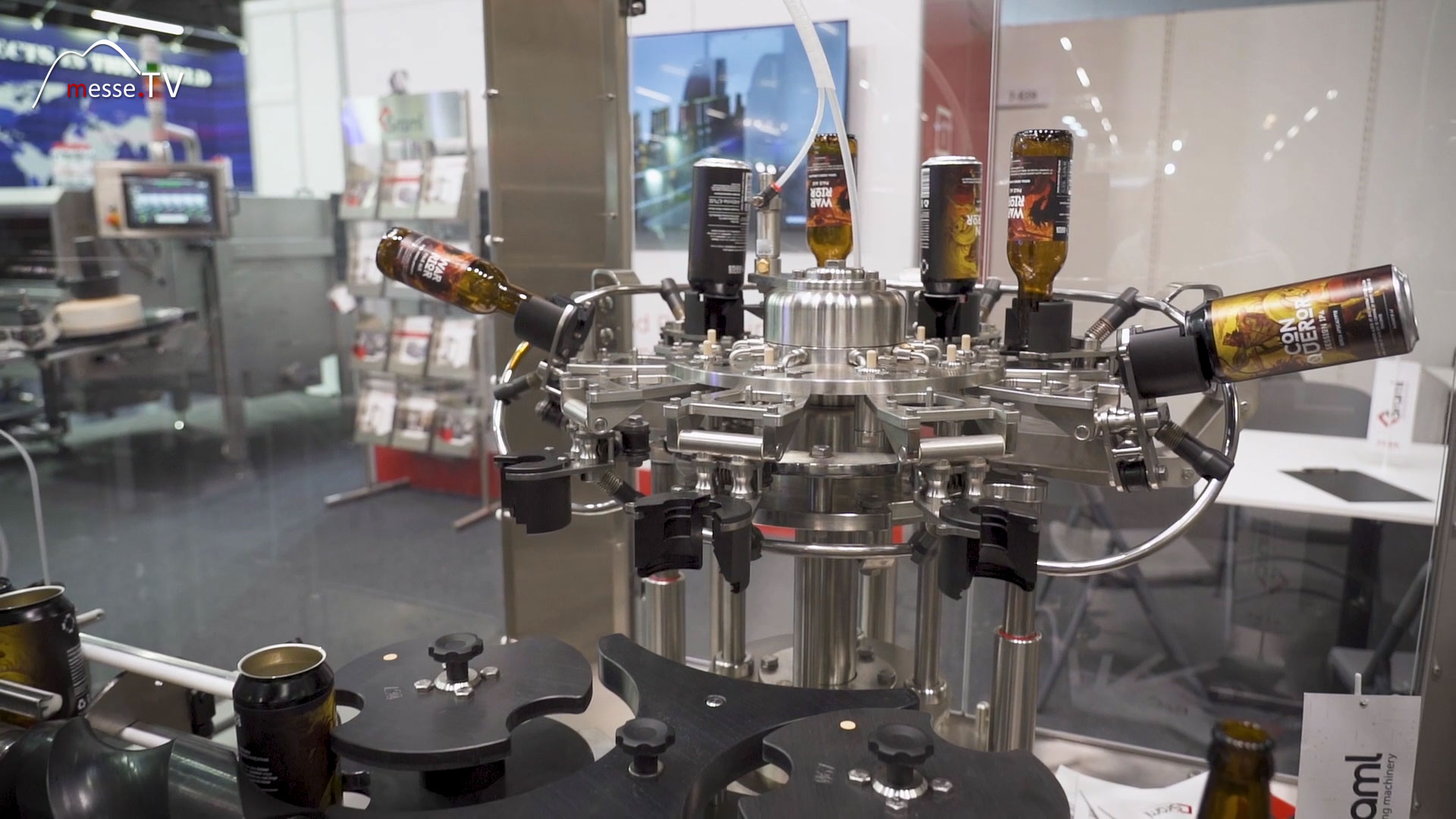
Auf Messen lassen sich häufig nur Ausschnitte komplexer Maschinenkonzepte zeigen. Dennoch geben Demonstratoren einen Eindruck davon, wohin sich die Technik entwickelt. Ein aktueller Ansatz ist die modulare Etikettiermaschine, bei der einzelne Etikettierstationen flexibel gewechselt oder neu positioniert werden können. Solche Konzepte erlauben es, Anlagen schneller an neue Produkte oder Verpackungsformen anzupassen. Statt aufwendig umzurüsten, können Module versetzt oder ausgetauscht werden. In der gezeigten Ausführung erfolgt dies noch handgeführt, doch die Perspektive reicht weiter. Denkbar sind künftig autonome Systeme, die Etikettierstationen selbstständig anfahren, ausrichten und kalibrieren.
Sensorik und Assistenzsysteme in der Ausrichtung
Damit modulare Systeme präzise arbeiten, ist eine exakte Positionierung unerlässlich. Hier kommen Sensoren zum Einsatz, wie sie aus dem Bereich autonomer Fahrzeuge bekannt sind. Sie unterstützen die Ausrichtung der Stationen in mehreren Achsen und gleichen Unebenheiten im Boden oder bauliche Toleranzen aus. Die Kombination aus Sensorik und intuitiver Bedienung ermöglicht es, Etikettierstationen innerhalb kurzer Zeit exakt in Position zu bringen. Das reduziert Stillstandszeiten und vereinfacht den Umgang mit komplexen Linienlayouts. Für Betreiber großer Abfüllanlagen ist dies ein wichtiger Schritt hin zu flexibleren Produktionskonzepten.
Vernetzte Systeme und integrierte Regeltechnik
Ein weiterer Aspekt moderner Inspektionstechnologie ist die zunehmende Vernetzung. Prüfstationen liefern heute nicht nur Gut- oder Schlecht-Signale, sondern umfangreiche Daten über Prozesszustände, Trends und Abweichungen. Diese Informationen fließen in übergeordnete Systeme ein und können für Optimierungen genutzt werden. Typische Anwendungsfelder sind unter anderem:
- frühe Erkennung schleichender Prozessabweichungen
- automatische Nachregelung von Maschinenparametern
- Dokumentation der Produktqualität für interne und externe Audits
- Reduktion von Ausschuss durch präzisere Prozessführung
Ausblick auf autonome Anlagenkonzepte
Der Blick in die Zukunft zeigt, dass Inspektionstechnologie und Verpackungstechnik weiter zusammenwachsen werden. Autonome Systeme, selbstjustierende Module und lernfähige Auswertungen könnten dazu beitragen, Anlagen noch flexibler und effizienter zu machen. Gerade in einem Umfeld, das von häufigen Produktwechseln und steigenden Qualitätsanforderungen geprägt ist, gewinnt diese Entwicklung an Bedeutung. Heuft positioniert sich in diesem Kontext als Anbieter, der nicht nur bestehende Technologien weiterentwickelt, sondern auch neue Konzepte erprobt. Der Weg führt dabei weg von starren Maschinenlayouts hin zu adaptiven Systemen, die sich an wechselnde Anforderungen anpassen können. Für die Getränkeindustrie bedeutet das langfristig mehr Sicherheit, höhere Effizienz und eine bessere Kontrolle über den gesamten Verpackungsprozess.
Messe-Berichterstattung bundesweit - Messewissen, Termine & Veranstaltungen


