Rotationsentkorker für Mehrwegflaschen im Hochleistungsbetrieb
Mehrwegflaschen stellen hohe Anforderungen an die Technik, die sie für den nächsten Umlauf vorbereitet. Bevor Reinigung, Inspektion und Neubefüllung beginnen können, müssen Verschlüsse zuverlässig entfernt werden – schnell, materialschonend und integriert in kontinuierliche Linien.
Genau an dieser Stelle kommt der Rotationsentkorker zum Einsatz, der speziell für den Hochleistungsbetrieb in Mehrwegsystemen ausgelegt ist und dort eine Schlüsselrolle übernimmt. Im Zentrum steht dabei nicht der einzelne Arbeitsschritt, sondern der stabile Gesamtprozess. In Anlagen, in denen Mehrwegflaschen mit hoher Taktzahl verarbeitet werden, entscheidet die Entkorkung über Durchsatz, Verfügbarkeit und Wartungsaufwand der gesamten Linie. Der Rotationsentkorker ist darauf ausgelegt, diese Funktion dauerhaft und reproduzierbar zu erfüllen – auch unter Bedingungen, bei denen klassische Einzelstationen an ihre Grenzen stoßen.
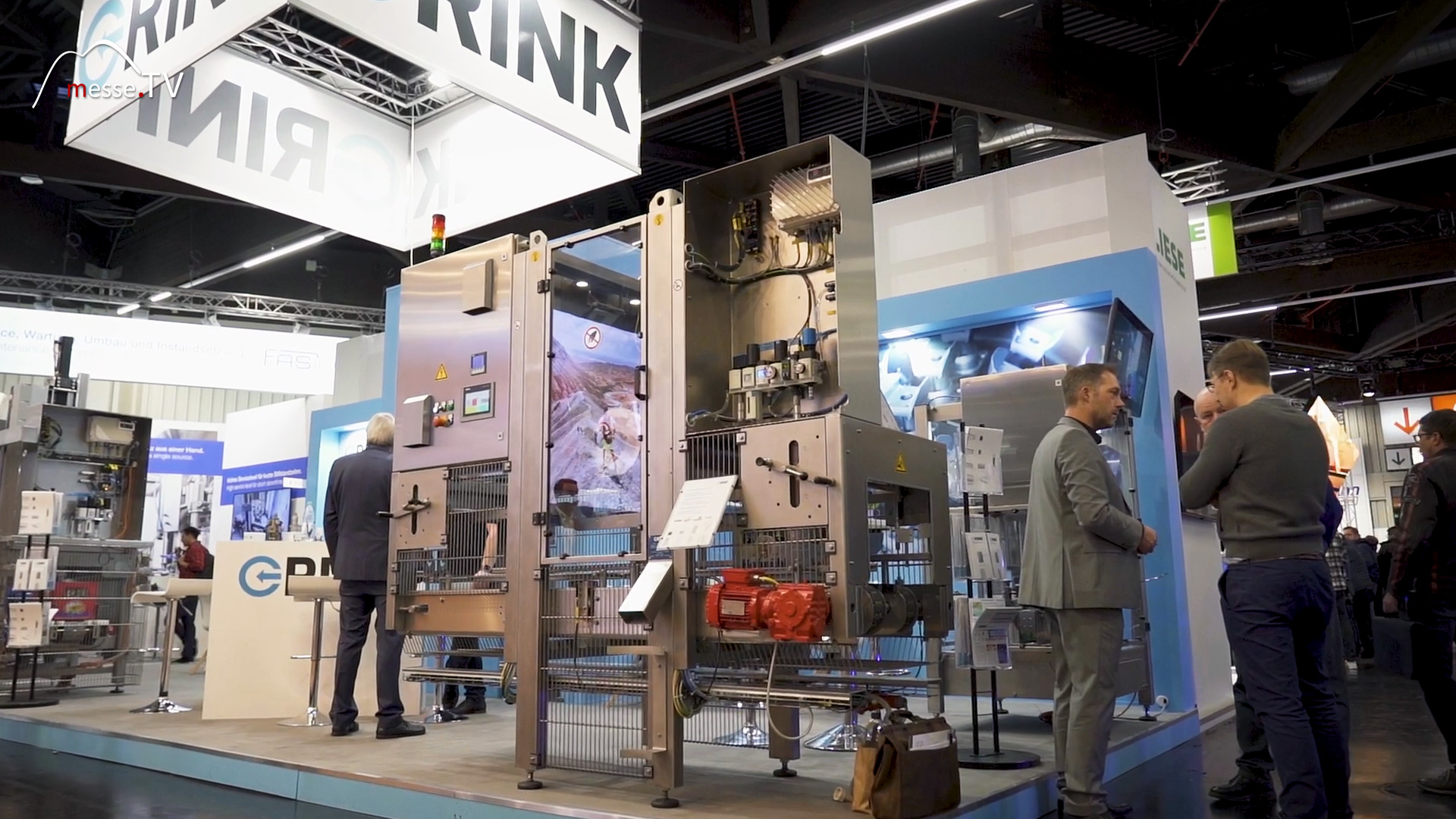

Entkorken im kontinuierlichen Flaschenstrom
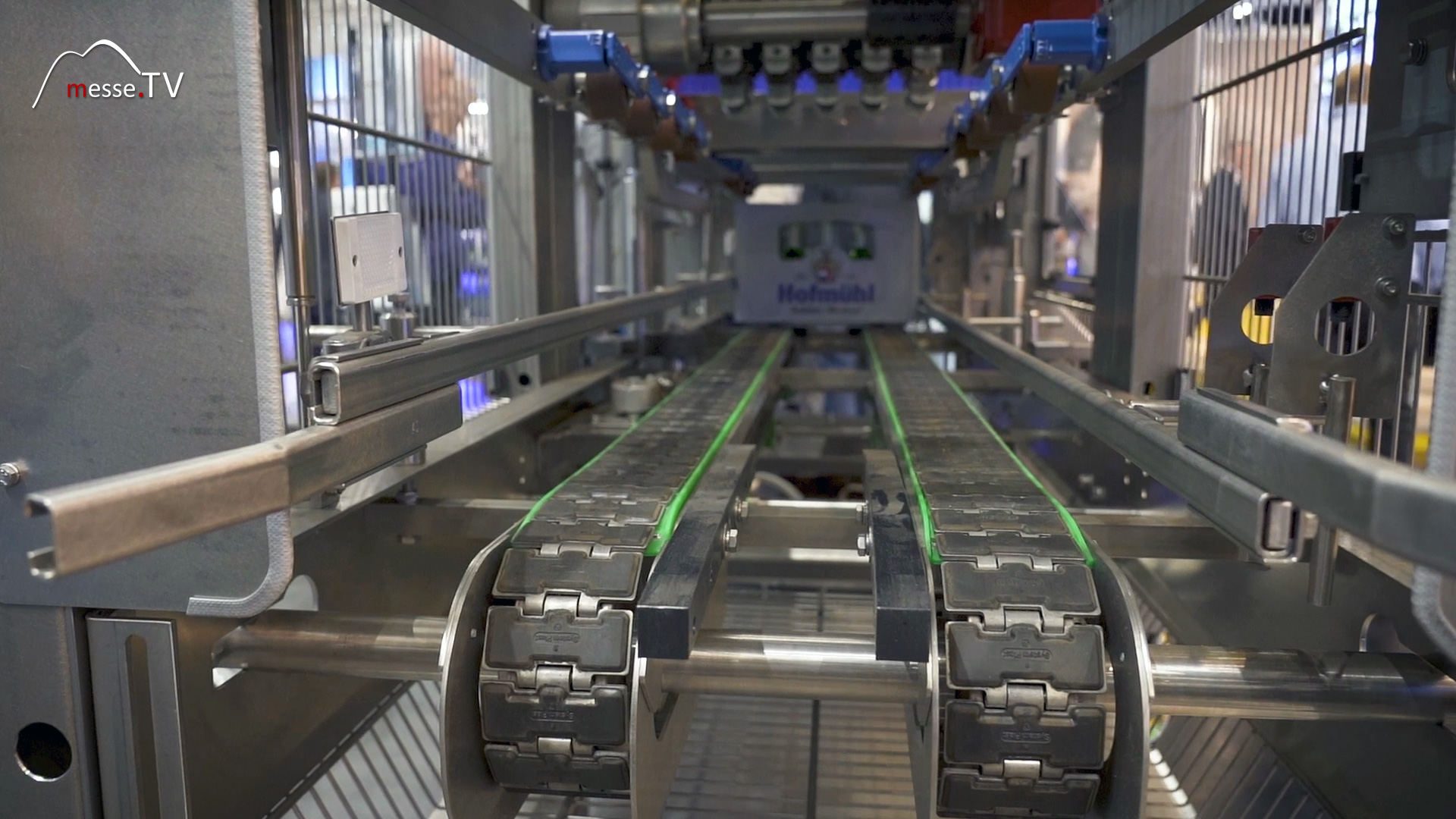
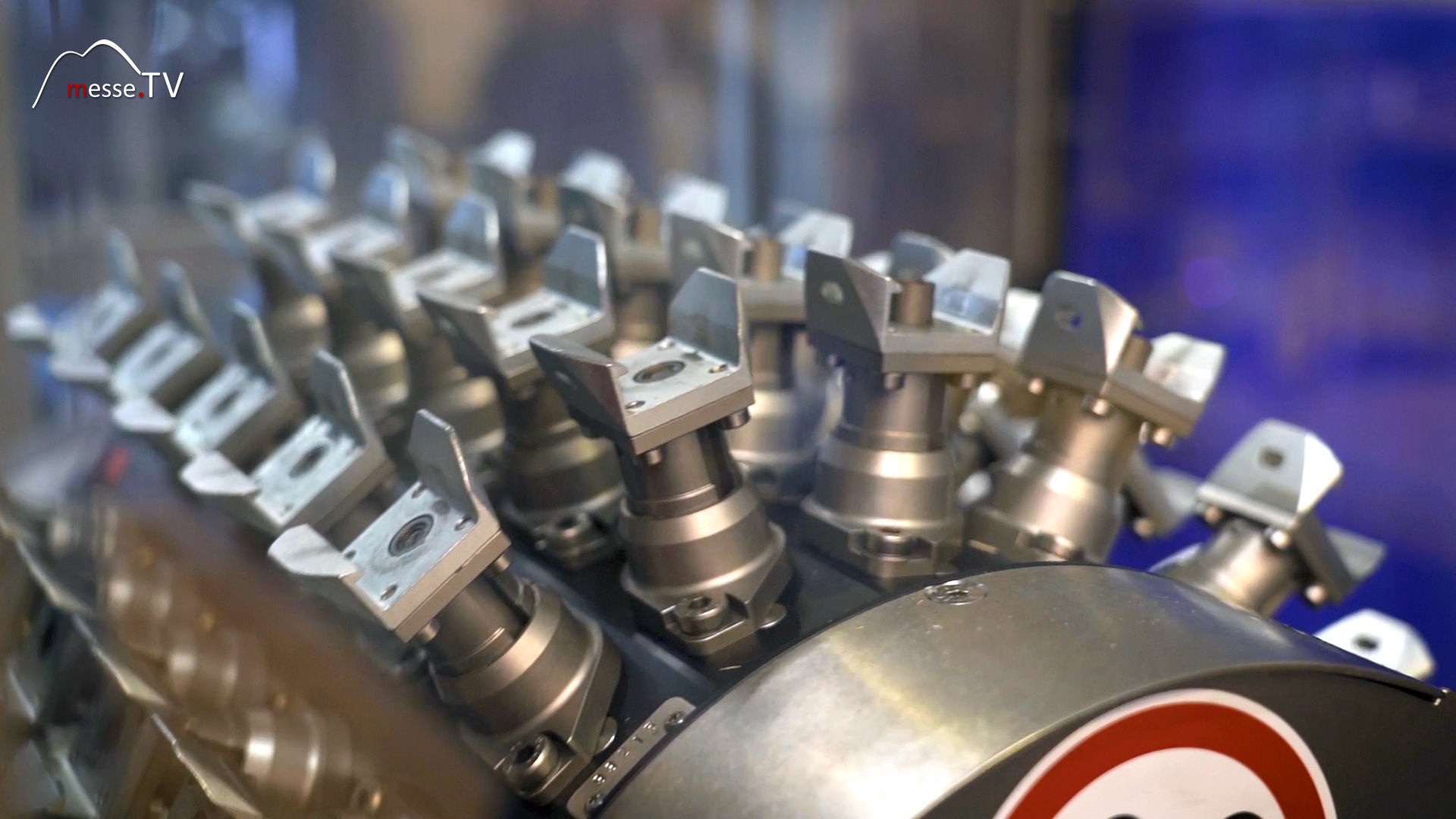
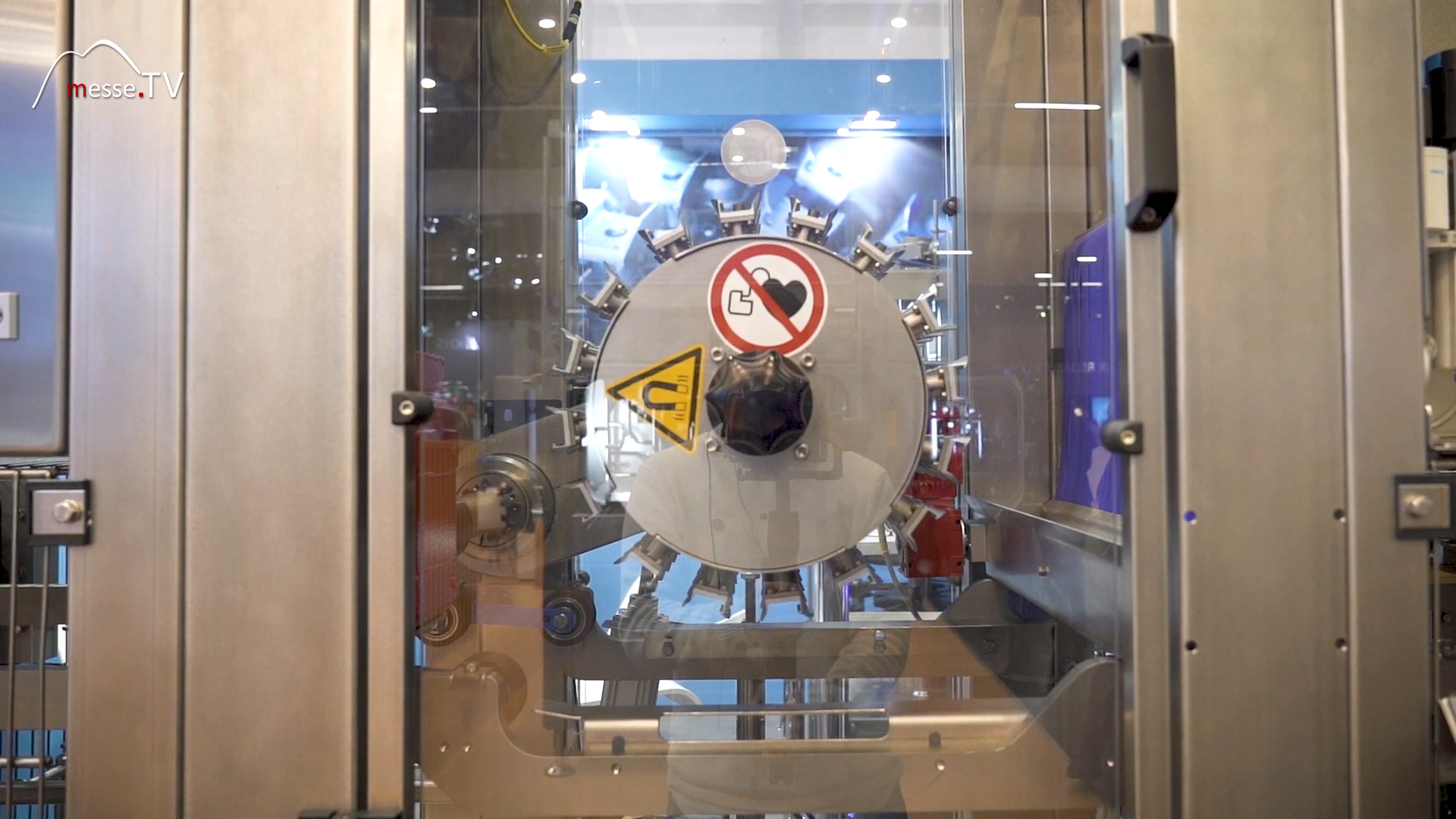
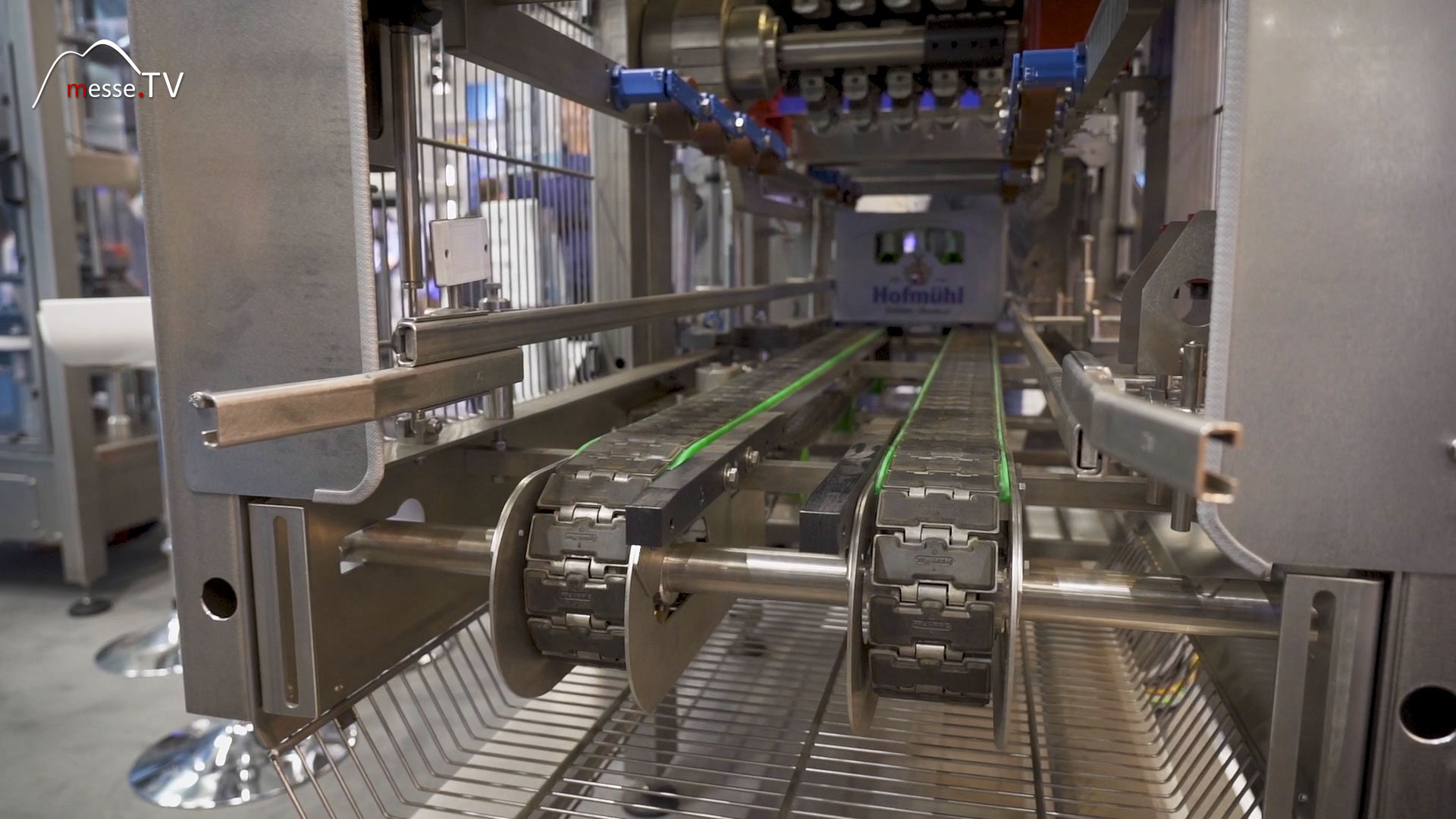
Der technische Ansatz basiert auf einem rotierenden System, das im laufenden Betrieb arbeitet. Kästen mit Mehrwegflaschen werden der Maschine zugeführt, ohne dass der Flaschenstrom unterbrochen werden muss. Eine rotierende Walze rollt kontrolliert über die Flaschenhälse und wirkt dabei ähnlich wie ein Handöffner, nur automatisiert und für den industriellen Einsatz ausgelegt. Durch diese Bewegung werden die Kronkorken sauber von den Flaschen getrennt. Die entfernten Verschlüsse werden nicht im Arbeitsraum gesammelt, sondern unmittelbar über ein Förderband aus dem Prozess herausgeführt und vor der Maschine in einem separaten Behälter gesammelt. Das sorgt für Ordnung, reduziert Stillstände und erleichtert die Entsorgung oder das Recycling der Kronkorken. Entscheidend ist dabei, dass der gesamte Vorgang ohne Einzelmanipulation der Flaschen erfolgt und sich nahtlos in bestehende Linien integrieren lässt.
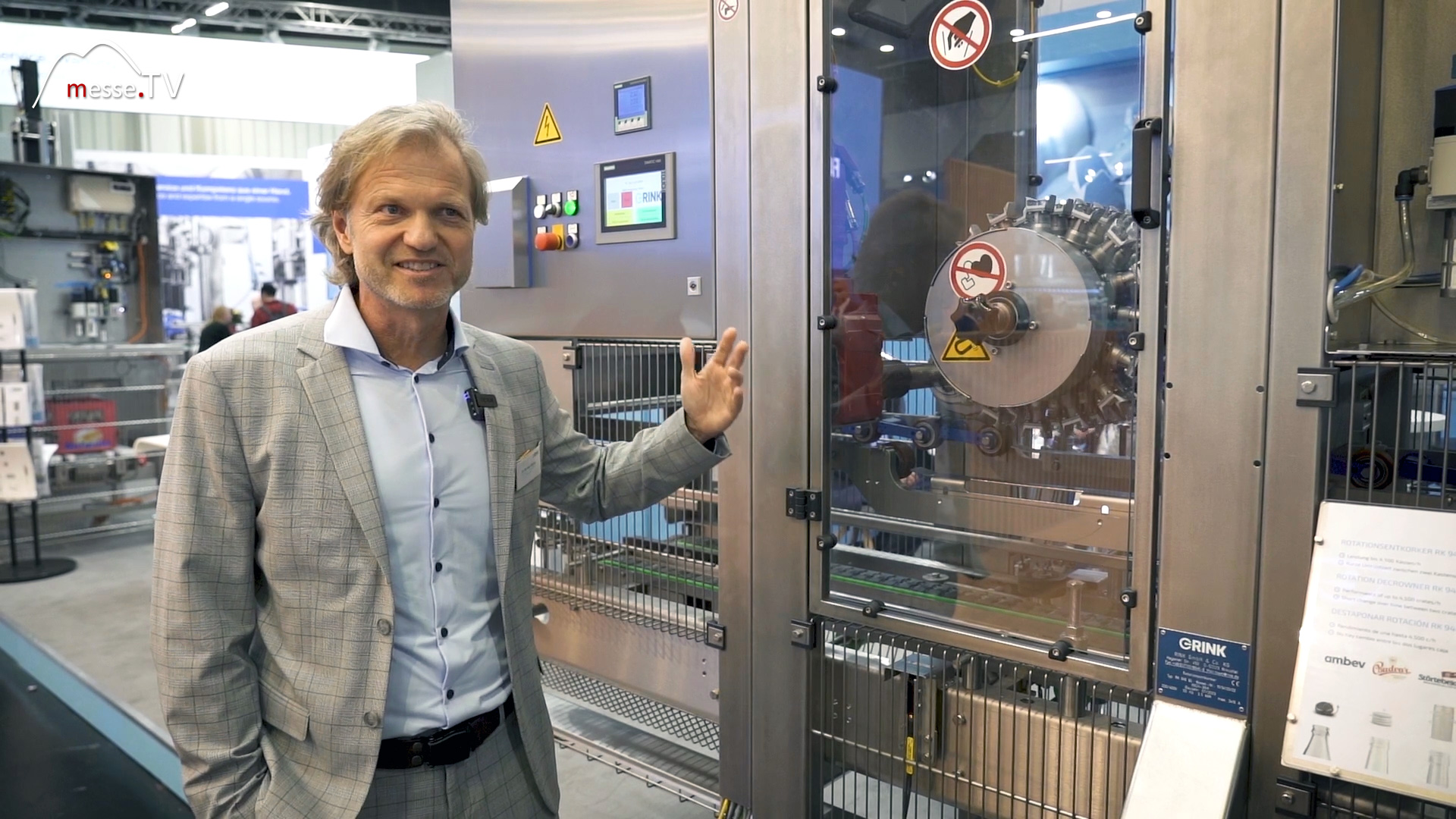
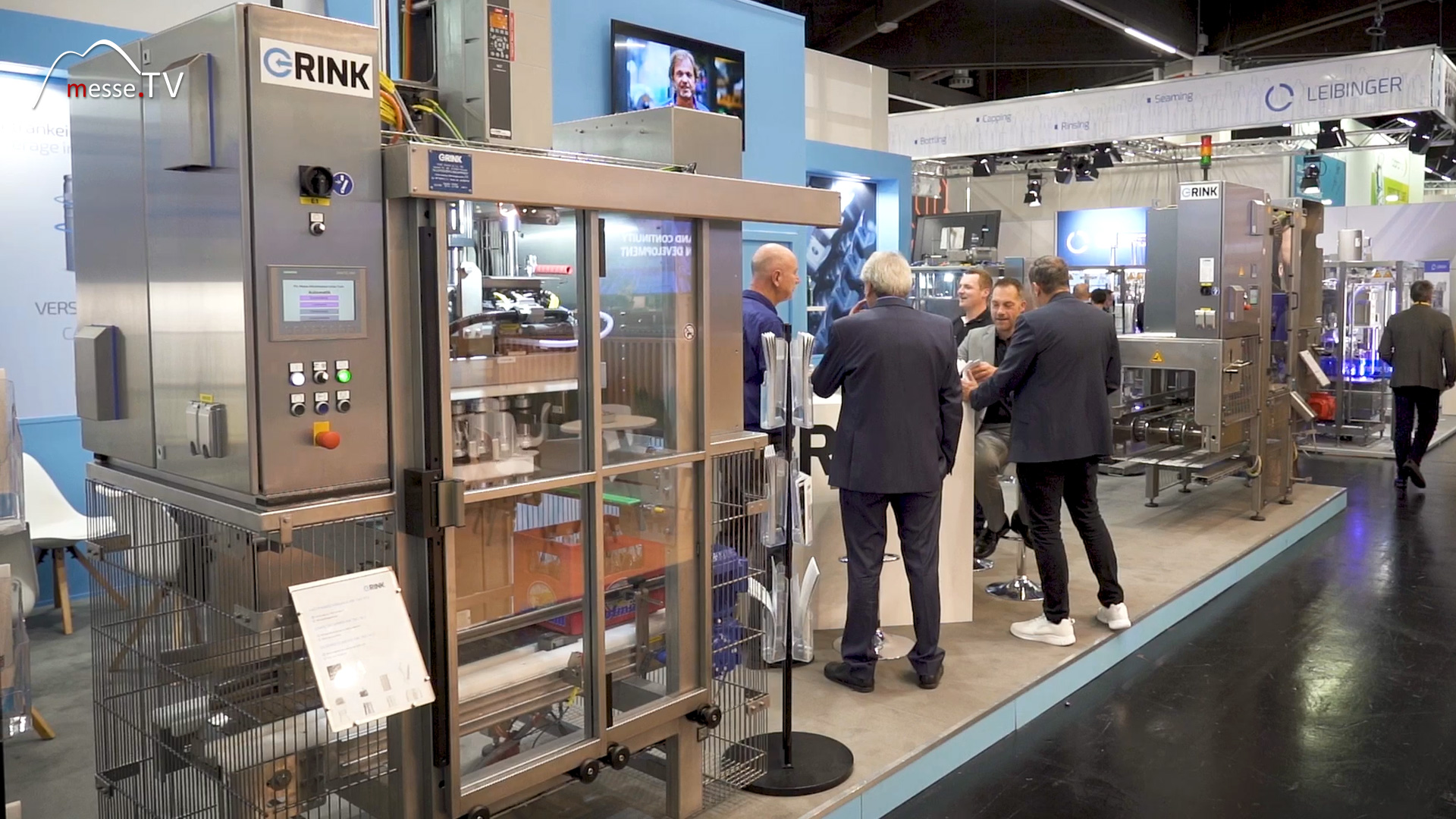
Auslegung für hohe Anlagenleistung
In Mehrwegbrauereien mit großem Durchsatz sind konstante Leistungen entscheidend. Der Rotationsentkorker ist deshalb auf hohe Anlagenleistung ausgelegt und kann auch bei dauerhaftem Betrieb stabile Ergebnisse liefern. Gerade im Hochleistungsbetrieb zeigt sich der Vorteil eines mechanisch klar definierten Prinzips, das ohne komplexe Einzelgreifer oder taktende Bewegungen auskommt. Typische Einsatzbedingungen sind Linien, in denen Mehrwegflaschen in großer Zahl verarbeitet werden, etwa bei national oder international tätigen Abfüllbetrieben. Hier zählt nicht nur die maximale Leistung, sondern auch die Betriebssicherheit über lange Laufzeiten hinweg. Die Maschine ist dafür konstruiert, unter diesen Bedingungen zuverlässig zu arbeiten und Stillstände auf ein Minimum zu reduzieren.

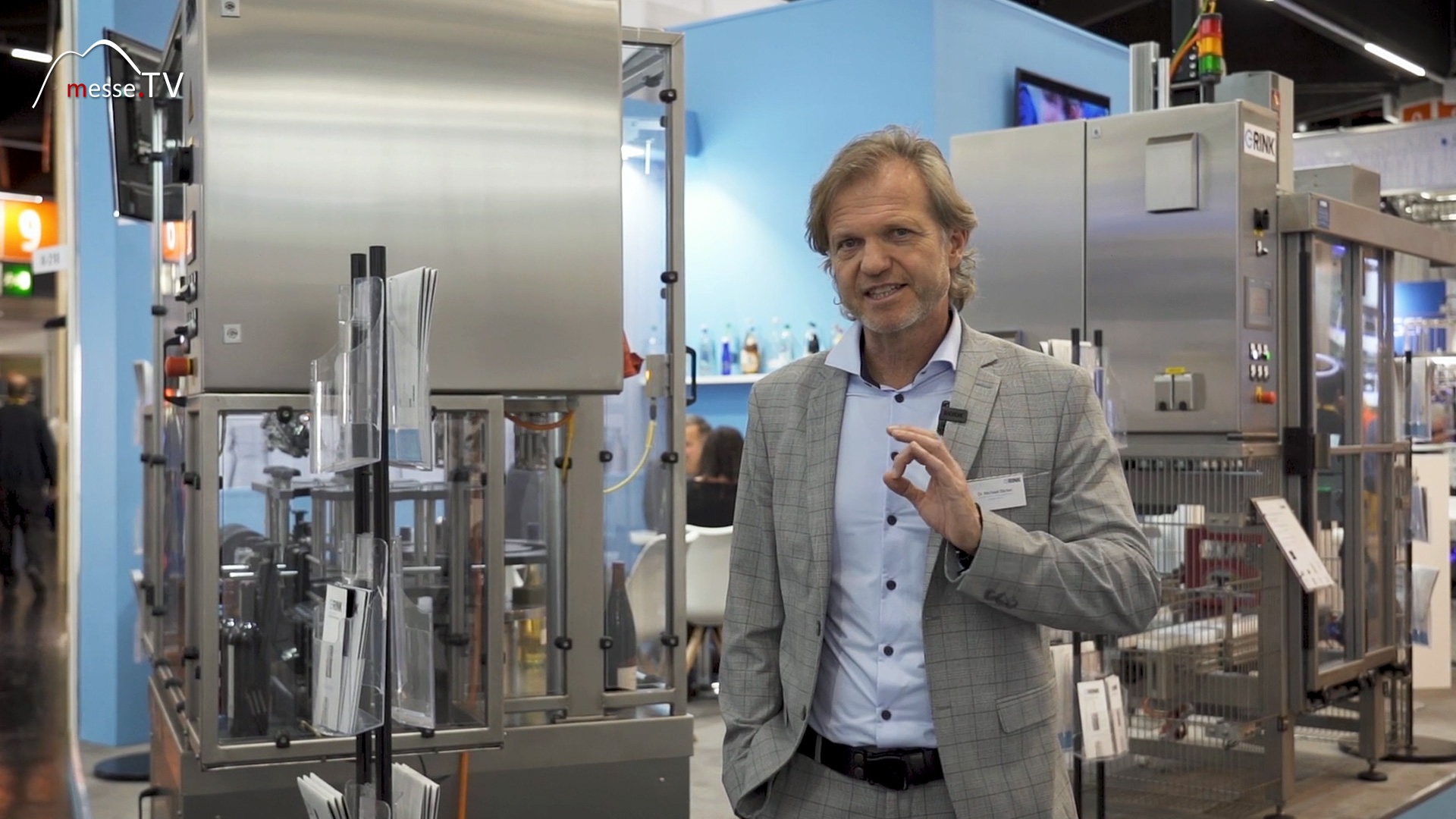
Spezialisierung auf Mehrwegsysteme
Mehrwegflaschen unterscheiden sich in Material, Verschlussart und Zustand deutlich von Einweggebinden. Abnutzung, Verschmutzung und unterschiedliche Korkenqualitäten müssen im Prozess berücksichtigt werden. Der Rotationsentkorker ist speziell für diesen Bereich entwickelt worden und adressiert genau diese Herausforderungen. Typische Merkmale solcher Anwendungen sind:
- Verarbeitung von Mehrwegflaschen mit unterschiedlichen Verschlusszuständen
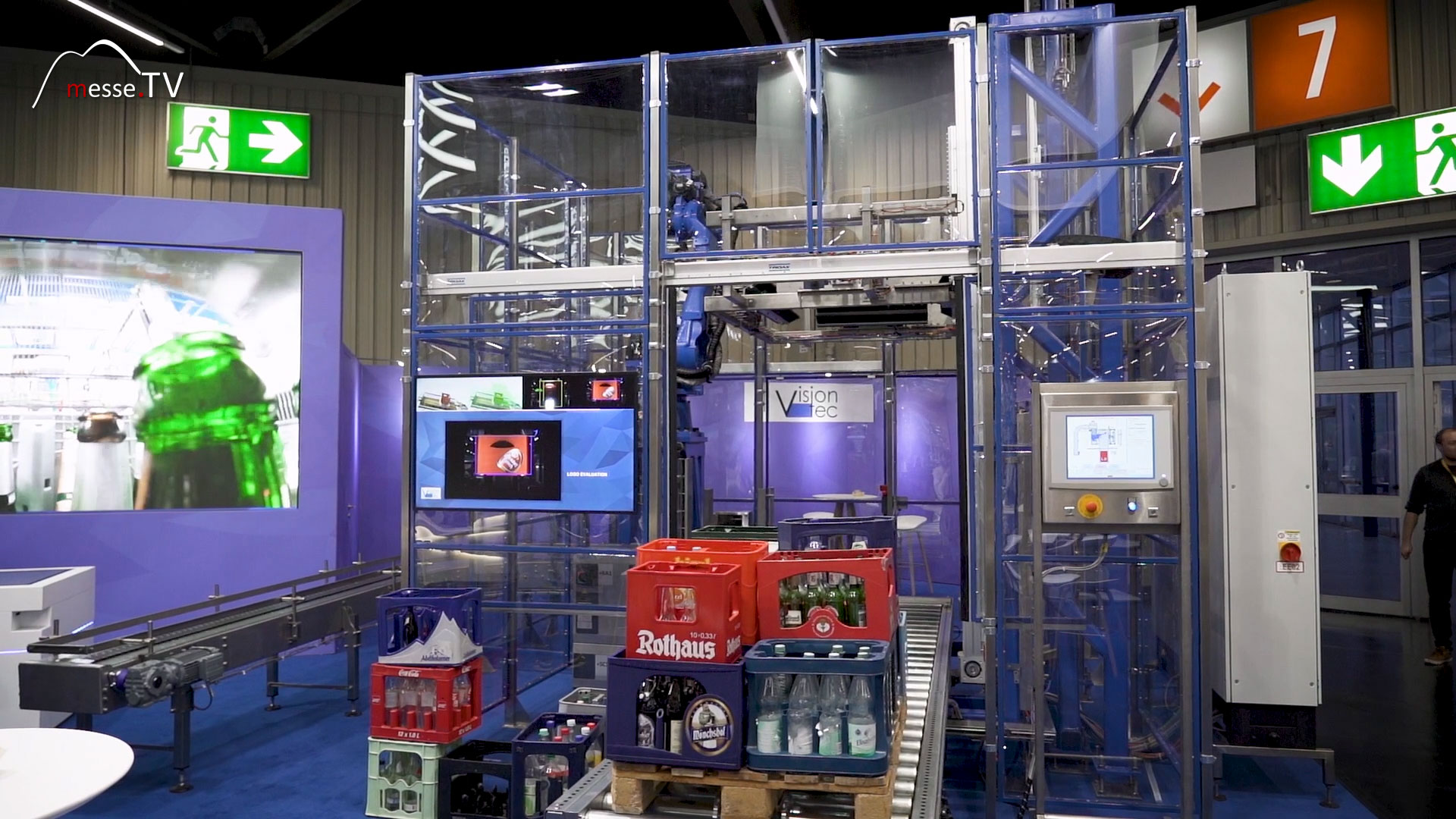
- Integration in bestehende Kasten- und Flaschenlogistik
- Dauerbetrieb in Brauereien mit hoher Linienleistung
- Reduzierter Wartungsaufwand durch einfache mechanische Abläufe
Zusammenarbeit mit Anlagenbauern und OEMs
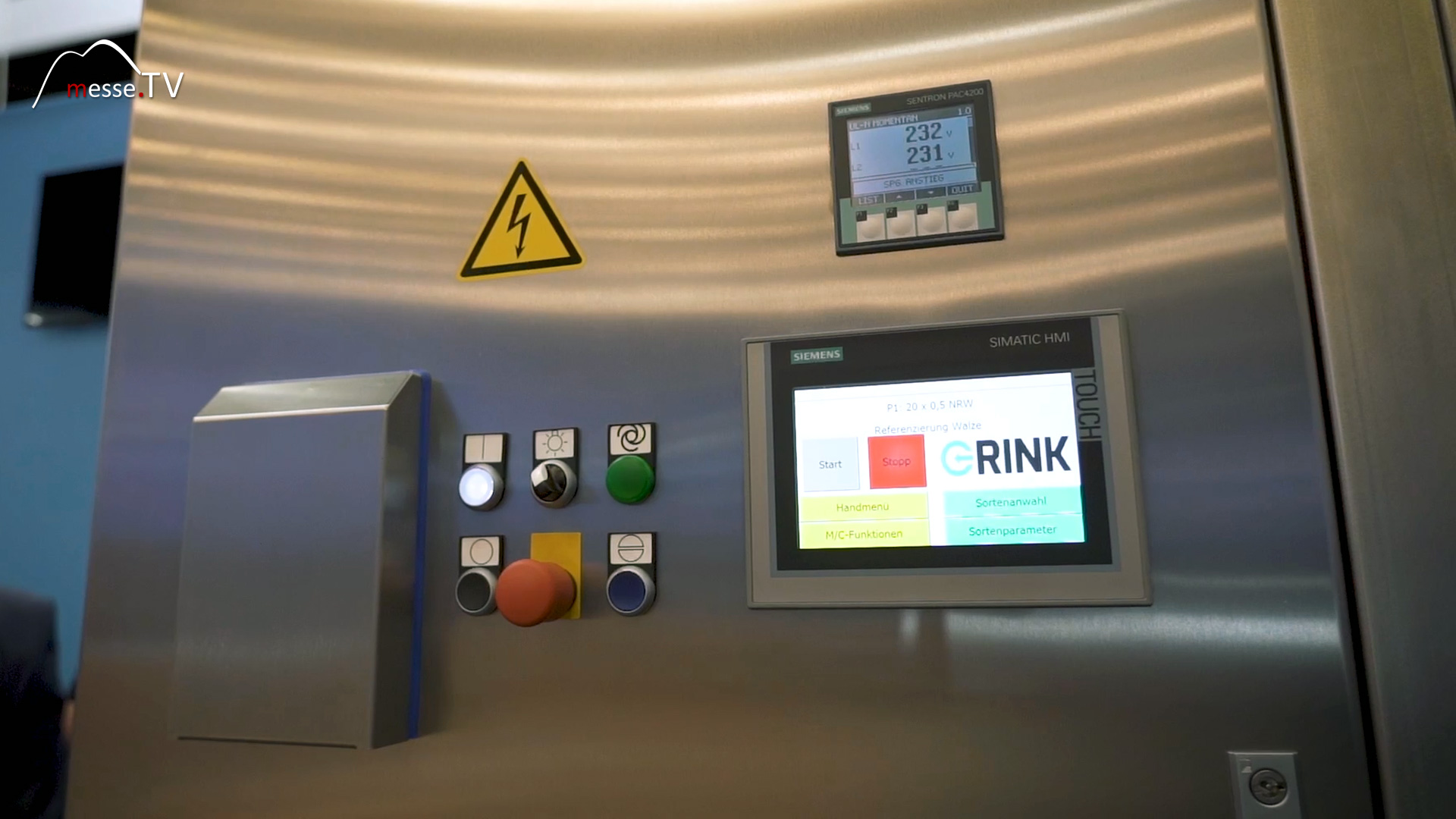
Neben Direktgeschäften mit Brauereien wird die Technik auch im Zusammenspiel mit großen Anlagenbauern eingesetzt. In solchen Fällen ist entscheidend, dass sich der Rotationsentkorker problemlos in übergeordnete Linienkonzepte einfügt und die Schnittstellen klar definiert sind. Die Maschine wird dabei nicht als isolierte Einheit betrachtet, sondern als Teil eines Gesamtprozesses, der von der Leergutannahme bis zur Neubefüllung reicht. Diese Art der Einbindung erfordert ein tiefes Verständnis für Linienlayouts, Taktzeiten und Wartungskonzepte. Genau hier liegt die Stärke spezialisierter Anbieter wie Rink, die sich seit Jahrzehnten auf diesen Maschinentyp konzentrieren und entsprechende Erfahrung in unterschiedlichsten Anlagenkonfigurationen mitbringen.
Alleinstellung durch klare Fokussierung
Im Markt für Entkorkermaschinen nimmt der Rotationsentkorker eine besondere Stellung ein. Das System gilt als Alleinstellungsmerkmal, da es in dieser Form von keinem anderen Anbieter produziert wird. Diese klare Fokussierung erlaubt es, die Maschine konsequent weiterzuentwickeln und auf die realen Anforderungen der Mehrwegmärkte auszurichten. Rink tritt dabei nicht als Generalist auf, sondern als Spezialist für genau diesen Prozessschritt. Das zeigt sich sowohl in der konstruktiven Auslegung als auch in der Tatsache, dass die Maschine weltweit dort eingesetzt wird, wo Mehrwegbier mit hoher Leistung produziert wird. In solchen Anwendungen zählt weniger die Vielfalt an Maschinentypen als vielmehr die Zuverlässigkeit einer klar definierten Lösung.
Rolle des Rotationsentkorkers im Hochleistungsbetrieb
Im Hochleistungsbetrieb ist der Rotationsentkorker mehr als nur eine vorgelagerte Funktion. Er stabilisiert den gesamten Linienprozess, indem er Flaschen gleichmäßig und ohne Unterbrechung für die nachfolgenden Schritte vorbereitet. Gerade bei großen Anlagen entscheidet diese Stabilität darüber, ob eine Linie ihr geplantes Leistungsniveau dauerhaft erreicht. Die Kombination aus kontinuierlichem Flaschenstrom, robuster Mechanik und klarer Prozessführung macht den Rotationsentkorker zu einem zentralen Baustein moderner Mehrwegabfüllung. Anbieter wie Rink haben sich genau auf diesen Punkt spezialisiert und bedienen damit einen Bereich, der in der öffentlichen Wahrnehmung oft wenig sichtbar ist, für den Betrieb einer Brauerei jedoch von entscheidender Bedeutung bleibt.

Messe-Berichterstattung bundesweit - Messewissen, Termine & Veranstaltungen


