Kollaborative Palettierung als Antwort auf monotone und belastende Arbeit
Palettierprozesse gehören in vielen Produktions- und Logistikumgebungen zu den Bereichen, in denen Automatisierung besonders schnell an Relevanz gewinnt. Kartons mit Gewichten im zweistelligen Kilogrammbereich, gleichförmige Bewegungsabläufe und dauerhaft wiederholte Hebevorgänge stellen eine erhebliche ergonomische Belastung dar.
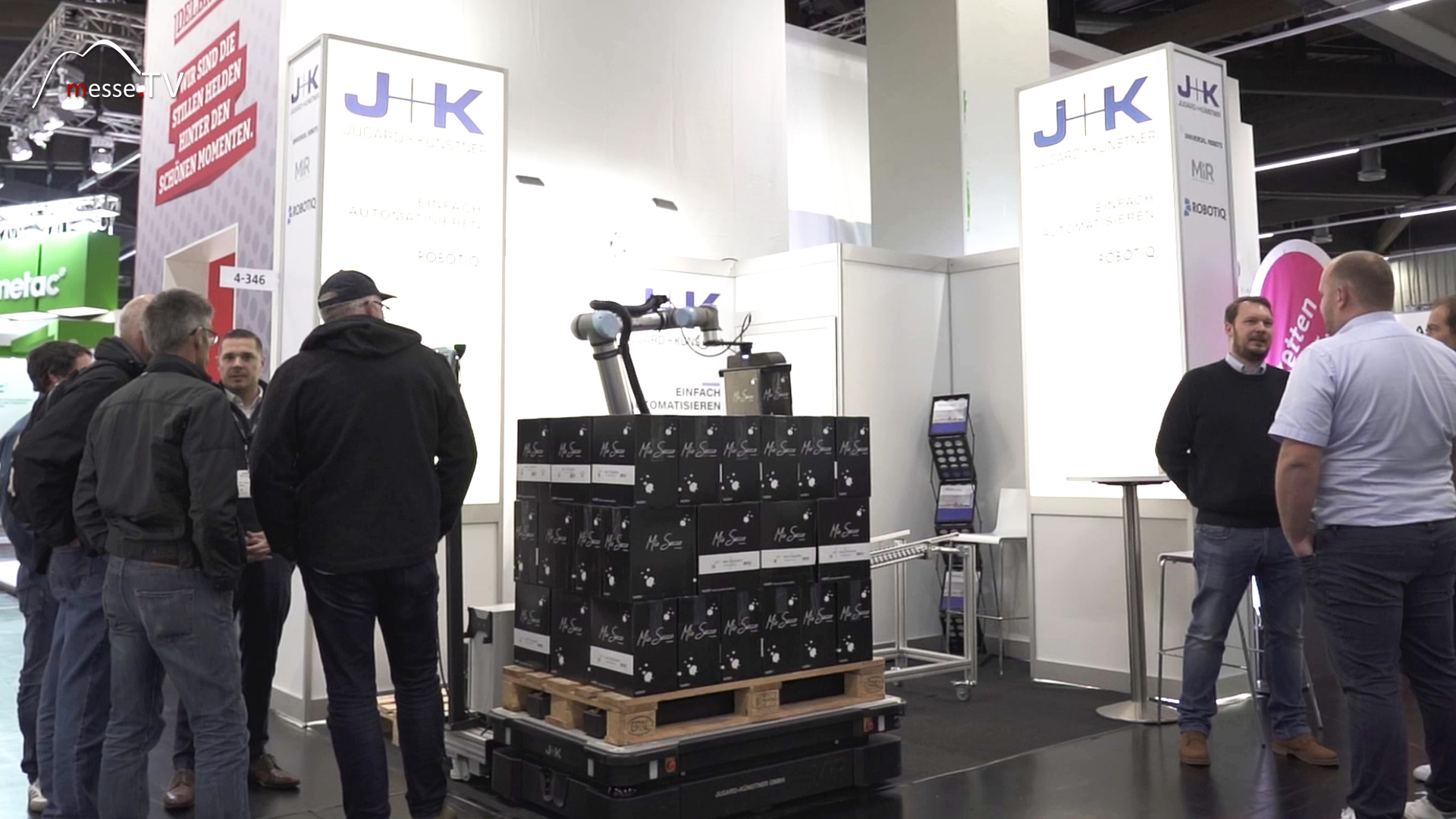
Gleichzeitig sind diese Tätigkeiten wenig wertschöpfend, binden Personal und lassen sich nur begrenzt flexibilisieren. Vor diesem Hintergrund rücken kollaborative Robotersysteme zunehmend in den Fokus, weil sie genau an dieser Schnittstelle zwischen Effizienz, Ergonomie und einfacher Integration ansetzen. Im Gegensatz zu klassischen Industrierobotern, die in abgeschotteten Sicherheitszellen arbeiten, sind kollaborative Roboter darauf ausgelegt, direkt mit dem Menschen zusammenzuarbeiten. Integrierte Sicherheitstechnologien ermöglichen den Betrieb ohne massive Schutzumhausungen, was den Platzbedarf reduziert und die Einbindung in bestehende Produktionslinien erleichtert. Gerade für Palettieraufgaben eröffnet das neue Spielräume, weil Prozesse schneller angepasst und auch bei kleineren Stückzahlen wirtschaftlich automatisiert werden können.

Plug-and-Play-Konzepte für den schnellen Einstieg
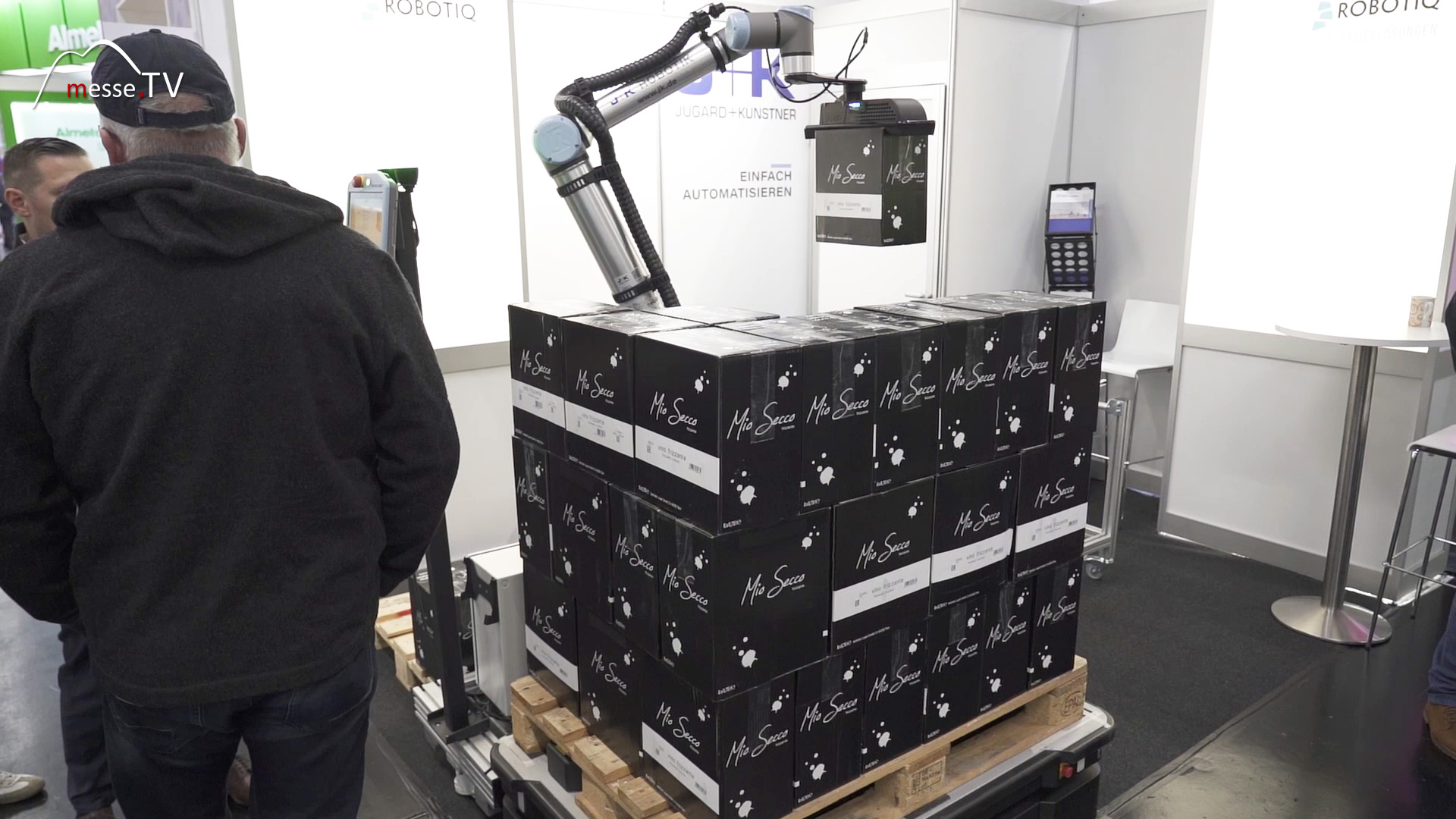
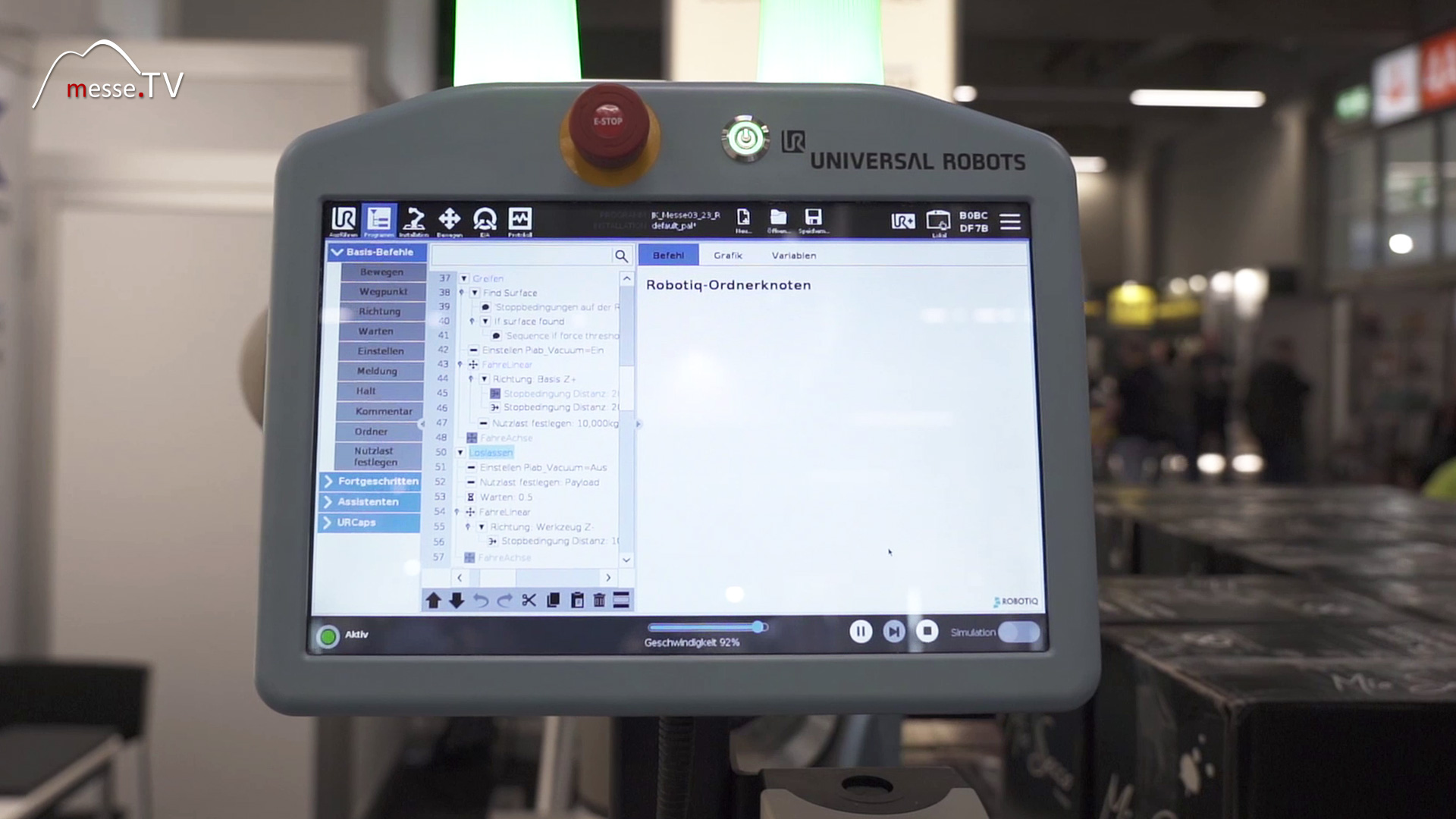
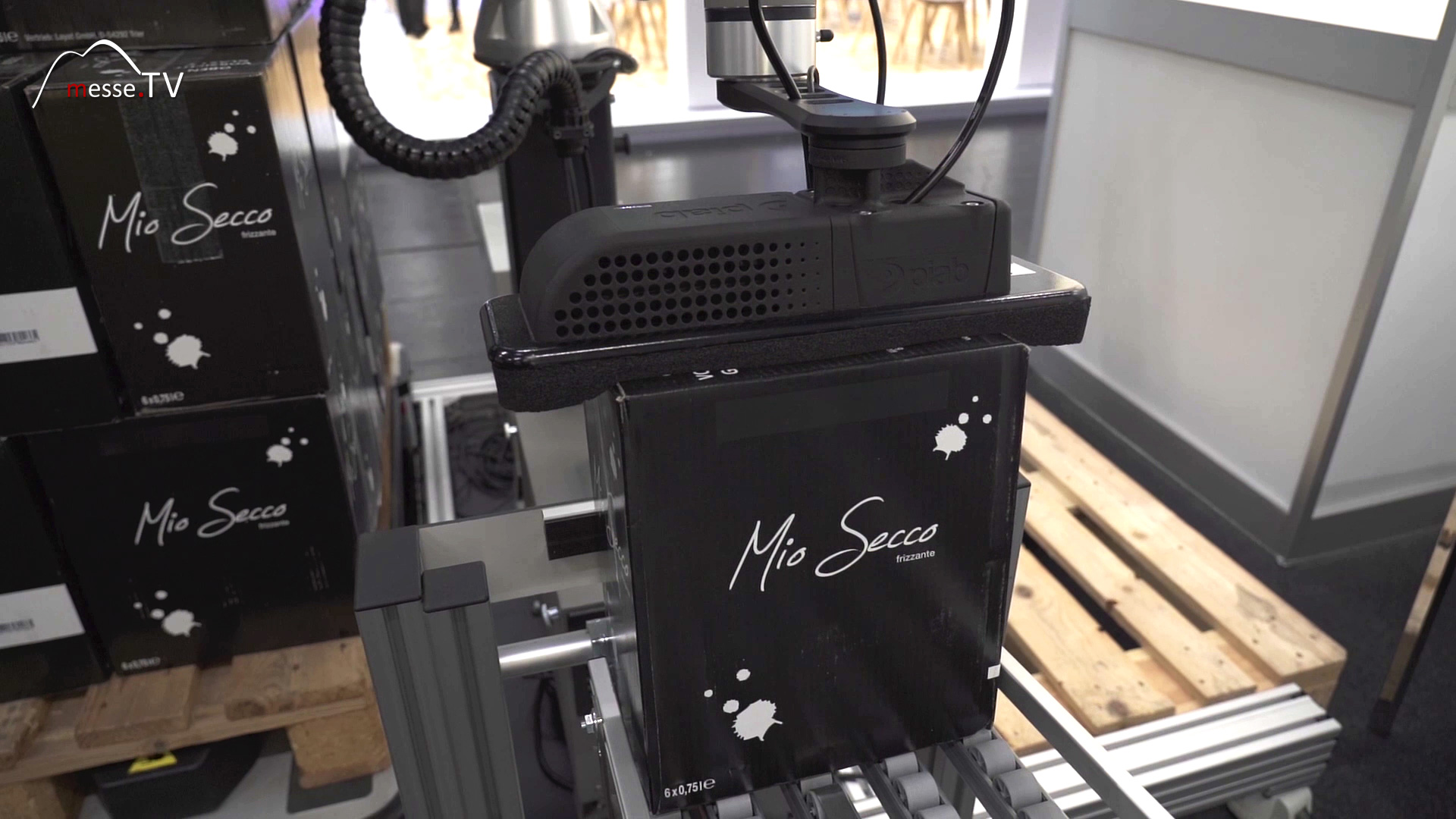
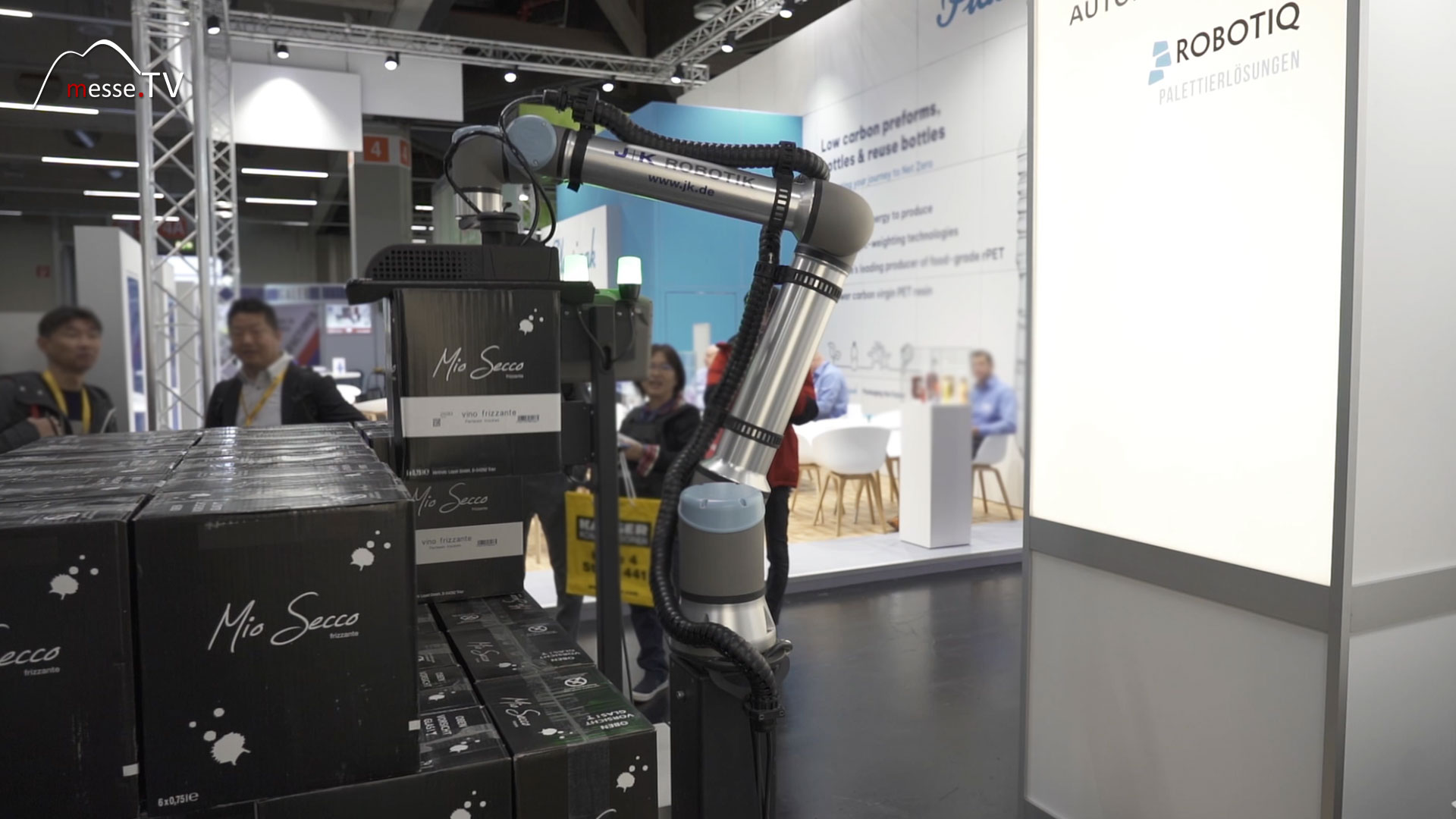
Ein zentraler Treiber für die Verbreitung kollaborativer Palettierlösungen ist die zunehmende Standardisierung der Komponenten. Moderne Systeme setzen auf vorkonfigurierte Plug-and-Play-Module, die ohne tiefgehende Programmierkenntnisse in Betrieb genommen werden können. Roboterarm, Greifer, Software und Palettierlogik sind so aufeinander abgestimmt, dass Anwender die Lösung weitgehend selbstständig implementieren können. Typisch für solche Anwendungen sind Vakuumgreifer, die Kartons mittels Unterdruck aufnehmen. Diese Greifer sind in der Lage, unterschiedliche Kartongrößen sicher zu handhaben und Lasten im Bereich von zehn bis fünfzehn Kilogramm zu bewegen. Damit decken sie einen Großteil der in der Praxis auftretenden Palettieraufgaben ab. Gleichzeitig erlauben sie einen schonenden Umgang mit Verpackungen, was insbesondere bei empfindlichen Produkten von Bedeutung ist.
Ergonomie und Entlastung im Arbeitsalltag
Der Einsatz kollaborativer Robotik im Palettierbereich zielt nicht primär darauf ab, Arbeitsplätze zu ersetzen, sondern körperlich belastende Tätigkeiten zu reduzieren. Monotone Hebe- und Stapelarbeiten gelten als ergonomisch ungünstig und sind häufig Ursache für krankheitsbedingte Ausfälle. Durch die Automatisierung dieser Prozesse können Mitarbeiter von schweren Routinetätigkeiten entlastet und stattdessen für überwachende, koordinierende oder qualifizierte Aufgaben eingesetzt werden. Hinzu kommt, dass kollaborative Systeme flexibel reagieren können. Sie lassen sich bei Bedarf umstellen, neu konfigurieren oder in andere Prozessschritte integrieren. Das ist insbesondere für Betriebe relevant, die mit wechselnden Produkten, unterschiedlichen Verpackungsformaten oder variierenden Losgrößen arbeiten. Die Robotik wird damit nicht zum starren Element, sondern zu einem anpassungsfähigen Werkzeug innerhalb der Produktion.

Technologische Basis kollaborativer Palettierlösungen
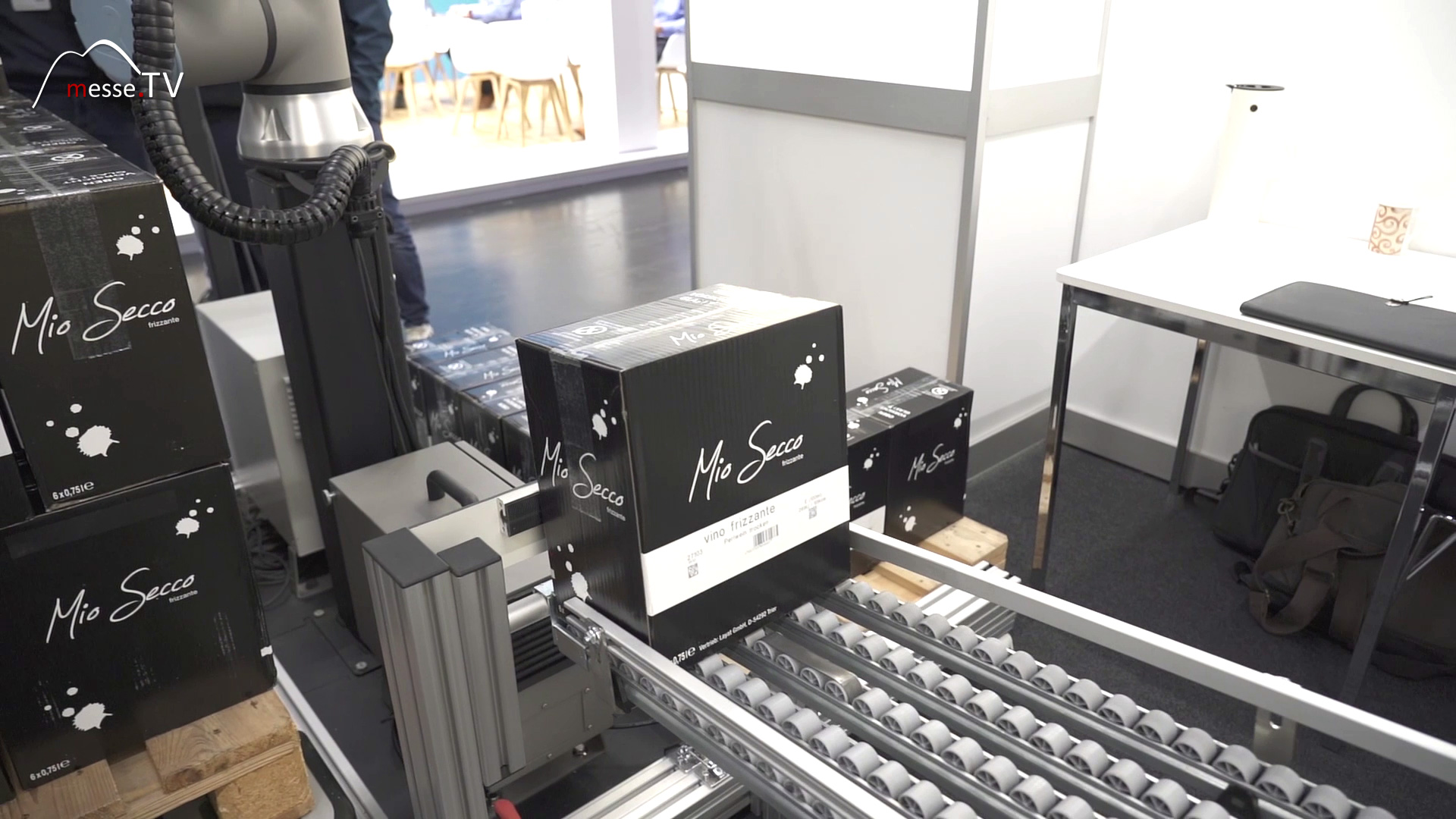
Im Kern basieren kollaborative Palettiersysteme auf Robotern mit integrierter Sensorik und Sicherheitsfunktionen. Diese erkennen Widerstände, stoppen bei Kontakt und passen ihre Bewegungen an die Umgebung an. Ergänzt wird diese Technik durch Greifersysteme, die speziell für Kartonhandling ausgelegt sind, sowie durch Softwarelösungen, die eine einfache Parametrierung erlauben. Typische Merkmale solcher Systeme sind:
- integrierte Sicherheitstechnik für den Betrieb ohne Schutzzaun
- vorkonfigurierte Palettierprogramme für gängige Kartonformate
- Vakuumgreifer für schonendes und flexibles Handling
- modularer Aufbau für schnelle Anpassungen im Prozess
Rolle von Jugard & Künstner in der Umsetzung
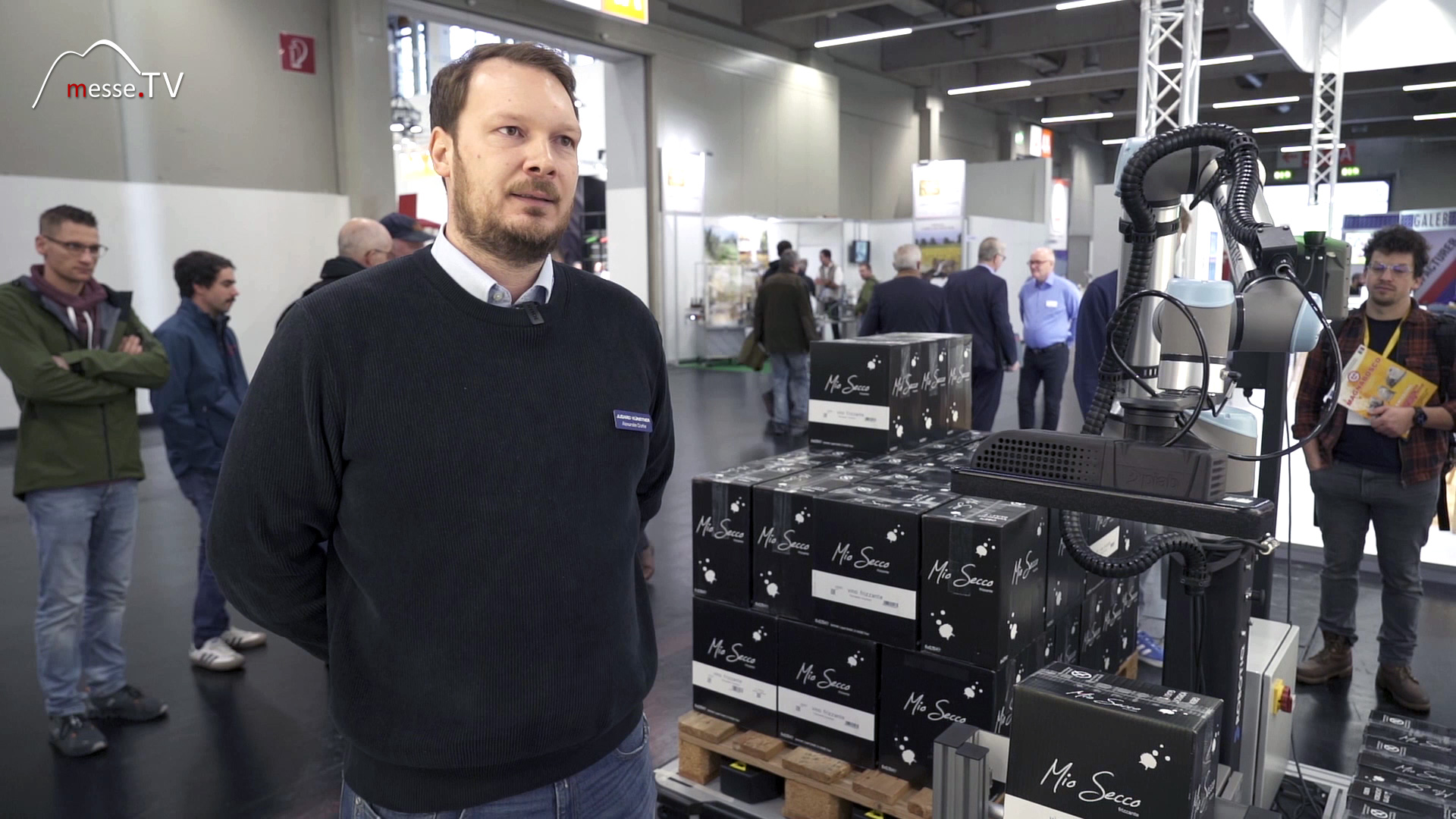
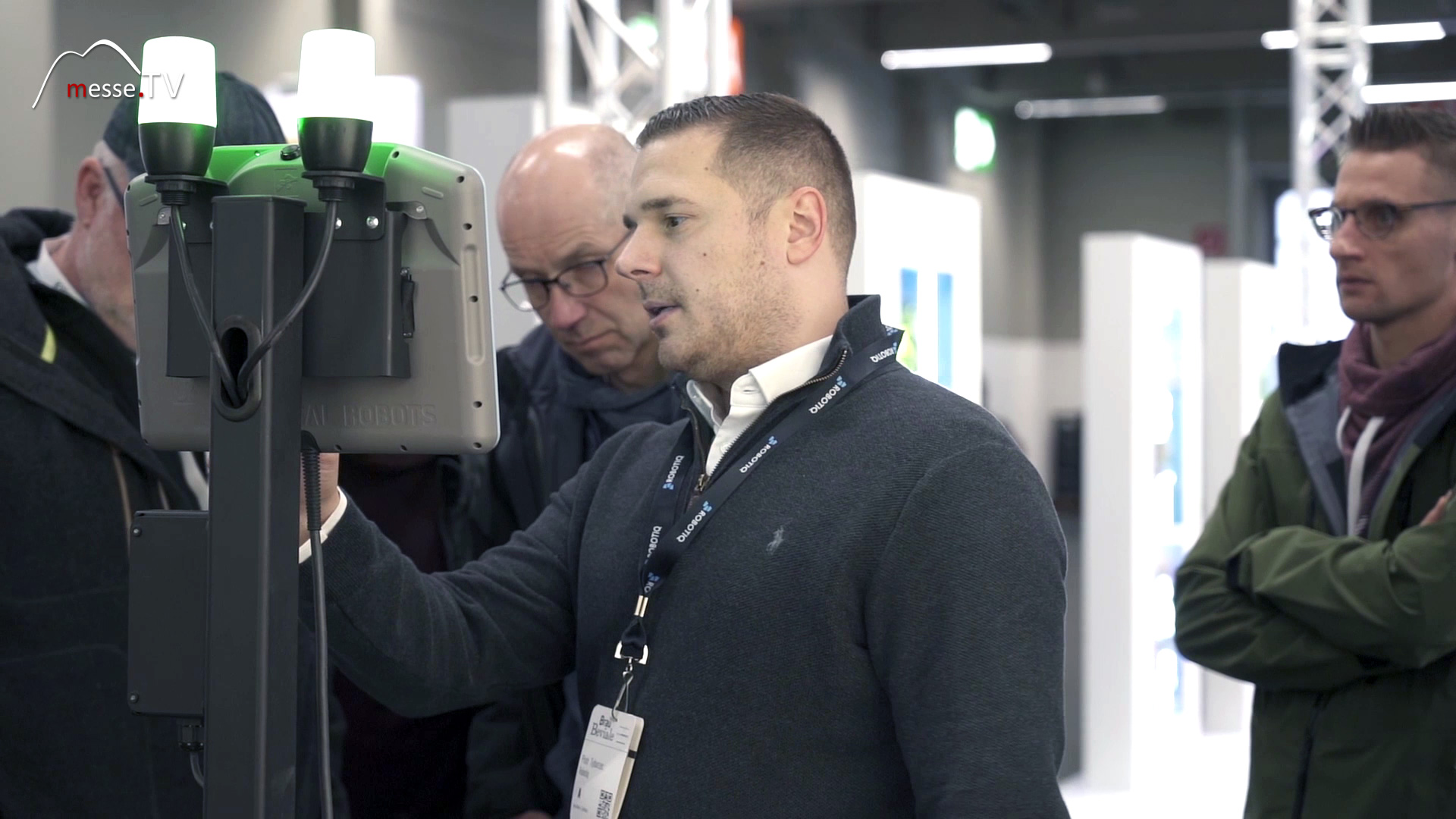
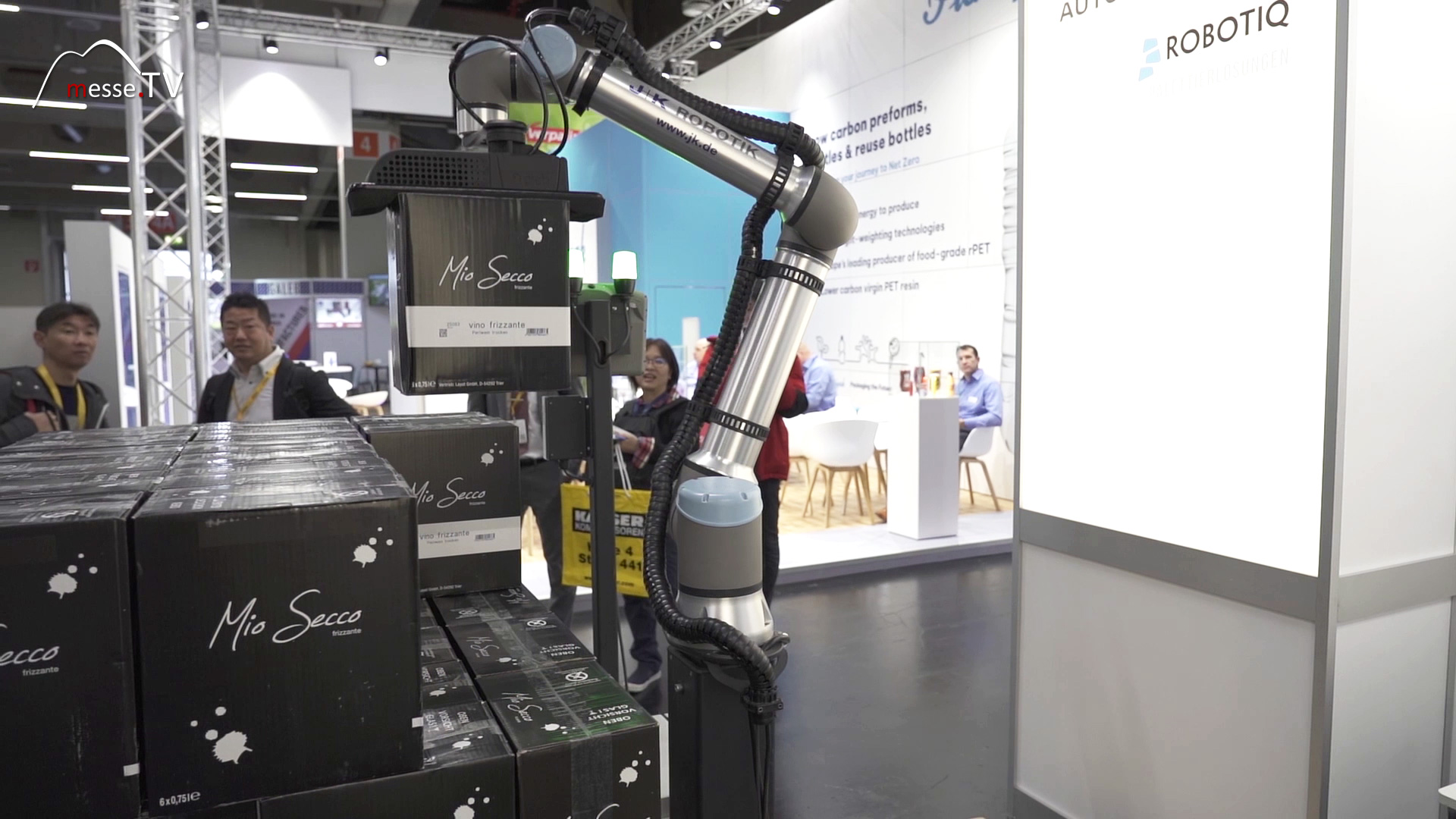
In der praktischen Umsetzung solcher Konzepte übernehmen spezialisierte Vertriebspartner eine wichtige Funktion. Jugard & Künstner ist als mittelständisches Distributionsunternehmen seit vielen Jahrzehnten im industriellen Umfeld aktiv und agiert als regionaler Partner für kollaborative Robotik. Der Fokus liegt dabei auf der Bereitstellung kompletter, aufeinander abgestimmter Palettierlösungen, die sich ohne hohen Integrationsaufwand einsetzen lassen. Gezeigt wird eine Anwendung, bei der ein kollaborativer Roboterarm in Kombination mit standardisierten Palettiermodulen eingesetzt wird. Ziel ist es, Anwendern eine Lösung an die Hand zu geben, die sie eigenständig implementieren und betreiben können. Der Ansatz richtet sich insbesondere an Betriebe, die erste Schritte in Richtung Automatisierung gehen möchten, ohne umfangreiche Umbauten oder lange Projektlaufzeiten in Kauf zu nehmen.
Automatisierung als Teil moderner Arbeitsorganisation
Kollaborative Palettierung steht exemplarisch für einen Wandel in der industriellen Automatisierung. Statt abgeschotteter Hochleistungssysteme rücken flexible, menschennahe Lösungen in den Vordergrund. Sie verbinden technische Effizienz mit ergonomischen Verbesserungen und eröffnen neue Möglichkeiten für die Gestaltung von Arbeitsplätzen. Gerade in Zeiten von Fachkräftemangel und steigenden Anforderungen an Arbeitssicherheit gewinnt dieser Ansatz an Bedeutung. Automatisierung wird damit nicht zum Selbstzweck, sondern zu einem Instrument, um Arbeitsbedingungen zu verbessern und Prozesse zukunftsfähig zu gestalten. Kollaborative Robotik im Palettierbereich zeigt, wie sich diese Ziele konkret umsetzen lassen.




Messe-Berichterstattung bundesweit - Messewissen, Termine & Veranstaltungen


