Sensor technology as the key to automation in filling plants
Modern automation is inconceivable without precise measurement data. In filling plants in the beverage, food and pharmaceutical industries, sensors determine whether processes run smoothly, whether quality remains reproducible and whether resources are used efficiently.
Levels, limits and pressures are among the key measured variables because they are relevant at almost every point in a line – from the storage tank to the individual bottle or can. With increasing automation, not only does the complexity of the systems grow, but above all the demands on the sensor technology used.
Measured values as the basis of every automated control system
Automation systems do not work abstractly, but on the basis of concrete input signals. These come almost exclusively from sensors that detect physical states and translate them into usable signals. In filling plants, these are primarily:
- Level signals for continuous detection of media in tanks or pipes
- Limit level signals for reliable detection of minimum or maximum levels
- Pressure measurements for process monitoring and quality assurance

Filling technology as a field of application with special requirements
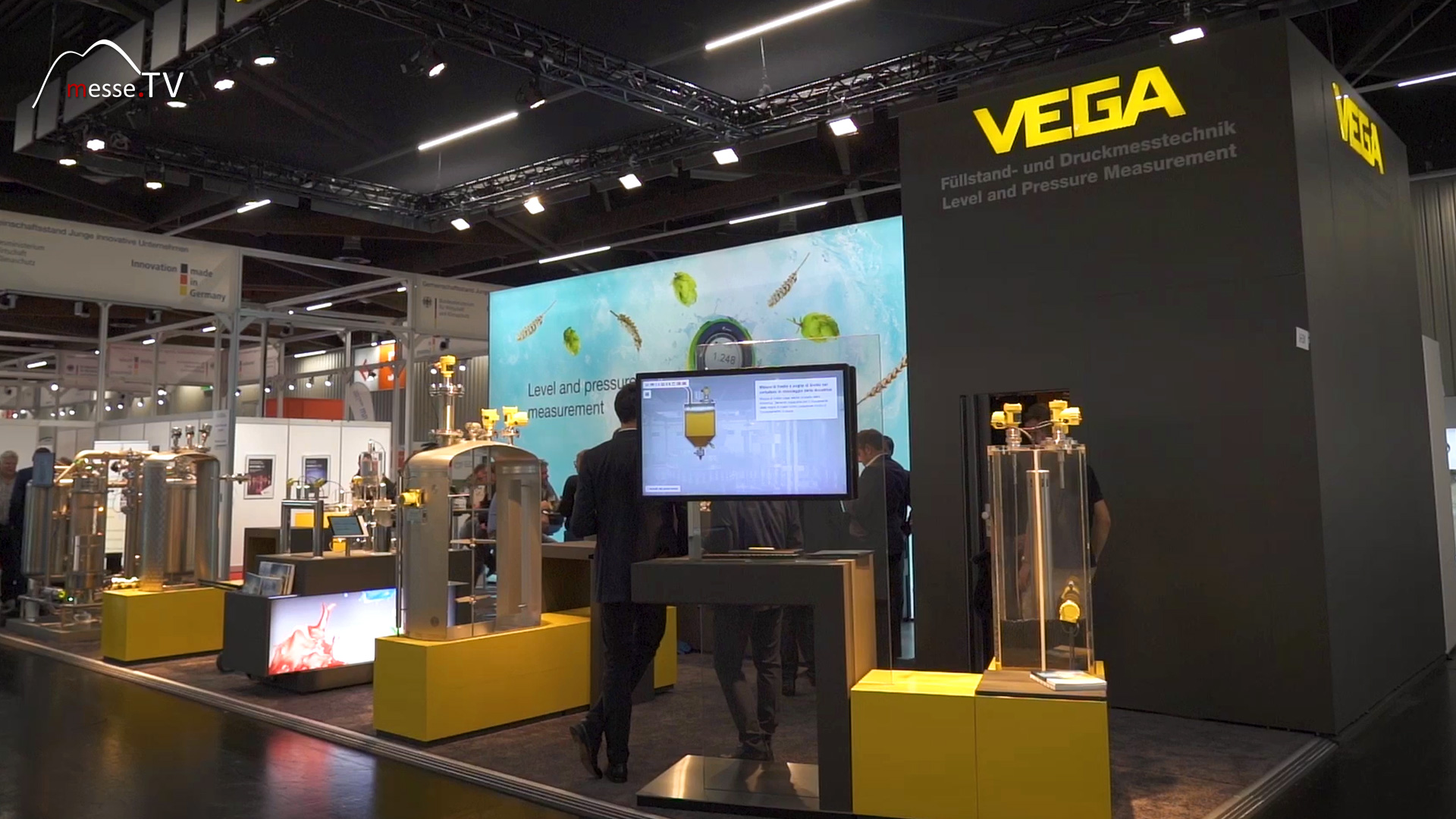
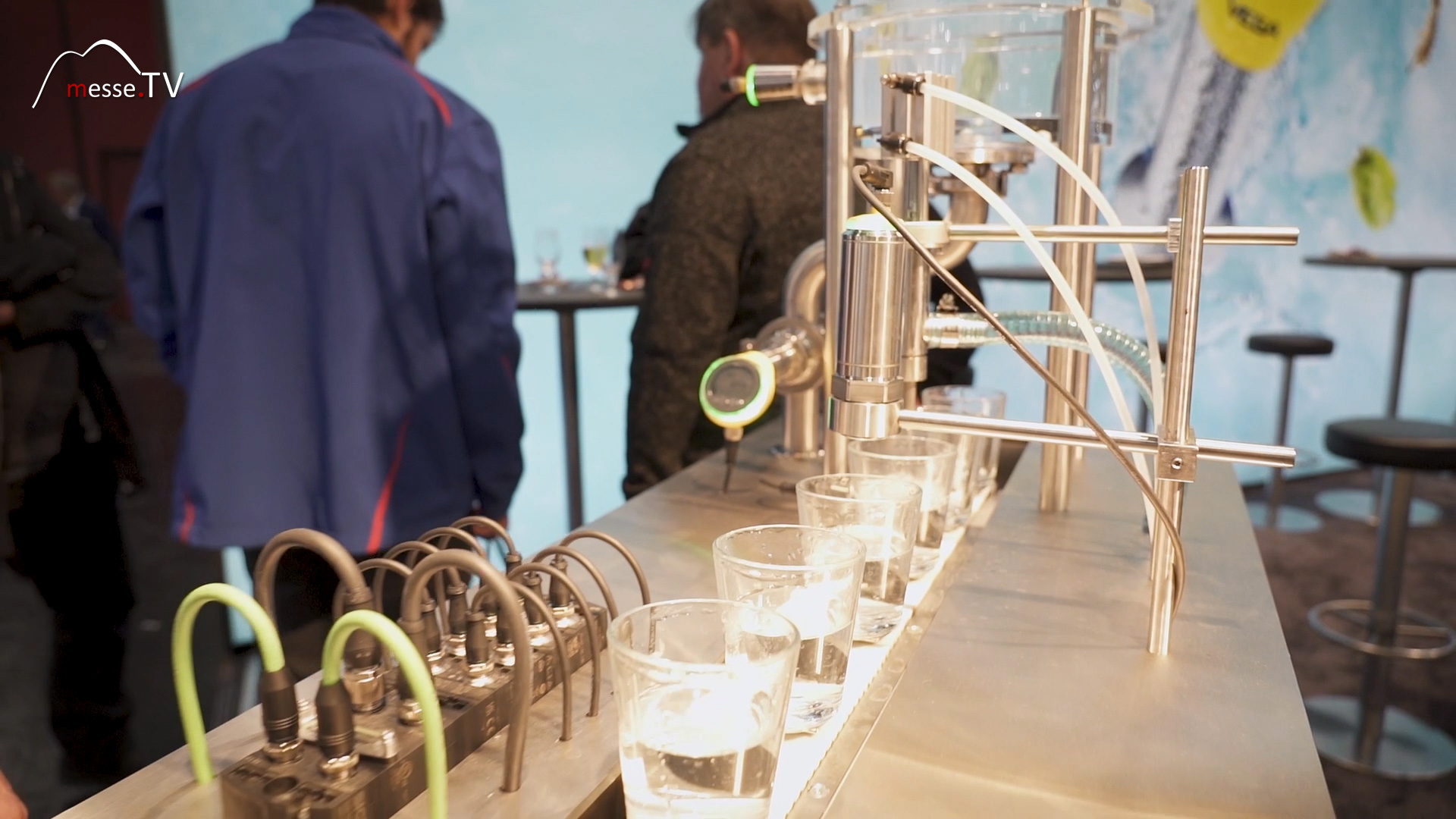
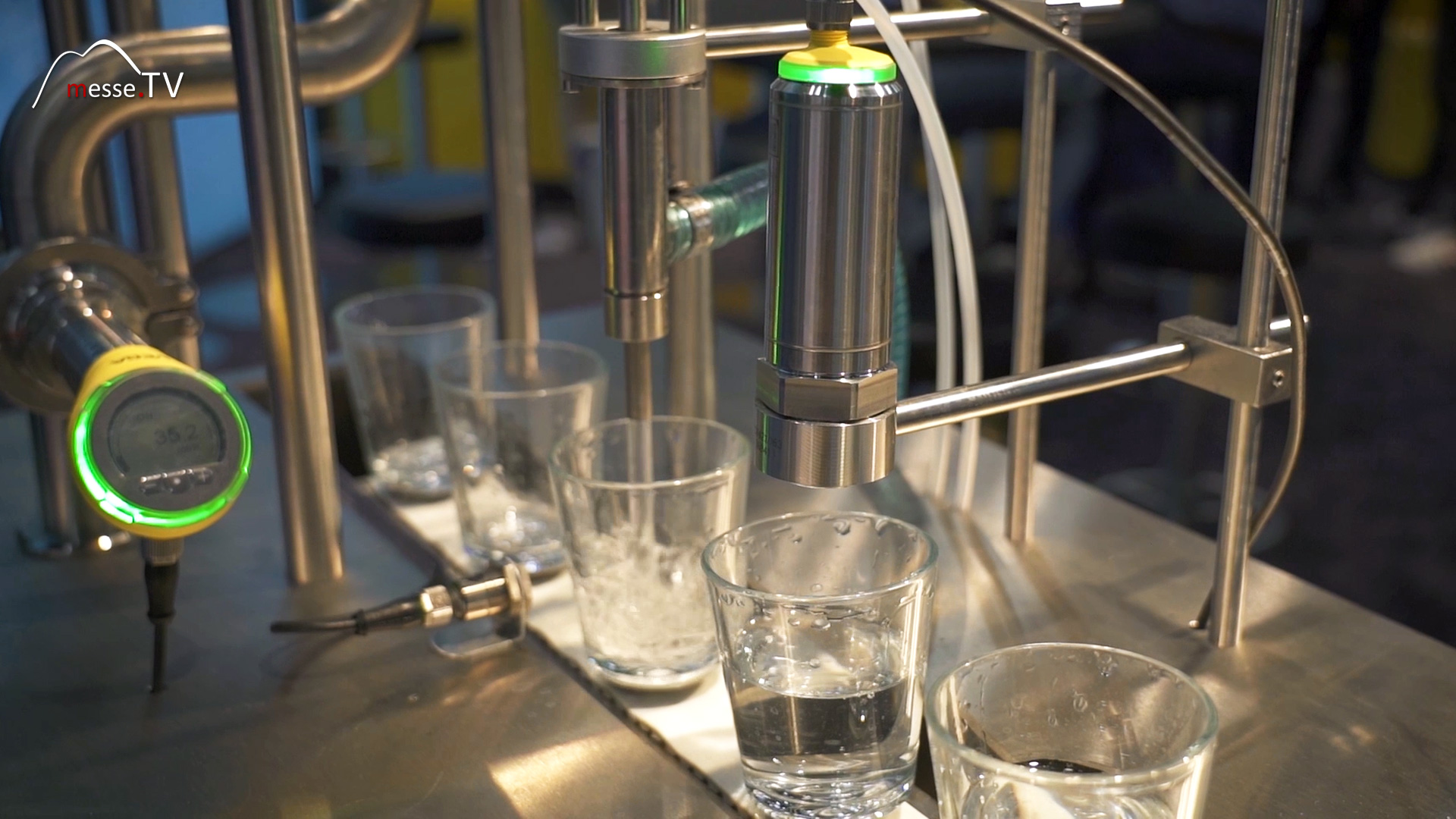
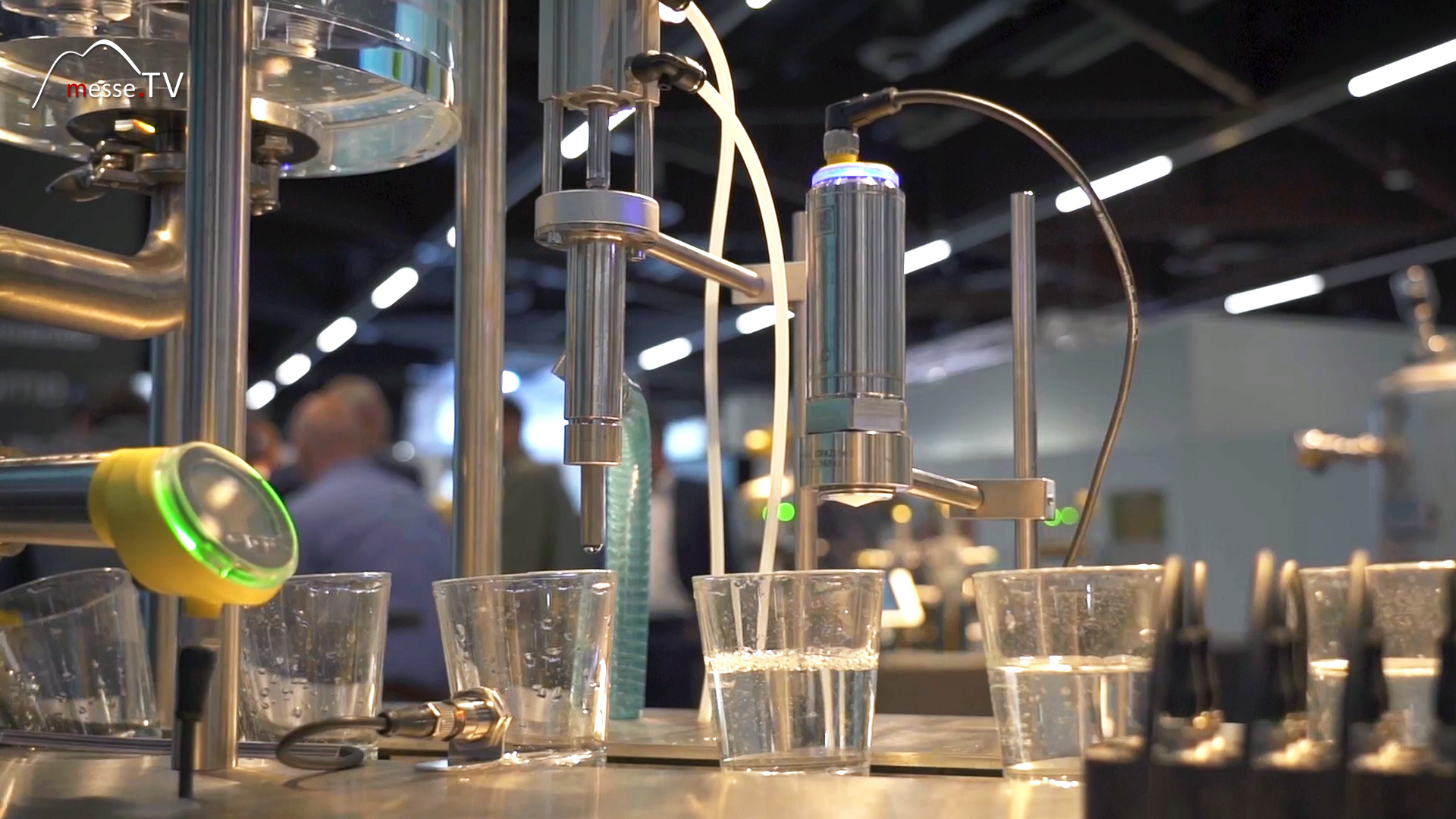
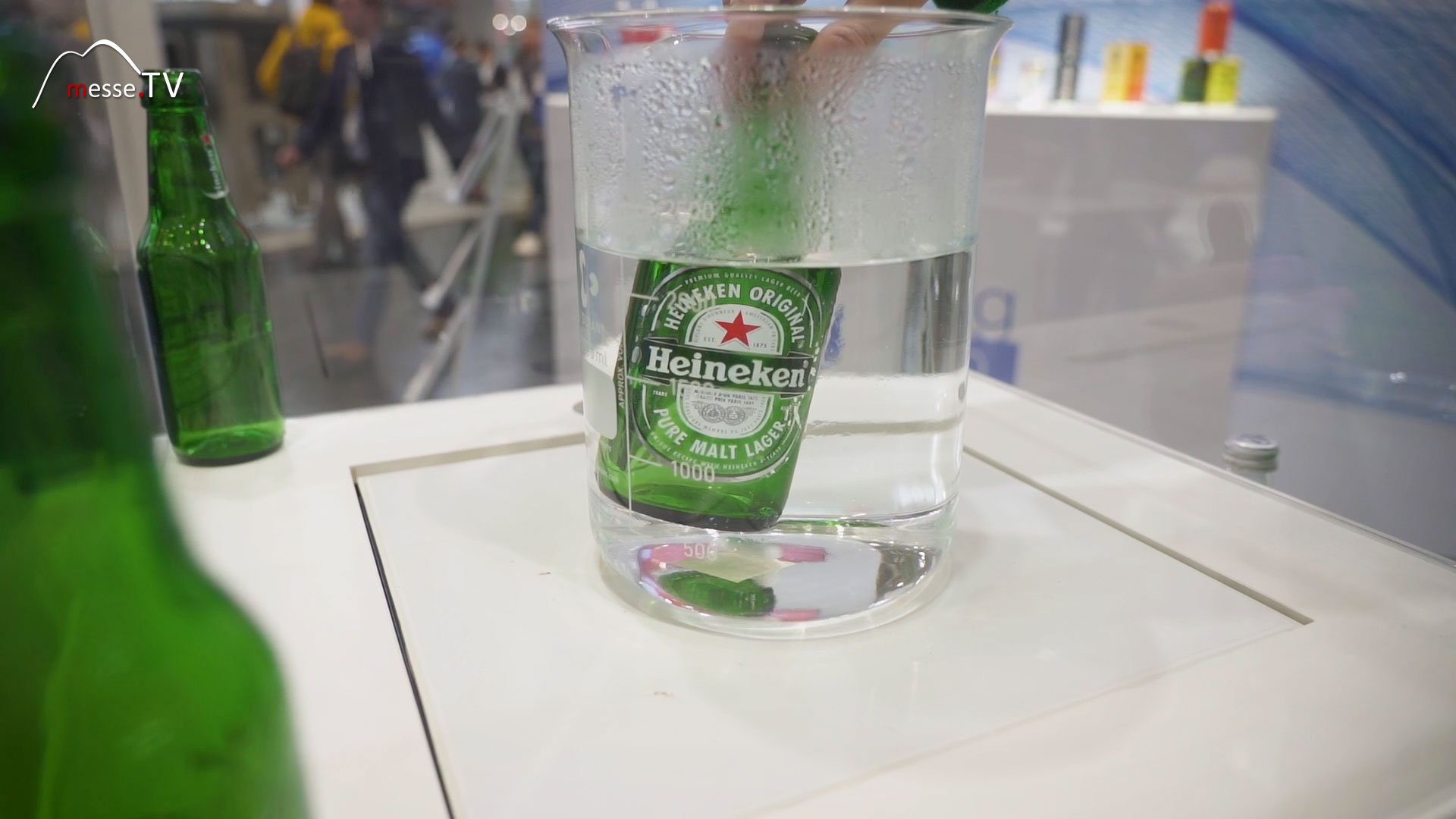
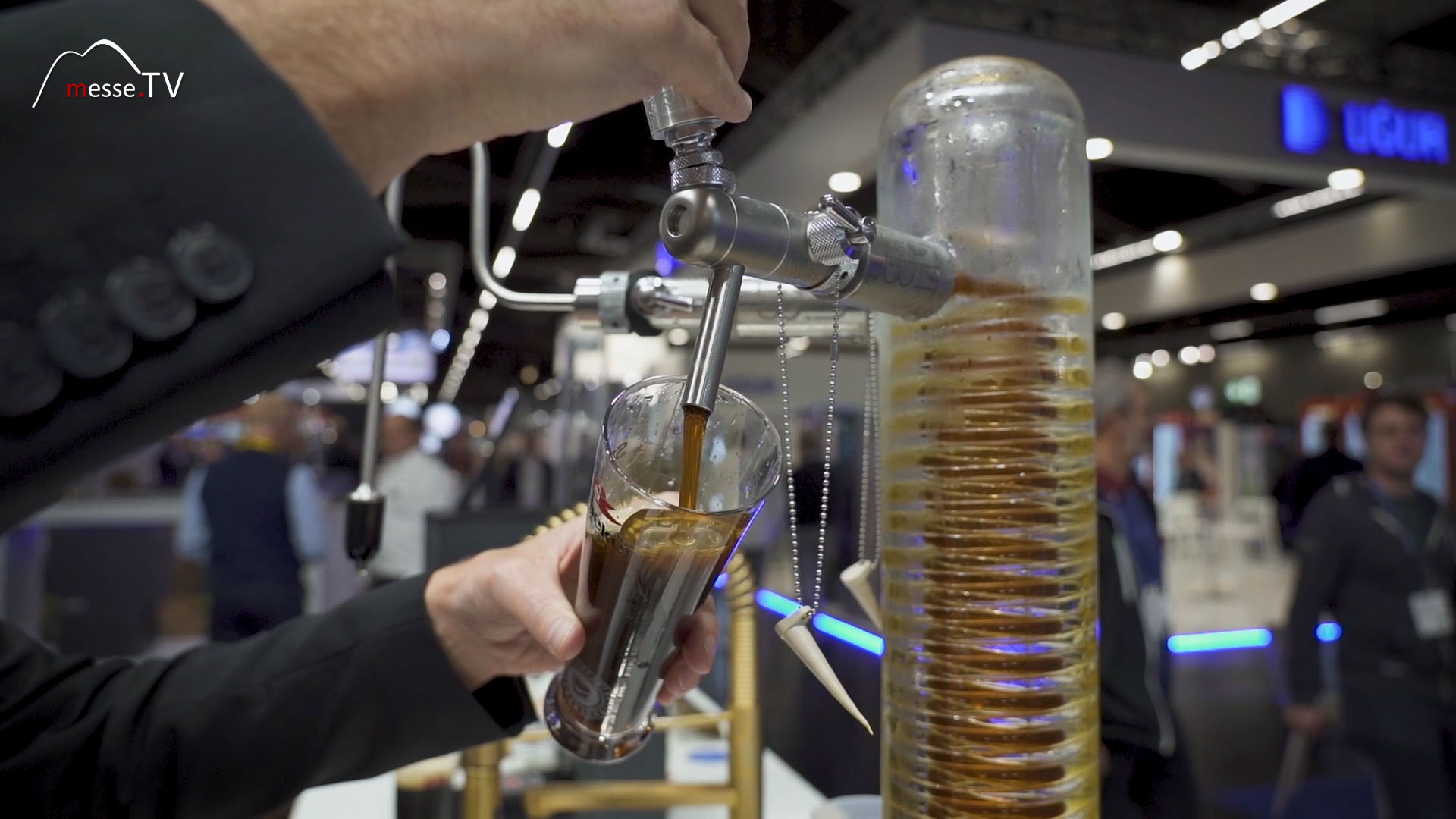
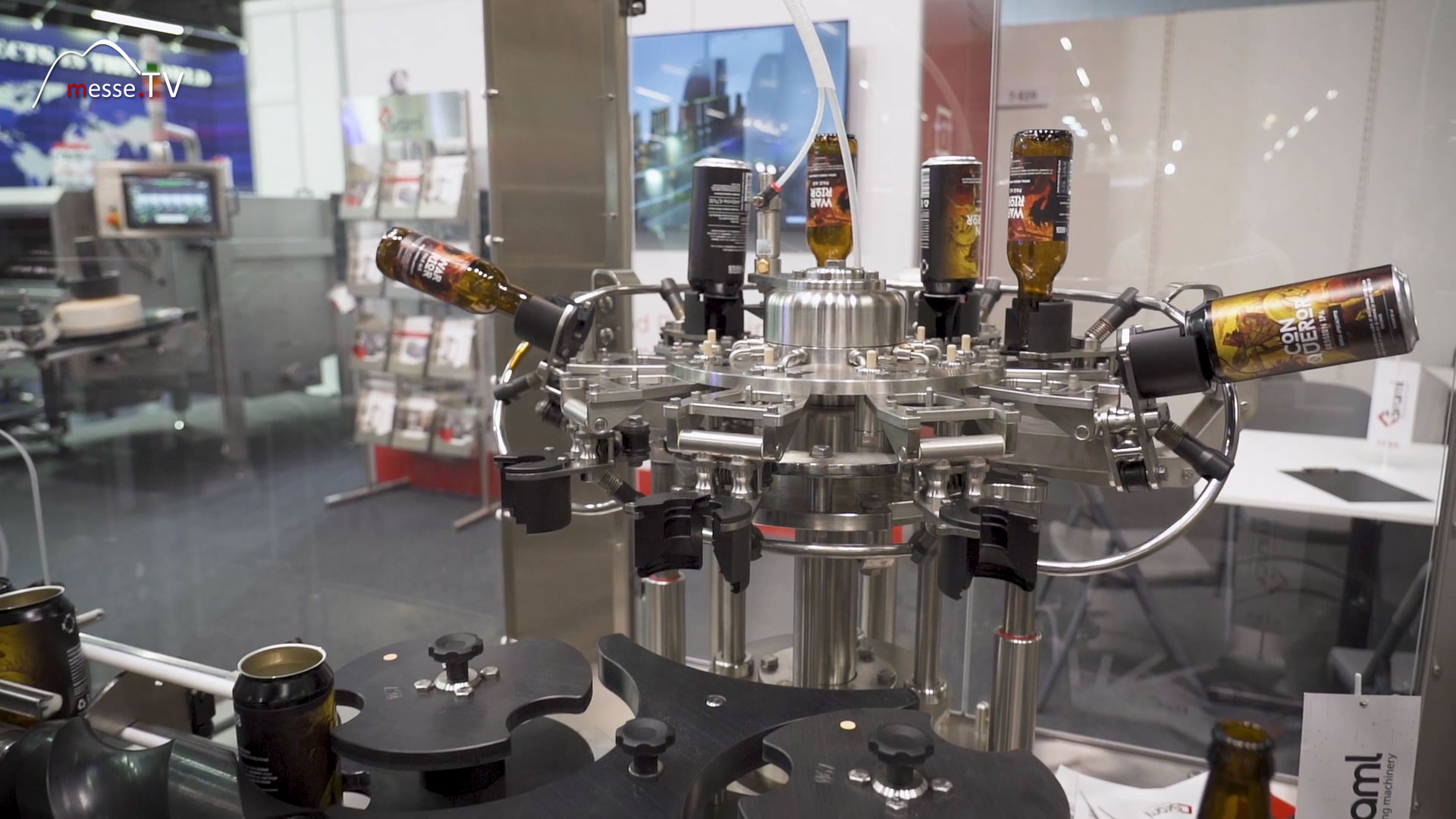
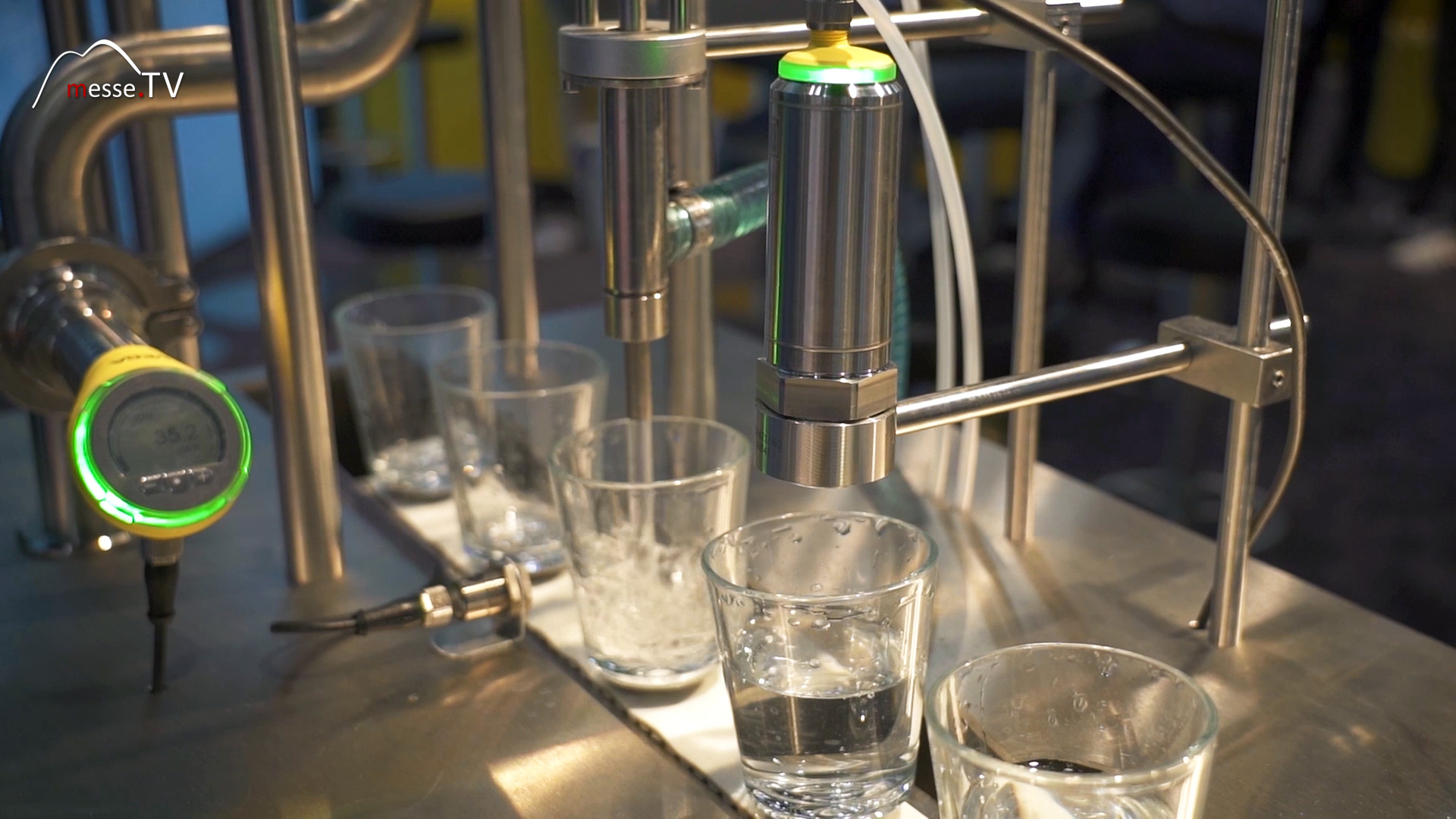
The beverage industry places special demands on measurement technology. Media change frequently, cleaning cycles are intensive, and hygiene requirements are strict. Sensors must therefore not only measure precisely, but also be robust, durable and suitable for cleaning. In a typical filling plant, different types of sensors are used in parallel: pressure sensors monitor process steps, limit level sensors ensure minimum and maximum values, while continuous level sensors detect the actual contents of a container. The fact that the same sensor technology can detect both liquids in tanks and fill levels in glasses, bottles or cups shows how universal this technology is today. The decisive factor here is not just the individual sensor, but the interaction of many measuring points, which together provide a precise picture of the process.
Cross-industry significance of sensor technology
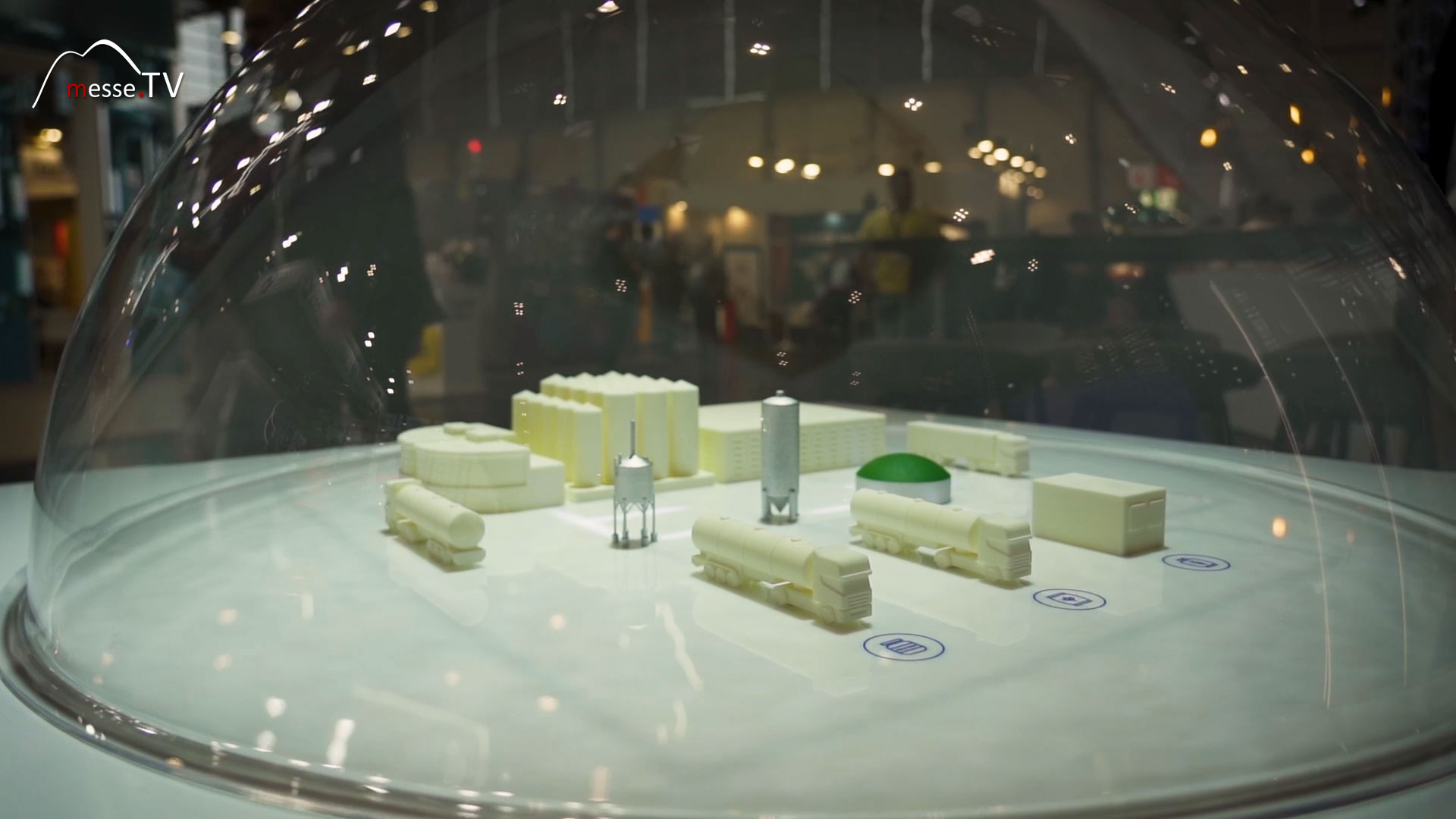
A key advantage of modern sensor technology is its wide range of applications. Technologies for measuring fill levels, limit levels and pressure are used not only in the beverage industry, but also in the chemical industry, in water and wastewater management, and in food and pharmaceutical production. This cross-industry approach ensures that developments do not take place in isolation, but that insights from different applications are incorporated into new solutions. It is precisely this versatility that is one of the reasons why sensor technology is considered a stable growth market. While individual industries are subject to economic fluctuations, the demand for reliable measurement data remains consistently high – especially where processes are being further automated.

Sensor technology as a driver of increasing automation
There is a direct correlation between the degree of automation and the demand for sensors: the more processes are automated, the more measuring points are required. Where manual checks used to suffice, sensors now take over permanent monitoring. They continuously supply data that is processed by control systems and implemented in real time. This trend is clearly visible. Increasing demands on efficiency, quality and traceability mean that plants are becoming increasingly densely ‘sensorised’. Sensors are therefore not only passive measuring devices, but active enablers of modern production concepts. Without them, adaptive control systems, flexible lines or predictive maintenance would not be possible.
Role of VEGA Grieshaber KG in industrial measurement technology
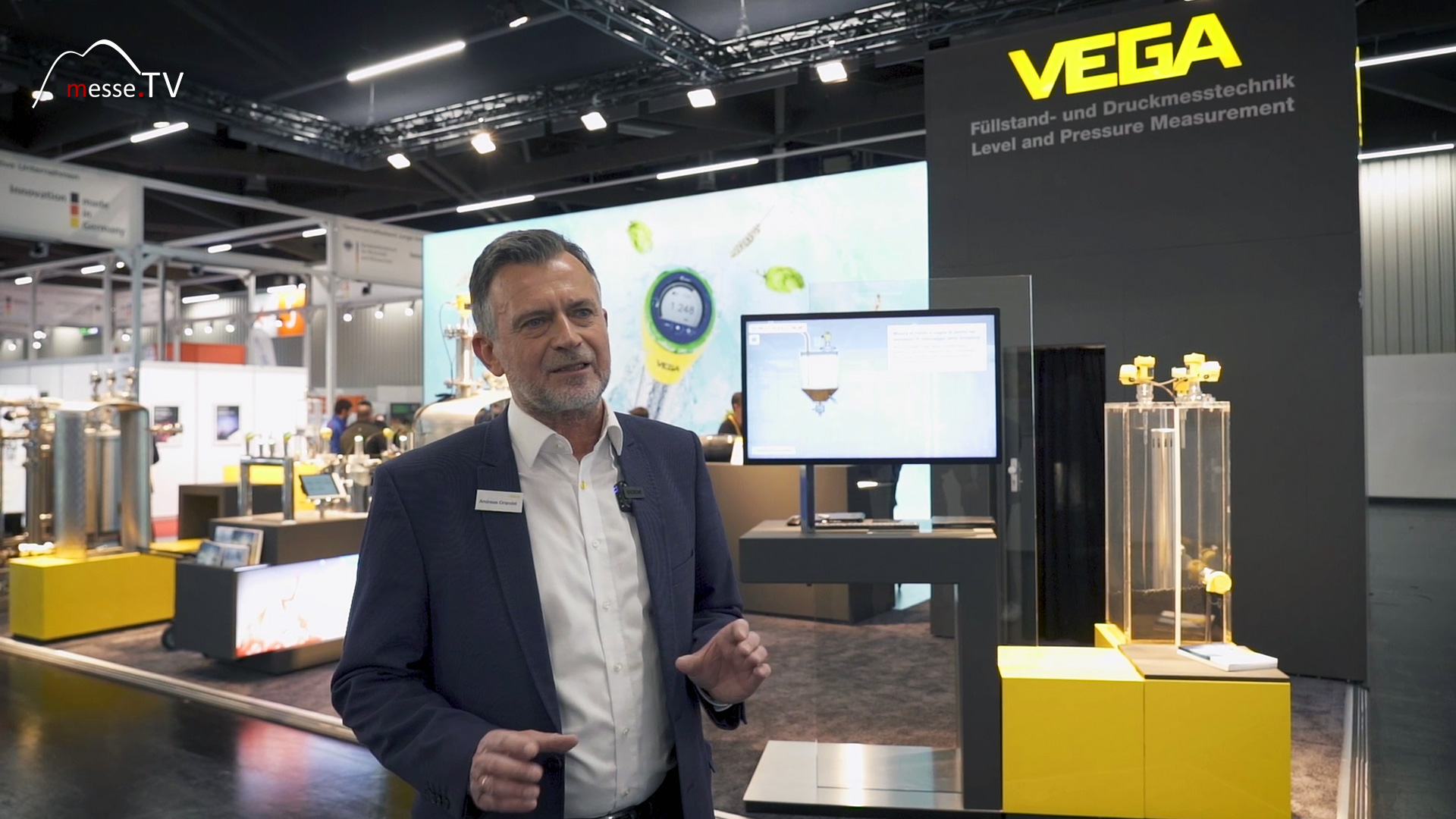
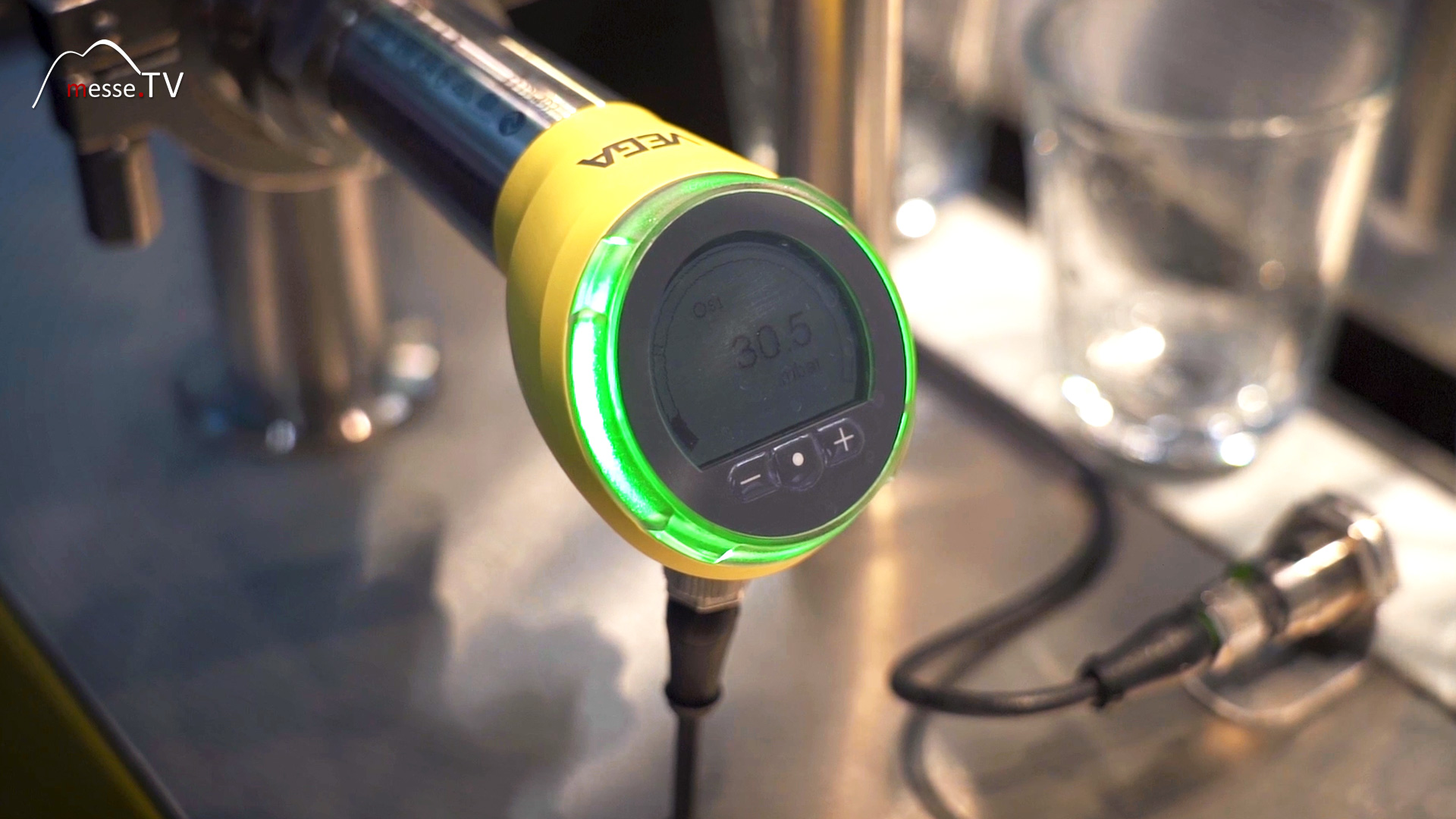
One company that has specialised in precisely these tasks for decades is VEGA Grieshaber KG. The family-run company from the Black Forest develops and manufactures sensors for measuring levels, limits and pressures. Since its foundation in the second half of the last century, the company has been run by the Grieshaber family and is now in its third generation. The strength of VEGA Grieshaber KG lies in its consistent focus on sensor technology as its core competence. Instead of limiting itself to individual industries, it develops solutions that can be used in a wide variety of industrial environments. This technological breadth also explains the company's presence at trade fairs such as BrauBeviale, where sensor technology is demonstrated in the context of complete filling systems.
Sensor technology in the interaction of a filling line
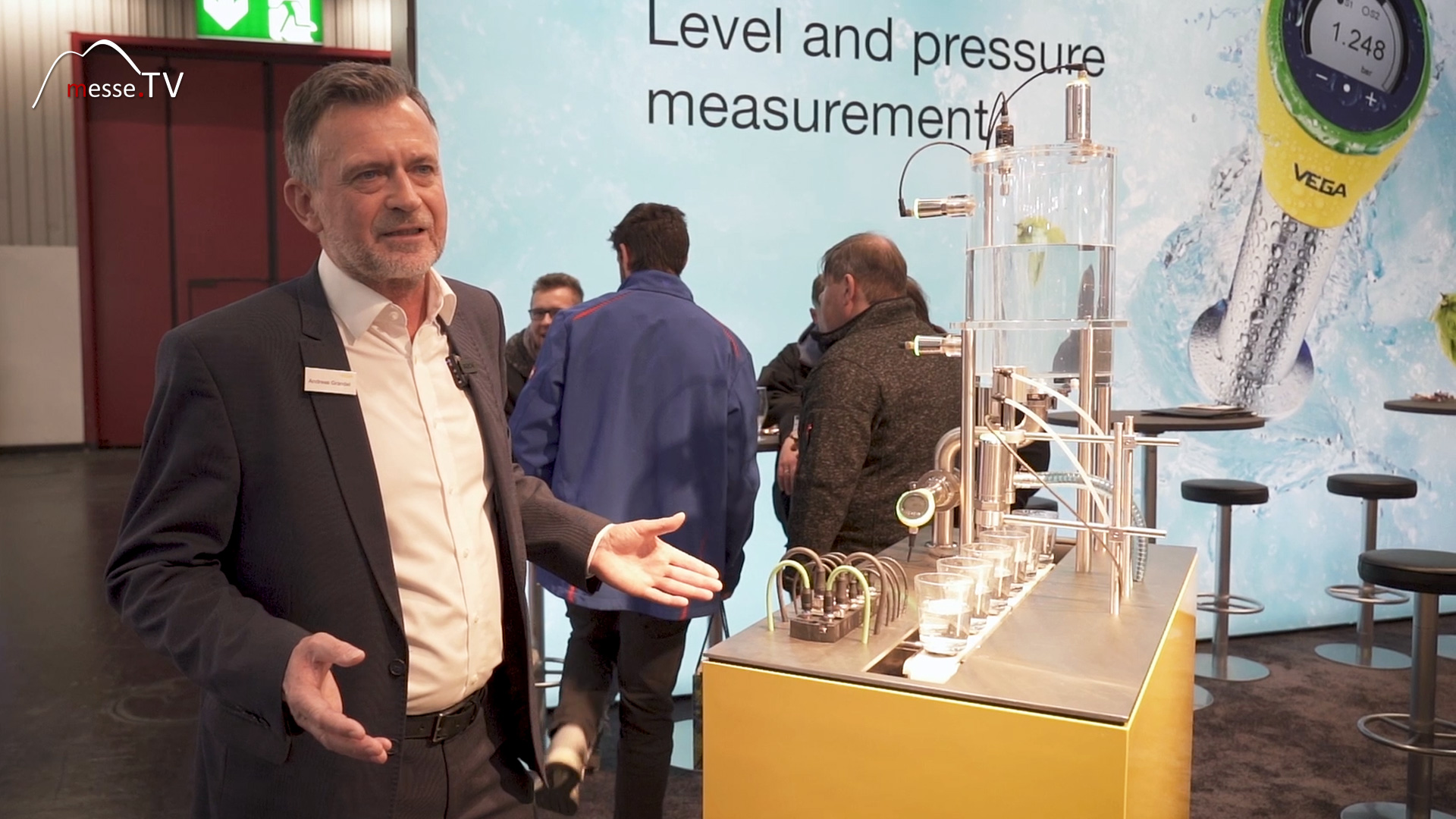
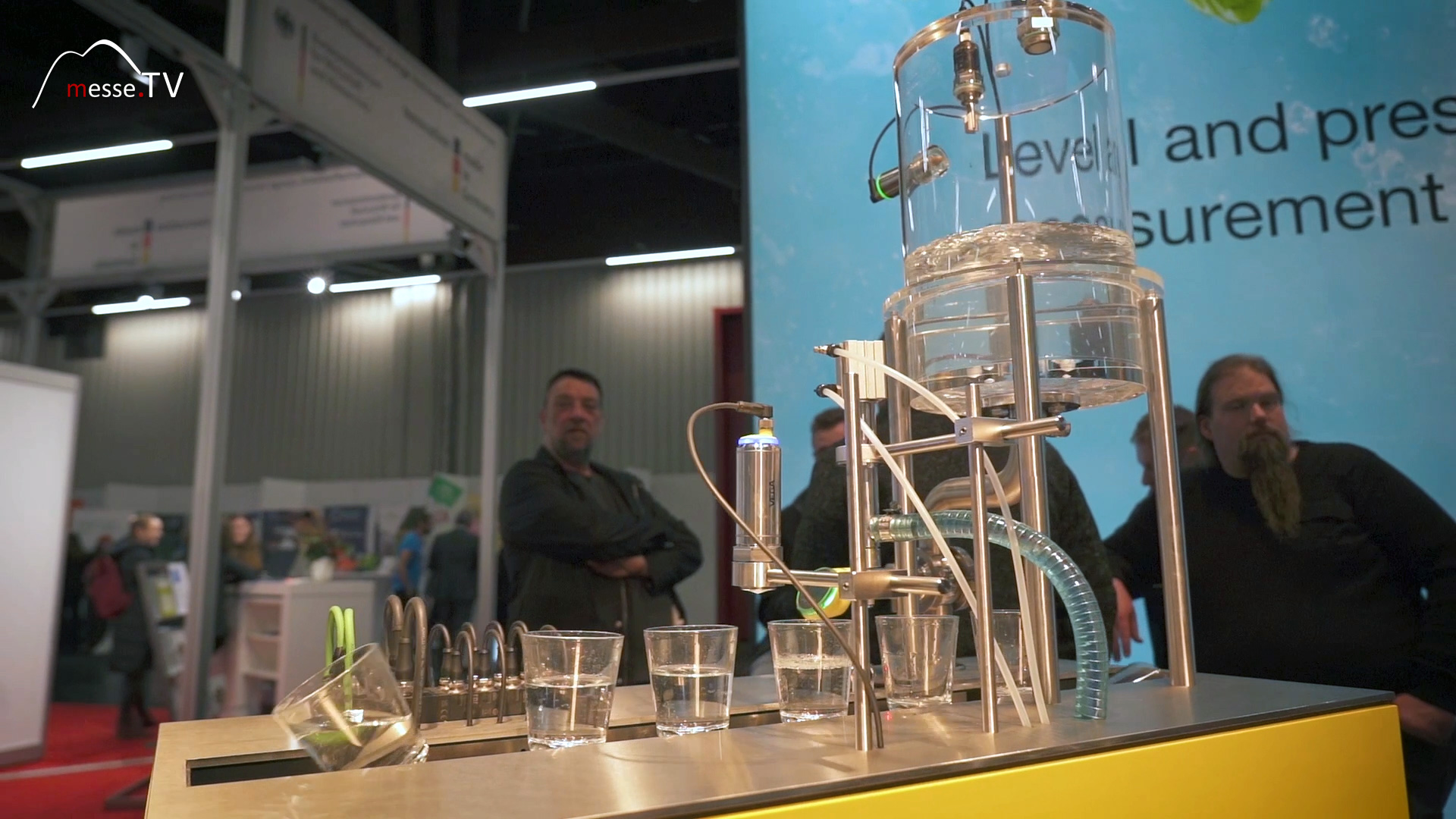
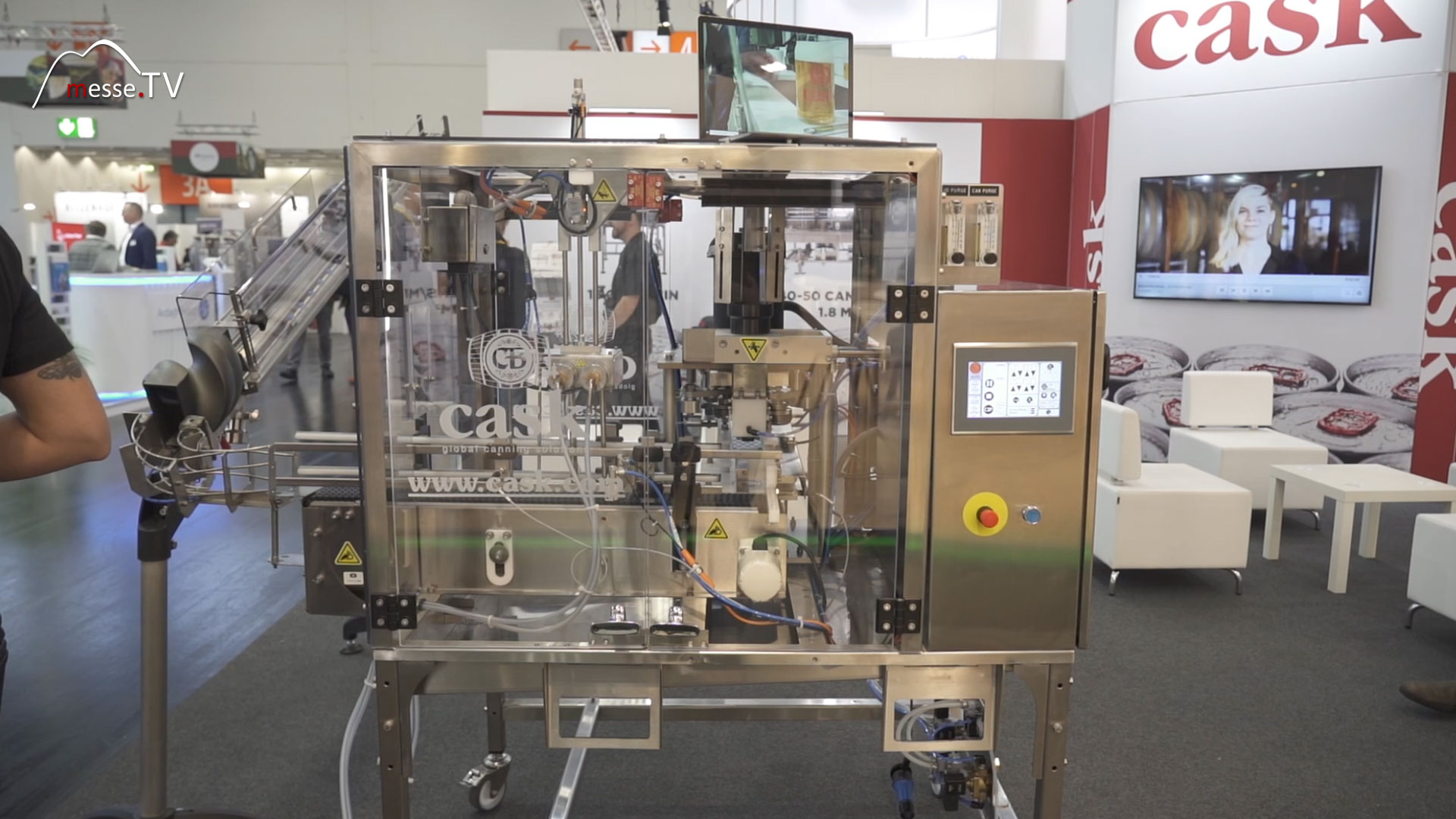
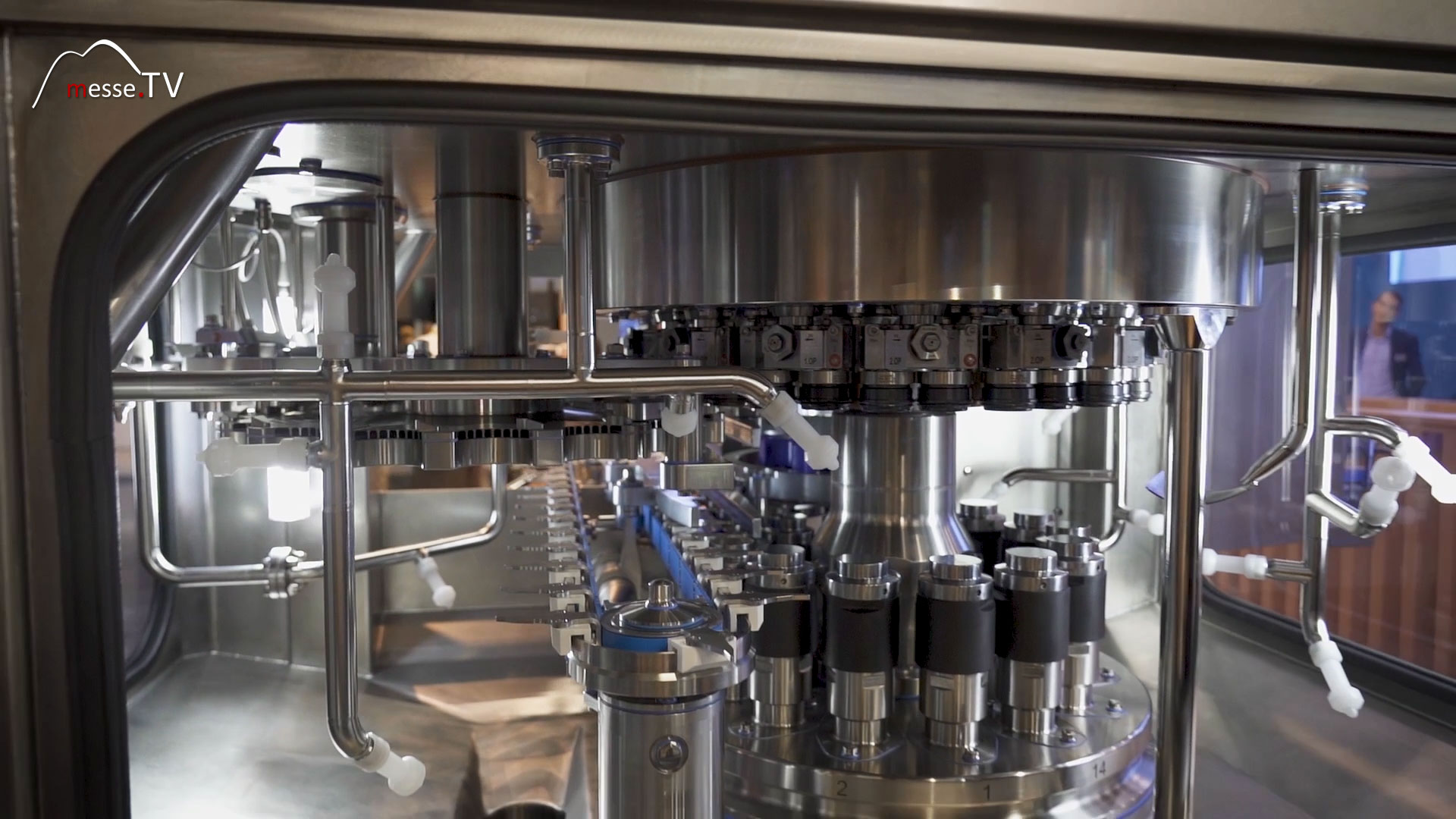
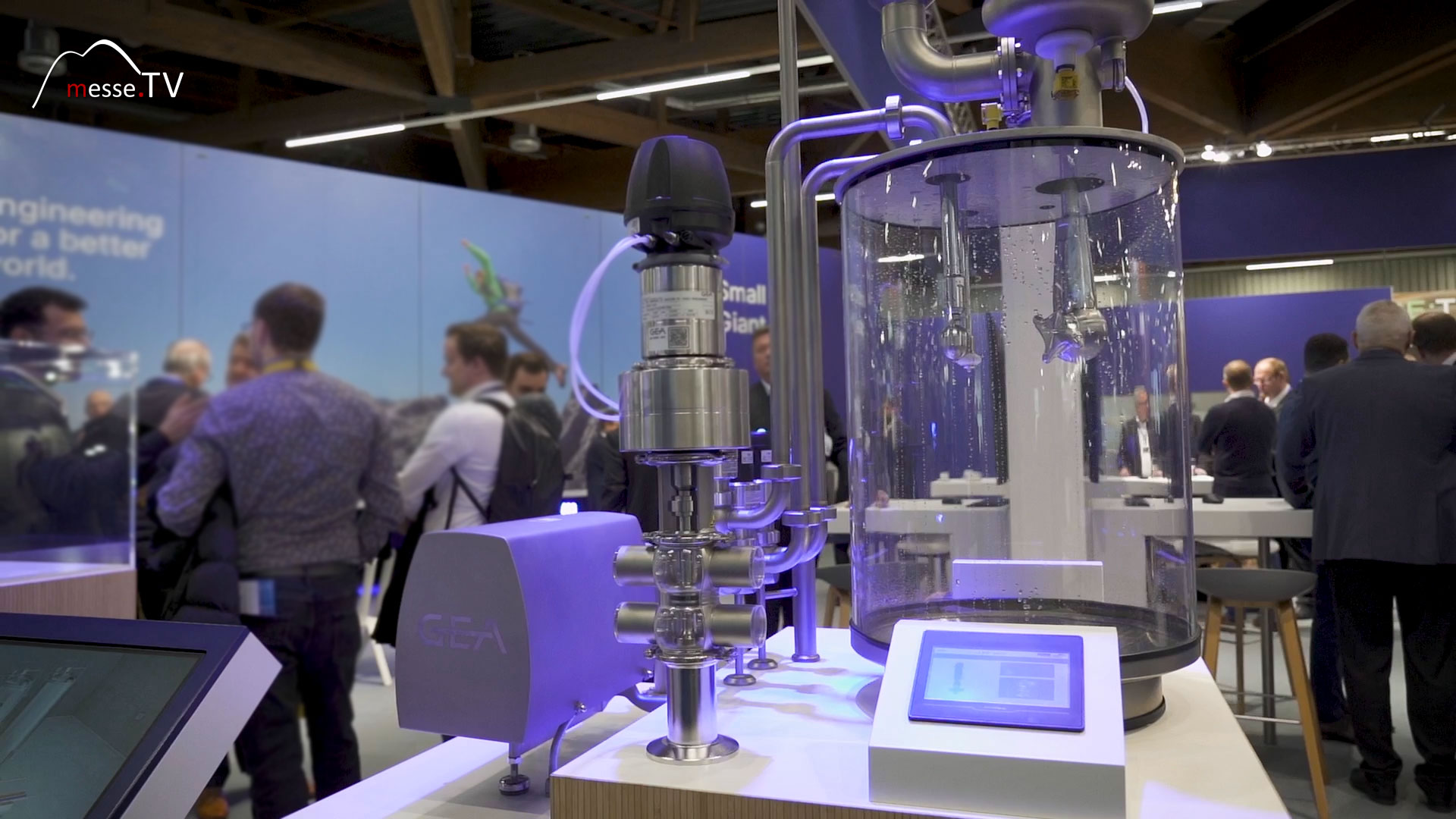
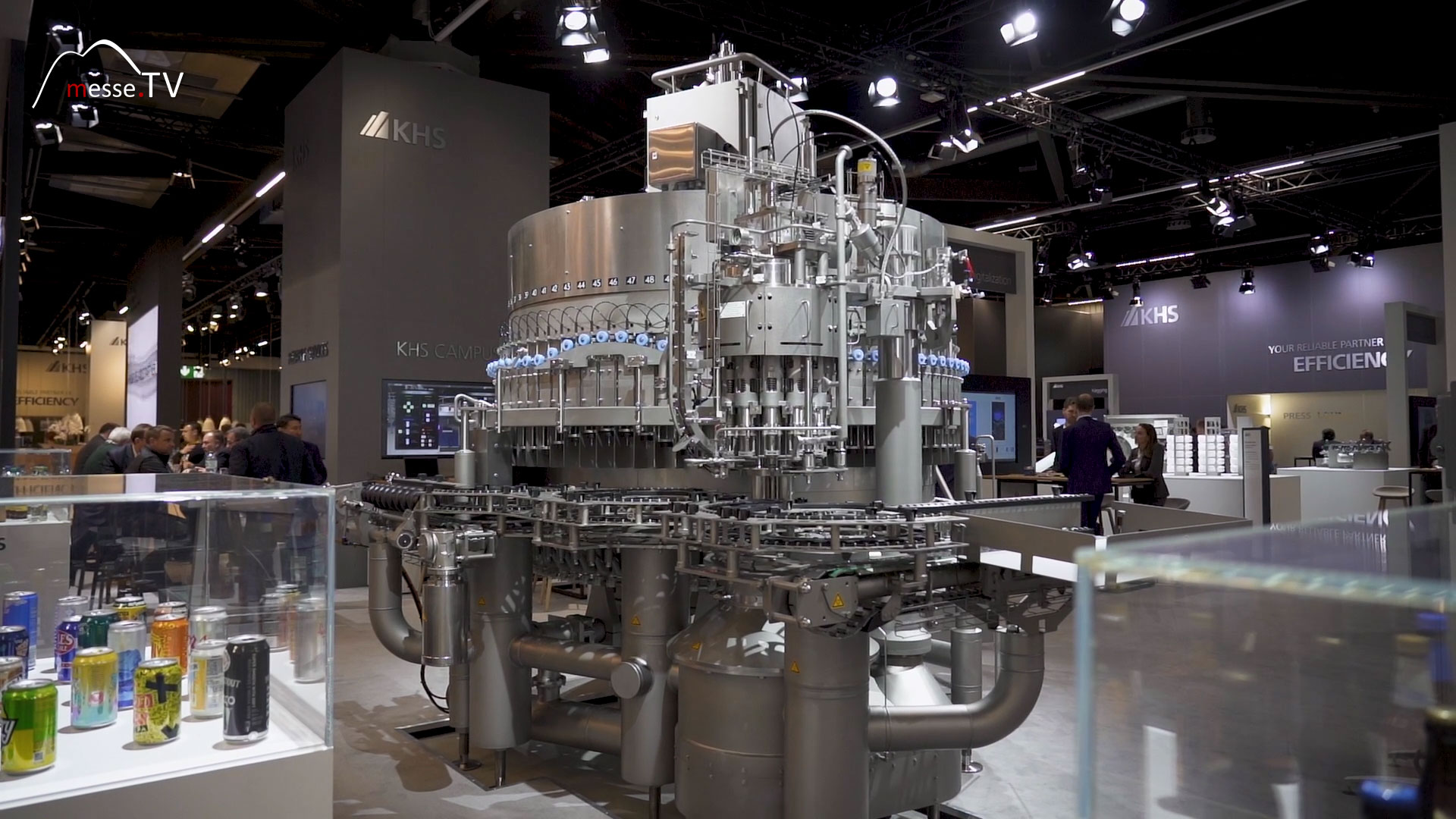
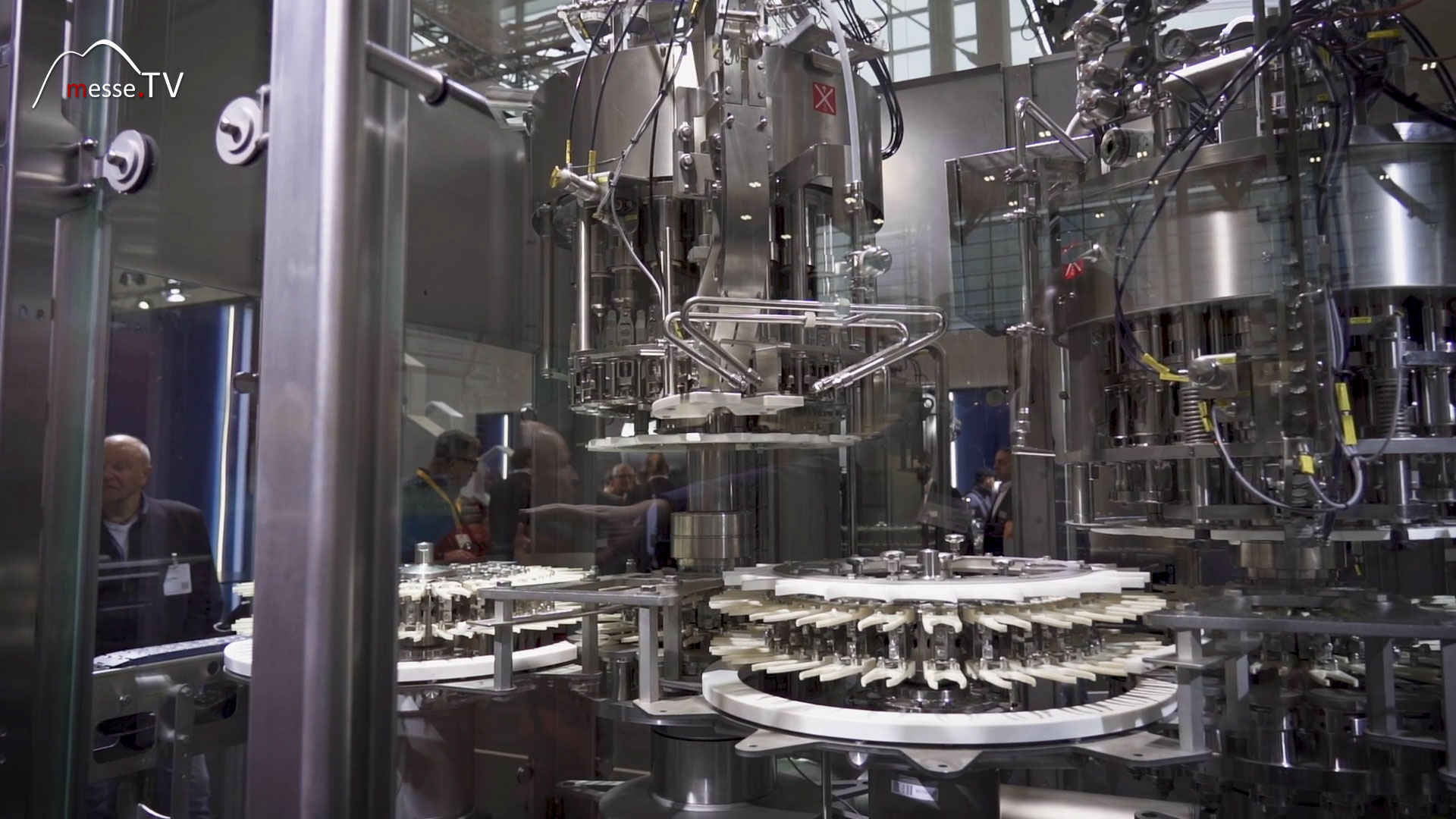
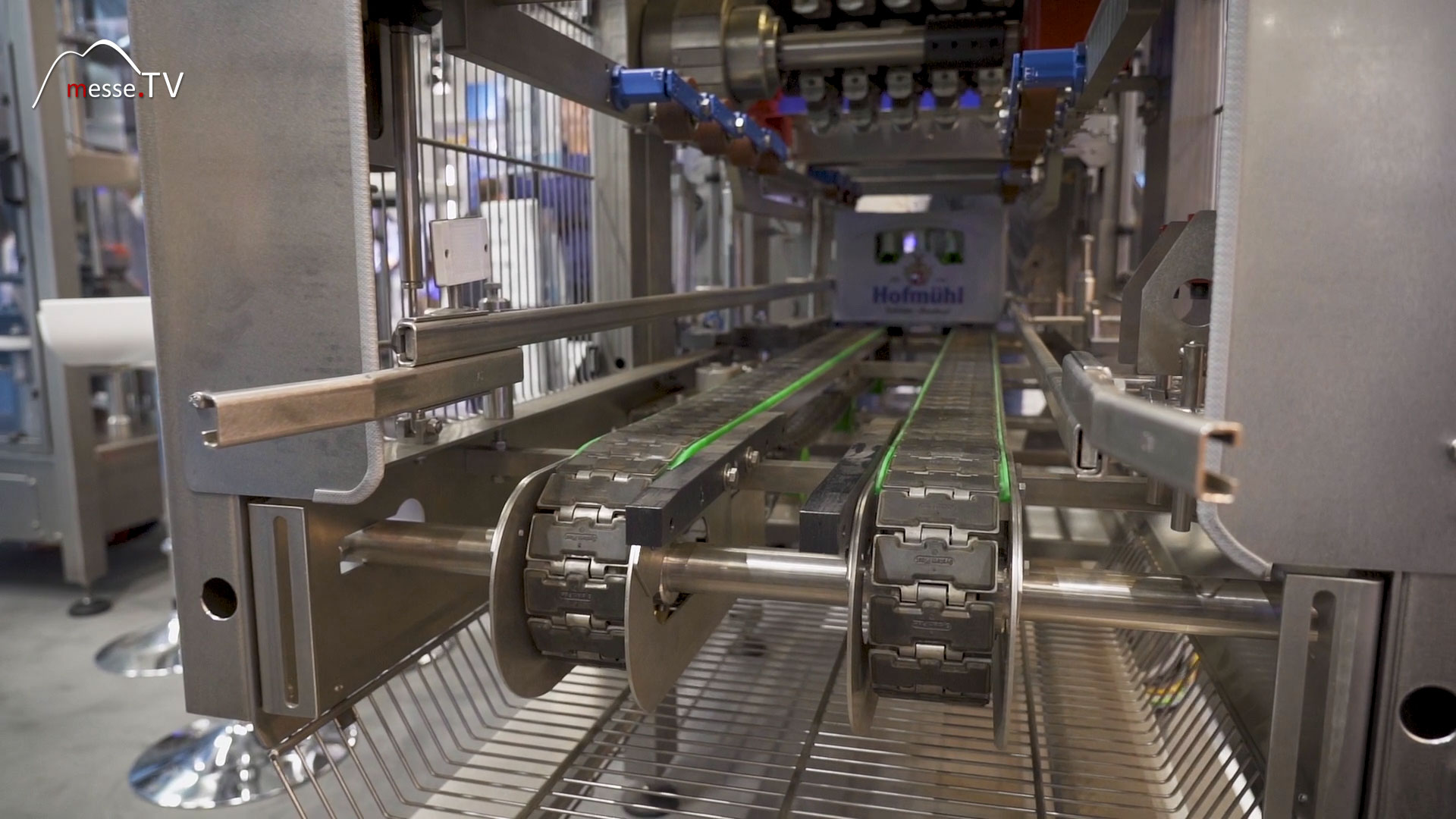
A compact filling system demonstrates how central sensors are to the overall system. Pressure sensors monitor process parameters, limit level sensors safeguard critical conditions, while continuous level sensors provide accurate information about the current content. Only the interaction of these measured variables enables stable, automated control. The measured values are not an end in themselves. They form the basis for decisions within the automation system: valves open or close, pumps regulate their output, conveyor lines adjust their speed. Without reliable sensor technology, these processes would not be reproducible and would therefore be economically unviable.
Future prospects: increasing demand for precise measurement technology
Looking ahead, it is clear that as automation continues to grow, so too will the demand for sensor technology. Production facilities are becoming more flexible, processes more variable, and requirements for transparency and documentation higher. Sensors provide the necessary data for this and are increasingly becoming strategic components of modern industrial plants. For VEGA Grieshaber KG, this trend represents a clear opportunity. The company operates in a market that thrives on advancing automation. Sensor technology is not just a technical detail, but a decisive factor for the efficiency, quality and future viability of industrial processes.
Trade fair reporting Germany - Trade fair knowledge, dates & events


