Doloop Preform Produktion aus Rezyklat für Flaschen Kreislaufwirtschaft
Die Herstellung von Kunststoffverpackungen steht seit Jahren unter besonderer Beobachtung. Kaum ein Industriezweig wird so direkt mit Fragen nach Ressourceneinsatz, Emissionen und Zukunftsfähigkeit konfrontiert. In diesem Spannungsfeld bewegt sich Doloop seit Jahrzehnten – und richtet den Blick zunehmend auf Materialien und Prozesse, die über klassische Lösungen hinausgehen.
Vom Flaschenblasen zur spezialisierten Preform Produktion
Der Einstieg in die Branche erfolgte Mitte der neunziger Jahre mit der klassischen Flaschenproduktion. Aus dem Blasen fertiger Flaschen entwickelte sich schrittweise ein tieferes technisches Verständnis für Vorprodukte und Materialeigenschaften. Diese Entwicklung mündete in einem klaren Schwerpunkt: der Preform Produktion. Heute bildet sie das Kernsegment des Unternehmens, ergänzt durch weiterhin bestehende Flaschenlösungen und ein drittes Standbein, die Herstellung von Hartfolie. Gerade dieser Dreiklang ist für viele Abfüller und Markenhersteller interessant. Er erlaubt es, Verpackungslösungen entlang der gesamten Wertschöpfung zu denken – vom Vorprodukt bis zur fertigen Flasche oder Folienanwendung. Doloop positioniert sich damit nicht als reiner Zulieferer, sondern als industrieller Partner, der Prozesse versteht und weiterentwickelt.
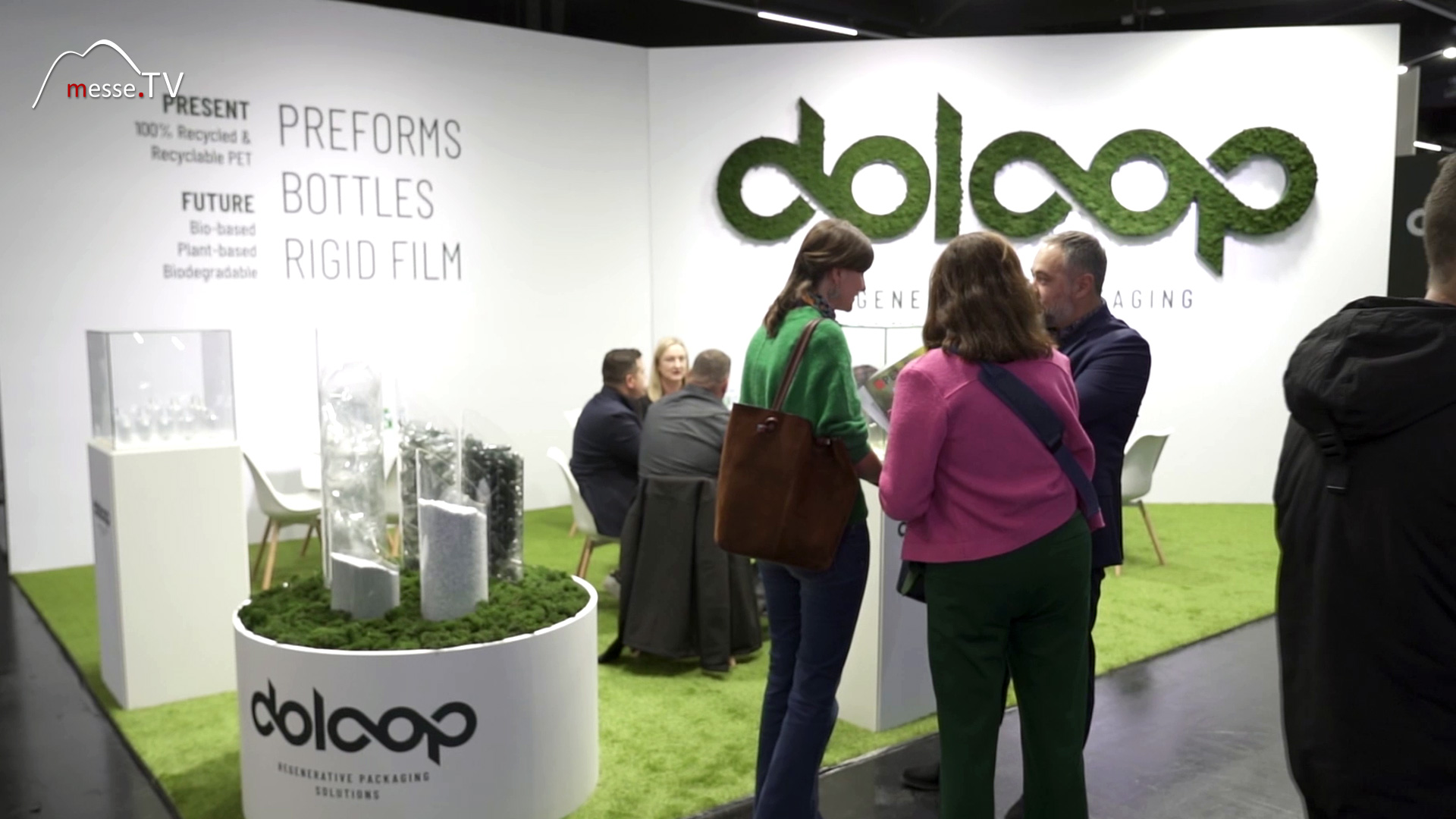

Preforms aus hundert Prozent Rezyklat als industrieller Maßstab
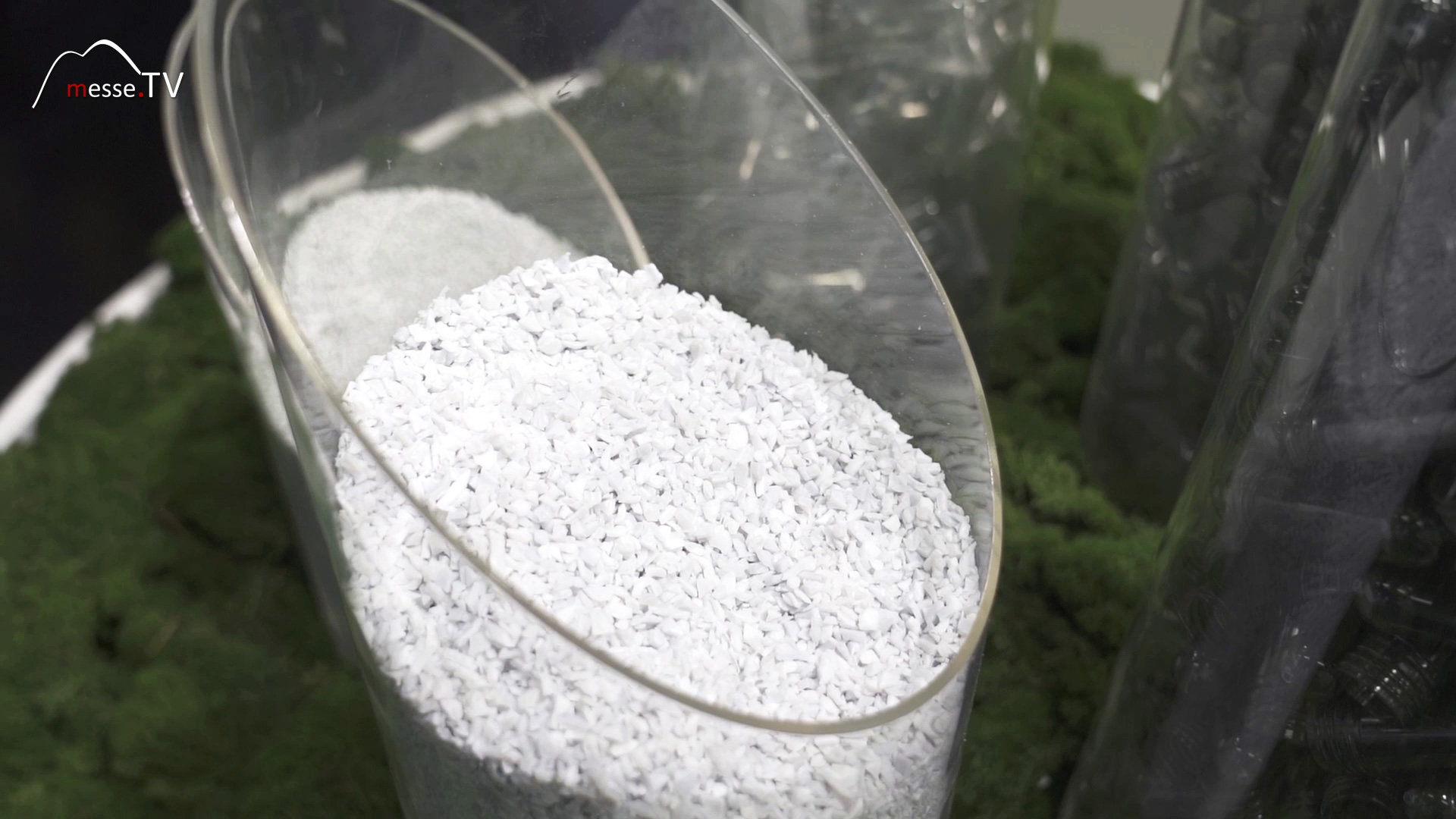
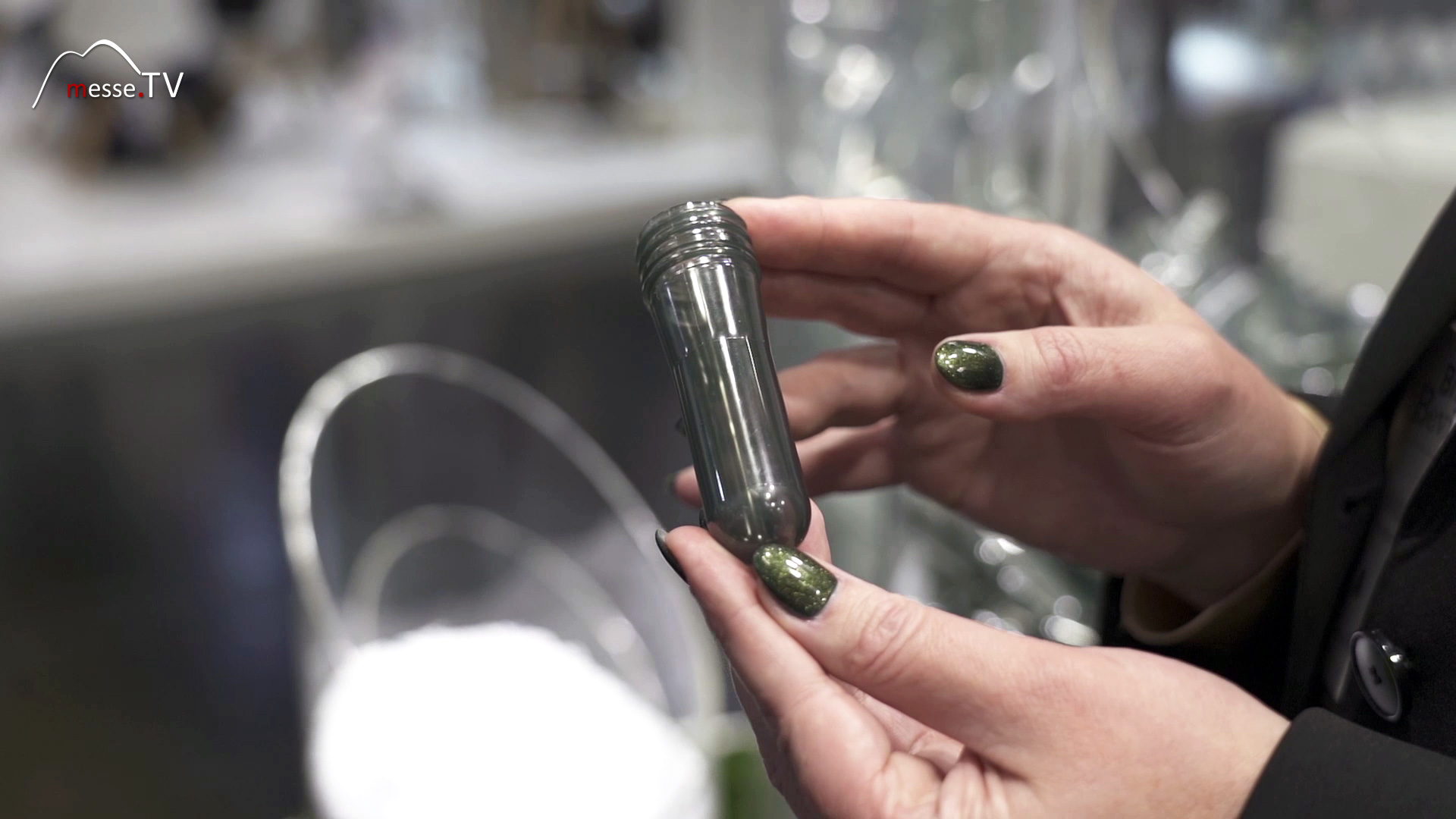
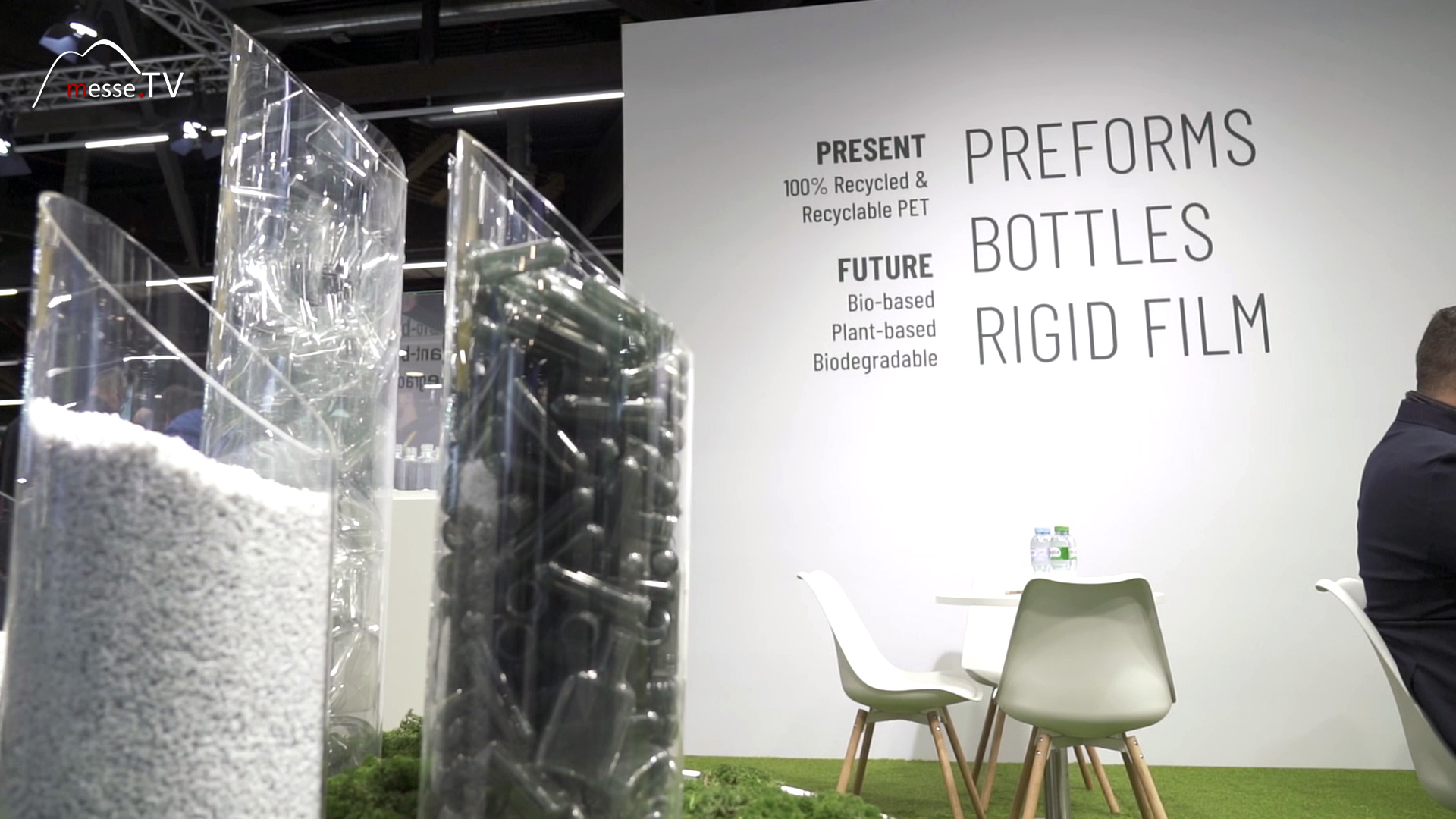
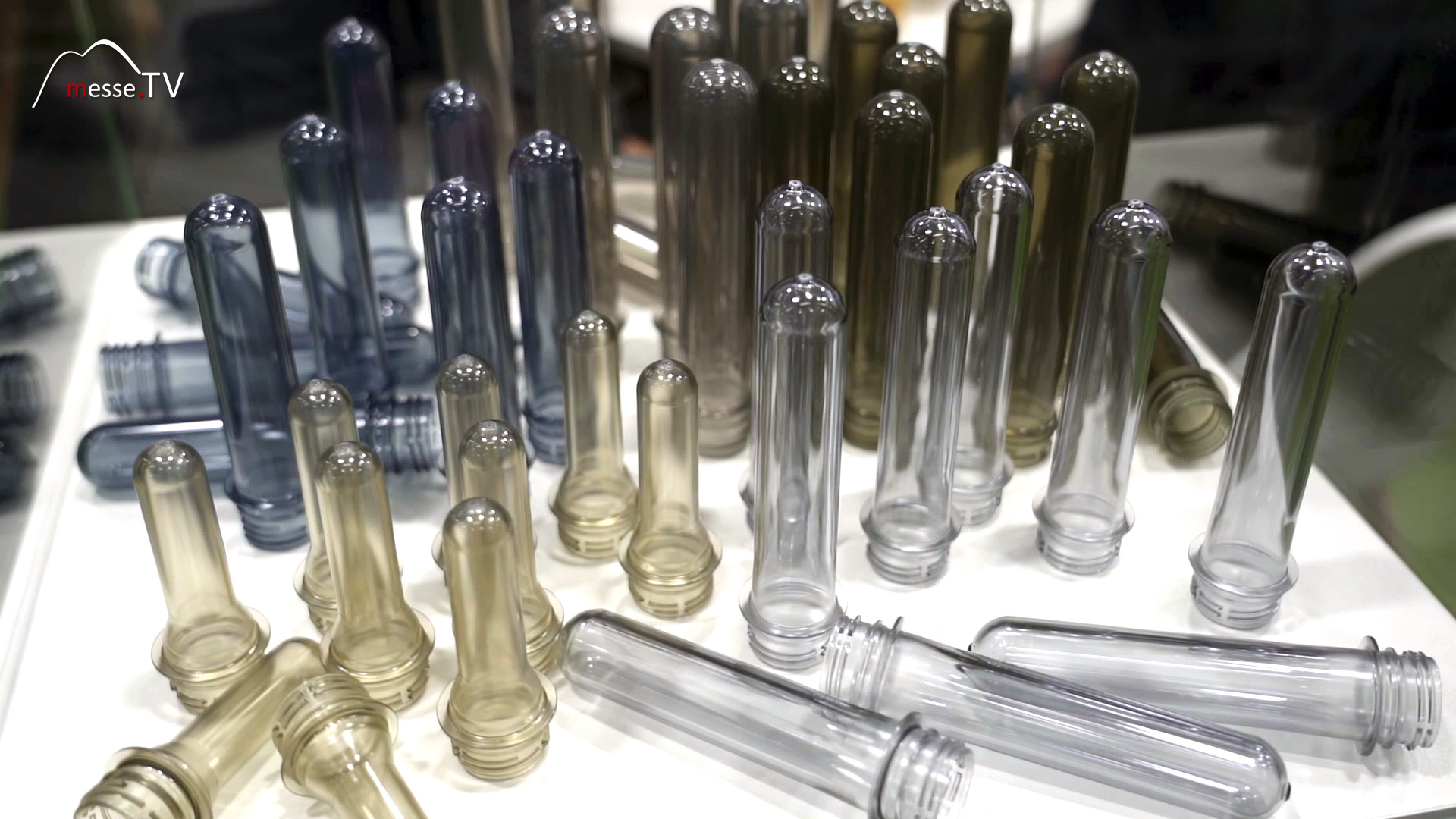
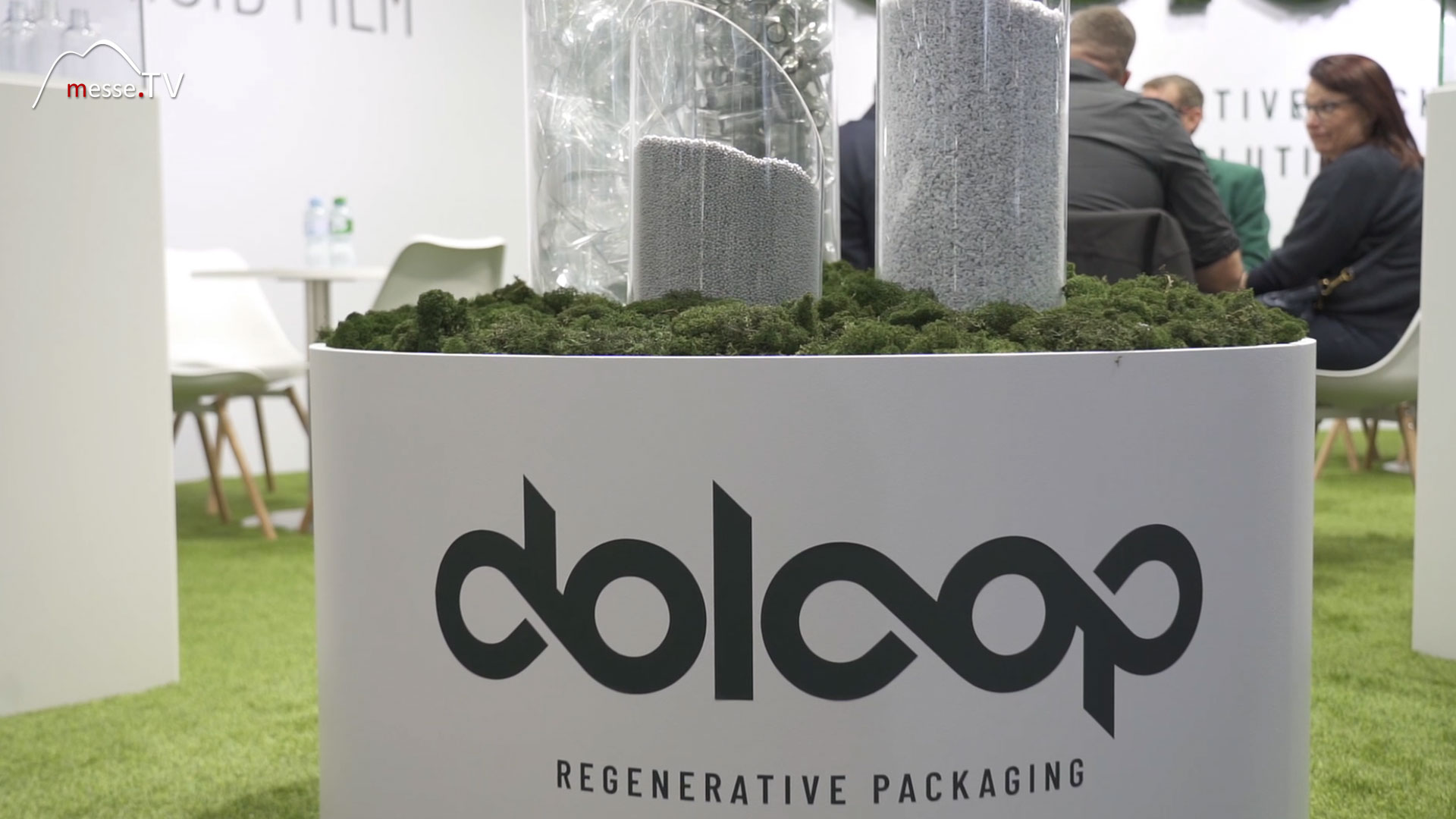
Ein zentrales Produkt der aktuellen Entwicklung ist eine Preform, die vollständig aus Rezyklat gefertigt wird. Aus ihr entstehen unter anderem Spirituosenflaschen, ein Segment mit hohen Anforderungen an Materialqualität, Optik und Stabilität. Dass hierfür recycelter Kunststoff eingesetzt wird, ist kein Marketingdetail, sondern ein technologischer Anspruch. Die ökologische Wirkung liegt auf der Hand: Durch den Einsatz von hundert Prozent Rezyklat sinkt der Bedarf an neuem Kunststoff deutlich. Gleichzeitig wird der CO₂-Ausstoß reduziert, da energieintensive Primärprozesse entfallen. Entscheidend ist jedoch, dass diese Flaschen nach ihrer Nutzung erneut dem Recycling zugeführt werden können. Damit schließt sich der Materialkreislauf – zumindest dort, wo entsprechende Sammel- und Aufbereitungssysteme greifen.
Kreislaufwirtschaft als industrielles Prinzip
Kreislaufwirtschaft ist in diesem Kontext kein abstrakter Begriff, sondern eine konkrete Prozesslogik. Materialien werden nicht verbraucht, sondern genutzt, zurückgeführt und erneut eingesetzt. Für die Kunststoffverarbeitung bedeutet das, Qualität über mehrere Zyklen hinweg zu sichern. Die Vorteile solcher Preform-Lösungen lassen sich klar benennen:
- Reduzierter CO₂-Ausstoß durch Verzicht auf Primärkunststoffe
- Mehrfache Wiederverwertbarkeit des Materials
- Industrielle Einsetzbarkeit auch in anspruchsvollen Segmenten
- Beitrag zur Entlastung bestehender Rohstoffmärkte
Bio-based Materialien als Perspektive, nicht als Ersatz
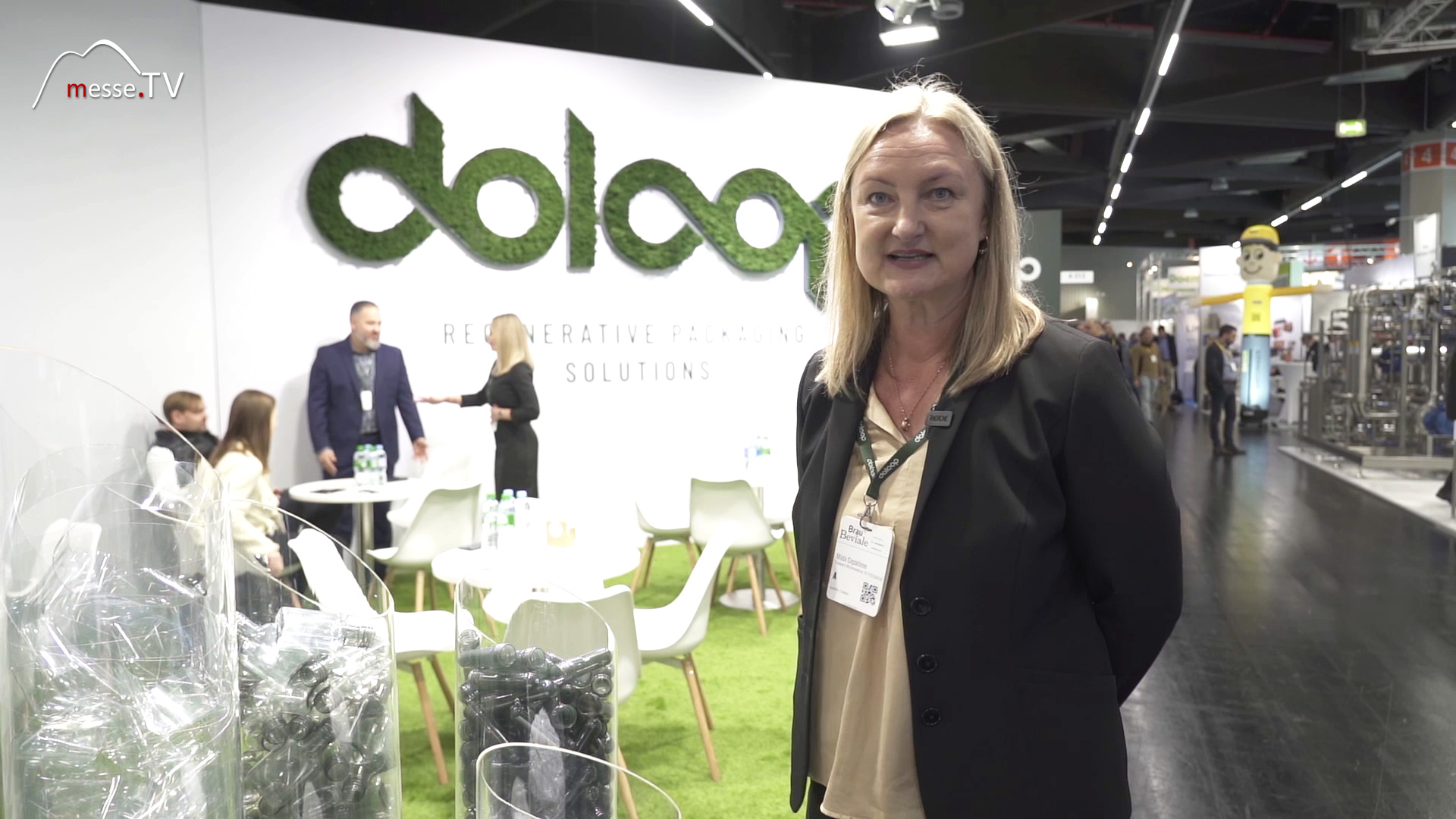
Neben dem etablierten Recyclingansatz richtet sich der Blick auch auf bio-basierte und pflanzenbasierte Kunststoffe. Kompostierbare Materialien gelten vielfach als Zukunftsoption, insbesondere in Bereichen, in denen geschlossene Recyclingkreisläufe schwer umzusetzen sind. Das Unternehmen beteiligt sich an Forschungsprojekten mit Universitäten und Abfüllpartnern, um diese Materialien unter realen Bedingungen zu testen. Dabei bleibt der Blick nüchtern. Biobasierte Flaschen dürfen derzeit nicht in die bestehenden Recyclingströme gelangen. Sie müssen separat erfasst und verarbeitet werden, da sie sonst etablierte Prozesse stören. Genau hier liegt eine der großen Herausforderungen: Neue Materialien erfordern nicht nur neue Produkte, sondern auch neue Infrastrukturen und klare Aufklärung entlang der gesamten Kette – vom Abfüller bis zum Endverbraucher.
Aufklärung als Teil der industriellen Verantwortung
Die Einführung neuer Materialien allein reicht nicht aus. Ebenso wichtig ist die transparente Kommunikation darüber, wie sie zu entsorgen und zu recyceln sind. Doloop betont daher, dass Recyclingprozesse verständlich erklärt werden müssen. Nur wenn Verbraucher, Entsorger und Recycler wissen, wie Materialien zu behandeln sind, kann Kreislaufwirtschaft tatsächlich funktionieren. Diese Haltung unterscheidet technologische Entwicklung von kurzfristigen Trendversprechen. Bio-based Materialien werden nicht als sofortige Lösung für alle Verpackungsprobleme dargestellt, sondern als langfristige Ergänzung, deren Integration Zeit, Forschung und klare Regeln benötigt.
Zwischen industrieller Realität und langfristiger Transformation
Die Kunststoffindustrie steht vor einem grundlegenden Umbau. Rezyklatbasierte Preforms zeigen, dass nachhaltigere Lösungen bereits heute industriell umsetzbar sind. Gleichzeitig machen biobasierte Materialien deutlich, wie komplex der nächste Schritt sein wird. Doloop bewegt sich bewusst zwischen diesen Polen. Das Unternehmen setzt auf marktreife Recyclinglösungen, investiert parallel in Forschung und benennt offen die Grenzen bestehender Systeme. Gerade diese Kombination aus Pragmatismus und Zukunftsorientierung prägt den aktuellen Kurs – und macht deutlich, dass Transformation in der Verpackungsindustrie nicht in Sprüngen, sondern in belastbaren Etappen erfolgt.
Messe-Berichterstattung bundesweit - Messewissen, Termine & Veranstaltungen


