GEA Ventiltechnik senkt Energieverbrauch in Getränkeanlagen
Druckluft zählt in Getränkeanlagen zu den größten, aber oft unterschätzten Energieverbrauchern. Neue Ventilkonzepte zeigen, wie sich der Bedarf deutlich senken lässt, ohne Prozesssicherheit oder Hygiene zu beeinträchtigen. Ein Ansatz setzt direkt bei den pneumatischen Antrieben an.
Druckluft als unterschätzter Energietreiber in der Getränkeindustrie
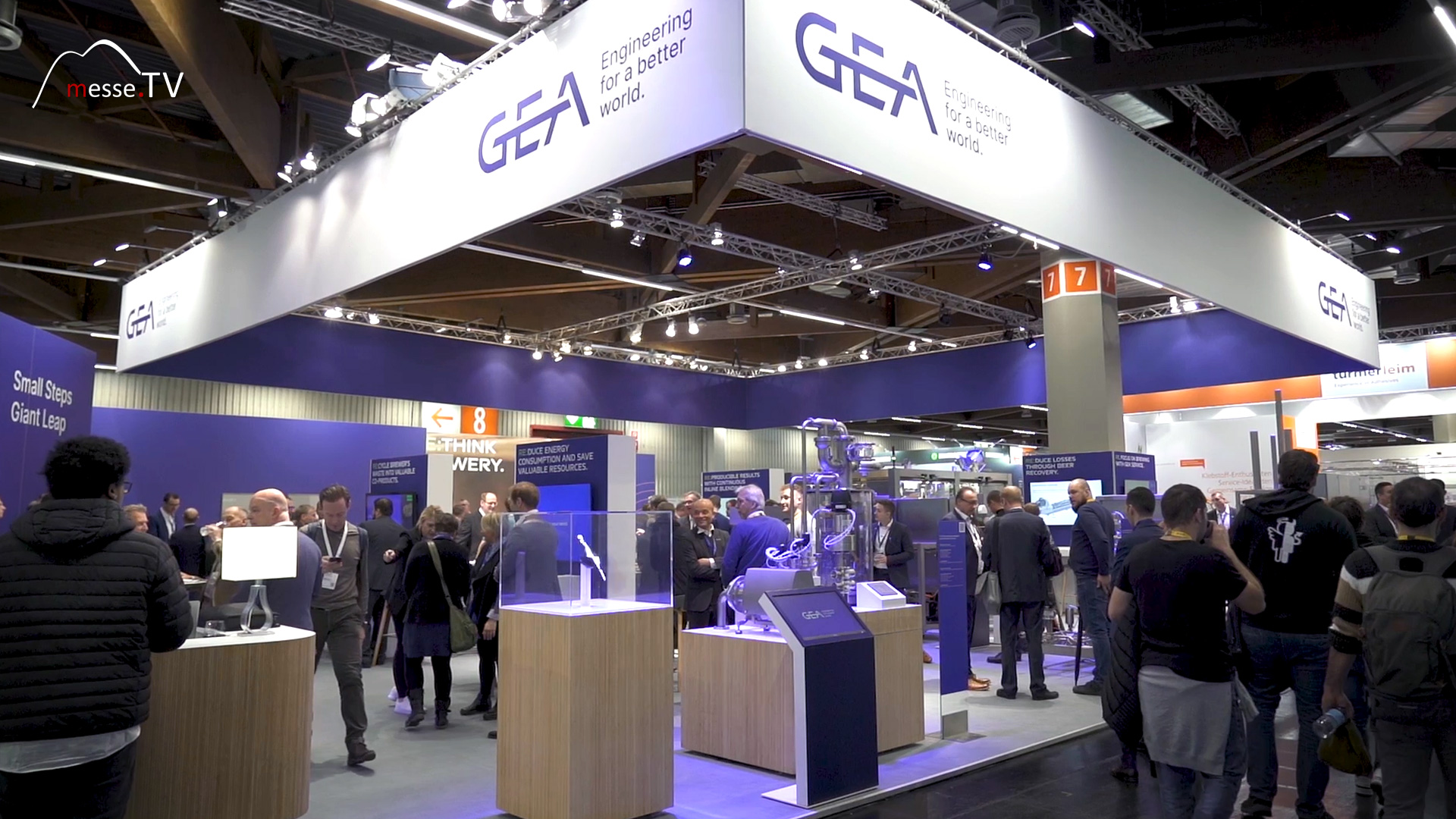
In der Getränke- und Lebensmittelindustrie wird Energieeffizienz häufig mit Kälteanlagen, Wärmerückgewinnung oder elektrischen Antrieben verbunden. Ein zentraler Verbrauchsblock bleibt dabei oft unbeachtet: die Druckluft. In vielen Anlagen macht sie einen relevanten Anteil des Gesamtenergiebedarfs aus, nicht selten im zweistelligen Prozentbereich. Gerade in komplexen Prozesslinien mit zahlreichen Ventilen ist der notwendige Luftdruck historisch gewachsen – und liegt häufig höher, als es technisch erforderlich wäre. Genau an diesem Punkt setzt GEA an. Der international tätige Maschinen- und Anlagenbauer mit Hauptsitz in Düsseldorf betrachtet Druckluft nicht isoliert, sondern als systemrelevanten Hebel zur Senkung von Energieverbrauch und CO₂-Emissionen in Produktionsanlagen der Getränkeindustrie.

Ventile als Schlüssel zur Absenkung des Druckniveaus
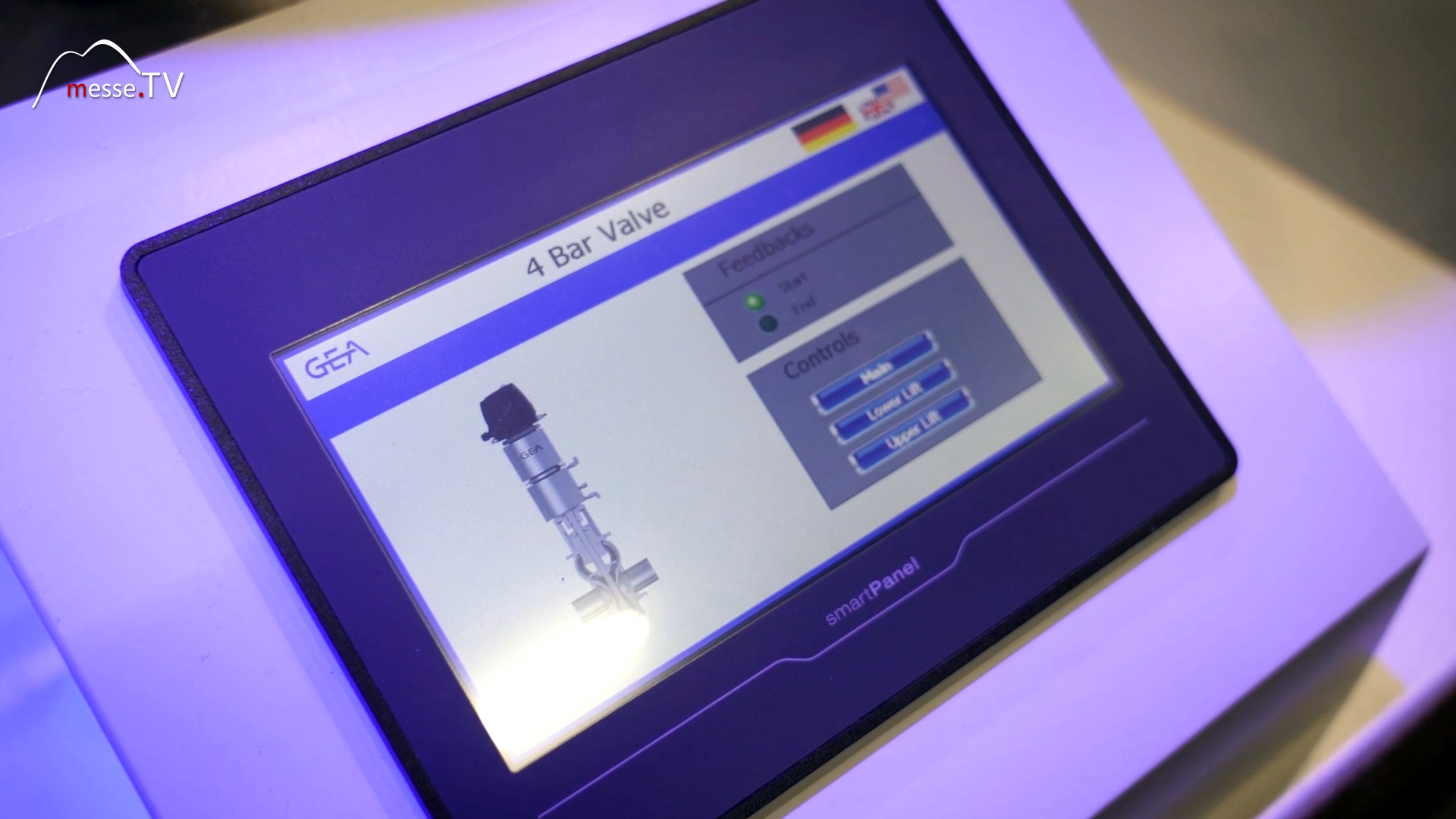
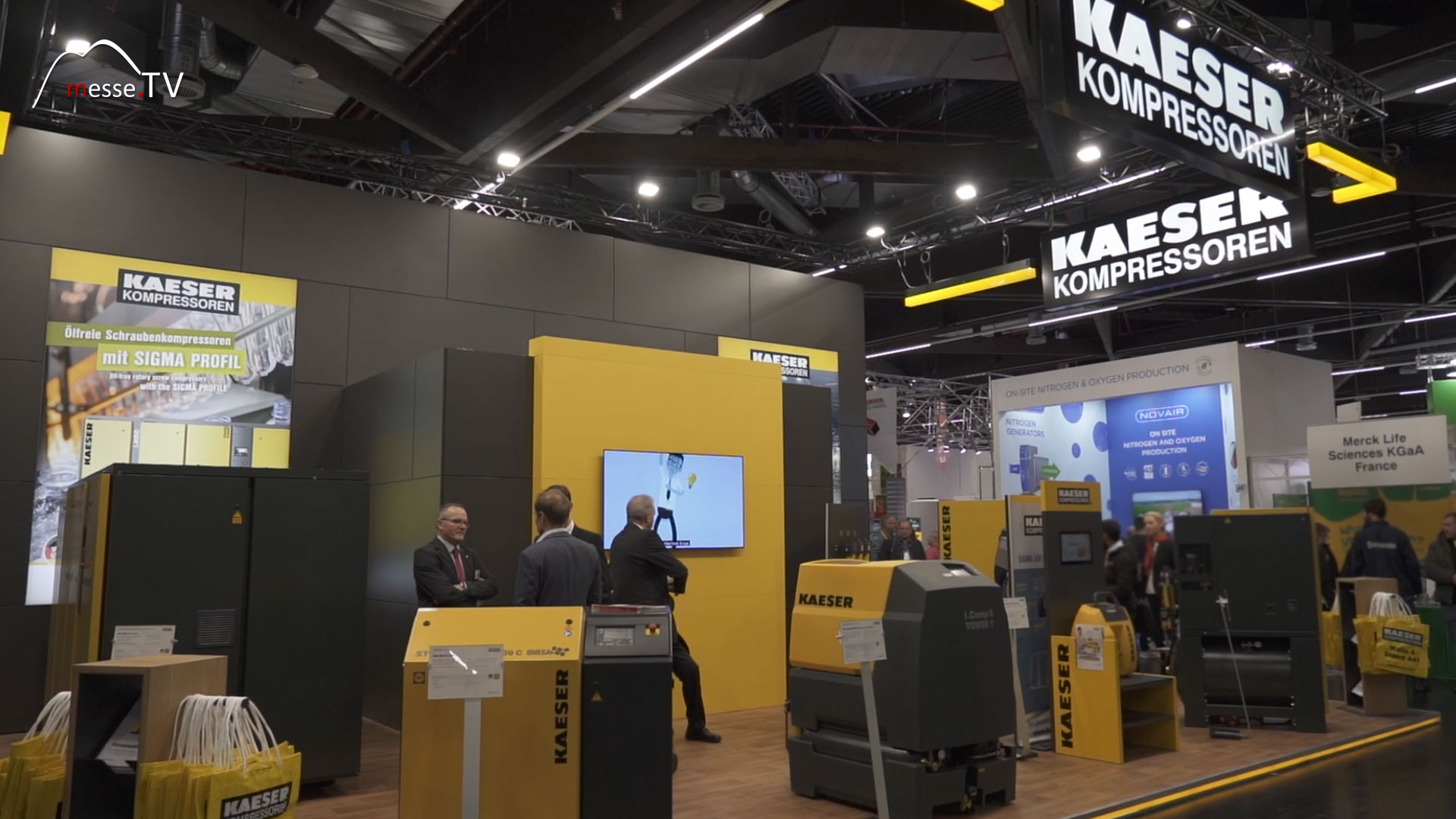
In vielen Bestandsanlagen ist ein Druckluftniveau von sechs Bar Standard. Dieses Niveau wird jedoch nicht von allen Komponenten benötigt. Häufig sind es einzelne Prozessventile, die den hohen Druck vorgeben, während andere Anlagenteile mit deutlich weniger auskommen würden. Die Konsequenz: Kompressoren laufen dauerhaft auf einem höheren Leistungsniveau als eigentlich notwendig. Die von GEA entwickelte Lösung setzt genau hier an. Pneumatische Antriebe wurden so ausgelegt, dass sie bereits bei vier Bar zuverlässig arbeiten. Dadurch kann das gesamte Druckluftniveau einer Anlage abgesenkt werden – ohne Einbußen bei Funktionalität oder Prozesssicherheit. Fachliteratur geht davon aus, dass eine Reduktion um ein Bar Druckluft etwa acht Prozent der Kompressorenergie einspart. Bei einer Absenkung von sechs auf vier Bar ergibt sich somit ein rechnerisches Einsparpotenzial von rund sechzehn Prozent. In energieintensiven Produktionsumgebungen ist das kein marginaler Effekt, sondern ein relevanter wirtschaftlicher Faktor.
Doppelsitzventile als praxisnahes Beispiel
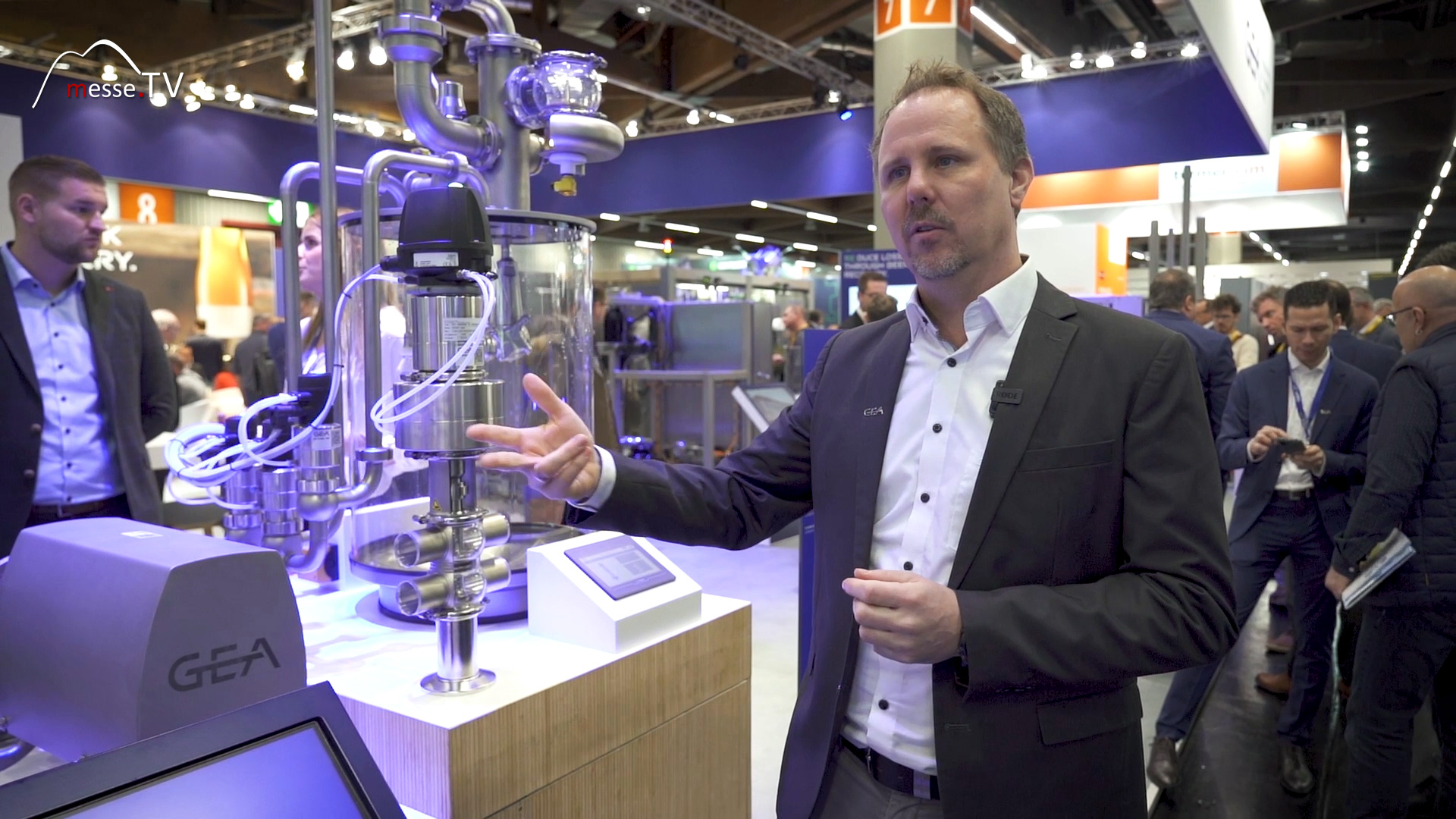
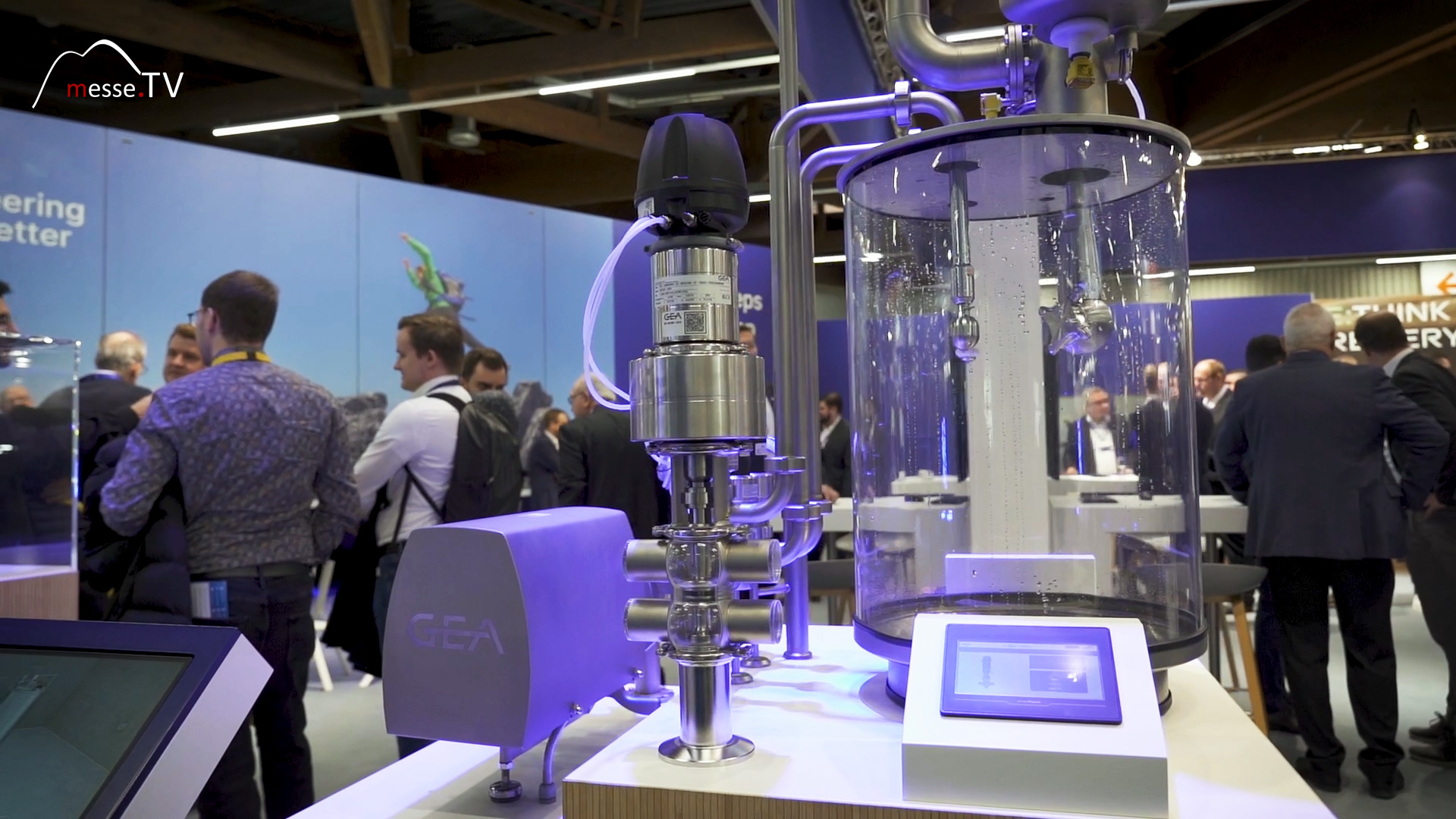
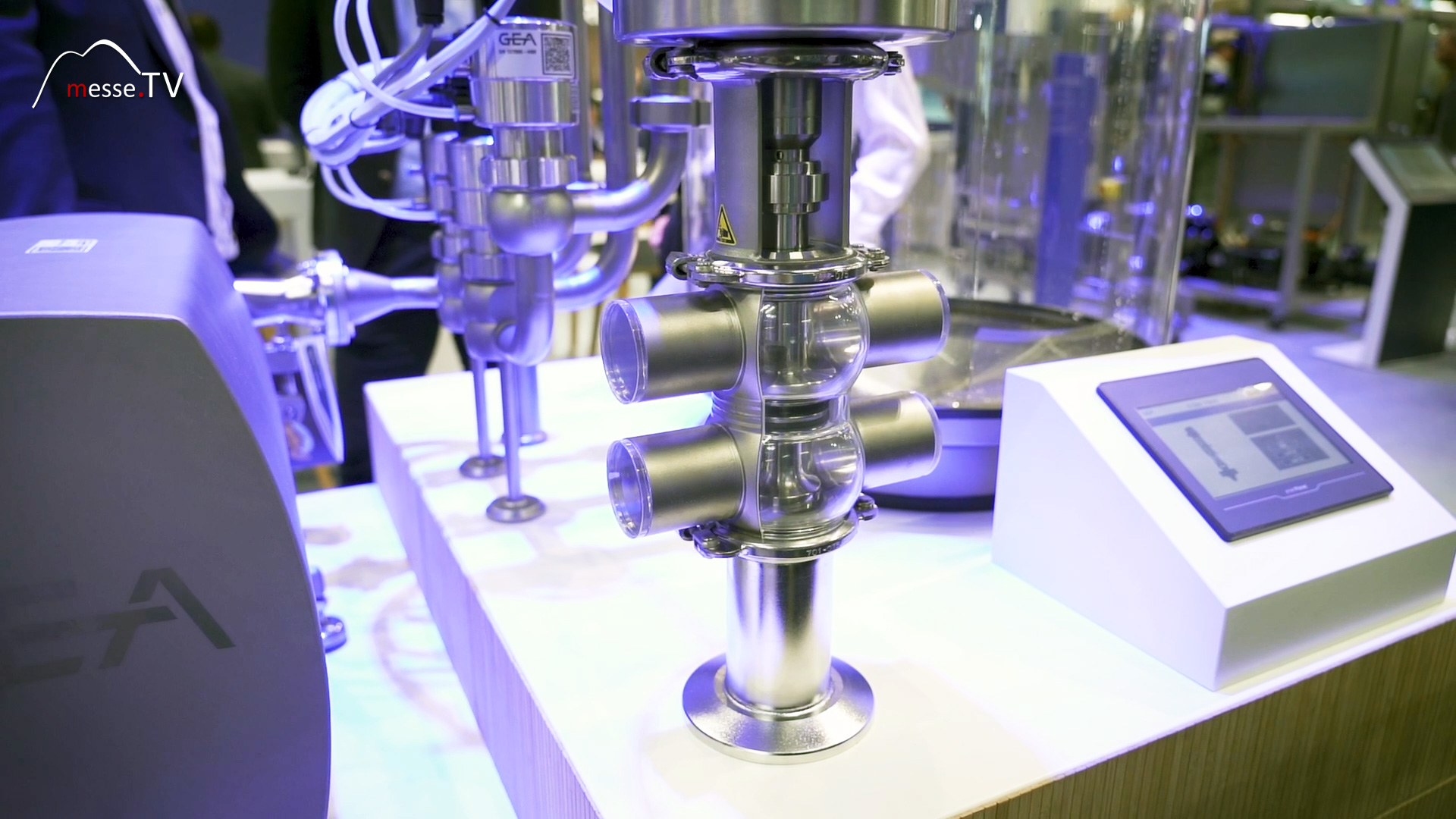
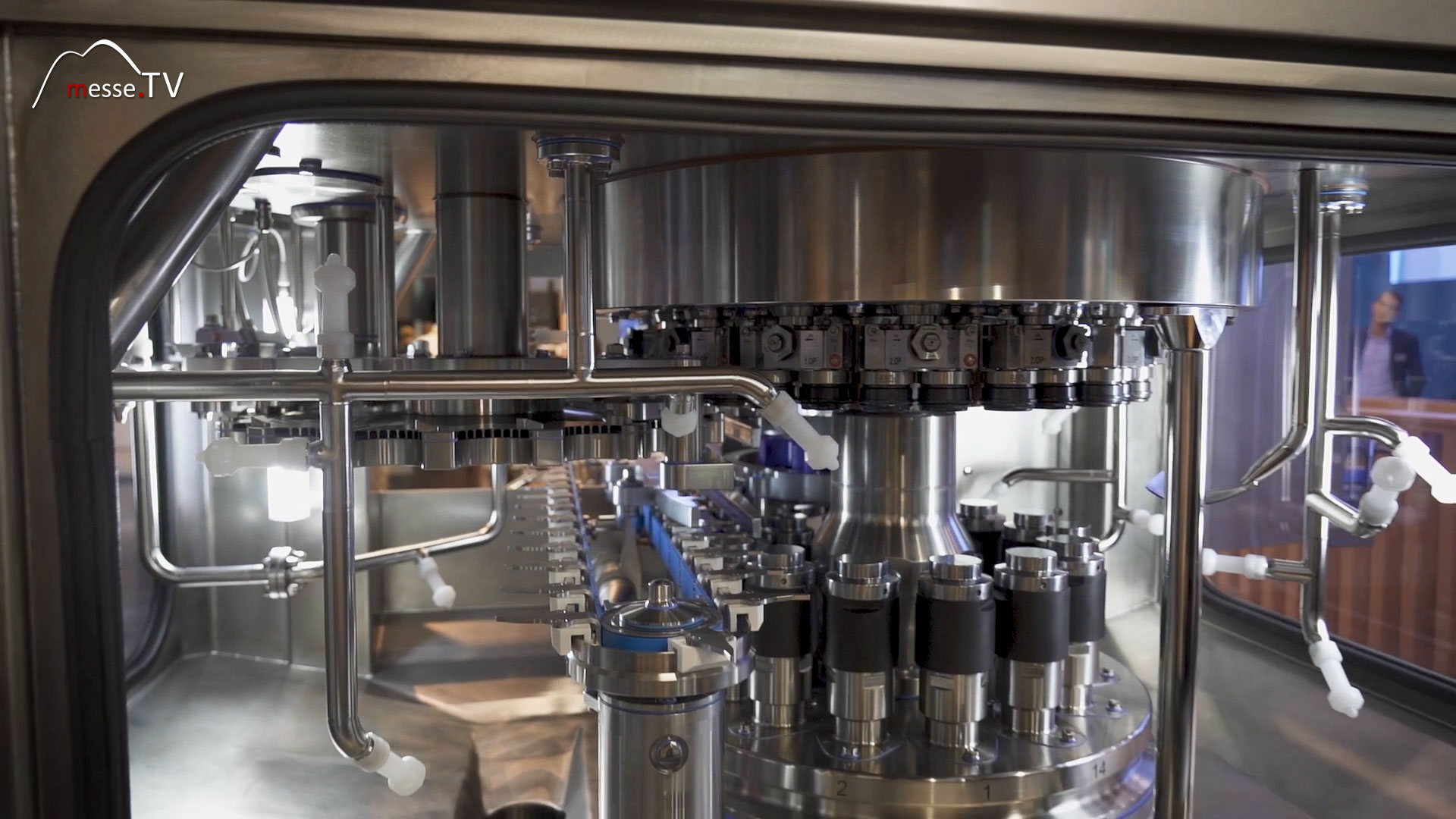
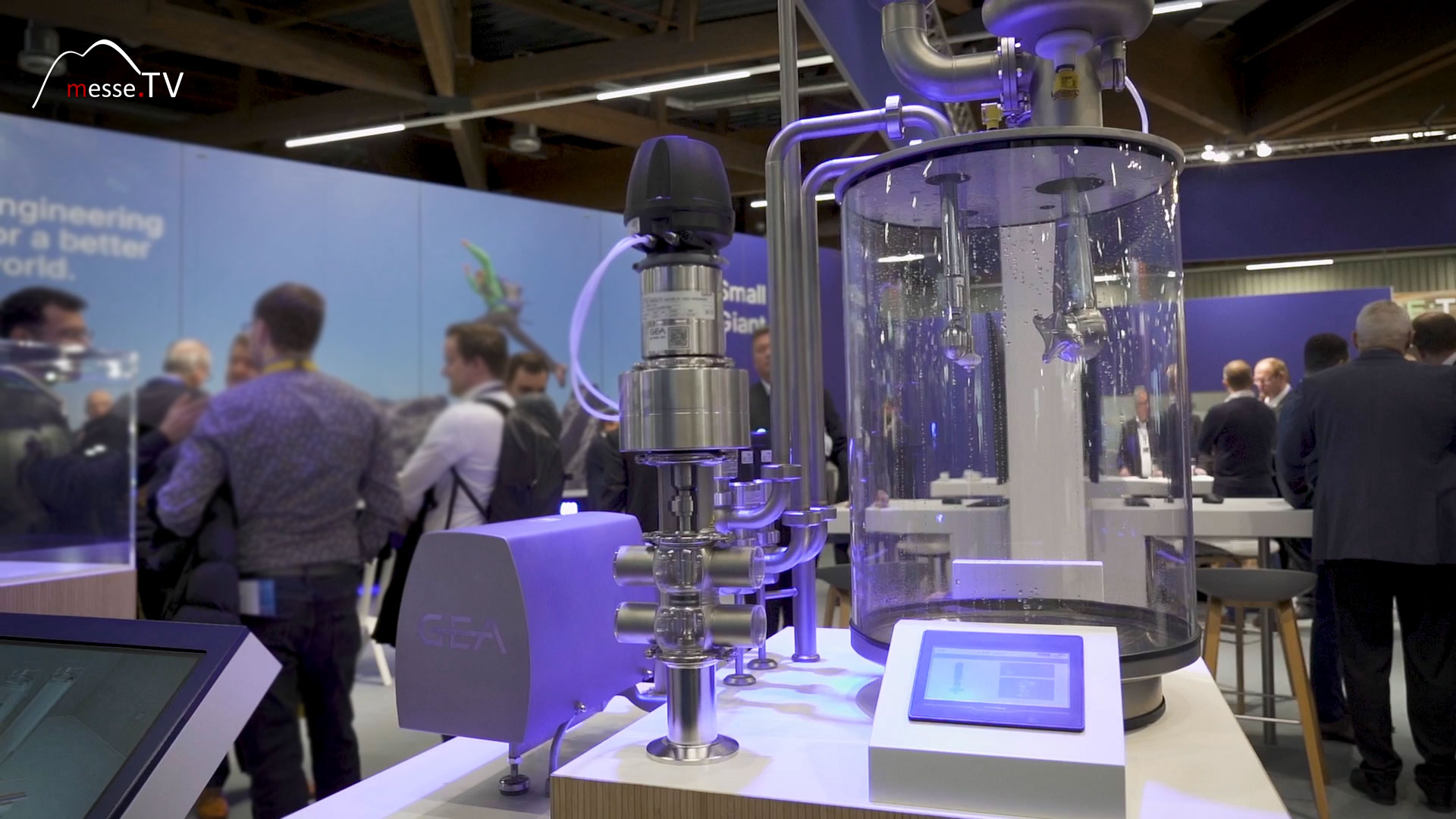
Ein anschauliches Beispiel liefert ein modernes Doppelsitzventil, wie es in hygienischen Prozessanlagen eingesetzt wird. Seine Aufgabe besteht darin, zwei Rohrleitungen sicher voneinander zu trennen oder gezielt miteinander zu verbinden. Druckluft wird dabei nur im Moment der Schaltbewegung benötigt. Im geschlossenen Zustand verbraucht das Ventil keine Energie. Technisch entscheidend ist der Moment des Öffnens: Hier muss die pneumatische Luft eine Feder überwinden, um das Ventil in die gewünschte Position zu bringen. Während dies traditionell bei sechs Bar erfolgt, leisten die neu entwickelten Antriebe diese Bewegung bereits bei vier Bar zuverlässig. Die Einsparung entsteht somit nicht durch Verzicht, sondern durch konstruktive Optimierung.
Hygienisches Design als gleichwertiges Entwicklungsziel
Energieeffizienz ist in der Getränkeindustrie jedoch nur ein Teil der Gleichung. Genauso wichtig sind hygienische Anforderungen, Reinigbarkeit und Prozesssicherheit. Moderne Ventiltechnik muss daher mehrere Anforderungen gleichzeitig erfüllen. Bei der gezeigten Lösung wurde auf ein konsequent hygienisches Design geachtet. Dazu zählen schräge Flächen für kontrollierten Wasserablauf, der Verzicht auf unnötige Oberflächen, außenliegende Dichtungen sowie eine hochwertige Oberflächenqualität. Ergänzt wird dies durch integrierte Reinigungsfunktionen wie Schaumreinigungssysteme, die eine automatisierte Abreinigung ermöglichen. Diese konstruktiven Details sind kein Selbstzweck. Sie reduzieren Reinigungszeiten, senken den Einsatz von Chemikalien und tragen damit indirekt ebenfalls zur Ressourceneffizienz bei.

Ventile als Teil eines ganzheitlichen Energiekonzepts
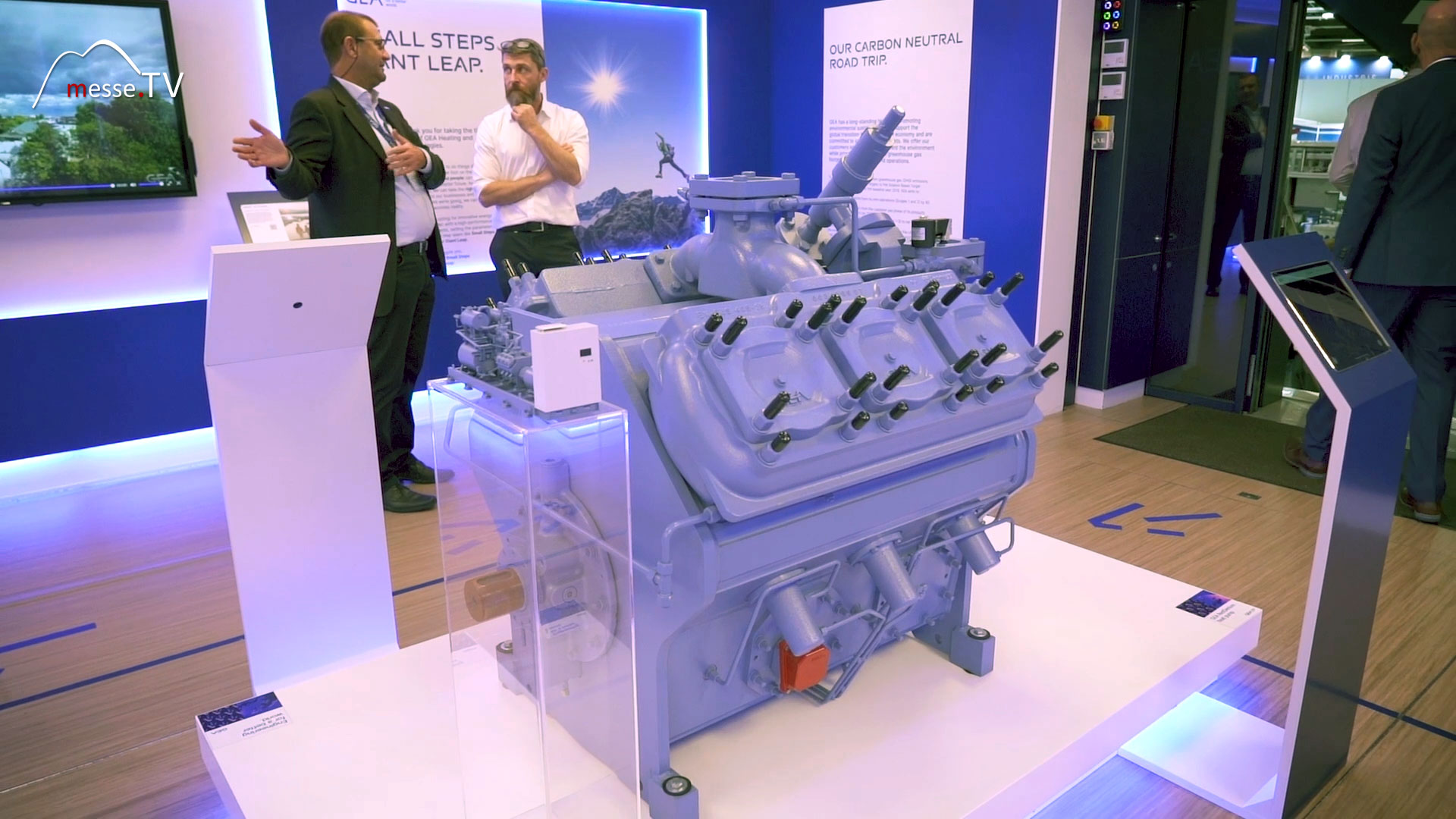
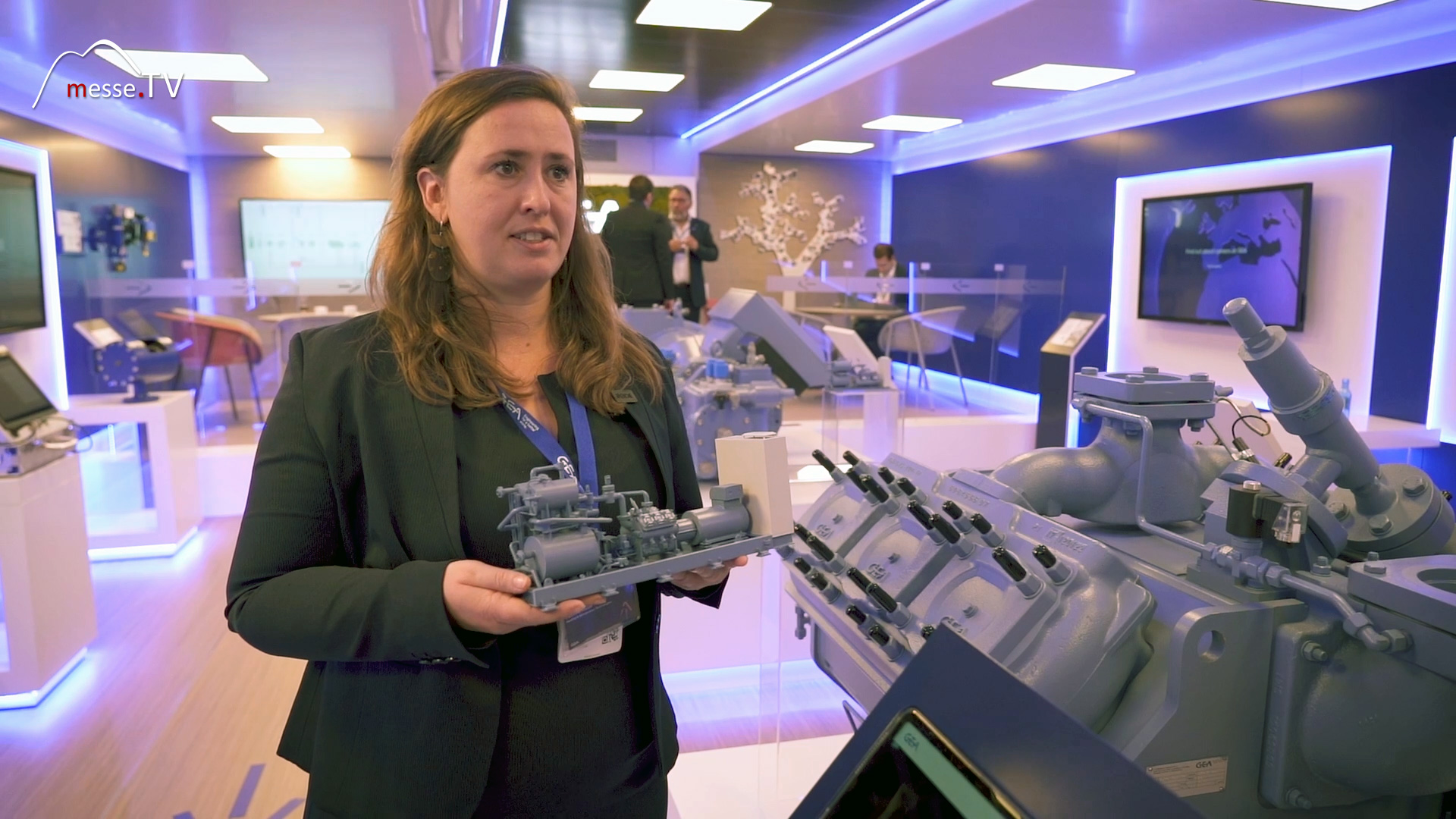
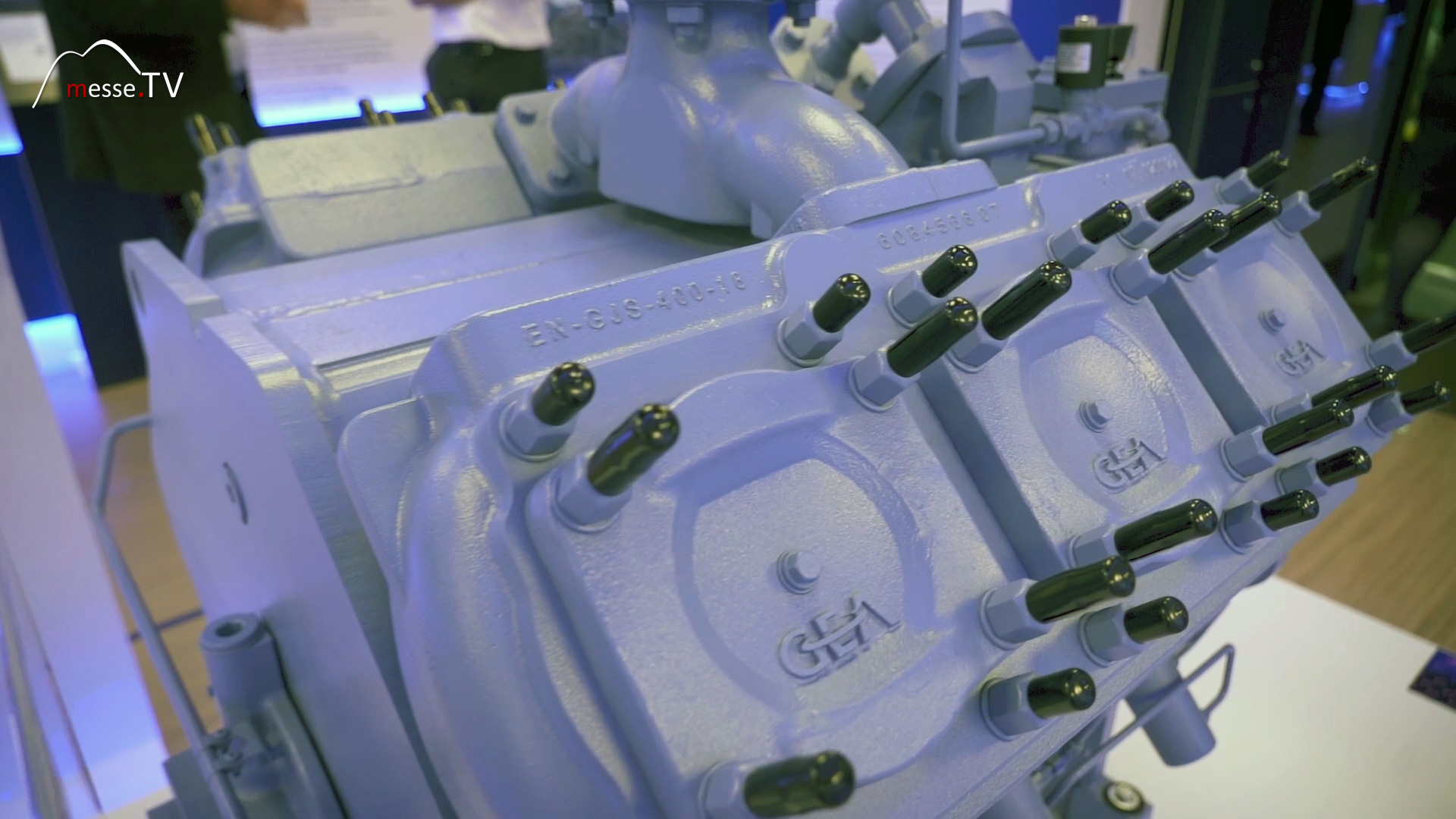
So wirkungsvoll einzelne Maßnahmen auch sein mögen: In der Praxis entfalten sie ihr volles Potenzial erst im Zusammenspiel. Ventile sind immer Teil einer Gesamtanlage – und genau so werden sie hier betrachtet. Die Absenkung des Druckluftniveaus ist ein Baustein innerhalb eines umfassenderen Energiekonzepts, das alle relevanten Verbraucher berücksichtigt. Dazu gehört auch der Einsatz moderner Wärmepumpentechnologie. Im Bereich Heating & Refrigeration entwickelt GEA Systeme, die nicht nur kühlen, sondern gleichzeitig Prozesswärme bereitstellen können. Wärmepumpen, die Prozesswasser mit Temperaturen bis in den Hochtemperaturbereich liefern, eröffnen neue Möglichkeiten zur Substitution fossiler Energieträger.
Prozessintegration statt Einzeloptimierung
Ein zentraler Ansatz liegt in der Prozessintegration. Statt einzelne Komponenten isoliert zu optimieren, werden komplette Produktionslinien analysiert. Wo entsteht Abwärme? Wo wird Wärme benötigt? Welche Druckniveaus sind tatsächlich erforderlich? Und wo lassen sich technische Reserven heben, ohne die Betriebssicherheit zu gefährden? Diese systemische Betrachtung ist entscheidend für eine realistische Dekarbonisierungsstrategie. Viele Prozesse in der Getränkeindustrie benötigen keine extrem hohen Temperaturen. Durch intelligente Kombination von Kälte, Wärme und Pneumatik lassen sich daher erhebliche Einsparpotenziale erschließen.
Relevante Hebel zur Reduktion von Energie und Emissionen
Die in der Praxis wirksamen Stellschrauben lassen sich auf mehrere Punkte verdichten:
- Absenkung des Druckluftniveaus durch optimierte Ventilantriebe
- Reduzierung der Kompressorleistung und damit der Betriebskosten
- Hygienisches Design zur Verkürzung von Reinigungszyklen
- Integration von Wärmepumpen zur Nutzung von Prozessabwärme
- Ganzheitliche Analyse kompletter Anlagen statt Einzelkomponenten
Richtung vollständige Dekarbonisierung
Die Perspektive reicht über kurzfristige Einsparungen hinaus. Ziel ist es, Anlagen so auszulegen, dass sie langfristig mit minimalem Energieeinsatz betrieben werden können – bis hin zur weitgehenden Dekarbonisierung. Dabei spielen sowohl technische Innovationen als auch ein tiefes Prozessverständnis eine Rolle. Der Fokus liegt nicht allein auf neuen Maschinen, sondern ebenso auf der Optimierung bestehender Anlagen. Gerade hier ist das Potenzial groß, da viele Systeme historisch gewachsen sind und unter heutigen Rahmenbedingungen deutlich effizienter betrieben werden könnten. Die Entwicklung moderner Ventiltechnik zeigt exemplarisch, wie Detailarbeit an einzelnen Komponenten einen messbaren Beitrag zur Energie- und Ressourceneffizienz leisten kann – eingebettet in ein Gesamtkonzept, das den Produktionsprozess als Ganzes in den Blick nimmt.

Messe-Berichterstattung bundesweit - Messewissen, Termine & Veranstaltungen


