Flexible Abfüllanlagen für Flaschen und Dosen im Getränkeprozess
Moderne Getränkeproduktion steht heute unter einem doppelten Anpassungsdruck. Einerseits steigt die Vielfalt der Gebinde, andererseits verlangen Markt und Handel nach kurzen Umrüstzeiten, überschaubaren Investitionen und stabilen Prozessen.
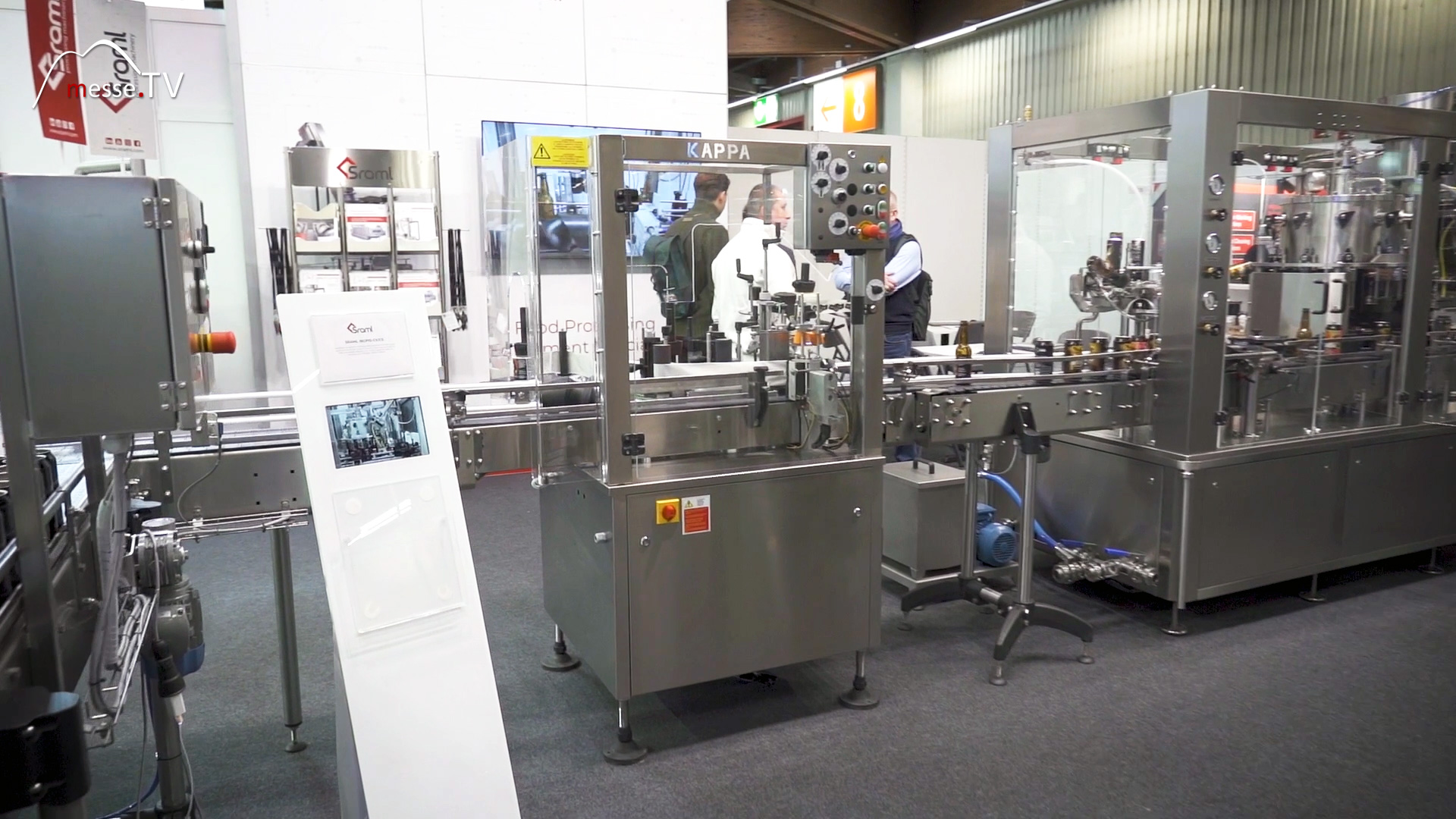
Abfüllanlagen müssen deshalb flexibel sein, ohne an Prozesssicherheit einzubüßen. Genau an dieser Schnittstelle setzt ein Anlagenkonzept an, das Flaschen und Dosen in einer Linie verarbeitet und schnelle Wechsel zwischen den Systemen ermöglicht. Im Zentrum stehen modulare Maschinen, die nicht als starre Produktionsstraße konzipiert sind, sondern als durchgängiger Prozess vom Aufladen über Reinigung, Befüllung, Verschließen bis zur Kontrolle und Übergabe an die Verpackung. Der Anspruch ist klar: möglichst viele Produktionsschritte in einer Anlage bündeln und dabei unterschiedliche Gebindeformen beherrschen.
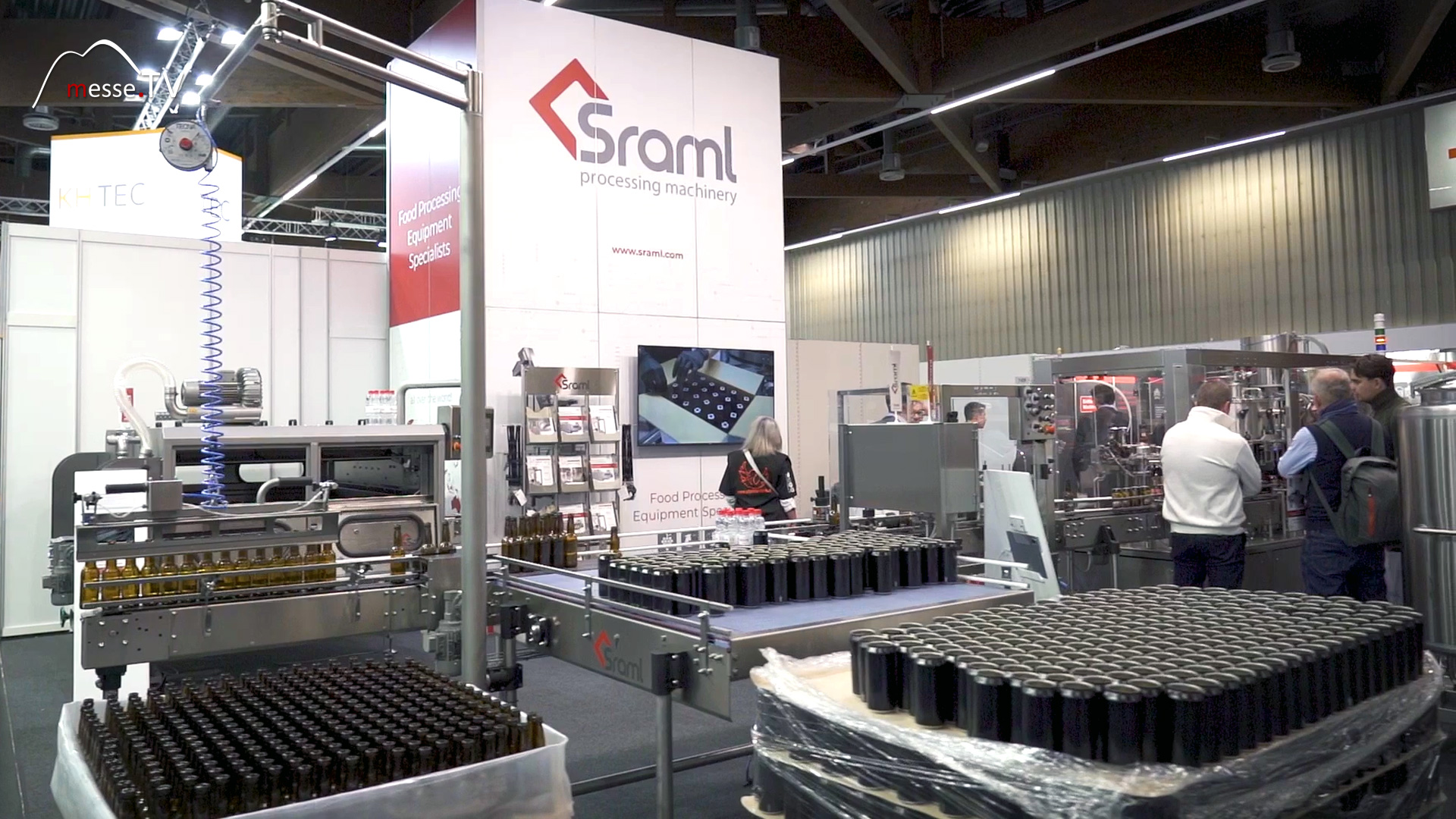

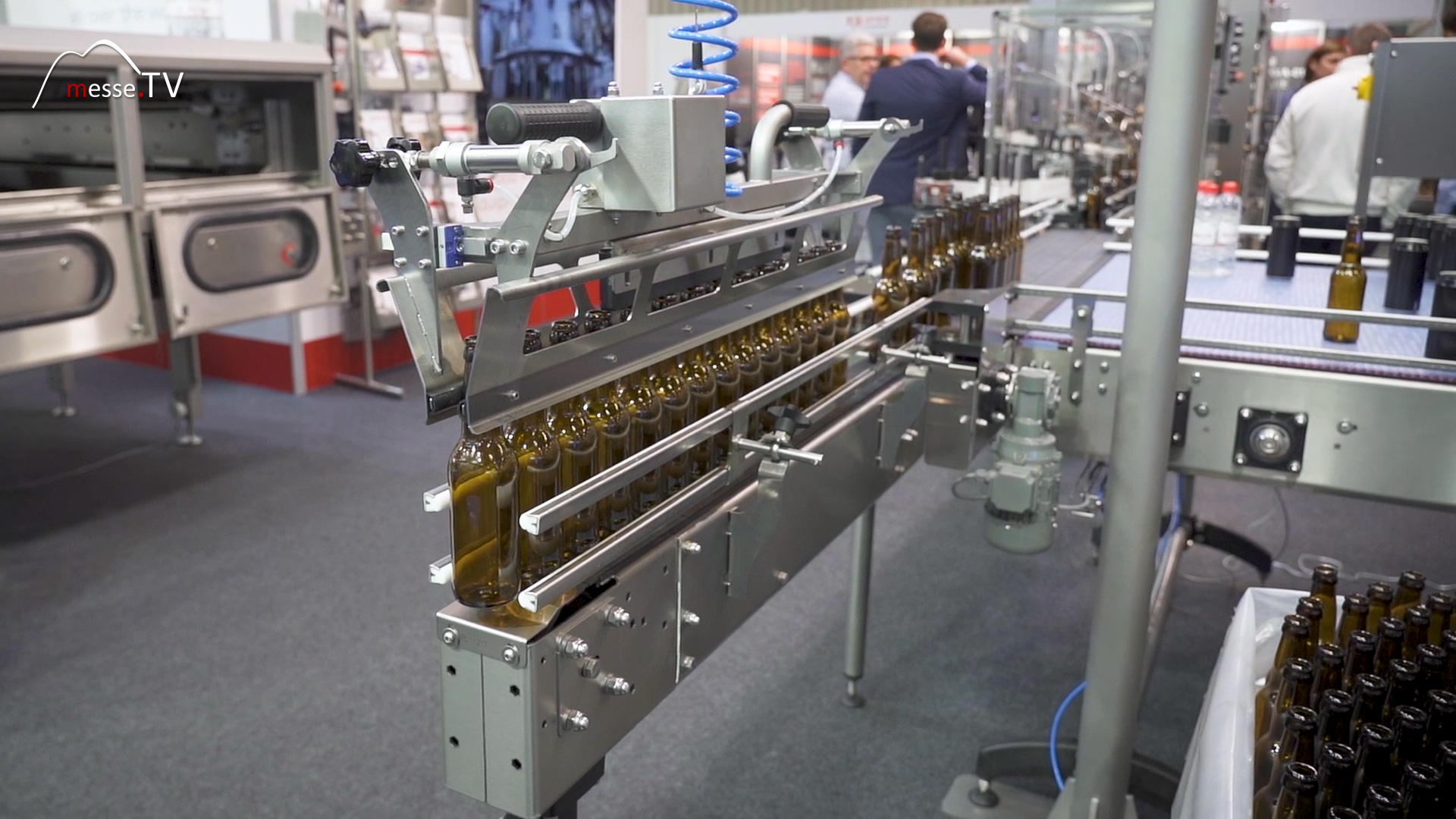
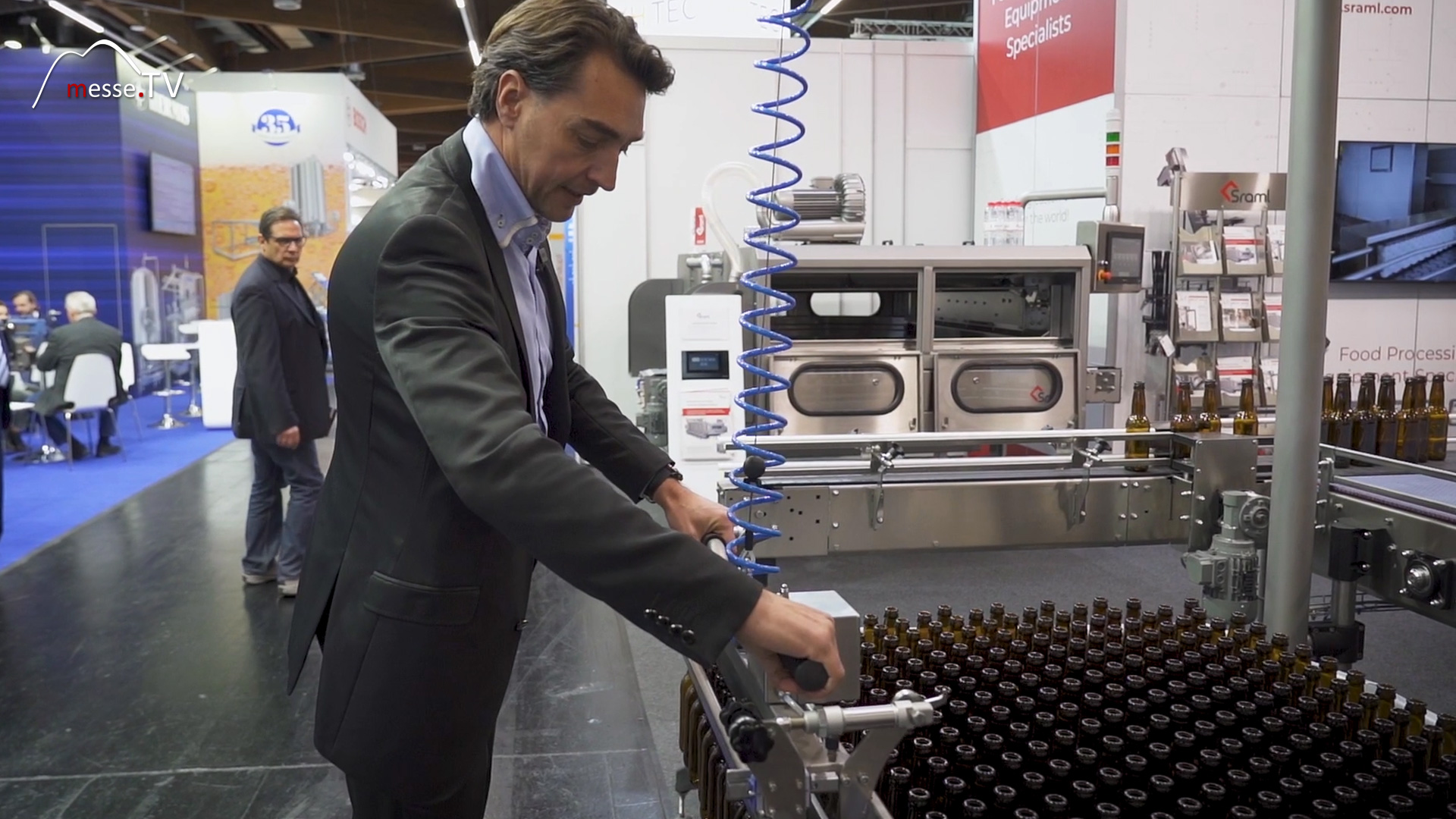
Vom Palettenaufladen bis zur Etikettierung
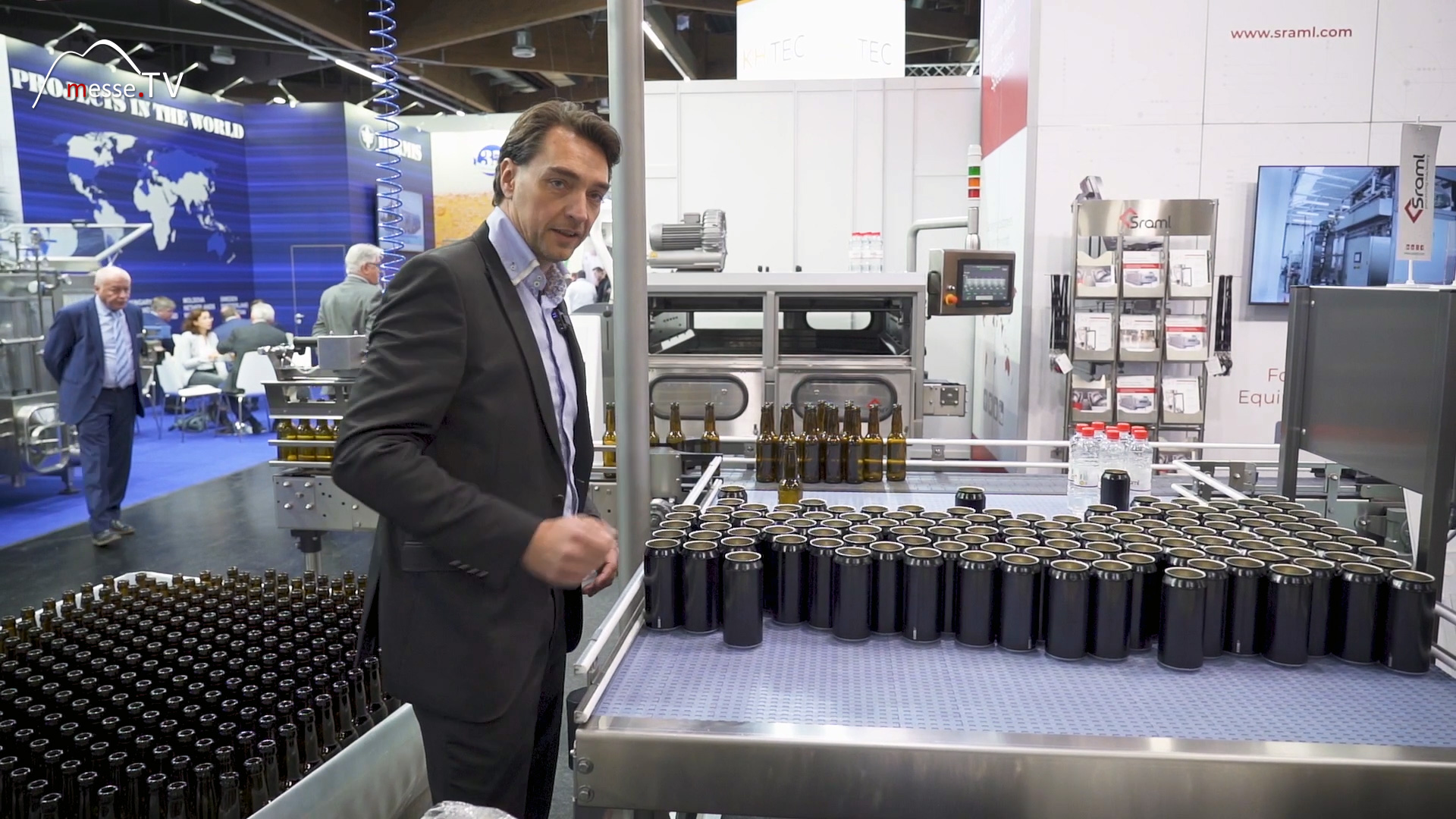
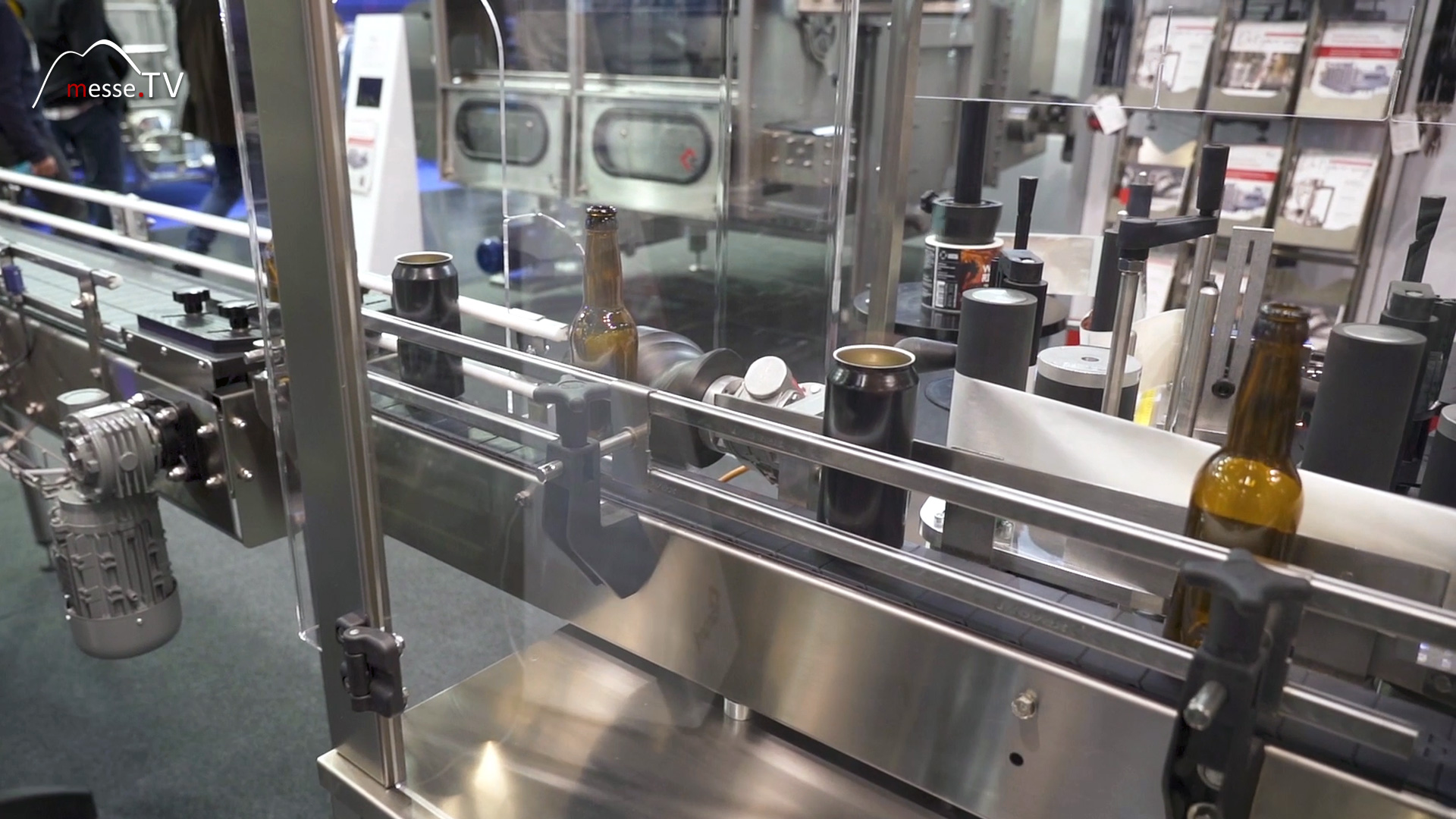
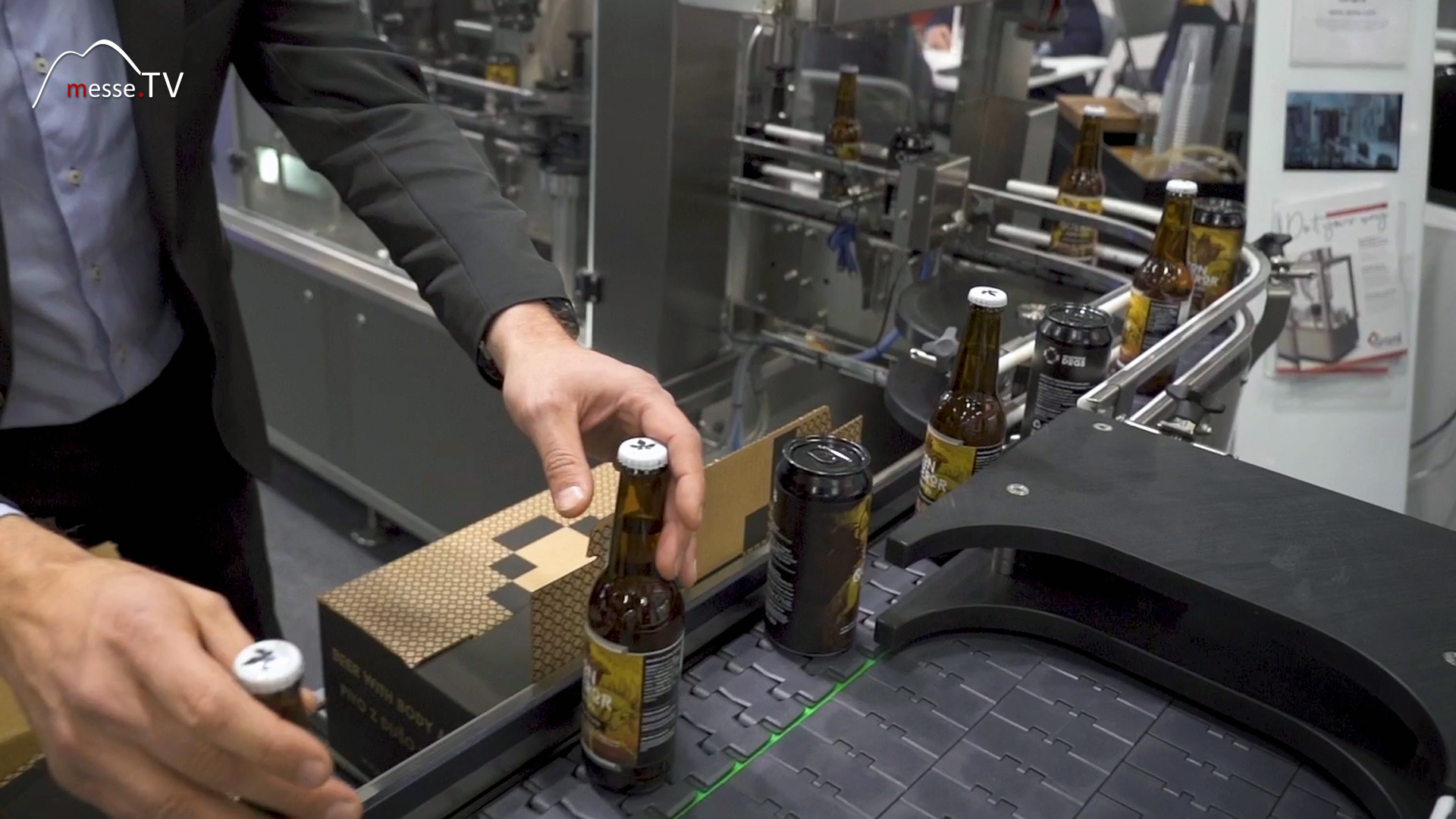
Der Prozess beginnt beim Handling der leeren Gebinde. Flaschen werden nicht einzeln zugeführt, sondern palettenweise aufgenommen. Mehrere Flaschen lassen sich gleichzeitig aus der Palette entnehmen und auf das Transportsystem aufsetzen. Dieser Ansatz reduziert manuelle Eingriffe und sorgt für einen gleichmäßigen Materialfluss. Dosen folgen einem anderen Prinzip. Sie werden auf einen Zuführtisch gestellt und von dort automatisch weitergeleitet. Beide Gebindearten werden anschließend der Etikettierung zugeführt. Die Etikettiermaschine ist dabei so ausgelegt, dass sie sowohl Flaschen als auch Dosen sicher führt und präzise etikettiert. Entscheidend ist weniger die absolute Geschwindigkeit als die Prozessstabilität, da Etikettierfehler spätere Ausschleusungen nach sich ziehen würden.
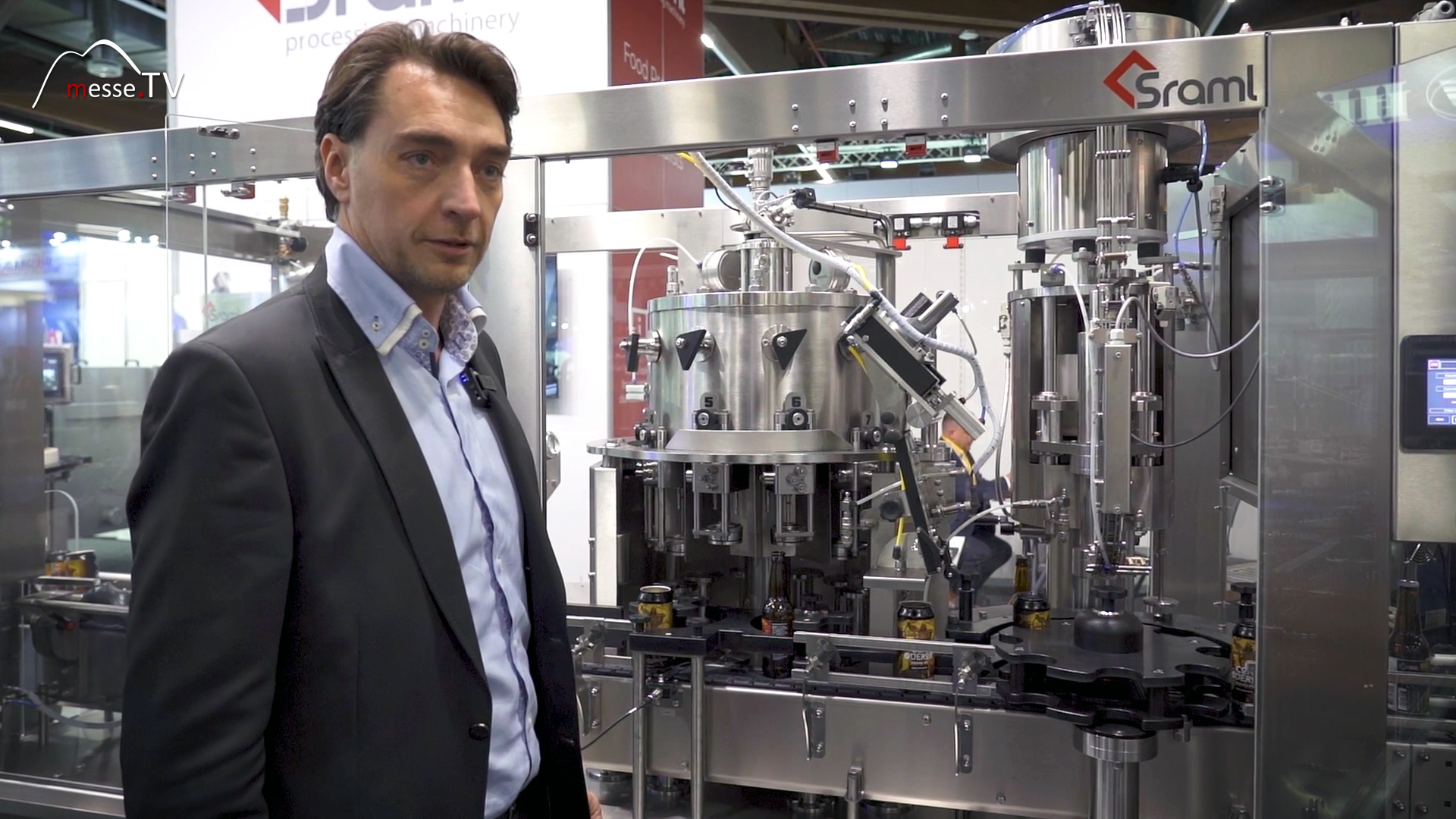
Abfüllmaschine als zentrales Element
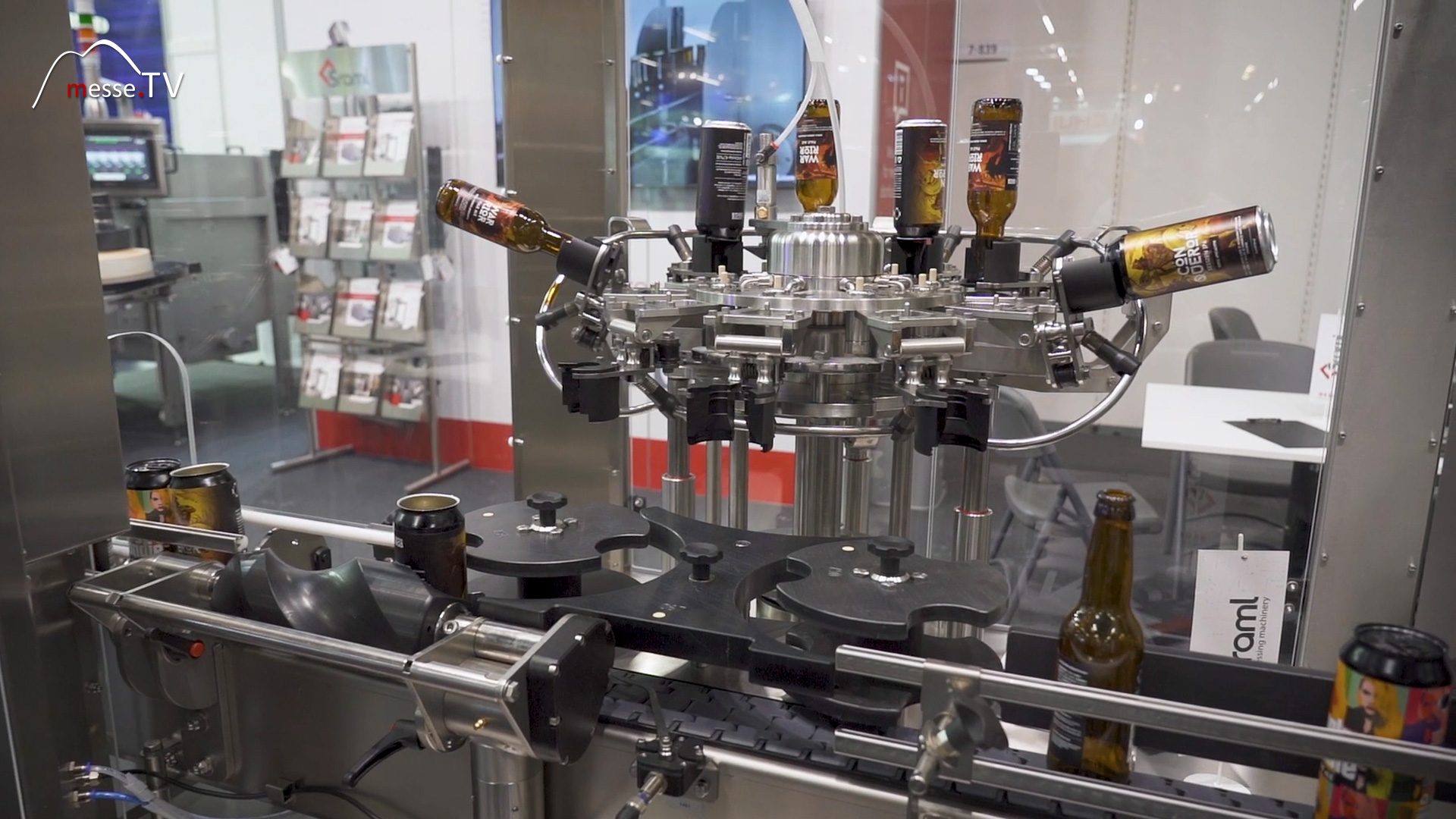
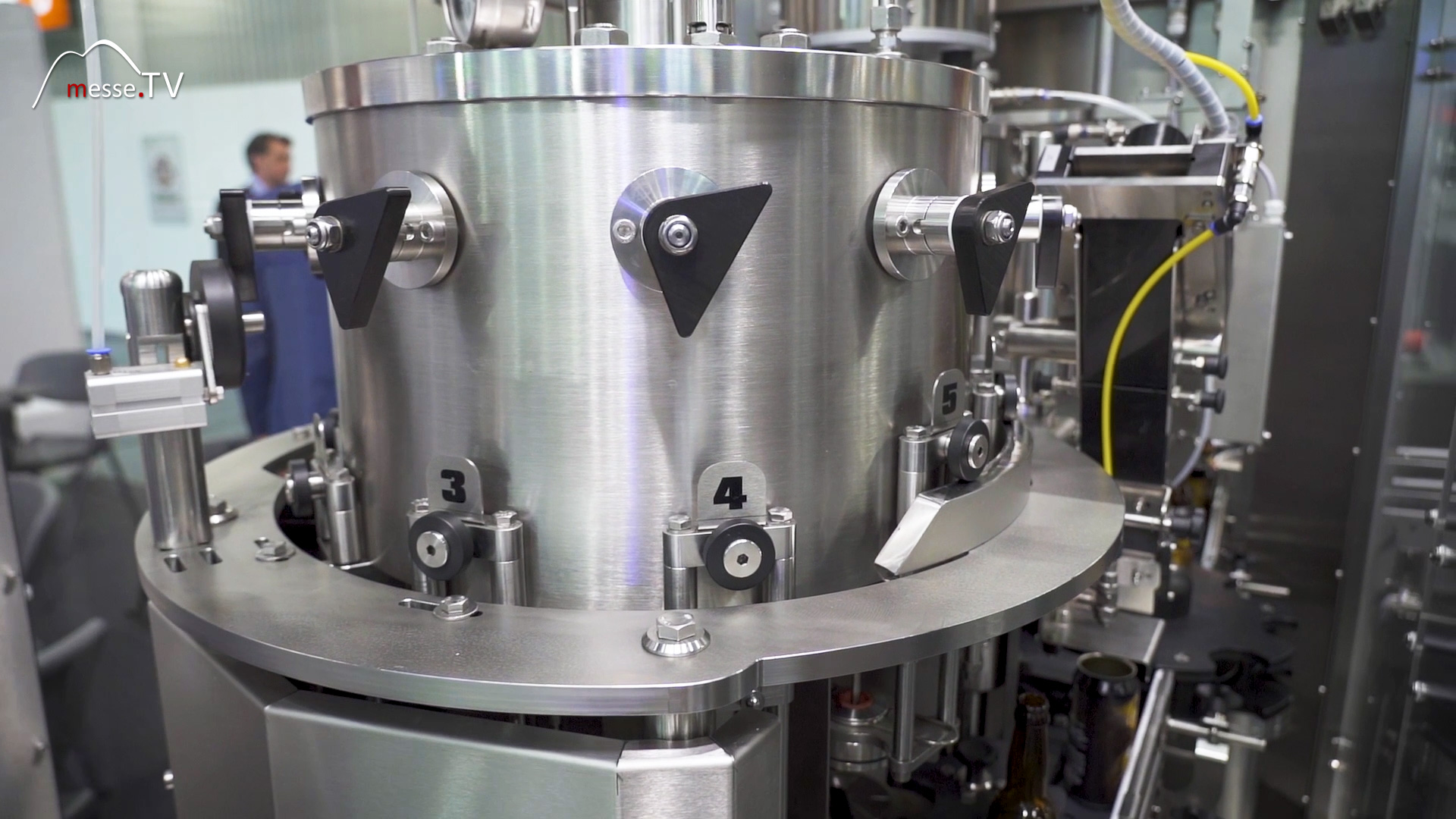
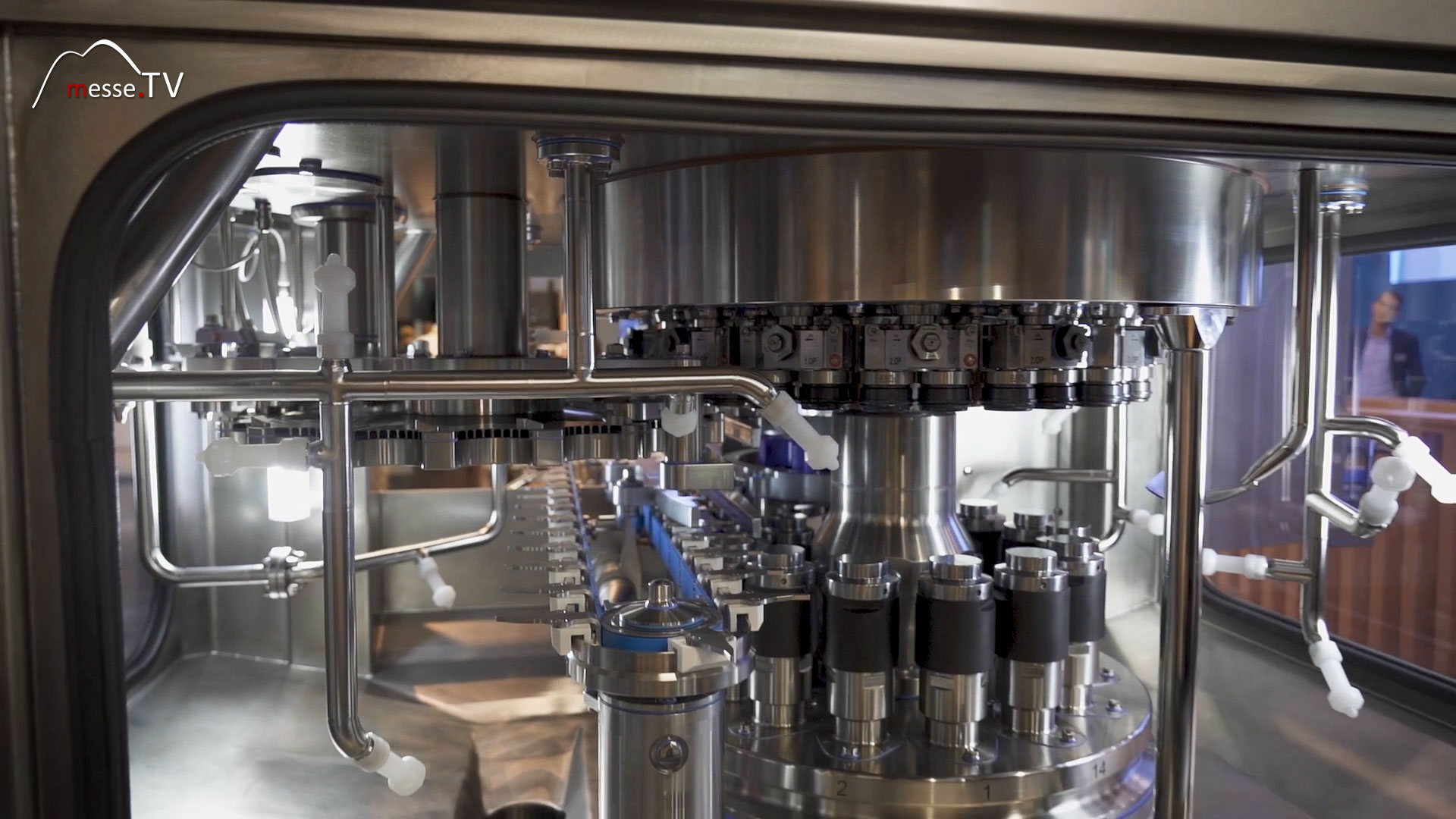
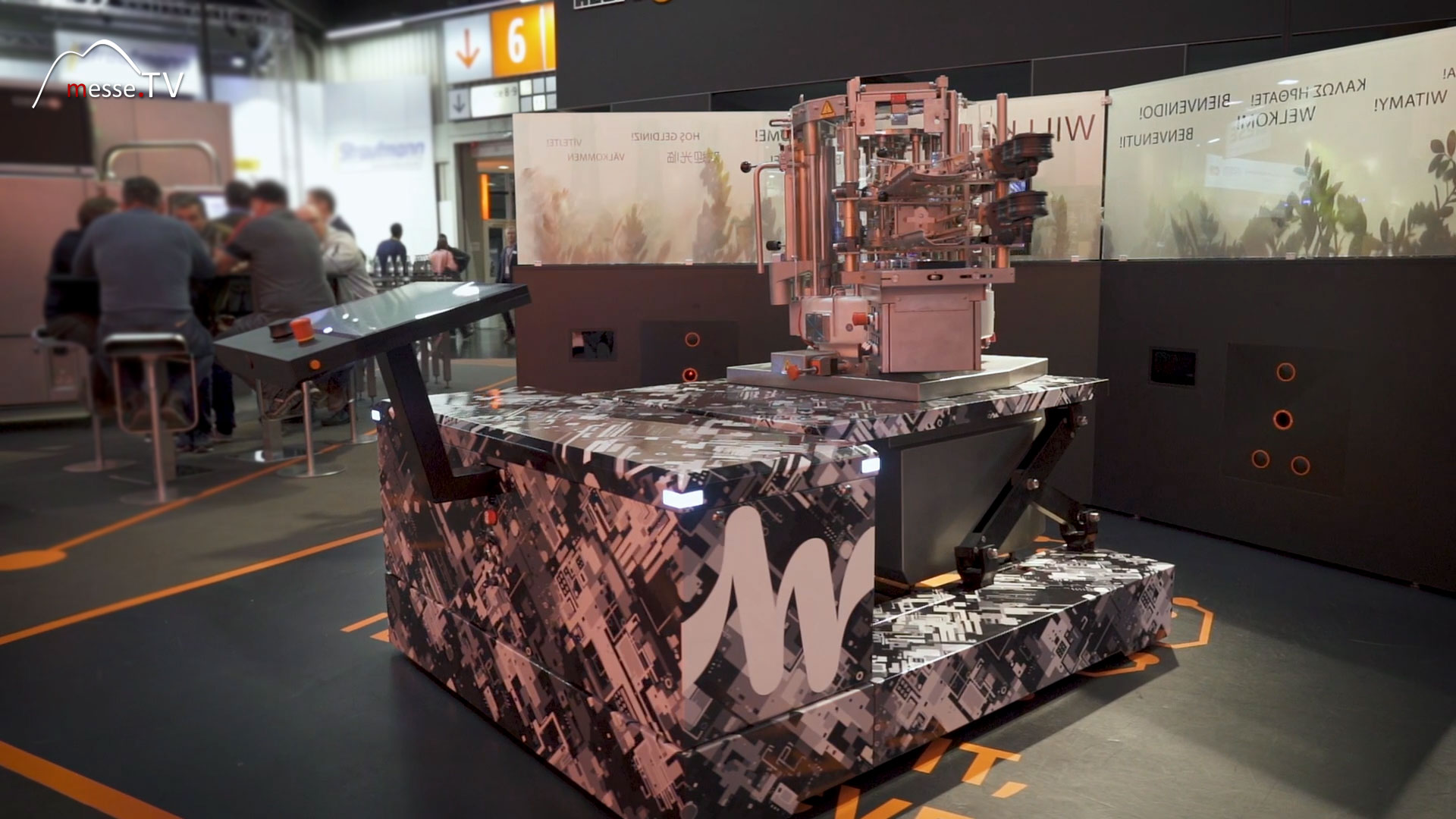
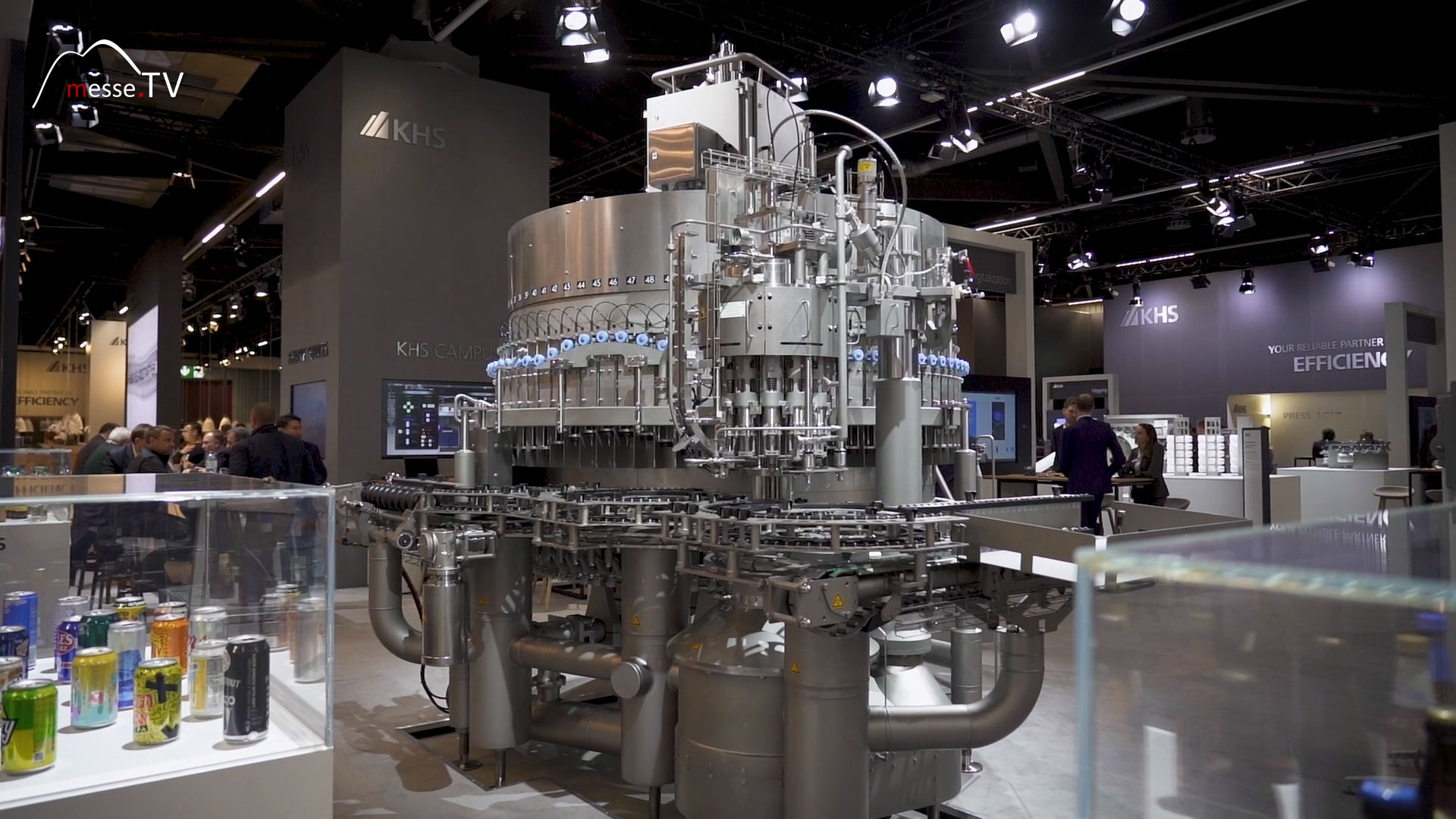
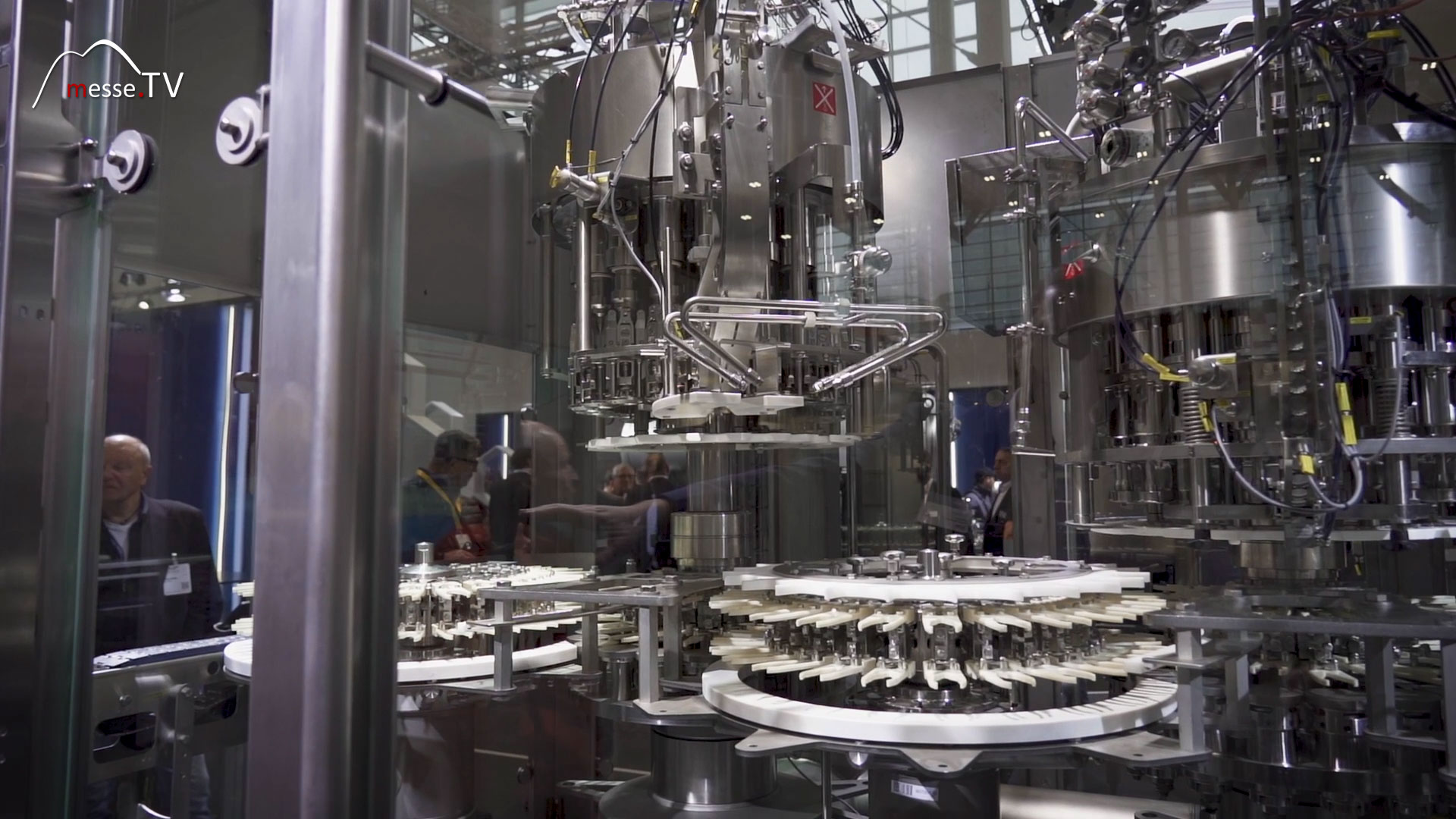
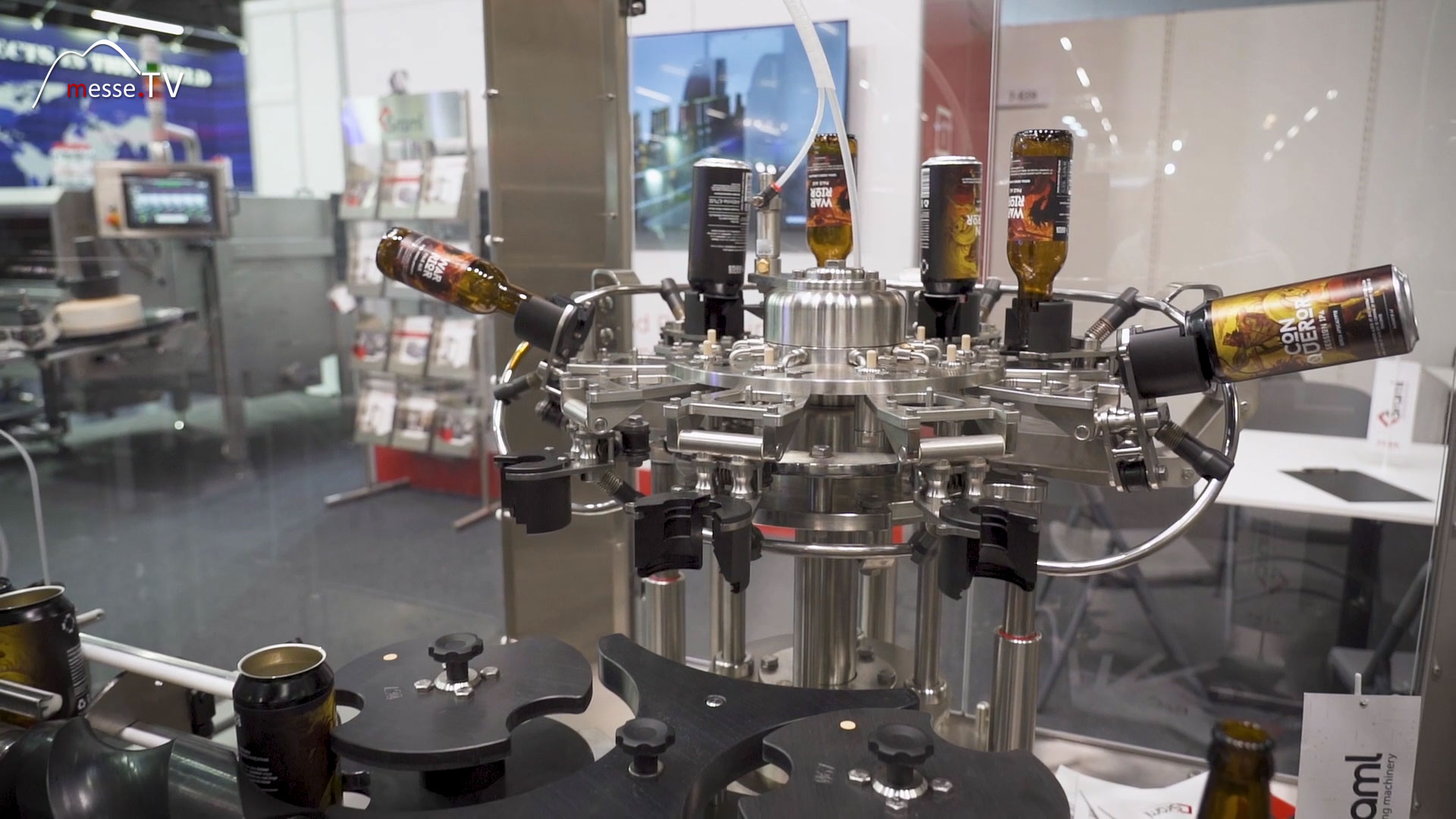
Das Herzstück der Anlage ist die Abfüllmaschine. Hier entscheidet sich, ob Flexibilität tatsächlich produktionsreif umgesetzt ist. Flaschen und Dosen werden zunächst gewendet, gespült und für die Befüllung vorbereitet. Erst danach gelangen sie in den eigentlichen Füllprozess. Zum Einsatz kommt ein Gegendruckfüller, der für karbonisierte Getränke ausgelegt ist. Diese Technik ist etabliert und gewährleistet eine schonende Befüllung bei gleichbleibender Qualität. Die Gebinde rotieren durch den Füller, werden befüllt und direkt im Anschluss verschlossen. Entscheidend ist dabei die präzise Abstimmung zwischen Füllventilen und Verschließeinheit.

Schneller Wechsel zwischen Dose und Flasche
Ein zentrales Merkmal der Anlage ist die kurze Umrüstzeit. Der Wechsel von Dosen auf Flaschen – und zurück – ist konstruktiv vorgesehen und nicht als Ausnahmefall gedacht. Berechnungen zeigen, dass der Umbau in einem Zeitraum von wenigen Minuten realisierbar ist. Damit eignet sich die Anlage besonders für kleinere und mittlere Chargen oder für Produzenten, die regelmäßig unterschiedliche Produkte abfüllen. Technisch umgesetzt wird dies durch drehbare und austauschbare Module. Der Verschließer spielt dabei eine Schlüsselrolle. Er lässt sich um 180 Grad drehen und arbeitet je nach Position entweder mit Korkenverschluss oder mit Dosenverschluss. Aufwendige Demontagen entfallen, ebenso lange Stillstandszeiten.
Kontrolle, Ausschleusung und Übergabe
Nach dem Verschließen endet der Prozess nicht. Die Gebinde werden gewogen, um sicherzustellen, dass die Füllmenge innerhalb der definierten Toleranzen liegt. Unterschreitet ein Gebinde das Sollgewicht, wird es automatisch ausgeschieden. Dieser Schritt ist essenziell, um Reklamationen und Qualitätsverluste zu vermeiden. Anschließend erfolgt eine weitere Reinigung sowie das Trocknen der Gebinde. Erst danach werden Flaschen oder Dosen an die Verpackung übergeben. Die Anlage bildet damit eine in sich geschlossene Linie, die alle wesentlichen Prozessschritte integriert. Typische Merkmale dieses Anlagenkonzepts sind:
- integrierte Verarbeitung von Flaschen und Dosen
- modularer Aufbau mit kurzen Umrüstzeiten
- Gegendruckfüllung für karbonisierte Getränke
- drehbarer Verschließer für unterschiedliche Verschlusssysteme
- automatische Gewichtskontrolle und Ausschleusung
Herkunft und Maschinenportfolio von Sraml
Entwickelt und gefertigt wird dieses Anlagenkonzept von Sraml. Das Unternehmen stammt aus der slowenischen Küstenregion und verfügt über ein breites Maschinenportfolio. Neben Abfüllanlagen gehören auch Lösungen für die Wein- und Saftproduktion zum Programm. Die Maschinen sind weltweit im Einsatz und werden sowohl von kleineren Betrieben als auch von professionellen Getränkeherstellern genutzt. Sraml verfolgt dabei einen klaren Ansatz: Statt hochspezialisierter Einzelmaschinen werden flexible Systeme angeboten, die sich an wechselnde Produktionsanforderungen anpassen lassen. Gerade im internationalen Markt, in dem Chargengrößen, Verpackungsarten und Produkte stark variieren, ist diese Vielseitigkeit ein entscheidender Faktor.
Bedeutung für kleinere und mittlere Abfüller
Für viele Getränkeproduzenten stellt sich heute nicht mehr die Frage nach maximaler Ausbringung, sondern nach wirtschaftlicher Anpassungsfähigkeit. Anlagen, die ausschließlich für ein Gebinde optimiert sind, stoßen schnell an ihre Grenzen. Flexible Abfüllanlagen eröffnen dagegen die Möglichkeit, neue Produkte zu testen, saisonale Spitzen abzudecken oder unterschiedliche Märkte zu bedienen, ohne jedes Mal in neue Technik investieren zu müssen. In diesem Kontext gewinnen modulare Konzepte an Bedeutung. Sie verbinden bewährte Verfahren wie die Gegendruckfüllung mit konstruktiver Offenheit. Für Anbieter wie Sraml ist das weniger ein kurzfristiger Trend als eine langfristige Antwort auf einen sich wandelnden Getränkemarkt.
Messe-Berichterstattung bundesweit - Messewissen, Termine & Veranstaltungen


