Etivoet Washoff Labels für Mehrwegflaschen in Brauereien
Mehrwegflaschen gelten seit Jahren als einer der wirksamsten Hebel, um Verpackungsmüll zu reduzieren. In der Praxis zeigt sich jedoch, dass nicht die Flasche selbst, sondern das Etikett häufig zum Problem wird. Viele selbstklebende Labels halten so fest, dass sie sich im Waschprozess nur unvollständig lösen.
Rückstände im Leim, verschmutztes Waschwasser und beschädigte Oberflächen sind die Folge. Genau an diesem Punkt setzen Washoff-Labels an, die speziell für den langfristigen Einsatz im Mehrwegsystem entwickelt wurden.
Waschbare Etiketten als technische Antwort auf Mehrweganforderungen
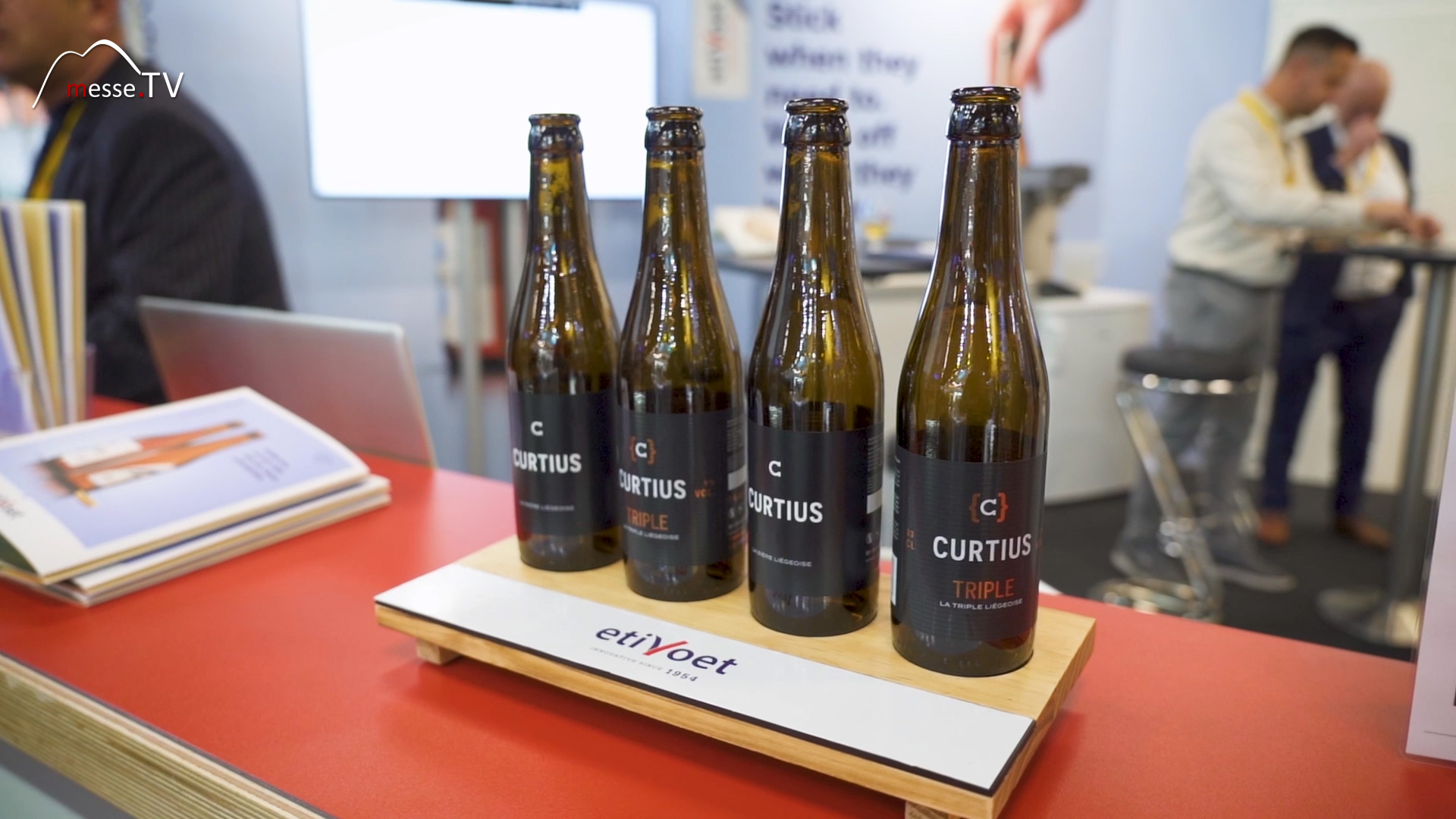
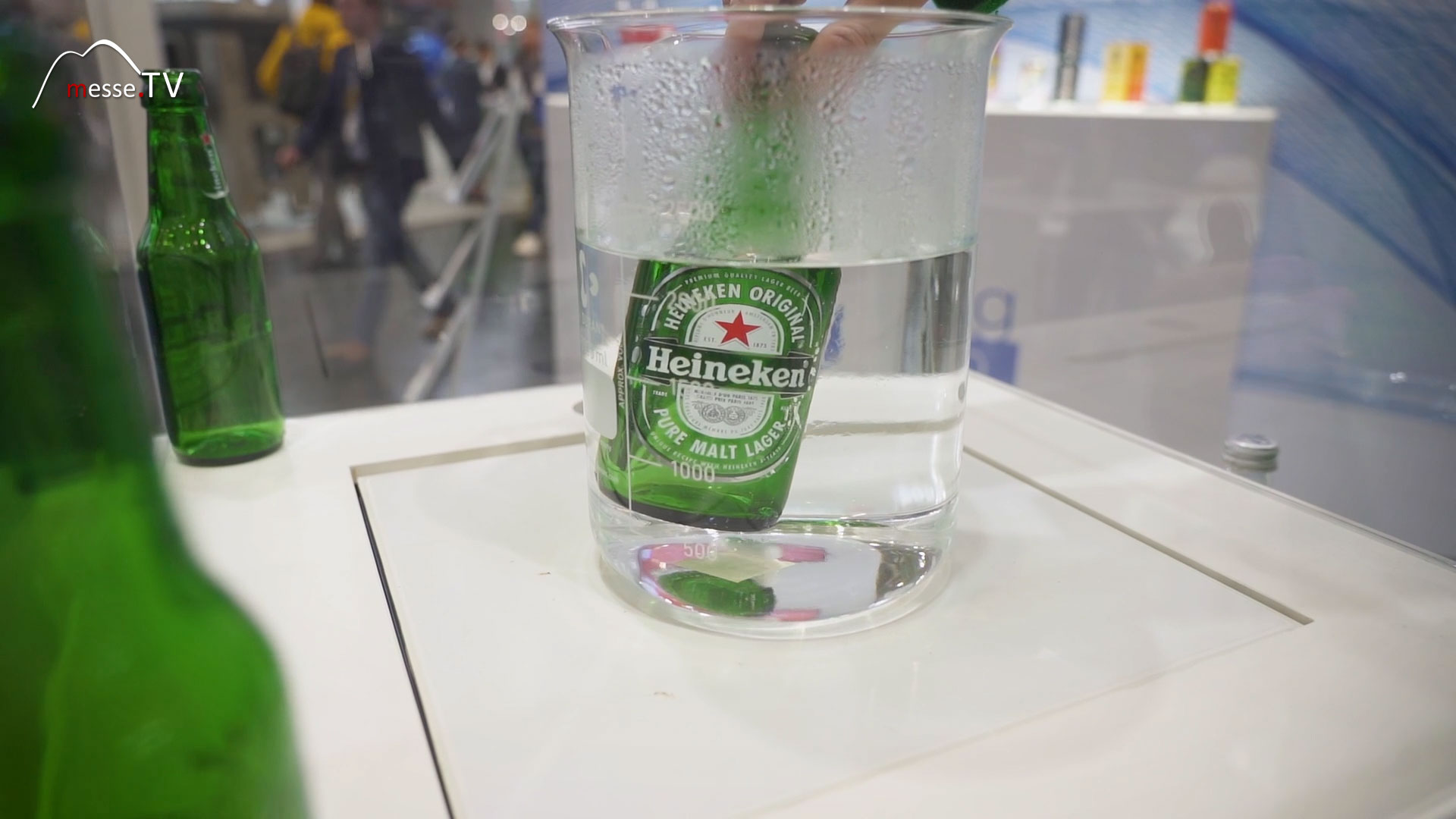
Waschbare selbstklebende Etiketten unterscheiden sich grundlegend von klassischen Labels. Sie sind so aufgebaut, dass sie auch nach längerer Nutzungsdauer zuverlässig im Waschprozess abgelöst werden. Entscheidend ist dabei nicht der Zeitpunkt der ersten Reinigung, sondern die Stabilität über viele Umläufe hinweg. Die Labels bleiben über Monate oder Jahre fest auf der Flasche, lösen sich jedoch vollständig, sobald sie in die standardisierten Waschanlagen der Brauereien gelangen. Diese Eigenschaft ist besonders relevant für Betriebe mit hohen Umlaufzahlen. Flaschen, die ein Jahr oder länger im Markt sind, müssen ebenso sauber etikettenfrei werden wie Gebinde mit kürzerer Standzeit. Washoff-Labels erfüllen diese Anforderung, ohne den Produktionsprozess zu verkomplizieren.

Papierbasierte Struktur mit gezielter Wasseraufnahme
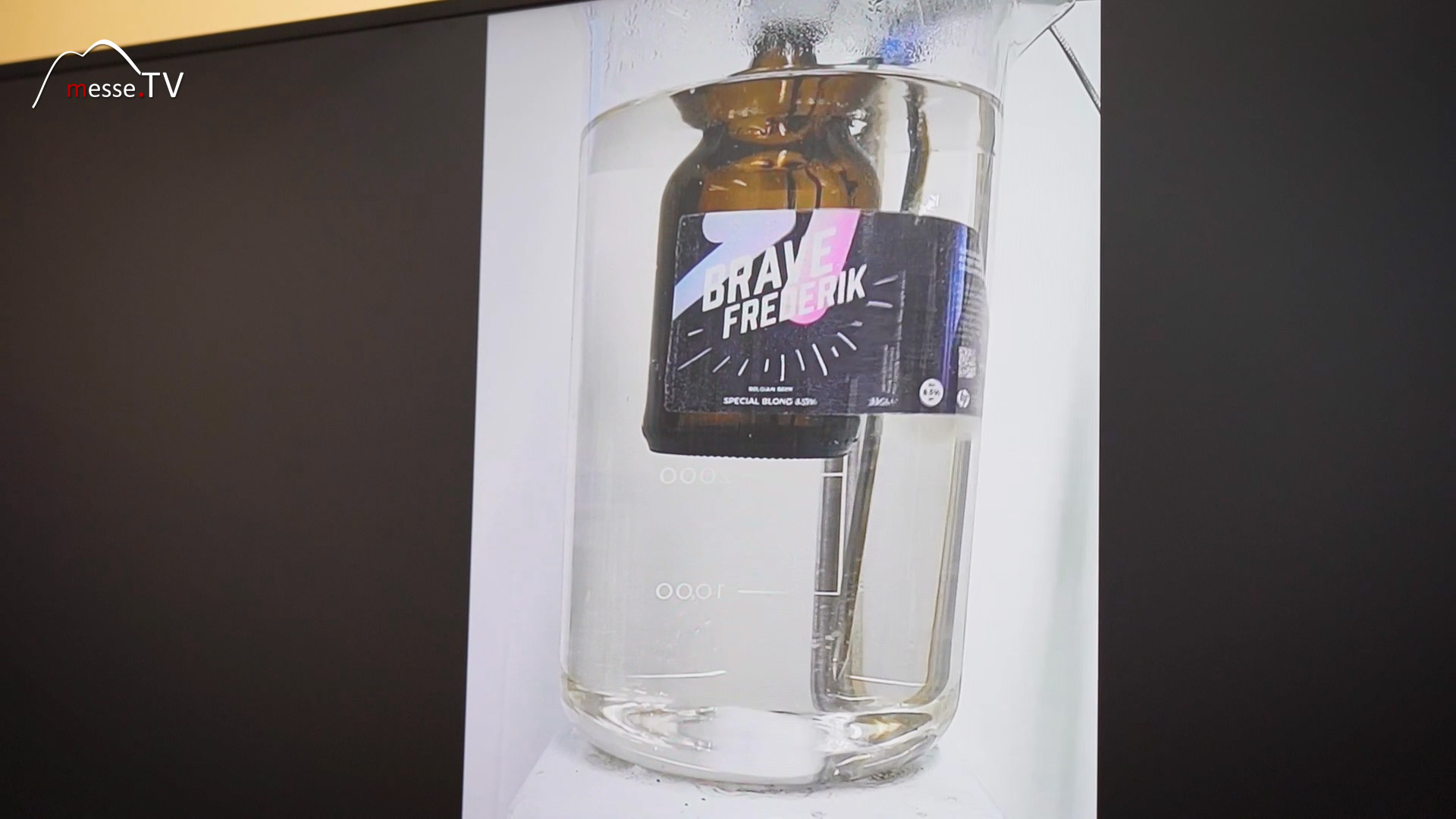
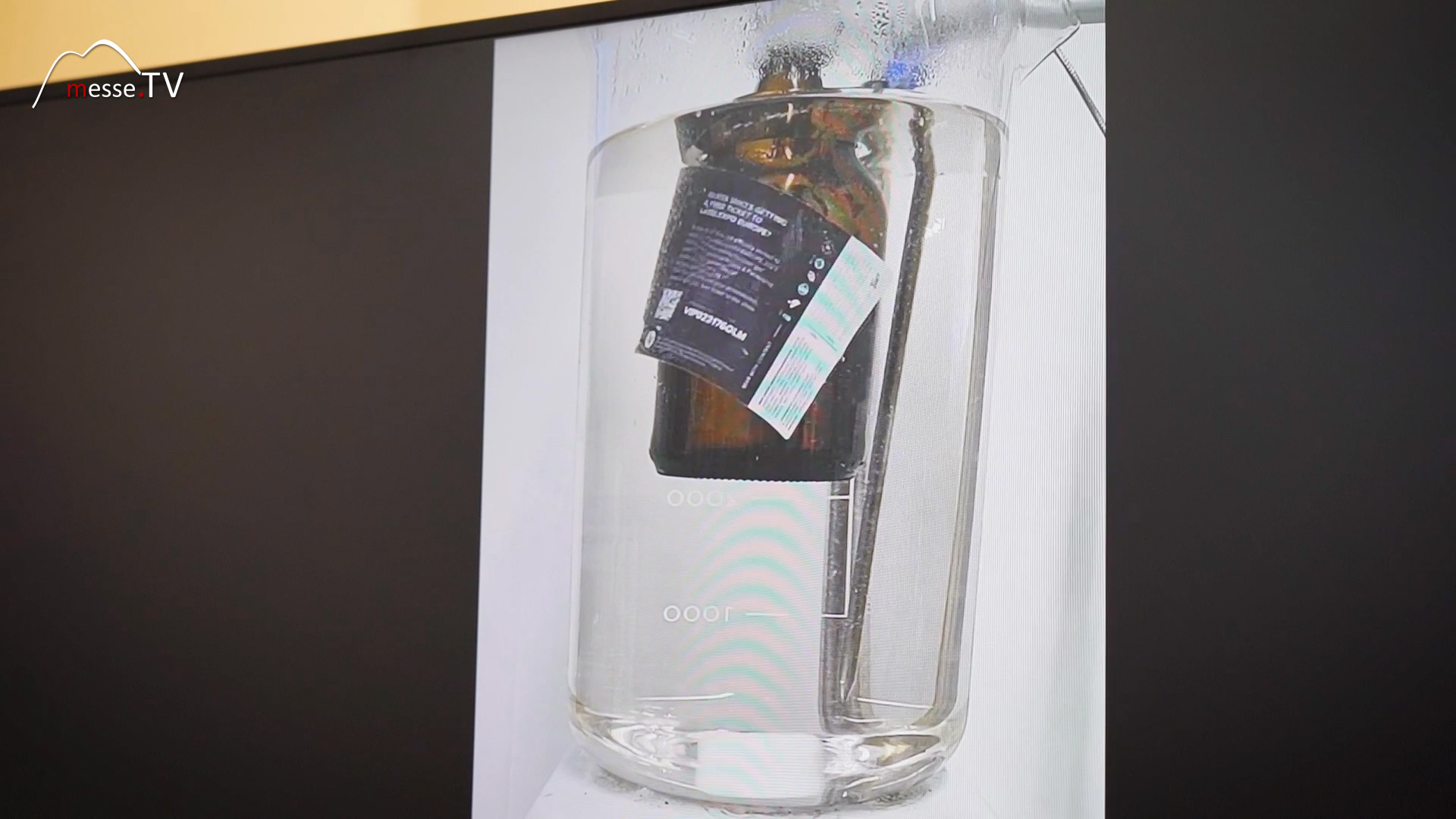
Ein zentrales Merkmal der Washoff-Technologie ist das verwendete Material. Die Etiketten bestehen aus Papier, das so konzipiert ist, dass Wasser schnell eindringen kann. Im Waschprozess dringt das Wasser in die Struktur ein, der Klebstoff verliert seine Haftung, und das Etikett löst sich vollständig von der Flasche. Rückstände bleiben weder auf dem Glas noch im Waschwasser zurück. Im Unterschied dazu setzen viele konventionelle selbstklebende Etiketten auf besonders starke Kleber, um eine hohe Haftung zu gewährleisten. Diese Stärke wird im Mehrwegsystem jedoch zum Nachteil, da sie die Wiederverwendung der Flaschen erschwert oder sogar unmöglich macht.
Patentierte Lösung für industrielle Prozesse
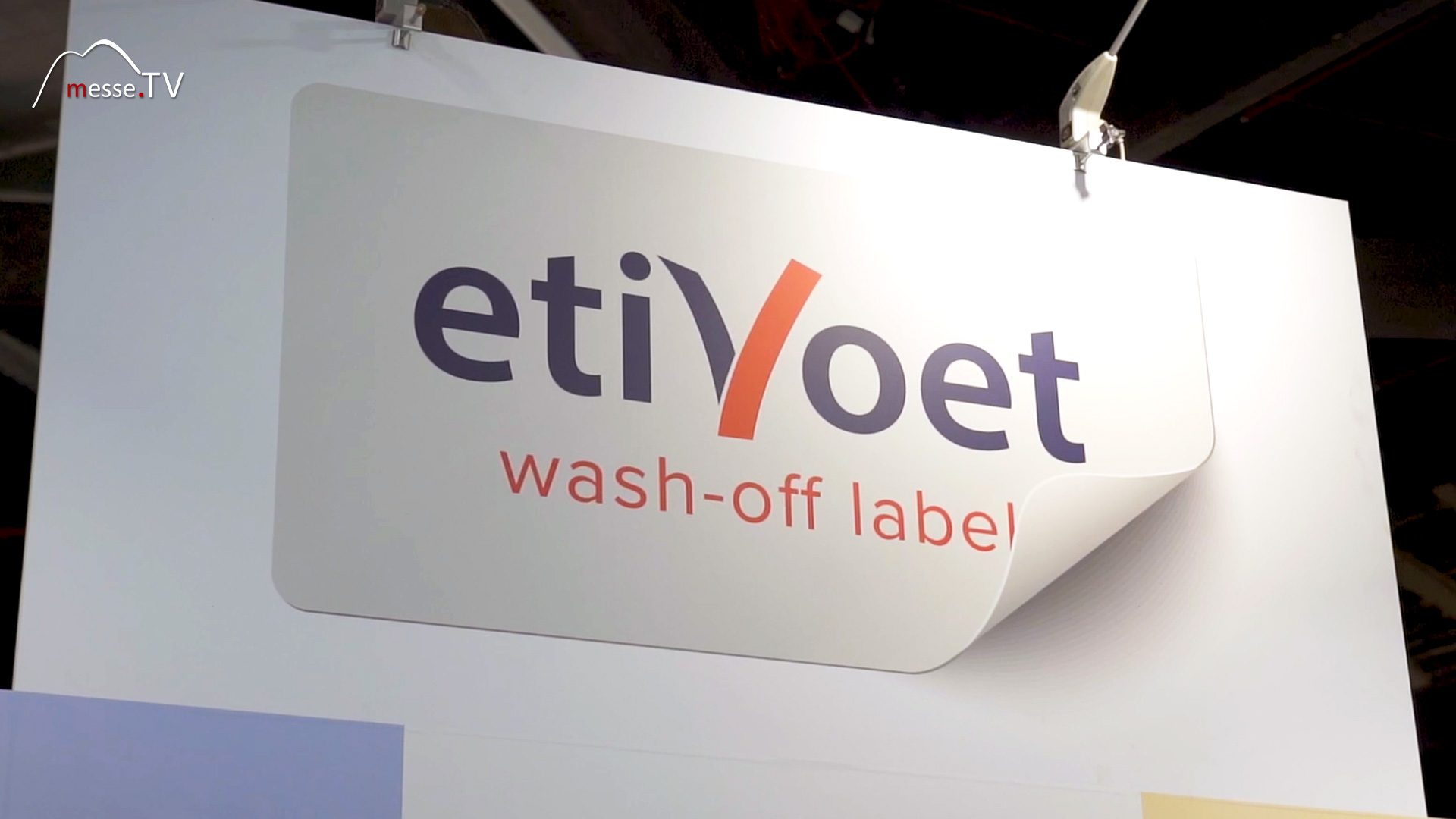
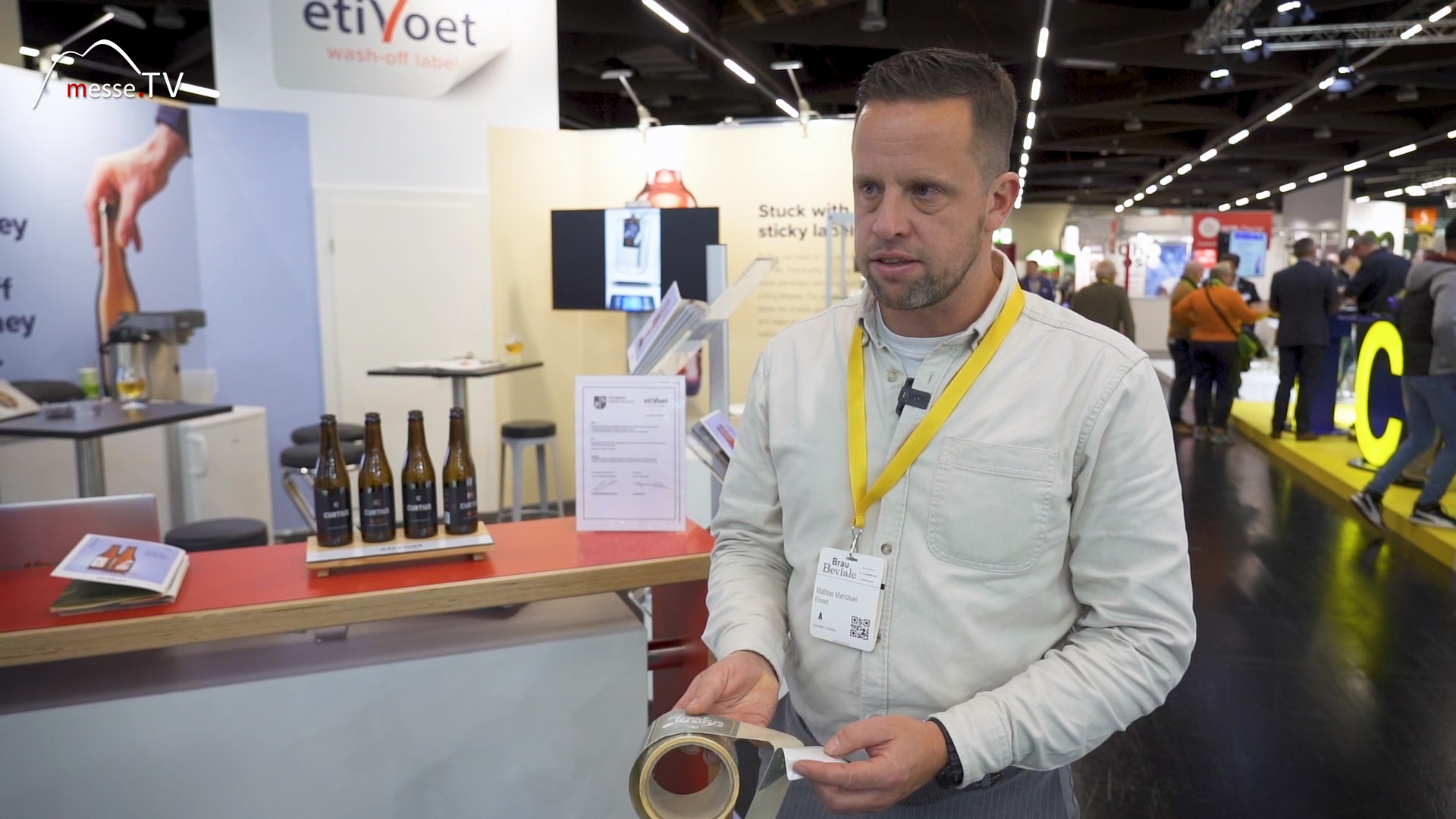
Die Washoff-Etiketten basieren auf einer patentierten Technologie. Das Patent schützt nicht nur den Aufbau der Etiketten, sondern auch das Zusammenspiel von Material, Klebstoff und Ablöseverhalten. Für Brauereien bedeutet das Planungssicherheit, da die Eigenschaften reproduzierbar und industriell erprobt sind. Die Etiketten werden nicht als Nischenlösung entwickelt, sondern für den Einsatz in großskaligen Abfüll- und Waschprozessen. Gerade in modernen Brauereien, in denen Effizienz und Durchsatz entscheidend sind, darf das Etikettieren keine zusätzliche Fehlerquelle darstellen.
Zertifizierung durch internationale Brauereigruppen
Ein wesentlicher Aspekt für die Akzeptanz neuer Etikettentechnologien ist die praktische Erprobung. Große Brauereigruppen haben die Washoff-Labels getestet und zertifiziert. Darunter befinden sich internationale Konzerne mit hohen Anforderungen an Qualität, Prozessstabilität und Nachhaltigkeit. Die Tests bestätigen, dass sich die Etiketten vollständig ablösen und keine negativen Auswirkungen auf Flaschen, Anlagen oder Waschwasser haben. Diese Rückmeldungen sind besonders relevant, da große Abfüllbetriebe mit hohen Stückzahlen arbeiten und kleinste Störungen erhebliche Kosten verursachen können. Die erfolgreiche Zertifizierung zeigt, dass Washoff-Labels auch unter anspruchsvollen Bedingungen zuverlässig funktionieren.
Vorteile für Umwelt und Kreislaufwirtschaft
Der ökologische Nutzen waschbarer Etiketten liegt vor allem in der Verlängerung des Flaschenlebenszyklus. Flaschen können mehrfach wiederverwendet werden, ohne dass sie durch Etikettenrückstände aussortiert werden müssen. Das reduziert nicht nur den Bedarf an Neuglas, sondern auch den Energieaufwand in der Produktion. Die Vorteile lassen sich konkret benennen:
- vollständige Ablösung der Etiketten im Waschprozess
- keine Verunreinigung des Waschwassers
- längere Nutzungsdauer von Mehrwegflaschen
- geringerer Material- und Energieeinsatz im Gesamtsystem
Bedeutung für Brauereien im Mehrwegmarkt
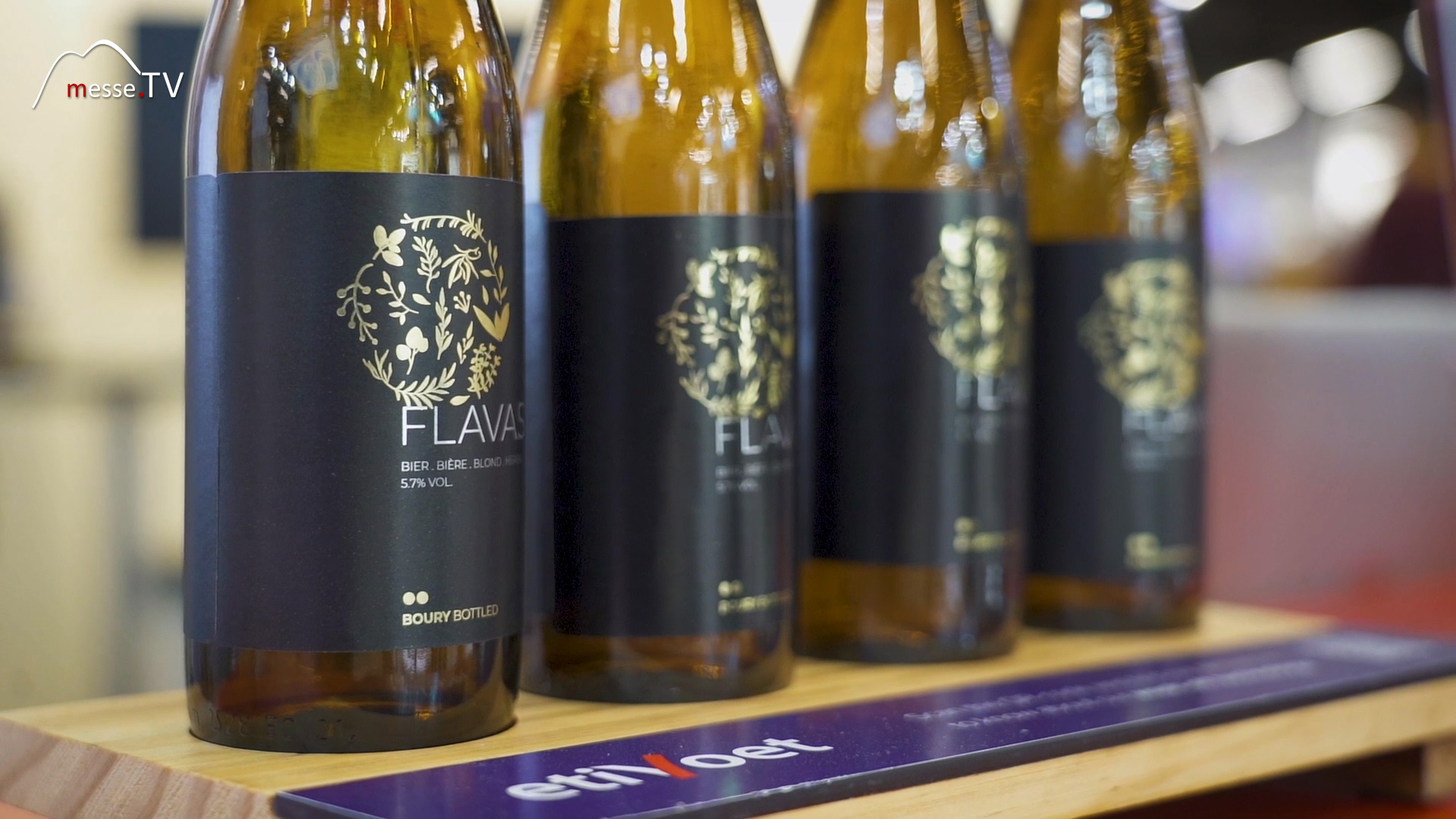
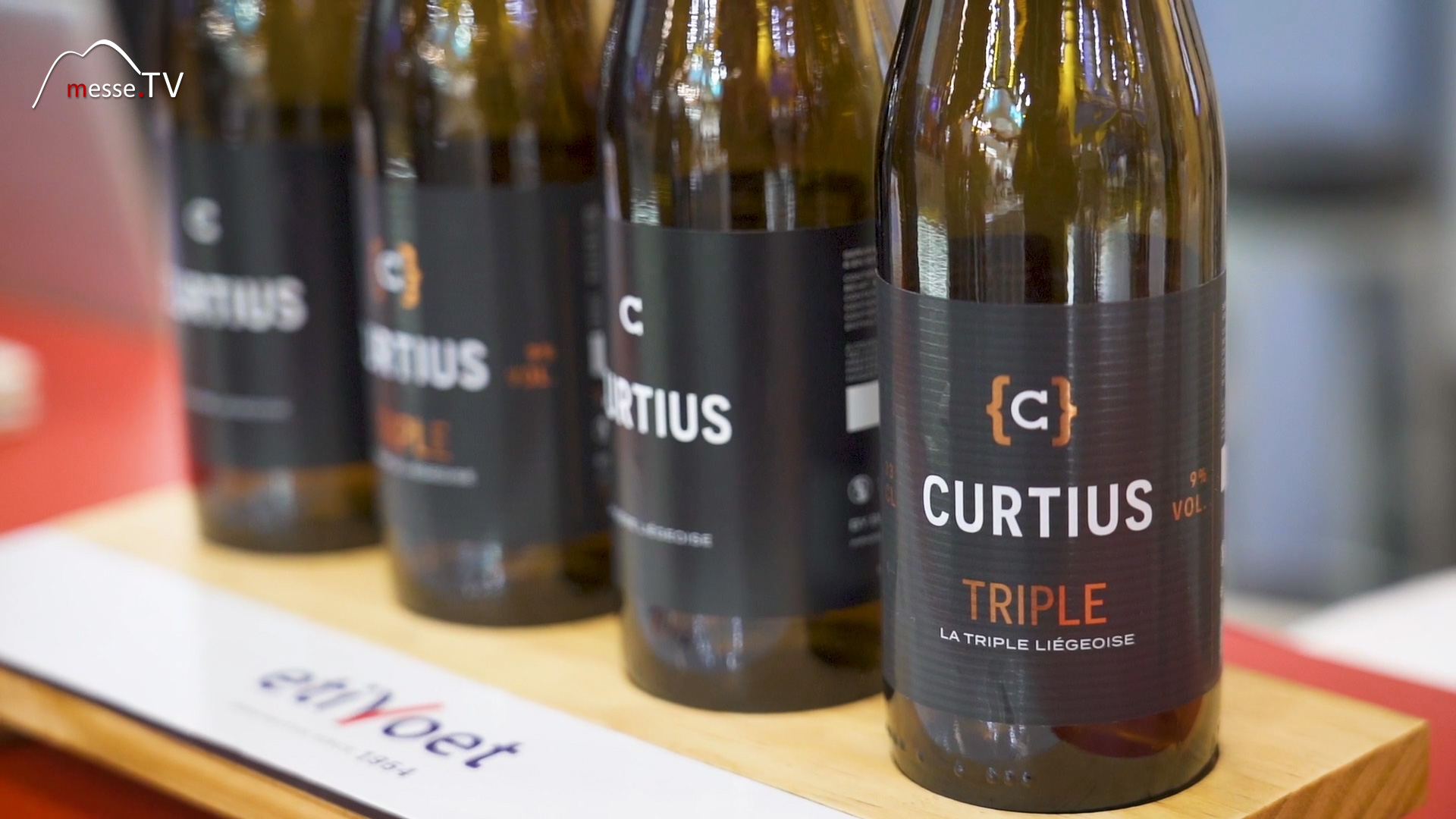
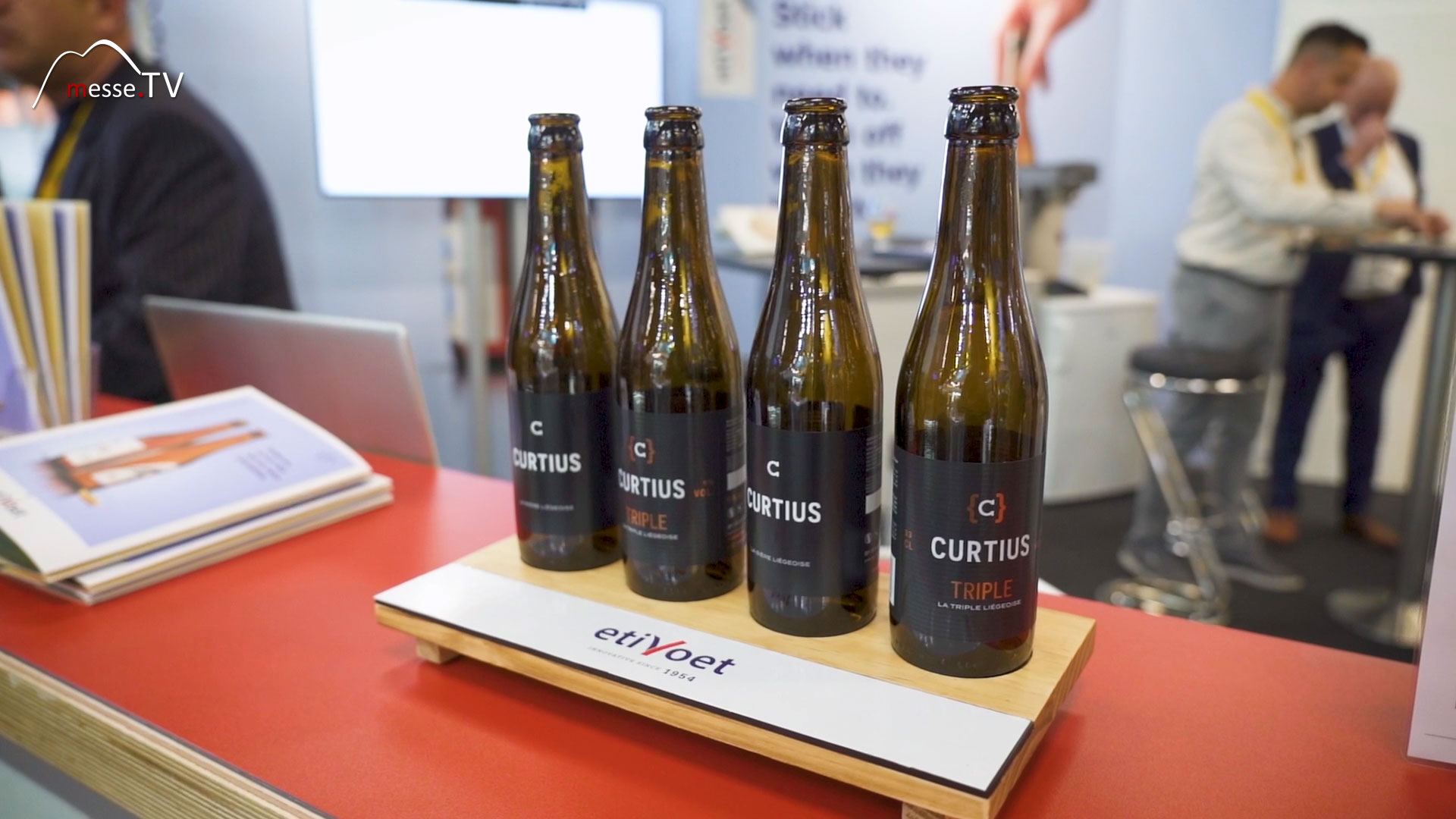
Für Brauereien ist das Etikett mehr als ein Informationsträger. Es ist Teil eines komplexen Systems aus Abfüllung, Logistik, Rücknahme und Reinigung. Wenn ein Element dieses Systems nicht funktioniert, entstehen Folgekosten. Waschbare selbstklebende Labels bieten hier einen klaren Vorteil, da sie sich nahtlos in bestehende Prozesse integrieren lassen. Etivoet hat sich auf genau diesen Anwendungsfall spezialisiert und produziert Labels, die auf die Anforderungen des Mehrwegmarktes zugeschnitten sind. Die Etiketten verbinden die Vorteile selbstklebender Lösungen mit der Reinigungsfähigkeit klassischer Nassleimetiketten.
Abgrenzung zu herkömmlichen selbstklebenden Etiketten
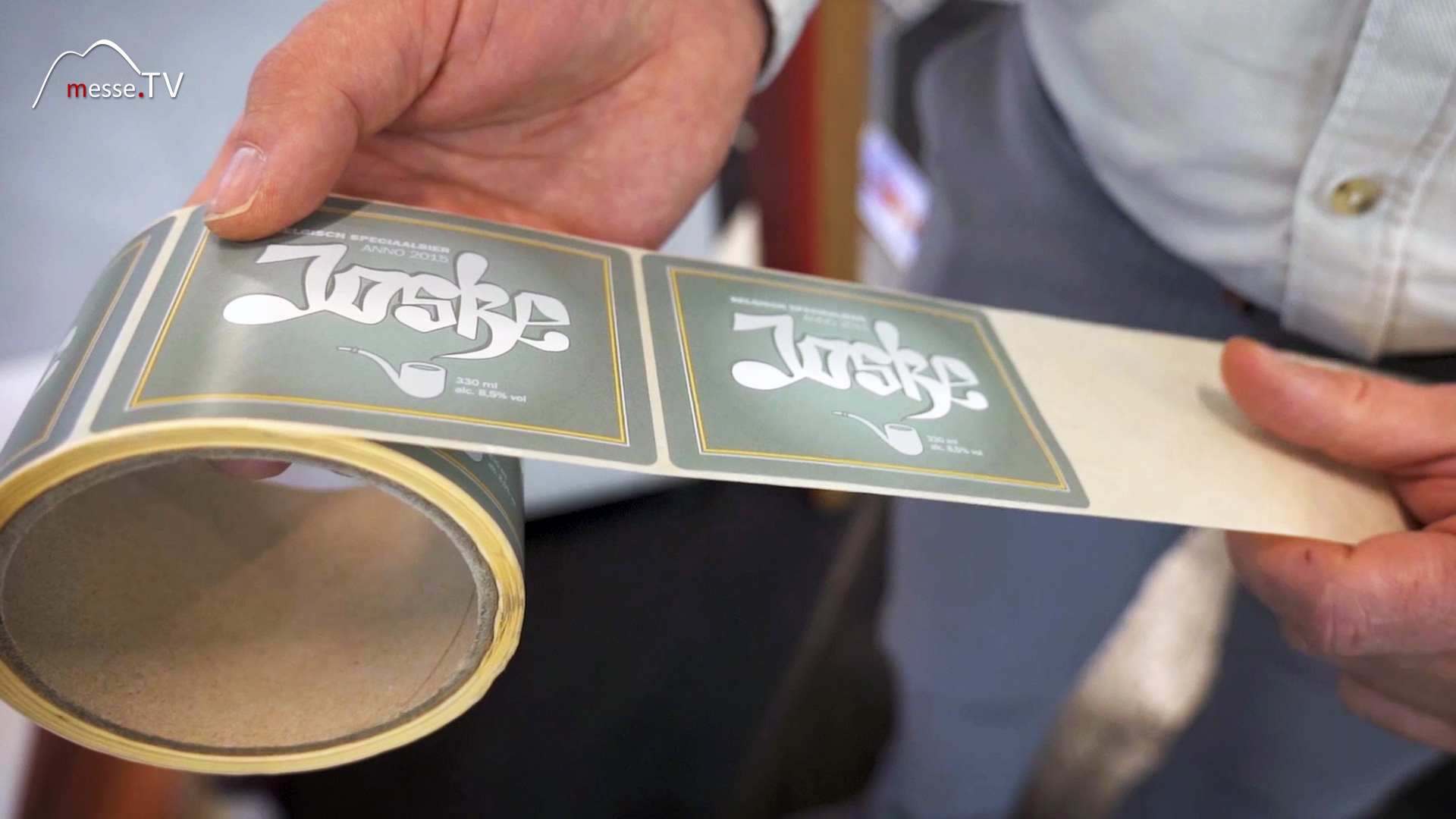
Der Unterschied zu herkömmlichen selbstklebenden Etiketten liegt vor allem im Klebstoff. Viele Standardlabels setzen auf eine dauerhaft starke Haftung, die im Einwegkontext sinnvoll ist. Im Mehrwegsystem führt diese Haftung jedoch dazu, dass Flaschen nicht mehr sauber aufbereitet werden können. Washoff-Labels lösen dieses Problem, ohne auf Funktionalität im Alltag zu verzichten. Sie halten während Transport, Lagerung und Nutzung zuverlässig, geben ihre Haftung jedoch gezielt im Waschprozess auf. Damit entsteht eine Lösung, die sowohl für Marketing als auch für Nachhaltigkeit geeignet ist.
Perspektiven für den Mehrwegsektor
Mit zunehmendem politischen und gesellschaftlichen Fokus auf Mehrwegsysteme rückt auch das Etikett stärker in den Blick. Lösungen wie die von Etivoet zeigen, dass selbst scheinbar kleine Komponenten einen großen Einfluss auf die Effizienz und Umweltbilanz haben können. Waschbare Etiketten tragen dazu bei, bestehende Mehrwegsysteme zu stabilisieren und weiterzuentwickeln. Für Brauereien, die langfristig auf Mehrweg setzen, sind solche Technologien kein Zusatz, sondern ein zentraler Baustein eines funktionierenden Kreislaufs.





Messe-Berichterstattung bundesweit - Messewissen, Termine & Veranstaltungen


