Individuelle Getränkekästen zwischen Design, Funktion und Nachhaltigkeit
Getränkekästen sind längst mehr als reine Transporthilfen. In einem Markt, in dem Markenauftritt, Ergonomie und Nachhaltigkeit zunehmend über Kaufentscheidungen mitentscheiden, rücken auch vermeintlich einfache Verpackungslösungen in den Fokus. Genau an dieser Schnittstelle bewegt sich Delbrouck mit individuell entwickelten Platzierungskästen für die Getränkeindustrie.
Maßgeschneiderte Lösungen für Brauereien und alkoholfreie Getränke
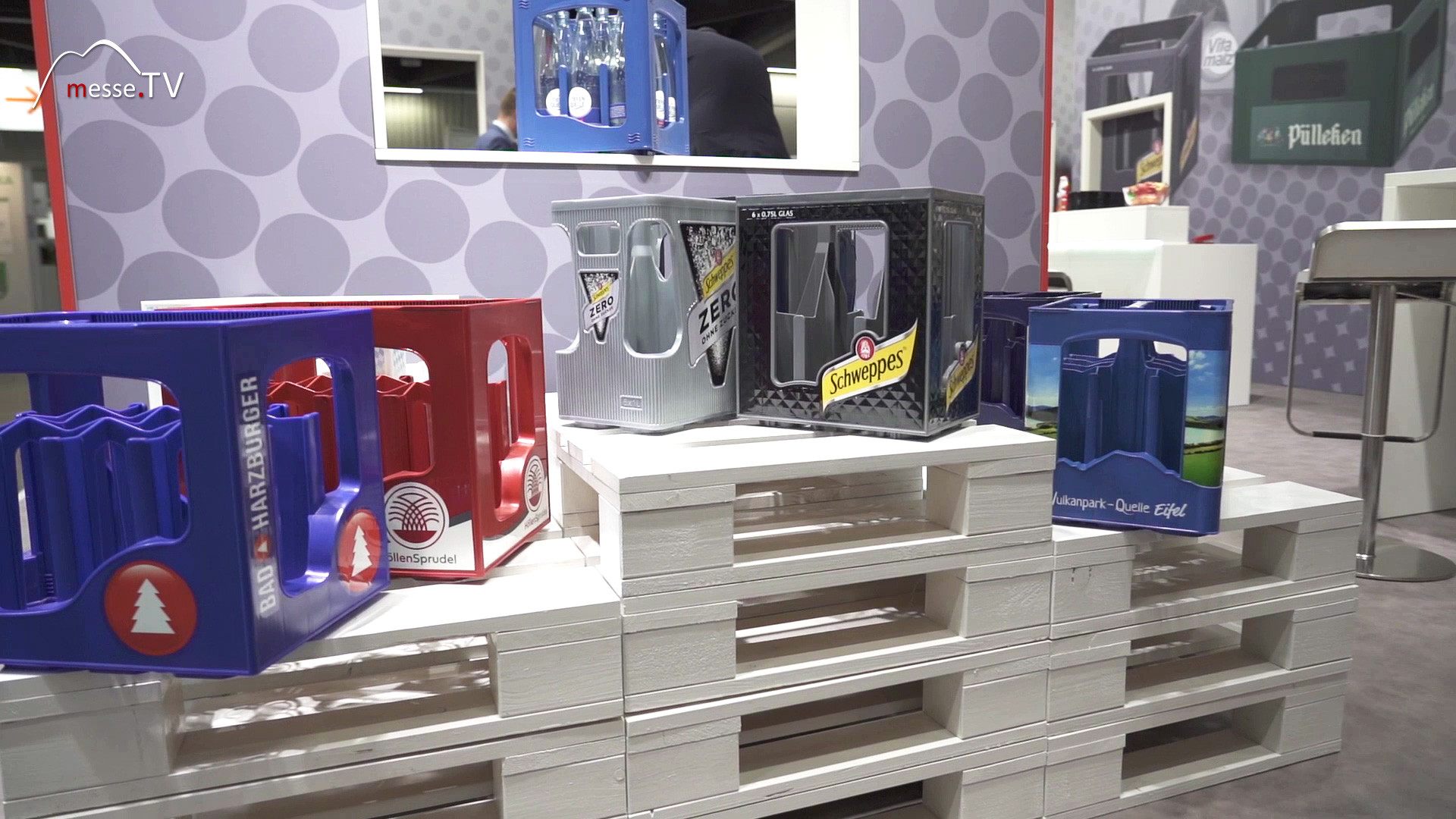
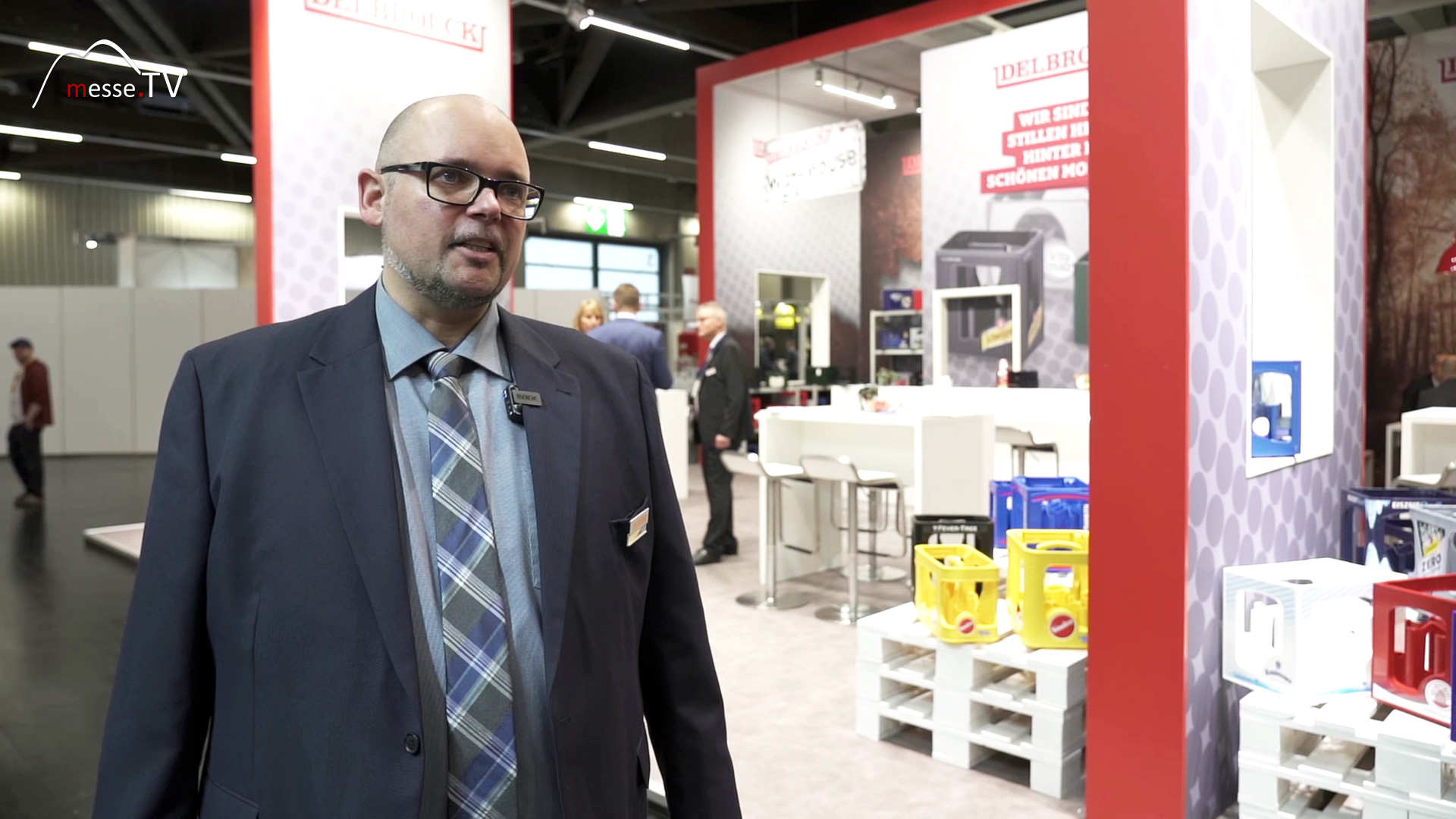
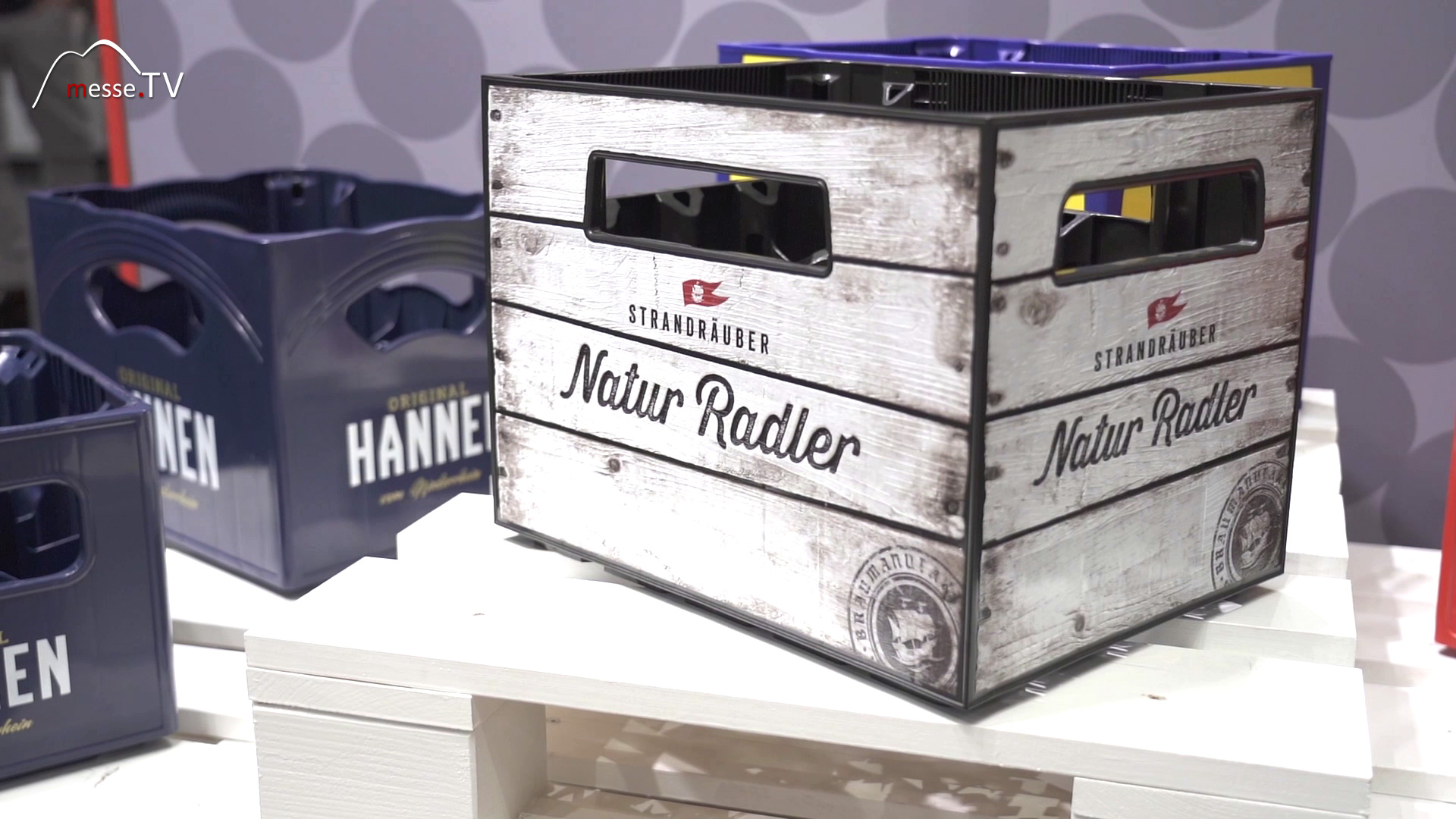
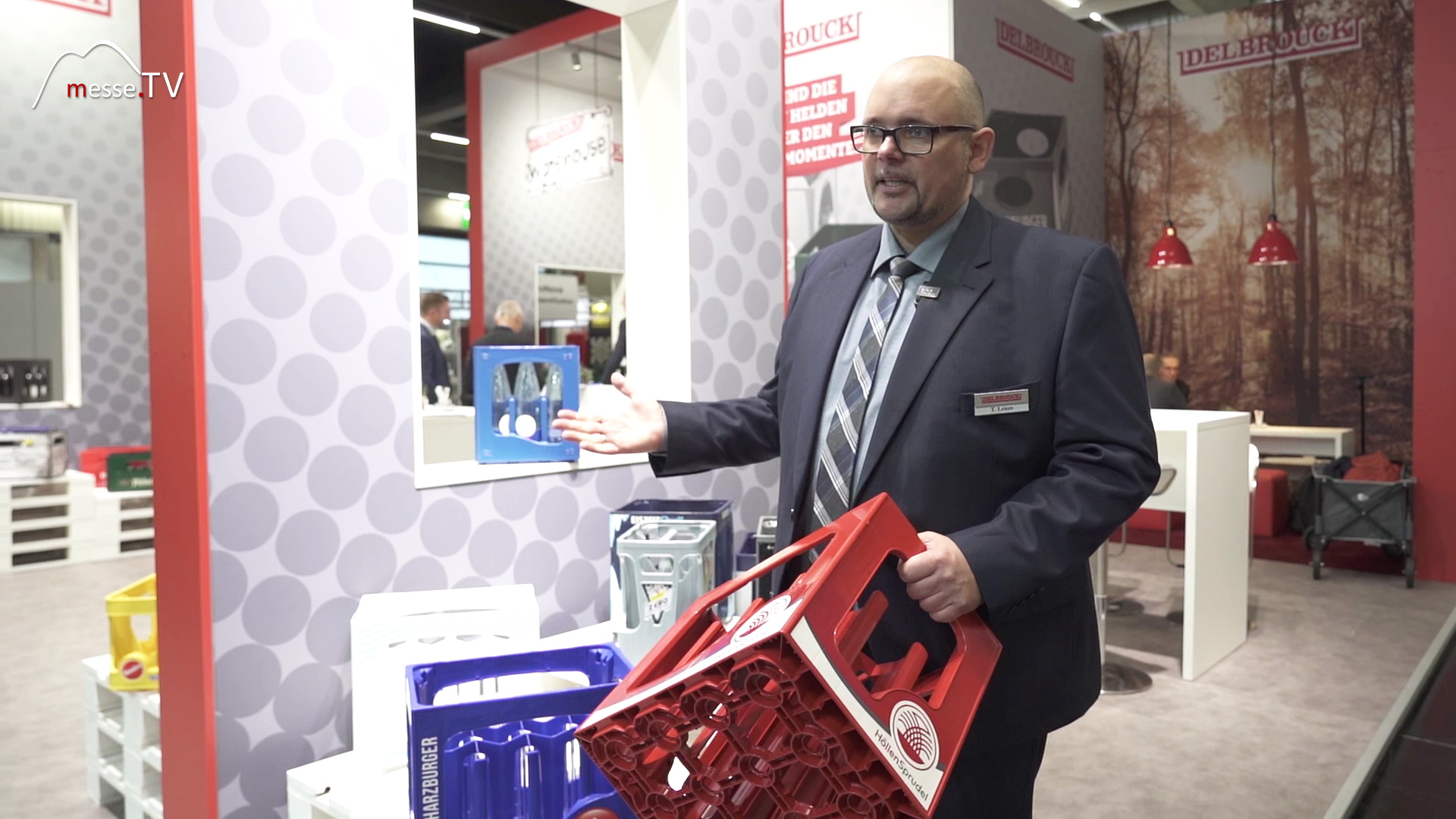
An den Standorten im sauerländischen Menden sowie im thüringischen Föritztal entstehen Getränkekästen, die gezielt auf die Anforderungen einzelner Marken zugeschnitten sind. Das Unternehmen arbeitet dabei für ein breites Kundenspektrum – von klassischen Brauereien bis hin zu Herstellern alkoholfreier Getränke. Entscheidend ist weniger die Serienproduktion als vielmehr die gemeinsame Entwicklung: Form, Oberfläche, Tragekomfort und Markenwirkung werden zusammen mit den Kunden definiert. Diese enge Zusammenarbeit erklärt, warum die Kästen nicht austauschbar wirken. Jeder Entwurf ist auf den jeweiligen Einsatzzweck abgestimmt, sei es für den Handel, die Gastronomie oder den direkten Kontakt mit dem Endkunden. In einem zunehmend gesättigten Getränkemarkt wird der Kasten damit Teil der Markenkommunikation.
Materialität und Ergonomie als Gestaltungsfaktoren
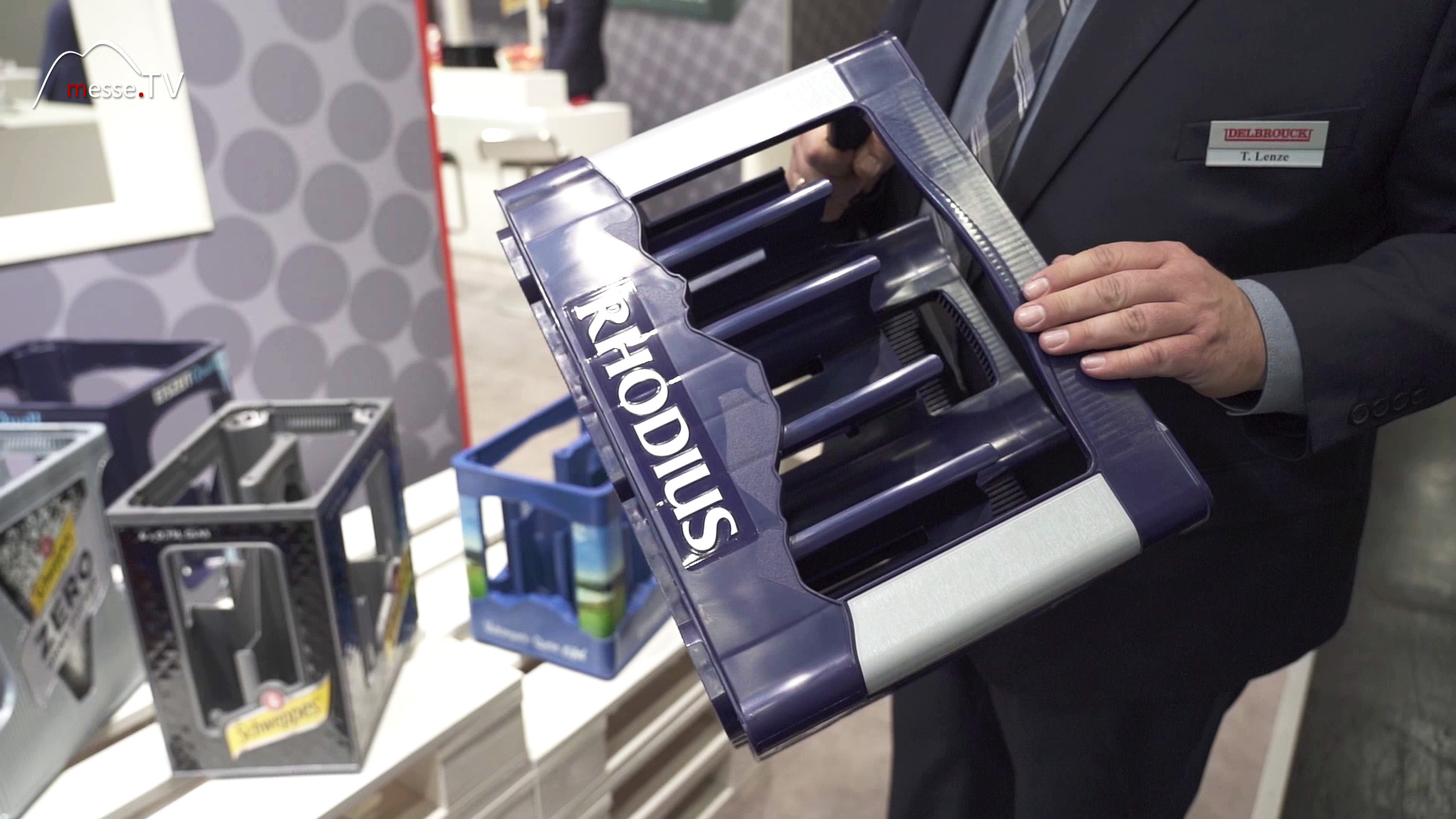
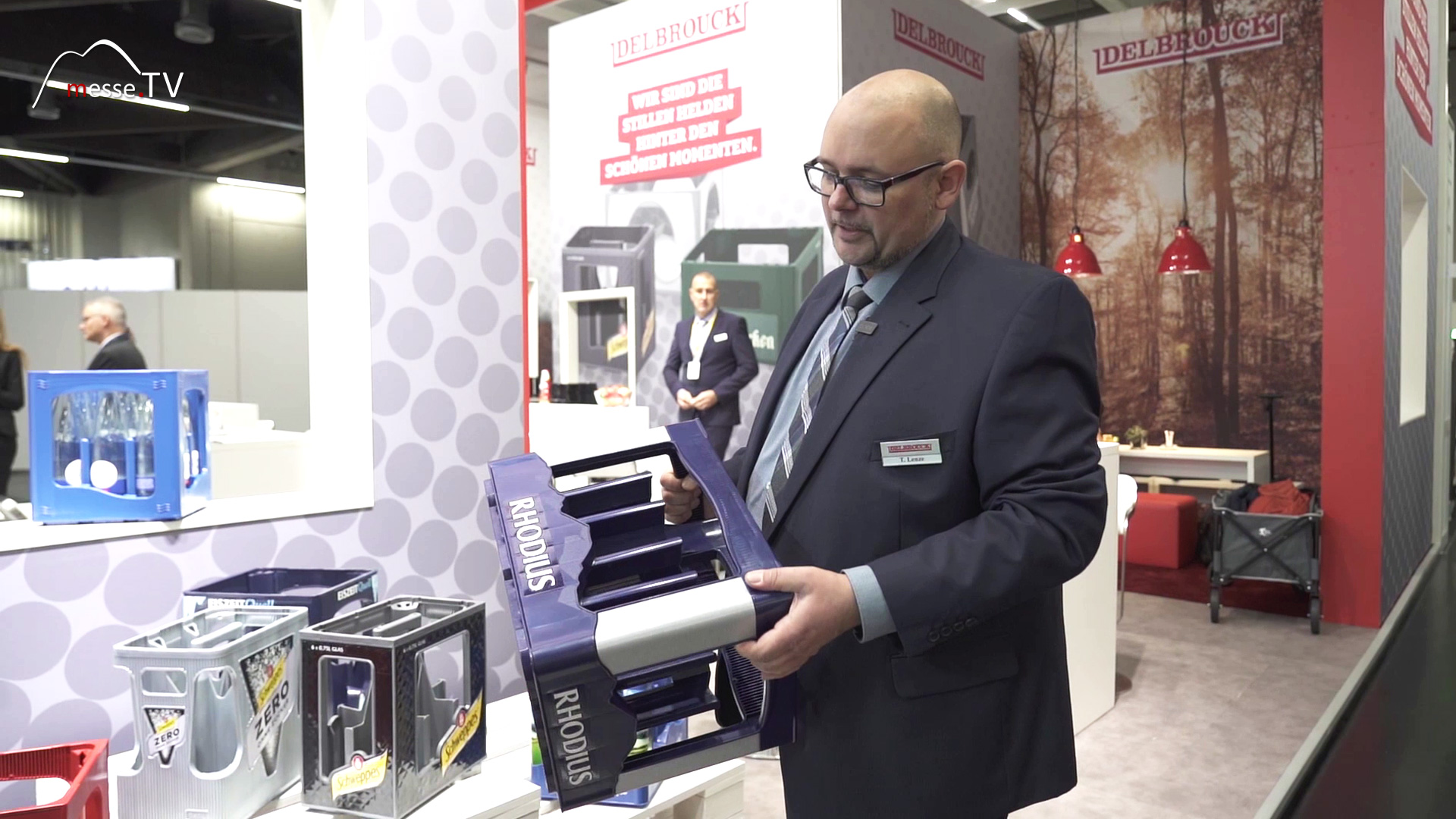
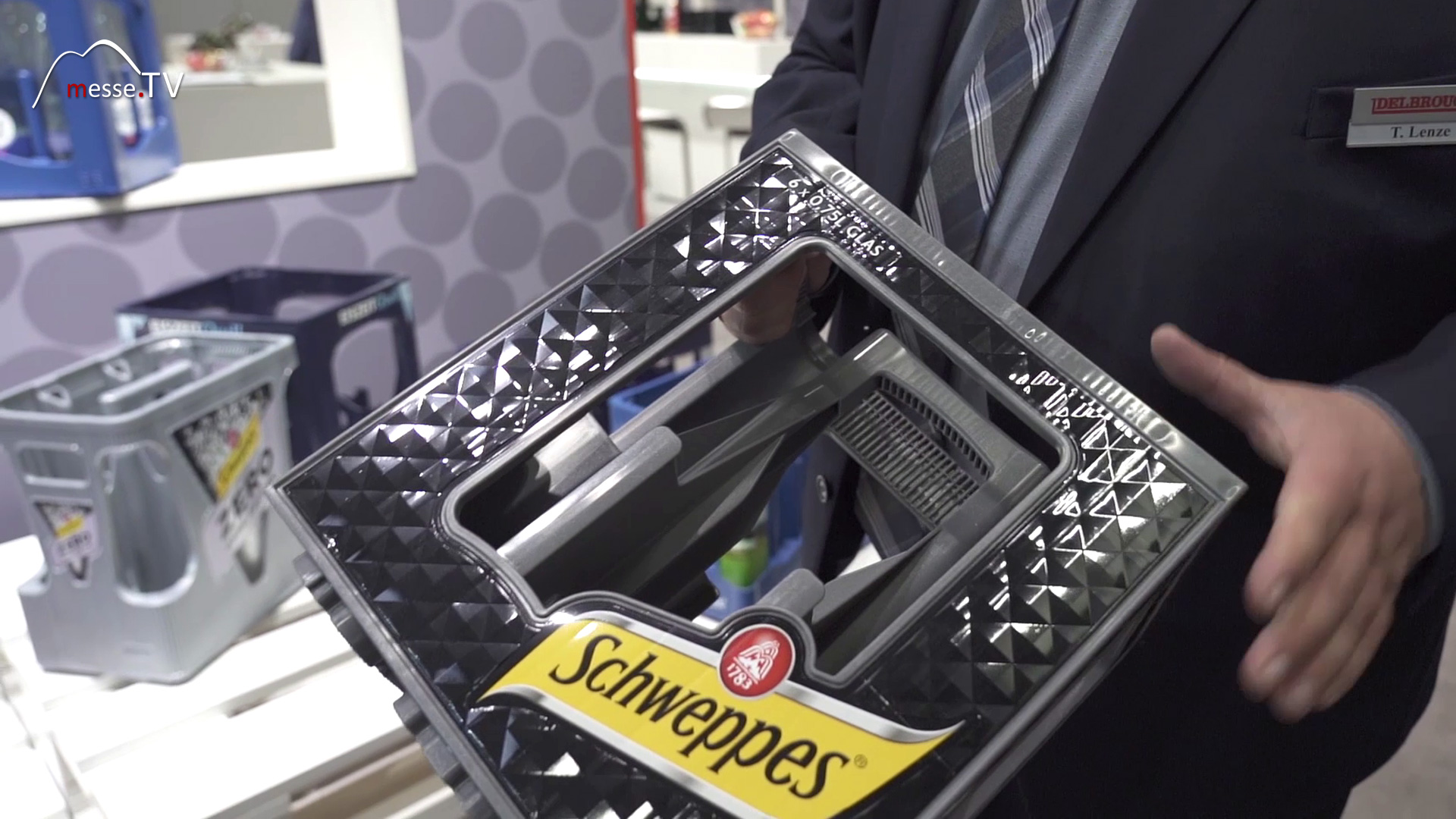
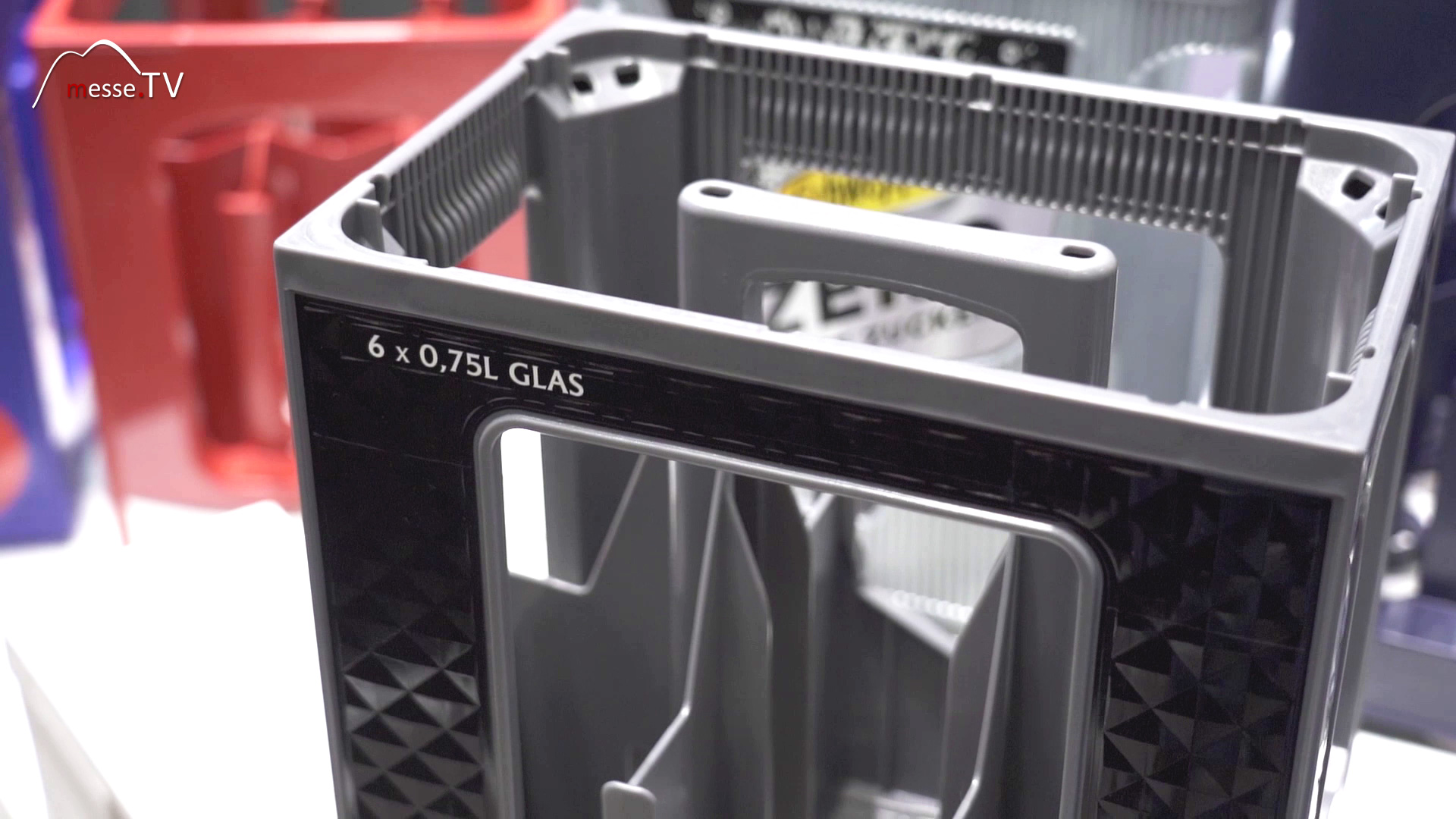
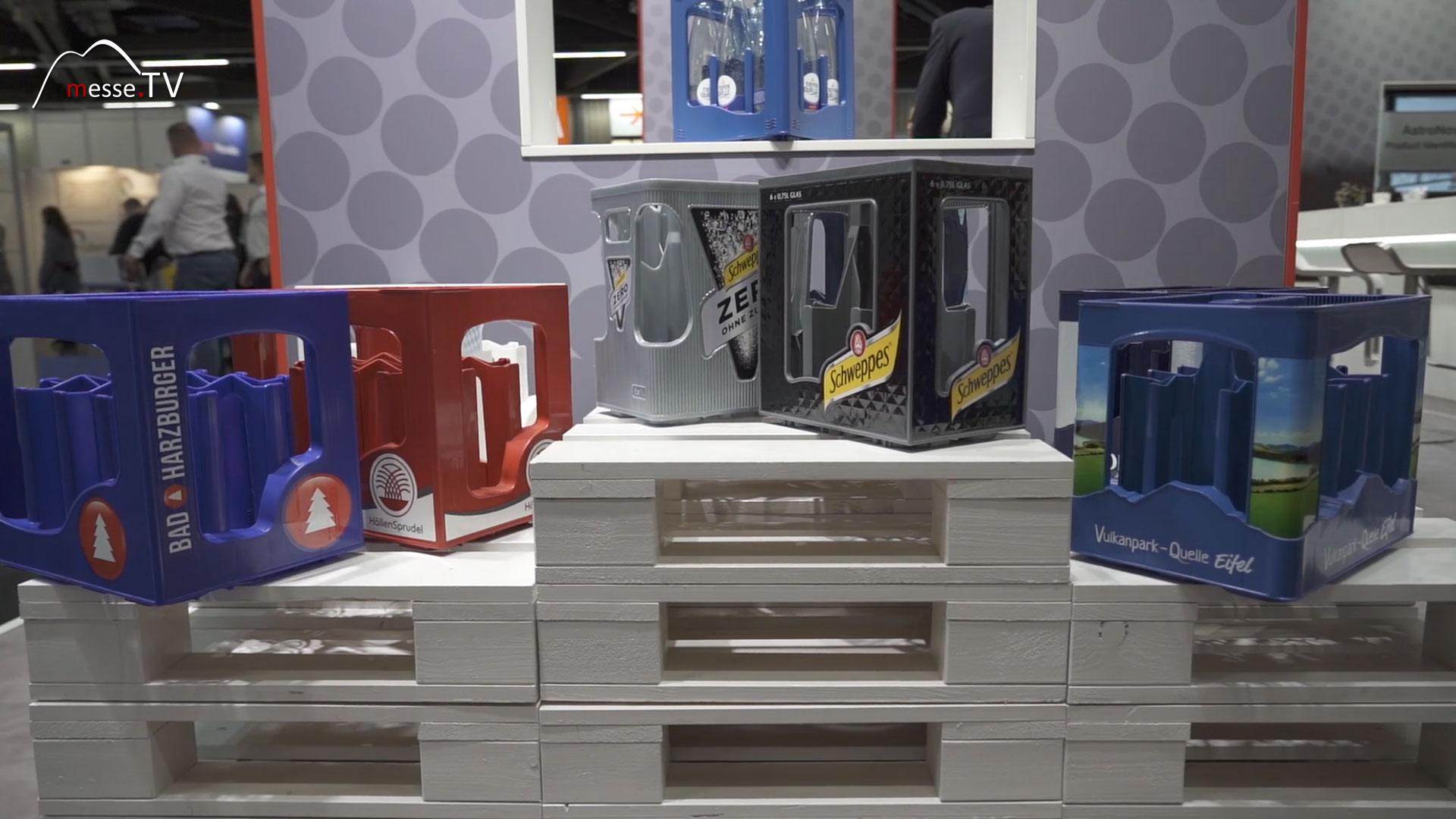
Ein zentrales Merkmal vieler Lösungen ist die bewusste Auseinandersetzung mit Oberflächen und Haptik. Am Beispiel eines für Rhodius entwickelten Kastens zeigt sich, wie stark Details den Gesamteindruck prägen können. Eine edelstahlgebürstete Anmutung in Kombination mit einem stabilen, körpernah geführten Mitteltragegriff verändert nicht nur die Optik, sondern auch das Tragegefühl. Der Kasten liegt näher am Körper, lässt sich kontrollierter bewegen und vermittelt Wertigkeit. Auch bei anderen Modellen spielt die Oberflächentechnik eine tragende Rolle. Für Schweppes wurde etwa mit strukturierten Inmould-Labels gearbeitet. Die dabei eingesetzte Pyramidenstruktur ist bewusst unregelmäßig gestaltet – keine Fläche gleicht der anderen. Das Ergebnis ist eine visuelle Tiefe, die sich deutlich von standardisierten Mehrwegkästen abhebt und den Wiedererkennungswert der Marke stärkt.
Eigene Werkzeuge und gestalterische Freiheit
Ein wesentlicher Baustein dieser Individualität liegt in der eigenen Werkzeugkompetenz. Durch firmeneigene Werkzeuge ist Delbrouck in der Lage, neue Designs unabhängig umzusetzen und flexibel auf Kundenwünsche zu reagieren. Das betrifft nicht nur äußere Formen, sondern auch funktionale Aspekte wie Griffgestaltung, Stapelbarkeit oder Materialstärken. Diese Unabhängigkeit erlaubt es, gestalterische Konzepte umzusetzen, die über marktübliche Standards hinausgehen. Gleichzeitig bleibt die industrielle Alltagstauglichkeit gewahrt – ein entscheidender Punkt in der Getränkeindustrie, in der Kästen täglich hohen Belastungen ausgesetzt sind.
Nachhaltigkeit aus dem Material heraus gedacht
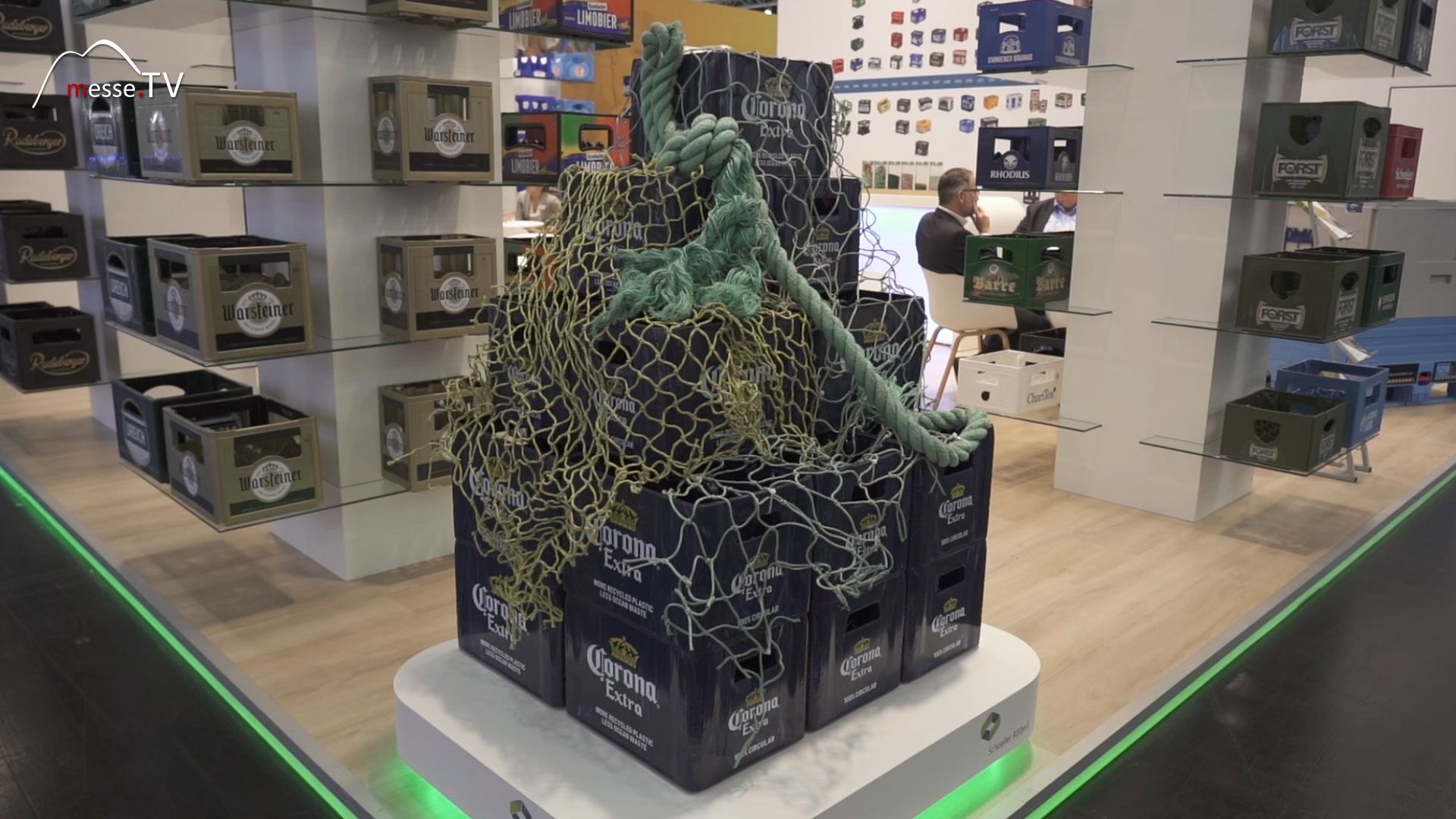
Neben Design und Funktion rückt das Thema Nachhaltigkeit zunehmend in den Mittelpunkt. Dabei geht es nicht um symbolische Maßnahmen, sondern um konkrete Materialentscheidungen. Seit vielen Jahren setzt das Unternehmen auf Kästen aus hundert Prozent Regenerat. Verarbeitet werden recycelte Altmaterialien, etwa aus zurückgeführten Kästen, die erneut in den Produktionskreislauf eingebracht werden. Dieser Ansatz folgt dem Prinzip geschlossener Materialkreisläufe und reduziert den Bedarf an neuem Kunststoff deutlich. Für Kunden bedeutet das eine Lösung, die ökologische Anforderungen erfüllt, ohne Abstriche bei Stabilität oder Lebensdauer zu machen. Gerade im Mehrwegsegment, das ohnehin auf lange Nutzungszyklen ausgelegt ist, gewinnt dieser Aspekt weiter an Bedeutung.
Gestaltungsmerkmale im Überblick
Die entwickelten Platzierungskästen vereinen mehrere Anforderungen, die sich im Markt zunehmend als Standard etablieren:
- individuelle Form- und Oberflächengestaltung für klare Markenidentität
- ergonomische Tragegriffe für verbessertes Handling im Alltag
- Einsatz strukturierter Inmould-Labels für visuelle Tiefe
- eigene Werkzeuge für hohe Flexibilität in der Entwicklung
- Produktion aus hundert Prozent Regenerat zur Unterstützung geschlossener Kreisläufe
Zwischen Markeninszenierung und industrieller Realität
Getränkekästen bewegen sich in einem Spannungsfeld: Sie müssen robust, stapelbar und logistisch effizient sein, zugleich aber als sichtbarer Bestandteil des Markenauftritts funktionieren. Die hier gezeigten Beispiele machen deutlich, dass sich diese Anforderungen nicht ausschließen müssen. Im Gegenteil: Durch gezielte Materialwahl, durchdachte Ergonomie und individuelle Gestaltung lassen sich funktionale Industriegüter in Markenbotschafter verwandeln. Für Delbrouck liegt genau darin der Ansatz. Nicht der Kasten als Massenprodukt steht im Vordergrund, sondern die passgenaue Lösung für einen konkreten Einsatzzweck. In einem Markt, der sich zunehmend über Details differenziert, wird auch der Getränkekasten Teil dieser Entwicklung – leise, aber wirkungsvoll.
Messe-Berichterstattung bundesweit - Messewissen, Termine & Veranstaltungen


