Autarke Energieversorgung für Brauereien durch Biomasse-Konversion
Die Frage nach einer stabilen und zugleich nachhaltigen Energieversorgung rückt für Brauereien immer stärker in den Mittelpunkt strategischer Entscheidungen. Steigende Energiepreise, regulatorische Anforderungen und der Druck zur Reduktion von Emissionen zwingen Betreiber dazu, ihre Prozesse ganzheitlich zu betrachten.
Dabei geht es längst nicht mehr nur um effiziente Sudhäuser oder optimierte Gär- und Lagertechnik, sondern um die intelligente Nutzung jener Stoffströme, die im Brauprozess ohnehin anfallen. Genau hier setzt ein technologischer Ansatz an, der Energie, Kreislaufwirtschaft und wirtschaftlichen Mehrwert miteinander verbindet.
Energie als strategischer Faktor im Brauprozess
Brauereien zählen zu den energieintensiven Produktionsbetrieben der Lebensmittelindustrie. Wärme, Kälte und Strom werden über nahezu alle Prozessschritte hinweg benötigt – vom Maischen über das Würzekochen bis hin zur Filtration und Abfüllung. Gleichzeitig entstehen kontinuierlich Reststoffe, die bislang häufig lediglich entsorgt oder energetisch nur unzureichend genutzt wurden. In einer Zeit, in der Versorgungssicherheit und Autarkie an Bedeutung gewinnen, wird dieser Umgang zunehmend hinterfragt. Technologische Konzepte, die Reststoffe nicht als Abfall, sondern als Ressource begreifen, verschieben den Fokus vom reinen Anlagenbau hin zu integrierten Energiesystemen. Ziel ist es, den externen Energiebezug zu reduzieren und die Brauerei resilienter gegenüber Markt- und Preisschwankungen zu machen.

Biomasse-Konversion als Teil einer Kreislaufstrategie
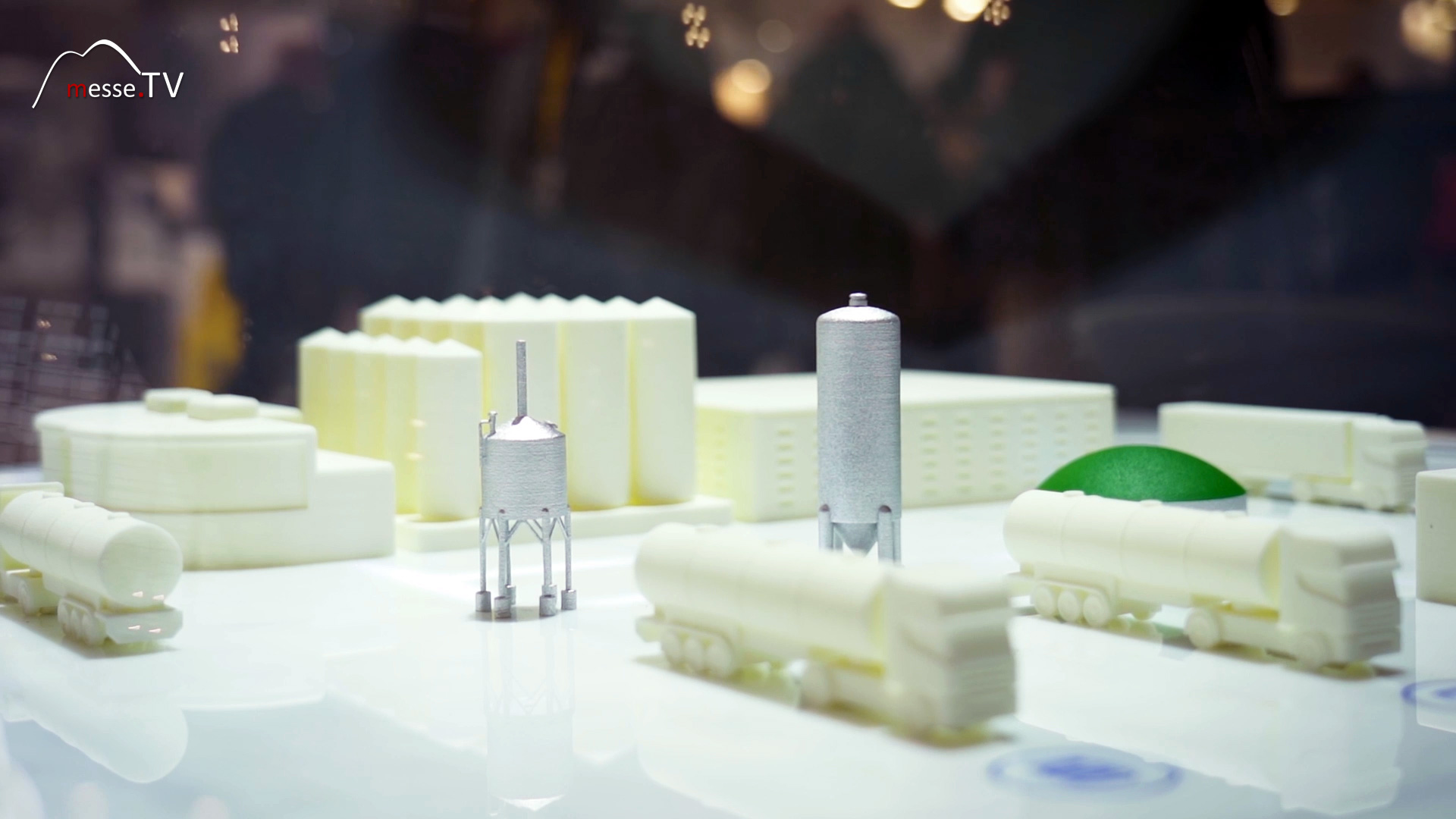
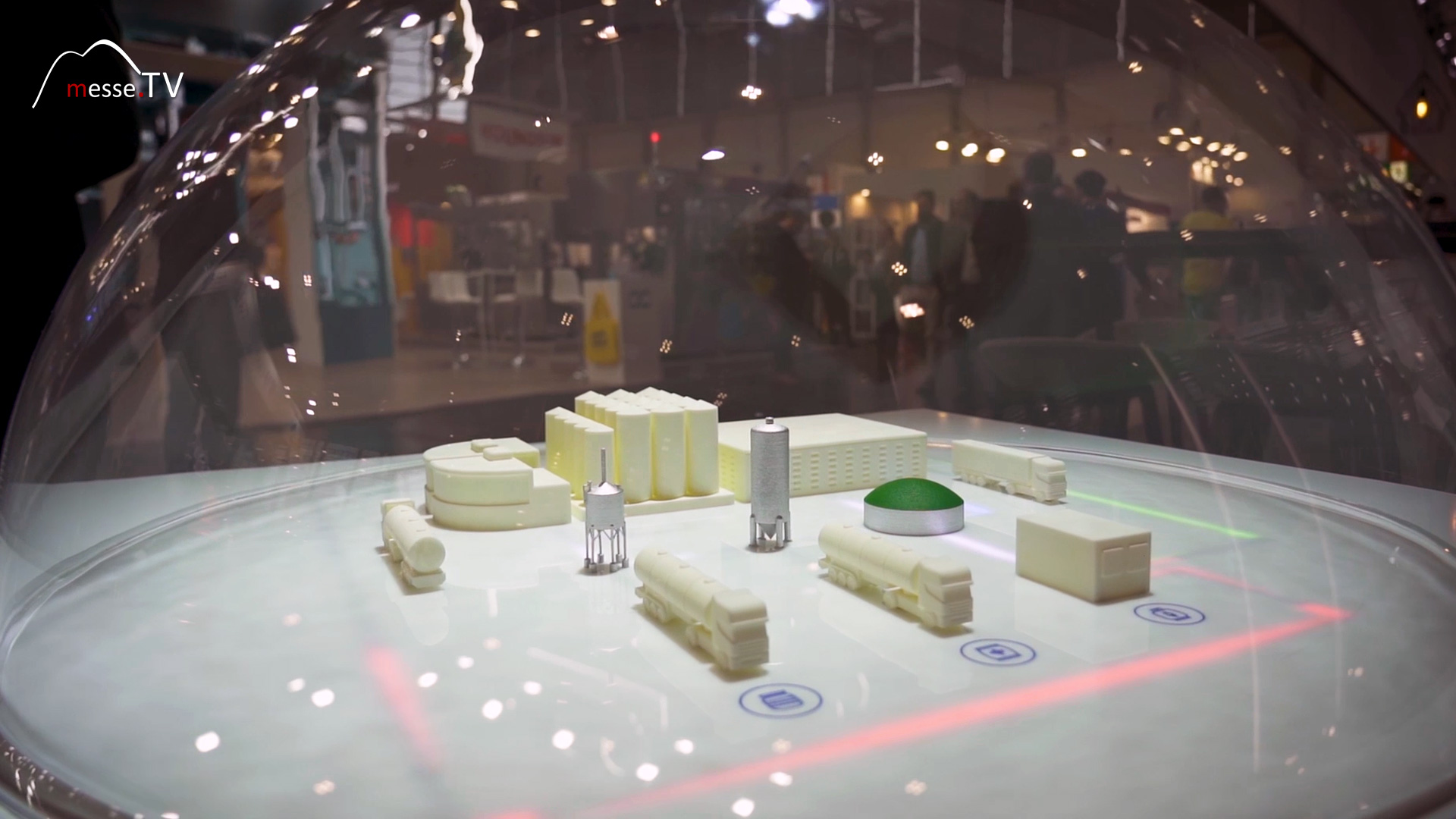
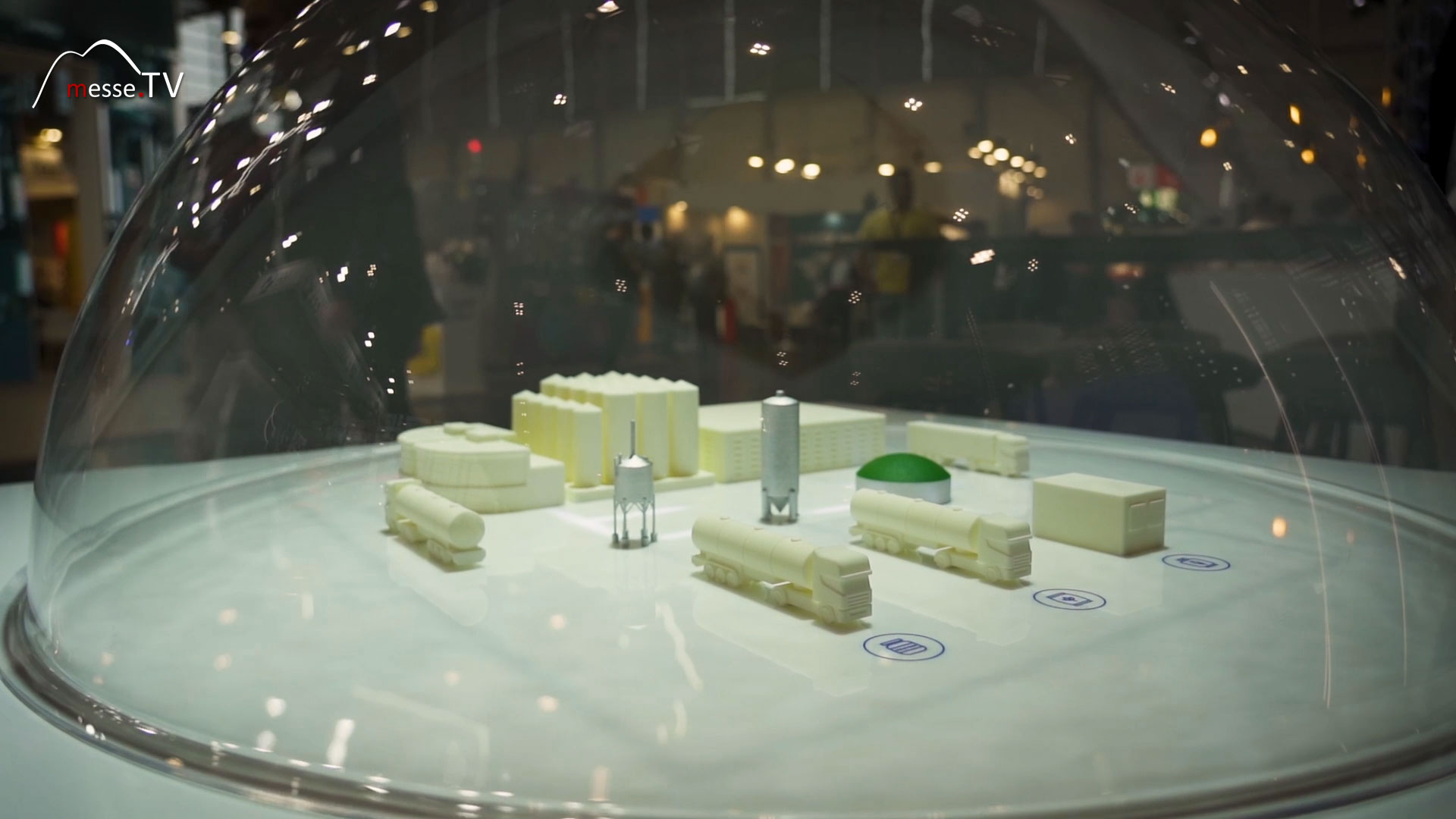
Ein zentraler Ansatzpunkt ist die Biomasse-Konversion. Dabei werden Nebenprodukte des Brauprozesses schrittweise aufbereitet und in unterschiedliche Wertstoffströme überführt. Im ersten Schritt steht die Extraktion hochwertiger Inhaltsstoffe im Vordergrund. Insbesondere Proteine lassen sich aus den anfallenden Reststoffen gewinnen und an andere Industriepartner weitergeben, etwa zur Herstellung von Fleischersatzprodukten. Damit wird aus einem internen Nebenprodukt ein marktfähiger Rohstoff. Darauf aufbauend folgt die Gewinnung eines flüssigen Mineraldüngers. Dieser kann in der Landwirtschaft eingesetzt werden und schließt einen weiteren Stoffkreislauf. Erst die verbleibenden Reststoffe werden schließlich zur Energieerzeugung genutzt. In einer Biogasanlage entsteht daraus Energie in einem Umfang, der ausreicht, um den gesamten Brauprozess autark zu versorgen. Dieser mehrstufige Ansatz zeigt, dass Energiegewinnung nicht isoliert betrachtet wird, sondern eingebettet ist in ein umfassendes Konzept der Circular Economy.
Projekt Phoenix und das Pronomic-Konzept
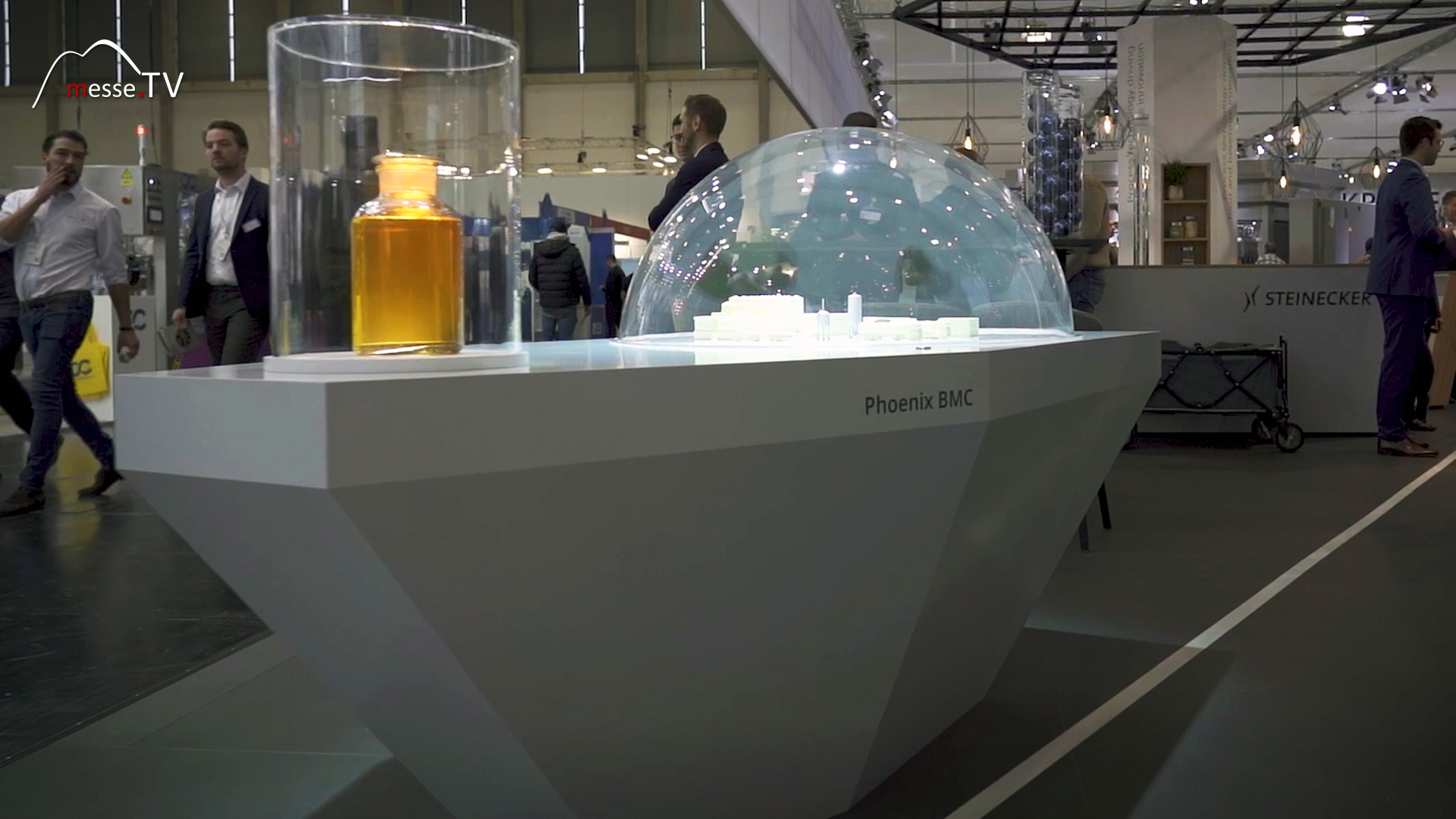
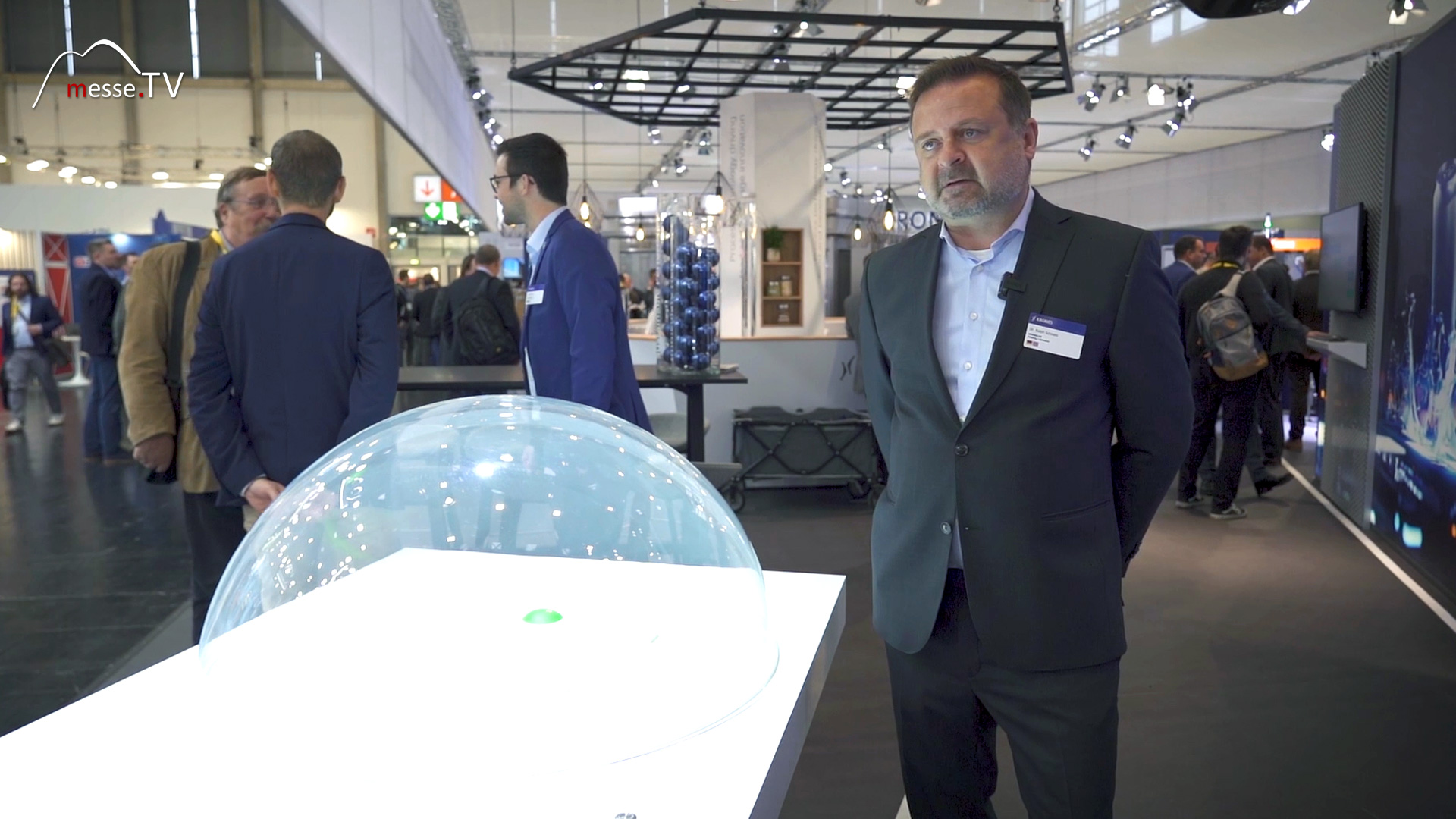
Konkret umgesetzt wird dieser Ansatz im Projekt Phoenix, das als Baustein eines übergeordneten Energiekonzepts entwickelt wurde. Phoenix ist Teil des sogenannten Pronomic-Konzepts, das Brauereien den Weg zu einer eigenständigen, autarken Energieversorgung eröffnen soll. Der Grundgedanke: Reststoffe aus dem eigenen Prozess werden so genutzt, dass sie mehrfachen Nutzen stiften – stofflich wie energetisch. Das erste Modul zur Eiweißextraktion hat mittlerweile einen Entwicklungsstand erreicht, der eine Markteinführung erlaubt. Damit steht Brauereien ein konkretes Produkt zur Verfügung, das nicht nur ökologische Vorteile bietet, sondern auch neue Erlöspotenziale erschließt. Die weiteren Stufen zur Düngemittelproduktion und zur vollständigen energetischen Verwertung befinden sich in der Umsetzung und werden schrittweise ergänzt.
Technologische Kompetenz im Brauanlagenbau
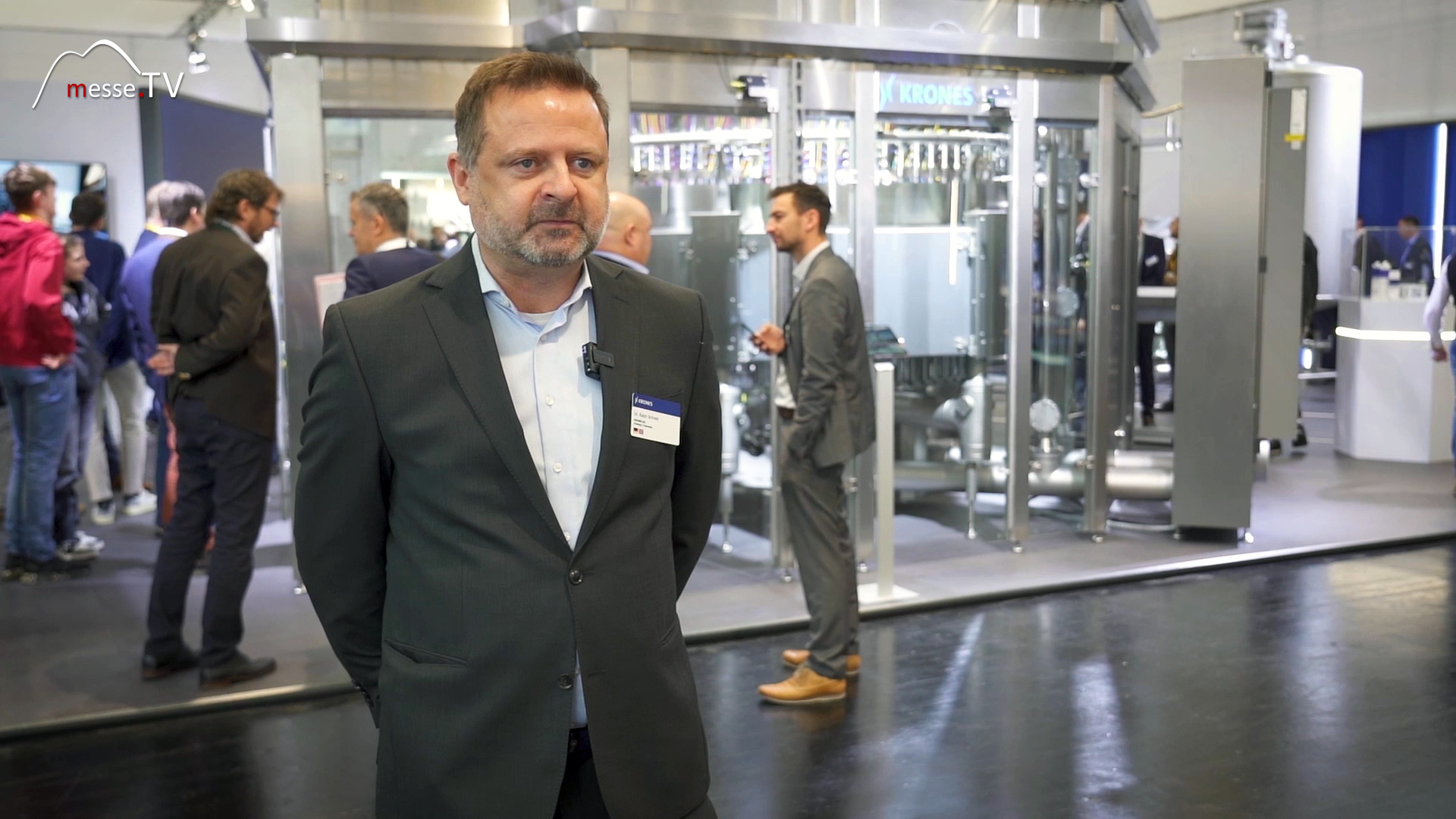
Entwickelt wurde dieser Ansatz von Steinecker, einem Spezialisten für Prozesstechnik im Brauanlagenbau. Als Teil der Krones AG kann Steinecker innerhalb eines größeren industriellen Verbunds den kompletten prozesstechnischen Anteil für Brauereien abdecken. Diese Einbindung ermöglicht es, Energie-, Stoff- und Prozessfragen nicht isoliert zu betrachten, sondern als zusammenhängendes System zu entwickeln. Die langjährige Erfahrung im Anlagenbau bildet dabei die Grundlage für neue Differenzierungsmerkmale. Klassische Brauanlagen können heute von vielen Anbietern weltweit geliefert werden. Der Wettbewerb verlagert sich daher zunehmend auf zusätzliche Nutzenversprechen jenseits der reinen Produktionsleistung.
Abgrenzung im internationalen Wettbewerb
Gerade im globalen Marktumfeld wird deutlich, dass technische Exzellenz allein nicht mehr ausreicht. Brauereien erwarten Lösungen, die ihnen helfen, langfristig wettbewerbsfähig zu bleiben. Energieautarkie, Ressourceneffizienz und die Einbindung in regionale Stoffkreisläufe entwickeln sich zu entscheidenden Kriterien bei Investitionsentscheidungen. Der Ansatz der Biomasse-Konversion schafft hier mehrere Vorteile gleichzeitig:
- Reduktion des externen Energiebezugs und höhere Versorgungssicherheit
- zusätzliche Erlöse durch die stoffliche Nutzung von Reststoffen
- Verbesserung der Umweltbilanz durch geschlossene Kreisläufe
- stärkere Unabhängigkeit von volatilen Energiemärkten
Wirtschaftlicher Mehrwert durch Autarkie
Autarke Energieversorgung ist kein Selbstzweck. Sie entfaltet ihren Nutzen vor allem dort, wo sie sich auch wirtschaftlich rechnet. Durch die Kopplung von Proteinextraktion, Düngemittelgewinnung und Biogasproduktion entsteht ein System, das ökologische und ökonomische Ziele miteinander verbindet. Investitionen in solche Konzepte zahlen nicht nur auf Nachhaltigkeitsziele ein, sondern wirken sich langfristig auch monetär aus. Damit wird deutlich: Die Zukunft des Brauanlagenbaus liegt nicht allein in höheren Ausstoßleistungen oder schnelleren Prozessschritten, sondern in der intelligenten Verknüpfung von Technik, Energie und Kreislaufwirtschaft. Genau hier setzt der vorgestellte Ansatz an – und eröffnet Brauereien neue Handlungsspielräume in einem zunehmend anspruchsvollen Marktumfeld.
Messe-Berichterstattung bundesweit - Messewissen, Termine & Veranstaltungen


